Best Facial Procedures for Aging Skin: Botox, Fillers, Lasers and Peels
When wrinkles, sagging, sun spots or crepey texture start to bother you, creams can only do so much. Dermatologists offer a range of in-office procedures that target these changes more directly, from quick injections to resurfacing treatments that need recovery time.
Part of our guide to facial treatments. Start with: What Is the Best Anti-Aging Facial Treatment? Options Compared by Goal
The best facial procedures for aging skin depend on the problem you want to treat. Botulinum toxin injections soften expression lines such as frown lines and crow’s feet. Dermal fillers restore lost volume in cheeks, lips and deep folds. Laser and light treatments improve sun damage, brown spots, redness and texture. Chemical peels and microdermabrasion refresh the surface and even tone, while microneedling and radiofrequency encourage collagen for firmer, smoother skin. Most people get the best result from a combination chosen by a board-certified dermatologist, supported at home by daily sunscreen and a retinoid, since no procedure stops aging for good.
In short: match the procedure to the concern, choose an experienced dermatologist and protect results with sunscreen and good skincare.
The American Academy of Dermatology explains that treatments such as chemical peels and microdermabrasion can improve signs of sun damage and uneven tone, and that results depend heavily on choosing the right depth of treatment for your skin.
This guide explains what each procedure does, who it suits, what recovery looks like and how at-home skincare helps results last, so you can go into a consultation knowing what to ask and which claims to question.
Shopping these picks?
Amazon Prime members get fast, free shipping on eligible items, plus Prime Video, Amazon Music and member deals. New members can start with a free trial.
Start a free Prime trialAged 18 to 24? Prime for Young Adults comes with a longer free trial and a lower price after it.
Affiliate link: we may earn a commission at no extra cost to you.
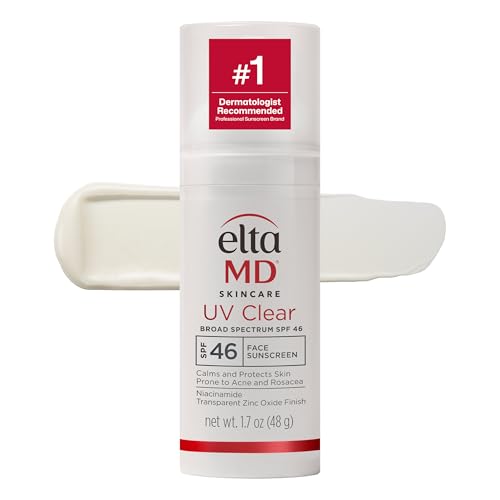
Recommended At-Home Anti-Aging Skincare on Amazon


Quick Answer
- Botulinum toxin softens lines caused by muscle movement.
- Fillers replace lost volume and soften deep folds.
- Lasers and light treatments target sun damage, spots and texture.
- Peels and microdermabrasion refresh the surface and even tone.
- Microneedling and radiofrequency support collagen for firmer skin.
- A board-certified dermatologist should guide your choice.
- Daily sunscreen and a retinoid help protect and extend results.
Jump to a Section
- Facial Procedures for Aging Skin at a Glance
- Botox and Fillers: Treating Lines and Volume Loss
- Lasers and Light Treatments
- Chemical Peels and Microdermabrasion
- Microneedling and Radiofrequency
- Which Procedure Suits Which Concern?
- How to Choose a Facial Procedure for Aging Skin
- At-Home Skincare That Supports Procedures
- Risks and Side Effects
- Dos and Don’ts
- Honest Limits
- When to See a Dermatologist
- Your Questions, Answered
- Summing Up
Facial Procedures for Aging Skin at a Glance
Each procedure works in a different way, so the right choice starts with the change you most want to improve. This table gives a general overview; your dermatologist will tailor the plan to your skin.
| Procedure | Main target | Typical downtime | How long results last |
|---|---|---|---|
| Botulinum toxin | Frown lines, forehead lines, crow’s feet | Little to none | A few months |
| Dermal fillers | Volume loss, deep folds, thin lips | Minor swelling or bruising | Months to a couple of years, by product |
| Ablative laser resurfacing | Deep wrinkles, significant sun damage | One to several weeks | Long-lasting with sun protection |
| Non-ablative laser or IPL | Spots, redness, mild texture | Little to a few days | Months to years, often needs series |
| Chemical peel | Tone, fine lines, sun spots | None to two weeks, by depth | Weeks to years, by depth |
| Microdermabrasion | Dullness, mild texture | None | Short term, needs repeats |
| Microneedling | Texture, fine lines, some scars | A few days of redness | Builds over several sessions |
| Radiofrequency | Mild laxity, texture | Little to a few days | Gradual, often needs maintenance |
Downtime and results vary a lot with the depth of treatment, your skin type and the skill of the practitioner, so treat these as general ranges rather than promises. Many clinics offer packages that bundle several procedures together, but it is worth understanding each one separately first so you can judge whether every part of a package is actually needed for your concerns.
Botox and Fillers: Treating Lines and Volume Loss
Injectables are the most common facial procedures for aging skin because they are quick and have little downtime. They treat very different problems, which is why they are often used together.
- Botulinum toxin relaxes specific muscles, softening lines that appear when you frown, raise your brows or smile.
- It works best on dynamic lines and less well on lines that are visible at rest.
- Fillers, often based on hyaluronic acid, add volume to hollow cheeks, temples, lips and deep folds.
- Fillers can also soften static lines that toxin cannot reach.
- Both need repeat treatments to maintain results.
Our guide comparing facial fillers and botox explains the differences in more detail, including which lines respond to each. Both should be given by a trained medical professional who understands facial anatomy, because the difference between a natural and an overdone result often comes down to placement and restraint rather than the product itself.
Lasers and Light Treatments
Lasers and light devices cover a wide range of treatments, from gentle sessions with little downtime to deep resurfacing that needs weeks of healing.
- Ablative lasers remove thin layers of skin and give the most dramatic results for deep wrinkles, with the longest recovery.
- Fractional lasers treat tiny columns of skin, balancing results and downtime.
- Non-ablative lasers heat deeper layers without removing the surface, usually needing several sessions.
- Intense pulsed light targets brown spots and redness from sun damage.
- Darker skin tones need careful device choice to lower the risk of pigment changes.
Laser results depend on the device, the settings and the operator. Ask how many similar treatments the practitioner has performed on skin like yours, especially if you have medium or dark skin. A test patch on a small area is a reasonable request before a full treatment.
If you are deciding between resurfacing options, our comparison of laser facials and microneedling covers how the two differ in results and recovery.
Chemical Peels and Microdermabrasion
Peels and microdermabrasion work on the surface of the skin. They are often good first steps for dullness, uneven tone and fine lines.
| Treatment | Depth | Best for | Recovery |
|---|---|---|---|
| Superficial peel | Outer layer | Dullness, mild tone issues | Mild flaking for a few days |
| Medium peel | Outer and upper middle layers | Sun spots, fine lines | About one to two weeks |
| Deep peel | Deeper layers | Deeper wrinkles, significant sun damage | Weeks, with more risk |
| Microdermabrasion | Outer layer | Dullness, mild texture | Usually none |
The AAD’s chemical peels overview explains how peel depth affects results and recovery, and its microdermabrasion overview describes what that treatment can and cannot improve.
Microneedling and Radiofrequency
These treatments aim to trigger the skin’s own repair response, which gradually increases collagen and improves firmness and texture.
- Microneedling creates tiny controlled injuries that stimulate repair.
- It can improve fine lines, texture and some acne scars over several sessions.
- Radiofrequency heats deeper layers to tighten and firm mildly lax skin.
- Some devices combine microneedling with radiofrequency for a stronger effect.
- Results build slowly over months rather than appearing straight away.
These options suit people with early to moderate changes who want gradual improvement. They will not replace a surgical lift for significant sagging, and home microneedling devices are much weaker and carry an infection risk if not kept clean. Expect a course of treatments spaced several weeks apart, followed by occasional maintenance sessions, and remember that improvements in firmness are usually subtle.
Which Procedure Suits Which Concern?
Most people have more than one sign of aging. This quick guide links common concerns to the procedures dermatologists often consider first.
- Frown lines and crow’s feet: botulinum toxin.
- Hollow cheeks or deep folds from nose to mouth: fillers.
- Brown spots and redness from sun damage: IPL or non-ablative laser, sometimes peels.
- Rough texture and fine lines: peels, microneedling or fractional laser.
- Deep wrinkles and significant sun damage: ablative or fractional laser, deeper peels.
- Mild sagging along the jaw: radiofrequency or other tightening devices; surgery for more advanced laxity.
A combination approach often gives a more natural look than pushing one treatment too far, for example softening lines with toxin while improving tone with a laser or peel. Your dermatologist may also suggest spacing treatments over several months so your skin can recover and you can judge each change before adding the next.
How to Choose a Facial Procedure for Aging Skin
These steps help you plan safely and get realistic advice.
Name your main concern
Decide whether lines, volume, spots, texture or sagging bothers you most.
See a board-certified dermatologist
Ask for an assessment rather than booking a treatment from an advert.
Discuss your skin type and history
Mention cold sores, keloids, pigment changes, medicines and pregnancy.
Ask about downtime and risks
Find out what recovery looks like and what could go wrong.
Start conservatively
Begin with a lighter treatment or smaller amount and build up.
Prepare your skin
Follow any pre-treatment advice, such as pausing retinoids or protecting from sun.
Protect the results
Use daily sunscreen and the aftercare routine you are given.
Bring photos of yourself from a few years ago to your consultation. They help the dermatologist see what has changed and aim for a result that still looks like you.
At-Home Skincare That Supports Procedures
In-office treatments work best alongside a steady routine. The aim is to protect your investment and slow new damage.
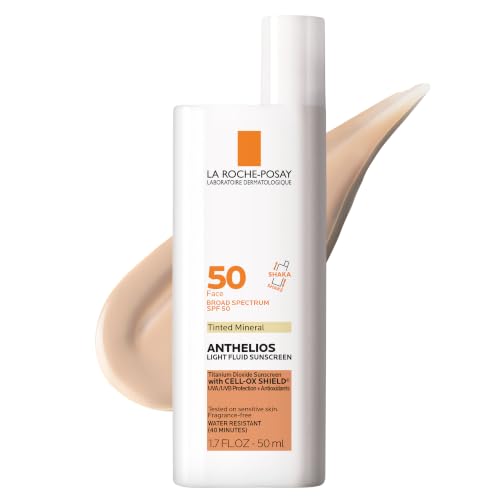
- Broad-spectrum sunscreen of SPF 30 or higher every day, reapplied when outdoors.
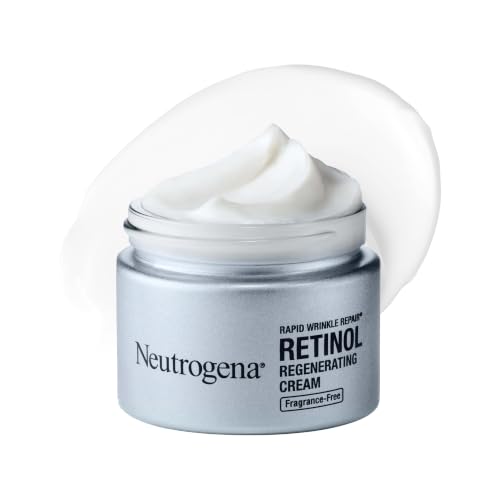
- A retinoid at night, introduced slowly, to support smoother texture over time.
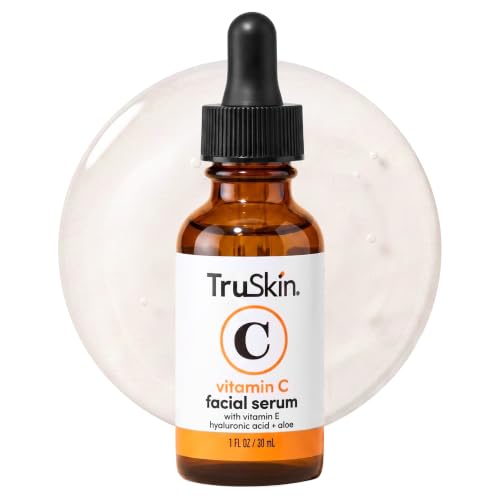
- A vitamin C serum in the morning for antioxidant support.
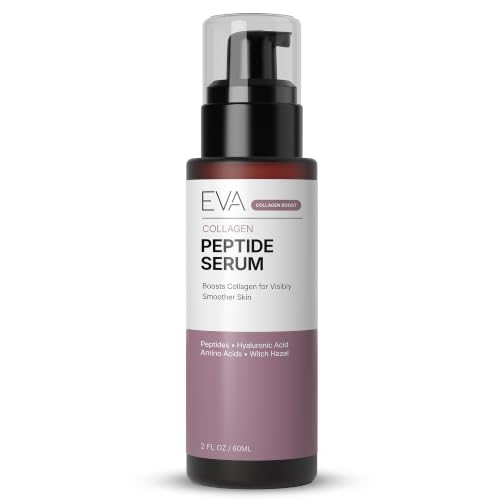
- A moisturiser with peptides, ceramides or hyaluronic acid for comfort and hydration.
- A gentle cleanser that does not leave skin tight.
The AAD guide on how to apply sunscreen covers how much to use and when to reapply. If you are new to retinoids, our guide on how to transition to retinol smoothly explains how to avoid irritation. Your dermatologist may ask you to pause retinoids and exfoliating acids for a few days before and after some treatments, so check before restarting them.
Risks and Side Effects
All procedures carry some risk, even when done well. Knowing the common side effects helps you spot when something is not right.
- Bruising, swelling and tenderness after injections.
- Drooping eyelid or brow if toxin spreads to nearby muscles, usually temporary.
- Lumps, asymmetry or, rarely, blocked blood vessels after fillers.
- Redness, peeling and pigment changes after lasers and peels.
- Cold sore flare-ups after resurfacing in people prone to them.
- Infection if aftercare is not followed.
Seek urgent medical help if you notice severe or increasing pain, skin turning white, grey or blue, or any change in vision after a filler injection. Choose a qualified, experienced medical practitioner for injections and lasers, and avoid treatments from unlicensed providers or at parties.
Dos and Don’ts
Helps
- See a board-certified dermatologist
- Start with conservative treatments
- Tell your doctor about all medicines
- Wear sunscreen every day
- Follow aftercare exactly
Backfires
- Book based on price or adverts alone
- Try deep procedures before a tan fades
- Combine treatments without advice
- Pick at peeling skin
- Expect one treatment to stop aging
Honest Limits
No procedure stops aging. Injectables wear off, collagen gradually declines and sun exposure keeps causing damage, so most treatments need maintenance. Results also vary widely between people, and before-and-after photos online are often chosen to show the best outcomes.
Non-invasive devices usually give subtle improvements rather than dramatic change, and advanced sagging often responds better to surgery than to any device. Cost, time off work and the need for repeat sessions are real factors too, and it is reasonable to decide that sunscreen and good skincare are enough for now. Being honest with yourself about the result you want, and asking your dermatologist the same, is the best way to avoid disappointment and overtreatment.
When to See a Dermatologist
- You want advice on which procedure suits your skin and budget.
- You have a new, changing or bleeding spot, which should be checked before any cosmetic treatment.
- You have side effects after a procedure that are getting worse.
- You have darker skin and are considering lasers or deeper peels.
This article is for general information and does not replace professional medical advice. Cosmetic procedures should be discussed with and performed by a qualified medical professional, ideally a board-certified dermatologist.
Your Questions, Answered
What is the most effective facial procedure for aging skin?
It depends on the concern; many people benefit most from a combination.
Is botox or filler better for wrinkles?
Botox suits expression lines; fillers suit volume loss and deep folds.
Which procedure has the least downtime?
Botulinum toxin, microdermabrasion and superficial peels.
Do lasers work on all skin tones?
Some do, but darker skin needs careful device and setting choice.
How long do results last?
From a few months for injectables to years for deeper resurfacing.
Is microneedling good for aging skin?
It can improve texture and fine lines over several sessions.
Can procedures replace a facelift?
Not for significant sagging, though they help mild to moderate changes.
Should I stop retinol before a procedure?
Often yes, for a few days; follow your dermatologist’s advice.
Do I still need sunscreen after treatments?
Yes, daily sunscreen protects results and treated skin.
What age should I start facial procedures?
There is no set age; it depends on your concerns and goals.
Summing Up
The best facial procedures for aging skin are the ones matched to your concern: toxin for expression lines, fillers for volume, lasers and peels for sun damage and texture, and microneedling or radiofrequency for gradual firming.
Start with a consultation with a board-certified dermatologist, begin conservatively and support every treatment with daily sunscreen and a simple routine that includes a retinoid. That combination gives the most natural, longest-lasting results.

Written by
Registered pharmacist and founder of Facial Adviser. Rakib's pharmacy training covers how skincare actives work and interact; a later course in cosmetology turned that into a focus on facial treatments and skincare products. He plans, researches and edits every guide on the site and checks health claims against sources such as the American Academy of Dermatology, the FDA and the NIH. He is not a dermatologist; see the Editorial Policy and Medical Disclaimer.
About · Editorial policy · How we choose products · Medical disclaimer · Contact
Keep reading: Anti-aging facials and treatments
- What Is the Best Anti-Aging Facial Treatment? Options Compared by Goal
- Best Facial for Wrinkles: Professional Treatments vs At-Home Options
- Sagging Jowls in Your 30s: Causes and Options That Work
- Why Do I Have Crepey Skin on My Cheeks? Causes and Treatments That Help
- Facial Skin Tightening After Weight Loss: Realistic Options That Help
- How to Get Rid of Rhinoplasty Scars
- What Is a Spa Facial?
- Fruit Facial at Home: Does It Actually Work?