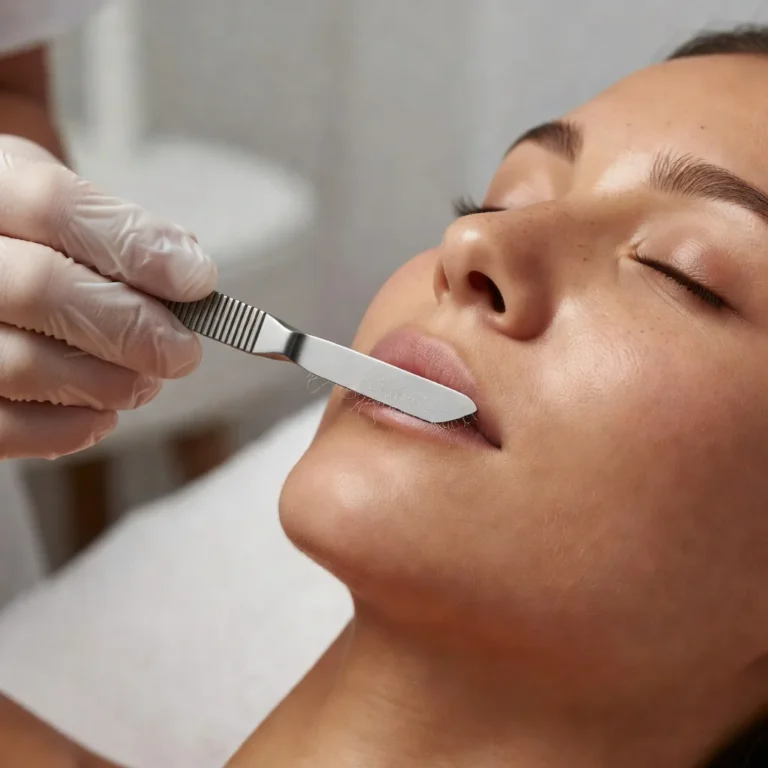

Best Facial for Wrinkles: Professional Treatments vs At-Home Options
Wrinkle facials range from relaxing massages with rich creams to clinical treatments that deliberately injure the skin so it rebuilds. Both can be called a facial, but they do very different things. Knowing which ones actually change the skin, and which mainly make it look fresh for a day or two, saves time and disappointment.
Part of our guide to facial treatments. Start with: What Is the Best Anti-Aging Facial Treatment? Options Compared by Goal
The best facial for wrinkles is one that stimulates new collagen, and the options with the most support are microneedling and chemical peels, usually as a series of treatments. Microneedling creates tiny controlled injuries that prompt repair, softening fine lines and improving texture over months. Light to medium chemical peels remove damaged surface layers and help fine lines and uneven tone. Radiofrequency facials heat deeper tissue and may give mild tightening, while microcurrent and LED facials produce subtler, shorter-lived changes. No facial erases deep wrinkles, and results last longest when paired with daily sunscreen and a retinoid at home.
In short: choose microneedling or a peel series for real change in fine lines, treat microcurrent, RF and LED as gentler extras, and protect results with sunscreen and a retinoid.
The American Academy of Dermatology notes in its chemical peels overview that peels can help fine lines and sun damage, with deeper peels giving more dramatic results but needing more recovery time.
This guide compares the main professional facials for wrinkles, what results are realistic, how they stack up against at-home tools, and how to build a routine that keeps improvements going between appointments.
Buying for a salon, spa or clinic?
A free Amazon Business account gives you business-only pricing on eligible items, multi-user buying and tax-exemption tools.
Create a free Business accountAffiliate link: we may earn a commission at no extra cost to you.
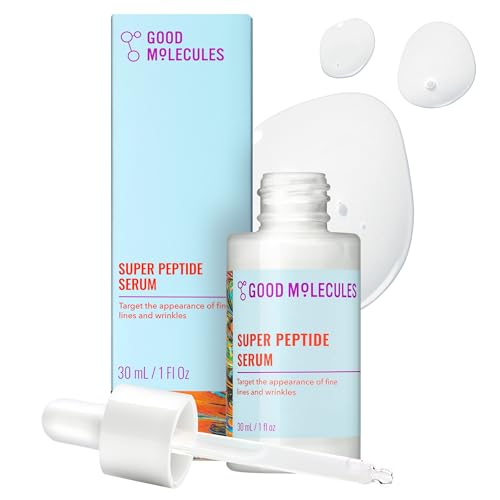
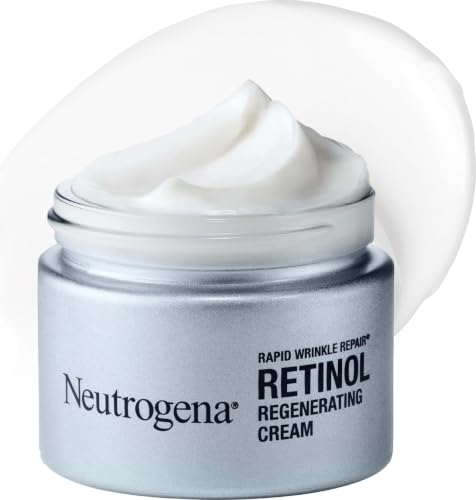
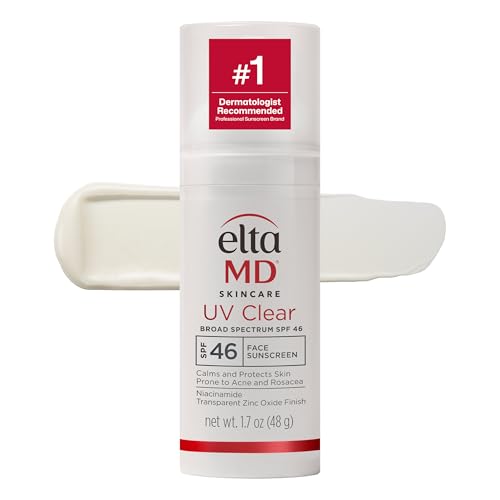
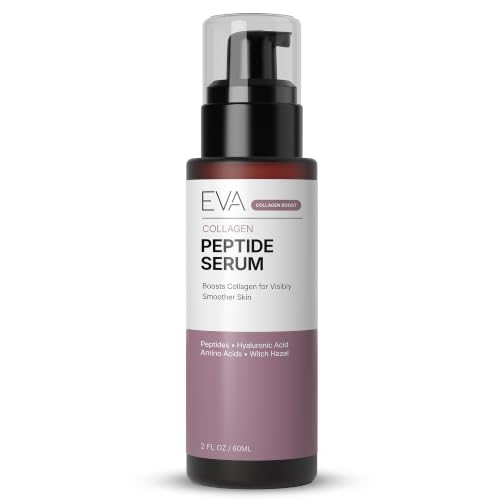
Recommended At-Home Anti-Wrinkle Products on Amazon



In Brief
- Microneedling and chemical peels have the strongest case for softening wrinkles.
- Radiofrequency may give mild tightening over several sessions.
- Microcurrent and LED give subtle results that fade without maintenance.
- Relaxing hydrating facials plump skin briefly but do not remove wrinkles.
- Deep wrinkles and folds need medical treatments, not facials.
- Daily sunscreen and a retinoid are the base that any facial builds on.
- At-home devices are weaker than clinic versions and need consistent use.
Contents
- What a Facial Can and Cannot Do for Wrinkles
- Professional Facials for Wrinkles Compared
- Microneedling: The Collagen Builder
- Chemical Peels for Fine Lines
- Microcurrent and Radiofrequency Facials
- LED Facials: Gentle but Modest
- Professional Facials vs At-Home Options
- Dos and Don’ts for Wrinkle Facials
- How to Build an At-Home Routine Between Wrinkle Facials
- What to Avoid and Realistic Results
- Honest Limits
- When to See a Dermatologist
- FAQ
- The Takeaway
What a Facial Can and Cannot Do for Wrinkles
Wrinkles form as skin loses collagen and elastin, as the sun breaks down structure, and as repeated expressions crease the same lines. Facials can help with some of these causes, but not all.
- Fine lines and crepey texture: respond well to collagen-stimulating facials.
- Uneven tone and roughness that exaggerate lines: improve with peels and exfoliation.
- Expression lines such as frown lines and crow’s feet: facials help little; these relate to muscle movement.
- Deep folds and volume loss: need medical options such as fillers or surgery, not facials.
- Dehydration lines: improve quickly with hydration, but the effect is temporary.
If you are weighing facials against other procedures, our overview of the best anti-aging facial treatment puts them in a broader context.
Professional Facials for Wrinkles Compared
Here is how the main professional options compare for lines and wrinkles.
| Treatment | How it works | Best for | Downtime | Sessions usually needed |
|---|---|---|---|---|
| Microneedling | Fine needles trigger collagen repair | Fine lines, texture, mild scarring | Redness for one to three days | A series several weeks apart |
| Light chemical peel | Acid removes dead surface cells | Fine lines, dullness, uneven tone | Mild flaking for a few days | A series |
| Medium chemical peel | Deeper acid penetration into the skin | More noticeable lines and sun damage | About one to two weeks | Often one, repeated later |
| Radiofrequency facial | Heats deeper layers to encourage tightening | Mild laxity, fine lines | Little or none | Several sessions |
| Microcurrent facial | Low-level current stimulates facial muscles | Temporary lift and definition | None | Regular ongoing sessions |
| LED facial | Red and near-infrared light on the skin | Mild texture and fine line support | None | Many sessions |
A classic hydrating facial with massage and masks can make lines look softer for a day or two by plumping the skin with water. It is pleasant, but it does not rebuild collagen. That makes it a reasonable choice before an event, but not a long-term plan for wrinkles.
Microneedling: The Collagen Builder
Professional microneedling uses a device with fine needles to create tiny channels in the skin. The healing response encourages new collagen and elastin, which can soften fine lines and improve texture over the following months.
- Results build gradually; the full effect usually appears months after a series.
- Clinic devices reach depths that at-home rollers should not attempt.
- Radiofrequency microneedling adds heat for a stronger tightening effect.
- It is generally suitable for more skin tones than aggressive lasers, with the right provider.
For deeper lines or significant sun damage, a dermatologist may suggest a resurfacing laser instead, which reaches further but usually needs more recovery time.
Chemical Peels for Fine Lines
Chemical peels use acids such as glycolic, lactic or trichloroacetic acid to remove damaged surface layers so smoother skin can replace them. Light peels mainly brighten and soften very fine lines, while medium peels reach deeper and can make a more visible difference to wrinkles and sun damage.
Light peels are usually done as a series with little downtime. Medium peels involve peeling for about a week or more and need careful sun protection afterwards. Deep peels are a medical procedure with significant recovery and are done only by physicians, so they sit outside what most people think of as a facial.
Darker skin tones can develop dark patches after stronger peels. A provider experienced with your skin tone may choose gentler acids, lower strengths or preparation with other products first.
Microcurrent and Radiofrequency Facials
Microcurrent facials send a low-level current through the facial muscles, which can make the face look slightly lifted and more defined straight after treatment. The effect is short-lived, so regular sessions are needed to keep it, and the evidence for lasting wrinkle reduction is limited.
Radiofrequency facials heat the deeper layers of skin to encourage collagen remodelling. Many people notice mild tightening after a course of treatments. Results are modest compared with surgery or stronger energy devices, but downtime is minimal. Our guide to microcurrent vs radiofrequency facials compares the two in detail.
LED Facials: Gentle but Modest
Red and near-infrared LED light is thought to support collagen production and calm inflammation. LED facials are painless and have no downtime, which makes them a popular add-on after peels or microneedling.
The results for wrinkles are subtle and depend on many sessions over weeks. LED works best as a supporting treatment rather than the main reason for booking a facial.
Because LED is gentle, it is often chosen by people with sensitive skin who cannot tolerate peels, and by those who want something relaxing with no recovery time. Eye protection should still be used, and anyone taking medication that increases light sensitivity should check with a doctor first.
Professional Facials vs At-Home Options
At-home tools and products can help, but they are not equal to clinic treatments.
| Goal | Professional option | At-home option | How they compare |
|---|---|---|---|
| Stimulate collagen | Microneedling, medium peel | Retinol or retinoid serum | Retinoids work slowly but have strong evidence with daily use |
| Smooth surface lines | Light chemical peel | Low-strength AHA serum | Home acids are gentler and need regular use |
| Temporary lift | Microcurrent facial | Handheld microcurrent device | Home devices are weaker and need near-daily use |
| Support skin with light | In-clinic LED | LED face mask | Home masks are lower power; results take longer |
| Support firmness | Radiofrequency facial | Peptide serum | Peptides give modest support; evidence is limited |
When choosing at-home products, look for a clearly stated retinoid such as retinol or retinal, fragrance-free formulas if your skin is sensitive, and opaque or airless packaging that protects active ingredients. For devices, check the instructions for how often they must be used; a tool you will not use consistently will not help.
Dos and Don’ts for Wrinkle Facials
Try This
- Choose a licensed provider for microneedling and peels.
- Plan a series and judge results after several months.
- Wear broad-spectrum sunscreen every day.
- Tell your provider about retinoids, acne medication and cold sores.
- Keep aftercare simple and fragrance-free.
Avoid This
- Use at-home needle rollers deeply or on active acne.
- Book a peel right before an event.
- Expect one facial to remove wrinkles.
- Combine strong actives on the same night as a treatment.
- Skip sunscreen after a peel or microneedling.
Timing also matters. Collagen remodelling is slow, so judge a series of microneedling or peel treatments a few months after the last session rather than the week after the first one. Taking photos in the same light before you start makes gradual changes much easier to see.
How to Build an At-Home Routine Between Wrinkle Facials
Professional treatments give the biggest boosts, but daily habits decide how long the results last.
Protect every morning
Apply a broad-spectrum SPF 30 or higher sunscreen as the last step of your morning routine.
Add a retinoid at night
Start retinol two or three nights a week and build up slowly as your skin tolerates it.
Support with peptides or antioxidants
Use a peptide or vitamin C serum on nights or mornings without a retinoid.
Moisturise
Seal everything in with a moisturiser suited to your skin type.
Use devices consistently
If you use a microcurrent device or LED mask, follow the schedule on the instructions for several weeks.
Pause before treatments
Stop retinoids and acids a few days before a peel or microneedling, as advised by your provider.
Introduce one new product at a time and give it several weeks before adding another. If your skin becomes irritated, you will know which product caused it. Our guide on how to transition to retinol smoothly explains how to start without peeling.
What to Avoid and Realistic Results
Be wary of any facial marketed as instantly erasing wrinkles or giving a non-surgical facelift in one session. Plumping from hydration and massage fades within a day or two, and the lift from microcurrent can fade within days without maintenance.
Avoid deep at-home microneedling, high-strength peels bought online and treatments from unlicensed providers. These can cause burns, infection, scarring and dark patches, which are harder to fix than the wrinkles you started with.
Realistic results from a good series of collagen-stimulating facials are softer fine lines, smoother texture and a more even tone. Deep lines usually become a little less noticeable rather than disappearing. Skin also tends to look healthier and more radiant, which many people notice before they see any change in the lines themselves.
Honest Limits
Facials cannot reverse ageing. They can improve fine lines and texture, but deeper wrinkles, expression lines and sagging skin usually need treatments such as muscle-relaxing injections, fillers, lasers or surgery. Even the best facials need repeating, because the processes that cause wrinkles continue.
The single most effective step for slowing new wrinkles is daily sun protection. The FDA explains that broad-spectrum sunscreen helps reduce the risk of early skin ageing caused by the sun. Without it, any facial is working against constant new damage.
When to See a Dermatologist
- You want to treat deep wrinkles, folds or sagging.
- You have darker skin and want to know which treatments are safe.
- You have a history of cold sores, keloids or pigment problems.
- A facial leaves you with blisters, lasting redness or dark patches.
- You are pregnant or breastfeeding and considering retinoids or peels.
This article is for general information only and is not medical advice. Microneedling, chemical peels and energy-based treatments carry risks that depend on your skin type and health. Speak with a board-certified dermatologist before starting any treatment, especially if you use prescription skin care.
FAQ
What is the best facial for wrinkles?
Microneedling and chemical peels, done as a series, have the strongest case for softening fine lines.
Do facials really reduce wrinkles?
Collagen-stimulating facials can soften fine lines; relaxing facials only plump skin briefly.
Is microneedling or a chemical peel better for wrinkles?
Microneedling suits texture and fine lines; peels also help tone and sun damage. Many people use both.
Does microcurrent get rid of wrinkles?
It gives a temporary lift but little lasting wrinkle reduction.
Do LED facials work for wrinkles?
They may help modestly over many sessions but are best as an add-on.
How many facials do I need to see results?
Most collagen treatments need a series, with results judged months later.
Can at-home devices replace professional facials?
No, but they can help maintain results with consistent use.
What is the best at-home product for wrinkles?
A retinoid at night and sunscreen every morning.
Can facials remove deep wrinkles?
No; deep lines and folds need medical treatments.
At what age should I start wrinkle facials?
There is no set age; daily sunscreen matters more than early facials.
The Takeaway
The best facial for wrinkles is one that builds collagen, which in practice means a series of microneedling or chemical peel treatments from a qualified provider. Radiofrequency, microcurrent and LED can add subtle improvements, while hydrating facials give only short-term plumping.
Keep expectations realistic and let your home routine do the daily work: sunscreen every morning, a retinoid at night and a simple moisturiser. For deep lines or sagging, speak with a dermatologist about medical options.

Written by
Registered pharmacist and founder of Facial Adviser. Rakib's pharmacy training covers how skincare actives work and interact; a later course in cosmetology turned that into a focus on facial treatments and skincare products. He plans, researches and edits every guide on the site and checks health claims against sources such as the American Academy of Dermatology, the FDA and the NIH. He is not a dermatologist; see the Editorial Policy and Medical Disclaimer.
About · Editorial policy · How we choose products · Medical disclaimer · Contact
Keep reading: Anti-aging facials and treatments
- What Is the Best Anti-Aging Facial Treatment? Options Compared by Goal
- Sagging Jowls in Your 30s: Causes and Options That Work
- Why Do I Have Crepey Skin on My Cheeks? Causes and Treatments That Help
- Facial Skin Tightening After Weight Loss: Realistic Options That Help
- How to Get Rid of Rhinoplasty Scars
- Why Do I Still Have Crow's Feet After Botox?
- Facial vs Chemical Peel: Differences, Results and Which to Choose
- What Is a Spa Facial?