Best Setting Techniques for Longevity: Powder, Spray and Layering Tips
Makeup that looks perfect at 8am and patchy by lunch is usually not a product problem but a setting problem. How you lock foundation and concealer in place, and how much you use, decides whether a base survives a long day, a warm room or a humid commute.
Part of our guide to makeup how-to. Start with: What Can You Use to Make Your Makeup Stay On All Day? 9 Products and Tricks
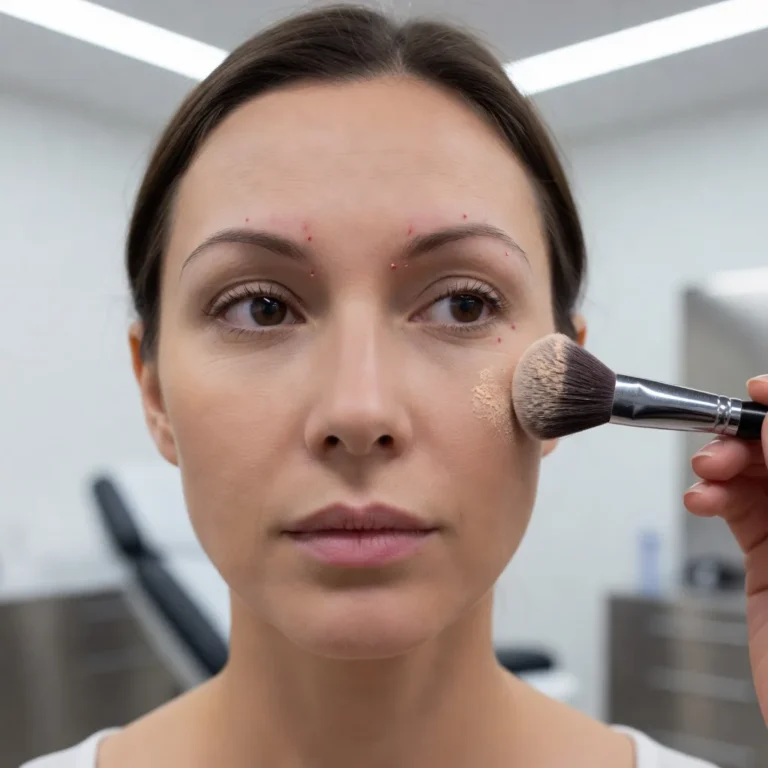
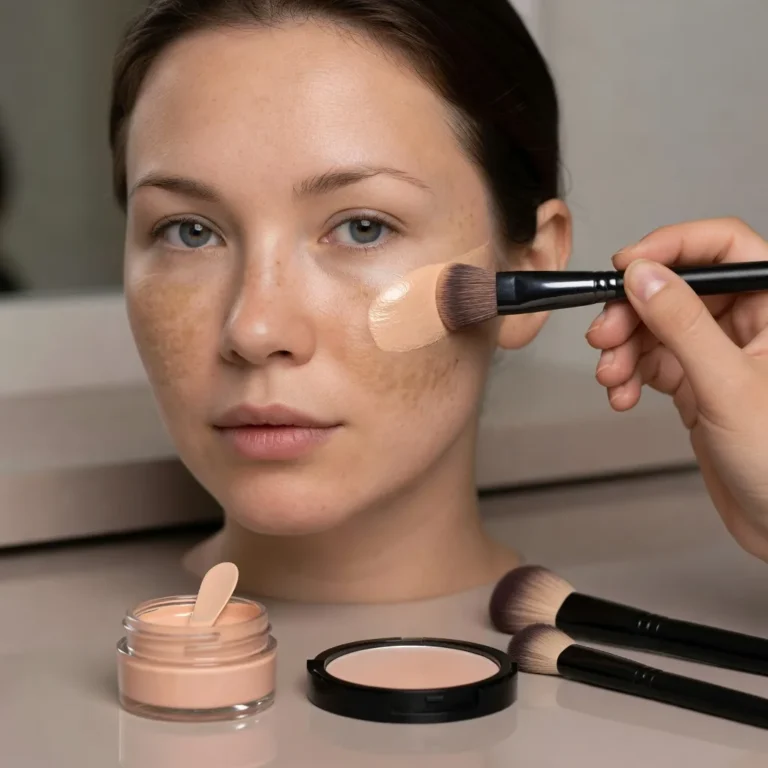
The best setting technique for longevity is to apply thin layers of base, press a light layer of finely milled powder only where you crease or get oily, and finish with a setting spray to melt the powder into the skin and add hold. Baking, where you leave a thick layer of loose powder on for several minutes, can help under the eyes on oily skin but often looks dry on mature or dry skin. Pair a primer with your skin type, avoid heavy layers that slide, blot oil instead of adding powder all day, and keep touch-ups light. In heat and humidity, a long-wear spray and oil control matter more than extra powder.
In short: thin layers, targeted powder and a setting spray last longer than heavy baking for most people.
The American Academy of Dermatology suggests people with acne-prone skin choose oil-free or non-comedogenic products, which also tends to help makeup stay put on oily skin.
This guide compares baking and light powdering, explains how to use setting sprays and primers well and gives a step-by-step routine plus touch-up tips for hot days.
Shopping these picks?
Amazon Prime members get fast, free shipping on eligible items, plus Prime Video, Amazon Music and member deals. New members can start with a free trial.
Start a free Prime trialAged 18 to 24? Prime for Young Adults comes with a longer free trial and a lower price after it.
Affiliate link: we may earn a commission at no extra cost to you.
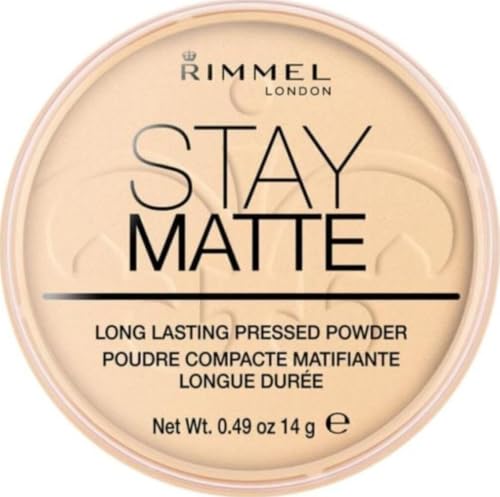
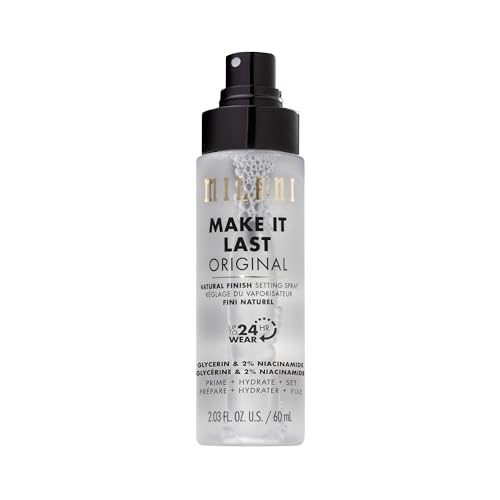
Recommended Setting Powders and Setting Sprays on Amazon


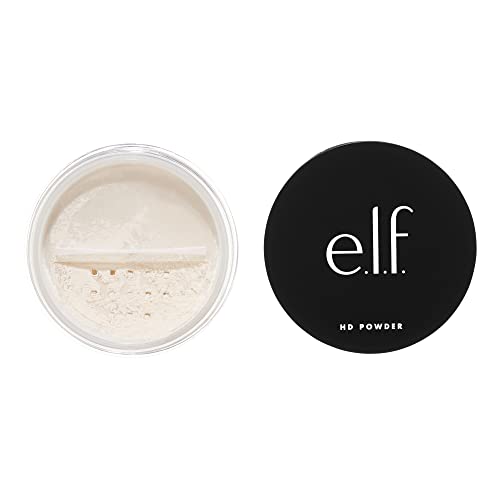

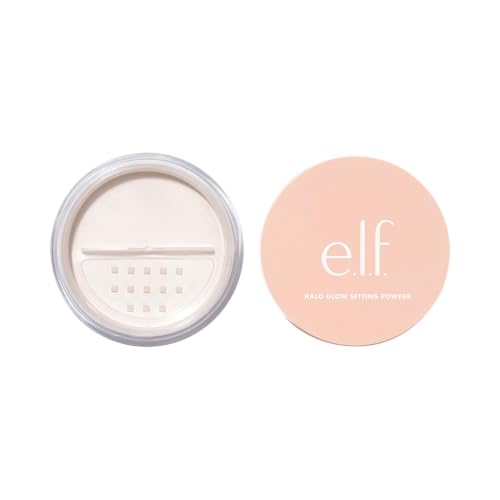
Quick Answer
- Thin layers of base last longer than one thick layer.
- Powder only the areas that crease or get oily.
- Baking suits oily under-eyes but can look dry on mature skin.
- Setting spray melts powder into skin and adds hold.
- Match your primer to your skin type and your foundation base.
- In heat and humidity, oil control beats extra powder.
- Blot before you retouch, then use a small amount of powder.
What This Covers
- Why Makeup Breaks Down During the Day
- Baking vs Light Powder vs Setting Spray
- When Baking Helps and When It Hurts
- How to Use Setting Powder Without Looking Cakey
- How to Use Setting Spray Properly
- Pairing Primer and Layering Thin
- Heat and Humidity: Setting for Hot Days
- How to Set Makeup So It Lasts All Day
- Touch-Ups That Do Not Build Up
- Dos and Don’ts
- Honest Limits
- When to See a Dermatologist
- Your Questions, Answered
- The Takeaway
Why Makeup Breaks Down During the Day
Knowing why makeup fades helps you choose the right setting method. A base does not usually disappear evenly; it breaks down in predictable places for predictable reasons.
- Oil: sebum mixes with foundation and loosens it, especially on the forehead, nose and chin.
- Sweat: heat and exercise break down many formulas and cause sliding.
- Movement: smiling, squinting and talking crease product around the eyes and mouth.
- Friction: phones, masks, hands and hair rub product away.
- Too much product: thick layers have more to slip and separate.
- Dry patches: flaky skin makes makeup cling and lift.
Setting deals with some of these, but not all. A good routine also needs the right primer, the right amount of foundation and some oil control. Our guide on why foundation separates mid-day explains the oil and product clashes behind patchy makeup in more detail.
Baking vs Light Powder vs Setting Spray
There is no single best setting technique. Each method has strengths and suits different skin types, so it helps to see them side by side.
| Technique | How it works | Best for | Watch out for |
|---|---|---|---|
| Baking | Thick layer of loose powder left for 5 to 10 minutes, then dusted off | Oily under-eyes, long events, photos | Dryness, flashback in photos, settling into lines |
| Light powdering | Thin layer pressed or swept on | Most skin types, everyday wear | Too much can look flat or cakey |
| Targeted powder | Powder only on T-zone and creases | Combination skin | Uneven finish if not blended |
| Setting spray only | Mist over base without powder | Dry or mature skin, dewy looks | Less shine control on oily skin |
| Powder plus spray | Light powder, then spray to melt it in | Long days, most skin types | Too much spray can make makeup run |
For most people, a light or targeted powder followed by a setting spray gives the best balance of wear and a natural finish. Baking is a specialist tool rather than an everyday step.
When Baking Helps and When It Hurts
Baking became popular because it keeps under-eye concealer bright and crease-free under strong lights. It works by letting powder sit on the warm skin long enough to absorb oil and set the layer underneath.
- Helps: oily skin, long events, stage or photo makeup and hot rooms.
- Helps: heavy concealer that creases quickly.
- Hurts: dry or mature skin, where powder can emphasise lines and texture.
- Hurts: under flash photography, where some white powders show as a pale cast.
- Hurts: thick concealer layers, which crack once the powder is added.
If you want to try it, use a very small amount on a damp sponge, press it only where you crease, wait a few minutes and brush away the excess. Many people find a light press of powder with a small brush does the same job with less dryness.
A gentler option is sometimes called a soft bake: press a thin layer of powder with a damp sponge and dust away the excess almost straight away. It gives some of the crease control of baking without leaving the skin looking chalky, and it suits combination skin that is only oily in the centre of the face. If you notice powder gathering in fine lines by midday, switch to this lighter approach or skip powder under the eyes altogether and rely on a thin, well-blended concealer and setting spray instead.
How to Use Setting Powder Without Looking Cakey
Powder is the step most people overdo. A little absorbs oil and fixes the base; too much sits on top and makes skin look dry and textured.
- Tap excess powder off the brush or puff before it touches your face.
- Press powder in with a puff or sponge on oily areas; sweep lightly elsewhere.
- Use a finely milled translucent powder, or one close to your skin tone if you are deep-skinned.
- Leave the high points of the cheeks lightly powdered or unpowdered for a fresher look.
- Wait a minute after foundation so it can settle before powdering.
Loose powder usually gives a lighter, more even veil at home, while pressed powder is easier to carry for touch-ups. Our guide on making pressed powder last longer covers how to keep a compact clean and effective.
How to Use Setting Spray Properly
Setting sprays are often misused. Sprayed too close or too heavily, they cause streaks and drips; used well, they take away the powdery look and help layers bond.
- Hold the bottle at arm’s length and mist in an X and then a T shape.
- Let it dry naturally rather than fanning or blotting straight away.
- Use one or two passes, not a soaking layer.
- Some people mist a sponge or brush first and press the spray into the skin.
- Choose a matte or oil-control spray for oily skin and a hydrating one for dry skin.
You can also spray between layers, such as after foundation and again after powder, for extra hold on long days. Our guide on the difference between makeup fixer and setting spray explains how the two types of product work.
Pairing Primer and Layering Thin
Setting only works as well as the layers underneath it. The right primer and a light hand with foundation make a bigger difference to longevity than any powder.
| Skin type | Primer choice | Foundation approach |
|---|---|---|
| Oily | Mattifying or pore-blurring primer on the T-zone | Thin, oil-free, long-wear formula |
| Dry | Hydrating primer or a well-absorbed moisturiser | Thin, hydrating formula, minimal powder |
| Combination | Mattifying on T-zone, hydrating on cheeks | Thin all over, spot conceal |
| Mature | Smoothing or hydrating primer | Sheer layers, light powder only where needed |
| Acne-prone | Oil-free, non-comedogenic primer | Thin layers, spot conceal blemishes |
Primer and foundation also need to get along. A silicone-heavy primer under a water-based foundation can cause pilling or separation, so test combinations before an important day. The AAD’s acne tips recommend oil-free or non-comedogenic products for acne-prone skin, which is a sensible rule for primers too.
Heat and Humidity: Setting for Hot Days
Heat and humidity are the toughest conditions for makeup. Sweat and oil lift foundation from below, and moisture in the air stops powder from staying matte.
- Use less foundation, or spot conceal only, on very hot days.
- Choose long-wear or water-resistant formulas where possible.
- Press powder only on the T-zone and let the rest of the face stay natural.
- Finish with an oil-control or long-wear setting spray.
- Keep blotting papers with you and blot before touching up.
- Keep makeup out of hot cars, since heat can separate formulas in the bottle.
On humid days, let sunscreen and primer settle for a few minutes before foundation. Rushing layers traps moisture between them, and that is a common reason makeup slides off in the first hour.
How to Set Makeup So It Lasts All Day
This routine works for most skin types. Adjust the amount of powder to how oily or dry your skin is.
Prep the skin
Cleanse, moisturise and apply sunscreen, then wait a few minutes for each to absorb.
Prime to your skin type
Mattify oily areas and hydrate dry ones.
Apply thin foundation
Use one thin layer and add more only where you need coverage.
Conceal sparingly
Use a small amount and blend the edges well.
Press powder where needed
Set the under-eyes, sides of the nose and T-zone with a light layer.
Bake only if needed
For oily under-eyes or long events, leave loose powder for a few minutes and dust away.
Mist setting spray
Hold at arm’s length and let it dry without touching.
Carry a touch-up kit
Blotting papers, a pressed powder and a small spray are enough.
Touch-Ups That Do Not Build Up
Touching up badly shortens makeup life. Adding powder on top of oil creates a thick, patchy layer that looks worse by evening.
- Blot oil first with a blotting paper or tissue, pressing rather than wiping.
- Press a very small amount of powder only on shiny areas.
- Use a damp sponge to smooth creases under the eyes before adding anything.
- Mist setting spray to refresh powdery areas.
- Avoid adding more foundation unless you remove the old layer first.
Do not share powder puffs, sponges or compacts, and clean them regularly. Used puffs collect oil, skin cells and bacteria, which can irritate skin and contribute to breakouts.
Dos and Don’ts
Good Habits
- Apply base in thin layers
- Powder only where you crease or shine
- Match primer to your skin type
- Blot before touching up
- Clean puffs and sponges often
Common Mistakes
- Bake dry or mature skin every day
- Pile on powder over oil
- Soak your face with setting spray
- Rush layers on humid days
- Share powder puffs or compacts
Honest Limits
No setting technique makes makeup completely sweat-proof, smudge-proof or budge-proof. Long-wear claims are usually based on typical conditions, and a hot day, a mask or a long workout will still wear any base down. Setting sprays vary a lot, and some are closer to a fine face mist than a true fixing product.
Setting also cannot fix a poor match between skin, primer and foundation. If your makeup separates within an hour, the issue is more likely too much product, a clashing primer or very oily skin than a lack of powder. Simplifying the base often helps more than adding another setting step.
When to See a Dermatologist
- Your skin is so oily that no routine keeps makeup on for more than an hour or two.
- You break out often where you apply powder or spray.
- Setting sprays or powders cause stinging, redness or itching.
- You have dry, flaking patches that makeup always clings to.
This article is for general information and does not replace professional medical advice. Patch test new setting products, stop using any that irritate, and see a board-certified dermatologist for persistent oiliness, breakouts or reactions.
Your Questions, Answered
What is the best way to set makeup for longevity?
Thin layers, targeted powder and a setting spray.
Is baking better than light powder?
Only for oily under-eyes or long events; light powder suits most people.
Should I use setting powder or setting spray?
Many people use both: powder for oil, spray for hold and finish.
Does setting spray go on before or after powder?
Usually after, to melt powder into the skin.
Can setting spray replace powder?
On dry skin often yes; on oily skin powder still helps.
How long should I bake my makeup?
A few minutes is usually enough.
Why does my makeup look cakey after powder?
Too much powder or too much foundation underneath.
How do I set makeup in humid weather?
Use less base, oil-control products and blot often.
Do I need primer to make makeup last?
It helps, especially on oily or dry skin.
How do I touch up without caking?
Blot first, then press a little powder.
The Takeaway
The best setting technique for longevity is usually the simplest: thin layers of base, a light press of powder where you need it and a setting spray to lock everything together.
Save baking for oily areas and long events, match your primer to your skin, plan for heat and humidity and blot before you touch up so your makeup looks fresh for longer.

Written by
Registered pharmacist and founder of Facial Adviser. Rakib's pharmacy training covers how skincare actives work and interact; a later course in cosmetology turned that into a focus on facial treatments and skincare products. He plans, researches and edits every guide on the site and checks health claims against sources such as the American Academy of Dermatology, the FDA and the NIH. He is not a dermatologist; see the Editorial Policy and Medical Disclaimer.
About · Editorial policy · How we choose products · Medical disclaimer · Contact
Keep reading: Making makeup last
- Makeup Fixer vs Setting Spray: What Is the Difference and Which Do You Need?
- Why Does Makeup Separate on My Nose? Causes and Fixes That Work
- Best Way to Wear Makeup in Hot Weather: Light Layers That Last
- What Can You Use to Make Your Makeup Stay On All Day? 9 Products and Tricks
- Why Doesn't Makeup Stay on My Upper Lip? Causes and Fixes That Work
- How to Get Started as a Freelance Makeup Artist: Training, Kit and Clients
- Best Way to Use Makeup Remover: Micellar Water, Balms, Oils and Eye Removers