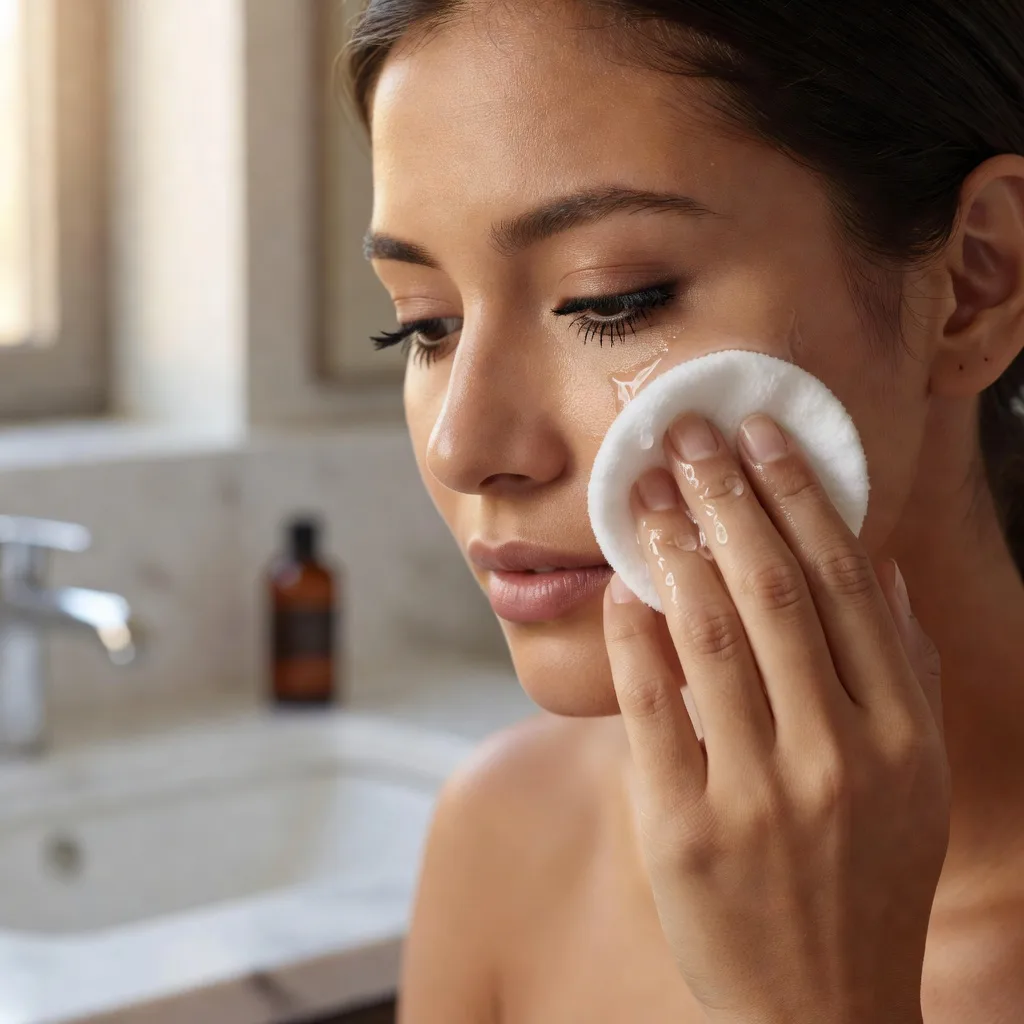
Best Way to Use Makeup Remover: Micellar Water, Balms, Oils and Eye Removers
Makeup remover looks like the simplest step in any routine, yet how you use it decides whether your skin ends the day clean and calm or tight, red and still smudged with mascara. The product matters, but technique matters just as much.
The best way to use makeup remover is to choose a type that matches your makeup, give it time to dissolve the product and then lift it away without scrubbing. Use micellar water on a soft pad for light makeup, a cleansing balm or oil massaged over dry skin for foundation and long-wear products, and a dedicated eye makeup remover held on closed lids for ten to twenty seconds for mascara and liner. Wipe in one direction rather than rubbing back and forth, rinse or follow with a gentle cleanser when the remover leaves a film, and finish with moisturiser. Avoid dragging the skin around the eyes and never sleep in makeup.
In short: pick the right remover, let it work, wipe gently and follow with a mild cleanse.
The American Academy of Dermatology advises washing the face gently with fingertips and a mild, non-abrasive cleanser rather than scrubbing, which applies equally to taking off makeup.
This guide covers each type of remover, the right technique for the face, eyes and lips, how to deal with waterproof formulas, whether reusable pads are worth it and the common habits that quietly cause redness, dryness and broken lashes.
Shopping these picks?
Amazon Prime members get fast, free shipping on eligible items, plus Prime Video, Amazon Music and member deals. New members can start with a free trial.
Start a free Prime trialAged 18 to 24? Prime for Young Adults comes with a longer free trial and a lower price after it.
Affiliate link: we may earn a commission at no extra cost to you.
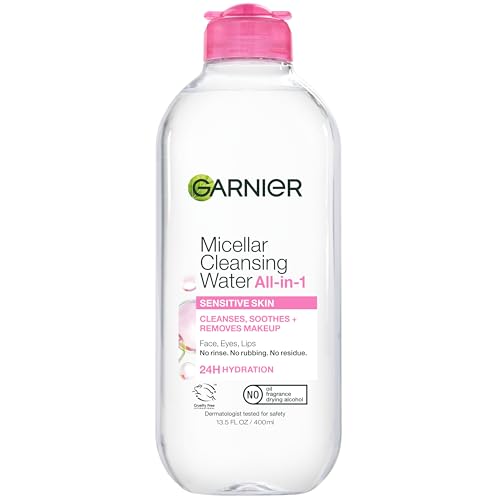
Recommended Makeup Removers on Amazon
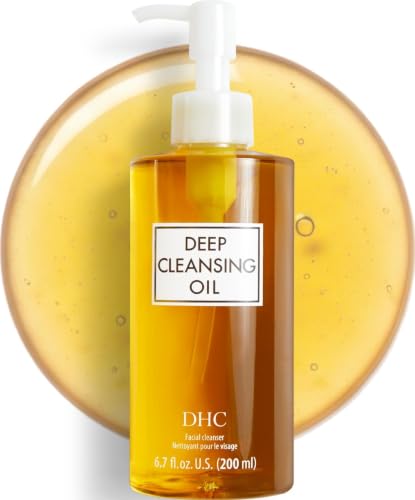
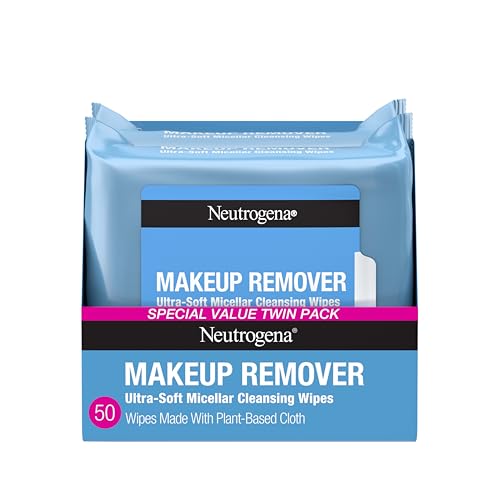

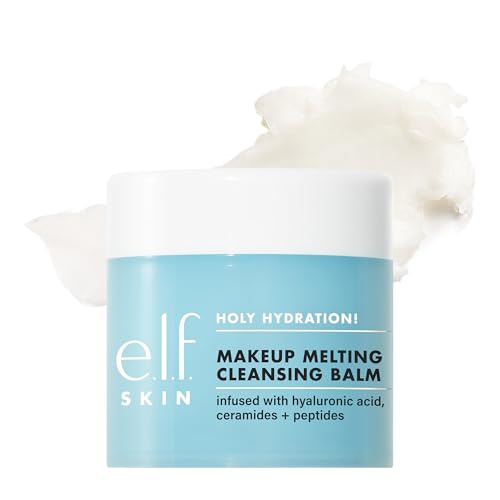


At a Glance
- Match the remover to the makeup: light, heavy or waterproof.
- Micellar water suits light makeup and sensitive skin.
- Balms and oils dissolve foundation, SPF and long-wear formulas best.
- Hold eye remover on closed lids before wiping, never scrub.
- Follow oils, balms and micellar water with a gentle cleanser if skin feels filmy.
- Wash reusable pads after every use.
- Stop any remover that stings, burns or leaves a rash.
Contents
- Types of Makeup Remover and What Each One Does
- How to Use Micellar Water Properly
- How to Use Cleansing Balms and Oils
- How to Use Makeup Remover Step by Step
- How to Remove Eye Makeup Without Pulling Lashes
- Removing Waterproof and Long-Wear Makeup
- Reusable Pads, Cotton and Cloths
- How to Take Off Lip Makeup
- Are Makeup Wipes a Good Way to Remove Makeup?
- Makeup Removal Dos and Don’ts
- Honest Limits of Makeup Removers
- When to See a Dermatologist
- FAQ
- Summing Up
Types of Makeup Remover and What Each One Does
Makeup removers work in different ways. Some lift makeup with tiny cleansing molecules suspended in water, while others use oils to dissolve waxy and water-resistant products. Knowing how each works makes it easier to use the right amount and the right technique.
| Remover type | How it works | Best for | Watch out for |
|---|---|---|---|
| Micellar water | Micelles attract oil and makeup so it can be wiped away | Light makeup, sensitive skin, quick removal | Can leave a residue; needs several pads for heavy makeup |
| Cleansing balm | Solid oil blend melts on skin and dissolves makeup | Foundation, SPF, long-wear makeup | Must be emulsified and rinsed thoroughly |
| Cleansing oil | Liquid oils break down waxes and pigments | Heavy or waterproof makeup, dry skin | Can feel greasy if not rinsed; patch test on acne-prone skin |
| Bi-phase eye remover | Oil layer and water layer shaken together | Waterproof mascara and liner | Can blur vision briefly if it gets in the eyes |
| Oil-free eye remover | Gentle water-based cleansers | Regular mascara, lash extensions | Less effective on waterproof formulas |
| Makeup wipes | Pre-soaked cloths | Travel and emergencies | Encourage rubbing and often leave residue |
No single type is best for everyone. Many people keep two: a balm or oil for full-face makeup and a micellar water or eye remover for touch-ups and lighter days. Our guide on pre-cleanse oils versus micellar water goes deeper into when each one makes sense.
How to Use Micellar Water Properly
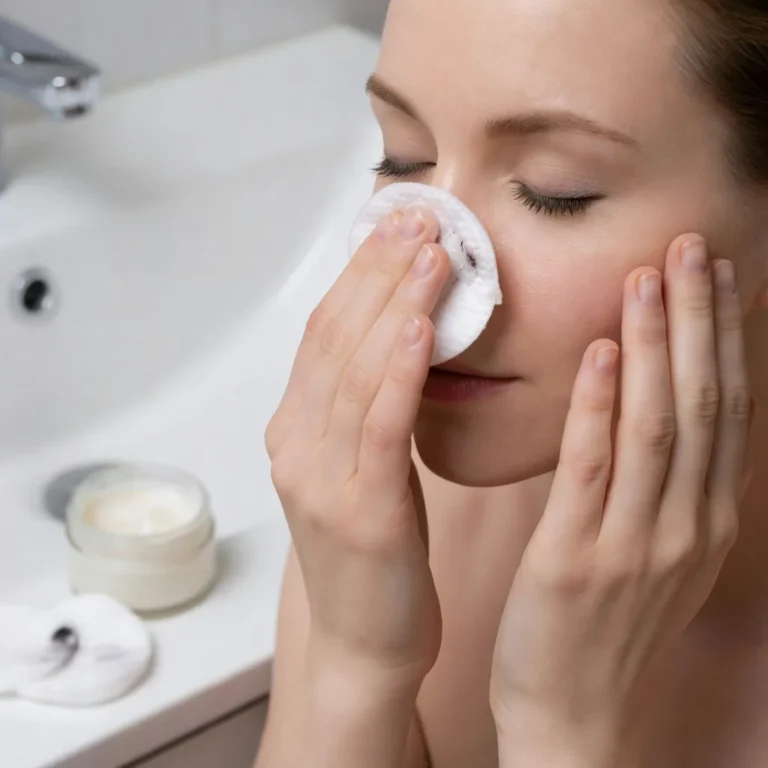
Micellar water is the gentlest option for most people, but it only works well if you give it a moment to act. Swiping a dry pad quickly across the face moves makeup around more than it removes it.
- Soak a pad until it is wet but not dripping.
- Press it on the skin for a few seconds before moving it.
- Wipe outward from the centre of the face in single strokes.
- Switch to a fresh pad as soon as one looks dirty.
- Use a separate pad for each eye.
- Rinse with water or follow with a mild cleanser if your skin feels tacky.
Micellar water is often marketed as no-rinse, and for many people that is fine. If you have acne-prone skin, or you notice small bumps after a few weeks, rinsing afterwards removes any leftover surfactant and makeup.
How to Use Cleansing Balms and Oils
Balms and oils are the most effective way to dissolve foundation, sunscreen and long-wear products without rubbing. The key is using them on dry skin and then emulsifying them before rinsing.
- Apply to dry skin with dry hands, as water stops the oils grabbing onto makeup.
- Use about a fingertip of balm or two to three pumps of oil.
- Massage for about a minute, including the hairline and jaw.
- Add a splash of water until the product turns milky, then rinse well.
- Follow with a gentle cleanser if you are acne-prone or the skin feels slippery.
If a balm stings your eyes, remove eye makeup with a separate eye remover first, then use the balm on the rest of the face while keeping your eyes closed.
How to Use Makeup Remover Step by Step
Whatever remover you choose, the same basic order keeps removal thorough and gentle.
Wash your hands
Clean hands stop you adding dirt and bacteria to the skin.
Start with the eyes
Hold a soaked pad on closed lids for ten to twenty seconds, then wipe downward.
Take off lip colour
Press a pad with remover on the lips, then wipe from the corners inward.
Dissolve face makeup
Massage a balm or oil over dry skin, or press micellar water on with a pad.
Lift, do not scrub
Wipe or rinse in gentle strokes and switch pads when they look dirty.
Cleanse if needed
Use a mild cleanser to remove any oily or filmy residue.
Moisturise
Finish with moisturiser, and any night treatments, on clean skin.
Taking a minute longer to let the remover work is what saves your skin from rubbing.
How to Remove Eye Makeup Without Pulling Lashes
The skin around the eyes is thin and easily irritated, and rubbing is one of the main causes of broken lashes and redness. Patience works better than pressure.
- Close your eyes and hold a soaked pad over the lid and lashes for ten to twenty seconds.
- Slide the pad downward and outward in one movement.
- Fold the pad and repeat until no colour transfers.
- Use a cotton bud dipped in remover along the lash line for liner.
- For lash extensions, use an oil-free remover and a soft brush, as oils can loosen the glue.
Do not use nail polish remover, acetone, alcohol-based toners or harsh soaps around the eyes. If remover gets into the eye and causes pain, blurred vision that does not clear or ongoing redness, rinse with clean water and seek medical advice. If makeup itself gets into your eye, rinse gently with clean water rather than rubbing.
Removing Waterproof and Long-Wear Makeup
Waterproof mascara, long-wear foundation and liquid lipstick are designed to resist water and sweat, so micellar water alone often struggles. Oils and bi-phase removers are made for this job.
| Product | Best remover | Technique |
|---|---|---|
| Waterproof mascara | Bi-phase or oil-based eye remover | Hold on lashes, then wipe down gently |
| Gel or liquid liner | Bi-phase remover on a cotton bud | Trace along the lash line |
| Long-wear foundation | Cleansing balm or oil | Massage on dry skin, emulsify, rinse |
| Liquid lipstick | Oil or balm | Press on lips, wait, then wipe |
| Water-resistant sunscreen | Balm or oil, then cleanser | Double cleanse at night |
Our guide on how to remove waterproof makeup gently has more detail on stubborn formulas.
Reusable Pads, Cotton and Cloths
What you wipe with makes a difference. Rough cotton or thin tissue can shed fibres and scratch, while a soft, well-washed reusable pad can be gentler and less wasteful.
- Reusable pads: soft and less wasteful, but wash them after every use in a mesh bag.
- Cotton rounds: convenient and clean, but single use.
- Microfibre cloths: can remove makeup with water alone, but must be washed daily.
- Cotton buds: best for precise work around the lash line.
A damp reusable pad or cloth left in a warm bathroom can grow bacteria and mould. Wash pads in hot water, dry them fully and replace any that become rough, stained or smell musty.
How to Take Off Lip Makeup
Lip products, especially long-wear and matte formulas, can dry the lips if you scrub them off. Press a pad soaked in oil or eye-and-lip remover on the lips for a few seconds, then wipe from the corners towards the centre. Finish with a lip balm. Avoid using lip scrubs every day to remove stains, as frequent exfoliation can leave lips sore and flaky. If a stubborn stain remains, a second pass with a little oil usually lifts it, and any faint tint left behind will fade overnight without harm. People who get cracked corners of the mouth or peeling lips after long-wear lipstick often do better switching to a gentler remover and applying a thick balm before bed.
Are Makeup Wipes a Good Way to Remove Makeup?
Wipes are convenient for travel or a late night, but they are not the best everyday choice. They tend to move makeup around rather than dissolve it, encourage rubbing and can leave fragrance and preservatives on the skin. If you use them, follow with a rinse or cleanser when you can. Our article on whether makeup wipes are bad for your face covers the pros and cons.
Makeup Removal Dos and Don’ts
Good Habits
- Choose a remover that matches your makeup
- Let the remover sit before wiping
- Use separate pads for each eye
- Follow oils and balms with a gentle cleanse
- Moisturise after removing makeup
Common Mistakes
- Scrub or drag the skin around the eyes
- Use nail polish remover or alcohol on the face
- Reuse dirty pads or cloths
- Sleep in makeup, even occasionally
- Keep using a product that stings or burns
Honest Limits of Makeup Removers
A makeup remover’s job is to take off makeup. It is not a treatment for acne, ageing or dark circles, and claims about brightening or anti-ageing benefits in a product you rinse or wipe away within a minute are modest at best. Gentle formulas can still irritate some people, often because of fragrance or preservatives. The FDA page on allergens in cosmetics notes that fragrances and preservatives are common allergen groups and that terms such as hypoallergenic have no federal definition, so a label alone does not guarantee a remover will suit you. Patch testing a new remover on the side of the neck or behind the ear for a few days is a sensible precaution.
When to See a Dermatologist
See a dermatologist or doctor if your eyelids stay red, swollen or itchy, if you develop a rash where you use a remover, if eye irritation does not settle after rinsing, or if breakouts appear or worsen after changing your removal routine. Recurrent eyelid irritation can be a sign of contact allergy or another eyelid condition that needs proper assessment.
This article is for general information only and is not medical advice. If you have a skin or eye condition, or a reaction to a product, speak to a qualified healthcare professional.
FAQ
What is the best way to use makeup remover?
Match it to your makeup, let it dissolve the product for a few seconds and wipe gently in one direction.
Do I need to rinse after micellar water?
Not always, but rinsing helps if you are acne-prone or your skin feels filmy.
Should I use cleansing balm on wet or dry skin?
Apply it to dry skin, then add water to emulsify before rinsing.
Do I need a cleanser after makeup remover?
Usually yes after balms, oils or heavy makeup, to remove residue.
How long should I hold eye makeup remover on my lashes?
About ten to twenty seconds is enough for most mascaras.
Can I use coconut oil as makeup remover?
It can dissolve makeup, but it may clog pores in acne-prone skin and should be rinsed well.
Are reusable makeup remover pads hygienic?
Yes, if you wash them after every use and dry them fully.
Can makeup remover cause breakouts?
Residue from oils or micellar water can contribute in some people; rinsing usually helps.
Is it bad to use makeup wipes every night?
They are fine occasionally but tend to encourage rubbing and leave residue.
What should I use for lash extensions?
An oil-free eye makeup remover, as oils can loosen the glue.
Summing Up
The best way to use makeup remover is simple: pick a type that suits your makeup, give it time to dissolve the product, and lift it away with soft, single strokes instead of scrubbing. Use a dedicated remover for the eyes and follow balms and oils with a gentle cleanse.
Keep pads clean, moisturise afterwards and stop any product that stings or causes a rash. If irritation around the eyes or on the face keeps returning, a dermatologist can help find the cause.

Written by
Registered pharmacist and founder of Facial Adviser. Rakib's pharmacy training covers how skincare actives work and interact; a later course in cosmetology turned that into a focus on facial treatments and skincare products. He plans, researches and edits every guide on the site and checks health claims against sources such as the American Academy of Dermatology, the FDA and the NIH. He is not a dermatologist; see the Editorial Policy and Medical Disclaimer.
About · Editorial policy · How we choose products · Medical disclaimer · Contact
Keep reading: Makeup removal and hygiene
- How Do You Get Makeup Out of Clothes? A Stain-by-Stain Guide
- How Do You Know If Makeup Is Expired? Signs, Shelf Life and Symbols
- Are Makeup Wipes Bad for Your Face? What to Use Instead
- Should You Keep Cosmetics in the Fridge?
- Pre-Cleanse Oils vs Micellar Water: When to Use Each
- What Can You Use to Make Your Makeup Stay On All Day? 9 Products and Tricks
- How to Get Started as a Freelance Makeup Artist: Training, Kit and Clients