How Do You Get Makeup Out of Clothes? A Stain-by-Stain Guide
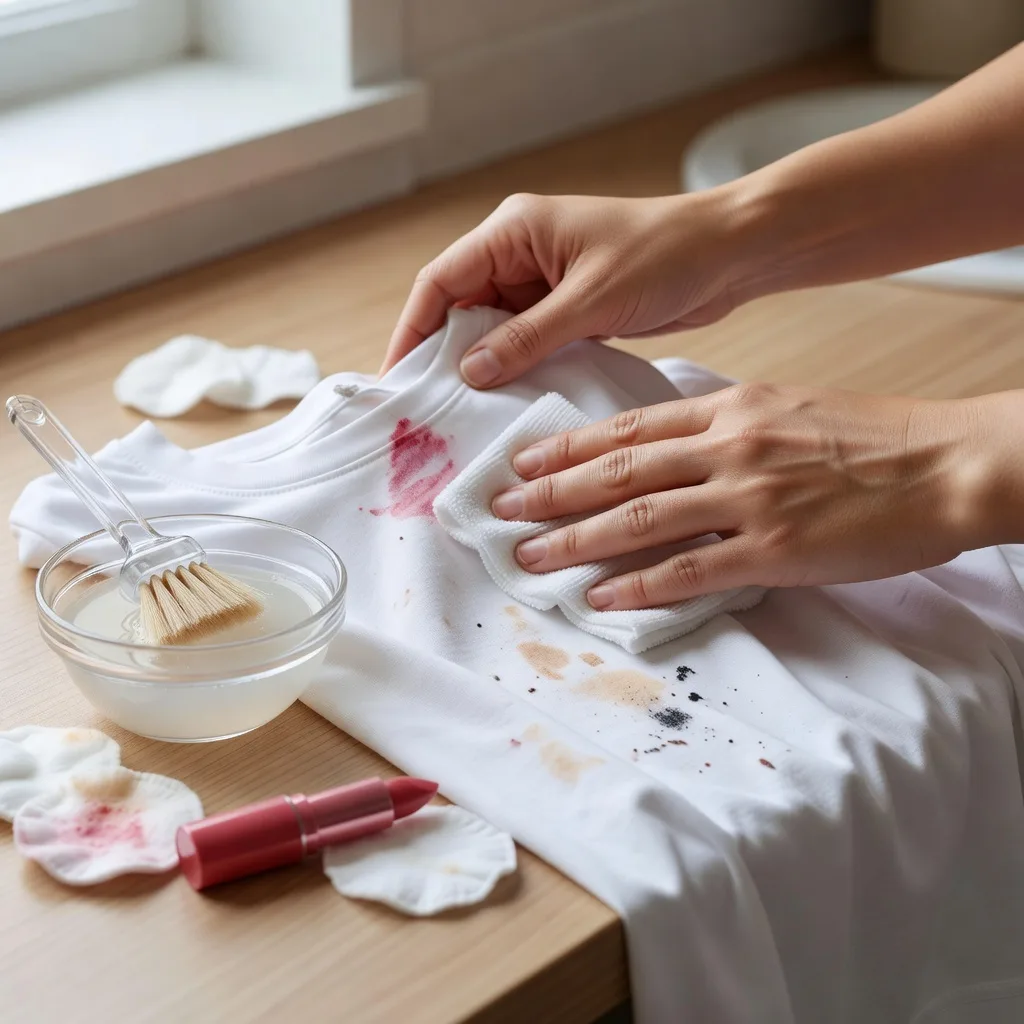
It happens to everyone: a streak of foundation on a white collar, a lipstick mark on a sleeve, mascara smudged onto a pillowcase, or bronzer dusted down the front of a black top. Makeup stains are frustrating because they often contain oils, pigments, and waxes that do not rinse out with water alone. They also tend to show up at the worst possible moments, right before work or an event.
The key to removing makeup stains is matching the method to the type of makeup. Oily and creamy products like foundation and lipstick need a grease-cutting treatment such as dish soap or micellar water, powders should be lifted dry before anything wet touches them, and waterproof mascara often needs an oil-based remover.
Acting quickly makes a big difference. Fresh stains are much easier to lift than stains that have been heated in a dryer or left to set for days. Heat is the enemy of most makeup stains, so avoid hot water and the dryer until the stain is completely gone.
Always check the care label and test on a hidden area first, especially for silk, wool, and delicate or dry-clean-only fabrics. Some stain treatments can fade dyes or damage fibers.
This guide gives a quick way to identify your stain, step-by-step methods for foundation, lipstick, mascara, powder, and self-tanner, and tips for preventing stains in the first place. You can usually fix most of them with items you already have at home.
Shopping these picks?
Amazon Prime members get fast, free shipping on eligible items, plus Prime Video, Amazon Music and member deals. New members can start with a free trial.
Start a free Prime trialAged 18 to 24? Prime for Young Adults comes with a longer free trial and a lower price after it.
Affiliate link: we may earn a commission at no extra cost to you.
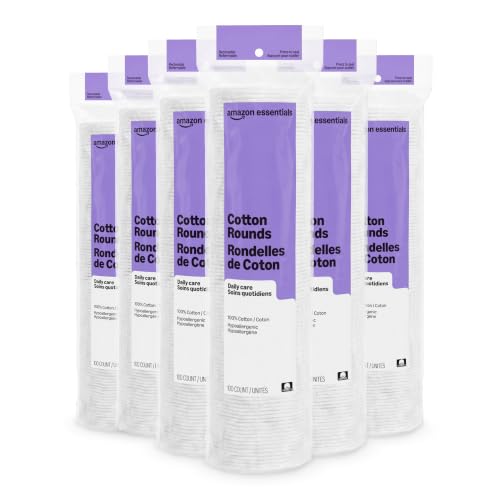
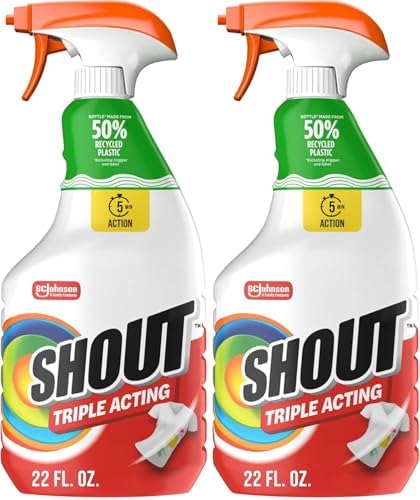
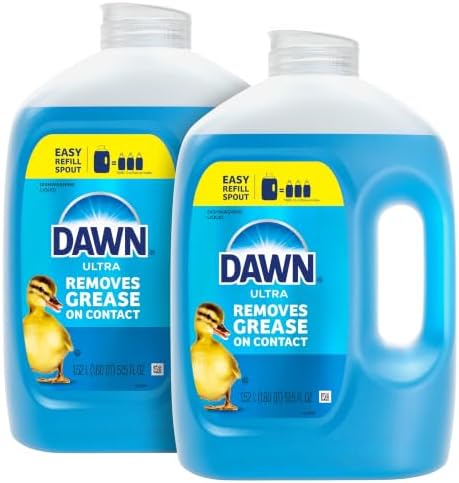
Recommended Products for Removing Makeup Stains



In This Guide
- The Golden Rules for Any Makeup Stain
- Identify Your Stain First
- Foundation and Concealer
- Lipstick and Lip Gloss
- Mascara and Eyeliner
- Powder, Blush, Bronzer, and Eyeshadow
- Quick Stain Removal Guide
- White Clothes and Delicate Fabrics
- Preventing Makeup Stains
- What Home Treatment Cannot Always Fix
- Safety Notes and When to Call a Professional
- Common Questions
- Final Word
Key Takeaways
- Match the method to the makeup: grease-cutters for liquids and creams, dry lifting for powders.
- Blot rather than rub, and work from the outside of the stain inward.
- Dish soap and micellar water are effective first treatments for foundation and lipstick.
- Brush or shake off powder before wetting the fabric.
- Avoid hot water and dryers until the stain is fully gone, since heat can set stains.
- Test any treatment on a hidden area and check the care label first.
- Take delicate and dry-clean-only items to a professional cleaner.
The Golden Rules for Any Makeup Stain
No matter what type of makeup caused the stain, a few rules apply every time.
- Act fast. The sooner you treat a stain, the easier it is to remove.
- Blot, do not rub. Rubbing spreads makeup and pushes it deeper into fibers.
- Work from the outside in. This stops the stain from spreading.
- Use cool water. Hot water can set oily and pigmented stains.
- Skip the dryer until the stain is completely gone. Heat can make it permanent.
- Test first. Try any product on a hidden seam or inside hem.
Keep a small stain kit at home with dish soap, micellar water, cotton pads, and a stain remover spray, so you can treat stains as soon as they happen.
If you are out, gently scrape off any excess with a clean edge, blot with a napkin, and treat properly as soon as you get home.
Identify Your Stain First
Different makeup behaves differently on fabric. Use these steps to choose the right method.
Check the product type
Is it a liquid or cream (foundation, concealer, lipstick), a powder (blush, bronzer, eyeshadow), or a waterproof product (mascara, long-wear liner)?
Check the fabric
Read the care label. Note whether the item is washable, delicate, or dry-clean only.
Remove the excess
Gently scrape off any thick product with a dull knife or card. For powder, shake or brush it off outdoors or over a sink.
Choose the treatment
Use dish soap or micellar water for liquids and creams, gentle brushing then soap for powders, and an oil-based remover followed by dish soap for waterproof products.
Rinse and check before washing
Rinse with cool water and look closely. Repeat the treatment if needed before putting the item in the wash.
Micellar water is especially handy for foundation on collars, since it is designed to dissolve makeup gently and is safe on most washable fabrics.
Foundation and Concealer
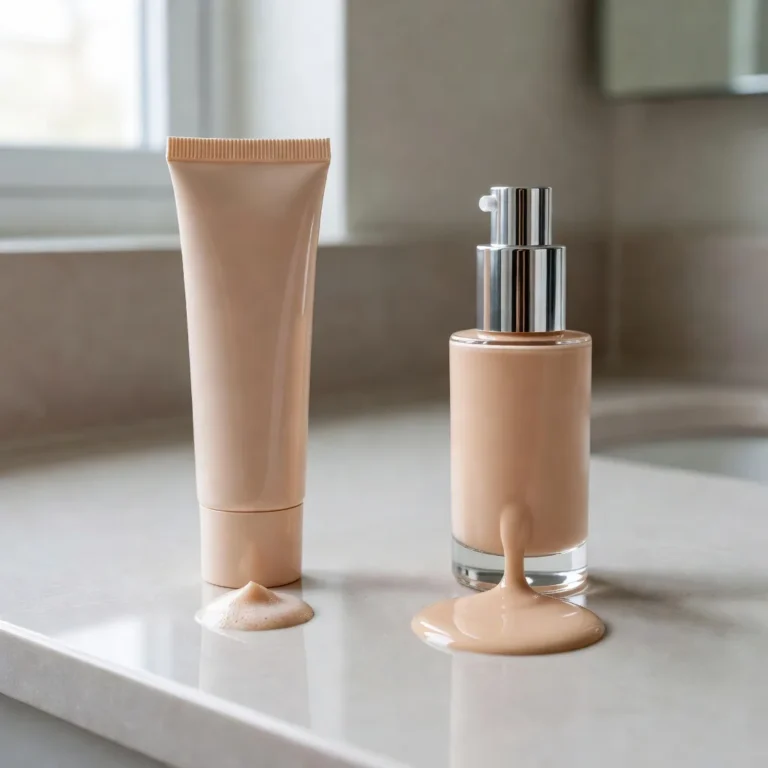
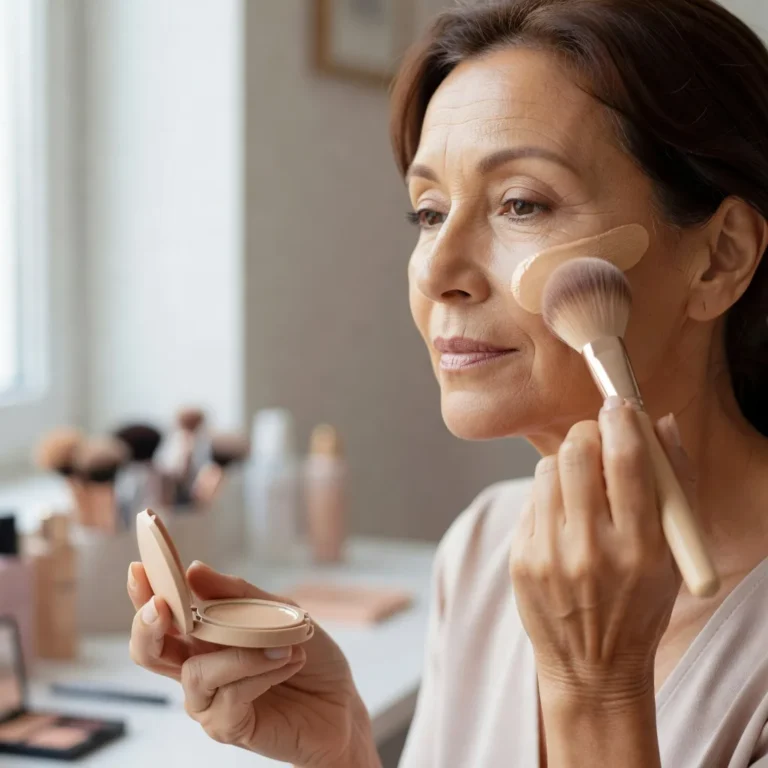
Liquid and cream foundations contain oils and pigments, which is why they cling to collars and necklines. If your foundation often ends up on clothes, our guide on putting makeup on your neck has tips to reduce transfer.
To treat it, blot away excess, then apply a small amount of micellar water or a drop of dish soap directly to the stain. Gently work it in with your fingertip or a soft toothbrush, working from the edges inward. Let it sit for about five to ten minutes.
Rinse from the back of the fabric with cool water to push the stain out rather than through. Repeat if needed, then apply a laundry stain remover and wash as usual on the coolest setting the care label allows.
Collars and cuffs often collect a mix of foundation, sweat, and skin oils. Treating them before every wash keeps a gradual gray or yellow ring from building up.
Lipstick and Lip Gloss
Lipstick combines waxes, oils, and strong pigments, which makes it one of the more stubborn makeup stains.
First, scrape away any excess with a dull edge, being careful not to spread it. Place the stained area face down on a paper towel. Dab the back of the stain with a small amount of rubbing alcohol or micellar water on a cotton pad so the pigment transfers onto the paper towel, moving to a clean spot as it picks up color.
Next, apply dish soap and gently work it in, then rinse with cool water. Treat with a stain remover and wash. For long-wear liquid lipsticks, repeat the alcohol step a few times before using soap.
Test rubbing alcohol first. It can lift dye from some colored fabrics, so try it on a hidden seam before using it on a visible area.
Mascara and Eyeliner
Regular mascara usually comes out with dish soap and cool water. Blot, apply a drop of dish soap, work it in gently, and rinse.
Waterproof mascara and long-wear eyeliner are designed to resist water, so they often need an oil-based makeup remover or a little cleansing oil first. Apply a small amount to break down the formula, blot, then follow with dish soap to remove the oil. Rinse and wash as usual.
Pillowcases with mascara marks can be treated the same way. Treating them regularly also helps avoid a gradual buildup of makeup and oil.
For eyeliner smudges on light fabric, a cotton swab dipped in micellar water lets you treat the exact spot without spreading it.
Powder, Blush, Bronzer, and Eyeshadow
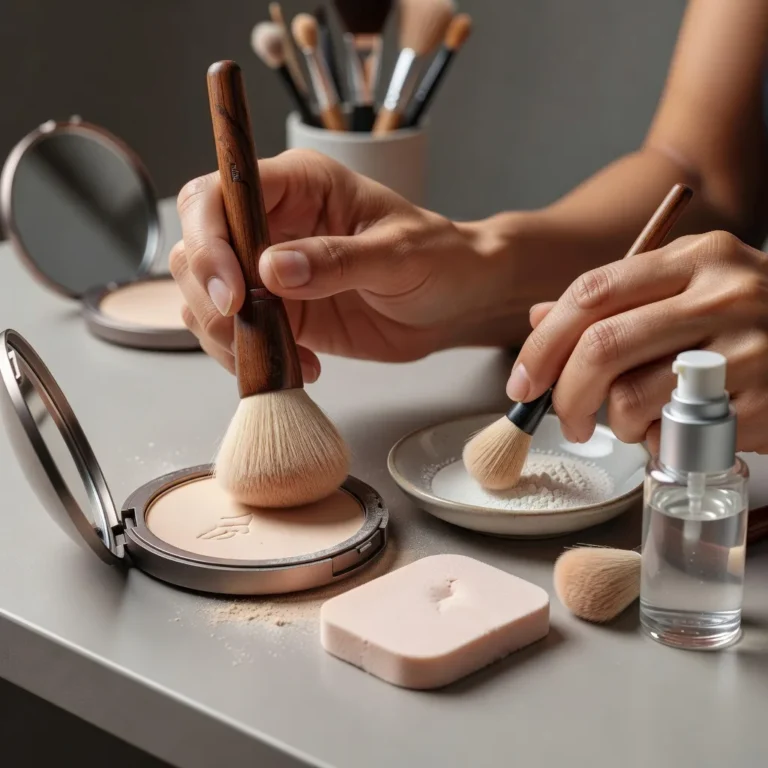
Powder stains are easiest to remove if you do not wet them first. Water can turn loose powder into a paste that spreads into fibers.
Shake the garment outdoors or over a sink, then gently brush off remaining powder with a clean, dry makeup brush or soft cloth. A piece of tape pressed lightly on the area can lift stubborn particles.
If a faint mark remains, apply a drop of dish soap with a little cool water, work it in, and rinse. Shimmery and glitter powders may need a few passes with tape before washing.
For dark fabrics, even a tiny amount of pale powder or setting powder can leave a visible cloud. A lint roller works well for lifting it quickly when you are on your way out.
Quick Stain Removal Guide
| Stain | First step | Best treatment | Avoid |
|---|---|---|---|
| Liquid foundation | Blot excess | Micellar water or dish soap | Hot water |
| Cream concealer | Scrape and blot | Dish soap | Rubbing hard |
| Lipstick | Scrape excess | Rubbing alcohol (tested), then dish soap | Spreading with a wet cloth |
| Mascara (regular) | Blot | Dish soap and cool water | Dryer before stain is gone |
| Waterproof mascara | Blot | Oil-based remover, then dish soap | Water alone |
| Powder and shadow | Shake and brush dry | Tape, then dish soap if needed | Wetting first |
| Self-tanner | Rinse cool water | Stain remover, then wash | Hot water |
When in doubt, start with the gentlest method and move to stronger treatments only if needed.
White Clothes and Delicate Fabrics
White cotton and linen can usually handle an oxygen-based stain remover after the initial treatment, which helps lift any remaining discoloration. Follow the product directions and check that the fabric is suitable.
Avoid chlorine bleach on makeup stains unless the care label allows it, since it can react with some pigments and leave a yellow mark.
Silk, wool, cashmere, and dry-clean-only items are best taken to a professional cleaner. Point out the stain and tell them it is makeup, so they can choose the right treatment.
Do not iron over a makeup stain. Heat can set the oils and pigments permanently.
Preventing Makeup Stains
Worth Doing
- Let makeup dry fully before getting dressed.
- Set foundation lightly with powder or setting spray.
- Cover your face with a scarf when pulling on tops.
- Use thin layers on the jaw and neck.
- Remove makeup before sleeping to protect pillowcases.
Skip It
- Get dressed immediately after applying foundation.
- Apply heavy foundation down the neck.
- Pull tight tops over your head with fresh lipstick.
- Sleep in mascara.
- Leave stains untreated for days.
Timing helps. Our guide on how early to do your makeup explains how long to let products settle before you get dressed.
Keeping a separate robe or old shirt for doing your makeup is one of the simplest ways to protect good clothes.
What Home Treatment Cannot Always Fix
| Belief | Reality |
|---|---|
| All makeup stains come out with water | Oily and waterproof formulas need grease-cutters |
| Hot water works faster | Hot water can set many makeup stains |
| Scrubbing hard helps | It spreads makeup and damages fibers |
| The dryer finishes the job | Heat can make stains permanent |
| Every fabric can be treated at home | Delicates are safer with a professional |
Older, heat-set stains may not fully come out, but repeated treatment with dish soap and a stain remover often improves them.
Safety Notes and When to Call a Professional
Stain removers and solvents are generally safe when used as directed, but a few precautions help.
- Wear gloves if you have sensitive skin or eczema on your hands.
- Use rubbing alcohol and solvents in a well-ventilated area and away from flames.
- Never mix bleach with other cleaning products.
- Keep stain removers away from children and pets.
- Rinse skin if a product causes stinging or redness.
- Take valuable, delicate, or dry-clean-only items to a professional cleaner.
If you notice itching, redness, or a rash on your skin after contact with a cleaning product or stain remover, rinse well and see a doctor if it does not settle.
Disclaimer: This article is for general information only. Always follow garment care labels and product instructions, and see a healthcare provider for any skin reaction to cleaning products.
Common Questions
How do you get foundation out of clothes?
Blot excess, apply micellar water or dish soap, work it in gently, rinse with cool water, then treat and wash.
How do you remove lipstick from clothes?
Scrape off excess, dab with rubbing alcohol from the back onto a paper towel, then use dish soap and wash.
How do you get mascara out of fabric?
Regular mascara usually lifts with dish soap. Waterproof mascara needs an oil-based remover first.
How do you remove powder makeup from clothes?
Shake and brush it off dry first, use tape for particles, then dish soap if a mark remains.
Does dish soap remove makeup stains?
Yes. It cuts through the oils in many makeup products and is safe on most washable fabrics.
Can I use makeup remover on clothes?
Micellar water works well on many fabrics. Test first on a hidden area.
Why did my makeup stain not come out?
It may have been set by heat or treated with hot water. Repeat treatment may help.
Can I put a makeup stain in the dryer?
No. Wait until the stain is completely gone before using heat.
How do I remove makeup from a white shirt?
Treat with dish soap or micellar water, then use an oxygen-based stain remover if the fabric allows.
What about silk or dry-clean-only items?
Take them to a professional cleaner and point out the makeup stain.
Final Word
Makeup stains come out most easily when you act quickly and match the method to the product. Use micellar water or dish soap on foundation, concealer, and lipstick, brush powders off dry before wetting them, and break down waterproof mascara with an oil-based remover before washing.
Blot rather than rub, use cool water, test treatments on a hidden area, and keep stained clothes out of the dryer until the mark is gone. For silk, wool, and dry-clean-only items, a professional cleaner is the safest choice.