Are You Supposed to Put Makeup on Your Neck?
A face that is a shade or two different from the neck is one of the most noticeable makeup mistakes, especially in photos. It is also one of the easiest to fix. But that does not mean you need to cover your whole neck in foundation every day.
Part of our guide to makeup how-to. Start with: How to Properly Put On Face Makeup: The Right Order, Step by Step
Most of the time, you should not put full foundation on your neck. Instead, choose a shade that matches your neck and jaw, and blend it softly just past the jawline so there is no visible edge. That gives a seamless look without the transfer and mess that come with coating the entire neck.
There are exceptions. If your face and neck are very different colors because of sun exposure, redness, or pigmentation, or if you are wearing a low neckline for an event or photos, a light layer extended onto the neck and chest can help everything look even.
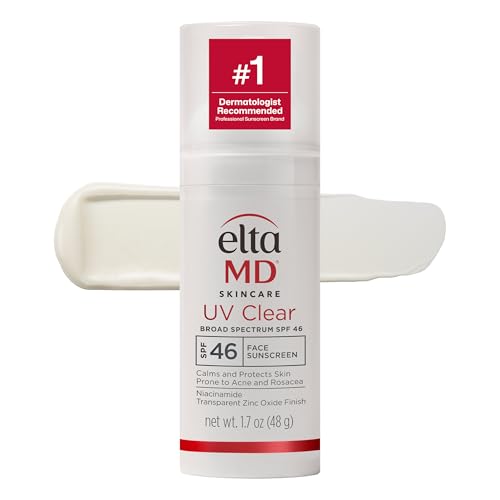
The neck does need skincare, though, especially sunscreen. The skin on the neck is thinner than on much of the face and often gets overlooked, and daily sun protection helps prevent the spots, redness, and texture changes that make face and neck look mismatched over time.
This guide explains when neck makeup helps, how to find a shade that matches both face and neck, a step-by-step blending method, how to avoid transfer onto clothes, and when neck skin changes are worth showing a doctor.
Shopping these picks?
Amazon Prime members get fast, free shipping on eligible items, plus Prime Video, Amazon Music and member deals. New members can start with a free trial.
Start a free Prime trialAged 18 to 24? Prime for Young Adults comes with a longer free trial and a lower price after it.
Affiliate link: we may earn a commission at no extra cost to you.
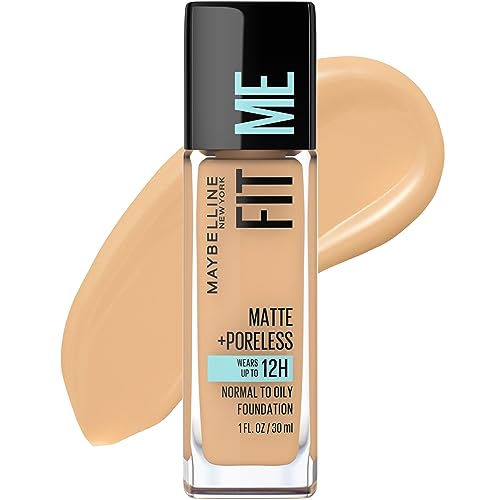
Recommended Products for a Seamless Face and Neck




Quick Answer
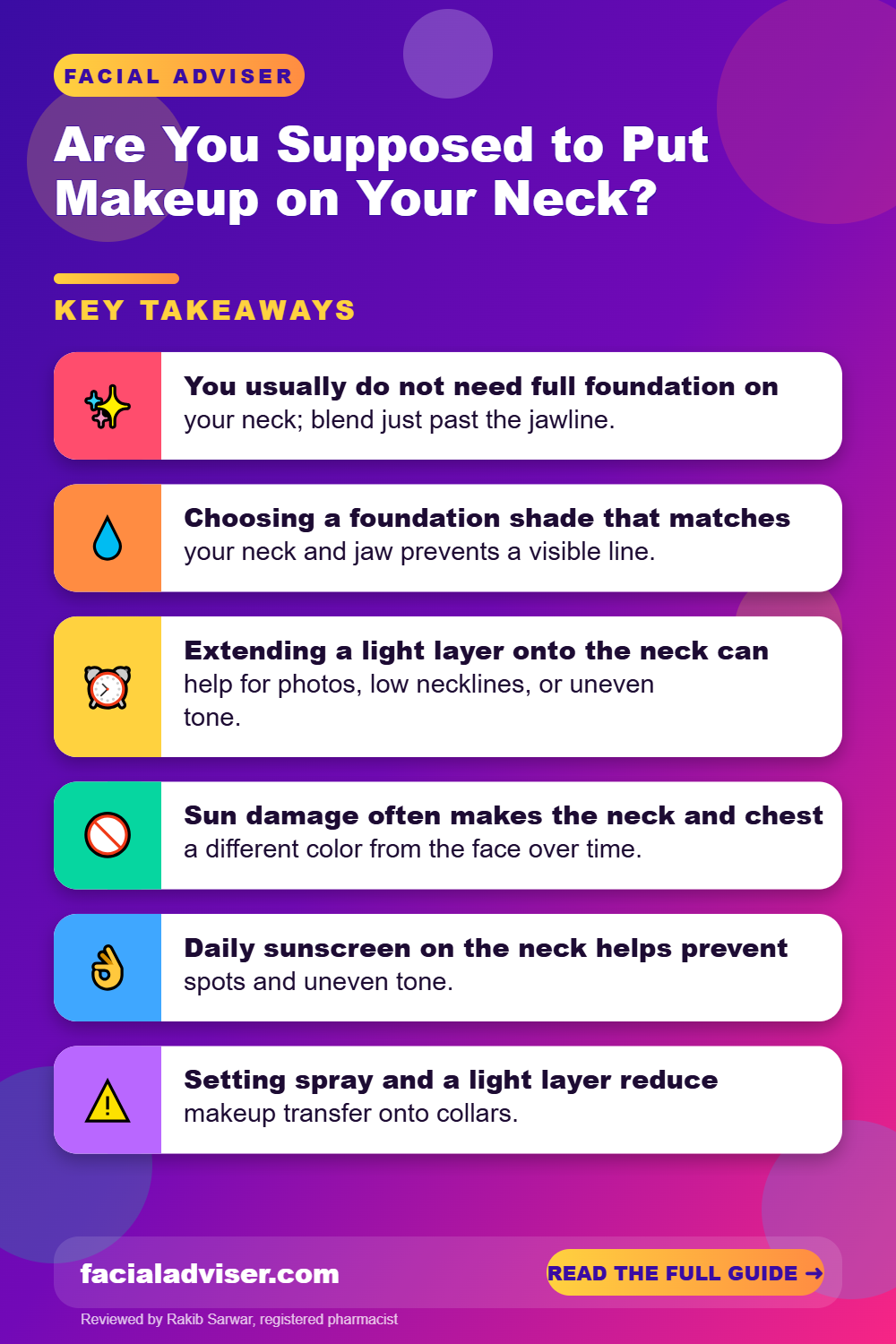
- You usually do not need full foundation on your neck; blend just past the jawline.
- Choosing a foundation shade that matches your neck and jaw prevents a visible line.
- Extending a light layer onto the neck can help for photos, low necklines, or uneven tone.
- Sun damage often makes the neck and chest a different color from the face over time.
- Daily sunscreen on the neck helps prevent spots and uneven tone.
- Setting spray and a light layer reduce makeup transfer onto collars.
- New or changing spots on the neck should be checked by a dermatologist.
On This Page
- Why Face and Neck Often Look Different
- Find a Shade That Matches Face and Neck
- When to Put Makeup on Your Neck
- How to Blend Seamlessly
- Face-Only vs Face-and-Neck Makeup
- Contour, Bronzer, and the Jawline
- The Chest and Neckline for Special Occasions
- How to Avoid Transfer Onto Clothes
- Skincare for the Neck
- What Neck Makeup Cannot Do
- Neck Skin Changes Worth Checking
- Questions People Ask
- The Takeaway
Why Face and Neck Often Look Different
Your face and neck may start out a similar color, but they are treated very differently over the years. The face gets daily cleansing, moisturizer, and often sunscreen, while the neck is frequently forgotten.
Sun exposure is a major reason for mismatched color. The sides of the neck and the upper chest get plenty of sun, and years of unprotected exposure can lead to brown spots, redness, and a mottled look. The face may also be slightly lighter or darker than the neck because of acne marks, redness, or tanning.
Makeup itself can create a mismatch. Foundation chosen by testing on the back of the hand or inner wrist is often the wrong shade for the face, and a foundation that is too light, too dark, or the wrong undertone makes the difference at the jawline obvious.
Lighting plays a part too. Bathroom lights often come from above and can hide the jawline in shadow, so a mismatch that is invisible at home can show up clearly outdoors or in photos. Checking your makeup near a window before you leave is the easiest way to catch it.
Find a Shade That Matches Face and Neck
The right shade is the most important step. This test helps you find it.
Swatch along the jawline
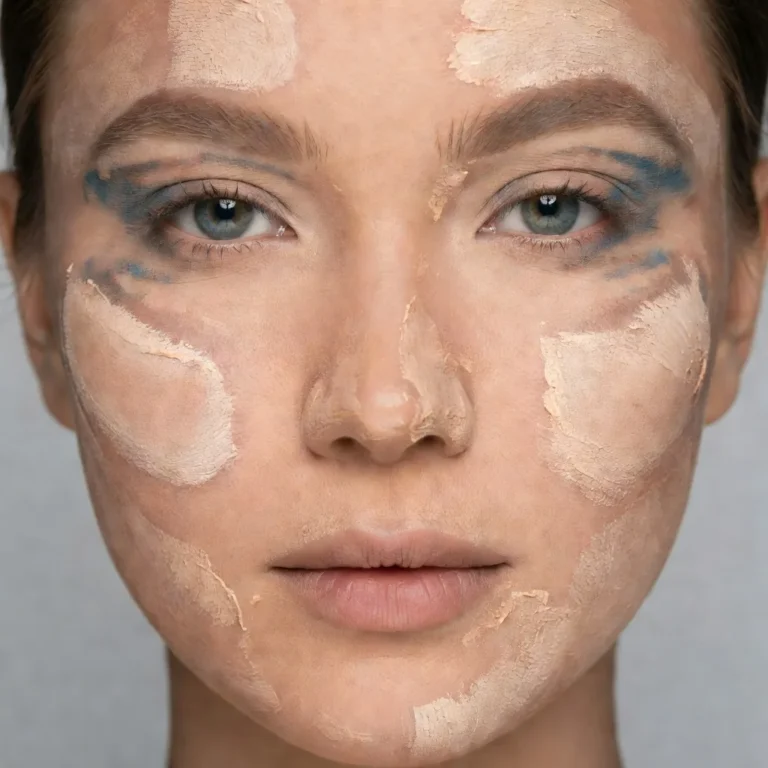
Apply three small stripes of foundation along your jaw, partly on the face and partly on the neck.
Check in daylight
Look in a mirror near a window. The right shade will seem to disappear into both your face and neck.
Look at undertone
If a shade looks too pink, too yellow, or gray, try one with a different undertone rather than just lighter or darker.
Let it dry for a few minutes
Many foundations change slightly as they dry. Check again after five minutes.
Choose between two if needed
If your face and neck are very different, choose the shade that matches your neck, and use concealer or color correction on the face where needed.
Never choose foundation from a swatch on your hand. The skin on your hand is often a different tone from your face and neck.
When to Put Makeup on Your Neck
- Everyday wear: blend foundation just past the jawline and under the chin. No need for more.
- Photos and events: flash and bright lights can exaggerate small differences, so extending a sheer layer down the neck helps.
- Low necklines: for strapless or low-cut outfits, a light layer or body makeup on the neck and chest can even out tone.
- Visible redness or pigmentation on the neck: a light layer can help, but consider seeing a dermatologist about the cause.
- Bronzer or tan: if you bronze your face, add a light dusting to your neck so it does not look paler.
A little goes a long way. Use whatever foundation is left on your sponge or brush for the neck rather than adding fresh product. That gives a sheerer layer that blends more naturally.
How to Blend Seamlessly
Whether you blend just past the jaw or extend down the neck, the technique is similar.
- Apply foundation to the center of your face and blend outward toward the hairline, ears, and jaw.
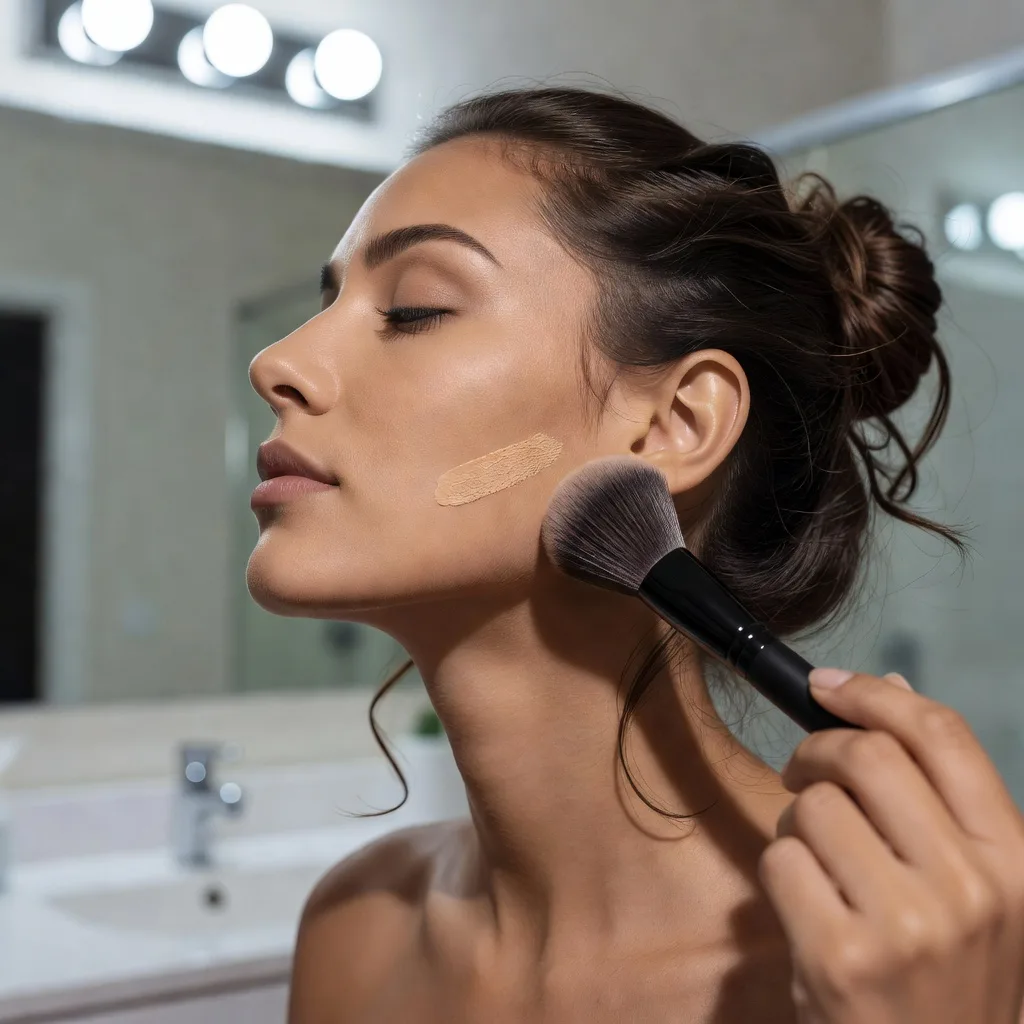
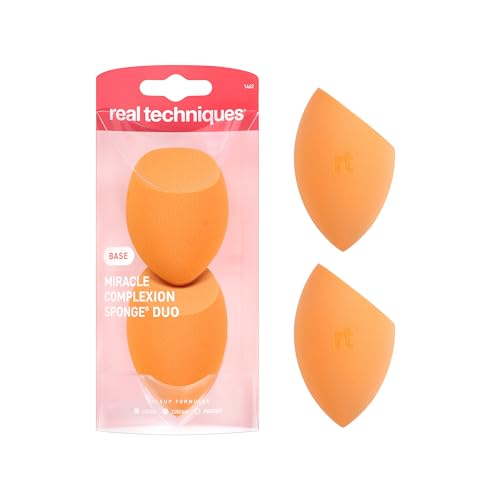
- Use a damp sponge or brush to blend the edge downward past the jawline in soft, downward strokes.
- Tilt your head back slightly to blend under the jaw and chin.
- If extending onto the neck, use only the product left on your tool and blend downward.
- Check in daylight from several angles, including the side.
If your face makeup ends up heavier than you want, see our guide on fixing cakey makeup.
Face-Only vs Face-and-Neck Makeup
| Approach | Best for | Pros | Cons |
|---|---|---|---|
| Blend just past the jaw | Everyday wear | Quick, less transfer | Needs well-matched shade |
| Sheer layer down the neck | Photos, events | More even look in bright light | Some transfer risk |
| Face and chest with body makeup | Low necklines, formal events | Uniform tone | More time and possible transfer |
| No neck makeup at all | Very natural looks | Simplest | Visible line if shade is off |
Most people only need the first option day to day.
Contour, Bronzer, and the Jawline
Contour and bronzer can make the line between face and neck more obvious if they stop abruptly at the jaw.
If you contour under the cheekbones or along the jaw, blend the product downward onto the upper neck so it fades gradually rather than ending in a hard edge. Use a soft brush and very little product, building slowly.
When using bronzer for warmth, sweep it lightly across the high points of the face, then use what is left on the brush on the sides of the neck and, if exposed, the chest. This keeps your overall tone consistent, especially in summer.
Highlighter on the collarbones or center of the chest can look lovely with a low neckline, but keep it subtle so it does not draw attention to texture.
Step back from the mirror and turn your head to each side. The jawline edge is most visible from the side, which is how others often see you.
The Chest and Neckline for Special Occasions
For weddings, formal events, and photos with a low neckline, the chest can look noticeably different from the face, especially if it has sun spots, redness, or a tan line.
A body foundation, a sheer tinted moisturizer, or your regular foundation mixed with moisturizer can even out the neck and chest. Apply with a large sponge or brush, keep layers thin, and set lightly to prevent transfer onto clothing.
Test your plan with the actual outfit beforehand, since some formulas can mark fabric. Allow plenty of drying time before getting dressed, and step into dresses rather than pulling them over your head if possible.
Afterward, remove body makeup with a gentle cleanser in the shower so it does not stay on overnight.
How to Avoid Transfer Onto Clothes
Makeup on the neck can rub off onto collars, scarves, and tops. These habits help:
Worth Doing
- Use a thin layer on the neck.
- Set with a light dusting of powder or setting spray.
- Let makeup dry fully before getting dressed.
- Wear a scarf over your face when pulling on tops.
- Choose long-wear or transfer-resistant formulas for events.
Skip It
- Apply thick foundation on the neck.
- Get dressed immediately after makeup.
- Wear white collars without setting makeup.
- Rub your neck during the day.
- Forget to remove makeup from the neck at night.
Always remove neck makeup at night. Leftover makeup can clog pores, irritate the skin, and stain your pillowcase.
Skincare for the Neck
Good skincare for the neck makes a seamless look much easier over time.
- Apply your facial moisturizer down the neck and onto the chest.
- Use broad-spectrum sunscreen of SPF 30 or higher on your neck every morning.
- Reapply sunscreen when outdoors for long periods.
- Introduce actives like retinoids slowly on the neck, since the skin can be more sensitive.
- Be gentle; avoid scrubbing the neck.
The neck is also one of the first places to show changes with age. Our guide on makeup tips for women over 60 covers how to adjust makeup for mature skin.
What Neck Makeup Cannot Do
Makeup can even out tone, but it cannot fix texture, crepiness, or significant sun damage, and heavy layers can make those look more obvious.
| Belief | Reality |
|---|---|
| You must always put foundation on your neck | A good shade match blended at the jaw is usually enough |
| A darker shade on the neck hides lines | Mismatched shades look more noticeable |
| Neck makeup hides sun damage | Light coverage evens tone but not texture |
| The neck does not need sunscreen | It gets significant sun exposure |
| Powder all over the neck prevents transfer | A light setting layer is enough |
For long-term improvement, consistent sun protection and skincare do far more than makeup.
Neck Skin Changes Worth Checking
The neck and chest are common areas for sun-related skin changes. See a dermatologist if you notice:
- A new or changing mole or spot.
- A sore that does not heal or bleeds easily.
- Rough, scaly patches that persist.
- A reddish-brown, mottled pattern that is spreading.
- Dark, velvety patches on the neck, which can be linked to insulin resistance.
- A rash or irritation where you apply makeup or fragrance.
Medical disclaimer: This article is for general information and is not a substitute for professional medical advice. See a healthcare provider about new or changing skin spots.
Questions People Ask
Are you supposed to put foundation on your neck?
Usually not all over. Blend just past the jawline with a shade that matches your neck.
Why does my face look different from my neck?
Often because of sun exposure, a mismatched foundation shade, or differences in how face and neck skin are cared for.
How do I choose a foundation that matches my neck?
Swatch along the jawline and check in daylight. The right shade disappears into both face and neck.
Should I put makeup on my neck for photos?
A sheer layer can help in bright light or flash photography.
How do I stop foundation getting on my collar?
Use a thin layer, set it, let it dry, and cover your face when dressing.
Should I put bronzer on my neck?
Yes, a light dusting helps if you bronze your face.
Do I need sunscreen on my neck?
Yes. The neck gets a lot of sun and shows damage over time.
Can I use face moisturizer on my neck?
Yes, and it is a good idea to extend it down to the chest.
Why is my neck darker than my face?
Sun exposure, irritation, or conditions such as acanthosis nigricans can cause darker neck skin.
Should I put concealer on my neck?
Only for specific spots, and blend carefully to avoid a patchy look.
The Takeaway
For everyday makeup, you usually do not need foundation all over your neck. Choose a shade that matches your neck and jaw, and blend just past the jawline so there is no visible line. For photos, events, or low necklines, a sheer layer extended down the neck can help.
Care for your neck with moisturizer and daily sunscreen to keep face and neck tones closer over time, and set any neck makeup lightly to avoid transfer. See a dermatologist about new or changing spots, since the neck is a common site of sun damage.

Written by
Registered pharmacist and founder of Facial Adviser. Rakib's pharmacy training covers how skincare actives work and interact; a later course in cosmetology turned that into a focus on facial treatments and skincare products. He plans, researches and edits every guide on the site and checks health claims against sources such as the American Academy of Dermatology, the FDA and the NIH. He is not a dermatologist; see the Editorial Policy and Medical Disclaimer.
About · Editorial policy · How we choose products · Medical disclaimer · Contact
Keep reading: Makeup basics and skin
- How to Properly Put On Face Makeup: The Right Order, Step by Step
- When Can You Wear Makeup After Microblading? A Healing Timeline
- Does Makeup Mess Up Your Skin? What Actually Causes Problems
- Why Can't You Wear Makeup for a Colonoscopy?
- Why Doesn't Makeup Look Good on Me? 8 Common Reasons and Fixes
- When Is the Best Time to Buy Makeup? A Year-Round Guide
- Best Way to Use Makeup Remover: Micellar Water, Balms, Oils and Eye Removers
- How to Choose Lipstick Shade: Undertone, Skin Tone and Testing Tips