Why Can’t You Wear Makeup for a Colonoscopy?
Preparing for a colonoscopy comes with plenty of instructions: the special diet, the bowel prep, arranging a ride home. Tucked into the list is often a line that surprises people: no makeup, no nail polish, and no lotions on the day of the procedure. It can feel like an odd rule for a test that focuses on the colon.
Part of our guide to makeup how-to. Start with: How to Properly Put On Face Makeup: The Right Order, Step by Step
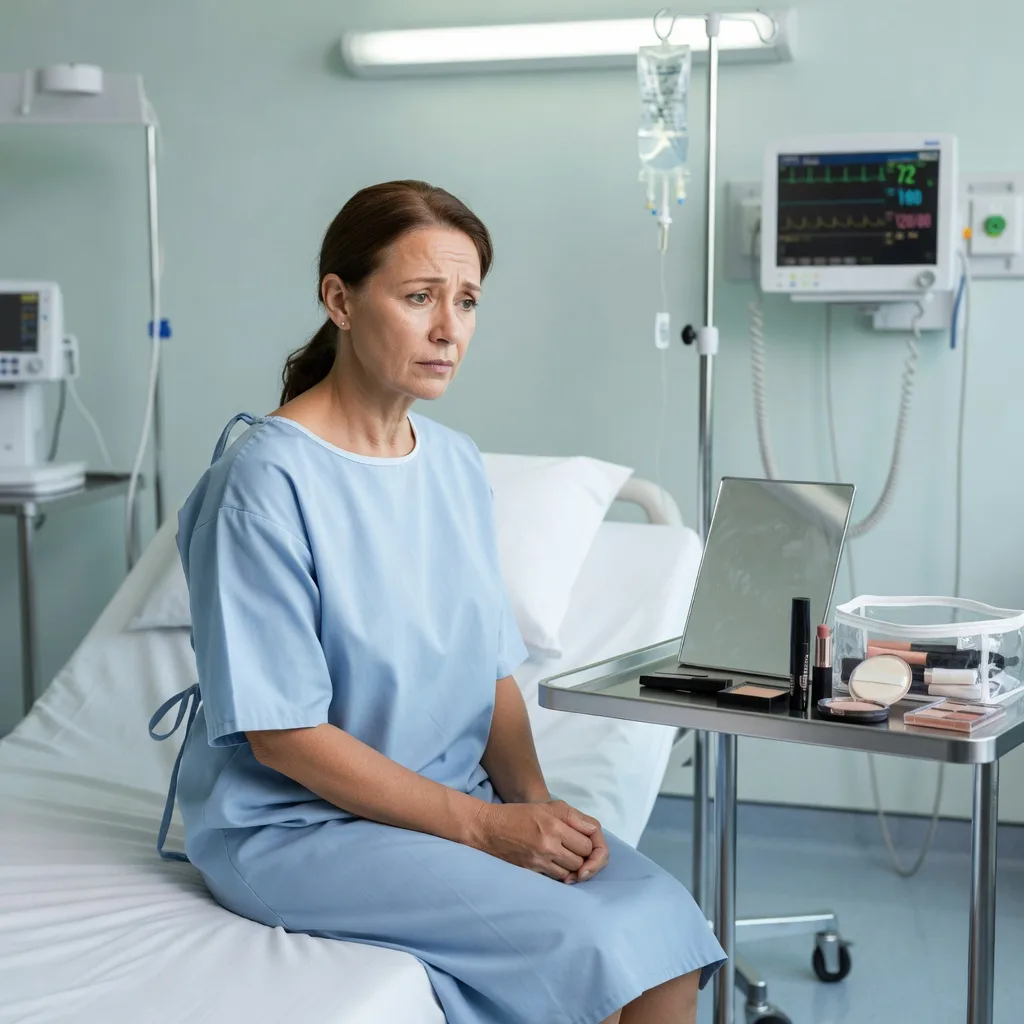
The main reason is safety during sedation. Most colonoscopies are done under sedation, and the medical team monitors your breathing and oxygen levels partly by watching the color of your skin, lips, and nail beds. Makeup and nail polish can hide early signs that you need more oxygen. Some nail polish colors can also interfere with the pulse oximeter clipped to your finger.
Research supports the concern about nail polish. Studies summarized by the OpenOximetry project have found that blue, green, black, and brown polish tend to interfere most with pulse oximeter readings, sometimes underestimating oxygen levels by 3 to 5 percent in healthy volunteers.
The rule is not about judging your appearance. It helps the team see and measure what they need to keep you safe while you are sedated and cannot tell them how you feel.
This guide explains why makeup, lotions, and nail polish are discouraged, what you usually need to remove, what may be allowed, how to prepare your face and nails the night before, and when to call your care team.
Shopping these picks?
Amazon Prime members get fast, free shipping on eligible items, plus Prime Video, Amazon Music and member deals. New members can start with a free trial.
Start a free Prime trialAged 18 to 24? Prime for Young Adults comes with a longer free trial and a lower price after it.
Affiliate link: we may earn a commission at no extra cost to you.
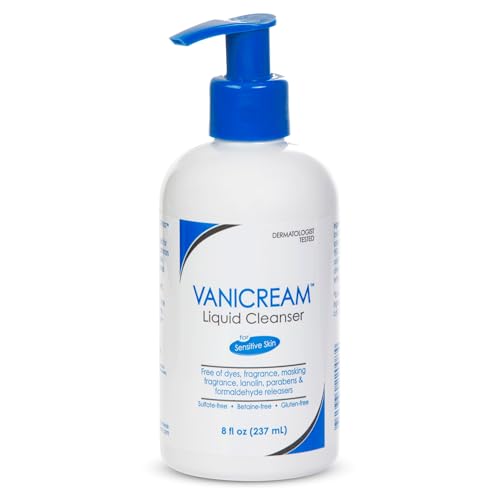
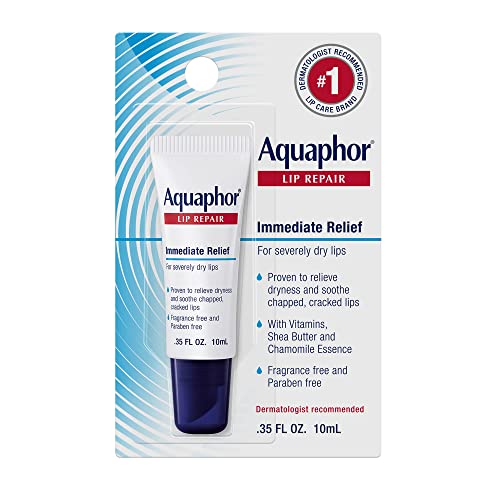
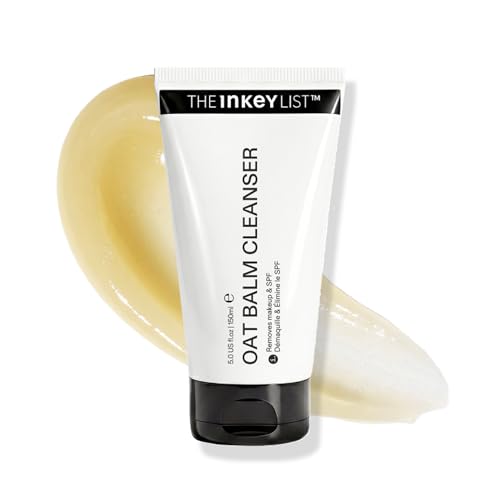
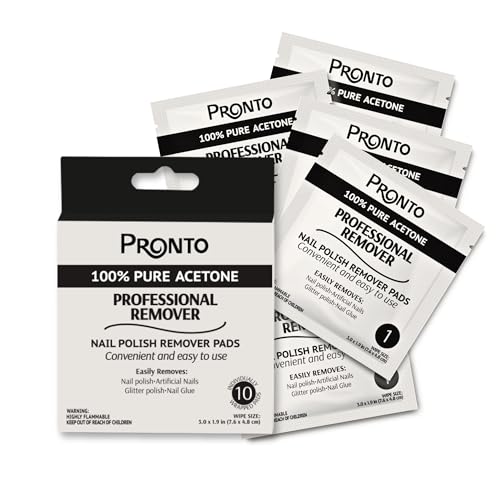
Recommended Products for Removing Makeup Before a Procedure


Quick Answer
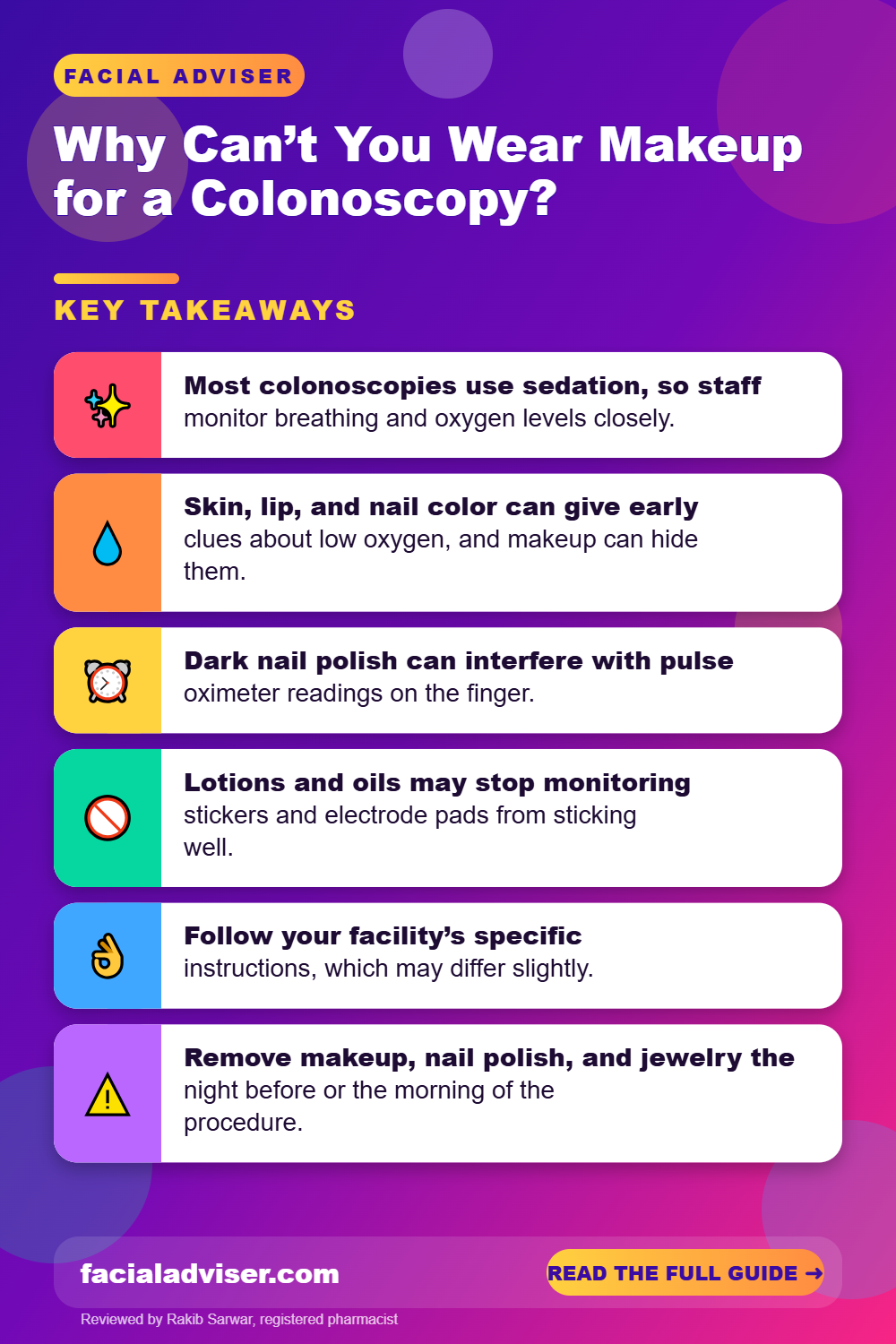
- Most colonoscopies use sedation, so staff monitor breathing and oxygen levels closely.
- Skin, lip, and nail color can give early clues about low oxygen, and makeup can hide them.
- Dark nail polish can interfere with pulse oximeter readings on the finger.
- Lotions and oils may stop monitoring stickers and electrode pads from sticking well.
- Follow your facility’s specific instructions, which may differ slightly.
- Remove makeup, nail polish, and jewelry the night before or the morning of the procedure.
- Ask your care team if you have questions, especially about permanent makeup or gel nails.
Contents
- Why Sedation Changes the Rules
- Nail Polish and Pulse Oximeters
- Why Lotions and Oils Are Discouraged Too
- What to Remove and What Is Usually Fine
- The Night-Before Checklist
- On the Day: Do and Do Not
- Looking After Your Skin During Bowel Prep
- Makeup After Your Colonoscopy
- Other Procedures With Similar Rules
- What These Rules Do and Do Not Mean
- When to Call Your Care Team
- Your Questions, Answered
- Final Word
Why Sedation Changes the Rules
During a colonoscopy, most people receive sedation, ranging from light sedation where you are drowsy but responsive to deeper sedation where you are asleep. Sedative and pain-relieving medicines can slow breathing, which in turn can lower oxygen levels in the blood.
To catch this early, the team uses monitoring equipment, including a pulse oximeter on the finger, a blood pressure cuff, and often heart monitor stickers on the chest. They also watch you directly. A bluish or grayish tint to the lips, face, or nail beds can be an early sign of low oxygen.
Foundation, lipstick, blush, and nail polish can hide those visual clues. Removing them gives the team a clear view, so they can respond quickly if your breathing changes.
Skin tone matters here too. On darker skin, color changes in the face can be harder to see, so staff also rely on nail beds, the inside of the lips, and monitoring equipment. That makes clear nails and a bare face even more useful for everyone.
Nail Polish and Pulse Oximeters
A pulse oximeter works by shining red and infrared light through your fingertip and measuring how much is absorbed. Nail polish sits directly in the light path.
Research dating back to a 1988 study in Anesthesia and Analgesia has examined how nail polish affects these readings. Later work has found that darker colors, particularly blue, green, black, and brown, tend to interfere most, and some gel polishes can cause readings to be too high or too low depending on the device.
Even if the effect is small, anesthesia teams want the most accurate reading possible. Many facilities ask you to remove polish from at least one finger, and often all of them, to be safe.
Acrylics and gel nails can be hard to remove. If you cannot take them off, call your facility ahead of time. Staff may place the sensor on a toe, an earlobe, or sideways on the finger instead.
Why Lotions and Oils Are Discouraged Too
Heart monitor stickers, called electrodes, and other adhesive sensors need to stick firmly to clean, dry skin. Body lotion, oils, and heavy creams can stop them from staying in place, which may lead to poor readings or sensors falling off during the procedure.
For that reason, many facilities ask you not to apply lotion to your chest, arms, or hands on the day of the procedure. A light facial moisturizer is sometimes allowed, but check your instructions.
Deodorant, perfume, and body sprays are also sometimes discouraged, particularly around the chest and arms where monitoring equipment is placed.
Hair products can matter too. Some facilities prefer hair to be free of heavy oils or sprays, especially if you need oxygen through a mask or nasal tubing.
What to Remove and What Is Usually Fine
| Item | Usually remove? | Why |
|---|---|---|
| Foundation, concealer, powder | Yes | Can hide changes in skin color |
| Lipstick and lip gloss | Yes | Lip color is watched during sedation |
| Eye makeup and mascara | Usually | Can smudge into eyes; follow facility advice |
| Nail polish | Yes, often all nails | Can affect pulse oximeter readings and hide nail bed color |
| Body lotion and oils | Yes | Can stop monitoring stickers from sticking |
| Jewelry and piercings | Usually | Safety and equipment reasons |
| Plain lip balm | Often fine | Helps with dry lips; check with staff |
| Permanent makeup or microblading | Usually fine | Cannot be removed; tell staff if asked |
Every facility has its own policy, so always follow the written instructions you receive.
The Night-Before Checklist
Getting your face and nails ready the night before saves stress on the day.
Read your instructions
Check what your facility says about makeup, nail polish, lotions, jewelry, and contact lenses.
Remove all makeup
Use a gentle remover or cleansing balm, then wash with a mild cleanser. Pay attention to mascara and long-wear lipstick.
Take off nail polish
Remove polish from fingernails, and from toenails if your instructions mention it. Call ahead if you have gel or acrylic nails you cannot remove.
Skip body lotion
Avoid applying lotion or oil to your arms, hands, and chest. A light facial moisturizer at night is usually fine.
Prepare your bag
Pack glasses instead of contacts if advised, and leave jewelry at home. Bring lip balm to use afterward.
Bowel prep can leave you dehydrated and tired. Doing your skin prep early in the evening means you can rest instead of rushing the next morning.
On the Day: Do and Do Not
Worth Doing
- Arrive with a clean, bare face.
- Remove all nail polish unless told otherwise.
- Wear loose, comfortable clothes.
- Bring glasses if you normally wear contacts.
- Bring lip balm for after the procedure.
Skip It
- Apply foundation, lipstick, or blush.
- Use body lotion, oils, or heavy creams.
- Wear jewelry or piercings you can remove.
- Spray perfume or body mist.
- Assume the rules are the same as at another facility.
If you forget and arrive wearing makeup, staff will usually just ask you to remove it. Some facilities keep wipes on hand, but it is easier and quicker to arrive ready.
Looking After Your Skin During Bowel Prep
Bowel prep is hard on the body. Frequent trips to the bathroom and fluid loss can leave you dehydrated, which often shows up as dry lips, tight skin, and tiredness.
Drink the clear fluids your instructions allow, and use a plain lip balm often. A gentle, fragrance-free moisturizer on your face the evening before can help, as long as you do not apply body lotion where monitors will go.
Repeated wiping can also irritate the skin around the bottom. Using soft, unscented wipes or patting with damp toilet paper, and applying a thin layer of a barrier ointment such as petrolatum or a zinc oxide cream, can reduce soreness. Avoid scented wipes, which can sting.
If the irritation becomes very painful, bleeds, or does not improve within a few days after the procedure, mention it to your doctor.
Makeup After Your Colonoscopy
Once you are home and fully awake, you can usually go back to your normal skincare and makeup. Many people feel tired for the rest of the day, so a simple routine is often enough.
Staying hydrated after bowel prep helps your skin too. Dehydration can make skin look dull and feel tight, and a hydrating moisturizer can help for a day or two.
If you had any other procedure at the same time, such as an eye or dental treatment, follow the specific aftercare for that. Our guide on makeup after cataract surgery covers eye procedures.
Other Procedures With Similar Rules
The same reasons apply to many procedures involving sedation or general anesthesia, including upper endoscopies, many surgeries, and some dental procedures. You may be asked to remove makeup, nail polish, lotions, jewelry, and contact lenses for the same monitoring and safety reasons.
If you are unsure, it is always fine to call and ask. Staff would much rather answer a question beforehand than have you arrive unprepared.
For planned surgery, you may also be asked to remove false eyelashes and eyelash extensions in some cases, since adhesives and tape used to protect the eyes during anesthesia can pull on them.
What These Rules Do and Do Not Mean
These instructions are about monitoring, not about makeup being harmful in general.
| Belief | Reality |
|---|---|
| Makeup is unsafe during a colonoscopy | It is not toxic; it can hide signs staff need to see |
| Clear polish is always fine | Some facilities still ask for all polish to be removed |
| You will be turned away for any makeup | Staff may just ask you to remove it; follow instructions to avoid delays |
| Lip balm is not allowed | Plain lip balm is often fine, especially after bowel prep |
| The rules are the same everywhere | Policies vary between facilities |
For general tips on keeping skin healthy while wearing makeup, see our guide on whether makeup messes up your skin.
When to Call Your Care Team
Call your doctor or the procedure facility if:
- You have gel, acrylic, or dip nails you cannot remove.
- You have permanent makeup or tattoos in areas where monitors are placed and have questions.
- You have a skin condition on your chest or hands that makes adhesive stickers painful.
- You have had skin reactions to medical tape or adhesives before.
- You are unsure what is allowed on the day.
- You feel unwell during bowel prep, such as severe vomiting, dizziness, or fainting.
After the procedure, seek urgent care for severe abdominal pain, fever, heavy bleeding, or difficulty breathing.
Medical disclaimer: This article is for general information and is not a substitute for professional medical advice. Always follow the instructions provided by your healthcare team.
Your Questions, Answered
Why can’t I wear makeup for a colonoscopy?
Because sedation can affect breathing, and staff watch your skin and lip color for early signs of low oxygen. Makeup can hide those signs.
Do I have to remove nail polish for a colonoscopy?
Usually yes. Some colors can interfere with the pulse oximeter, and staff also check nail bed color.
Can I wear clear nail polish?
Some facilities allow it, but many ask for all polish to be removed. Check your instructions.
Can I wear mascara to a colonoscopy?
Many facilities ask you to remove eye makeup too. Follow your instructions.
Can I wear lotion before a colonoscopy?
Usually not on the body, since it can stop monitoring stickers from sticking.
Can I wear lip balm?
Plain lip balm is often fine and helps with dry lips after bowel prep, but check with staff.
What if I have gel or acrylic nails?
Call ahead. Staff may use a toe or earlobe sensor instead.
Does permanent makeup matter?
Usually not, since it cannot be removed. Mention it if staff ask.
Can I wear deodorant?
Some facilities discourage it near monitoring areas. Check your instructions.
When can I wear makeup again?
Once you are home and fully awake, you can return to your usual routine.
Final Word
You are asked not to wear makeup for a colonoscopy mainly because of sedation. The team monitors your breathing and oxygen levels, partly by watching the color of your skin, lips, and nail beds, and makeup and nail polish can hide early warning signs or interfere with the pulse oximeter.
Remove makeup, nail polish, and body lotion the night before, follow your facility’s specific instructions, and call ahead if you have gel nails or other questions. Once you are home and recovered, you can go back to your usual routine.

Written by
Registered pharmacist and founder of Facial Adviser. Rakib's pharmacy training covers how skincare actives work and interact; a later course in cosmetology turned that into a focus on facial treatments and skincare products. He plans, researches and edits every guide on the site and checks health claims against sources such as the American Academy of Dermatology, the FDA and the NIH. He is not a dermatologist; see the Editorial Policy and Medical Disclaimer.
About · Editorial policy · How we choose products · Medical disclaimer · Contact
Keep reading: Makeup basics and skin
- Why Doesn't Makeup Look Good on Me? 8 Common Reasons and Fixes
- When Is the Best Time to Buy Makeup? A Year-Round Guide
- Best Way to Apply Makeup on Mature Skin: Tools and Technique Step by Step
- Can Makeup Cause Skin Cancer?
- How to Properly Put On Face Makeup: The Right Order, Step by Step
- What Can You Use to Make Your Makeup Stay On All Day? 9 Products and Tricks
- How to Get Started as a Freelance Makeup Artist: Training, Kit and Clients