Why Doesn’t Makeup Look Good on Me? 8 Common Reasons and Fixes
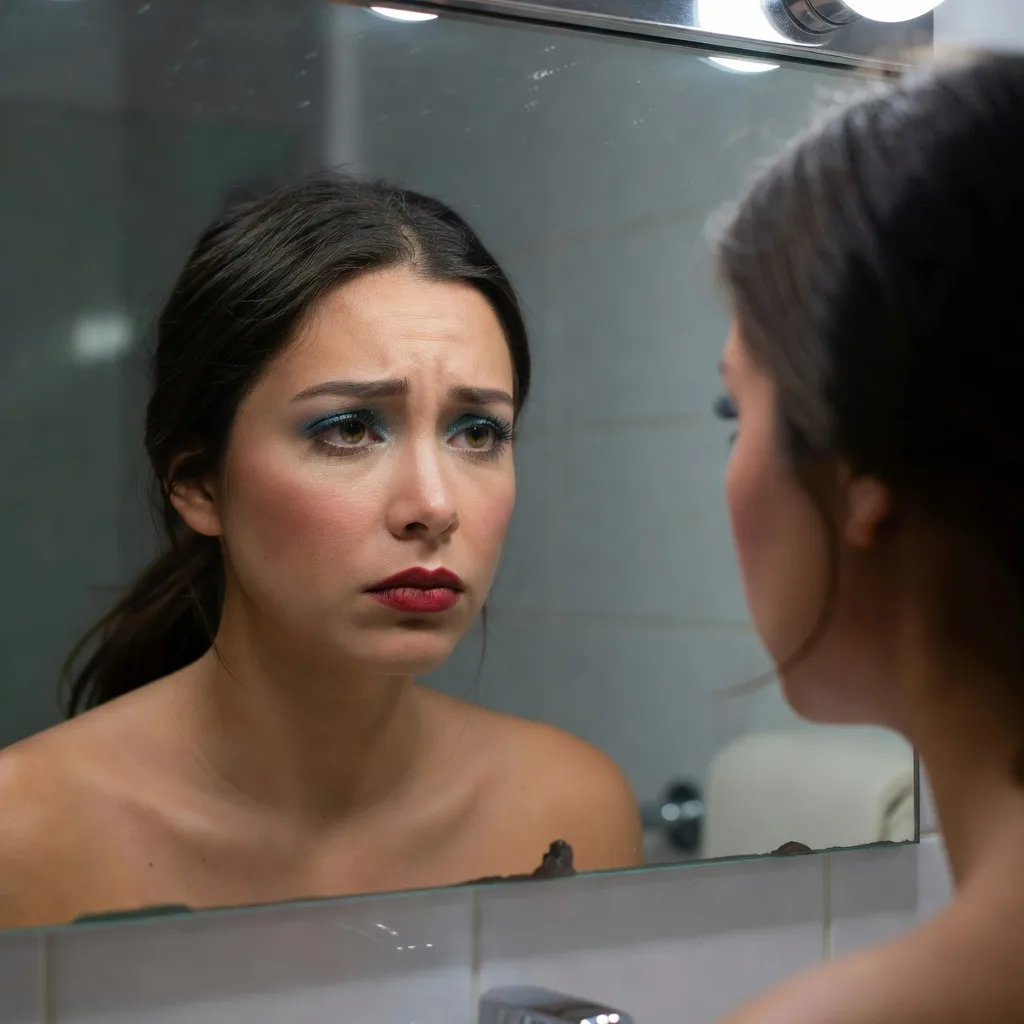
You follow a tutorial step by step, use products with great reviews, and still look in the mirror and think something is off. Maybe your face looks flat, older, tired, or like it is wearing a mask. It is frustrating, and very common. The good news is that it is rarely about your face and almost always about a few fixable details.
Part of our guide to makeup how-to. Start with: How to Properly Put On Face Makeup: The Right Order, Step by Step
Makeup usually looks wrong for one of a handful of reasons: the shade or undertone does not match, there is too much product, the skin underneath is not prepped, the colors do not suit your coloring, or the technique was made for a different face or skin type. Once you find which one applies to you, the fix is often quick.
Lighting also plays a bigger role than most people realize. Makeup applied under warm bathroom lights can look completely different in daylight, and what looks right up close in a magnifying mirror may look heavy from a normal distance.
Tutorials are a starting point, not a rulebook. A technique designed for a different eye shape, skin type, or skin tone may not flatter you, and there is nothing wrong with adapting or skipping steps.
This guide walks you through a simple diagnostic, the most common reasons makeup does not look right, and practical fixes for each, plus when a skin issue might be the underlying problem. You do not need to buy a whole new makeup bag to fix it.
Shopping these picks?
Amazon Prime members get fast, free shipping on eligible items, plus Prime Video, Amazon Music and member deals. New members can start with a free trial.
Start a free Prime trialAged 18 to 24? Prime for Young Adults comes with a longer free trial and a lower price after it.
Affiliate link: we may earn a commission at no extra cost to you.
Recommended Products for More Flattering Makeup

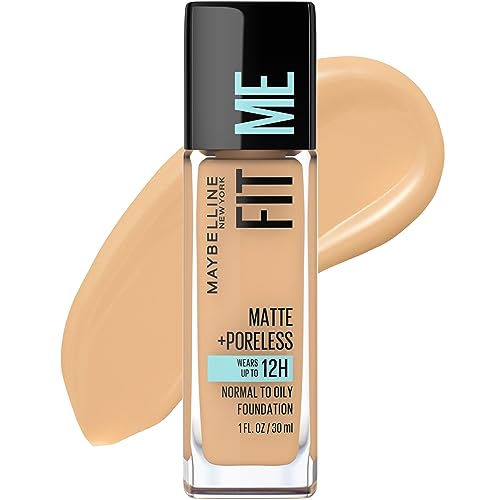

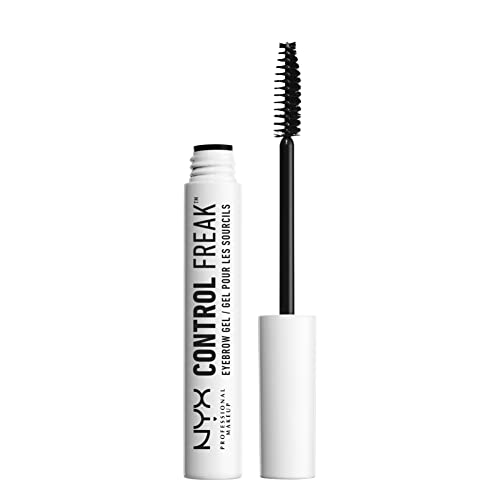

Jump to a Section
- Start Here: A Five-Minute Diagnosis
- 1. The Foundation Shade or Undertone Is Wrong
- 2. There Is Too Much Product
- 3. The Skin Underneath Is Not Ready
- 4. The Formula Does Not Suit Your Skin Type
- 5. The Colors Do Not Flatter Your Coloring
- 6. The Technique Was Made for a Different Face
- 7. Lighting and Mirrors Are Misleading You
- 8. Expectations Are Set by Filters
- What Makeup Cannot Change
- When the Problem Is Your Skin, Not Your Makeup
- Your Questions, Answered
- Final Word
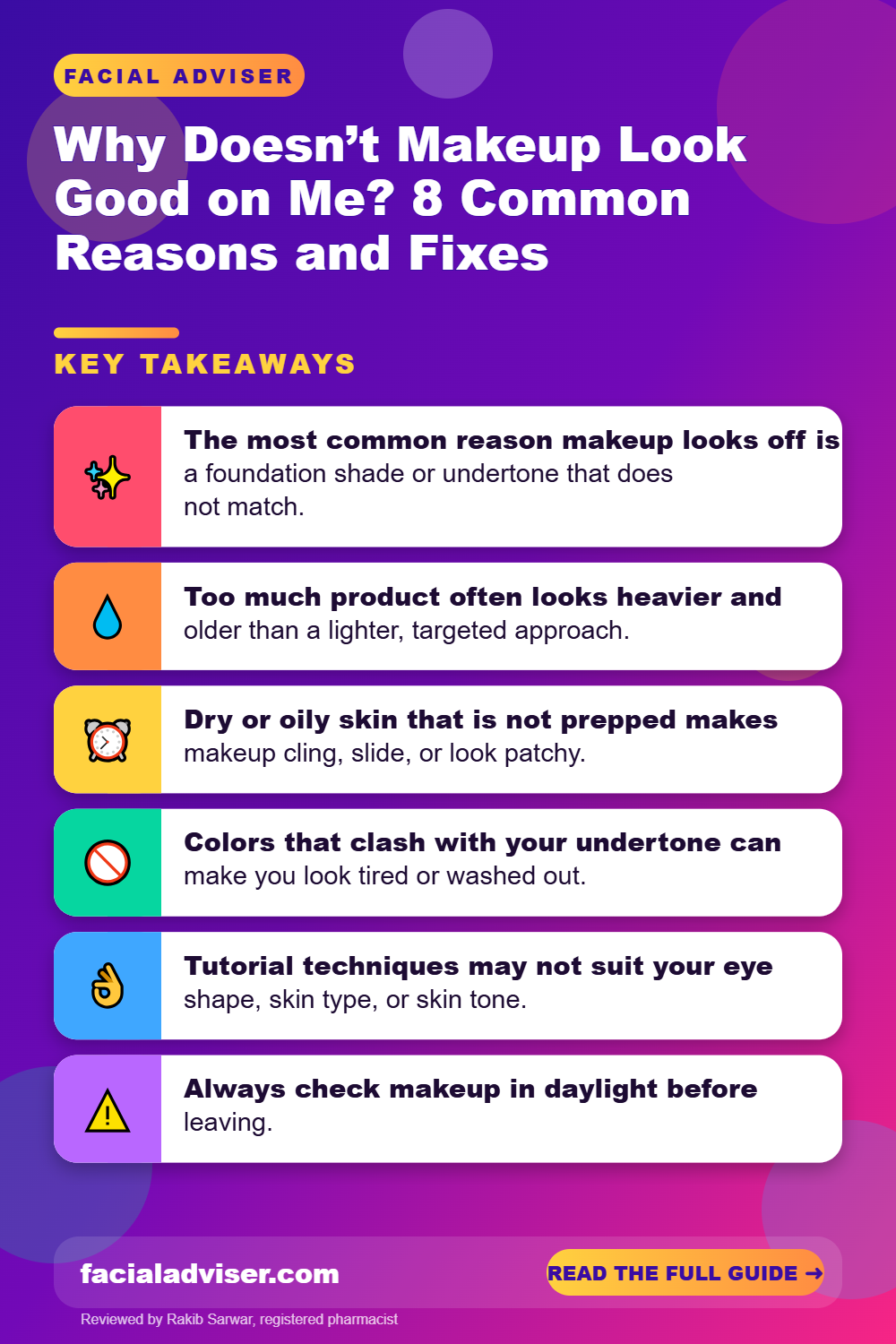
Key Takeaways
- The most common reason makeup looks off is a foundation shade or undertone that does not match.
- Too much product often looks heavier and older than a lighter, targeted approach.
- Dry or oily skin that is not prepped makes makeup cling, slide, or look patchy.
- Colors that clash with your undertone can make you look tired or washed out.
- Tutorial techniques may not suit your eye shape, skin type, or skin tone.
- Always check makeup in daylight before leaving.
- Persistent redness, texture, or irritation may need a dermatologist, not more makeup.
Start Here: A Five-Minute Diagnosis
Before buying anything new, use this check to work out what is really going wrong.
Look in daylight
Apply your usual makeup, then stand by a window with a handheld mirror. Daylight shows mismatched shades, heavy layers, and patchiness that indoor lights hide.
Check your jawline
Look for a visible line or color change between your face and neck. If there is one, your foundation shade or undertone is off.
Step back
Look at yourself from about arm’s length. If you notice makeup before you notice your face, you are probably using too much.
Look at texture
Check for flakes, patchy areas, or makeup settling into pores and lines. This points to skin prep or formula issues.
Check your colors
Hold your blush and lip color near your face without makeup. If they make you look sallow, gray, or harsh, the tones may not suit you.
Take a photo in daylight with the camera at eye level. Photos can reveal problems you have stopped noticing in the mirror.
1. The Foundation Shade or Undertone Is Wrong
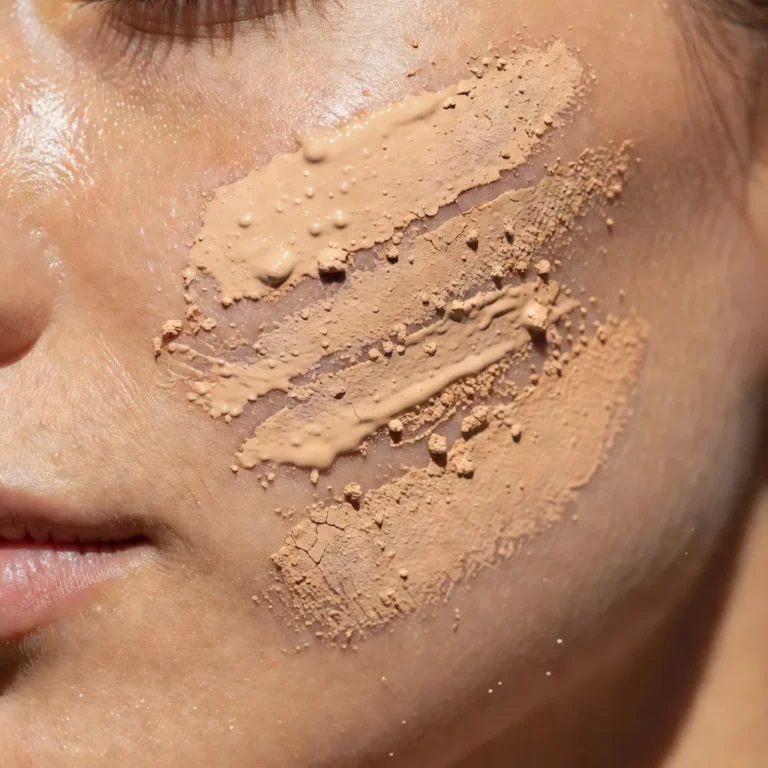
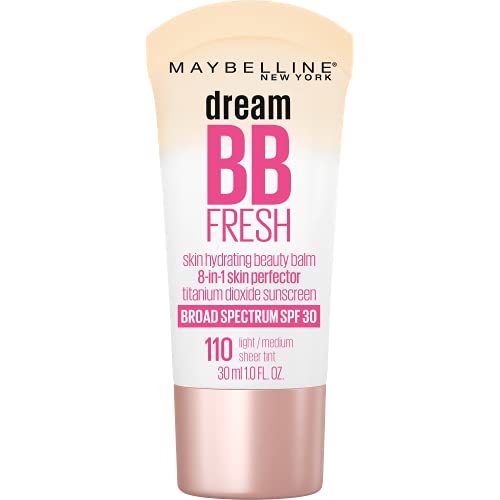
This is the single most common problem. A foundation that is too light can look chalky or gray; too dark can look muddy; the wrong undertone can look orange, pink, or ashy.
Test foundation along the jawline, not on your hand, and check in daylight. The right shade should seem to disappear into both your face and neck. If a shade looks close but slightly off, try the same depth with a warmer, cooler, or more olive undertone.
Our guide on putting makeup on your neck covers how to avoid a visible jawline.
Your shade can also change through the year. Many people are a little deeper in summer and lighter in winter, so a foundation that matched perfectly a few months ago may now look off. Mixing two shades together is an easy way to bridge the gap between seasons.
2. There Is Too Much Product
Layers of primer, foundation, concealer, powder, and setting spray can build into a thick film that looks heavy, especially in daylight. Heavy coverage also tends to settle into lines and make skin look older.
Try a thin layer of foundation only where you need it, spot-conceal, and use powder only on shiny areas. Most people are surprised how much fresher they look with less.
If makeup looks cakey, our guide on fixing cakey makeup explains how to remove excess without starting over.
A useful rule is to apply makeup where you see a problem, not everywhere by default. If your cheeks are even, they may need nothing more than a touch of blush.
3. The Skin Underneath Is Not Ready
Makeup sits on top of your skin, so it shows every dry flake and oily patch. Dry skin makes foundation cling and look patchy. Oily skin makes it slide and separate. Applying makeup over wet skincare makes it pill.
Moisturize with a texture that suits your skin, wait a few minutes for it to settle, and use sunscreen every morning. If you have dry flakes, a gentle exfoliant a couple of times a week can help makeup sit smoothly.
Timing matters as well. Applying foundation straight after moisturizer or sunscreen, before they have settled, is one of the most common reasons makeup looks patchy even when the products are right. A few minutes of waiting can transform the result.
4. The Formula Does Not Suit Your Skin Type
| Skin type | Often works well | Often looks wrong |
|---|---|---|
| Dry | Hydrating liquid, cream, serum foundation | Matte full coverage, heavy powder |
| Oily | Oil-free liquid, mineral powder | Dewy, rich creams all over |
| Combination | Satin finish, powder on T-zone only | Heavy matte or heavy dewy everywhere |
| Mature | Light, flexible, creamy formulas | Thick coverage and baking |
| Sensitive | Fragrance-free, simple formulas | Many layered products |
If you are not sure which formula to choose, our guide on the purpose of foundation explains the different types.
5. The Colors Do Not Flatter Your Coloring
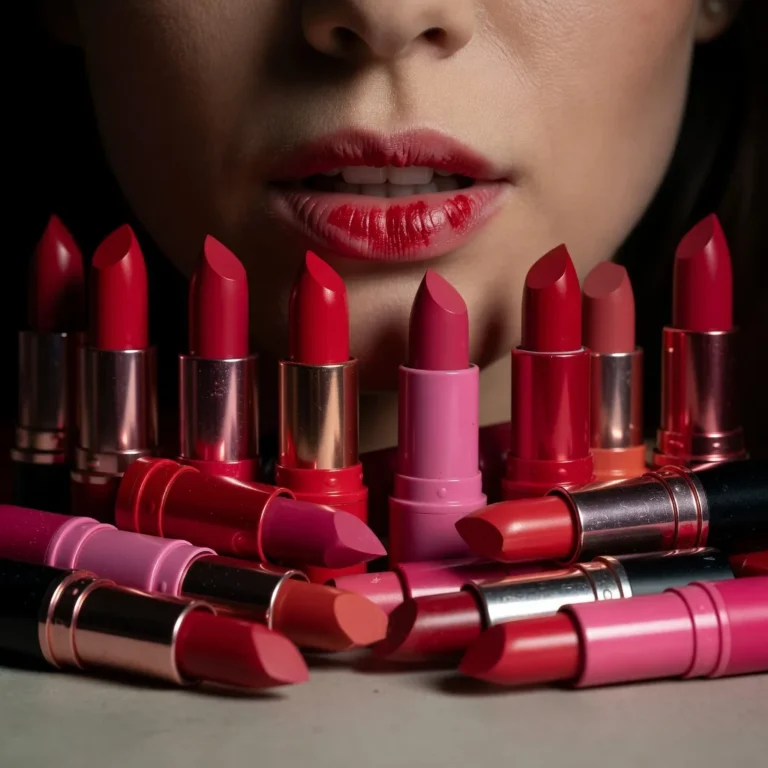
Blush, bronzer, lipstick, and eyeshadow colors interact with your skin’s undertone. Colors that clash can make you look tired, sallow, or washed out even when your base is perfect.
- Warm undertones often suit peach, coral, warm brown, and brick shades.
- Cool undertones often suit rose, berry, mauve, and cool browns.
- Neutral undertones can wear many shades, especially soft rose and warm pink.
- Deeper skin tones often look best with richer, more pigmented shades that show up clearly.
Try holding products up to your bare face in daylight. The right shade brightens your face; the wrong one makes skin look dull or gray.
Intensity matters as much as color. A shade that suits your undertone can still look harsh if it is too bright or too dark for your skin depth, while a very pale shade may barely show. Start with a small amount and build until it looks like a natural flush rather than a stripe of color.
6. The Technique Was Made for a Different Face
Many tutorials use techniques designed for specific features. Heavy contour, cut-crease eyeshadow, or winged liner may look striking on one face and harsh on another.
Worth Doing
- Adapt techniques to your eye shape and face.
- Keep eyeshadow in the visible area if you have hooded eyes.
- Place blush where it lifts your face, usually slightly higher.
- Blend all edges softly.
- Start subtle and build if you want more.
Skip It
- Copy a look exactly without adjusting.
- Use heavy contour on everyday makeup.
- Apply thick winged liner on hooded lids without testing.
- Leave harsh lines at the jaw or hairline.
- Assume more products means better results.
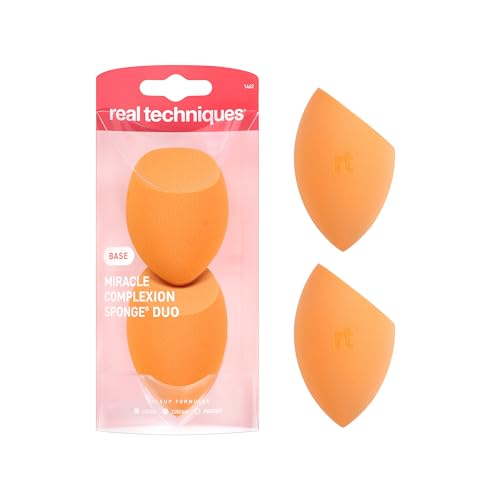
Your tools can make a difference too. A damp sponge gives a softer finish than a dense brush, and fingers help cream products melt in. If your makeup often looks streaky or heavy, try switching tools before switching products.
7. Lighting and Mirrors Are Misleading You
Warm, yellow bathroom bulbs hide redness and make foundation look warmer than it is. Overhead lights create shadows that encourage heavy concealer. Magnifying mirrors make you blend obsessively in small areas while missing the overall effect.
Do your makeup near a window whenever possible, or use a daylight-balanced light in front of your face. Always check the full look at arm’s length.
It also helps to check your makeup in the kind of light you will be in. An office with cool overhead lights, a restaurant with warm low lighting, and outdoor daylight will all show makeup differently, so a quick check near a window before leaving is the safest bet.
8. Expectations Are Set by Filters
Social media photos are often filtered, edited, and professionally lit. Real skin has pores, texture, and small variations in color, and makeup is not meant to erase them completely. Comparing your face to an edited image can make good makeup feel like a failure.
A more helpful goal is makeup that makes you look like yourself on a good day: rested, even, and a little brighter.
Confidence also changes how makeup reads. A simple look you feel comfortable in often comes across better than a complicated one you are unsure about.
What Makeup Cannot Change
| Belief | Reality |
|---|---|
| Better makeup hides all texture | Makeup can blur slightly but real skin always has texture |
| Expensive products look better | Shade match and technique matter more than price |
| More coverage looks more polished | Lighter coverage often looks fresher |
| One look suits everyone | Features and coloring change what flatters |
| Makeup can fix skin problems | It covers temporarily but does not treat |
If you still feel makeup never looks right, try simplifying completely and adding back one product at a time.
When the Problem Is Your Skin, Not Your Makeup
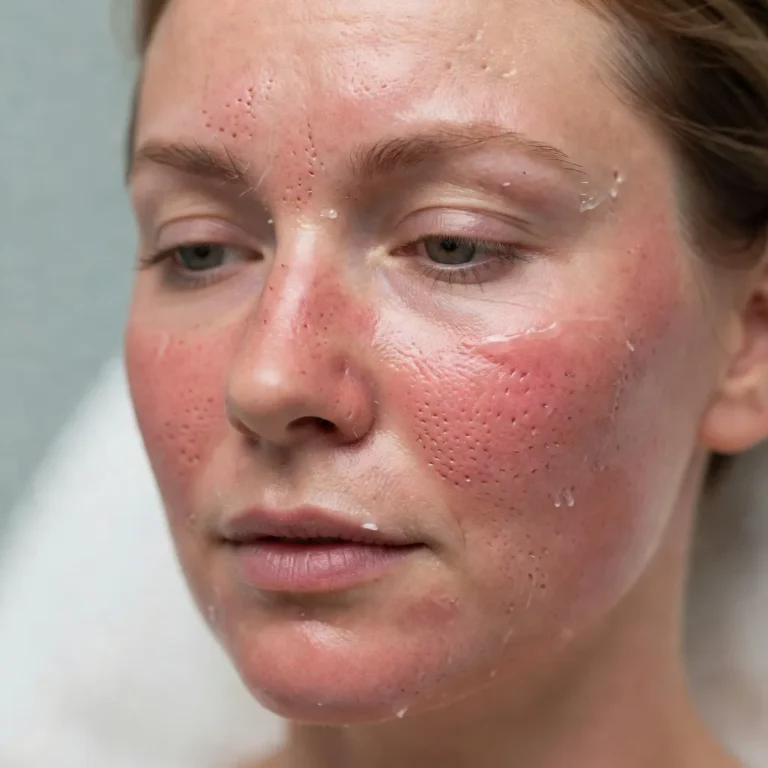
Sometimes makeup looks wrong because of a skin condition underneath. See a dermatologist if you notice:
- Persistent redness, flushing, or visible vessels that makeup never covers well.
- Flaky, red patches around the nose, brows, or hairline.
- Acne that is painful or leaves marks.
- Dark patches that are spreading or deepening.
- Burning or stinging with most products.
- Rough, scaly spots that do not heal.
Do not keep adding heavier makeup to cover a spot that is changing. New or changing spots should be checked.
Medical disclaimer: This article is for general information and is not a substitute for professional medical advice. See a healthcare provider about persistent skin concerns.
Your Questions, Answered
Why doesn’t makeup look good on me?
Common reasons include the wrong foundation shade or undertone, too much product, poor skin prep, clashing colors, or techniques that do not suit your features.
How do I know if my foundation shade is wrong?
Look for a visible line at the jaw or a gray, orange, or pink cast in daylight.
Why does my makeup make me look older?
Heavy foundation and powder settle into lines and flatten the face. Lighter, creamier layers usually look fresher.
Why does my makeup look good inside but bad outside?
Indoor lighting hides problems. Daylight shows mismatched shades and heavy layers more clearly.
What makeup colors suit me?
Colors that match your undertone usually flatter most. Test by holding products near your bare face in daylight.
Should I wear less makeup?
Often yes. Many people look better with a lighter base and targeted concealer.
Can skincare affect how makeup looks?
Yes. Dry or oily skin that is not prepped makes makeup cling, slide, or look patchy.
Why does makeup look different in photos?
Flash and camera settings can exaggerate shine, powder, and shade mismatches.
Do I need primer?
Not always. It can help very oily or textured skin, but many people do fine without it.
When should I see a dermatologist?
If redness, flaking, acne, or dark patches make makeup look wrong no matter what you try.
Final Word
When makeup does not look good on you, the problem is almost never your face. The most common causes are a foundation shade or undertone that does not match, too much product, skin that is not prepped, colors that clash with your coloring, techniques designed for different features, and misleading lighting.
Use the five-minute daylight check to find your issue, then adjust one thing at a time. Lighter layers, better shade matching, and good skin prep solve most problems. If a skin condition is what makes makeup look wrong, a dermatologist can help treat the cause.

Written by
Registered pharmacist and founder of Facial Adviser. Rakib's pharmacy training covers how skincare actives work and interact; a later course in cosmetology turned that into a focus on facial treatments and skincare products. He plans, researches and edits every guide on the site and checks health claims against sources such as the American Academy of Dermatology, the FDA and the NIH. He is not a dermatologist; see the Editorial Policy and Medical Disclaimer.
About · Editorial policy · How we choose products · Medical disclaimer · Contact
Keep reading: Makeup basics and skin
- When Is the Best Time to Buy Makeup? A Year-Round Guide
- Best Way to Apply Makeup on Mature Skin: Tools and Technique Step by Step
- Can Makeup Cause Skin Cancer?
- How to Properly Put On Face Makeup: The Right Order, Step by Step
- Makeup Doesn't Blend Into Skin? Why It Happens and How to Fix It
- Best Way to Use Makeup Remover: Micellar Water, Balms, Oils and Eye Removers
- How to Choose Lipstick Shade: Undertone, Skin Tone and Testing Tips