Does Makeup Mess Up Your Skin? What Actually Causes Problems
If you have ever broken out after a new foundation, or noticed your skin looks better on makeup-free weekends, you may wonder whether makeup itself is bad for your skin. It is one of the most common skincare questions, and the answer is more reassuring than many people expect. The honest answer is that it depends on how you use it.
Part of our guide to makeup how-to. Start with: How to Properly Put On Face Makeup: The Right Order, Step by Step
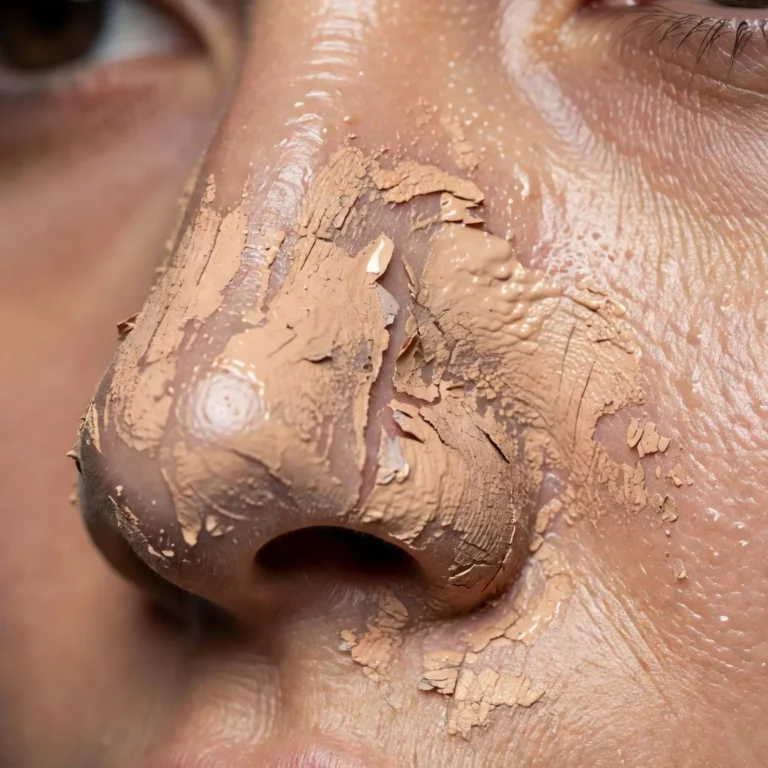
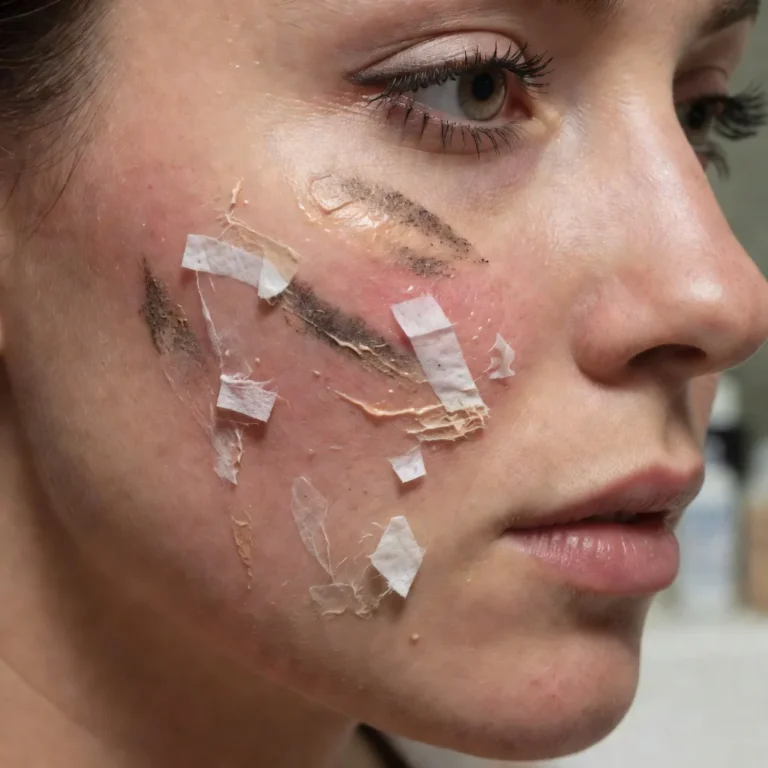
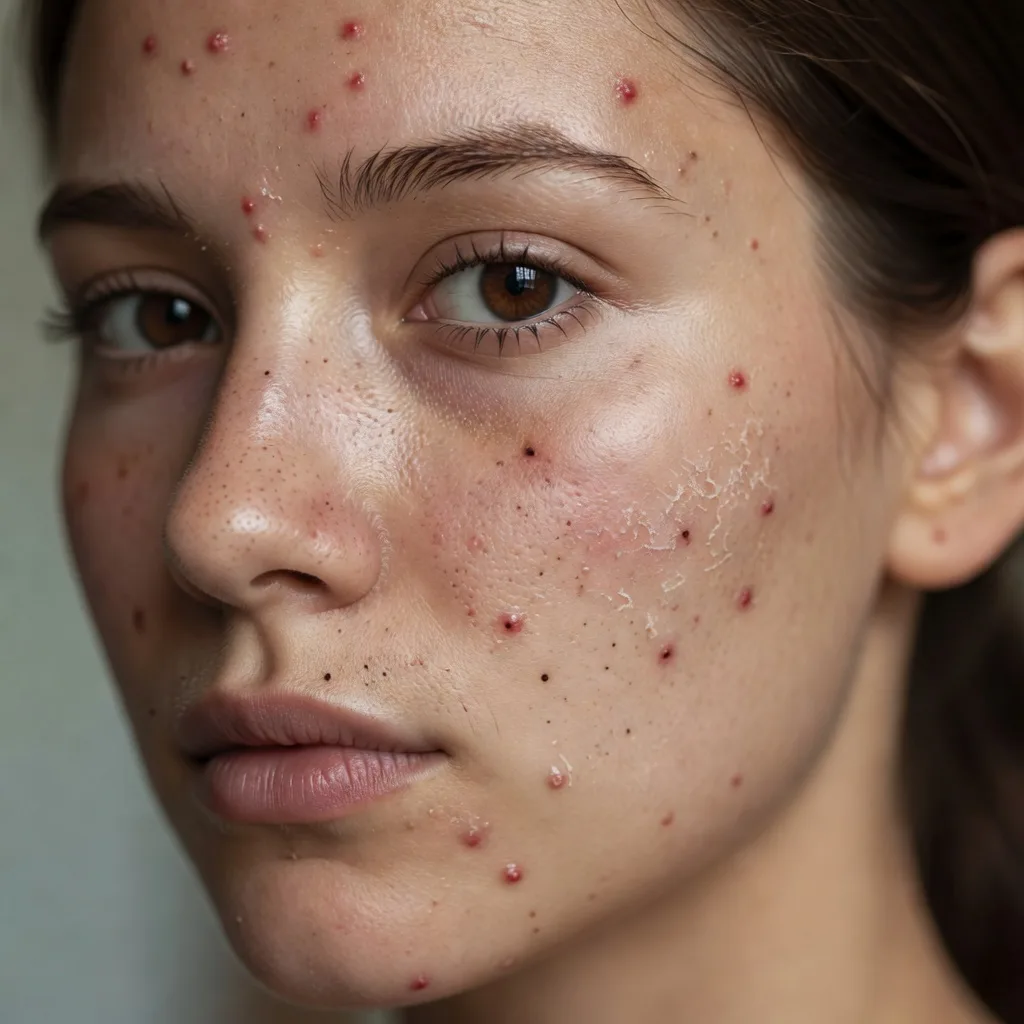
Makeup does not damage healthy skin on its own. Problems usually come from how it is used: sleeping in it, applying it with dirty tools, choosing heavy or pore-clogging formulas, reacting to specific ingredients, or scrubbing it off too harshly. Fix those habits, and most people can wear makeup every day without trouble.
The link between makeup and breakouts is real, though. In a 1972 paper, dermatologists Albert Kligman and Otto Mills described acne cosmetica, a mild, persistent acne caused by certain cosmetics. Today many products are formulated to avoid that problem, but some heavy or oily formulas can still clog pores, especially on acne-prone skin.
Tools matter as much as products. A 2019 Aston University study found that about nine in ten used makeup items carried potentially harmful bacteria, and beauty sponges were the most contaminated, largely because they are rarely cleaned.
This guide explains the main ways makeup can cause skin problems, how to work out whether makeup is really to blame, the habits that protect your skin, and when a reaction needs a dermatologist.
Shopping these picks?
Amazon Prime members get fast, free shipping on eligible items, plus Prime Video, Amazon Music and member deals. New members can start with a free trial.
Start a free Prime trialAged 18 to 24? Prime for Young Adults comes with a longer free trial and a lower price after it.
Affiliate link: we may earn a commission at no extra cost to you.
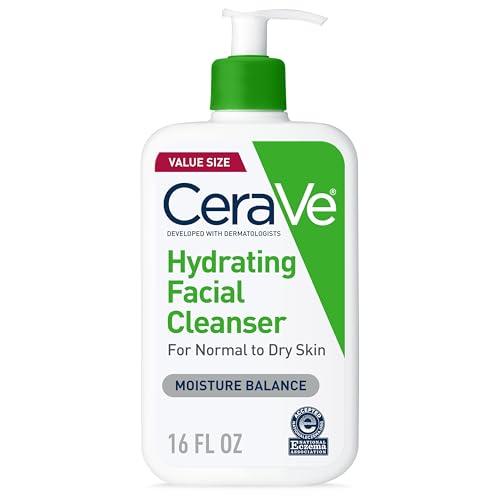
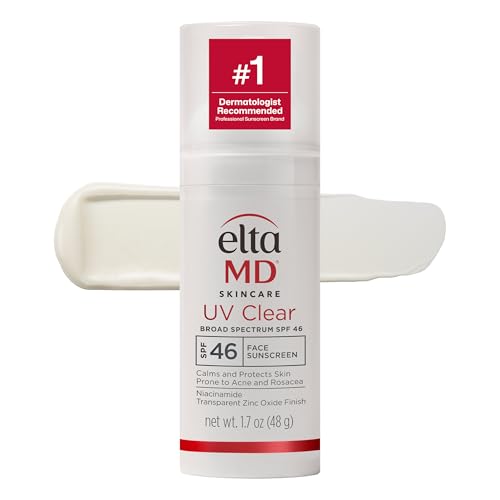
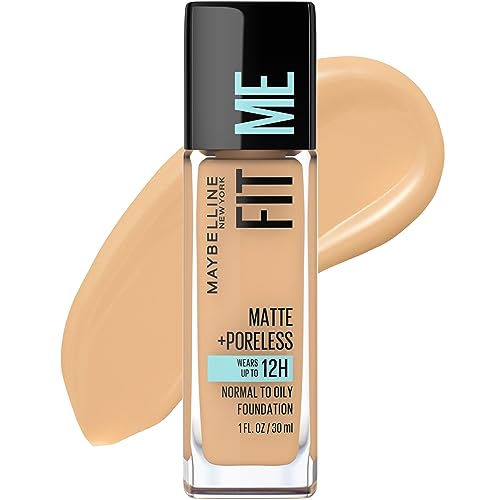
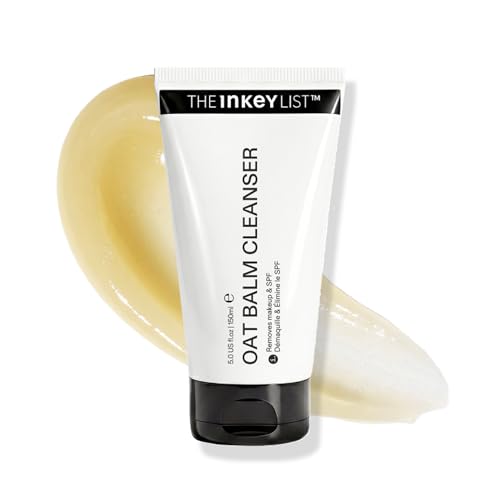
Recommended Products for Wearing Makeup Without Wrecking Your Skin



In Brief
- Makeup does not harm healthy skin on its own; problems usually come from how it is used.
- Heavy, oily, or pore-clogging formulas can trigger acne cosmetica in some people.
- Sleeping in makeup and dirty tools are two of the most common causes of breakouts.
- A 2019 study found about nine in ten used makeup products carried potentially harmful bacteria.
- Fragrance and some preservatives are common causes of allergic reactions to cosmetics.
- Harsh scrubbing or wipes to remove makeup can irritate skin more than the makeup itself.
- Persistent rashes, painful acne, or eye symptoms need a doctor.
Jump to a Section
- The Short Answer
- How Makeup Can Cause Skin Problems
- Is Makeup Really the Cause? A Two-Week Check
- Tools and Hygiene Matter More Than Most People Think
- Allergies and Irritation
- How to Remove Makeup Without Harming Your Skin
- Makeup Habits That Help vs Hurt
- Makeup Tips for Different Skin Types
- Can Makeup Ever Be Good for Your Skin?
- What Makeup Cannot Be Blamed For
- When to See a Dermatologist
- Common Questions
- Summing Up
The Short Answer
For most people, makeup is not harmful. Modern cosmetics are formulated to be used on the face every day, and many include skincare ingredients and sunscreen. Some people even find that a light layer of mineral makeup or tinted sunscreen protects their skin from wind, pollution, and sun.
When skin problems do happen, they almost always trace back to one of a handful of causes: product choice, hygiene, removal habits, or an ingredient your skin does not tolerate. Each of those has a clear fix.
That is also why two people can use the same foundation with very different results. Skin type, genetics, hormones, and routine all shape how skin responds to makeup.
It is also worth remembering that the face goes through a lot besides makeup: sun, pollution, friction from phones and masks, hair products, and changes in weather. Makeup often gets blamed simply because it is the most visible thing we put on our skin.
How Makeup Can Cause Skin Problems
- Clogged pores: heavy oils, butters, and some waxes can contribute to blackheads, whiteheads, and small bumps, especially on oily or acne-prone skin.
- Sleeping in makeup: leaving makeup on overnight traps oil, sweat, and dirt against the skin for hours.
- Dirty tools: brushes and sponges build up oil, dead skin, and bacteria that are pressed back onto your face.
- Allergic reactions: fragrance, certain preservatives, and some pigments can cause itching, redness, and rashes.
- Irritation: alcohol, strong acids, or too many layered products can sting or dry the skin.
- Harsh removal: rubbing with wipes or scrubbing to remove long-wear makeup can damage the skin barrier.
Our guide on how to know if makeup is non-comedogenic covers product choice in more detail.
Is Makeup Really the Cause? A Two-Week Check
Skin problems have many possible causes, so it helps to test before blaming your makeup.
Take baseline photos
Photograph your skin in daylight, from the front and both sides, so you can compare later.
Simplify for two weeks
Use only a gentle cleanser, moisturizer, and sunscreen, and skip makeup or reduce it to one or two essentials.
Keep other things steady
Avoid changing skincare, hair products, or pillowcases during the test, so you know what made the difference.
Reintroduce one product at a time
Add back one makeup product every four to seven days, watching for new breakouts, redness, or itching.
Note the pattern
If a problem returns after a specific product, that product is the likely cause. If nothing changes, look at other factors such as hormones, stress, or skincare.
Clogged pores can take a few weeks to appear, so give each reintroduced product at least a week before deciding it is fine.
Tools and Hygiene Matter More Than Most People Think
The Aston University study, published in the Journal of Applied Microbiology, tested hundreds of used makeup products and found potentially harmful bacteria, including E. coli and Staphylococcus, in about nine in ten. Beauty sponges were the most contaminated, and most had never been cleaned.
Most healthy people will not get an infection from their makeup bag, but dirty tools can contribute to breakouts and irritation, and the risk is higher near the eyes, on broken skin, or for people with weakened immune systems.
Do
- Wash brushes weekly and sponges after each use.
- Let tools dry fully before storing them.
- Replace mascara about every three months.
- Wash your hands before applying makeup.
- Close products tightly after each use.
Don’t
- Share makeup or tools with others.
- Use store testers directly on your face.
- Keep using products that smell or look different.
- Store sponges damp in a closed bag.
- Apply makeup over active infections or broken skin.
For sponge care specifically, see our guide on wetting and cleaning makeup sponges.
Allergies and Irritation
Allergic contact dermatitis to cosmetics is common. Fragrance is one of the most frequent triggers; in North American Contact Dermatitis Group patch testing from 2019 to 2020, about 13 percent of tested patients reacted to a standard fragrance mix. Certain preservatives and hair dye ingredients are other common causes.
An allergic reaction usually looks like an itchy, red rash, sometimes with swelling, often appearing a day or two after using a product. The eyelids are especially prone because the skin there is thin.
Irritation is different. It tends to sting or burn soon after application and is more likely with products containing alcohol, strong acids, or many active ingredients.
A patch test can pinpoint allergies. If you react to many products, a dermatologist can test you for specific ingredients so you know exactly what to avoid.
How to Remove Makeup Without Harming Your Skin
Removing makeup every night is one of the most important habits for your skin, but the way you remove it matters too.
For light makeup, a gentle cleanser is often enough. For long-wear foundation, waterproof mascara, or sunscreen, a cleansing balm, oil, or micellar water used first, followed by your regular cleanser, removes more without scrubbing. This is called double cleansing.
Use your fingertips and lukewarm water, and pat skin dry. Makeup wipes can be handy occasionally, but relying on them every night can irritate skin and leave residue behind.
For eye makeup, hold a soaked cotton pad on closed lids for a few seconds before wiping, and never rub hard. Our guide on waterline makeup covers extra care for the eye area.
Makeup Habits That Help vs Hurt
| Habit | Helps your skin | Hurts your skin |
|---|---|---|
| Removal | Gentle double cleanse at night | Sleeping in makeup, harsh scrubbing |
| Tools | Clean, dry brushes and sponges | Dirty, damp, shared tools |
| Products | Non-comedogenic, fragrance-free if sensitive | Heavy oils on acne-prone skin, fragranced products on sensitive skin |
| Amount | Thin layers where needed | Thick layers every day |
| Skincare | Moisturizer and sunscreen underneath | Skipping moisturizer or sunscreen |
| Age of products | Replacing expired items | Using old mascara and liquid products |
Most people only need to change one or two of these habits to see a difference.
Makeup Tips for Different Skin Types
Matching makeup to your skin type prevents many problems before they start.
- Acne-prone skin: choose non-comedogenic, oil-free formulas, spot-conceal rather than layering heavy foundation, and never sleep in makeup.
- Sensitive skin: pick fragrance-free products with short ingredient lists and introduce one new product at a time.
- Dry skin: hydrate well first and use cream or liquid formulas; heavy powder can make dryness worse.
- Oily skin: use a light, oil-free base and blot during the day instead of layering powder.
- Rosacea-prone skin: green-tinted primers and mineral makeup can help, but avoid products that sting or contain alcohol.
Whatever your skin type, good skincare underneath, especially moisturizer and daily sunscreen, helps makeup sit better and protects your skin long term.
Can Makeup Ever Be Good for Your Skin?
Makeup is not just neutral for everyone. Tinted sunscreens and foundations with SPF add sun protection, although most people apply too little makeup to reach the SPF on the label, so a separate sunscreen underneath is still wise.
Tinted mineral sunscreens containing iron oxides also help protect against visible light, which can worsen melasma and dark marks. Some foundations include hydrating or soothing ingredients that support dry or sensitive skin.
Makeup can also have real psychological benefits. For people with acne, rosacea, vitiligo, or scarring, well-chosen camouflage makeup can improve confidence and quality of life.
What Makeup Cannot Be Blamed For
It is easy to blame makeup for every skin problem, but many have other causes.
| Belief | Reality |
|---|---|
| Makeup always causes acne | Many breakouts are driven by hormones, genetics, and stress |
| Skin needs to breathe without makeup | Skin does not breathe through the surface; clogging and irritation are the real concerns |
| Expensive makeup is gentler | Price does not predict how your skin reacts |
| Natural makeup cannot irritate | Plant extracts and essential oils often do |
| Going makeup-free fixes everything | It helps if makeup is the cause, but not otherwise |
If skin problems continue after simplifying your routine, the cause is probably something else, and a dermatologist can help identify it.
When to See a Dermatologist
See a dermatologist if you notice:
- Painful, cystic, or scarring acne.
- A rash, itching, or swelling that returns with certain products.
- Eyelid redness or swelling after using eye makeup.
- Persistent redness, flushing, or bumps that may be rosacea.
- Breakouts that do not improve after simplifying your routine.
- Any sign of infection, such as pus, spreading redness, or fever.
Stop using a product immediately if your face or lips swell or you have trouble breathing, and seek emergency care.
Medical disclaimer: This article is for general information and is not a substitute for professional medical advice. See a healthcare provider about persistent skin reactions.
Common Questions
Does makeup mess up your skin?
Not on its own. Problems usually come from sleeping in makeup, dirty tools, heavy formulas, or ingredient allergies.
Is it bad to wear makeup every day?
Not necessarily. Many people wear makeup daily without problems if they choose suitable products and remove them each night.
Can makeup cause acne?
Some heavy or oily formulas can clog pores and cause acne cosmetica, especially in acne-prone skin.
Does skin need a break from makeup?
Skin does not need to breathe, but makeup-free days can help if you suspect a product is causing problems.
What happens if you sleep in makeup?
It can trap oil and dirt, contributing to breakouts and irritation, and eye makeup can irritate the eyes.
How often should I clean makeup brushes?
About once a week, and sponges after each use.
Can makeup cause allergies?
Yes. Fragrance and some preservatives are common causes of allergic contact dermatitis.
Is mineral makeup better for skin?
Many people with sensitive or acne-prone skin tolerate it well, but check the full ingredient list.
Are makeup wipes bad for your skin?
Occasional use is fine, but relying on them nightly can irritate skin and leave residue.
When should I see a doctor about makeup reactions?
If you have swelling, persistent rashes, eye symptoms, or acne that does not improve.
Summing Up
Makeup does not mess up healthy skin by itself. Problems usually come from how it is used: sleeping in it, dirty tools, heavy or pore-clogging formulas, ingredients your skin reacts to, or rough removal.
Choose products that suit your skin, keep brushes and sponges clean, remove makeup gently every night, and test new products one at a time. If you still have breakouts or rashes after simplifying your routine, see a dermatologist to find the real cause.

Written by
Registered pharmacist and founder of Facial Adviser. Rakib's pharmacy training covers how skincare actives work and interact; a later course in cosmetology turned that into a focus on facial treatments and skincare products. He plans, researches and edits every guide on the site and checks health claims against sources such as the American Academy of Dermatology, the FDA and the NIH. He is not a dermatologist; see the Editorial Policy and Medical Disclaimer.
About · Editorial policy · How we choose products · Medical disclaimer · Contact
Keep reading: Makeup basics and skin
- How to Properly Put On Face Makeup: The Right Order, Step by Step
- Why Can't You Wear Makeup for a Colonoscopy?
- Why Doesn't Makeup Look Good on Me? 8 Common Reasons and Fixes
- When Is the Best Time to Buy Makeup? A Year-Round Guide
- Best Way to Apply Makeup on Mature Skin: Tools and Technique Step by Step
- Can Makeup Cause Skin Cancer?
- How to Choose Lipstick Shade: Undertone, Skin Tone and Testing Tips
- How to Find the Right Shade of Makeup: Undertone, Depth and Testing