When Can You Wear Makeup After Microblading? A Healing Timeline
Microblading gives you fuller, more defined brows, but the first couple of weeks can feel awkward. Your brows may look darker and sharper than expected, and you are told not to touch them. It is natural to want to wear makeup to feel more like yourself while they heal.
Part of our guide to makeup how-to. Start with: How to Properly Put On Face Makeup: The Right Order, Step by Step
You can usually wear makeup on the rest of your face within a day or two, as long as you keep it well away from your brows. Makeup on or near the brows themselves should wait until the skin has fully closed, typically about two weeks, and many artists advise waiting until the brows have fully healed. Always follow your artist’s specific aftercare instructions.
Microblading uses a hand tool with fine needles to deposit pigment into the upper layers of skin in hair-like strokes. Those strokes are small wounds. Makeup, sweat, and bacteria on brushes can get into them, which raises the risk of infection, irritation, and pigment healing unevenly or fading too fast.
Pigments are also regulated as cosmetics in the United States, and the FDA has received reports of reactions and infections linked to permanent makeup and tattoo inks. Choosing a licensed artist and following aftercare carefully both help lower your risk.
This guide gives a typical healing timeline, a checklist for your first day of full makeup, tips to protect your brows, and the signs that need a doctor.
Shopping these picks?
Amazon Prime members get fast, free shipping on eligible items, plus Prime Video, Amazon Music and member deals. New members can start with a free trial.
Start a free Prime trialAged 18 to 24? Prime for Young Adults comes with a longer free trial and a lower price after it.
Affiliate link: we may earn a commission at no extra cost to you.
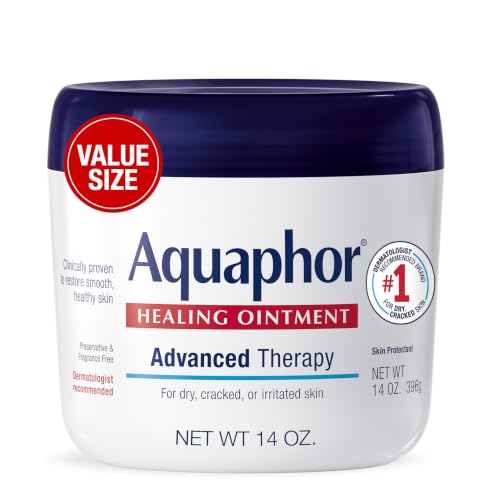
Recommended Aftercare and Makeup Tools After Microblading


At a Glance
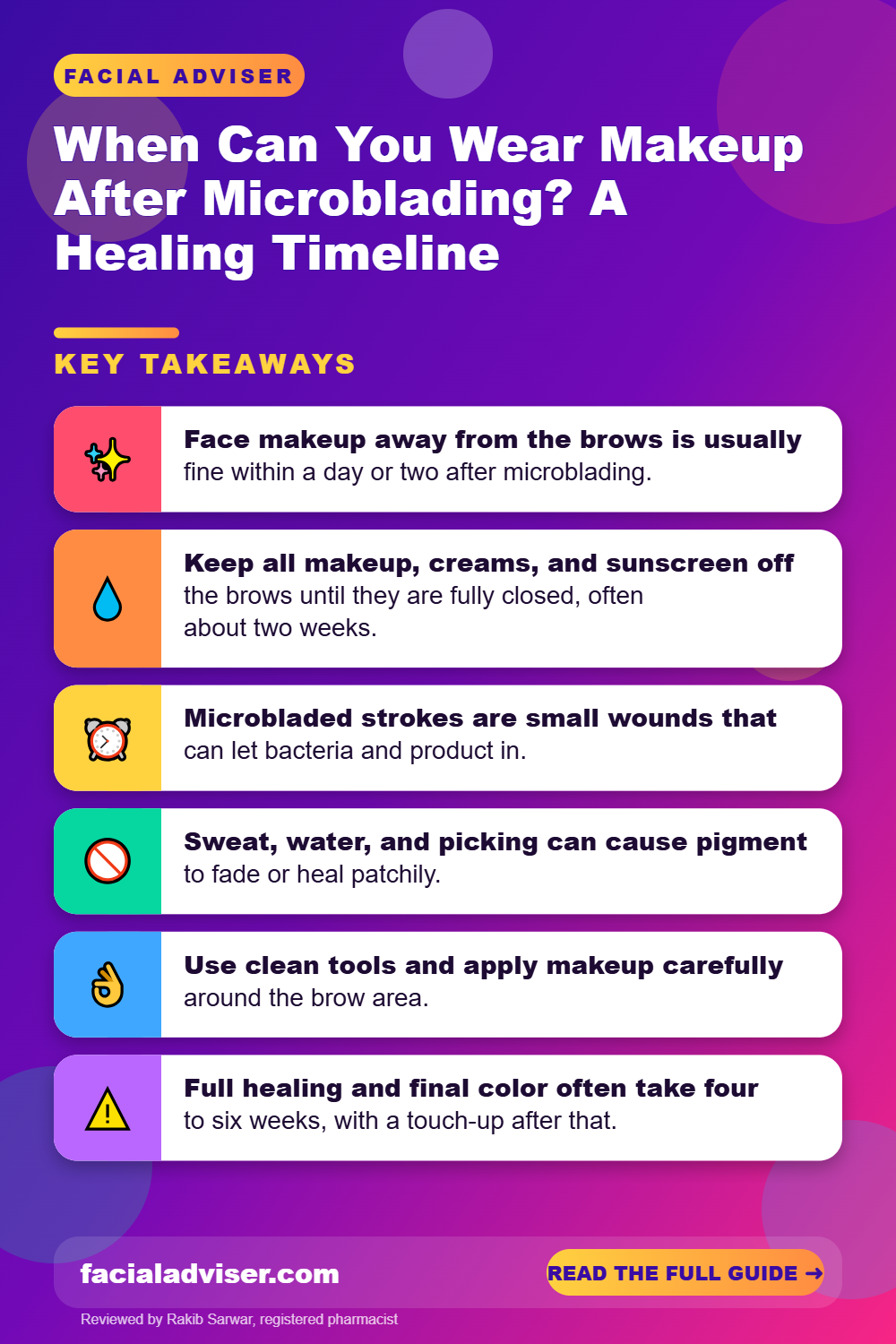
- Face makeup away from the brows is usually fine within a day or two after microblading.
- Keep all makeup, creams, and sunscreen off the brows until they are fully closed, often about two weeks.
- Microbladed strokes are small wounds that can let bacteria and product in.
- Sweat, water, and picking can cause pigment to fade or heal patchily.
- Use clean tools and apply makeup carefully around the brow area.
- Full healing and final color often take four to six weeks, with a touch-up after that.
- Increasing redness, swelling, pus, or fever need medical attention.
Contents
- What Happens to Your Skin After Microblading
- A Typical Healing and Makeup Timeline
- Why Makeup Has to Stay Off the Brows
- Before Your First Full Makeup Day
- Wearing Face Makeup While Brows Heal
- Aftercare That Protects Your Results
- Brow Makeup Once You Are Healed
- Choosing a Safe Artist
- Who Should Delay or Avoid Microblading
- What Aftercare Cannot Guarantee
- Warning Signs After Microblading
- FAQ
- The Bottom Line
What Happens to Your Skin After Microblading
During microblading, fine needles make shallow cuts in the skin and deposit pigment in hair-like strokes. Right after the appointment, brows usually look darker and more defined than the final result, and the skin may be slightly red and swollen.
Over the first week or two, the area scabs lightly and flakes as the skin heals. Brows may look patchy during this time, and some strokes may seem to disappear before reappearing as the skin settles. This is normal.
Most artists recommend a touch-up appointment about four to eight weeks later to fill in any areas that did not hold pigment evenly.
How your skin heals depends partly on your skin type. Oily skin often heals with softer, more blurred strokes, while dry or normal skin tends to hold crisper lines. Your artist may adjust technique or suggest a different method, such as powder brows, if your skin is very oily.
A Typical Healing and Makeup Timeline
| Time after microblading | What is typical | Makeup guidance |
|---|---|---|
| Days 1 to 2 | Redness, tenderness, dark color | Avoid makeup near brows; face makeup elsewhere only with care |
| Days 3 to 7 | Light scabbing, itching | Face makeup is usually fine; keep brows completely clear |
| Days 7 to 14 | Flaking, color may look faded | Still no brow makeup; avoid getting products on brows |
| Weeks 2 to 4 | Skin closed, color settling | Brow products may be allowed if artist agrees |
| Weeks 4 to 6 | Final color visible | Normal makeup; plan touch-up |
These are general guidelines. Your artist may give different instructions depending on your skin type and technique.
Why Makeup Has to Stay Off the Brows
- Infection: brushes, sponges, and fingers can carry bacteria into the healing strokes.
- Pigment loss: rubbing and product buildup can pull pigment out of the skin as it heals, leaving patchy brows.
- Irritation: fragrance, acids, and other ingredients can sting and inflame fresh skin.
- Poor healing: thick creams and makeup can trap moisture and slow healing.
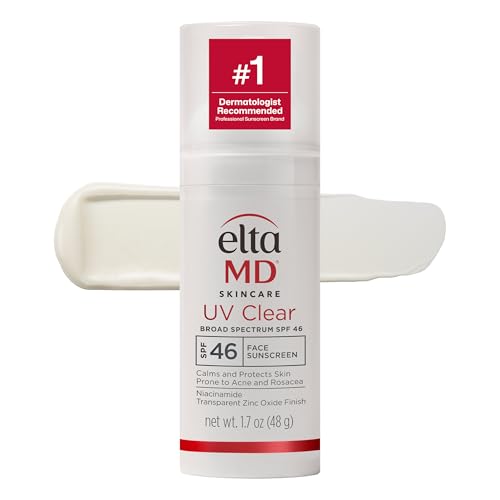
Keep sunscreen off the brows while they heal, unless your artist says otherwise, and protect them with a hat instead. Once healed, daily sunscreen helps prevent fading.
It also helps to keep hair products, such as dry shampoo and hairspray, away from the forehead while brows heal. Cover your brows with your hand or a clean tissue when using sprays near your face.
Before Your First Full Makeup Day
Use this checklist before wearing makeup close to your brows.
Check the timing
Make sure at least the time your artist recommended has passed, usually about two weeks for brow products.
Look at the skin
The brow area should have no scabs, open areas, oozing, or crusting. Light flaking should have finished.
Clean your tools
Wash brushes and use a fresh sponge or new disposable spoolie. Wash your hands.
Keep it light
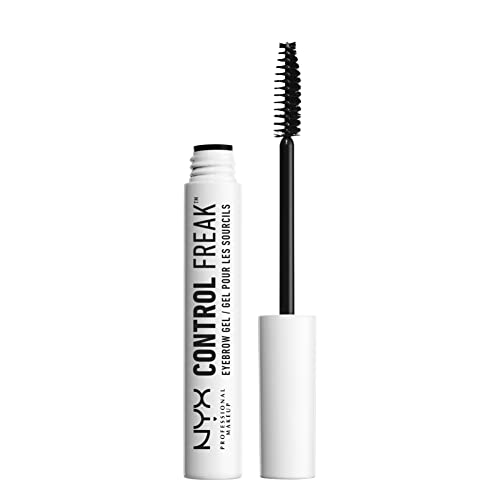
Start with a clear or lightly tinted brow gel before using pencils or powders. Apply gently without rubbing.
Watch for a reaction
Over the next day, look for new redness, itching, swelling, or bumps. If they appear, stop and contact your artist.
Book microblading at least four weeks before an important event, so your brows have time to heal and settle to their final color.
Wearing Face Makeup While Brows Heal
You do not have to go without makeup entirely. The key is keeping everything away from the brows.
Helps
- Apply foundation with a clean sponge, stopping well below the brows.
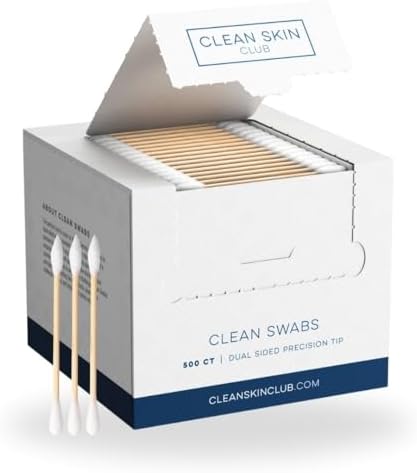
- Use a pointed cotton swab to clean up edges near the brow.
- Apply eye makeup carefully, keeping the brow bone clear.
- Remove makeup gently, avoiding the brow area.
- Keep hair off your forehead.
Backfires
- Blend foundation or concealer up into the brows.
- Use powder or setting spray over the brows.
- Apply highlighter on the brow bone.
- Rub your eyes or face with a towel.
- Use makeup wipes across the forehead.
If you have had other procedures, timelines differ. Our guides on makeup after microneedling and makeup after Botox cover those.
For work or video calls in the first two weeks, a little concealer under the eyes, mascara, and a lip color can make you look finished while keeping the brow area clear. Fresh brows often look bolder than they will once healed, so many people find they do not need extra definition during this stage anyway.
Aftercare That Protects Your Results
Good aftercare matters as much as avoiding makeup. Most artists recommend:
- Keeping brows dry for about 7 to 10 days, including avoiding steamy showers aimed at the face.
- Gently cleaning or blotting brows as instructed.
- Applying a thin layer of the aftercare balm your artist recommends, if any.
- Avoiding sweating, swimming, saunas, and hot yoga until healed.
- Not picking or scratching scabs.
- Sleeping on your back or on a clean pillowcase.
Aftercare methods vary. Some artists prefer a dry healing method, others a thin ointment. Follow the approach your artist recommends rather than mixing methods.
Itching is common as the skin heals and flakes. Resist scratching; gently tapping near the area or applying the aftercare product your artist recommends can help. Scratching can pull out pigment and introduce bacteria.
Brow Makeup Once You Are Healed
Once your brows have healed, many people find they need far less brow makeup than before. A clear or tinted brow gel is often enough to set hairs in place over the microbladed strokes.
If you want more definition, use a pencil or powder a shade close to your healed pigment and apply it lightly with a clean spoolie, following the direction of the strokes. Avoid heavy, waxy pomades right after healing, since they can require more rubbing to remove.
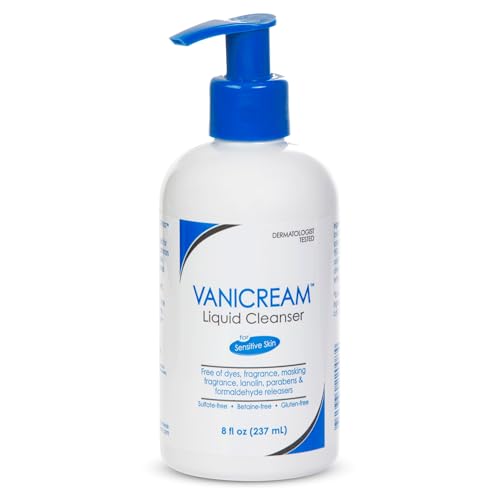
Remove brow makeup gently each night with a mild cleanser or micellar water, pressing rather than scrubbing. Harsh exfoliants, retinoids, and acids on the brow area can make pigment fade faster, so many artists suggest keeping those products away from the brows long term.
Daily sunscreen on healed brows helps protect the pigment from fading and changing color.
Choosing a Safe Artist
Your artist’s skill and hygiene have a big effect on both healing and results.
- Check that the artist is licensed or registered as required in your area, and ask about their training.
- Look for single-use, sterile needles opened in front of you and a clean workspace.
- Ask which pigments they use and whether they are made for permanent makeup.
- Review healed photos, not just fresh ones, since fresh brows always look sharper.
- Make sure you receive clear written aftercare instructions.
The FDA has warned about contaminated tattoo and permanent makeup inks in the past, and reactions can include infections and allergic responses. A reputable artist should be able to answer questions about the products they use.
Ask whether the artist offers a patch test for pigment if you have a history of allergies or sensitive skin.
Who Should Delay or Avoid Microblading
Microblading is not suitable for everyone. Talk to a doctor or dermatologist first, or delay treatment, if you:
- Are pregnant or breastfeeding.
- Have active eczema, psoriasis, or dermatitis on the brows.
- Use isotretinoin or have used it recently.
- Take blood thinners or have a bleeding disorder.
- Have a history of keloid scars.
- Have diabetes or a condition that slows healing.
If you use retinoids or acids on your face, your artist may ask you to stop using them around the brows for a period before and after treatment.
What Aftercare Cannot Guarantee
Even with perfect aftercare, results vary. Oily skin, sun exposure, certain medications, and your immune response can all affect how pigment heals and how long it lasts.
| Belief | Reality |
|---|---|
| Microblading is permanent | It usually fades over one to three years |
| Dark brows right after mean they will stay dark | Color usually softens significantly as it heals |
| A little concealer near brows is fine | Product can still migrate into healing strokes |
| Patchy brows mean it failed | Patchiness is common during healing; a touch-up follows |
| Aftercare is the same everywhere | Artists use different methods; follow yours |
If you are unhappy with the healed result, talk to your artist about a touch-up or correction.
Warning Signs After Microblading
Contact a doctor if you notice:
- Redness or swelling that spreads or gets worse after a few days.
- Increasing pain, warmth, or tenderness.
- Pus, yellow crusting, or a bad smell.
- Fever or feeling generally unwell.
- Raised, itchy, or bumpy areas in the strokes weeks later, which may be an allergic reaction.
- Any vision changes or eye swelling.
In the US, you can report reactions to permanent makeup pigments to the FDA through MedWatch.
Medical disclaimer: This article is for general information and is not a substitute for professional medical advice. Always follow your artist’s aftercare instructions and seek care for signs of infection.
FAQ
When can I wear makeup after microblading?
Face makeup away from the brows within a day or two; brow makeup usually after about two weeks or when your artist approves.
Can I wear foundation after microblading?
Yes, if you keep it well away from the brows.
Can I wear mascara after microblading?
Usually yes, as long as you avoid touching the brow area.
When can I use brow gel after microblading?
Once the brows have fully closed and your artist agrees, often after about two weeks.
Why can’t I put makeup on my brows after microblading?
The strokes are small wounds that can get infected or lose pigment if product is applied too soon.
Can I wear sunscreen on my brows after microblading?
Usually not until healed. Wear a hat instead, then use sunscreen daily afterward.
How long does microblading take to heal?
The surface heals in about two weeks, but final color can take four to six weeks.
Is patchiness normal after microblading?
Yes, during healing. A touch-up appointment usually follows.
Can I wash my face after microblading?
Yes, carefully, avoiding the brows and following your artist’s instructions.
What are signs of infection after microblading?
Increasing redness, swelling, pain, pus, or fever.
The Bottom Line
After microblading, you can usually wear makeup on the rest of your face within a day or two, as long as it stays well away from your brows. Brow makeup and anything that might touch the brows should wait until they have fully closed, typically around two weeks, or longer if your artist advises.
Keep brows dry and clean, avoid picking, and use clean tools when you return to makeup. Final results usually show at four to six weeks, and any signs of infection or reaction should be checked by a doctor promptly.

Written by
Registered pharmacist and founder of Facial Adviser. Rakib's pharmacy training covers how skincare actives work and interact; a later course in cosmetology turned that into a focus on facial treatments and skincare products. He plans, researches and edits every guide on the site and checks health claims against sources such as the American Academy of Dermatology, the FDA and the NIH. He is not a dermatologist; see the Editorial Policy and Medical Disclaimer.
About · Editorial policy · How we choose products · Medical disclaimer · Contact
Keep reading: Makeup basics and skin
- How to Properly Put On Face Makeup: The Right Order, Step by Step
- Does Makeup Mess Up Your Skin? What Actually Causes Problems
- Why Can't You Wear Makeup for a Colonoscopy?
- Why Doesn't Makeup Look Good on Me? 8 Common Reasons and Fixes
- When Is the Best Time to Buy Makeup? A Year-Round Guide
- Best Way to Apply Makeup on Mature Skin: Tools and Technique Step by Step
- Best Way to Use Makeup Remover: Micellar Water, Balms, Oils and Eye Removers
- How to Choose Lipstick Shade: Undertone, Skin Tone and Testing Tips