When Can You Wear Makeup After Lip Filler?
Fresh lip filler leaves lips swollen, tender, and marked with tiny injection points, so when can you wear makeup after lip filler without risking the healing process or, more importantly, missing a real warning sign?
Part of our guide to makeup how-to. Start with: How to Choose Lipstick Shade: Undertone, Skin Tone and Testing Tips
Providers commonly recommend waiting 24 to 48 hours, driven by three real mechanisms: open micro-puncture sites that need to close, infection risk on healing tissue, and swelling that peaks in the first day or two and distorts application. Unlike Botox aftercare, which centers on toxin migration, filler carries no comparable diffusion risk — its real concerns are infection and, rarely, vascular occlusion, a genuine medical emergency.
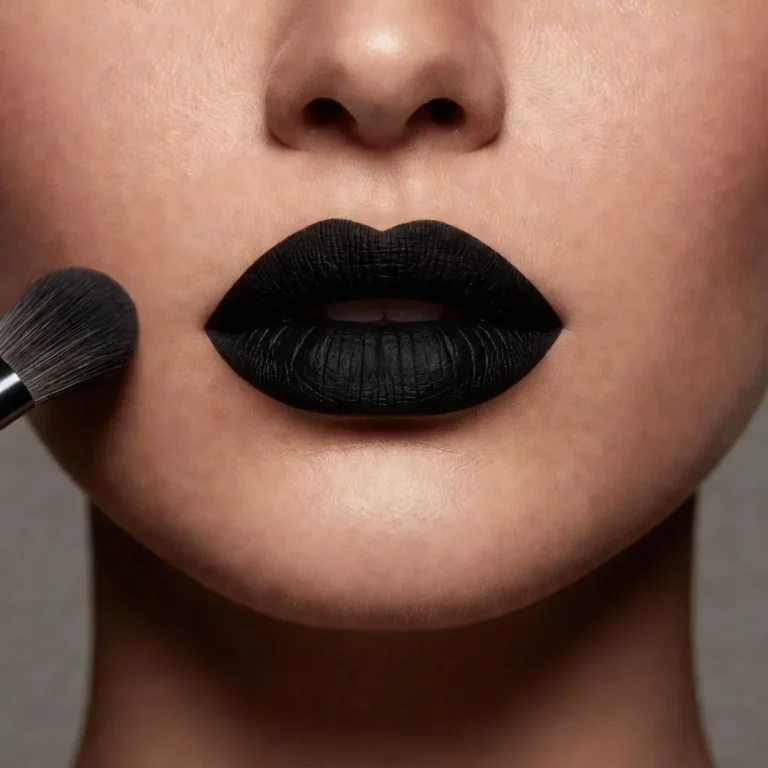
The safety point most consumer guides never mention: applying opaque, heavily pigmented lip product in that first day can itself mask the very warning signs — sudden pale blanching or disproportionate pain — that a patient or provider would otherwise catch early.
This guide covers the real timeline and reasoning, how filler aftercare genuinely differs from Botox aftercare, and the specific emergency signs worth knowing before you reach for a lip product again.
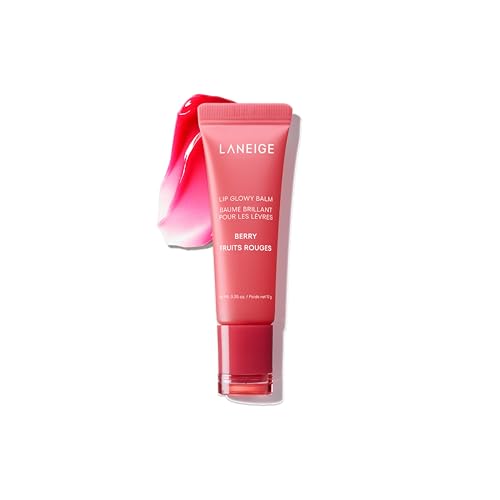
Recommended Gentle Lip Products for Post-Filler Healing
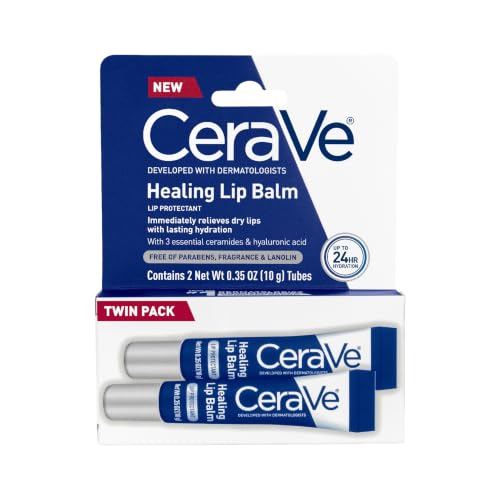
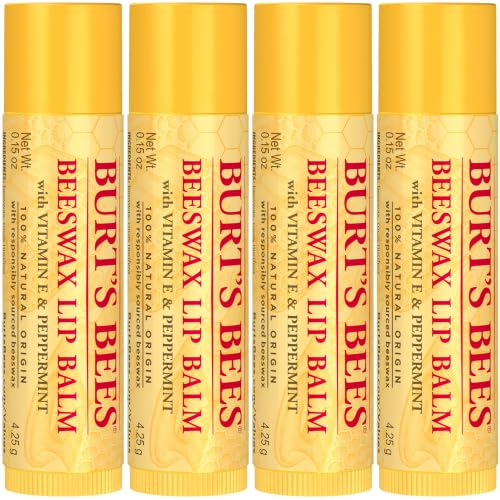

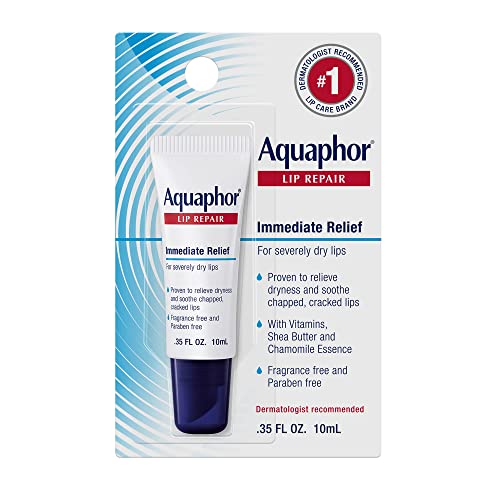
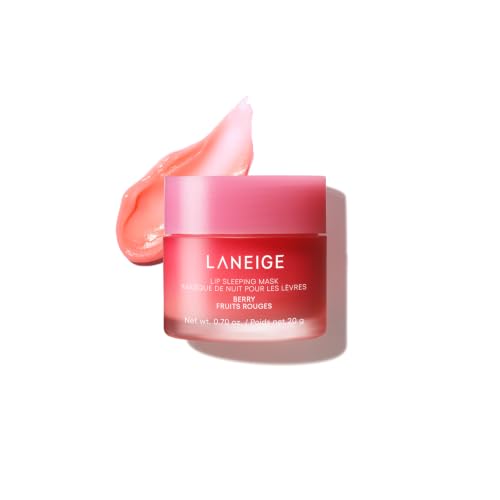
Fast Facts
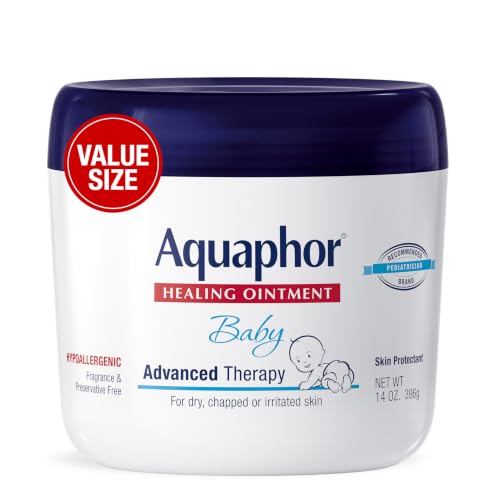
- Most providers, including board-certified facial plastic surgeon Dr. Joel Kopelman, recommend waiting 24 to 48 hours before wearing lip makeup after filler.
- The real reasons are mechanical, not superstitious: open micro-punctures need to close, healing tissue carries infection risk, and swelling peaks in the first one to two days.
- Filler’s real emergency risk is vascular occlusion, a genuinely different concern from Botox’s toxin-migration worry, and it has documented warning signs worth knowing.
- Applying opaque, heavily pigmented lip product too early can itself hide the early color-change warning sign of a problem developing underneath.
What’s Ahead
- The Real Timeline, and Who Set It
- Reason One: Micro-Punctures Need to Close
- Reason Two: Infection Risk on Healing Tissue
- Reason Three: Swelling Distorts the Lip Line
- How Long Until Filler Actually Settles
- Why This Is Different From Botox Aftercare
- Filler vs. Botox: Comparing the Real Risks
- Vascular Occlusion: The Genuine Emergency
- The Safety Point Most Articles Skip
- Normal Healing vs. Genuine Emergency
- A Safe Way to Ease Back Into Makeup
- Do and Don’t
- Healing Is Individual
- Frequently Asked Questions
- The Bottom Line
The Real Timeline, and Who Set It
Most of what circulates online about makeup after lip filler is vague reassurance dressed up as a rule. Dr. Joel Kopelman, a board-certified facial plastic and oculoplastic surgeon, gives an actual number and reason: wait 24 to 48 hours before applying lip makeup after injection. That window maps onto three real, physical processes happening at the injection site, and understanding them is more useful than memorizing the hour count, since it is a guideline built around typical healing, not a hard cutoff identical for everyone.
Shopping these picks?
Amazon Prime members get fast, free shipping on eligible items, plus Prime Video, Amazon Music and member deals. New members can start with a free trial.
Start a free Prime trialAged 18 to 24? Prime for Young Adults comes with a longer free trial and a lower price after it.
Affiliate link: we may earn a commission at no extra cost to you.
Reason One: Micro-Punctures Need to Close
A lip filler injection is not one puncture; it is typically a series of small needle entry points across the treated area. Immediately afterward, those micro-punctures are still open, meaning the skin’s normal barrier is temporarily compromised. Kopelman’s guidance is direct: the entry points need time to close before introducing a foreign product or repeated finger contact. This is the most literal reason for the wait, and it resembles ordinary wound-care logic: you do not put makeup onto a fresh, open scrape either.
Reason Two: Infection Risk on Healing Tissue
The second reason follows directly from the first. Applying a pigmented product, particularly from an old lipstick bullet or fingers that have touched other surfaces, introduces bacteria to tissue lacking its normal barrier. Kopelman frames the wait as reducing the risk of bacteria entering healing tissue. This is not hypothetical: applicators are rarely sterile, and lipstick sits in direct, repeated contact with the mouth’s own resident bacteria, making the injection site more vulnerable than intact skin elsewhere.
Reason Three: Swelling Distorts the Lip Line
The third reason is more cosmetic than medical, but just as real. Swelling typically peaks in the first one to two days, and applying lip product during that window places uneven pressure on tender tissue and distorts the natural lip line the product is supposed to follow. A lip liner applied to a swollen lip is applied to a temporarily different shape than the one it will settle into, part of why early makeup often looks uneven. Waiting until swelling has reduced gives a more accurate lip line to work with.
How Long Until Filler Actually Settles
Healthline, medically reviewed by Cynthia Cobb, a doctor of nursing practice, corroborates the same floor, advising patients to avoid makeup on their lips for up to 24 hours. More useful are the bigger-picture numbers from the same source: full results take about four weeks to settle, and a typical filler lasts around six months. The makeup window is about acute injection-site care, not about when your lips are “done” changing; swelling resolves in days, but the filler keeps settling for weeks after.
Why This Is Different From Botox Aftercare
A lot of confusion around lip filler aftercare comes from applying Botox logic to it, and the two do not share the same risk. Botox aftercare advice, not rubbing the area, not lying down right away, is about preventing the injected neurotoxin from diffusing into adjacent muscles before it binds. That is a pharmacological migration concern. Hyaluronic acid filler has no comparable mechanism; it is a physical volumizing gel, not a diffusible neurotoxin, so the “don’t rub it or it’ll travel” logic does not apply. Filler’s real risks differ in kind: infection at the site, and a rare vascular emergency covered next.
Filler vs. Botox: Comparing the Real Risks
Laid out side by side, the two treatments’ aftercare concerns come from different mechanisms entirely.
| Concern | Botox | Lip filler |
|---|---|---|
| What it is | A botulinum neurotoxin that blocks nerve signals to muscle | A physical volumizing hyaluronic acid gel |
| Main aftercare worry | Toxin migrating to an adjacent muscle before it binds (diffusion) | Infection at the injection site while micro-punctures close |
| Genuine emergency risk | Not applicable in the same way; no comparable diffusible-emergency mechanism | Vascular occlusion, a real medical emergency if filler enters or compresses an artery |
| Why rubbing or pressure matters | Can encourage the toxin to spread beyond the intended muscle | Not a migration risk in the same sense, but pressure on fresh tissue can still worsen soreness |
Vascular Occlusion: The Genuine Emergency
This is the part most consumer articles skip, and it is why injection-site care is more than a cosmetic afterthought. Dr. Jane Yoo, a board-certified dermatologist and fellowship-trained Mohs surgeon, describes vascular occlusion as what happens when filler is accidentally injected into, or compresses, an artery, cutting off blood flow. For lip filler, the relevant anatomy is the superior and inferior labial arteries. The immediate signs Dr. Yoo names are blanching, a sudden pale discoloration, and pain disproportionate to a normal injection; a delayed sign is dusky or mottled discoloration. Her framing is blunt: time is tissue. Delayed recognition risks irreversible tissue damage and necrosis. Emergency management, for context, involves stopping the injection, high-dose hyaluronidase to dissolve the blockage, warm compresses, and sometimes aspirin or nitroglycerin paste to restore blood flow.
The Safety Point Most Articles Skip
Here is the part that connects the makeup-timing question to the medical one. Most consumer content frames the wait as cosmetic, don’t smudge your lip liner, without mentioning why the lips’ visual state matters clinically. Applying an opaque, heavily pigmented product in the first 24 hours does not just risk bacteria; it can physically hide the earliest warning sign, blanching or an unusual color change, that you or your provider would otherwise notice. A pale patch under dark lipstick is much harder to spot than the same patch on bare skin, a practical reason to keep the area visible during the window when a vascular problem is most likely to show up.
Normal Healing vs. Genuine Emergency
Most of what you see in the first day or two is ordinary. This separates that from what needs an urgent call.
| Sign | Normal healing | Genuine emergency |
|---|---|---|
| Swelling | Peaks in the first 1-2 days, gradually reduces over about a week | Not a distinguishing factor on its own |
| Color | Mild pink or redness at entry points | Sudden pale/white blanching, or dusky/mottled discoloration appearing later |
| Pain | Mild soreness proportional to having been injected | Pain that feels disproportionate to the injection itself |
| Timing | Improves day over day | Can appear immediately or be delayed by hours to a day; does not improve on its own |
| What to do | Continue normal aftercare, wait out the makeup window | Contact your injector or provider immediately; time is tissue |
A Safe Way to Ease Back Into Makeup
Wait at least 24 hours
Treat this as the earliest point to reintroduce lip product, not an exact target, since it is a floor built around typical healing.
Check how the lips actually look and feel
Look for normal signs, mild pinkness, reduced swelling, versus blanching, disproportionate pain, or unusual discoloration that would mean calling your provider instead.
Start with a clean, sheer product
A tinted balm with a fresh applicator lets you keep watching the treated skin’s color, rather than covering it with opaque pigment.
Avoid full opaque lipstick for the first 24 hours
Heavier, fully pigmented formulas make it harder to spot early blanching, so hold off until past the highest-risk window.
Use fresh applicators, not old ones
An old lipstick bullet carries more bacteria than a fresh one, an easy way to cut infection risk without changing the timeline.
Move to your normal routine once swelling has settled
Once swelling has reduced and the lip line looks normal, typically by 48 hours, full makeup application is reasonable again.
Do and Don’t
Do
- Wait at least 24 hours, ideally until swelling has visibly reduced, before applying lip makeup.
- Use clean applicators and fresh product on the treated area.
- Keep the treated skin visible in the first day to notice blanching or unusual color change.
Don’t
- Don’t apply opaque lipstick in the first 24 hours; it can mask an early warning sign.
- Don’t treat disproportionate pain or sudden pale discoloration as something to wait out.
- Don’t assume Botox rules, like avoiding rubbing to prevent toxin migration, apply to filler.
Healing Is Individual
None of these numbers are a fixed biological law. Twenty-four hours is a floor most providers converge on, and 48 hours is a more conservative endpoint, but healing speed varies with the amount of filler used and each patient’s tissue response. The honest guidance is not “count to 24 and go,” it is judge by how your lips look and feel. The same logic runs the other way: blanching, disproportionate pain, or spreading discoloration is never a “wait it out” situation regardless of the clock.
Frequently Asked Questions
How soon can I wear lipstick after lip filler?
Most providers, including Dr. Joel Kopelman, recommend waiting 24 to 48 hours, depending on how quickly your swelling and micro-punctures resolve.
Why can’t I just wear makeup right away if it is not painful?
The concern is not only pain; open micro-punctures need time to close, and product raises the risk of bacteria entering healing tissue.
Is the makeup wait the same as Botox aftercare?
No; Botox aftercare is about preventing toxin migration into nearby muscles, while filler aftercare is mainly about infection risk and, rarely, vascular occlusion.
What is vascular occlusion?
A rare but genuine emergency where filler is accidentally injected into or compresses an artery, cutting off blood flow to surrounding tissue.
What are the warning signs of vascular occlusion?
Sudden pale discoloration and disproportionate pain are the immediate signs; dusky or mottled discoloration later is a delayed sign, per Dr. Jane Yoo.
Can heavy lipstick actually hide a problem?
Yes; an opaque product applied early can mask the blanching or color change that would otherwise be an obvious warning sign.
How long does it take for lip filler to fully settle?
About four weeks, though the acute swelling affecting makeup timing resolves much sooner.
How long does lip filler usually last?
A typical hyaluronic acid filler lasts around six months, varying by product, amount, and individual metabolism.
Is 24 hours a strict rule I need to follow exactly?
No; it is a floor, and the honest guidance is to judge by how your lips look and feel, extending the wait if anything still seems unresolved.
What should I do if I notice unusual discoloration or pain after filler?
Contact your injector immediately, since vascular occlusion is a time-sensitive emergency where delayed treatment risks permanent tissue damage.
The Bottom Line
The 24-to-48-hour wait before wearing lip makeup after filler is not an aesthetic convention borrowed from Botox aftercare; it maps onto three distinct mechanisms, closing micro-punctures, reducing infection risk, and letting swelling resolve for accurate application, plus a separate emergency risk unrelated to toxin migration. Vascular occlusion is rare, but its signs, sudden blanching and disproportionate pain, are specific enough to belong in anyone’s aftercare knowledge.
The most useful habit is not watching the clock. It is watching your lips: keeping the area visible long enough to notice if something looks wrong, and treating any blanching, disproportionate pain, or delayed discoloration as a call-your-provider situation.

Written by
Registered pharmacist and founder of Facial Adviser. Rakib's pharmacy training covers how skincare actives work and interact; a later course in cosmetology turned that into a focus on facial treatments and skincare products. He plans, researches and edits every guide on the site and checks health claims against sources such as the American Academy of Dermatology, the FDA and the NIH. He is not a dermatologist; see the Editorial Policy and Medical Disclaimer.
About · Editorial policy · How we choose products · Medical disclaimer · Contact
Keep reading: Lipstick
- How to Choose Lipstick Shade: Undertone, Skin Tone and Testing Tips
- How to Sanitize Lipstick: Alcohol Method, After Illness and Testers
- What Lipstick Goes With Green Eyeshadow? Shades for Every Occasion
- How Much Lipstick Does a Woman Eat in a Lifetime? The Real Numbers
- Why Does Red Lipstick Look Pink on Me? Undertones, Lip Colour and Lighting
- What Is Matte Lipstick? Finish, Formulas, Dryness and How to Wear It
- How to Choose the Right Eye Makeup Color for Your Eyes and Skin
- What Can You Use to Make Your Makeup Stay On All Day? 9 Products and Tricks