Professional Nail Essentials: The Tools You Need for Clean, Healthy Nails
Salon-style nails start with a small set of good tools, not a drawer full of gadgets. The right basics, used gently and kept clean, keep nails tidy and strong and help you avoid the splits, snags and infections that come from rough technique.
Part of our guide to makeup how-to. Start with: How to Get Started as a Freelance Makeup Artist: Training, Kit and Clients
The professional nail essentials are a sharp pair of nail clippers for fingers and a sturdier pair for toes, a fine-grit nail file, a gentle buffer, a cuticle pusher such as an orange wood stick, cuticle oil or cream and a soft nail brush. With these, you can trim nails straight across, shape the edges, smooth ridges lightly and care for cuticles without cutting them. Just as important is hygiene: clean and dry metal tools after each use, replace files and wooden sticks regularly, and never share tools with other people. Leave thick, painful or discoloured nails to a doctor rather than treating them at home.
In short: clippers, a file, a buffer, a gentle pusher, cuticle oil and a nail brush, all kept clean and used gently.
The American Academy of Dermatology advises keeping nails clean and dry, cutting them straight across, filing regularly and never cutting or removing the cuticles, which protect the nail from infection.
This guide lists each essential, explains how to use it, shows how to keep tools hygienic and covers the warning signs that mean it is time to stop and see a doctor.
Buying for a salon, spa or clinic?
A free Amazon Business account gives you business-only pricing on eligible items, multi-user buying and tax-exemption tools.
Create a free Business accountAffiliate link: we may earn a commission at no extra cost to you.
Recommended Nail Care Tools and Kits on Amazon




On This Page
- The Core Professional Nail Essentials
- Clippers and Trimming Technique
- Nail Files and Buffers
- Cuticle Care Without Cutting
- Pedicure Essentials for Healthy Toenails
- Choosing a Nail Kit: What Is Worth Buying
- How to Give Yourself a Clean, Professional-Style Manicure
- Keeping Nail Tools Clean and Hygienic
- Polish, Removers and Treatments: What to Know
- Nail Care Dos and Don’ts
- Honest Limits of Home Nail Care
- When to See a Doctor or Dermatologist
- Common Questions
- Final Word
Key Takeaways
- A few quality tools are better than a large kit.
- Trim straight across and round the corners slightly.
- File in one direction with a fine-grit file.
- Push cuticles back gently; do not cut them.
- Moisturise nails and cuticles every day.
- Clean metal tools after each use and never share them.
- See a doctor for painful, thickened or discoloured nails.
The Core Professional Nail Essentials
Professional manicurists rely on a handful of tools for most of their work. For home care, these are the pieces worth owning.
| Tool | What it does | What to look for |
|---|---|---|
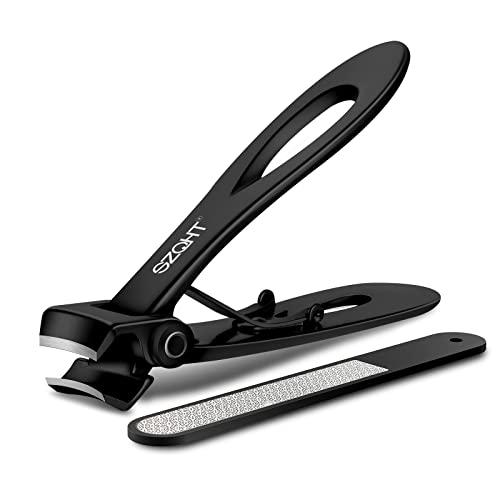
| Fingernail clippers | Trim nail length cleanly | Sharp stainless steel, curved or straight edge |
| Toenail clippers | Cut thicker toenails straight across | Larger jaw, straight edge, good grip |
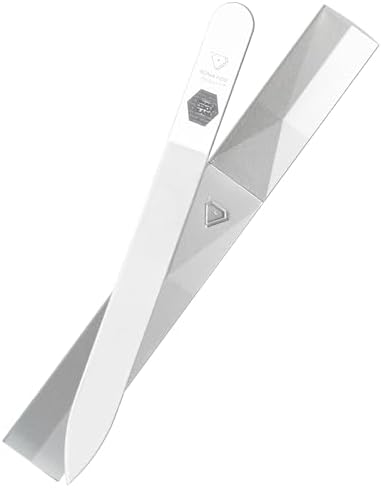
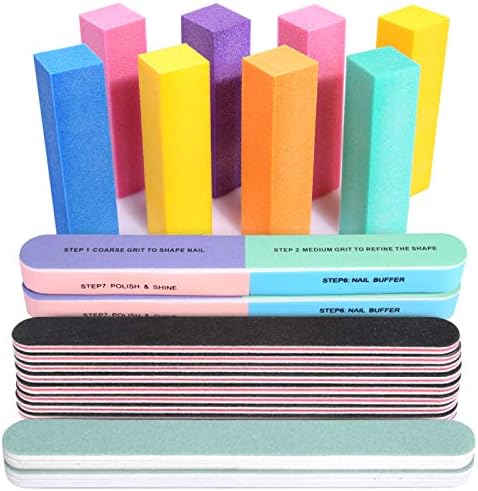
| Nail file | Shapes and smooths the free edge | Fine grit, glass or cushioned emery board |
| Buffer | Smooths ridges and adds shine | Gentle, multi-sided block; use sparingly |
| Cuticle pusher | Pushes back softened cuticles | Orange wood stick or rounded rubber tip |
| Cuticle oil or cream | Moisturises nails and skin | Simple, fragrance-free if you are sensitive |
| Nail brush | Cleans under and around nails | Soft to medium bristles |
You do not need electric drills, metal cuticle nippers or harsh scrapers for everyday care. These tools are easy to misuse at home and can damage the nail or the skin around it.
Clippers and Trimming Technique
Sharp clippers cut cleanly, while blunt ones crush the nail and cause splitting. Stainless steel lasts longer and is easy to clean.
- Trim after a bath or shower when nails are softer.
- Cut fingernails straight across, then round the corners slightly with a file.
- Cut toenails straight across and not too short to reduce the risk of ingrown nails.
- Take small cuts rather than one large snip, especially on thick nails.
- Replace clippers when they start to tear rather than cut.
Curved-edge clippers follow the shape of fingernails, while straight-edge clippers are better for toenails, where a straight cut helps prevent the corners growing into the skin. Hold the clippers level rather than angled, and cut a little at a time from one side to the other. If your nails are brittle and tend to crack when clipped, filing them to length instead of cutting can reduce splitting.
Nail Files and Buffers
A good file makes the biggest difference to how neat nails look and how well they resist snagging.
| File type | Pros | Cons |
|---|---|---|
| Glass or crystal file | Very fine, seals the edge, easy to wash | Can break if dropped |
| Cushioned emery board | Cheap, gentle, easy to control | Wears out, harder to clean |
| Coarse or metal file | Fast on acrylics | Too harsh for natural nails |
| Buffer block | Smooths ridges and adds shine | Over-buffing thins the nail |
File in one direction from the side towards the centre rather than sawing back and forth, which can cause peeling. Buff lightly and only occasionally, perhaps once every few weeks, because buffing removes layers of the nail plate.
Cuticle Care Without Cutting
The cuticle is a seal between the nail and the skin that keeps bacteria and fungi out. It is different from the eponychium, the living fold of skin at the base of the nail, which should never be cut or pushed hard. Cutting it may look neat for a day, but it opens a route for infection and often makes the skin grow back rougher.
- Soften cuticles with warm water or a little cuticle cream first.
- Gently push them back with an orange wood stick or rubber-tipped pusher.
- Only trim loose, dead hangnails, not the living cuticle, using clean clippers.
- Massage in cuticle oil or hand cream daily, especially after washing hands.
The AAD’s tips for healthy nails advise against cutting or removing cuticles and recommend keeping nails clean, dry and moisturised. If you visit a salon, you can ask them not to cut your cuticles.
Pedicure Essentials for Healthy Toenails
Toenails grow more slowly than fingernails, are often thicker and spend much of the day in warm, closed shoes, which makes them more prone to ingrown edges and fungal infections. A few extra essentials help.
- Sturdy toenail clippers with a straight edge, used after a bath when nails are softer.
- A separate file for toenails, kept apart from the one you use on your hands.
- A gentle foot file or pumice stone for hard skin on the heels, used on dry or lightly damp skin and never on broken skin.
- A rich foot cream for the heels and soles, kept away from between the toes.
- Clean, dry socks and well-fitting shoes, which prevent pressure on the nails.
Keep toenails fairly short but not cut down into the corners, and dry carefully between the toes after washing. The AAD also suggests wearing flip-flops or shower shoes in public pools and changing rooms to lower the chance of picking up a fungal infection. If toenails are very thick or hard to reach, especially with diabetes or poor circulation, a podiatrist can trim them safely.
Choosing a Nail Kit: What Is Worth Buying
Ready-made manicure kits are convenient, but many include tools you do not need. Before buying, check that the core pieces are good quality rather than counting how many items are in the case.
- Look for stainless steel clippers that close evenly with no gap at the tips.
- Choose a kit with a fine file, not only a coarse metal one.
- Skip kits built around cuticle nippers and sharp scrapers if you do not plan to use them.
- A zipped or hard case keeps tools dry and separate.
- Buy a spare file and orange wood sticks, which wear out first.
A small, well-made set that you clean and replace sensibly will last longer, and look after your nails better, than a large kit full of tools that are rarely used or easy to misuse.
How to Give Yourself a Clean, Professional-Style Manicure
This routine takes about fifteen minutes and needs only the basic tools.
Wash hands and tools
Wash your hands and wipe metal tools with soap and water or rubbing alcohol.
Remove old polish
Use a remover on a cotton pad and wash hands afterwards.
Trim if needed
Cut straight across to the desired length.
Shape with a file
File in one direction, rounding the corners slightly.
Soften and push cuticles
Soak fingertips briefly, then gently push cuticles back with an orange wood stick.
Clean under the nails
Use a soft nail brush with soap and water.
Moisturise
Massage cuticle oil and hand cream into nails and skin.
Apply cuticle oil at night before bed. It has time to soak in, and regular use helps prevent hangnails and brittle, peeling tips.
Keeping Nail Tools Clean and Hygienic
Tools that touch skin and nails can carry bacteria and fungi from one nail to another, or from one person to another. A simple cleaning routine reduces that risk.
- Wash metal tools with soap and warm water after each use, then wipe with rubbing alcohol and dry fully.
- Replace emery boards and wooden sticks regularly, as they cannot be properly cleaned.
- Store tools dry in a clean case, not a damp bathroom drawer.
- Use separate tools for fingernails and toenails if you have any toenail problems.
- Never share clippers, files or pushers.
Stop and avoid using tools on a nail that looks infected, swollen, red or painful, and never dig into the corners of an ingrown toenail. At salons, check that tools are cleaned between clients or bring your own kit, and avoid having legs shaved just before a pedicure foot bath. Signs of infection after a manicure, such as spreading redness, warmth, pus or fever, need prompt medical attention.
The same principles apply to other beauty tools; our guide on how to sanitise makeup tools explains simple cleaning methods you can use at home.
Polish, Removers and Treatments: What to Know
Polish and removers are not essential tools, but they affect nail health. Acetone removers work quickly but are drying, so moisturise afterwards. Give nails occasional breaks from polish, gels and acrylics if they become thin, peeling or discoloured. If you react to nail products, check labels for common allergens; our guide on how to read a cosmetic ingredient list can help you spot them. Keep polish and remover bottles tightly closed and away from heat, and use them in a well-ventilated room. If your nails are naturally weak, a basic routine of short length, daily moisturising and gloves for wet work usually helps more than any strengthening coat.
Nail Care Dos and Don’ts
Helps
- Trim straight across and file the corners
- Keep nails clean and dry
- Moisturise nails and cuticles daily
- Wear gloves for cleaning and washing up
- Clean tools after every use
Backfires
- Cut or rip off cuticles
- Use nails as tools to open things
- Saw back and forth with a coarse file
- Over-buff the nail surface
- Share clippers or files
Honest Limits of Home Nail Care
Good tools and habits keep nails tidy and less likely to split, but they cannot fix everything. Nail strengtheners and oils help the nail look and feel better but do not change how strong new nail grows from the base. Ridges, white spots and brittleness have many causes, and most are harmless, but some reflect injury, skin conditions or general health. Home tools also cannot treat fungal nail infections or ingrown toenails, and trying to cut out a problem nail yourself often makes it worse. Nails grow slowly, so any change in your routine takes several months to show in the full length of the nail.
When to See a Doctor or Dermatologist
See a dermatologist or doctor if a nail becomes thick, discoloured, lifts from the nail bed, changes shape, or develops a dark streak, or if the skin around it is swollen, painful or oozing. People with diabetes or poor circulation should have nail problems checked promptly and may need help trimming toenails safely.
This article is for general information only and is not medical advice. If you have a nail infection, ingrown nail, diabetes or any concerning nail change, speak to a qualified healthcare professional.
Common Questions
What are the professional nail essentials?
Clippers, a fine file, a buffer, a cuticle pusher, cuticle oil and a nail brush.
Should I cut my cuticles?
No, gently push them back and trim only loose hangnails.
What type of nail file is best for natural nails?
A fine-grit glass file or cushioned emery board.
How often should I buff my nails?
Only occasionally, as over-buffing thins the nail.
How do I clean nail clippers?
Wash with soap and water, wipe with rubbing alcohol and dry fully.
How often should I replace an emery board?
When it looks worn or dirty, as it cannot be sanitised well.
Do I need separate clippers for toenails?
Yes, larger toenail clippers cut thick nails more cleanly.
Is cuticle oil worth using?
Yes, daily use helps prevent dryness and hangnails.
How should I cut toenails?
Straight across and not too short to avoid ingrown nails.
When should I see a doctor about my nails?
If a nail is painful, swollen, thickened, discoloured or changes shape.
Final Word
Professional nail essentials are simple: sharp clippers, a fine file, a gentle buffer, a cuticle pusher, cuticle oil and a nail brush. Trim straight across, file in one direction, push cuticles back rather than cutting them and moisturise daily.
Keep tools clean and personal, give nails breaks from heavy products and leave infections, ingrown nails and unusual changes to a doctor or dermatologist.

Written by
Registered pharmacist and founder of Facial Adviser. Rakib's pharmacy training covers how skincare actives work and interact; a later course in cosmetology turned that into a focus on facial treatments and skincare products. He plans, researches and edits every guide on the site and checks health claims against sources such as the American Academy of Dermatology, the FDA and the NIH. He is not a dermatologist; see the Editorial Policy and Medical Disclaimer.
About · Editorial policy · How we choose products · Medical disclaimer · Contact
Keep reading: Makeup artists and careers
- How to Get Started as a Freelance Makeup Artist: Training, Kit and Clients
- What Is Cosmetology School? The Real Answer
- Makeup Artist vs Beautician: The Real Difference
- Are You Supposed to Tip Makeup Artists? Salon, Freelance and Bridal Etiquette
- Why Do Makeup Artists Charge More for Brides? What the Bridal Rate Covers
- Advantages of Being a Makeup Artist: Honest Pros, Cons and Career Reality
- How to Properly Put On Face Makeup: The Right Order, Step by Step
- How to Choose Lipstick Shade: Undertone, Skin Tone and Testing Tips