How to Adjust Your Makeup to Match a Tan Without Buying New Foundation
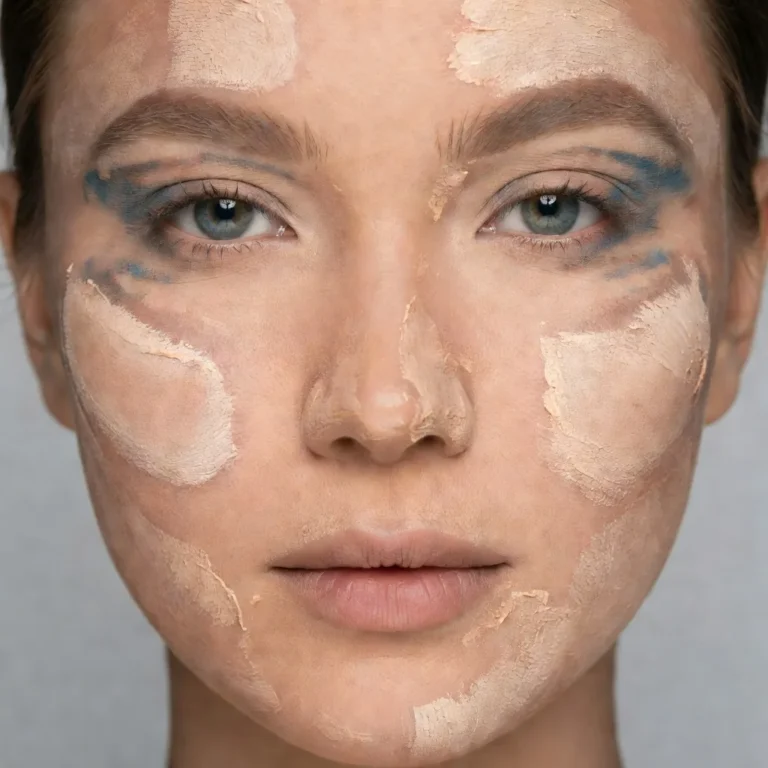
Your skin tone can change noticeably between seasons, whether from sun exposure, self-tanner or simply less time indoors. Suddenly your usual foundation looks too light, a little grey or ashy, and there is a visible line at the jaw.
Part of our guide to makeup how-to. Start with: How to Properly Put On Face Makeup: The Right Order, Step by Step
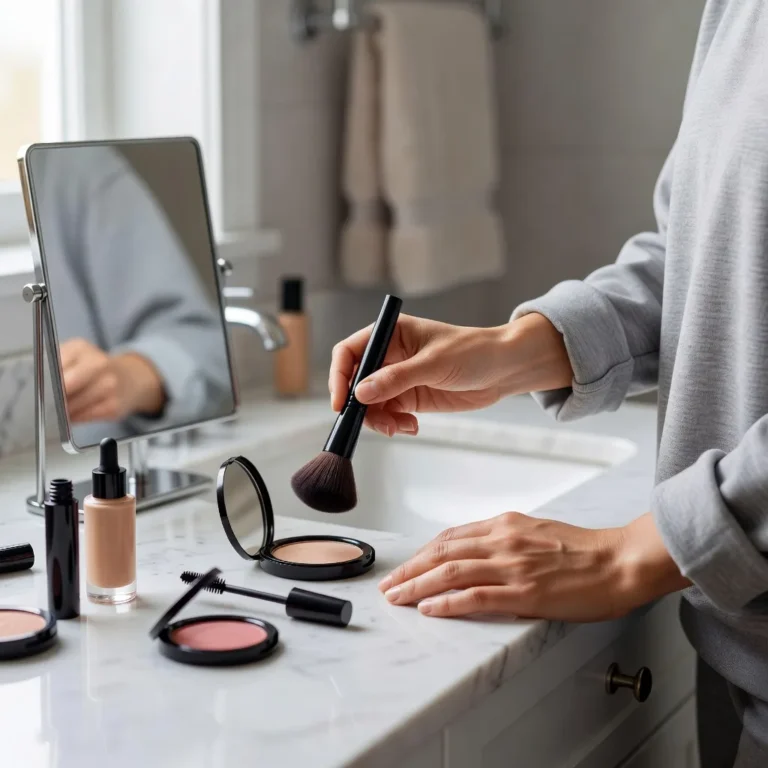
You can adjust your makeup to match a tan without buying a whole new foundation. The simplest options are mixing your usual foundation with a deeper shade or a few drops of a bronzing or tinted product, switching to a sheerer tint that lets your skin show through, and adding warmth with bronzer or a warm-toned blush. Always check the shade on your jaw and neck in daylight, match your undertone rather than just the depth, and blend down onto the neck. If you tan from the sun, remember that tanned skin still needs daily sunscreen.
The goal is a seamless match between face, neck and body, without an obvious mask or line at the jawline. With a few simple tricks you can keep using the products you already own and adjust them as your skin changes through the season.
The American Academy of Dermatology recommends broad-spectrum sunscreen with SPF 30 or higher every day, and a tan does not replace that protection.
This guide explains how to adjust foundation, concealer, powder, bronzer and blush when your skin is deeper than usual, how to handle self-tan and how to transition back as your tan fades.
Shopping these picks?
Amazon Prime members get fast, free shipping on eligible items, plus Prime Video, Amazon Music and member deals. New members can start with a free trial.
Start a free Prime trialAged 18 to 24? Prime for Young Adults comes with a longer free trial and a lower price after it.
Affiliate link: we may earn a commission at no extra cost to you.
Recommended Products for Adjusting Your Shade


In Brief
- Mix your usual foundation with a deeper shade or bronzing drops.
- Sheerer bases let tanned skin show through naturally.
- Match undertone as well as depth.
- Check the shade on your jaw and neck in daylight.
- Adjust concealer and powder too, not just foundation.
- Warm up the face with bronzer and blush.
- A tan does not replace daily sunscreen.
In This Guide
- Why Your Usual Shade Stops Matching
- Ways to Adjust Your Shade
- How to Adjust Foundation to Match a Tan
- Getting the Undertone Right
- Concealer, Powder and Colour
- Matching Self-Tan
- Sun Protection and Tanning
- Common Mistakes
- Transitioning Back as Your Tan Fades
- Dos and Don’ts
- Honest Limits
- When to See a Dermatologist
- Common Questions
- Summing Up
Why Your Usual Shade Stops Matching
When skin darkens, a foundation that matched perfectly in winter sits on top of a deeper tone. The result can look pale, flat, grey or pink, with a noticeable line where face meets neck. In photos, especially with flash, the difference can look even more obvious than in the mirror.
Tanned skin often becomes warmer and more golden as well as deeper, so the undertone of your usual foundation may also be off. Freckles can also become more noticeable, which is one reason many people prefer lighter coverage in summer. Our guide on how foundation shades are formulated explains how depth and undertone work together.
Your face often tans differently from your body. It may be lighter if you wear sunscreen and a hat, or darker if your body is usually covered. Match your face to your neck and chest where they meet.
Ways to Adjust Your Shade
| Method | How it works | Best for | Things to know |
|---|---|---|---|
| Mix two shades | Blend your usual shade with a deeper one | Most people with two shades on hand | Easy to fine-tune day by day |
| Add bronzing or tinted drops | A few drops warm and deepen foundation | Light tans | Can add shimmer or glow; check the finish |
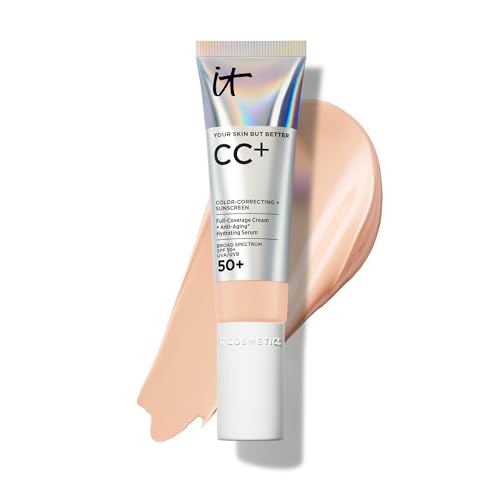
| Switch to a skin tint or CC cream | Sheer coverage lets tan show through | Light to medium coverage needs | Less coverage than foundation |
| Wear foundation only where needed | Spot-conceal and let skin show elsewhere | Even-toned tanned skin | Most natural look |
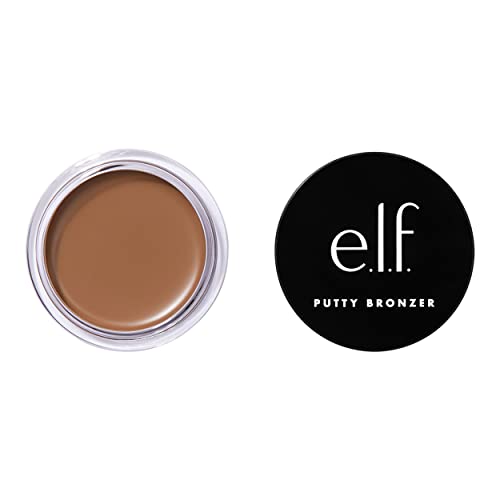
| Warm with bronzer | Adds depth over a slightly light base | Small mismatches | Keep it sheer and blend well |
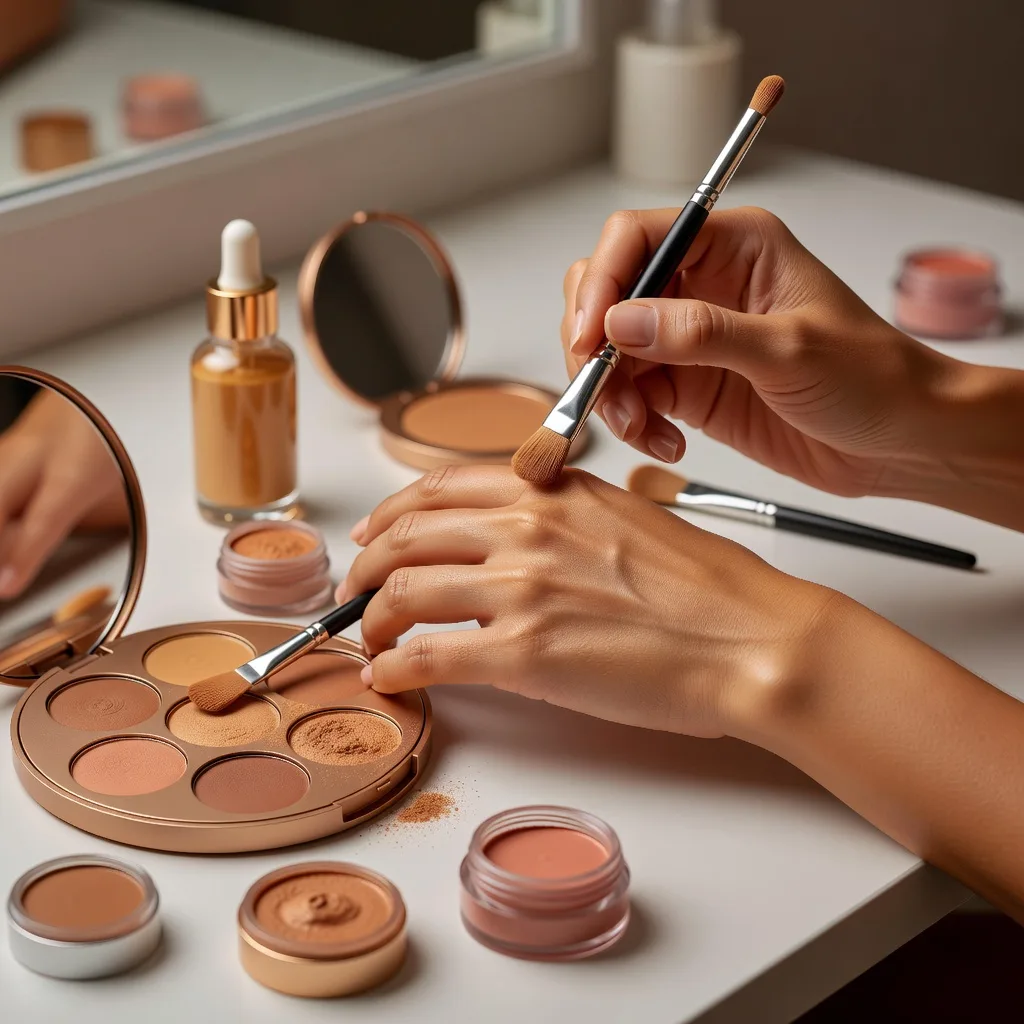
Mixing two shades is the most flexible approach, because you can change the ratio as your tan develops or fades. Start with a ratio of about two parts of your usual shade to one part deeper shade, then adjust from there. Our guide on how mixing two products affects finish covers mixing without changing the finish you like.
How to Adjust Foundation to Match a Tan
Check your current shade
Swatch your usual foundation on the jaw in daylight.
Choose your adjuster
Use a deeper foundation, bronzing drops or a tinted moisturiser.
Mix on a clean surface
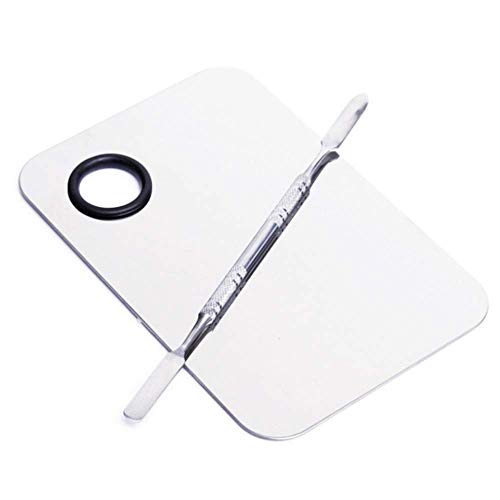
Combine a small amount of each on a mixing palette or the back of your hand.
Test on the jaw
Apply a stripe and check it against your neck in natural light.
Adjust the ratio
Add more of either until the stripe disappears.
Apply and blend down
Apply as usual and blend onto the neck.
Adjust concealer and powder
Make sure they match the new base.
Mix a small batch for the week in a clean, empty pot if you like, but mix fresh if your tan changes quickly. Small, frequent adjustments look more natural than one big change.
Getting the Undertone Right
Tanned skin often shifts warmer. If your foundation looks grey or ashy on tanned skin, the undertone may be too cool or too pink. Adding a warm or golden deeper shade fixes this better than simply going darker.
If you use self-tanner, the colour can lean orange or olive depending on the formula. Choose a foundation adjuster that matches that tone, and check it in daylight. If you are unsure of your undertone, compare how gold and silver jewellery look against your skin; gold often suits warmer skin and silver cooler skin, although many people are neutral.
| What you see | Likely cause | Adjustment |
|---|---|---|
| Grey or ashy look | Foundation too light or too cool | Mix in a warmer, deeper shade |
| Pink or rosy cast | Undertone too pink for tanned skin | Add a golden or neutral shade |
| Orange tinge | Too warm, or self-tan reacting | Mix with a neutral shade |
| Obvious line at the jaw | Face and neck different tones | Match the neck and blend down |
| Muddy look | Too much bronzer over a light base | Adjust the base instead of adding bronzer |
The best test is a stripe along the jaw that extends down onto the neck. The right shade and undertone seem to disappear into the skin.
Concealer, Powder and Colour
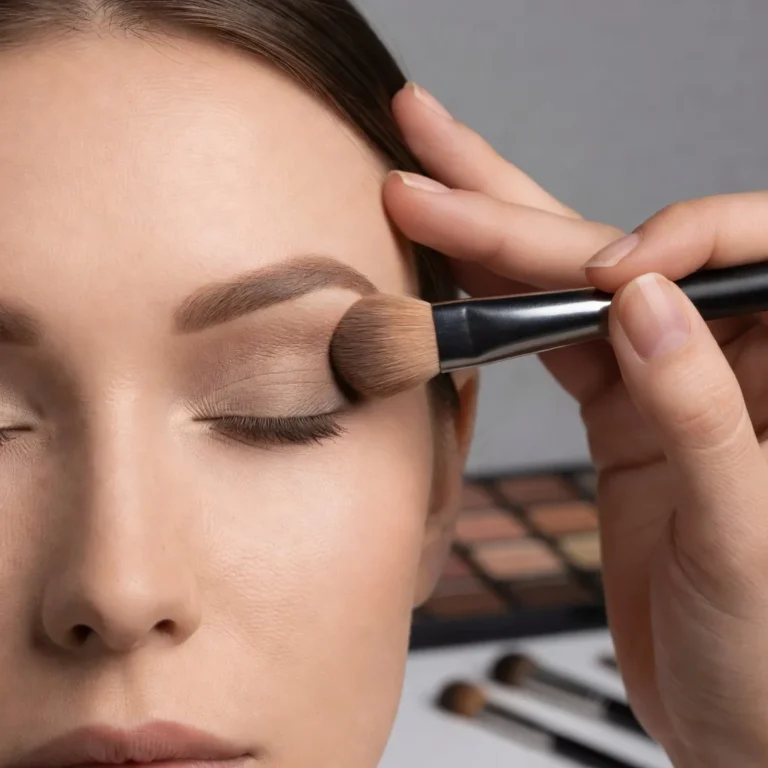
Concealer: a concealer that was right in winter can look very light under the eyes on tanned skin. Mix it with a little of your adjusted foundation or choose a deeper shade. A concealer only slightly lighter than your tanned skin brightens without looking like a white patch. Powder: a translucent powder usually works at any depth, but a tinted powder may need to be swapped for a deeper shade or skipped. Bronzer: a sheer bronzer warms the face and helps blend any small shade difference. Apply where the sun naturally hits: forehead, cheekbones and bridge of the nose. Blush: warmer peach, coral and terracotta shades often look better on tanned skin than cool pinks. A cream blush tapped on high on the cheeks gives a sun-kissed look without extra bronzer.If contour or bronzer looks patchy, our guide on how to fix patchy contour explains how to blend smoothly.
Matching Self-Tan
Self-tanner creates colour by reacting with the top layer of skin. It fades unevenly as skin cells shed, so the face may fade faster than the body. Washing your face twice a day and using exfoliating skincare both speed up how quickly facial self-tan fades.
- Use a facial self-tanner rather than a body formula on the face, and apply thin layers.
- Exfoliate gently before applying to avoid patchiness.
- Adjust foundation as the tan fades, reducing the deeper shade in your mix.
- Blend foundation and self-tan carefully at the jaw and hairline.
Self-tanner does not protect against the sun. You still need sunscreen, even when you look tanned. Many people find that a gradual self-tan combined with a well-matched base gives a natural summer look without the risks of sun exposure.
Sun Protection and Tanning
A tan is the skin’s response to UV damage. It offers very little protection against further sun exposure, so daily sunscreen is still essential.
The AAD’s guide on choosing the right sunscreen recommends broad-spectrum protection with SPF 30 or higher and water resistance when you are active outdoors.
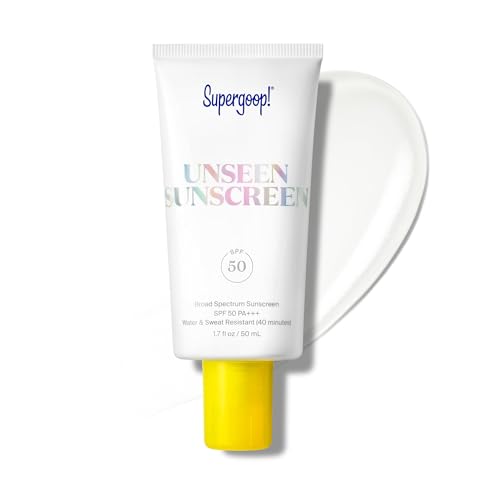
Tinted sunscreens can double as a light base on tanned skin, giving a small amount of coverage while protecting the skin. Our guide on physical versus chemical SPF explains the different filter types.
Do not rely on the SPF in foundation or bronzer. Most people apply too little makeup to reach the SPF on the label, so wear a separate sunscreen underneath.
Common Mistakes
Only going darker, not warmer: tanned skin usually needs more warmth, not just more depth. Too much bronzer to hide a light base: heavy bronzer over pale foundation looks muddy. Adjust the base instead. Forgetting the neck and ears: a face that is darker or lighter than the neck is more noticeable than a slight mismatch overall. Checking only indoors: bathroom lighting can hide mismatches. Always check in daylight, ideally near a window rather than in direct sun. Keeping the same shade as the tan fades: adjust your mix again as your skin lightens.Transitioning Back as Your Tan Fades
Tans fade gradually over a few weeks, and self-tan fades even faster. If you switch straight back to your winter shade, it may look too light for a while, then suddenly match.
The easiest approach is to keep mixing and slowly change the ratio: start with mostly the deeper shade, then gradually add more of your lighter shade as your skin lightens. Check the match on your jaw every few days.
Fading tans can also look patchy, especially on the forehead and nose, which often fade at different rates. A little colour-correcting concealer or a sheer layer of foundation over uneven areas helps, and gentle exfoliation can even out fading self-tan.
Keeping one lighter and one deeper foundation in the same formula gives you the most flexibility all year. Many people find they need only these two shades to cover every season.
Dos and Don’ts
Helps
- Mix foundation to match your current tone
- Check shades in daylight
- Match undertone as well as depth
- Blend onto the neck
- Wear sunscreen every day
Backfires
- Assume darker is enough
- Hide a light base with heavy bronzer
- Check only in bathroom light
- Forget to adjust concealer
- Rely on makeup SPF
Honest Limits
Mixing works best when the two shades have similar formulas and finishes. Mixing very different products can change how the foundation wears or cause separation. If a mix separates or pills, try pairing products with the same base, or mix only small amounts at a time.
Adding bronzing drops can add shimmer or change the finish. If you prefer a matte look, choose a matte deeper foundation to mix instead.
Skin tone can change unevenly across the face, especially around the nose and forehead. Some spot adjustment with bronzer or concealer may still be needed, and that is completely normal.
When to See a Dermatologist
- You notice a new or changing mole or spot.
- You get sunburn easily or have a history of sunburn.
- You develop patches of darker or lighter skin after sun exposure.
- Self-tanner or makeup causes a rash or irritation.
This article is for general information and does not replace professional medical advice. See a dermatologist for skin checks or any changing spots.
Common Questions
How do I make my foundation darker for a tan?
Mix it with a deeper shade or a few drops of a bronzing or tinted product.
Why does my foundation look grey on tanned skin?
It may be too light or too cool for your warmer, deeper tone.
Can I use bronzer instead of changing foundation?
For small mismatches, yes; for bigger changes, adjust the base.
Should I use a skin tint in summer?
A sheer tint often matches tanned skin more easily.
How do I match foundation to self-tan?
Mix to the self-tan colour and adjust as it fades.
Do I need to change my concealer?
Often yes; mix it with your adjusted foundation or go deeper.
What blush suits tanned skin?
Warm peach, coral and terracotta shades.
Does a tan protect my skin from the sun?
Very little; you still need daily sunscreen.
Where should I check my foundation shade?
On the jaw and neck in daylight.
Can I mix different foundation brands?
Yes, if the formulas and finishes are similar.
Summing Up
When your skin is tanned, mix your usual foundation with a deeper shade or bronzing drops, switch to a sheerer tint or warm your face with bronzer and blush. Match undertone as well as depth, check the shade on your jaw and neck in daylight and adjust concealer and powder too.
Adjust again as your tan fades, and keep wearing sunscreen every day. A tan is not sun protection, and good sun care keeps skin healthier whatever shade you are.

Written by
Registered pharmacist and founder of Facial Adviser. Rakib's pharmacy training covers how skincare actives work and interact; a later course in cosmetology turned that into a focus on facial treatments and skincare products. He plans, researches and edits every guide on the site and checks health claims against sources such as the American Academy of Dermatology, the FDA and the NIH. He is not a dermatologist; see the Editorial Policy and Medical Disclaimer.
About · Editorial policy · How we choose products · Medical disclaimer · Contact
Keep reading: Makeup basics and skin
- How to Properly Put On Face Makeup: The Right Order, Step by Step
- Makeup Tips for Uneven Skin Tone: Even Out Redness, Spots and Dullness
- Makeup or Hair First? The Real Chemistry Behind It
- Makeup vs No Makeup: Does Wearing It Damage Skin?
- Why Can't I Wear Makeup After Botox?
- How to Fix Makeup on Dry Skin
- What Can You Use to Make Your Makeup Stay On All Day? 9 Products and Tricks
- How to Get Started as a Freelance Makeup Artist: Training, Kit and Clients