Physical vs Chemical SPF in Cosmetics: What the Difference Means
Foundations, tinted moisturisers, CC creams and powders increasingly carry an SPF number, and labels often highlight whether the protection is mineral or chemical. It is worth understanding what those terms mean, and just as importantly, what an SPF in makeup can and cannot do.
Part of our guide to cosmetic science. Start with: How to Read a Cosmetic Ingredient List: A Beginner Guide
Physical or mineral SPF uses zinc oxide or titanium dioxide, which sit on the skin and mainly reflect and scatter UV, though they also absorb some. Chemical SPF uses organic filters such as avobenzone, octisalate or homosalate, which absorb UV and convert it to a small amount of heat. Both can give effective broad-spectrum protection. Mineral filters often suit sensitive skin but can leave a white cast; chemical filters tend to feel lighter and look invisible. In makeup, the bigger issue is amount: most people apply far too little foundation to get the SPF on the label, so a dedicated sunscreen underneath is usually needed.
The American Academy of Dermatology describes both types in its guide to choosing sunscreen and recommends a broad-spectrum, water-resistant product with an SPF of 30 or higher. It also notes that people with sensitive skin may prefer sunscreens with zinc oxide or titanium dioxide.
Many modern products blend both types, and the words physical and mineral are used interchangeably. What matters most for protection is the SPF, broad-spectrum coverage and how much you apply.
This guide explains how the two types work, how they behave in cosmetics, how to choose between them and how to make sure you are actually protected when you wear makeup.
Shopping these picks?
Amazon Prime members get fast, free shipping on eligible items, plus Prime Video, Amazon Music and member deals. New members can start with a free trial.
Start a free Prime trialAged 18 to 24? Prime for Young Adults comes with a longer free trial and a lower price after it.
Affiliate link: we may earn a commission at no extra cost to you.
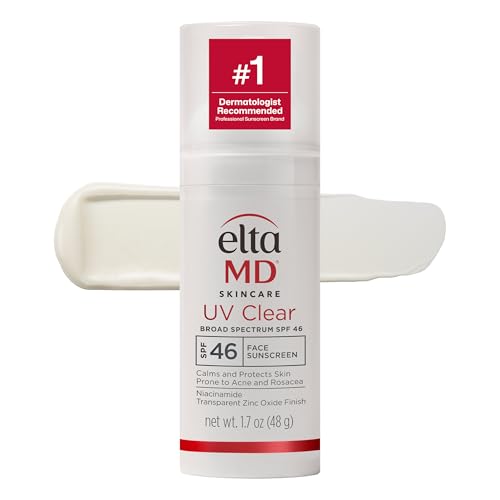
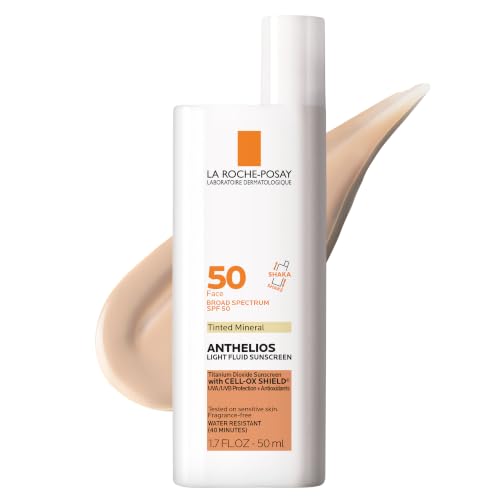
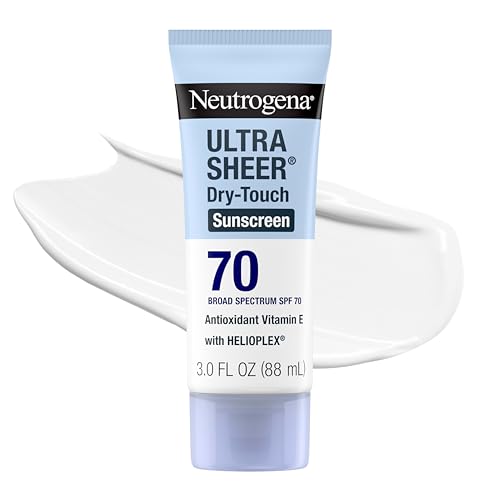
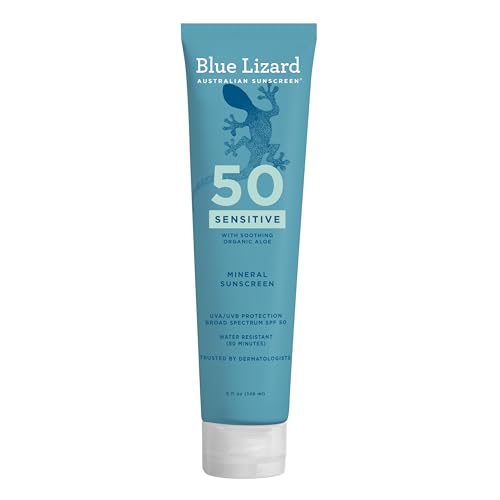
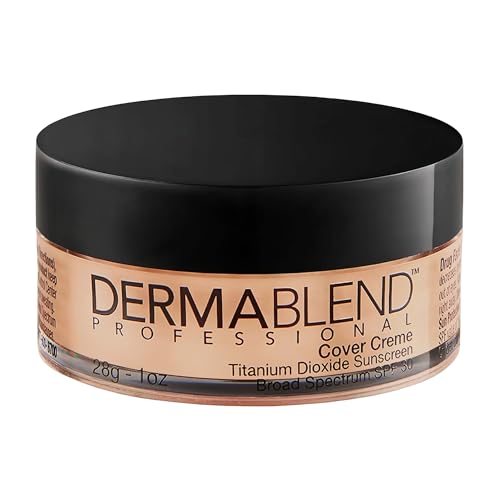
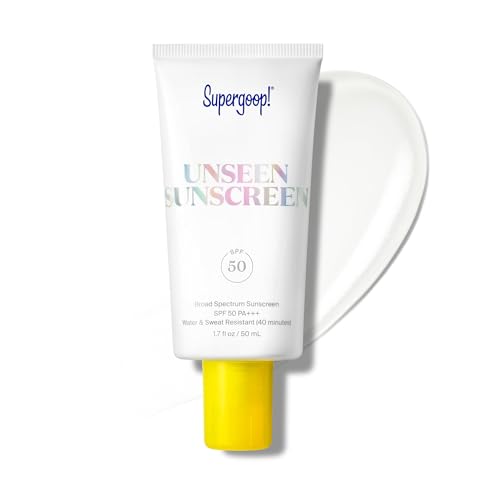
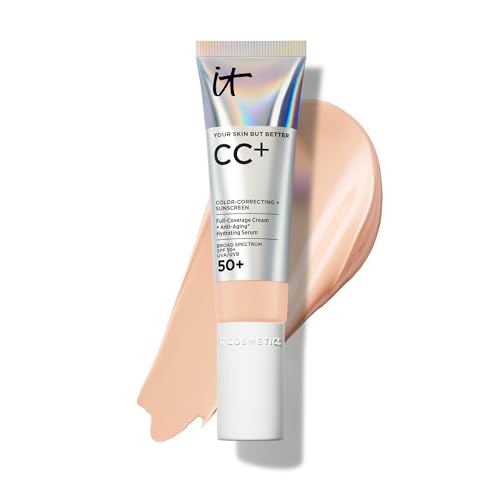
Recommended Mineral, Chemical and Makeup SPF Products
At a Glance
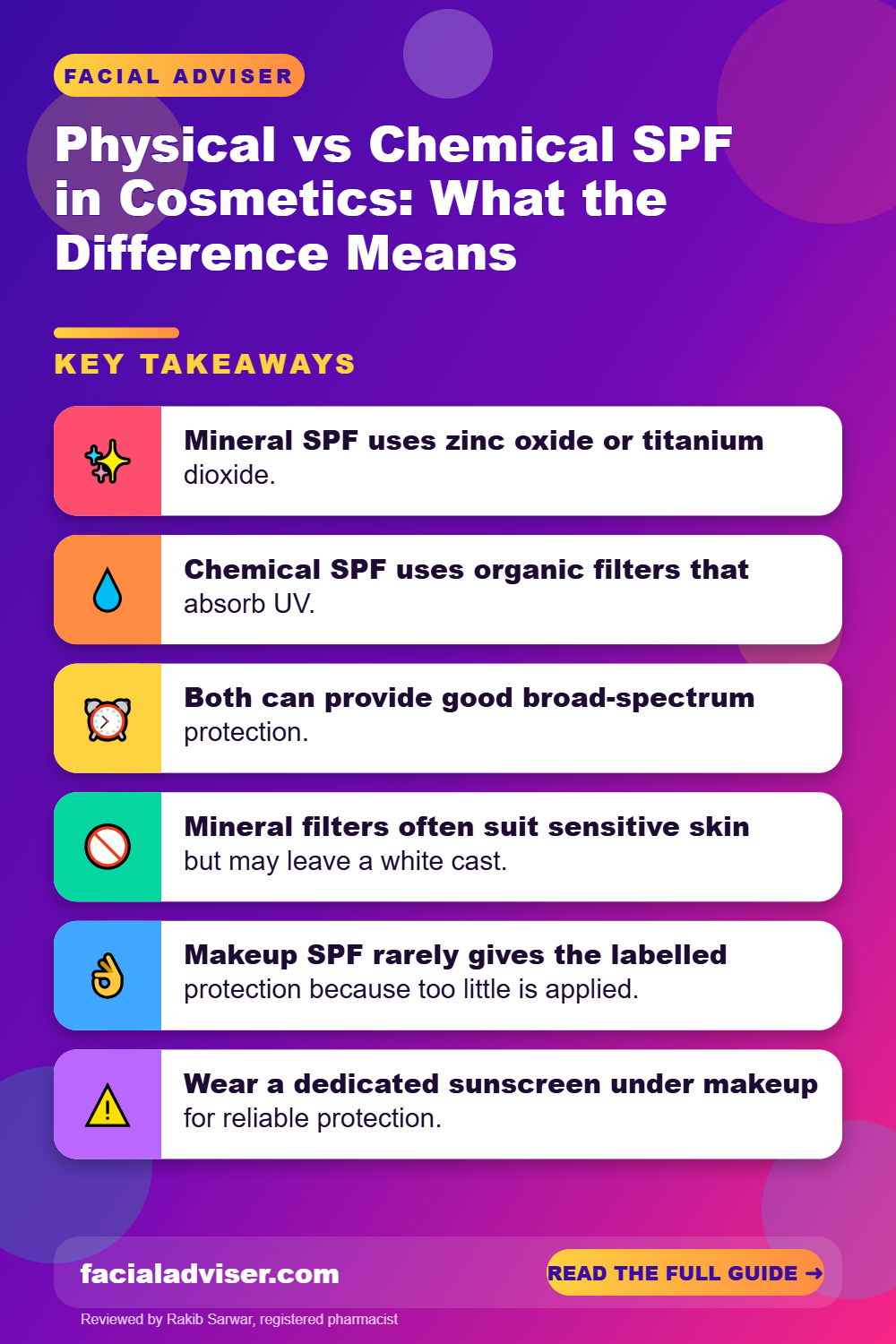
- Mineral SPF uses zinc oxide or titanium dioxide.
- Chemical SPF uses organic filters that absorb UV.
- Both can provide good broad-spectrum protection.
- Mineral filters often suit sensitive skin but may leave a white cast.
- Makeup SPF rarely gives the labelled protection because too little is applied.
- Wear a dedicated sunscreen under makeup for reliable protection.
- Choose broad-spectrum SPF 30 or higher.
In This Guide
- Physical vs Chemical Filters at a Glance
- Mineral SPF in Cosmetics
- Chemical SPF in Cosmetics
- Why Makeup SPF Is Not Enough on Its Own
- How to Get Real Sun Protection When You Wear Makeup
- Which Should You Choose?
- Reapplying Over Makeup
- Tinted Sunscreens and Visible Light
- Around the Eyes and Lips
- Dos and Don’ts
- Honest Limits
- When to See a Dermatologist
- Questions People Ask
- Summing Up
Physical vs Chemical Filters at a Glance
| Feature | Physical (mineral) | Chemical (organic) |
|---|---|---|
| Common filters | Zinc oxide, titanium dioxide | Avobenzone, octisalate, homosalate, octocrylene |
| How they work | Mostly reflect and scatter UV; also absorb some | Absorb UV and release it as heat |
| Broad-spectrum | Zinc oxide covers UVA and UVB well | Depends on the combination of filters |
| Feel and finish | Can be thicker; may leave a white cast | Usually lighter and invisible |
| Sensitive skin | Often better tolerated | Some filters may irritate some people |
| Works immediately | Yes, once applied evenly | Commonly said to need a short wait; follow the label |
| In makeup | Common in tinted and mineral products | Common in lightweight foundations and primers |
Neither type is universally better. The best sunscreen is one that gives broad-spectrum protection and that you are happy to wear every day in the right amount.
The traditional idea that mineral filters only reflect light is a simplification. Research shows zinc oxide and titanium dioxide also absorb a large share of UV. The practical differences are mostly about feel, finish and skin tolerance.
Mineral SPF in Cosmetics
Zinc oxide and titanium dioxide are white pigments, which makes them natural partners for makeup. In fact, titanium dioxide is used in many foundations for coverage as well as sun protection.
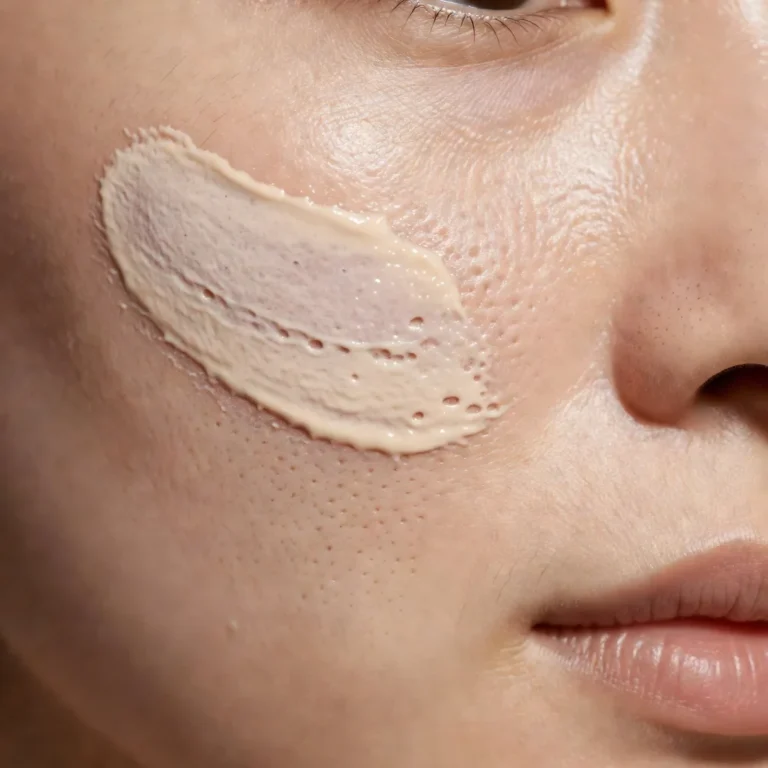
The downside is the white cast. On deeper skin tones in particular, untinted mineral sunscreens can look grey or chalky. Tinted mineral products use iron oxides to offset this, which also adds some protection against visible light.
Mineral products are often recommended for sensitive skin, rosacea and young children because the filters are less likely to irritate. The AAD’s guide to choosing the right sunscreen notes that zinc oxide and titanium dioxide may suit people with sensitive skin.
Our guide on what makes makeup high coverage explains how the same pigments create opacity in foundation.
Chemical SPF in Cosmetics
Chemical filters are clear once applied, so they are popular in lightweight foundations, primers and tinted moisturisers that aim for a natural finish without any cast.
A combination of filters is usually needed for broad-spectrum protection, since each covers a different part of the UV range. Avobenzone is a common UVA filter, often paired with others for UVB.
Some people find certain chemical filters irritating, especially around the eyes, and some filters have been the subject of ongoing safety and environmental reviews. Regulators in different countries allow different filters, so formulas vary by region.
For most people, the choice between chemical and mineral comes down to how the product feels and looks on their skin, and whether it causes any irritation.
If a sunscreen stings your eyes, leaves your skin feeling hot, or causes a rash, try a different formula rather than giving up on sunscreen altogether. Switching from a chemical to a mineral product, or the other way round, often solves the problem.
Why Makeup SPF Is Not Enough on Its Own
The SPF on a label is measured using a set amount of product: 2 milligrams per square centimetre of skin. For the face, that works out to far more foundation than most people would ever wear.
In real life, people apply a thin layer of foundation or a light dusting of powder, which gives much less protection than the label suggests. Foundation is also often applied unevenly and not reapplied through the day.
For that reason, it is safest to treat SPF in makeup as a bonus rather than your main protection. Apply a dedicated broad-spectrum sunscreen first, let it set, then add your makeup.
The same applies to moisturisers with SPF. They can work well if you apply a generous amount, but many people use a thin layer of moisturiser, just as they do with foundation. If you rely on a moisturiser with SPF, use more than you normally would, or add a dedicated sunscreen on days you will be outside.
Do not rely on makeup, powder or a tinted moisturiser alone for sun protection on sunny days, outdoor activities or if you burn easily. Use a dedicated sunscreen of SPF 30 or higher.
How to Get Real Sun Protection When You Wear Makeup
Apply sunscreen first
Use a broad-spectrum sunscreen of SPF 30 or higher as the last step of your skincare.
Use enough
Apply about half a teaspoon or more for the face, or two finger-lengths of product.
Let it set
Wait a few minutes until your skin no longer feels wet before makeup.
Add makeup with SPF if you like
It adds a little extra protection, especially where it is applied thickly.
Reapply when outdoors
Use a sunscreen stick, spray or SPF powder over makeup every two hours outdoors.
Add shade and cover
Hats, sunglasses and shade reduce exposure when the sun is strong.
If you find sunscreen under makeup pills or slides, choose a sunscreen and foundation with similar bases, and give the sunscreen a few minutes to dry down before applying foundation.
Which Should You Choose?
| Your situation | Consider | Why |
|---|---|---|
| Sensitive or redness-prone skin | Mineral or mineral-based | Often better tolerated |
| Deeper skin tone | Tinted mineral or chemical | Less likely to leave a white cast |
| Oily skin | Lightweight chemical or mattifying mineral | Less heavy feel |
| Dry skin | Moisturising formula of either type | Comfort under makeup |
| Melasma or dark spots | Tinted mineral with iron oxides | Also helps block visible light |
| Wearing makeup daily | Any broad-spectrum SPF 30+ you will use | Consistency matters most |
Hybrid products that combine zinc oxide with chemical filters are also common and can balance feel, finish and protection.
It is worth trying a few samples if you can. How a sunscreen feels after an hour, how it sits under your usual foundation, and whether it stings are more useful guides than the category on the front of the tube.
Reapplying Over Makeup
Reapplication is where many people fall short. The AAD recommends reapplying sunscreen every two hours when outdoors, and after swimming or sweating.
Over makeup, sunscreen sticks, sprays and SPF powders are the most practical options. Powders are convenient but, like foundation, rarely deliver the full labelled protection because of the small amount applied. They are best used as a top-up, not your only protection.
If you are indoors most of the day and away from windows, morning sunscreen may be enough. If you spend time outdoors or near sunny windows, plan to top up. Keeping a small stick or powder in your bag makes that much easier to remember.
Tinted Sunscreens and Visible Light
Standard sunscreens are tested for protection against UV, but visible light, especially high-energy blue light, can also worsen pigmentation such as melasma in some people, particularly those with darker skin.
Tinted sunscreens and tinted mineral makeup contain iron oxides, the same pigments that give foundation its colour. Iron oxides help block visible light, which is why dermatologists often suggest tinted formulas for people with melasma or stubborn dark spots.
This is one area where makeup with SPF can genuinely add something. A tinted mineral foundation or tinted sunscreen worn over or instead of a clear sunscreen may offer broader protection for pigment-prone skin, as long as enough is applied.
Our guide on adjusting skincare for seasonal changes covers why sunscreen stays essential all year, even when UV levels feel low.
Around the Eyes and Lips
The eye area is often missed when applying sunscreen, partly because some chemical filters can sting if they migrate into the eyes. Mineral sunscreens and sticks are often more comfortable here.
Lips have very little natural protection and are often forgotten. A lip balm with SPF, reapplied through the day, is an easy way to cover them, especially if you wear lipstick without SPF.
Sunglasses that block UV protect the delicate skin around the eyes as well as the eyes themselves, and a wide-brimmed hat adds protection for the face, ears and neck.
Dos and Don’ts
Helps
- Wear a dedicated sunscreen under makeup
- Choose broad-spectrum SPF 30 or higher
- Pick the filter type your skin tolerates
- Let sunscreen set before foundation
- Reapply outdoors every two hours
Backfires
- Rely on foundation SPF alone
- Assume mineral means automatically safer for everyone
- Mix sunscreen into foundation to dilute it
- Skip sunscreen on cloudy days
- Forget your ears, neck and hairline
Honest Limits
Sunscreen regulation differs by country. Some filters common in Europe or Asia are not available in the United States, and safety reviews of certain chemical filters are ongoing. This article gives a general overview rather than a country-by-country guide.
The physical versus chemical distinction is also less clear-cut than labels suggest. Many products combine both, and the way they interact with light is more complex than reflect versus absorb.
What the evidence does show clearly is that regular use of broad-spectrum sunscreen reduces sunburn and sun damage. Choosing a type you will use generously and consistently matters more than the category on the label.
When to See a Dermatologist
- You react to most sunscreens you try.
- You have melasma or dark spots that worsen in the sun.
- You notice a new, changing or unusual spot or mole.
- You have a history of skin cancer or burn very easily.
This article is for general information and does not replace professional medical advice. See a dermatologist for persistent skin concerns.
Questions People Ask
What is the difference between physical and chemical SPF?
Physical filters are minerals such as zinc oxide; chemical filters are organic compounds that absorb UV.
Is mineral sunscreen better?
Not necessarily. It often suits sensitive skin, but both types can protect well.
Is SPF in foundation enough?
Usually not, because people apply too little. Wear sunscreen underneath.
Does mineral sunscreen leave a white cast?
It can, especially on deeper skin tones. Tinted versions help.
Do chemical sunscreens need time to work?
It is often advised to apply before sun exposure; follow the product label.
Can I mix sunscreen with foundation?
It is best not to, as diluting sunscreen can reduce protection.
How do I reapply sunscreen over makeup?
Use a stick, spray or SPF powder as a top-up, every two hours outdoors.
Is zinc oxide good for sensitive skin?
It is often well tolerated by sensitive skin.
What SPF should I use daily?
The AAD recommends broad-spectrum SPF 30 or higher.
Are hybrid sunscreens good?
Yes. Combining mineral and chemical filters can balance feel and protection.
Summing Up
Physical sunscreens use zinc oxide or titanium dioxide, while chemical sunscreens use organic filters that absorb UV. Both can protect well; the right choice is the one that suits your skin and that you will wear daily.
In makeup, SPF is a helpful bonus but rarely enough on its own. Apply a broad-spectrum SPF 30 or higher sunscreen underneath, let it set, and reapply over makeup when outdoors.

Written by
Registered pharmacist and founder of Facial Adviser. Rakib's pharmacy training covers how skincare actives work and interact; a later course in cosmetology turned that into a focus on facial treatments and skincare products. He plans, researches and edits every guide on the site and checks health claims against sources such as the American Academy of Dermatology, the FDA and the NIH. He is not a dermatologist; see the Editorial Policy and Medical Disclaimer.
About · Editorial policy · How we choose products · Medical disclaimer · Contact
Keep reading: How cosmetics are made
- How to Read a Cosmetic Ingredient List: A Beginner Guide
- What Is a Chelating Agent in a Cosmetic Formula?
- How to Tell if a Cosmetic Is Really Fragrance-Free
- What Is a Multi-Phase Formula? Bi-Phase Products Explained
- Why Stability Testing Matters for Skincare and Cosmetics
- How to Choose a Preservative for DIY Cosmetics Safely