Does BB Cream Have SPF? How Much Protection It Really Gives
BB creams are often sold as a one-step answer to makeup, skincare and sun protection. The SPF number on the tube looks reassuring, but how much protection you actually get depends on the formula and, even more, on how much you put on.
Part of our guide to makeup how-to. Start with: How to Find the Right Shade of Makeup: Undertone, Depth and Testing
Many BB creams do have SPF, commonly between SPF 15 and SPF 50, but not all of them, so always check the label for an SPF number and the words broad spectrum. Even when a BB cream has SPF, it rarely protects as well as the label suggests, because the SPF rating is tested with a thick layer of about 2 milligrams per square centimetre, roughly a quarter to a third of a teaspoon for the face, and most people apply far less BB cream than that. A thin layer can give only a fraction of the stated protection. For everyday incidental sun, a BB cream with SPF 30 is a helpful extra, but for real protection, apply a dedicated broad-spectrum sunscreen first or use a tinted sunscreen generously.
In short: many BB creams have SPF, but treat it as a bonus, not your only sunscreen.
The US Food and Drug Administration advises broad-spectrum sunscreen of SPF 15 or higher, reapplied at least every two hours, and the American Academy of Dermatology recommends SPF 30 or higher.
This guide explains how to read BB cream SPF labels, why the real protection is lower and how to layer BB cream and sunscreen properly.
Shopping these picks?
Amazon Prime members get fast, free shipping on eligible items, plus Prime Video, Amazon Music and member deals. New members can start with a free trial.
Start a free Prime trialAged 18 to 24? Prime for Young Adults comes with a longer free trial and a lower price after it.
Affiliate link: we may earn a commission at no extra cost to you.
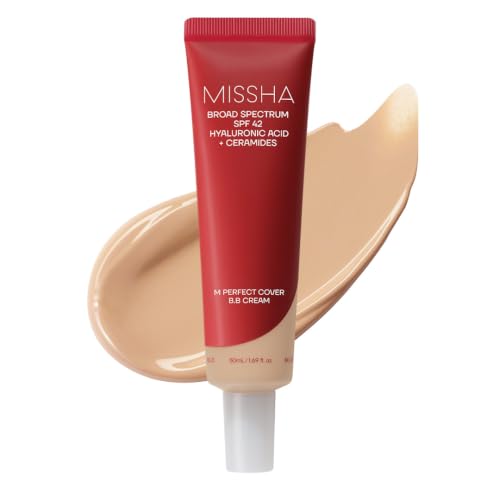
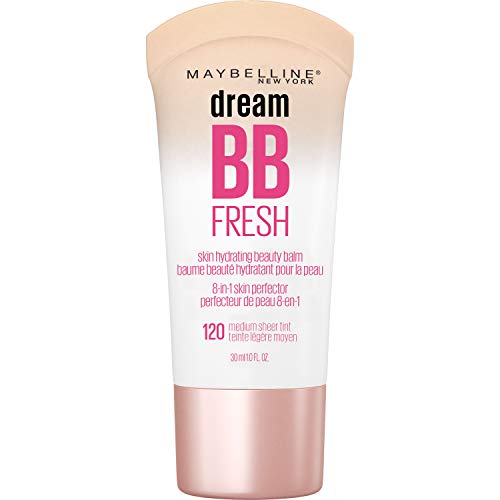
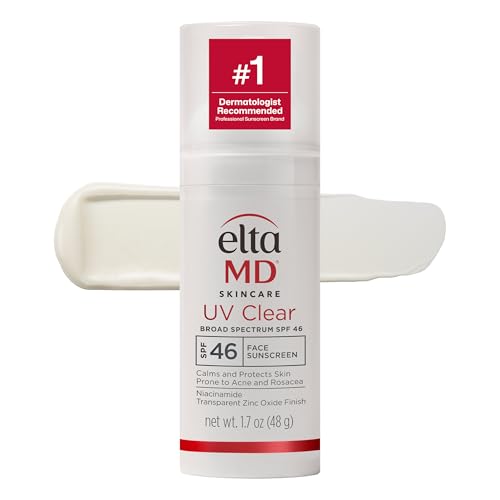
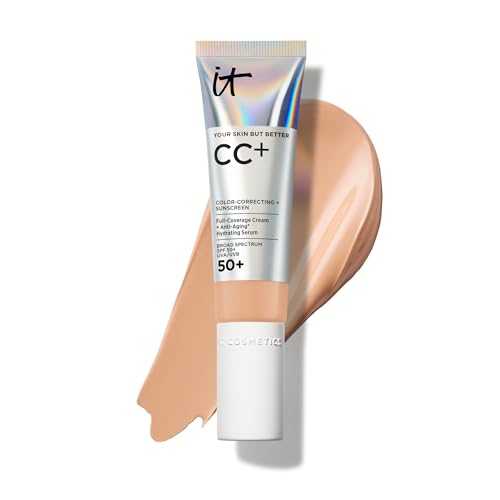
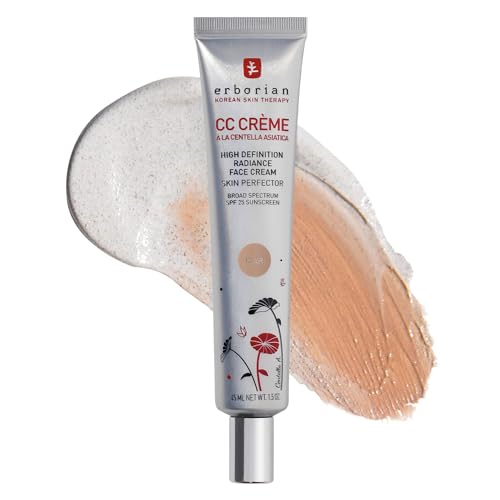
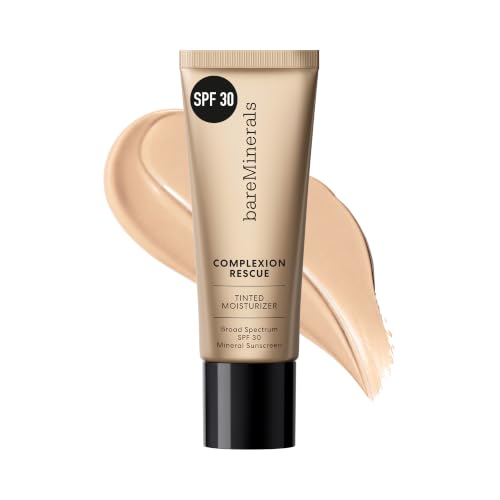
Recommended BB Creams With SPF and Tinted Sunscreens

What This Covers
- How to Tell If Your BB Cream Has SPF
- Why BB Cream SPF Gives Less Protection Than the Label
- What SPF Level Should Your BB Cream Have?
- How to Get Real Sun Protection With BB Cream
- When BB Cream SPF Is Enough and When It Is Not
- Mineral vs Chemical Filters in BB Cream
- Layering BB Cream Over Sunscreen Without Pilling
- Common Myths About BB Cream and SPF
- BB Cream vs Tinted Sunscreen vs CC Cream for Sun Protection
- Possible Downsides
- Honest Limits
- When to See a Dermatologist
- Your Questions, Answered
- Summing Up
The Short Version
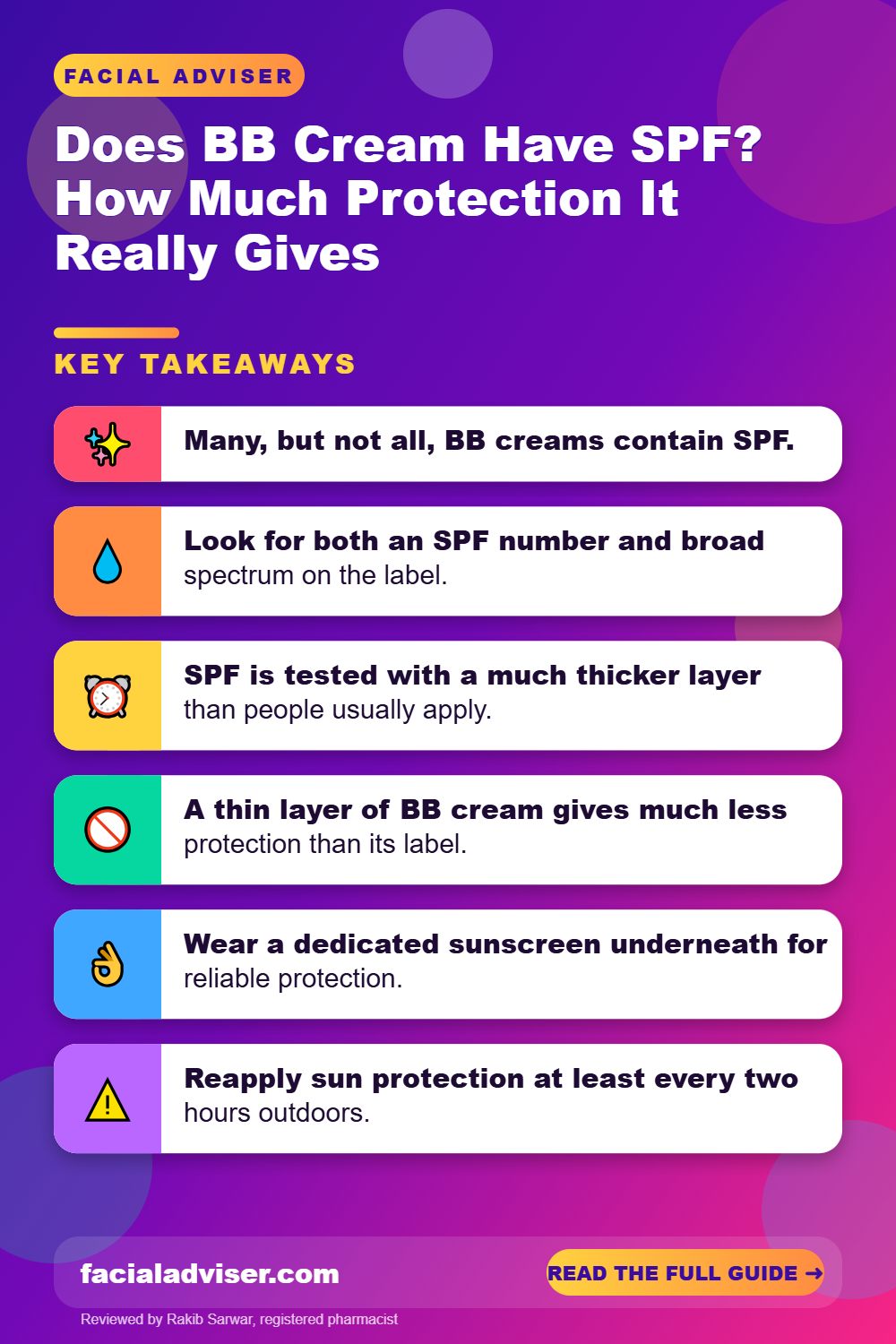
- Many, but not all, BB creams contain SPF.
- Look for both an SPF number and broad spectrum on the label.
- SPF is tested with a much thicker layer than people usually apply.
- A thin layer of BB cream gives much less protection than its label.
- Wear a dedicated sunscreen underneath for reliable protection.
- Reapply sun protection at least every two hours outdoors.
- Tinted sunscreens are a good one-step alternative.
How to Tell If Your BB Cream Has SPF
Not every BB cream contains sunscreen, and the ones that do vary a lot. A quick look at the packaging tells you what you are getting.
- Look for an SPF number on the front, such as SPF 15, SPF 30 or SPF 50.
- Check for the words broad spectrum, which means it protects against UVA as well as UVB.
- In the US, check for a Drug Facts panel listing active ingredients such as zinc oxide, titanium dioxide, avobenzone or octinoxate.
- Korean and some European BB creams may show a PA rating, such as PA+++, which indicates UVA protection.
- If there is no SPF on the label, the product offers no reliable sun protection.
Products sold without an SPF claim may still contain pigments such as iron oxides, which block some visible light, but that is not a substitute for tested sunscreen. The FDA’s guide to sunscreen and how to protect your skin explains what broad spectrum and SPF mean.
Why BB Cream SPF Gives Less Protection Than the Label
The SPF number is measured in a lab using a set amount of product: 2 milligrams per square centimetre of skin. That is a much thicker layer than anyone uses for makeup.
| Amount applied | What it looks like | Approximate protection |
|---|---|---|
| Full test amount | About a quarter to a third of a teaspoon for the face | Close to the label |
| Half the amount | A generous makeup layer | Well below the label |
| A quarter of the amount | A typical thin layer of BB cream | A small fraction of the label |
Protection does not drop in a simple straight line, and results vary between formulas, but studies consistently show that people apply much less than the test amount. In practice, a BB cream labelled SPF 30 may behave more like a low-SPF product on your face. Makeup also wears off with sweat, oil and touching, and most people do not reapply it during the day, which reduces protection further. This is why dermatologists describe makeup SPF as a helpful extra rather than a reliable replacement for sunscreen, especially on long or sunny days.
What SPF Level Should Your BB Cream Have?
Higher is generally better, but only if you apply enough. Here is how common SPF levels compare in lab conditions.
| SPF | UVB blocked in testing | Good for |
|---|---|---|
| SPF 15 | About 93% | Minimum for daily use under FDA guidance |
| SPF 30 | About 97% | Recommended minimum by the AAD |
| SPF 50 | About 98% | Long days outdoors, fair or sun-sensitive skin |
SPF measures protection from UVB, the rays that mainly cause sunburn. Broad spectrum means the product also passes a test for UVA, which contributes to skin ageing and dark spots. Choose a BB cream or sunscreen that has both.
If you have melasma, a history of sun damage or skin that burns easily, choose a higher SPF and a tinted mineral sunscreen, which also helps with visible light. Visible light can darken pigmentation in some people, particularly those with medium to deep skin tones, and the iron oxides that give tinted products their colour help block it.
How to Get Real Sun Protection With BB Cream
These steps let you keep using BB cream while getting dependable protection.
Moisturise if needed
Apply a light moisturiser and let it absorb.
Apply sunscreen
Use about a quarter to a third of a teaspoon of broad-spectrum SPF 30 or higher for the face.
Let it set
Wait a minute or two so the BB cream does not slide or pill.
Apply BB cream
Use a pea-sized amount and blend as usual.
Cover often-missed areas
Include the ears, neck and hairline with sunscreen.
Reapply outdoors
Reapply at least every two hours, and after swimming or sweating.
Use an easy top-up
An SPF powder or mist can top up protection over makeup.
If you prefer a single product, use a tinted sunscreen rather than a BB cream. Because it is designed as a sunscreen first, it is easier to apply the full amount without looking heavy.
When BB Cream SPF Is Enough and When It Is Not
For some situations, a BB cream with SPF is a reasonable minimum; for others, it is not enough.
| Situation | Is BB cream SPF enough? | Better choice |
|---|---|---|
| Short commute, mostly indoors | Helpful, but a sunscreen is still better | SPF 30 sunscreen plus BB cream |
| Sitting by a window all day | Not on its own | Broad-spectrum sunscreen underneath |
| Outdoor sport or long walks | No | Water-resistant SPF 30+ and reapplication |
| Beach, pool or holiday | No | Water-resistant SPF 50, hat and shade |
| Melasma or dark spots | No | Tinted mineral sunscreen used generously |
The AAD guide on how to apply sunscreen explains how much to use and when to reapply. Shade, a wide-brimmed hat and sunglasses add protection that no cream can replace.
Mineral vs Chemical Filters in BB Cream
BB creams use the same sunscreen filters as regular sunscreens. The type of filter can affect how the product feels, how it suits sensitive skin and the finish it leaves.
- Mineral filters: zinc oxide and titanium dioxide, often better tolerated by sensitive skin, but can look white or grey on deeper skin tones without a tint.
- Chemical filters: such as avobenzone, octinoxate and homosalate, often lighter and more invisible, but may sting sensitive eyes or skin.
- Hybrid formulas: mix both types for a balance of feel and protection.
- Iron oxides in tinted products: help block visible light, which matters for melasma and dark spots.
If sunscreens tend to sting you, a fragrance-free mineral BB cream or tinted mineral sunscreen is usually the gentlest choice. Our guide on what BB cream does to your face explains its other benefits and limits.
Layering BB Cream Over Sunscreen Without Pilling
Pilling, where the products roll into small flakes, is a common problem when layering sunscreen and BB cream. It usually has a simple cause.
- Use less of each product; heavy layers pill more easily.
- Wait a minute or two for sunscreen to set before BB cream.
- Pat BB cream on with a sponge rather than rubbing.
- Pair products with a similar base, such as two silicone-based or two water-based formulas.
- Skip heavy moisturiser if your sunscreen is already hydrating.
For more on getting a smooth finish, our guide on how to apply BB cream walks through prep, amounts and tools step by step.
Common Myths About BB Cream and SPF
Worth Doing
- Check for SPF 30 and broad spectrum
- Use sunscreen under BB cream
- Reapply outdoors every two hours
- Protect your neck and ears
- Use shade and a hat on sunny days
Skip It
- Assume every BB cream has SPF
- Add SPF numbers from layered products together
- Rely on a thin BB layer at the beach
- Skip sunscreen on cloudy days
- Assume a darker tint protects you fully
A common mistake is adding up SPF numbers, for example thinking SPF 15 sunscreen plus SPF 15 BB cream equals SPF 30. It does not work that way; your protection is roughly that of the better-applied product, so rely on a properly applied sunscreen. Another myth is that darker skin does not need sunscreen. Deeper skin tones have more natural protection against burning, but they can still burn, develop skin cancer and get stubborn dark spots from sun exposure.
BB Cream vs Tinted Sunscreen vs CC Cream for Sun Protection
If sun protection is your priority, the product type matters as much as the SPF number, because it decides how much you are likely to apply.
- BB cream with SPF: makeup first, usually applied thinly, so protection is limited.
- CC cream with SPF: similar to BB cream, with colour correction; same limits on amount.
- Tinted sunscreen: a sunscreen first, designed to be applied generously, so it protects more reliably.
- Plain sunscreen plus BB cream: the most dependable option if you want makeup coverage too.
For most people, the simplest reliable routine is a broad-spectrum sunscreen followed by a small amount of BB cream. If you are comparing BB and CC creams for other reasons, our guide on whether BB or CC cream is better covers coverage, finish and skin types.
Possible Downsides
BB creams with SPF are safe for most people, but they can cause problems for some skin types.
- Stinging around the eyes from some chemical filters.
- Breakouts if the formula is heavy or not non-comedogenic.
- A white or grey cast from mineral filters on deeper skin tones.
- A false sense of security that leads to sunburn.
Stop using any product that causes a rash, swelling or persistent stinging. See a doctor promptly if you notice a new or changing mole, or a spot that bleeds or does not heal.
Honest Limits
A BB cream with SPF is better than no protection, but it is not a reliable sunscreen for most people because of how little is applied. The SPF on the label describes lab conditions, not how makeup is actually worn.
If sun protection matters to you, and it should for skin cancer prevention and to reduce dark spots and premature ageing, make sunscreen its own step. The acne-prone can still do this comfortably: the AAD’s acne tips recommend choosing non-comedogenic sunscreens.
When to See a Dermatologist
- You have a new, changing or unusual mole or spot.
- You react to most sunscreens with rashes or stinging.
- You have melasma or dark spots that get worse in summer.
- You burn easily or have a history of skin cancer.
This article is for general information and does not replace professional medical advice. See a board-certified dermatologist for skin conditions, suspicious spots and if you react to cosmetic products.
Your Questions, Answered
Does BB cream have SPF?
Many do, but not all; check the label.
Is the SPF in BB cream enough?
Usually not, because most people apply too little.
Can I use BB cream instead of sunscreen?
Not for reliable protection; wear sunscreen underneath.
What SPF should a BB cream have?
At least SPF 30 and broad spectrum.
Does SPF add up when I layer sunscreen and BB cream?
No, the numbers do not add together.
Do I need to reapply BB cream SPF?
Yes, at least every two hours outdoors.
Is mineral SPF better in BB cream?
It is often gentler for sensitive skin.
Does BB cream protect against UVA?
Only if it says broad spectrum or has a PA rating.
Should I use BB cream with SPF indoors?
It helps near windows, but sunscreen is more reliable.
Is tinted sunscreen better than BB cream?
For sun protection, usually yes.
Summing Up
Many BB creams have SPF, but a typical thin layer gives much less protection than the label promises.
Apply a broad-spectrum SPF 30 or higher sunscreen first, use BB cream on top, and reapply sun protection during long days outdoors.

Written by
Registered pharmacist and founder of Facial Adviser. Rakib's pharmacy training covers how skincare actives work and interact; a later course in cosmetology turned that into a focus on facial treatments and skincare products. He plans, researches and edits every guide on the site and checks health claims against sources such as the American Academy of Dermatology, the FDA and the NIH. He is not a dermatologist; see the Editorial Policy and Medical Disclaimer.
About · Editorial policy · How we choose products · Medical disclaimer · Contact
Keep reading: Foundation, BB cream and base
- How to Find the Right Shade of Makeup: Undertone, Depth and Testing
- Is BB or CC Cream Better? Differences, Skin Types and How to Choose
- How to Apply BB Cream: Step-by-Step for a Smooth, Natural Finish
- Does BB Cream Clog Pores? Oily Skin, Ingredients and Safe Removal
- Is Tinted Moisturizer the Same as BB Cream? Key Differences Explained
- Does BB Cream Expire? Shelf Life, Signs It Has Gone Bad and Storage
- How to Choose the Right Eye Makeup Color for Your Eyes and Skin
- What Can You Use to Make Your Makeup Stay On All Day? 9 Products and Tricks