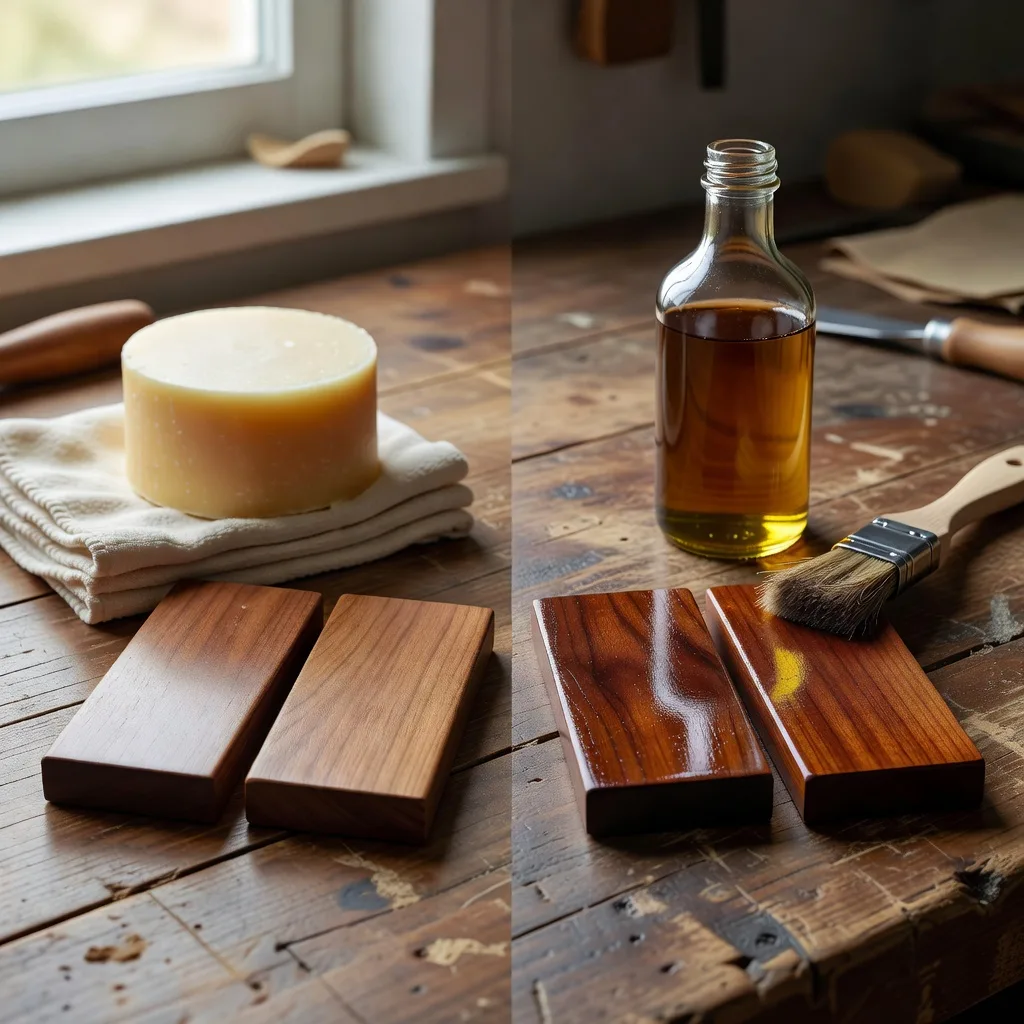
Wax Base vs Oil Base in Cosmetics: What Is the Difference?
Lipsticks, balms, cream shadows, cleansing balms and many sticks are held together by wax. Glosses, facial oils, cleansing oils and liquid highlighters rely more on oils. Both are part of the same family of oily ingredients, but they behave very differently on your skin and lips.
Part of our guide to cosmetic science. Start with: How to Read a Cosmetic Ingredient List: A Beginner Guide
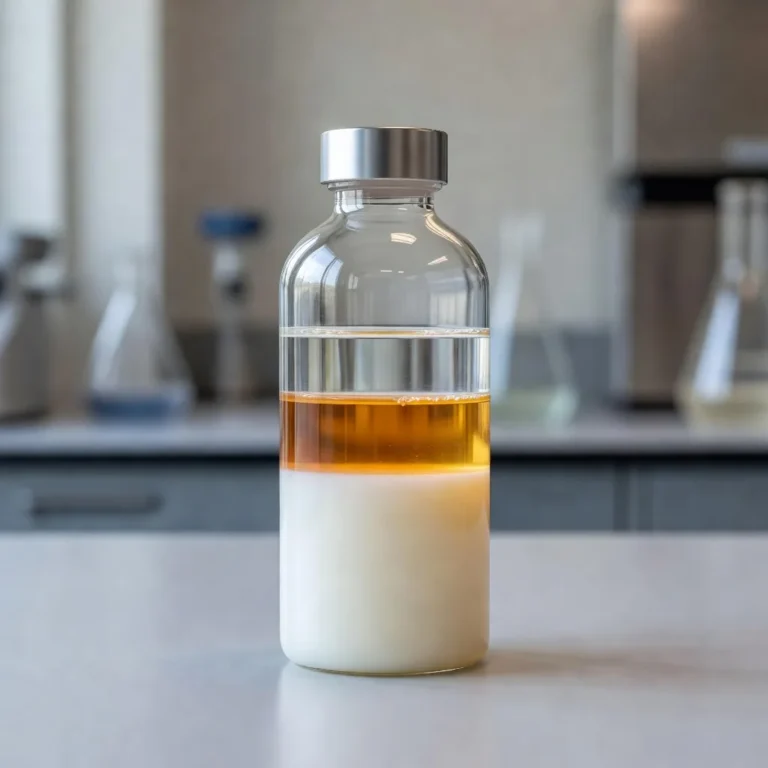
A wax base uses ingredients that are solid at room temperature, such as beeswax, candelilla, carnauba or synthetic waxes, to give a product structure. Wax-based products are firm, hold their shape, sit on the surface and resist smudging, so they last longer and seal in moisture well. An oil base uses liquid oils and esters, which spread easily, feel softer, give more shine and absorb or wear off faster. Many products combine both: waxes for structure and oils for slip and comfort. The balance determines how firm, glossy, long-lasting and comfortable a product feels.
Understanding the difference helps explain why a stick balm lasts longer than a gloss, why a cleansing balm feels different from a cleansing oil, and why some products feel heavy on oily skin.
Waxes and oils are also central to how moisturisers protect the skin. The American Academy of Dermatology recommends ointments and creams for very dry skin, because thicker, more occlusive textures help reduce water loss.
This guide explains how wax and oil bases differ, where you find each, how they behave on skin and lips, and how to choose between them.
Shopping these picks?
Amazon Prime members get fast, free shipping on eligible items, plus Prime Video, Amazon Music and member deals. New members can start with a free trial.
Start a free Prime trialAged 18 to 24? Prime for Young Adults comes with a longer free trial and a lower price after it.
Affiliate link: we may earn a commission at no extra cost to you.
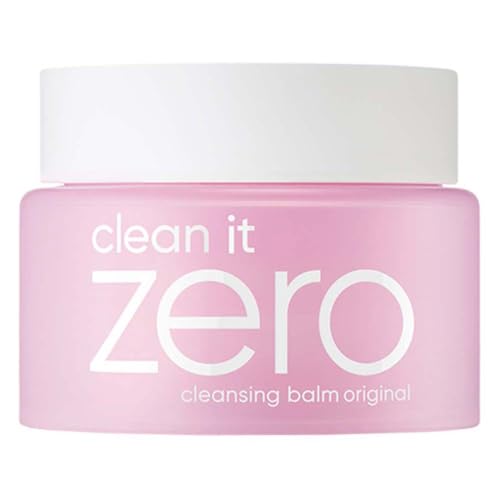
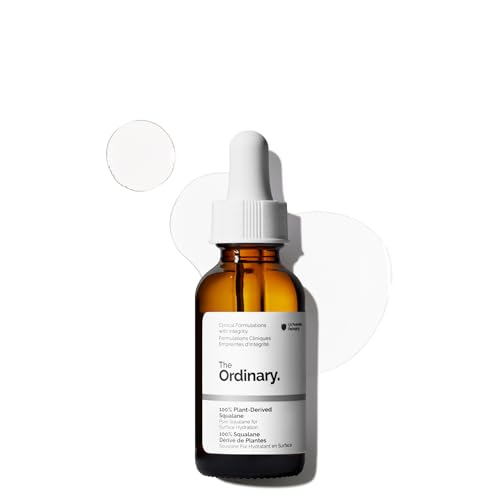
Recommended Wax-Based and Oil-Based Products
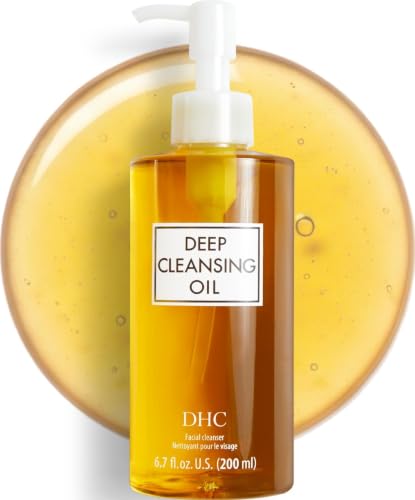
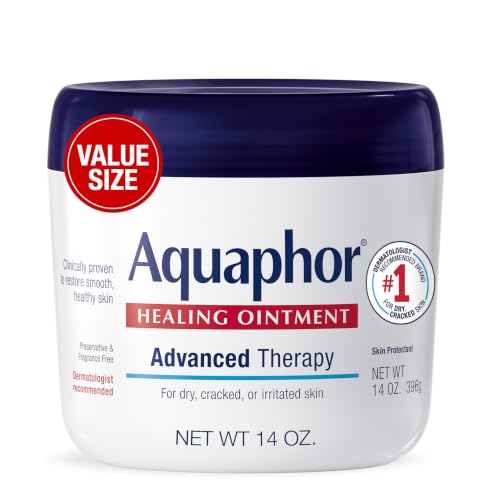
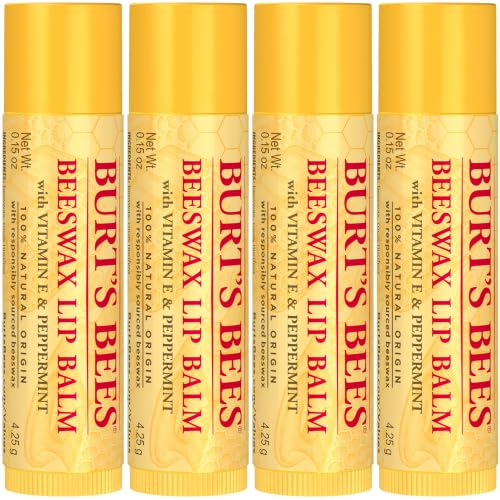


In Brief
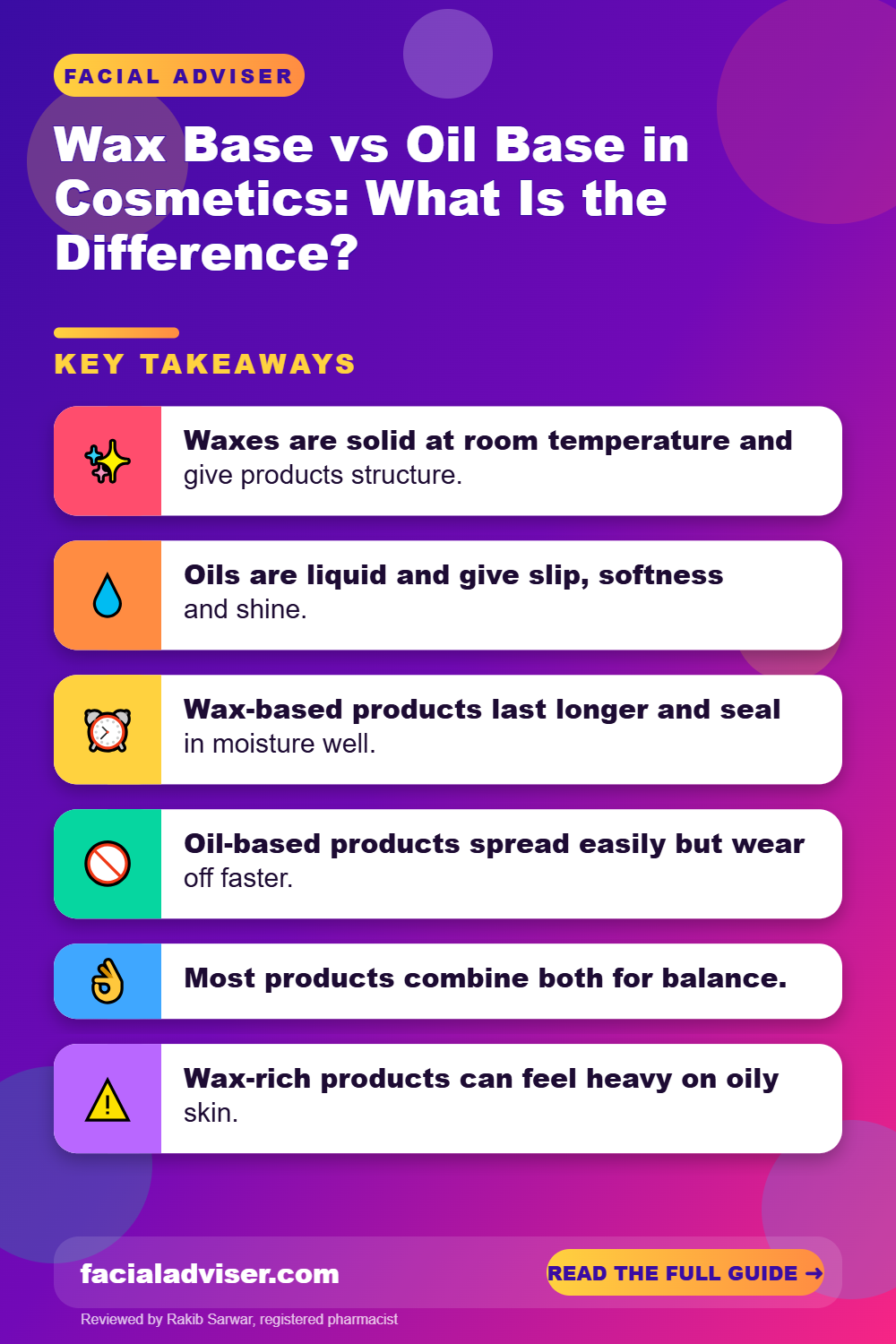
- Waxes are solid at room temperature and give products structure.
- Oils are liquid and give slip, softness and shine.
- Wax-based products last longer and seal in moisture well.
- Oil-based products spread easily but wear off faster.
- Most products combine both for balance.
- Wax-rich products can feel heavy on oily skin.
- Choose based on how long you need it to last and how it should feel.
Contents
- Wax Base vs Oil Base at a Glance
- Common Waxes in Cosmetics
- Common Oils in Cosmetics
- Wax vs Oil in Lip Products
- Cleansing Balms vs Cleansing Oils
- How to Choose Between Wax-Based and Oil-Based Products
- How Each Base Behaves on Skin
- Wax and Oil in Makeup
- Wax, Oil and Temperature
- Dos and Don’ts
- Honest Limits
- When to See a Dermatologist
- Common Questions
- The Bottom Line
Wax Base vs Oil Base at a Glance
| Feature | Wax base | Oil base |
|---|---|---|
| Texture | Firm, solid, holds shape | Liquid or soft |
| Application | Glides with some drag | Spreads easily |
| Finish | Satin to matte, sometimes slightly waxy | Glossy or dewy |
| Wear time | Longer | Shorter |
| Occlusion | High; seals in moisture | Varies; some absorb |
| Melting point | Higher; stable in warm weather | Liquid already |
| Examples | Lipsticks, balms, sticks, cleansing balms | Glosses, facial oils, cleansing oils, liquid highlighters |
Neither is better overall. The right base depends on what you want the product to do. A balm for chapped lips on a cold day and a glossy top coat for an evening out call for very different textures, even though both belong on the lips.
Waxes and oils are both lipids, and the line between them is not always sharp. Jojoba, for example, is technically a liquid wax, while shea butter sits somewhere between an oil and a wax.
Common Waxes in Cosmetics
- Beeswax (cera alba): a classic in balms and lipsticks; gives a soft, flexible structure.
- Candelilla wax: a plant wax often used in vegan balms and lipsticks.
- Carnauba wax: a hard plant wax that raises the melting point and adds shine.
- Microcrystalline and paraffin wax: mineral waxes that give structure and slip.
- Synthetic waxes: made to have consistent properties, often used in long-wear sticks.
- Petrolatum: not strictly a wax, but a semi-solid that behaves similarly and is highly occlusive.
Blending waxes lets formulators control how firm a stick is, how it glides and how it holds up in heat. A lipstick that snaps easily or melts in your bag usually has the wrong balance of waxes for the conditions. Wax blends also affect how pigment is held: a firmer stick tends to deposit colour more precisely, while a softer one gives a creamier, more blendable payoff.
Common Oils in Cosmetics
- Plant oils: jojoba, sunflower, castor, almond and many others add slip and nourishment.
- Squalane: a light, stable oil that spreads easily and suits most skin types.
- Mineral oil: a stable, non-reactive oil that is widely used and well tolerated.
- Esters: synthetic oils such as caprylic/capric triglyceride that feel light and non-greasy.
- Castor oil: thick and glossy, a common base for lip products.
Oils vary a lot in weight. Squalane and many esters feel light and absorb quickly, while castor oil feels thick and stays glossy. Our guide on whether facial oils clog pores explains which oils tend to suit oilier skin.
Oils also differ in how stable they are. Oils rich in delicate fatty acids, such as rosehip, can go rancid faster than stable oils like squalane or mineral oil, which is why some oil-based products include antioxidants such as vitamin E.
Wax vs Oil in Lip Products
Lip products show the difference most clearly. A traditional lipstick is mostly wax and oil in a firm stick, while a gloss is mostly oil, often thickened with polymers.
Wax-rich lip balms create a protective barrier that slows moisture loss, which is why they work well for chapped lips and cold weather. Oil-rich glosses feel softer and look shinier but wear off faster and offer less protection.
If your lips are very dry, a wax or petrolatum-based balm applied at night is usually more helpful than an oily gloss. During the day, a balm under lipstick can help it glide and stay comfortable. If you prefer shine, layering a thin gloss over a balm gives both protection and gloss.
If a lipstick feels dry, apply a thin layer of wax-based balm first and blot before adding colour. It gives the lipstick something to grip without making it slide.
Cleansing Balms vs Cleansing Oils
Cleansing balms are essentially oils thickened with waxes so they are solid in the jar and melt on the skin. Cleansing oils are liquid from the start. Both use emulsifiers so they rinse away with water.
Balms are less likely to spill and can feel more cushioning, which some people prefer for massage. Oils spread quickly and can be easier to rinse completely. Both work well for removing long-wear makeup and sunscreen. Whichever you choose, make sure it emulsifies and rinses cleanly, and follow with a gentle water-based cleanser if you are acne-prone.
Our guide to cleansing oils versus micellar water covers when each cleansing format works best. If you travel often, a solid balm in a tin is also less likely to leak than a bottle of oil.
How to Choose Between Wax-Based and Oil-Based Products
Decide how long it needs to last
Choose wax-based for longer wear, oil-based for a quick, soft finish.
Consider the finish you want
Wax gives a more set, satin finish; oil gives shine and glow.
Think about your skin type
Oily or acne-prone skin may prefer lighter oils and less wax on the face.
Check the climate
Wax-based sticks hold up better in heat; very oily products can slide.
Look at the first ingredients
Waxes or oils near the top show which base dominates.
Patch test
Some waxes and oils, including beeswax components, can irritate sensitive skin.
How Each Base Behaves on Skin
Wax-rich products are occlusive. They sit on top of the skin and form a barrier, which helps very dry, chapped or wind-exposed skin. The same property can feel heavy on oily skin and, for some people, contribute to clogged pores if used all over the face.
Oils vary. Light oils and esters absorb or spread thinly, while heavier oils sit on the surface. On the face, light oils are generally easier to wear than wax-heavy balms, especially for oily or acne-prone skin.
The AAD’s tips for relieving dry skin recommend ointments and creams over lotions for dry skin, which reflects the protective value of thicker, more occlusive bases.
Some people react to beeswax components such as propolis, or to lanolin, which is often found in wax-based balms. If a lip balm causes swelling, itching or peeling, stop using it and see a doctor if it persists.
Wax and Oil in Makeup
Cream blush, cream eyeshadow sticks and stick foundations use waxes to hold pigment and give a firm, portable format. They tend to last well and blend with warmth from your fingers.
Liquid highlighters, glosses and some skin tints rely more on oils and light esters for a dewy, sheer effect. They look fresh but can slide or fade faster, especially on oily skin. Setting only the T-zone lightly with powder can help them last without losing the glow elsewhere.
Many long-wear products use waxes alongside film formers and silicones. Our guide on what makes foundation waterproof explains how these ingredients work together.
Wax, Oil and Temperature
Temperature has a big effect on wax and oil products. Waxes soften as they warm, which is why a stick balm glides more easily after you hold it for a moment, and why lipstick can melt in a hot car.
| Product | In cool weather | In hot weather |
|---|---|---|
| Wax-based lipstick or balm | Firm; may feel slightly draggy | Softer; can melt if very hot |
| Cleansing balm | Firm in the jar; melts on skin | Softer; may look slightly oily |
| Cream stick makeup | Stays firm; blends with finger warmth | Blends easily; may crease faster |
| Oil-based gloss or facial oil | Can thicken slightly | Runs more; may migrate |
Formulators adjust the blend of waxes to suit different climates. Harder waxes such as carnauba raise the melting point, which helps products survive warm weather.
At home, storing wax-based products away from direct sunlight, radiators and hot cars keeps them in shape. If a lipstick has melted and re-set, it is usually still safe to use, but the texture may be grainy.
Dos and Don’ts
Try This
- Use wax-based balms for very dry or chapped lips
- Choose oil-based products for glow and shine
- Check the first ingredients to see the base
- Store wax sticks away from heat
- Patch test balms if you have sensitive skin
Avoid This
- Use heavy wax balms all over oily skin
- Expect oil-based glosses to last all day
- Leave sticks in a hot car
- Assume natural waxes cannot irritate
- Rub wax-based products hard into skin
Honest Limits
Real formulas are more complex than a simple wax or oil label. Most products mix waxes, oils, butters, silicones and polymers, and small changes in the balance make a big difference.
How a product feels also depends on your skin, the weather and how you apply it. A balm that feels comfortable in winter may feel heavy in summer, and vice versa.
Trying products and noticing how they wear on your own skin and lips is the best guide. Keeping one wax-based balm and one lighter oil-based product on hand covers most needs through the year.
When to See a Dermatologist
- Your lips are persistently cracked, peeling or sore despite balm.
- You develop swelling, itching or a rash after using a lip or skin product.
- You break out after using wax-rich products on your face.
- You have dry, scaly patches that do not respond to moisturising.
This article is for general information and does not replace professional medical advice. See a dermatologist for persistent skin concerns.
Common Questions
What is the difference between a wax base and an oil base?
Wax bases are firm and long-lasting; oil bases are softer, glossier and wear off faster.
Which is better for dry lips?
Wax or petrolatum-based balms usually protect dry lips better.
Why does lipstick last longer than gloss?
Lipstick has more wax, which holds pigment and resists wearing off.
Are wax-based products bad for oily skin?
They can feel heavy and may clog pores for some people if used all over the face.
Is jojoba an oil or a wax?
Technically a liquid wax, though it behaves like a light oil.
What is the difference between a cleansing balm and a cleansing oil?
A balm is oil thickened with wax; an oil is liquid. Both remove makeup well.
Can beeswax cause allergies?
Some people react to beeswax components such as propolis.
Why do some lipsticks melt in heat?
Their wax blend has a lower melting point.
What gives cream shadow its staying power?
Waxes and film formers help it hold pigment in place.
Is petrolatum a wax?
Not strictly, but it is semi-solid and very occlusive, behaving similarly in balms.
The Bottom Line
Wax bases give cosmetics structure, staying power and a protective seal, while oil bases give slip, softness and shine but wear off faster. Most products blend the two.
Choose wax-rich products for long wear and very dry lips or skin, oil-based products for glow and a softer feel, and lighter textures on oily or acne-prone skin. Patch test if you are sensitive.

Written by
Registered pharmacist and founder of Facial Adviser. Rakib's pharmacy training covers how skincare actives work and interact; a later course in cosmetology turned that into a focus on facial treatments and skincare products. He plans, researches and edits every guide on the site and checks health claims against sources such as the American Academy of Dermatology, the FDA and the NIH. He is not a dermatologist; see the Editorial Policy and Medical Disclaimer.
About · Editorial policy · How we choose products · Medical disclaimer · Contact
Keep reading: How cosmetics are made
- How to Read a Cosmetic Ingredient List: A Beginner Guide
- Matte vs Satin Finish: Which Foundation Finish Suits You?
- How to Create a Glossy Finish Without Oil: A Dewy Look for Any Skin
- Does Talc Cause Breakouts? What the Evidence Says About Talc in Makeup
- What Is Hypoallergenic Makeup? What the Label Really Means
- What Are Emollients? Examples, How They Work and How to Choose