How to Tell if a Cosmetic Is Really Fragrance-Free
If fragrance makes your skin itch, sting or break out, choosing products labelled fragrance-free seems like the obvious answer. But labels can be misleading. Some unscented products contain masking fragrance, and some products marketed as clean or natural are packed with essential oils that behave just like perfume on the skin.
Part of our guide to cosmetic science. Start with: How to Read a Cosmetic Ingredient List: A Beginner Guide
To tell whether a cosmetic is truly fragrance-free, read the full ingredient list rather than relying on front-of-pack claims. Look for fragrance, parfum, aroma or flavour, essential oils, scented plant extracts and named fragrance allergens such as limonene, linalool, citronellol, geraniol and eugenol. Remember that unscented can mean a masking fragrance has been added to hide the smell of other ingredients. If your skin is sensitive, test a new product on a small patch of skin, such as the inner forearm, for a week or more before using it on your face.
Fragrance is one of the most common causes of allergic contact dermatitis from cosmetics. The American Academy of Dermatology recommends that people with sensitive skin choose products labelled fragrance-free, and test new products before using them widely.
The FDA notes that there are no official definitions for terms such as fragrance-free and unscented in cosmetic labelling, so the ingredient list is the only reliable guide.
This guide explains what the labels mean, how to spot hidden fragrance on an ingredient list, why your nose is not a reliable test, and how to patch test products at home.
Shopping these picks?
Amazon Prime members get fast, free shipping on eligible items, plus Prime Video, Amazon Music and member deals. New members can start with a free trial.
Start a free Prime trialAged 18 to 24? Prime for Young Adults comes with a longer free trial and a lower price after it.
Affiliate link: we may earn a commission at no extra cost to you.
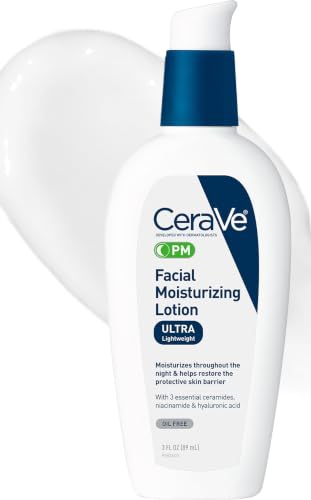
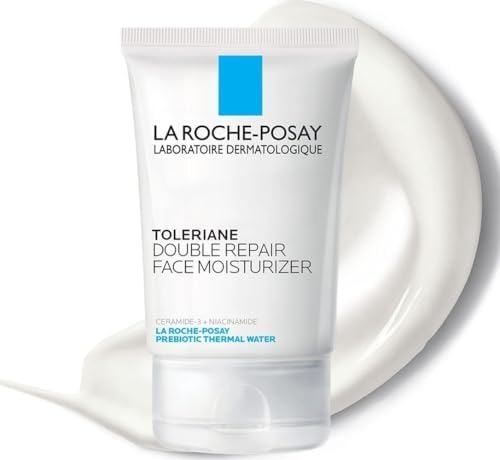
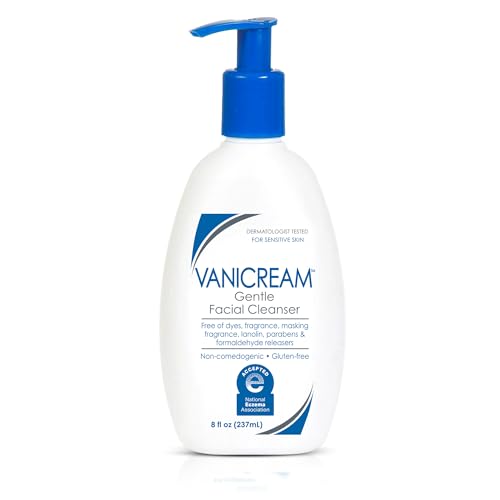
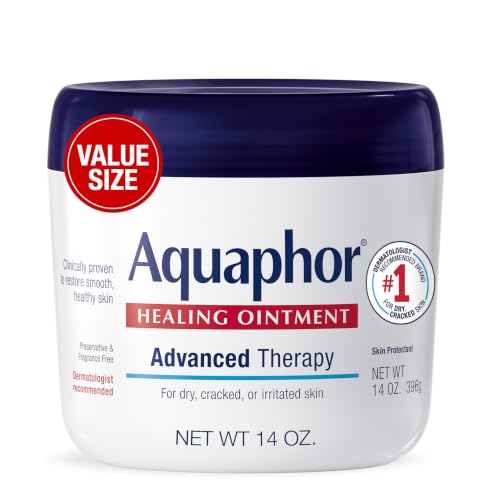
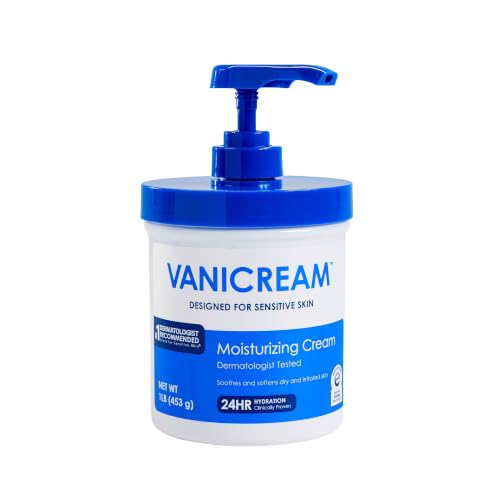
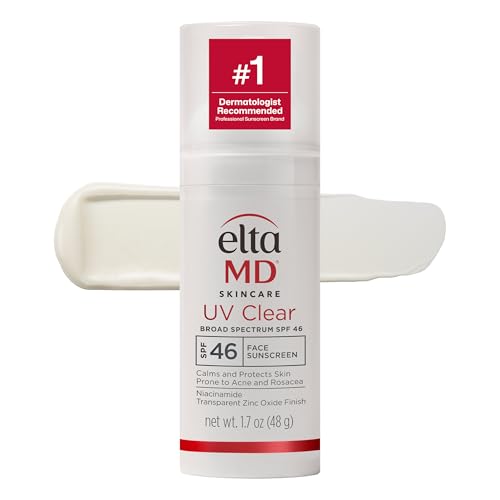
Recommended Fragrance-Free Skincare Basics

Jump to a Section
- Fragrance-Free vs Unscented
- Ingredient Names That Signal Fragrance
- Why Your Nose Is Not a Reliable Test
- How to Check and Test a Product for Fragrance
- Where Hidden Fragrance Often Turns Up
- Fragrance Allergy vs Irritation
- Building a Fragrance-Free Routine
- Smart Shopping for Sensitive Skin
- Dos and Don’ts
- Essential Oils Count Too
- Honest Limits
- When to See a Dermatologist
- FAQ
- Where This Leaves You
Quick Answer
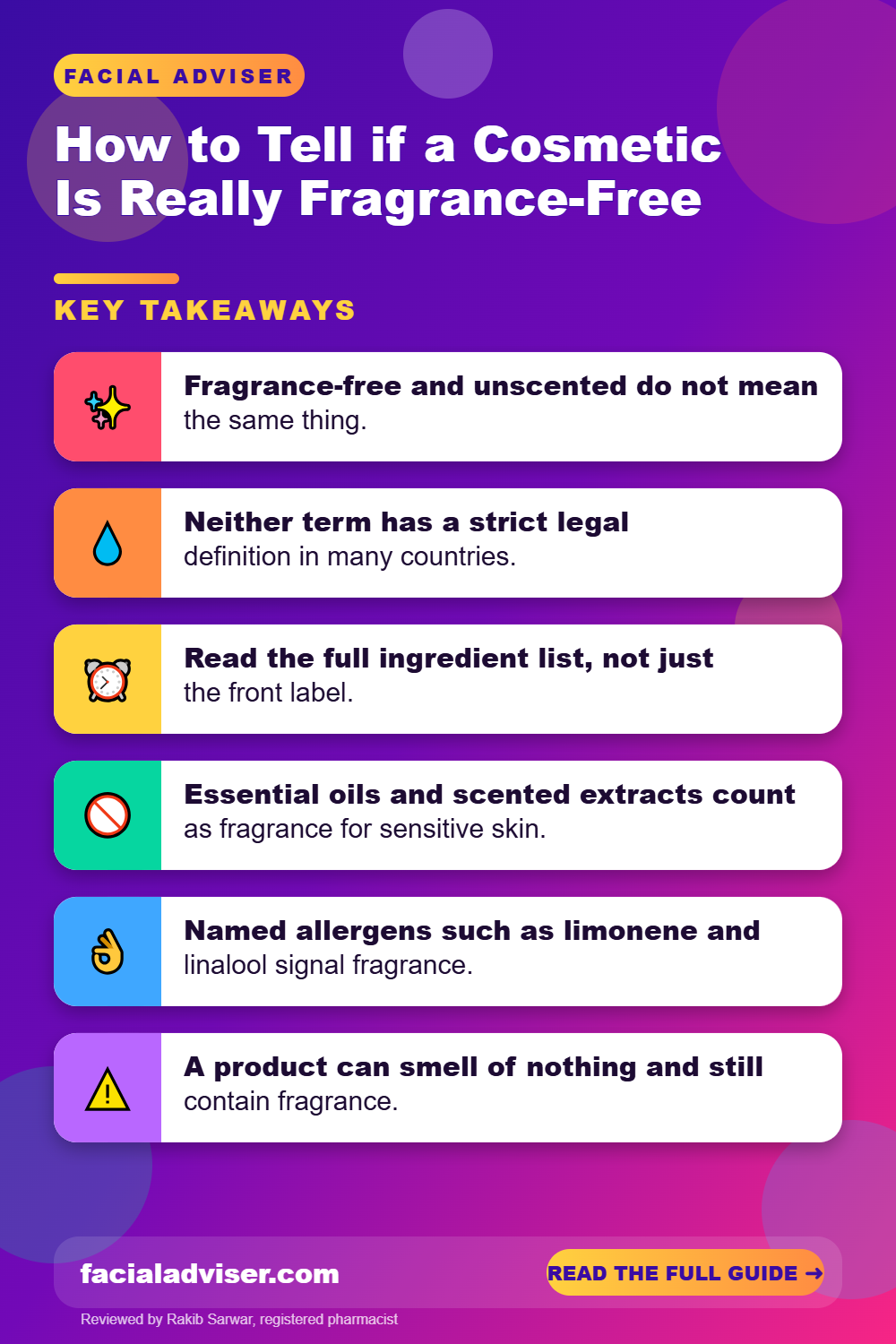
- Fragrance-free and unscented do not mean the same thing.
- Neither term has a strict legal definition in many countries.
- Read the full ingredient list, not just the front label.
- Essential oils and scented extracts count as fragrance for sensitive skin.
- Named allergens such as limonene and linalool signal fragrance.
- A product can smell of nothing and still contain fragrance.
- Patch test new products for a week or more.
Fragrance-Free vs Unscented
| Label | What it usually means | What to watch for |
|---|---|---|
| Fragrance-free | No fragrance added for scent | May still contain scented plant extracts or essential oils |
| Unscented | No noticeable smell | May contain a masking fragrance to cover other odours |
| No added perfume | No perfume blend added | Essential oils may still be present |
| Natural fragrance | Scent from plant sources | Essential oils can be strong allergens |
| Hypoallergenic | Brand claims low allergy risk | Not a regulated term; may still contain fragrance |
The FDA explains in its guidance on fragrances in cosmetics that fragrance ingredients may be listed simply as fragrance, and that products labelled unscented can contain fragrance ingredients to mask other smells.
A base ingredient that happens to have a scent, such as a plant oil, is not the same as added fragrance, but it can still irritate sensitive skin. Reading the list tells you what is there, whatever the label claims.
Ingredient Names That Signal Fragrance
- Fragrance, parfum, aroma or flavour: a blend of scent ingredients that may not be listed individually.
- Essential oils: lavender, tea tree, peppermint, rose, citrus, eucalyptus, ylang ylang and others.
- Named fragrance allergens: limonene, linalool, citronellol, geraniol, eugenol, isoeugenol, coumarin, cinnamal, citral, farnesol, benzyl alcohol, benzyl benzoate and others.
- Scented extracts and waters: rose water, orange peel oil, vanilla extract, and other botanicals added partly for smell.
- Balsam of Peru (Myroxylon pereirae): a known fragrance allergen that can appear in some products.
In the European Union, certain fragrance allergens must be named on the label when they are present above set levels, which is why you often see limonene or linalool listed separately. Other regions have different rules, and requirements are changing in some countries.
Not every ingredient on this list is always used for scent. Benzyl alcohol, for example, is also a preservative. But if several appear together, the product almost certainly contains fragrance.
If you have been diagnosed with a specific fragrance allergy, ask your dermatologist for a list of the names it can appear under. Some fragrance chemicals have several names, and a written list makes checking labels much quicker.
Why Your Nose Is Not a Reliable Test
Smelling a product is not a good way to check for fragrance. Some fragrance ingredients are present in tiny amounts that you may not notice but can still trigger a reaction in sensitised skin.
Masking fragrances are designed to cancel out odours from other ingredients, so the product may smell of very little while still containing fragrance chemicals.
On the other hand, a truly fragrance-free product can have a faint smell from its base ingredients, such as fatty alcohols, oils or sunscreen filters. That smell does not mean fragrance has been added.
Sense of smell also varies from person to person and changes with colds, allergies and age. Two people can smell the same product and disagree completely about whether it is scented, which is another reason not to rely on it.
The ingredient list is the only reliable way to judge, and a patch test is the only reliable way to see how your own skin reacts.
How to Check and Test a Product for Fragrance
Ignore the front label
Turn the product over and read the full ingredient list.
Look for fragrance terms
Check for fragrance, parfum, aroma or flavour.
Scan for essential oils and extracts
Look for named oils and strongly scented botanicals.
Check for named allergens
Watch for limonene, linalool, citronellol, geraniol, eugenol and similar names.
Patch test
Apply a small amount to the inner forearm twice a day for seven to ten days.
Watch for reactions
Redness, itching, swelling or bumps mean the product is not right for you.
Keep a record
Note products and ingredients that cause problems to spot patterns.
The AAD’s advice on how to test skin care products recommends applying a new product to a small area twice daily for seven to ten days before using it more widely.
Take a photo of the ingredient list before you throw away packaging. If you react to a product later, the photo makes it much easier to work out what caused it.
Where Hidden Fragrance Often Turns Up
| Product type | Why fragrance is common | What to check |
|---|---|---|
| Cleansers and body washes | Scent is a selling point | Fragrance, essential oils |
| Sunscreens | Some add fragrance to mask filter smell | Fragrance, masking agents |
| Makeup | Scent masks base ingredients | Fragrance in foundation, lipstick, powder |
| Natural and clean brands | Essential oils used as fragrance | Named oils and allergens |
| Hair products | Strong scents often used | Fragrance can transfer to the face |
| Laundry products | Residue on pillowcases and towels | Consider fragrance-free detergent |
Hair products and laundry detergents are easy to overlook. Scented shampoo, conditioner or styling products can run onto the forehead and hairline, and fragranced detergent residue on pillowcases touches your face every night.
Fragrance Allergy vs Irritation
Fragrance can cause two different kinds of reaction. Irritant reactions cause stinging, burning or redness soon after application and are more likely on sensitive or damaged skin. Allergic reactions develop in people who have become sensitised, often appearing a day or two after exposure as an itchy, red, sometimes bumpy rash.
Once you have a fragrance allergy, it usually lasts, and repeated exposure tends to make reactions worse. A dermatologist can use patch testing to identify which fragrance ingredients you react to.
The AAD’s page on contact dermatitis explains the difference between irritant and allergic reactions.
Stop using a product if you develop an itchy rash, swelling or blisters. Seek urgent medical help if you have facial swelling with difficulty breathing or swallowing.
Building a Fragrance-Free Routine
If you react to fragrance, the simplest approach is to start with a small number of fragrance-free basics and add products one at a time.
| Step | What to choose | Tip |
|---|---|---|
| Cleanser | Gentle, fragrance-free cleanser | Avoid scented foaming washes |
| Moisturiser | Fragrance-free cream or lotion | Short ingredient lists are easier to check |
| Sunscreen | Fragrance-free, often mineral | Some sunscreens add fragrance to mask filter smell |
| Lip care | Plain ointment or fragrance-free balm | Flavoured lip products often contain fragrance |
| Makeup | Fragrance-free foundation and powder | Check lipsticks and powders, which often contain scent |
Once your skin is calm on these basics, you can add one new product every couple of weeks, patch testing each one first. That way, if a reaction happens, you know which product caused it.
Smart Shopping for Sensitive Skin
Brands that make products for sensitive or eczema-prone skin often keep their whole range fragrance-free, which makes shopping easier. Even so, always check the list, because a brand’s formulas can change.
Online retailers usually show full ingredient lists. Checking them before you buy saves money and avoids opening a product you cannot use.
Samples and travel sizes are ideal for patch testing. If a product agrees with your skin for a couple of weeks, you can then commit to a full size with more confidence.
When a product you already trust is reformulated, the packaging often changes slightly or carries a new look. If you notice a redesign, check the ingredient list again before assuming it is the same formula, since fragrance is sometimes added or removed in updates.
Dos and Don’ts
Try This
- Read the full ingredient list
- Look for fragrance, parfum and essential oils
- Patch test for a week or more
- Keep a record of reactions
- Choose fragrance-free laundry products if sensitive
Avoid This
- Trust front-of-pack claims alone
- Assume unscented means fragrance-free
- Rely on smell to judge
- Assume natural means gentle
- Keep using products that cause a rash
Essential Oils Count Too
Many products that avoid synthetic fragrance use essential oils instead, often marketed as natural or clean. For fragrance-sensitive skin, these can be just as problematic, and sometimes more so, because essential oils contain the same types of fragrance allergens.
Lavender, tea tree, citrus, peppermint and ylang ylang oils are common examples. They can be pleasant to use, but if your skin reacts to fragrance, they are worth avoiding in leave-on products. Rinse-off products such as cleansers expose the skin for less time, but can still cause problems for people with a strong allergy.
Our guide on which cosmetic preservatives are mild covers other ingredients that commonly cause reactions.
Honest Limits
Labelling rules for fragrance differ between countries and are changing in some places. This article gives general guidance; the specific allergens listed on your products will depend on where they are sold.
Home patch testing can show whether a product irritates or sensitises your skin, but it cannot identify exactly which ingredient is responsible. Only formal patch testing by a dermatologist can do that.
Even fragrance-free products can cause reactions to other ingredients, such as preservatives or plant extracts. Fragrance-free reduces risk for many people but does not guarantee a product will suit you, so patch testing is still worthwhile.
When to See a Dermatologist
- You react to many different cosmetics or skincare products.
- You have a persistent rash on the face, eyelids or neck.
- Rashes keep returning even after switching to fragrance-free products.
- You want formal patch testing to identify your allergens.
This article is for general information and does not replace professional medical advice. See a dermatologist for persistent skin concerns.
FAQ
What is the difference between fragrance-free and unscented?
Fragrance-free usually means no fragrance is added; unscented may include masking fragrance.
How can I tell if a product contains fragrance?
Read the ingredient list for fragrance, parfum, essential oils and named allergens.
Are essential oils fragrance?
For sensitive skin, yes. They contain fragrance allergens.
What is limonene in skincare?
A fragrance compound often found in citrus oils; it is a known allergen for some people.
Can a product smell of nothing and still contain fragrance?
Yes, especially if it contains a masking fragrance.
Is hypoallergenic the same as fragrance-free?
No. Hypoallergenic is not a regulated term and does not guarantee no fragrance.
How do I patch test a new product?
Apply to the inner forearm twice daily for seven to ten days and watch for reactions.
Can fragrance allergy develop later in life?
Yes. Allergies can develop after repeated exposure.
Can laundry detergent affect facial skin?
Fragranced residue on pillowcases and towels can irritate sensitive skin.
Why does my fragrance-free product smell?
Base ingredients can have a natural odour without added fragrance.
Where This Leaves You
Fragrance-free and unscented are not the same, and neither label is tightly defined. The ingredient list is the only reliable way to check for fragrance, including essential oils and named allergens such as limonene and linalool.
If your skin is sensitive, choose fragrance-free products, remember that natural scents count too, and patch test new products for a week or more. See a dermatologist if reactions keep happening.

Written by
Registered pharmacist and founder of Facial Adviser. Rakib's pharmacy training covers how skincare actives work and interact; a later course in cosmetology turned that into a focus on facial treatments and skincare products. He plans, researches and edits every guide on the site and checks health claims against sources such as the American Academy of Dermatology, the FDA and the NIH. He is not a dermatologist; see the Editorial Policy and Medical Disclaimer.
About · Editorial policy · How we choose products · Medical disclaimer · Contact
Keep reading: How cosmetics are made