Which Cosmetic Preservatives Are Mild? A Plain-English Guide
Preservatives have a bad reputation in skincare marketing, with labels proudly announcing what a product is free from. Yet any product that contains water needs something to stop bacteria and mould from growing in it, and an unpreserved or poorly preserved cream can be far riskier for your skin than a well-preserved one.
Part of our guide to cosmetic science. Start with: How to Read a Cosmetic Ingredient List: A Beginner Guide
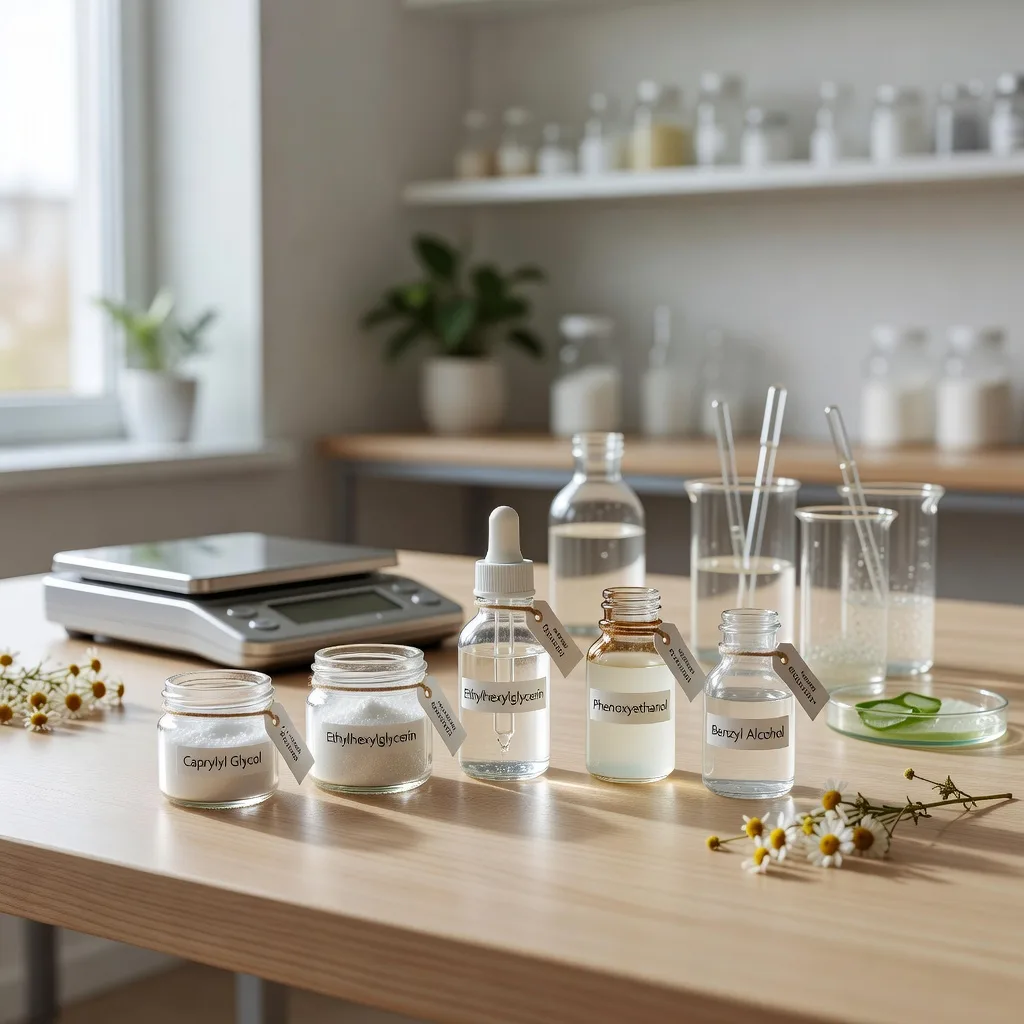
Most cosmetic preservatives are used at low levels and are well tolerated by most people. Among the milder, less commonly allergenic options are phenoxyethanol, parabens, and organic acids such as sodium benzoate and potassium sorbate, often boosted by ingredients such as ethylhexylglycerin or caprylyl glycol. The preservatives most often linked to allergic reactions are methylisothiazolinone (MI), methylchloroisothiazolinone (MCI) and formaldehyde-releasing preservatives. If you have sensitive skin or a known allergy, patch testing is the best way to find out what you react to.
Mild does not mean risk-free. Anyone can develop an allergy to almost any ingredient, and reactions depend on the concentration, how often you use the product and whether it is rinsed off or left on the skin.
The American Academy of Dermatology lists preservatives among the ingredients in skincare and cosmetics that can cause allergic contact dermatitis, alongside fragrances. A dermatologist can use patch testing to identify exactly which ingredients cause a reaction.
This guide explains why preservatives are needed, which are generally considered mild, which cause the most reactions, and how to choose products if your skin is sensitive.
Shopping these picks?
Amazon Prime members get fast, free shipping on eligible items, plus Prime Video, Amazon Music and member deals. New members can start with a free trial.
Start a free Prime trialAged 18 to 24? Prime for Young Adults comes with a longer free trial and a lower price after it.
Affiliate link: we may earn a commission at no extra cost to you.
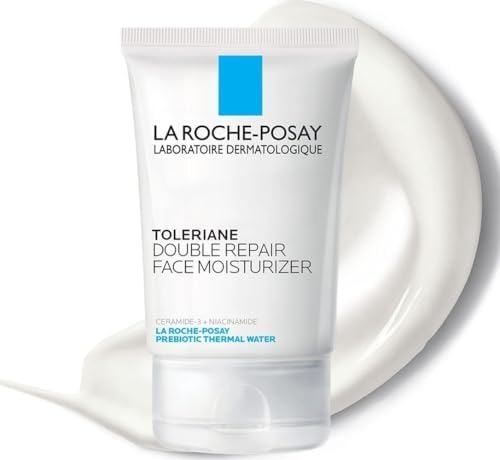
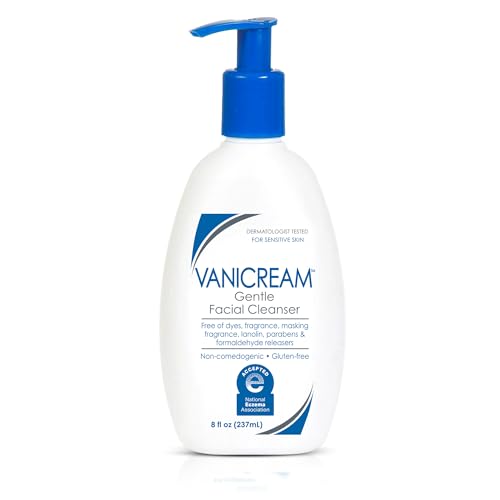
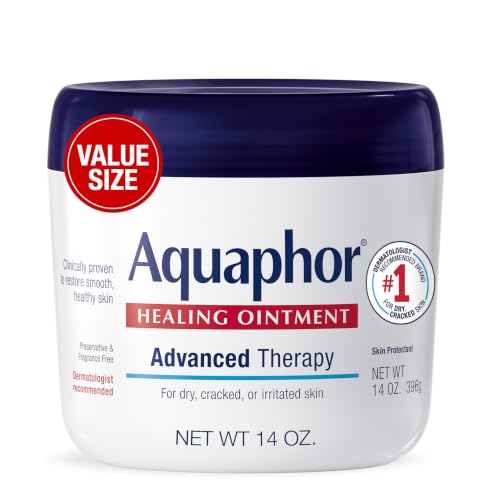
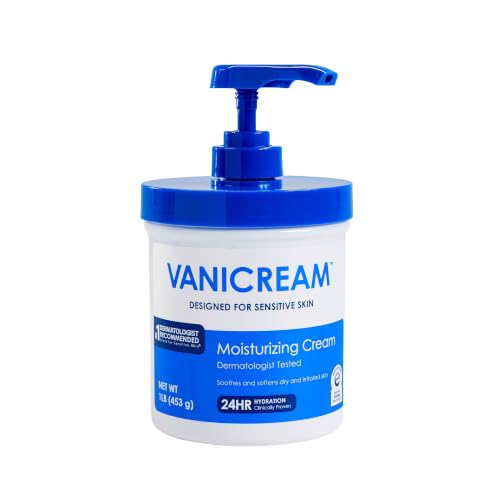
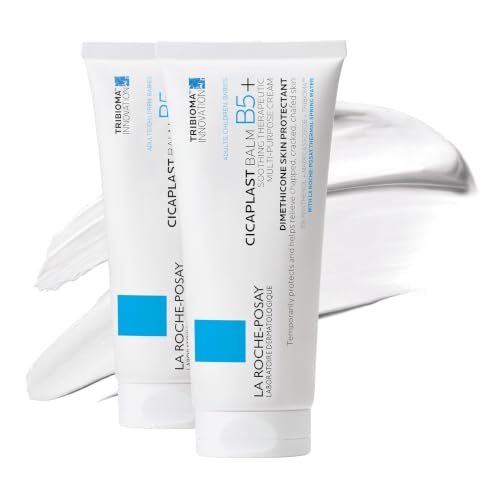
Recommended Products for Preservative-Sensitive Skin
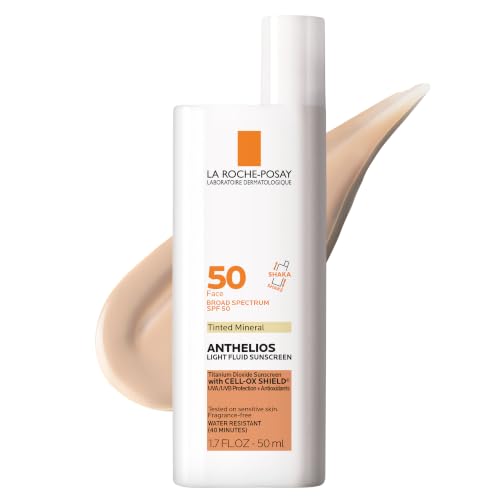
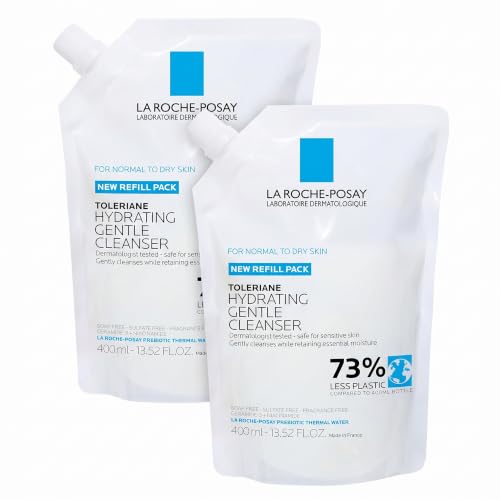
Quick Answer
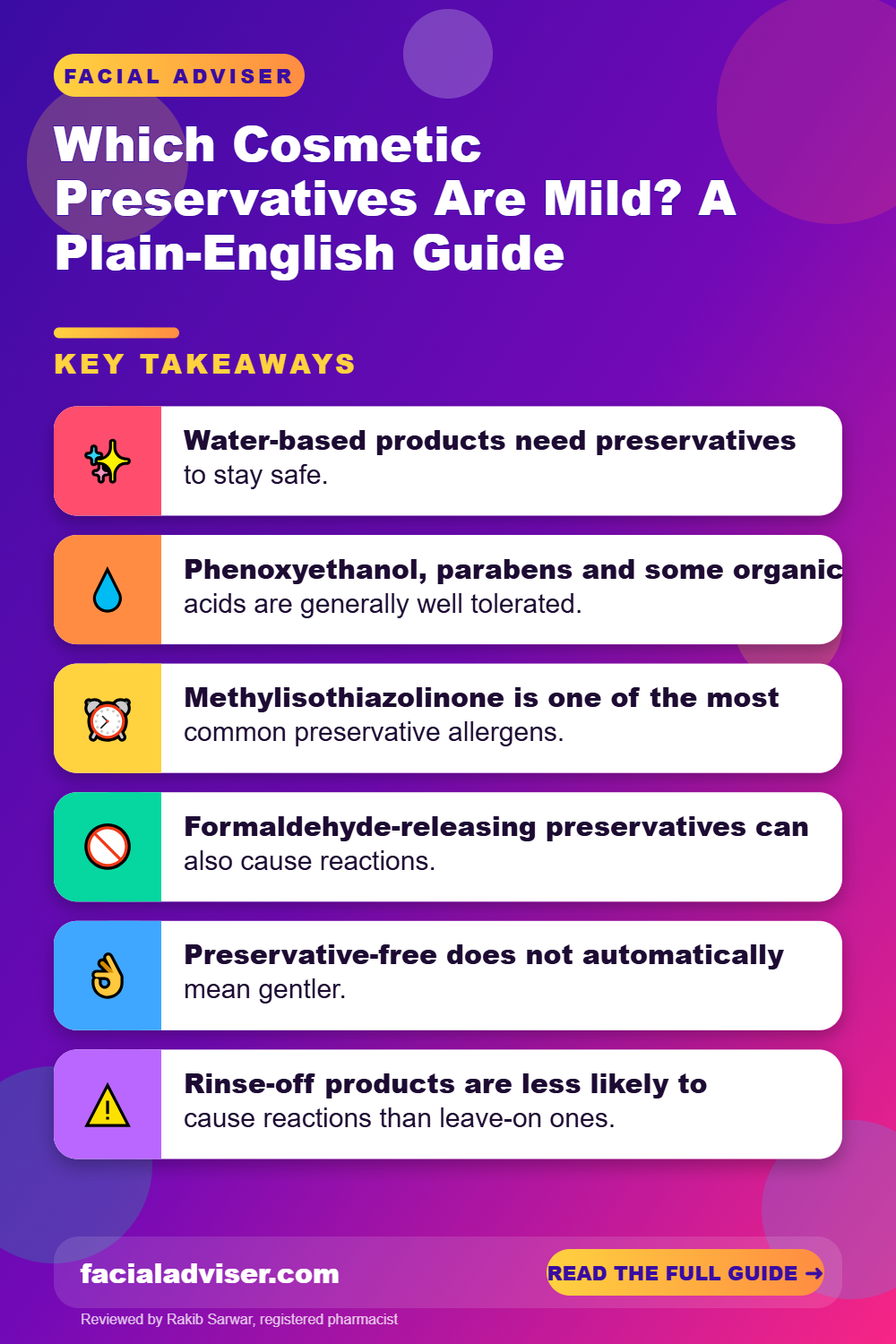
- Water-based products need preservatives to stay safe.
- Phenoxyethanol, parabens and some organic acids are generally well tolerated.
- Methylisothiazolinone is one of the most common preservative allergens.
- Formaldehyde-releasing preservatives can also cause reactions.
- Preservative-free does not automatically mean gentler.
- Rinse-off products are less likely to cause reactions than leave-on ones.
- Patch testing identifies your specific allergies.
What This Covers
- Why Cosmetics Need Preservatives
- Common Preservatives at a Glance
- Preservatives Generally Considered Mild
- Preservatives Most Often Linked to Allergies
- Is Preservative-Free Better?
- How to Choose Products If You React to Preservatives
- Rinse-Off Versus Leave-On Products
- Reading Preservatives on a Label
- Expiry, Storage and Contamination
- Dos and Don’ts
- Honest Limits
- When to See a Dermatologist
- Your Questions, Answered
- The Takeaway
Why Cosmetics Need Preservatives
Creams, lotions, cleansers and serums often contain water, along with ingredients such as sugars, proteins and plant extracts that microbes can feed on. Every time you dip your fingers into a jar or open a bottle, you introduce bacteria and fungal spores.
Without preservation, a product can become contaminated within weeks, sometimes without any change you can see or smell. Contaminated cosmetics have been linked to skin and eye infections.
Preservatives are used at low concentrations to keep microbial growth in check for the life of the product. Waterless products such as oils, balms and powders need less preservation, which is why they are often marketed as preservative-free.
Regulators in many regions set limits on which preservatives can be used and at what concentrations. Products are also expected to pass preservative efficacy testing, sometimes called a challenge test, which checks that the formula can resist deliberate contamination.
Packaging also helps. Airless pumps, tubes and single-use containers limit contamination and can allow lower preservative levels than open jars.
Common Preservatives at a Glance
| Preservative | Where you see it | General reputation |
|---|---|---|
| Phenoxyethanol | Very widely used in skincare and makeup | Generally well tolerated at typical levels |
| Parabens (methyl-, ethyl-, propyl-, butylparaben) | Creams, lotions, makeup | Low allergy rate on intact skin; controversial in media |
| Sodium benzoate, potassium sorbate | Natural-positioned and food-grade products | Generally mild; work best in acidic formulas |
| Benzyl alcohol | Various products | Usually well tolerated; can irritate some people |
| Ethylhexylglycerin, caprylyl glycol | Used as boosters alongside other preservatives | Generally mild; occasional reactions |
| Methylisothiazolinone (MI) and MCI | Mainly rinse-off products | Common cause of allergic contact dermatitis |
| Formaldehyde releasers (DMDM hydantoin, quaternium-15, imidazolidinyl and diazolidinyl urea) | Shampoos, cleansers, some cosmetics | Known allergens for some people |
This table reflects general patterns in dermatology, not guarantees. A preservative that is mild for most people can still cause a reaction in someone who is sensitised to it.
Preservatives Generally Considered Mild
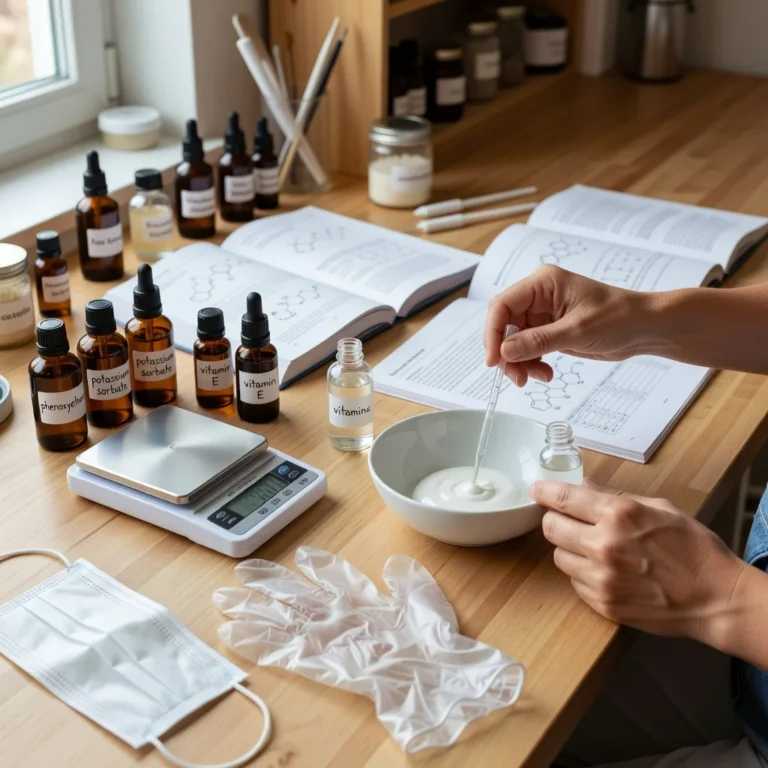
Phenoxyethanol is one of the most widely used preservatives in skincare. It is used at low concentrations and is generally well tolerated, though it can occasionally irritate very sensitive skin. Parabens have been used for decades and have a low rate of allergic reactions when applied to intact skin. Concerns about parabens in the media have centred on hormone-like effects, which regulators have reviewed and which remain a subject of debate. Many dermatologists still consider them among the less allergenic preservatives. Organic acids such as sodium benzoate, potassium sorbate and sorbic acid are also used in food. They are generally mild but work best in slightly acidic products and may need to be combined with other preservatives. Boosters such as ethylhexylglycerin, caprylyl glycol and 1,2-hexanediol are often used alongside a main preservative so that lower amounts of each are needed.Using a combination of milder preservatives at lower levels is a common way for formulators to protect a product while keeping the risk of irritation down. That is why you will often see two or three of these names together near the end of an ingredient list, rather than a single preservative at a higher concentration.
Preservatives Most Often Linked to Allergies
Methylisothiazolinone (MI) became a major cause of allergic contact dermatitis in the 2010s as its use in cosmetics increased. The American Contact Dermatitis Society named it Allergen of the Year in 2013. The European Union later banned MI in leave-on cosmetics and restricted it in rinse-off products. Methylchloroisothiazolinone (MCI), often combined with MI, is also a known sensitiser. Formaldehyde-releasing preservatives, such as DMDM hydantoin, quaternium-15, imidazolidinyl urea and diazolidinyl urea, slowly release small amounts of formaldehyde. People allergic to formaldehyde can react to them.The AAD’s page on contact dermatitis explains how allergic reactions to ingredients develop and how they are diagnosed.
If you develop an itchy, red rash, especially on the eyelids, face or neck, after using a new product, stop using it. Repeated exposure to an allergen usually makes reactions worse.
Is Preservative-Free Better?
Not necessarily. Some preservative-free products are genuinely well designed, such as oils, balms and single-use or airless-packaged products that do not need much preservation.
But a water-based cream sold as preservative-free in an open jar can be a contamination risk. Some products labelled preservative-free also rely on ingredients with preservative properties, such as certain essential oils or high levels of alcohol, which can themselves irritate sensitive skin.
Labels such as free from parabens or natural preservatives do not guarantee a product is gentler. Replacing a well-studied preservative with a less-studied one may simply swap one potential allergen for another.
Our guide to waterless skincare explains when products genuinely need fewer preservatives.
How to Choose Products If You React to Preservatives
Note the pattern
Keep track of which products cause reactions and look for shared ingredients.
See a dermatologist for patch testing
Patch testing can identify the exact ingredient you react to.
Read ingredient lists
Once you know your allergen, check every product for it and its alternative names.
Choose simple formulas
Products with fewer ingredients reduce the number of possible triggers.
Favour protective packaging
Pumps and tubes help products stay clean with less preservation.
Patch test new products
Apply to a small area for several days before using on your face.
Keep a photo of the ingredient list of any product that causes a reaction. It makes it much easier for a dermatologist to narrow down the cause.
Rinse-Off Versus Leave-On Products
How long a preservative stays on your skin affects the risk of a reaction. Cleansers and shampoos are rinsed off within a minute or two, so exposure is brief. Moisturisers, serums, sunscreens and makeup stay on for hours.
| Product type | Contact time | Relative reaction risk |
|---|---|---|
| Cleanser, shampoo | About a minute | Lower |
| Toner, micellar water | Wiped or left on | Moderate |
| Serum, moisturiser | Hours | Higher |
| Sunscreen, makeup | Hours, often daily | Higher |
| Eye products | Hours, on thin skin | Higher |
That is why some preservatives are allowed in rinse-off products at levels that would not be acceptable in leave-on products, and why a reaction to a moisturiser is more common than to a cleanser with the same preservative.
If you have sensitive skin, focusing on the ingredients in your leave-on products usually makes the biggest difference. Your moisturiser and sunscreen are on your face for many hours every day, so they are the products most worth checking carefully.
Our guide on exfoliating sensitive skin covers other ways to reduce irritation in a sensitive routine.
Reading Preservatives on a Label
Preservatives are listed by their chemical names in the ingredient list, usually towards the end because they are used in small amounts. Knowing a few names makes them easy to spot.
- Phenoxyethanol usually appears under that name.
- Parabens end in -paraben, such as methylparaben or propylparaben.
- Isothiazolinones appear as methylisothiazolinone and methylchloroisothiazolinone, sometimes together.
- Formaldehyde releasers include DMDM hydantoin, quaternium-15, imidazolidinyl urea, diazolidinyl urea and sodium hydroxymethylglycinate.
- Organic acids include sodium benzoate, potassium sorbate, benzoic acid and sorbic acid.
If you have been diagnosed with an allergy, your dermatologist may give you a list of alternative names to watch for. Some ingredients appear under several names, which makes checking harder without that list.
Remember that the order of ingredients reflects amount only for ingredients above about one percent in many regions. Preservatives are usually below that level, so their position does not tell you much about how much is present.
Expiry, Storage and Contamination
Even a well-preserved product has limits. Preservatives are designed to protect a product for a certain time after opening, often shown as an open-jar symbol with a number of months.
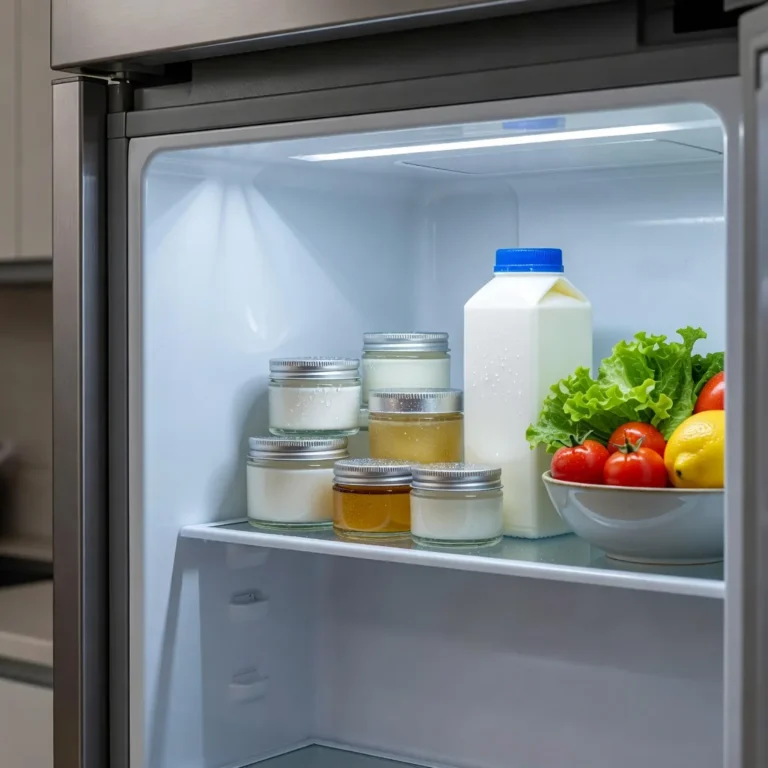
Using products past that period, storing them in a hot bathroom, dipping wet fingers into jars or adding water to a product can overwhelm the preservative system. Signs of contamination include changes in smell, colour or texture, separation, or mould.
If a product has changed, throw it away. Using a contaminated product can cause breakouts, irritation or, in rare cases, infection, particularly around the eyes.
Dos and Don’ts
Helps
- Accept that water-based products need preservation
- Choose simple, fragrance-free formulas if sensitive
- Patch test new products
- Get patch tested if reactions keep happening
- Store products closed and away from heat
Backfires
- Assume preservative-free means safer
- Keep using a product that causes a rash
- Share or dilute skincare products
- Use products past their expiry date
- Rely on free-from labels alone
Honest Limits
Allergy rates for preservatives vary between countries and over time, depending on how widely each preservative is used. Generalisations about which are mild are based on patch-testing data and clinical experience, not guarantees for any individual.
Research on the long-term effects of some preservatives, particularly parabens, continues, and regulators periodically update their assessments. This article does not cover those debates in depth; it focuses on skin reactions. For the vast majority of people, preserved skincare used as directed is safe, and the benefits of preventing contamination outweigh the small risk of a reaction.
If you are concerned about a specific preservative, checking the latest guidance from regulators and speaking to a dermatologist will give the most accurate picture.
When to See a Dermatologist
- You get repeated rashes after using skincare, makeup or hair products.
- You have itchy, swollen or scaly eyelids.
- A rash spreads beyond where you applied a product.
- You want patch testing to identify your allergens.
Patch testing is the most reliable way to identify an allergy to a preservative or other ingredient.
This article is for general information and does not replace professional medical advice. See a dermatologist for persistent skin concerns.
Your Questions, Answered
Which cosmetic preservatives are mildest?
Phenoxyethanol, parabens and organic acids such as sodium benzoate are generally well tolerated.
Which preservatives cause the most allergies?
Methylisothiazolinone, methylchloroisothiazolinone and formaldehyde releasers are common culprits.
Are parabens bad for skin?
They have a low allergy rate on intact skin, though they remain controversial in the media.
Is phenoxyethanol safe?
It is widely used and generally well tolerated at typical levels.
Is preservative-free skincare better?
Not necessarily; water-based products without preservation can become contaminated.
What is a formaldehyde releaser?
A preservative that slowly releases small amounts of formaldehyde to prevent microbial growth.
How do I know if I am allergic to a preservative?
Patch testing by a dermatologist can identify the specific ingredient.
Are natural preservatives gentler?
Not always; some natural alternatives can also irritate or cause allergies.
Why are rinse-off products less likely to cause reactions?
They stay on the skin for a much shorter time.
Can I develop a preservative allergy later in life?
Yes. Allergies can develop after repeated exposure.
The Takeaway
Preservatives keep water-based skincare safe. Phenoxyethanol, parabens and organic acids are generally mild, while methylisothiazolinone and formaldehyde releasers are more often linked to allergies.
If you react to skincare, keep track of ingredients, choose simple formulas and ask a dermatologist about patch testing. Preservative-free is not automatically gentler.

Written by
Registered pharmacist and founder of Facial Adviser. Rakib's pharmacy training covers how skincare actives work and interact; a later course in cosmetology turned that into a focus on facial treatments and skincare products. He plans, researches and edits every guide on the site and checks health claims against sources such as the American Academy of Dermatology, the FDA and the NIH. He is not a dermatologist; see the Editorial Policy and Medical Disclaimer.
About · Editorial policy · How we choose products · Medical disclaimer · Contact
Keep reading: How cosmetics are made
- How to Read a Cosmetic Ingredient List: A Beginner Guide
- Physical vs Chemical SPF in Cosmetics: What the Difference Means
- What Is a Chelating Agent in a Cosmetic Formula?
- How to Tell if a Cosmetic Is Really Fragrance-Free
- What Is a Multi-Phase Formula? Bi-Phase Products Explained
- Why Stability Testing Matters for Skincare and Cosmetics