What Is a Multi-Phase Formula? Bi-Phase Products Explained
Some bottles on your bathroom shelf arrive in two or even three distinct layers, often in different colours, with a note to shake well before use. Eye makeup removers are the most familiar example, but multi-phase formulas also turn up in toners, serums, facial mists and sunscreens, and they can be confusing if you have never used one before.
Part of our guide to cosmetic science. Start with: How to Read a Cosmetic Ingredient List: A Beginner Guide
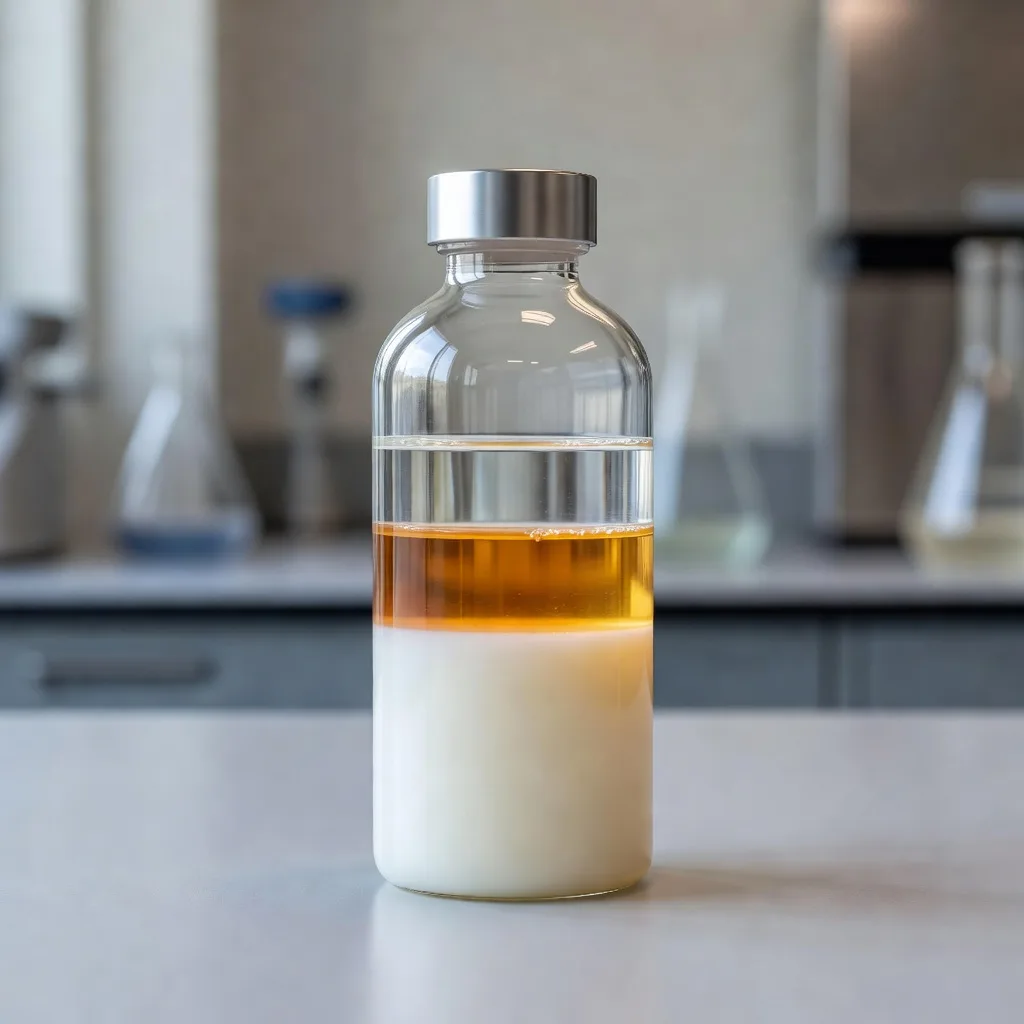
A multi-phase formula is a product that contains two or more liquid layers that do not stay mixed, usually an oil phase and a water phase. Shaking the bottle combines them briefly so you get some of each in every use, then they separate again as the product settles. Brands use this approach to combine oil-soluble and water-soluble ingredients without heavy emulsifiers, which is especially useful for removing waterproof makeup. To use one well, shake it thoroughly every time and remove any oily film afterwards if it bothers you.
Most creams and lotions are emulsions, where oil and water are held together by emulsifiers so they stay mixed. Multi-phase products deliberately leave out most or all of the emulsifier, letting the layers separate.
The result is a product that feels lighter than a cream but can dissolve oily makeup and sunscreen better than a purely water-based product. It sits somewhere between a micellar water and a cleansing oil.
This guide explains what multi-phase formulas are, why brands choose them, where you will find them and how to get the best results.
Shopping these picks?
Amazon Prime members get fast, free shipping on eligible items, plus Prime Video, Amazon Music and member deals. New members can start with a free trial.
Start a free Prime trialAged 18 to 24? Prime for Young Adults comes with a longer free trial and a lower price after it.
Affiliate link: we may earn a commission at no extra cost to you.
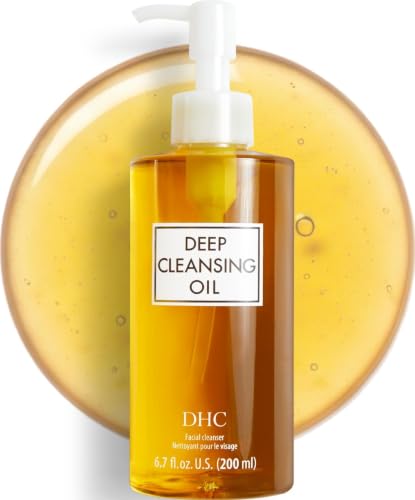
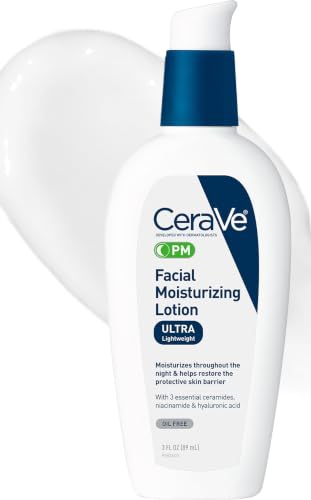
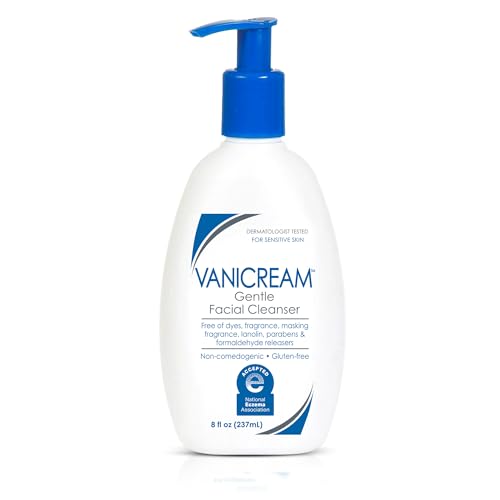
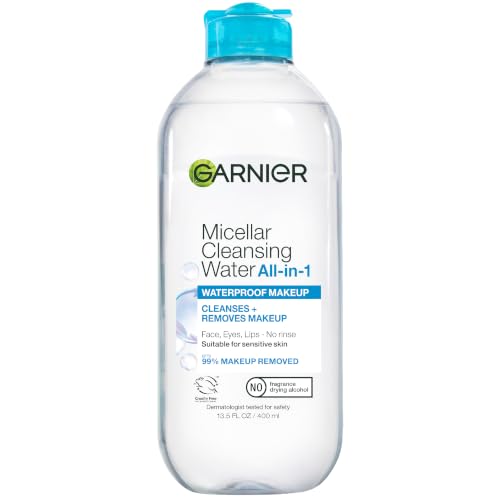
Recommended Bi-Phase Removers and Gentle Cleansers


At a Glance
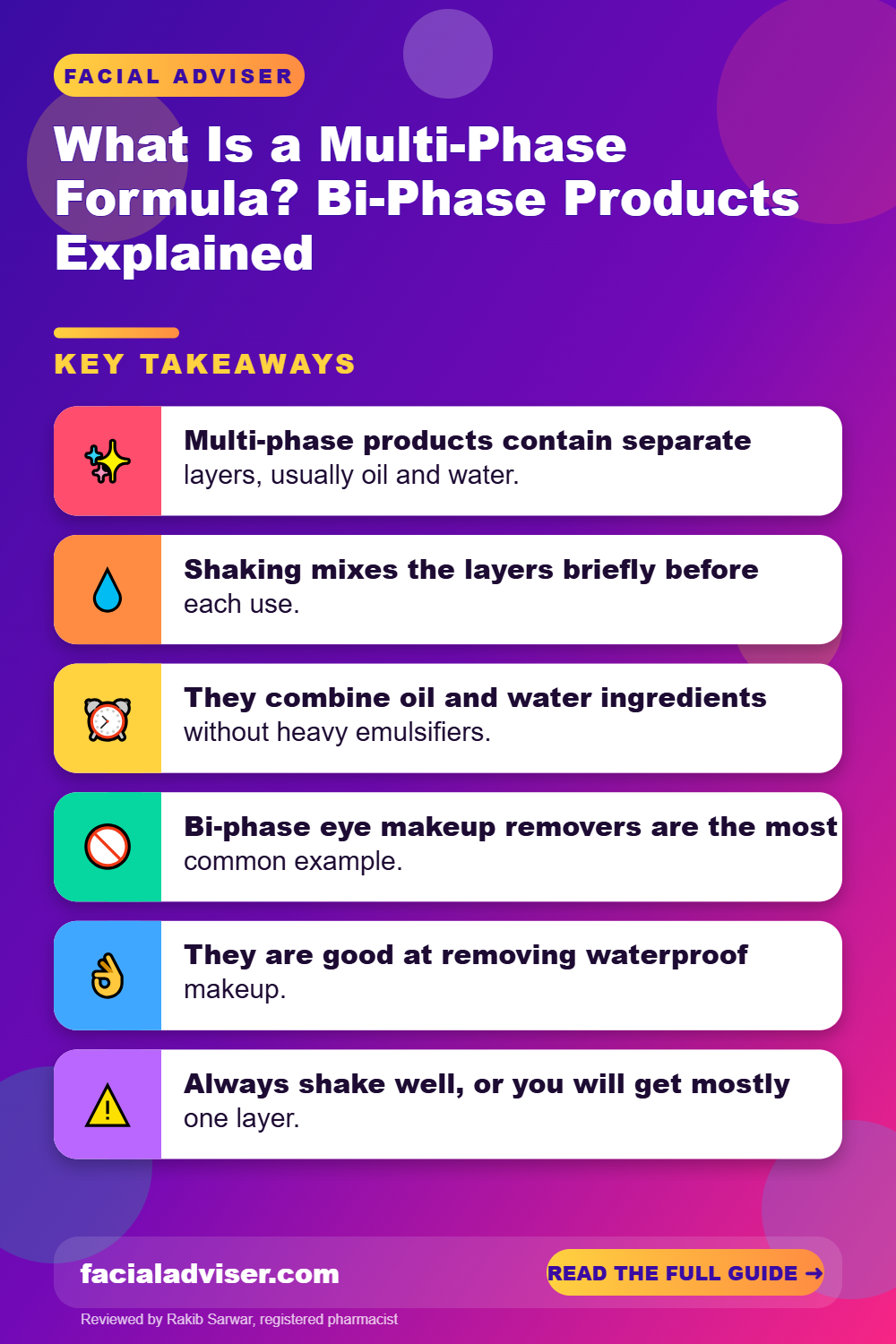
- Multi-phase products contain separate layers, usually oil and water.
- Shaking mixes the layers briefly before each use.
- They combine oil and water ingredients without heavy emulsifiers.
- Bi-phase eye makeup removers are the most common example.
- They are good at removing waterproof makeup.
- Always shake well, or you will get mostly one layer.
- Some leave a light oily film that can be rinsed off.
Jump to a Section
- Multi-Phase vs Emulsion vs Single Phase
- Why Brands Use Multi-Phase Formulas
- Where You Will Find Multi-Phase Products
- How to Use a Bi-Phase Product
- Why Shaking Matters
- Multi-Phase Products and Sensitive Eyes
- Dealing With Oily Residue
- How to Choose a Bi-Phase Remover
- Stability and Shelf Life
- Dos and Don’ts
- Honest Limits
- When to See a Doctor
- Questions People Ask
- Where This Leaves You
Multi-Phase vs Emulsion vs Single Phase
| Type | What it is | Example products |
|---|---|---|
| Single phase | One uniform liquid or gel | Toners, micellar water, most serums |
| Emulsion | Oil and water mixed and held together by emulsifiers | Creams, lotions, most moisturisers |
| Bi-phase | Two separate layers that mix when shaken | Eye makeup removers, some toners and mists |
| Tri-phase or multi-phase | Three or more layers | Some cleansing waters, serums and mists |
| Suspension | Particles or beads held in a gel | Serums with visible beads or capsules |
Emulsions look uniform because emulsifiers surround tiny droplets of one phase and keep them spread through the other. Multi-phase products do not have enough emulsifier to do this, so the layers separate within minutes or hours.
The oil phase usually floats on top because oils are less dense than water. The water phase often contains mild cleansing agents, soothing ingredients or a small amount of salt to help the layers separate cleanly and quickly, which is why a good bi-phase product snaps back into two neat layers after shaking.
Separation in a multi-phase product is normal and intended. Separation in a cream or lotion that is supposed to be uniform usually means the product has become unstable and may be past its best.
Why Brands Use Multi-Phase Formulas
Dissolving oily makeup. Waterproof mascara and long-wear makeup are designed to resist water. The oil phase dissolves them, while the water phase helps lift and rinse residue and leaves a fresher feel than oil alone. Fewer emulsifiers. Emulsifiers can irritate some people’s eyes and skin. Leaving them out allows a gentler formula for sensitive areas such as the eyes, and it means less residue is left behind after wiping. Lightweight feel. Because there is no thick emulsion, multi-phase products feel light and quick to apply. Separating incompatible ingredients. Some ingredients are more stable when kept apart until use. Separate phases can help protect them. Visual appeal. Layered colours look distinctive on a shelf, and shaking the bottle is part of the experience. This is marketing as much as function, and it is worth remembering that a pretty bottle does not make a formula more effective.Where You Will Find Multi-Phase Products
- Eye and lip makeup removers: the classic bi-phase product, designed for waterproof makeup.
- Micellar waters for waterproof makeup: some add an oil phase to single-phase micellar water.
- Toners and essences: some combine a hydrating water layer with a thin oil layer.
- Facial mists: oil-and-water mists that add a light glow.
- Sunscreens: some shake-before-use sunscreens separate on standing.
- Hair products: two-phase conditioning sprays are common.
Our comparison of cleansing oils versus micellar water explains how bi-phase removers fit between the two.
Bi-phase toners and mists are usually designed to leave a little oil behind, adding softness or a light glow. They are best suited to normal or dry skin. If you are oily or acne-prone, a single-phase hydrating toner is usually a more comfortable choice.
How to Use a Bi-Phase Product
Shake well
Shake the bottle firmly until the layers are fully mixed.
Use straight away
Apply before the layers start to separate again.
Soak a cotton pad
Use enough to saturate the pad rather than dragging a dry pad.
Hold on the eyes
Press the pad gently on closed eyes for a few seconds to dissolve makeup.
Wipe gently
Sweep downwards and outwards without rubbing hard.
Rinse if needed
Rinse with water or follow with a gentle cleanser to remove any oily film.
If a bi-phase remover leaves your vision blurry, it is usually a thin film of oil on the eye. Blinking and rinsing with clean water usually clears it within a minute or two.
Why Shaking Matters
If you do not shake a multi-phase product, you will mostly get the top layer, which is usually the lighter oil phase. As you use the bottle, the balance changes, so the last few uses may be almost entirely water.
That uneven dosing means the product may not remove makeup as well, or it may feel oilier or wetter than intended. Shaking every time keeps each use consistent. A few firm shakes for five to ten seconds is usually enough; you should see a uniform, slightly cloudy liquid before you pour.
For sunscreens that separate, shaking is even more important. The UV filters may be concentrated in one phase, so not shaking could mean uneven protection. Always follow the directions on the label.
If a shake-before-use sunscreen does not mix evenly even after shaking, or has changed in colour or smell, replace it. Uneven mixing can mean uneven protection.
Multi-Phase Products and Sensitive Eyes
Eye makeup removers are among the most common multi-phase products because the eye area is sensitive and needs gentle removal. Many are designed to be free from fragrance and alcohol, which can sting.
The FDA’s guidance on eye cosmetic safety advises removing eye makeup gently and stopping use of any product that causes irritation.
If a bi-phase remover stings, look for a fragrance-free version or try a single-phase micellar water or a cleansing oil instead. Contact lens wearers may prefer to remove lenses before using an oily remover.
Our guide on what to do if makeup gets in your eye covers what to do if something irritates your eyes.
Dealing With Oily Residue
The oil phase can leave a light film on the skin and lashes. Some people like the softening effect; others find it heavy or notice it blurs their vision briefly.
If you use a bi-phase remover before bed, a quick rinse or a gentle cleanse afterwards removes the film. If you are acne-prone, following with a gentle, water-based cleanser is a good habit. It also stops the oil from interfering with any night treatments you apply afterwards.
Our guide on whether skipping cleanser at night matters explains why a proper evening cleanse is worth it after removing heavy makeup.
How to Choose a Bi-Phase Remover
Not all bi-phase removers are the same. The ratio of oil to water, the type of oil and the extra ingredients all affect how they feel and how well they work.
- For waterproof makeup: choose a remover with a more noticeable oil layer, which dissolves long-wear products faster.
- For sensitive eyes: look for fragrance-free and alcohol-free formulas, ideally ophthalmologist-tested.
- For contact lens wearers: remove lenses first, as oil can cling to them.
- For acne-prone skin: use bi-phase removers only around the eyes and cleanse the rest of the face with a gentle water-based cleanser.
- For lash extensions: check with your technician, as oil can loosen some adhesives.
| Makeup you wear | Best remover type | Why |
|---|---|---|
| Waterproof mascara and liner | Bi-phase remover | Oil phase dissolves water-resistant films |
| Everyday mascara | Micellar water or bi-phase | Either works; micellar is lighter |
| Full face long-wear makeup | Cleansing oil or balm | Covers the whole face more easily |
| Light makeup or none | Gentle cleanser or micellar water | No need for an oily remover |
If you rarely wear waterproof makeup, a single-phase micellar water may be all you need. Bi-phase removers are most useful when regular cleansers struggle, or when you need to remove eye makeup quickly without tugging at delicate skin. Keeping one small bottle for special occasions is often enough.
Stability and Shelf Life
Because multi-phase products are meant to separate, it can be harder to tell when they have gone off. Signs to watch for include layers that no longer mix when shaken, cloudiness that was not there before, an unusual smell or a change in colour.
Like other water-containing products, multi-phase formulas need preservatives, and they have a recommended period after opening, usually shown as an open-jar symbol. Using them within that time and keeping the cap closed helps them stay safe.
Eye products deserve extra care. If a remover smells odd or has changed, replace it rather than risk irritating your eyes. Our guide on which cosmetic preservatives are mild explains why preservation matters in water-based products.
Dos and Don’ts
Good Habits
- Shake well before every use
- Use a well-soaked pad for eye makeup
- Hold the pad on the eyes before wiping
- Rinse or cleanse afterwards if acne-prone
- Choose fragrance-free versions for sensitive eyes
Common Mistakes
- Use without shaking
- Rub the eyes hard
- Assume separation in a cream is normal
- Keep using a product that stings
- Share eye makeup removers or pads
Honest Limits
Multi-phase formulas are a formulation choice, not a sign of better quality. A well-made single-phase micellar water or cleansing oil can work just as well for many people.
Some multi-phase products are mainly about looks. Colourful layers in a serum or mist may not add any benefit beyond what a single-phase version could offer.
The best product is the one that removes your makeup comfortably without irritation. If a bi-phase remover suits you, keep it; if not, other formats are perfectly good. Many people use a bi-phase remover only on days they wear waterproof mascara and rely on a simpler cleanser the rest of the week, which is a sensible, economical approach.
When to See a Doctor
- Your eyes stay red, painful or watery after using a remover.
- You notice swelling or itching of the eyelids.
- You have blurred vision that does not clear after rinsing.
- You develop a rash around the eyes or on the face.
This article is for general information and does not replace professional medical advice. See a doctor for persistent eye or skin concerns.
Questions People Ask
What is a multi-phase formula?
A product with two or more layers, usually oil and water, that mix when shaken.
What does bi-phase mean?
A product with two separate layers that you shake together before use.
Why do I need to shake a bi-phase product?
To combine the layers so each use contains both the oil and water parts.
Are bi-phase removers good for waterproof makeup?
Yes. The oil phase dissolves waterproof mascara and long-wear makeup.
Why does my vision blur after eye makeup remover?
A thin film of oil on the eye; blinking and rinsing usually clear it.
Is separation in a cream normal?
No. Unlike bi-phase products, separation in a cream usually means it is unstable.
Are multi-phase products better than micellar water?
Not necessarily; they are better for waterproof makeup, but micellar water suits lighter makeup.
Do I need to rinse after a bi-phase remover?
It is optional, but rinsing or cleansing removes the oily film.
Are bi-phase products safe for sensitive eyes?
Many are designed for sensitive eyes; choose fragrance-free versions.
Can sunscreen be multi-phase?
Yes. Some sunscreens separate and need shaking before use.
Where This Leaves You
Multi-phase formulas keep oil and water in separate layers that mix when shaken. They are especially useful for removing waterproof makeup without heavy emulsifiers.
Shake well every time, use a soaked pad and gentle strokes, and rinse or cleanse afterwards if you dislike the oily film. If a multi-phase product irritates your eyes, switch to a fragrance-free version or a different format.

Written by
Registered pharmacist and founder of Facial Adviser. Rakib's pharmacy training covers how skincare actives work and interact; a later course in cosmetology turned that into a focus on facial treatments and skincare products. He plans, researches and edits every guide on the site and checks health claims against sources such as the American Academy of Dermatology, the FDA and the NIH. He is not a dermatologist; see the Editorial Policy and Medical Disclaimer.
About · Editorial policy · How we choose products · Medical disclaimer · Contact