Why Stability Testing Matters for Skincare and Cosmetics
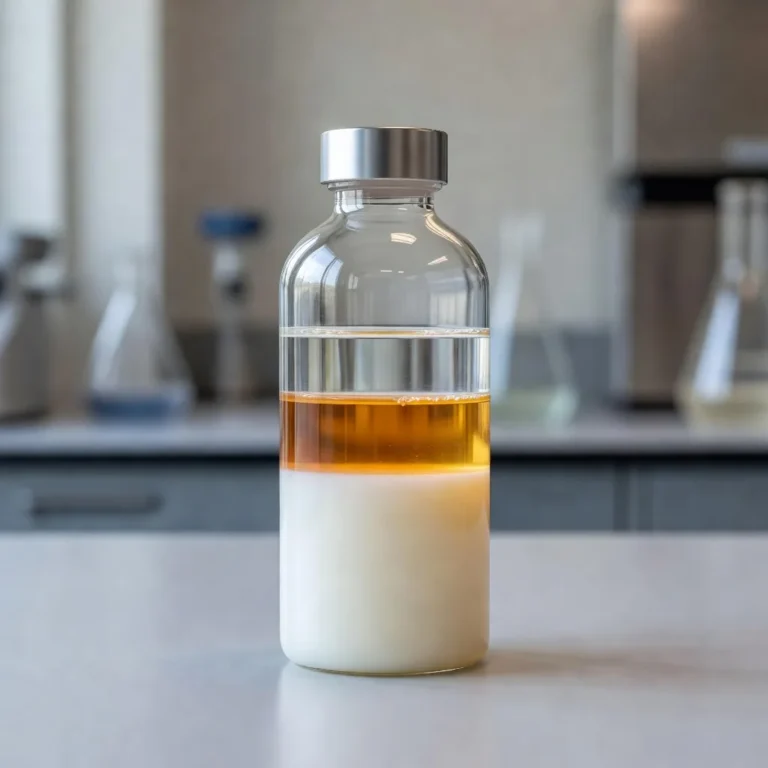
A moisturiser that separates, a sunscreen that turns grainy or a serum that goes brown halfway through the bottle are all signs of a product that is not stable. Stability testing is how responsible brands try to prevent those problems before a product ever reaches the shop shelf or your bathroom.
Part of our guide to cosmetic science. Start with: How to Read a Cosmetic Ingredient List: A Beginner Guide
Stability testing checks whether a cosmetic keeps its intended quality over time and under realistic conditions. Brands store samples at different temperatures, expose them to light, freeze and thaw them, and test them in their final packaging, looking for changes in texture, colour, smell, pH, active ingredient levels and preservative performance. The results help set the shelf life and period after opening, and they matter to you because an unstable product can be less effective, irritating or contaminated.
You will rarely see stability testing mentioned on a label, but its results are behind the expiry date or open-jar symbol on many products and the storage instructions on the packaging.
In the United States, the FDA notes that the law does not require cosmetics to carry expiration dates, but manufacturers are responsible for making sure their products are safe. Stability testing is a key part of how they do that.
This guide explains what stability testing involves, why it matters, how to read shelf-life symbols and how to spot a product that has become unstable at home, so you can get the most from what you buy.
Shopping these picks?
Amazon Prime members get fast, free shipping on eligible items, plus Prime Video, Amazon Music and member deals. New members can start with a free trial.
Start a free Prime trialAged 18 to 24? Prime for Young Adults comes with a longer free trial and a lower price after it.
Affiliate link: we may earn a commission at no extra cost to you.
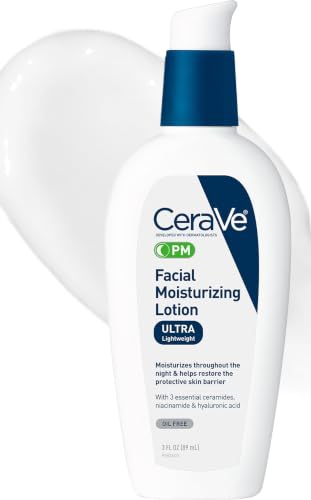
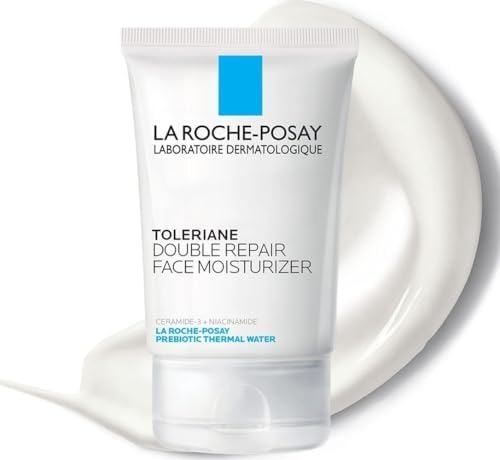
Recommended Well-Packaged Everyday Products

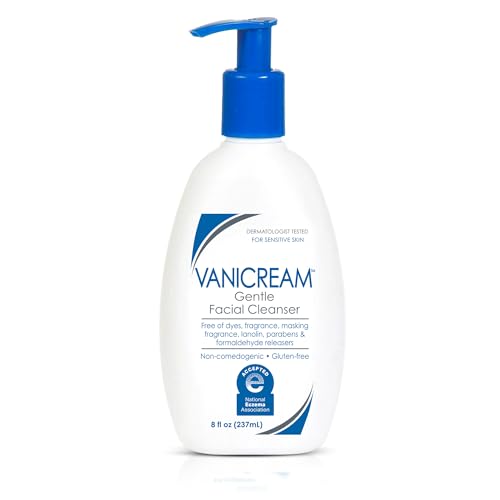
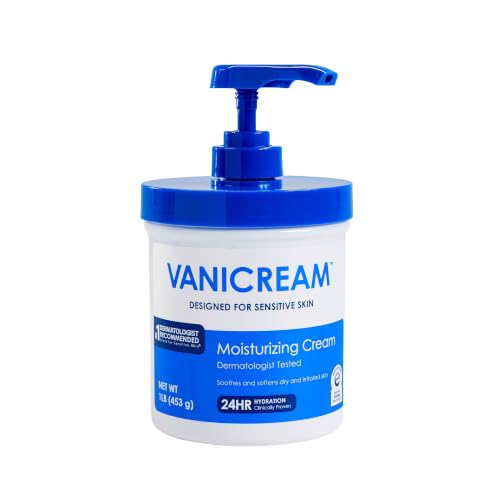
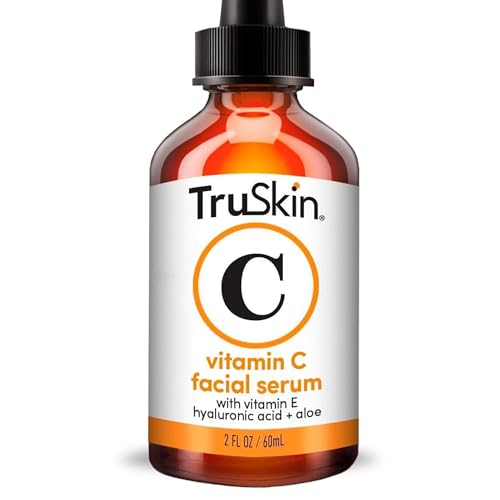
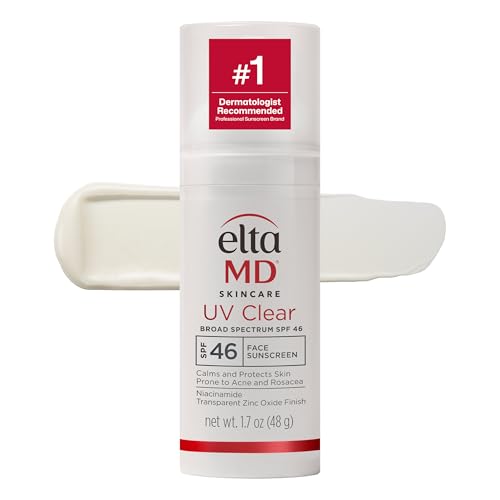
At a Glance
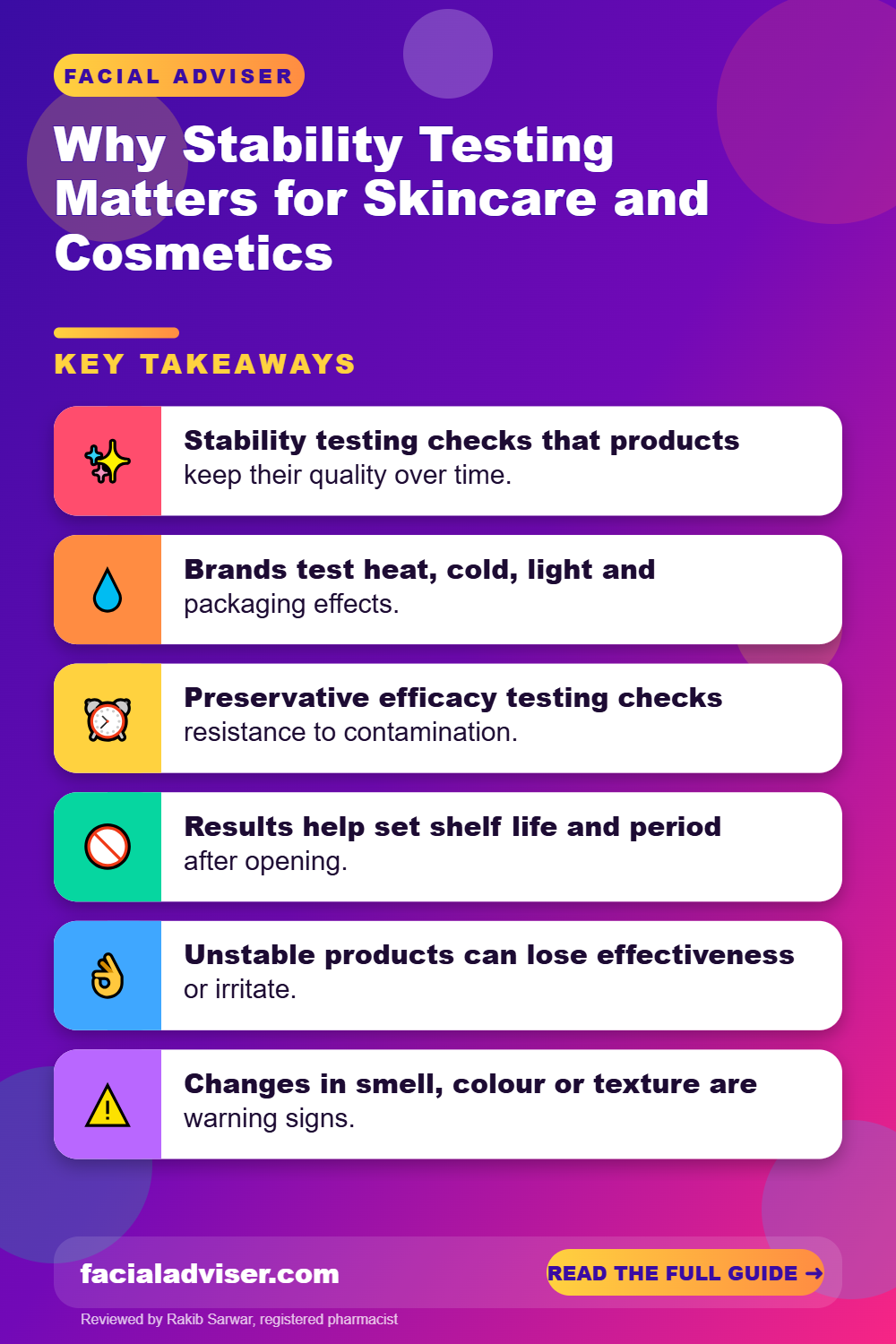
- Stability testing checks that products keep their quality over time.
- Brands test heat, cold, light and packaging effects.
- Preservative efficacy testing checks resistance to contamination.
- Results help set shelf life and period after opening.
- Unstable products can lose effectiveness or irritate.
- Changes in smell, colour or texture are warning signs.
- How you store products at home also affects stability.
What This Covers
- What Stability Testing Looks At
- How Brands Test Stability
- Why Stability Matters to You
- Understanding Shelf-Life Symbols and Dates
- Signs a Product Has Become Unstable
- How to Keep Your Products Stable at Home
- The Role of Packaging
- Sunscreen and Stability
- Homemade and Small-Batch Products
- Dos and Don’ts
- Honest Limits
- When to See a Dermatologist
- Your Questions, Answered
- Where This Leaves You
What Stability Testing Looks At
| What is tested | Why it matters | Signs of a problem |
|---|---|---|
| Appearance and colour | Shows chemical or physical change | Darkening, yellowing, spots |
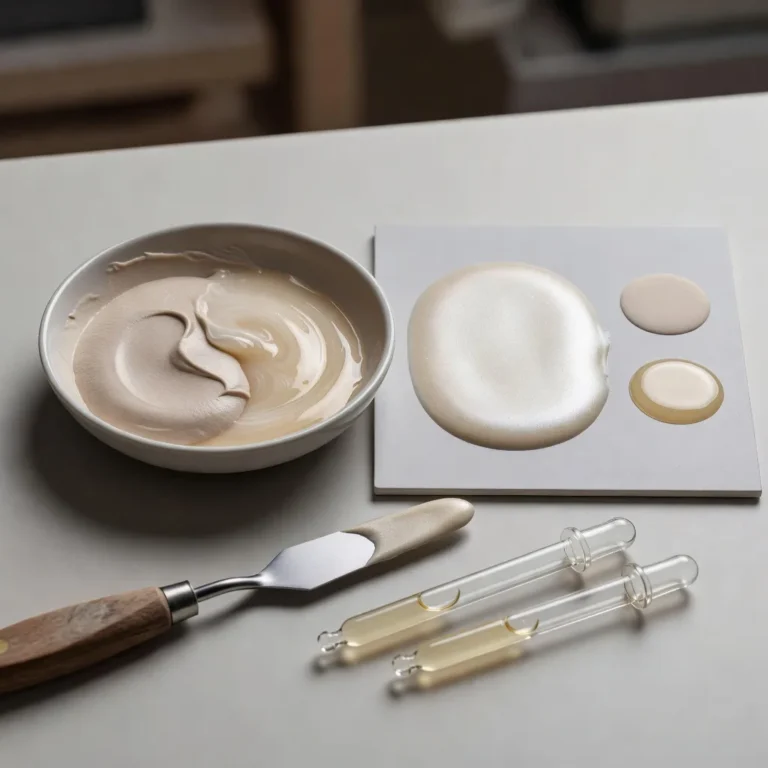
| Texture and consistency | Emulsions can break down | Separation, graininess, thinning |
| Smell | Oils can go rancid | Sour, stale or unusual odour |
| pH | Affects comfort and how actives work | Stinging or reduced effect |
| Active ingredient levels | Some actives break down over time | Product works less well |
| Preservative performance | Protects against microbes | Mould, cloudiness or odour |
| Packaging compatibility | Ingredients can react with containers | Leaks, discoloured packaging, clogged pumps |
Testing usually covers the product in its final packaging, because the container can affect stability as much as the formula. A formula that is stable in glass may behave differently in a plastic tube, and a pump can protect a formula far better than a wide-mouthed jar.
Stability testing is about quality over time. It is separate from safety testing that checks whether an ingredient or product is likely to irritate or cause allergies, though both are part of bringing a responsible product to market.
How Brands Test Stability
Real-time testing. Samples are stored at normal room temperature and checked at intervals over the intended shelf life. This is the most realistic method but takes a long time. Accelerated testing. Samples are stored at higher temperatures to speed up any changes, giving an early indication of how the product will age. Results are then confirmed with real-time data. Freeze-thaw cycling. Products are repeatedly frozen and warmed to mimic shipping and storage in different climates. Emulsions that separate under this stress may be unstable. Light exposure. Products are exposed to light to see whether colour, fragrance or actives change. This is especially important for clear packaging. Transport testing. Some brands also shake or vibrate samples to mimic shipping, and check that pumps, seals and caps still work after rough handling. Preservative efficacy or challenge testing. Microbes are deliberately added to the product to check that the preservative system can control them.Why Stability Matters to You
Effectiveness. Some active ingredients, such as vitamin C and retinol, break down over time. A product that has lost much of its active will not deliver the results you are paying for. Our guide on how to store vitamin C serum explains why this ingredient is so sensitive. Comfort and safety. Changes in pH or the breakdown of ingredients can make a product sting or irritate. Rancid oils can also irritate the skin. Protection. Sunscreens that have separated or degraded may not give even protection. The AAD advises replacing sunscreen that is past its expiry date or has changed in consistency. Hygiene. If a preservative system stops working well, microbes can grow, which can cause skin or eye infections. Value. A product that separates or spoils before you finish it is money wasted. Knowing how to store products and spot early signs of instability helps you get the full life out of what you buy.Understanding Shelf-Life Symbols and Dates
| Label | What it means | Where you see it |
|---|---|---|
| Expiry or best-before date | Use before this date, opened or not | Sunscreens, some actives, products with short shelf lives |
| Period after opening (open-jar symbol, e.g. 6M, 12M) | Use within this many months of opening | Many skincare and makeup products |
| Batch or lot code | Identifies when and where it was made | Usually printed or stamped on the pack |
| Storage instructions | Conditions needed to stay stable | Store below a set temperature, keep away from light |
The FDA’s page on shelf life and expiration dating of cosmetics notes that products can deteriorate faster if stored improperly and that eye products in particular should be replaced regularly.
In the European Union, products that stay stable for more than 30 months usually carry a period-after-opening symbol, while those with a shorter shelf life must show a date.
Signs a Product Has Become Unstable
- Separation that does not mix back, in a product that is meant to be uniform.
- Changes in colour, such as a serum turning dark orange or a cream yellowing.
- A sour, rancid or unusual smell.
- Graininess, lumps or crystals that were not there before.
- A much thinner or thicker texture than when new.
- Stinging or irritation from a product that used to feel fine.
- Visible mould or cloudiness in a clear product.
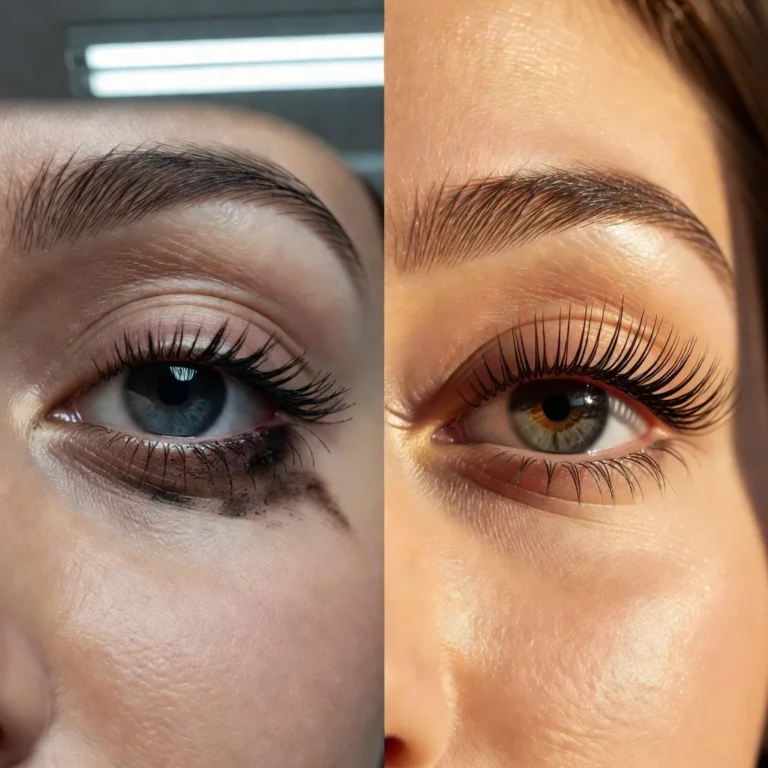
If you notice any of these, stop using the product. Even if it looks mostly fine, it may not perform as intended.
Some changes are harmless. Natural ingredients can vary slightly in colour between batches, and some products thicken a little in cold weather or thin slightly in heat. The difference is that these usually return to normal at room temperature, while true instability gets worse over time rather than better.
Do not use sunscreen that has separated, changed texture or is past its expiry date. Degraded sunscreen may not protect you properly.
How to Keep Your Products Stable at Home
Follow the storage instructions
Keep products at the temperature the label recommends.
Keep lids closed
Close caps and pumps quickly to limit air and contamination.
Avoid heat and sunlight
Do not leave products in hot cars, on windowsills or near radiators.
Watch bathroom steam
Store sensitive products outside a steamy bathroom if possible.
Use clean hands or tools
Avoid dipping wet or dirty fingers into jars.
Note the opening date
Write it on the pack to track the period after opening.
Replace when in doubt
If smell, colour or texture changes, replace the product.
Pumps, tubes and airless containers protect formulas better than open jars. If you have a choice between packaging types, the enclosed option usually keeps products stable for longer.
The Role of Packaging
Packaging is part of a product’s stability. Opaque bottles protect light-sensitive ingredients, airless pumps limit exposure to oxygen, and narrow openings reduce contamination.
Jars are pleasant to use but expose the whole product to air and fingers every time they are opened. That is why products with sensitive actives, such as vitamin C and retinol, are rarely sold in open jars.
Some ingredients can also interact with packaging. Certain oils and solvents can soften some plastics, and some actives can react with metal. Testing in the final container helps brands catch these problems early.
When you decant products into travel bottles, you lose some of that protection. Choose opaque, clean containers, fill only what you need for the trip and use it up quickly, especially for vitamin C, retinol and sunscreen.
Sunscreen and Stability
Sunscreens are regulated as drugs in the United States and as cosmetics in many other regions, but either way their stability is particularly important. If UV filters break down or separate, the product may not protect as well as its SPF suggests.
Some UV filters are naturally less stable in sunlight, and formulators combine them with stabilising ingredients to keep protection consistent. Stability testing checks that the formula still performs after storage and exposure.
At home, avoid leaving sunscreen in hot cars or direct sun for long periods, and replace it if it separates, turns grainy or passes its expiry date. Our guide to physical versus chemical SPF explains the main types of filters.
Homemade and Small-Batch Products
Homemade creams, lotions and serums usually have no stability testing at all. Without a tested preservative system and controlled manufacturing, water-based homemade products can spoil within days, sometimes without visible signs.
Very small independent brands may also have limited stability data. That does not mean their products are unsafe, but it is reasonable to ask how they tested shelf life and preservation, especially for water-based products and anything used around the eyes.
If you enjoy homemade skincare, water-free recipes such as oils and balms are more forgiving. Make small amounts, use clean equipment and discard anything that changes. Our guide on chelating agents explains another way commercial products protect themselves from spoiling.
Dos and Don’ts
Worth Doing
- Check dates and open-jar symbols
- Store products as directed
- Close lids promptly
- Choose pumps and tubes for sensitive actives
- Replace products that change
Skip It
- Keep products in hot cars
- Add water to products to stretch them
- Transfer actives into clear containers
- Use sunscreen past its expiry date
- Ignore changes in smell or colour
Honest Limits
Stability testing reduces the risk of problems but cannot account for every way a product is stored or used. Extreme heat, contamination or long storage can still cause a well-tested product to deteriorate.
Not all brands test to the same standard. Larger companies often run extensive programmes, while very small brands and homemade products may have little or no stability data.
Shelf-life symbols are estimates based on typical use. Your own storage and habits can make a product last longer or shorter than the label suggests, so use your senses as well as the date. A product kept cool, closed and clean will usually outlast one left open in a warm bathroom.
When to See a Dermatologist
- A product causes redness, burning or a rash.
- You develop an eye infection after using makeup.
- You have ongoing irritation even with fresh products.
- You are unsure whether a reaction is due to a product change or a skin condition.
This article is for general information and does not replace professional medical advice. See a dermatologist for persistent skin concerns.
Your Questions, Answered
What is stability testing in cosmetics?
Testing to check a product keeps its quality, safety and effectiveness over time.
Why is stability testing important?
It helps prevent products from separating, degrading, irritating or becoming contaminated.
What is accelerated stability testing?
Storing samples at higher temperatures to predict how they will age faster.
What is a challenge test?
A test where microbes are added to check that the preservative system works.
Do cosmetics have to show an expiry date?
In the United States there is no legal requirement, but many brands include dates or open-jar symbols.
What does 12M on a product mean?
Use it within 12 months of opening.
How can I tell if a product has gone off?
Changes in smell, colour, texture or separation are warning signs.
Does packaging affect stability?
Yes. Airless and opaque packaging protect sensitive ingredients.
Is it safe to use expired skincare?
It is best not to, especially sunscreen and eye products.
Can storage at home affect stability?
Yes. Heat, light and contamination can shorten a product’s life.
Where This Leaves You
Stability testing checks that cosmetics stay safe, effective and pleasant to use over time, under heat, cold, light and in their final packaging. Its results guide shelf-life dates and period-after-opening symbols.
At home, store products as directed, keep lids closed, avoid heat and sunlight, and replace anything that changes in smell, colour or texture, especially sunscreen and eye products.

Written by
Registered pharmacist and founder of Facial Adviser. Rakib's pharmacy training covers how skincare actives work and interact; a later course in cosmetology turned that into a focus on facial treatments and skincare products. He plans, researches and edits every guide on the site and checks health claims against sources such as the American Academy of Dermatology, the FDA and the NIH. He is not a dermatologist; see the Editorial Policy and Medical Disclaimer.
About · Editorial policy · How we choose products · Medical disclaimer · Contact