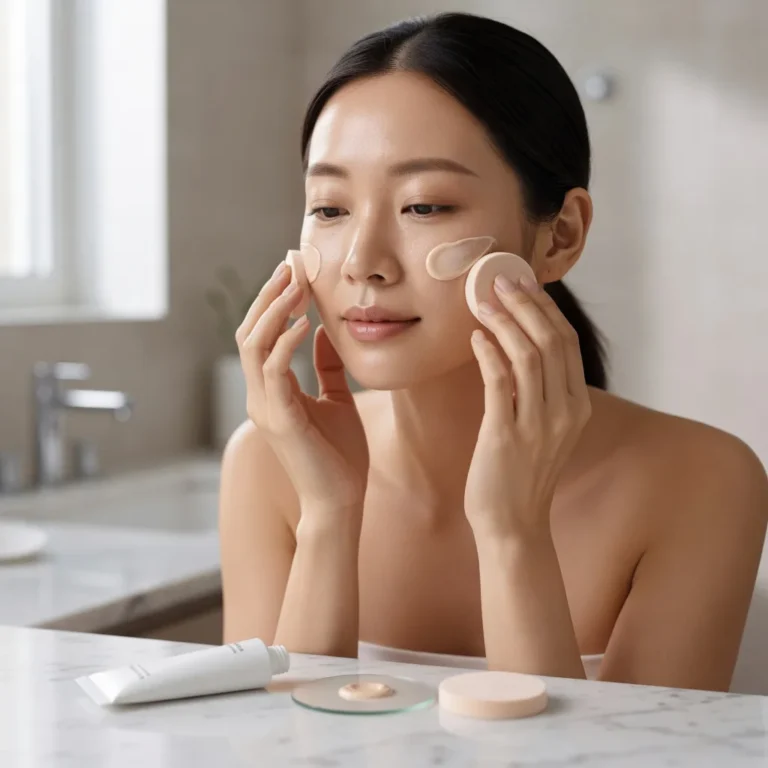
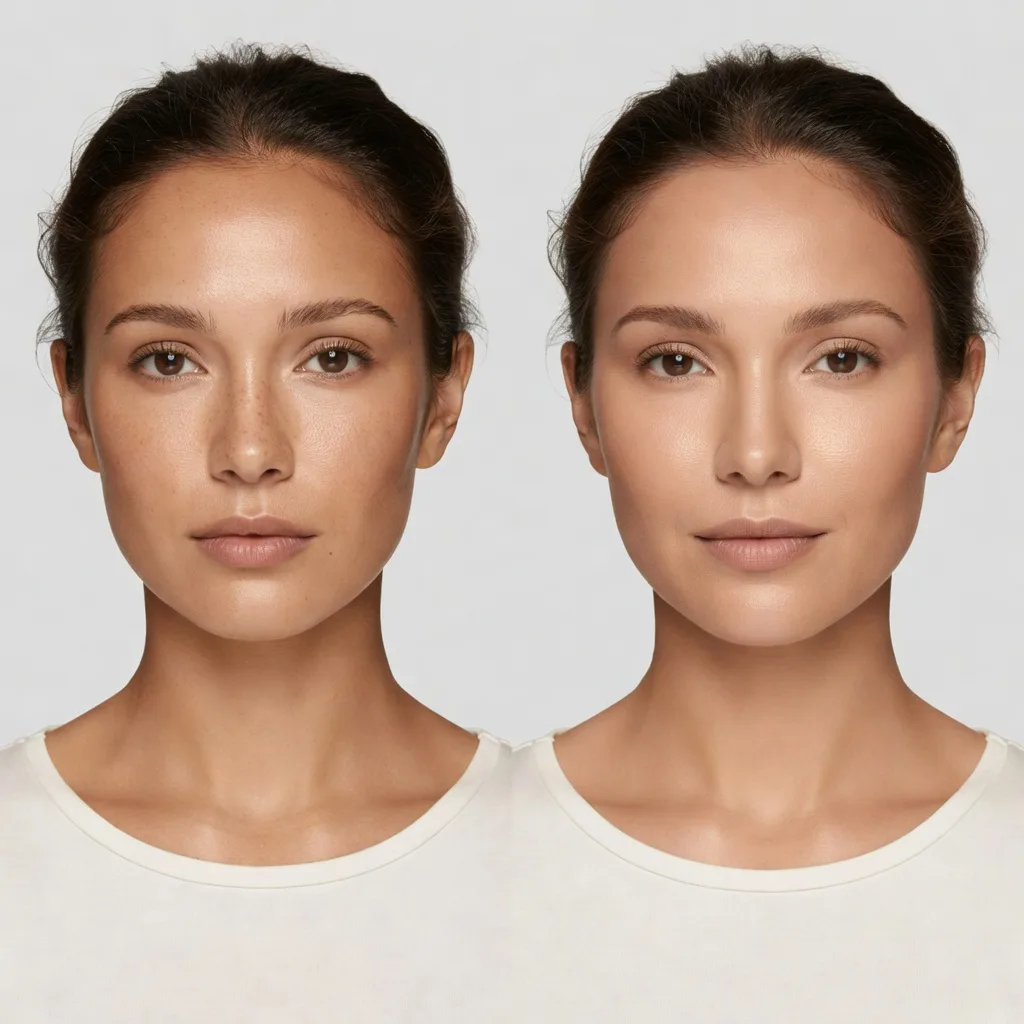
Is BB or CC Cream Better? Differences, Skin Types and How to Choose
BB and CC creams sit side by side on beauty shelves, both promising a quick, natural complexion with skincare benefits. The letters sound like a scale from weaker to stronger, but the real difference is what each one is designed to fix, and the right choice depends more on your skin than on the name.
Part of our guide to makeup how-to. Start with: How to Find the Right Shade of Makeup: Undertone, Depth and Testing
Neither is better for everyone: BB cream is better if you want hydration and a light, even-toned finish, while CC cream is better if redness, dullness or uneven colour is your main concern. BB cream, short for blemish or beauty balm, is a tinted moisturising product with sheer to light coverage that blurs minor imperfections. CC cream, short for colour correcting, uses pigments to neutralise redness or sallowness and often gives slightly more coverage with a more natural or matte finish. Both often include SPF and skincare ingredients, and you can use them together by applying CC cream only where you need correction.
In short: choose BB cream for hydration and glow, and CC cream for correcting redness or dullness.
The American Academy of Dermatology recommends a broad-spectrum sunscreen of SPF 30 or higher, applied generously, which is more than most people use of either product in everyday wear.
This guide compares their formulas, coverage and finishes, explains how to use them together and helps you pick the right one for your skin type and main concern.
Shopping these picks?
Amazon Prime members get fast, free shipping on eligible items, plus Prime Video, Amazon Music and member deals. New members can start with a free trial.
Start a free Prime trialAged 18 to 24? Prime for Young Adults comes with a longer free trial and a lower price after it.
Affiliate link: we may earn a commission at no extra cost to you.
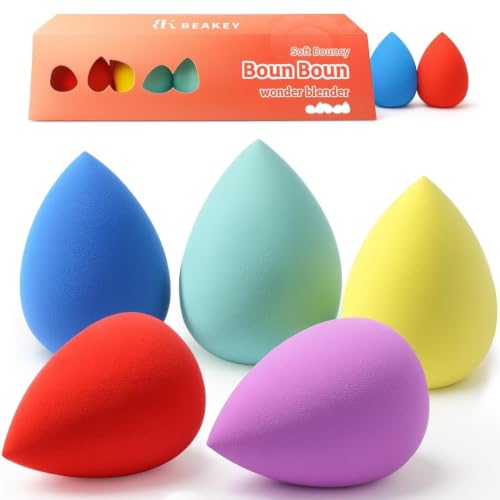
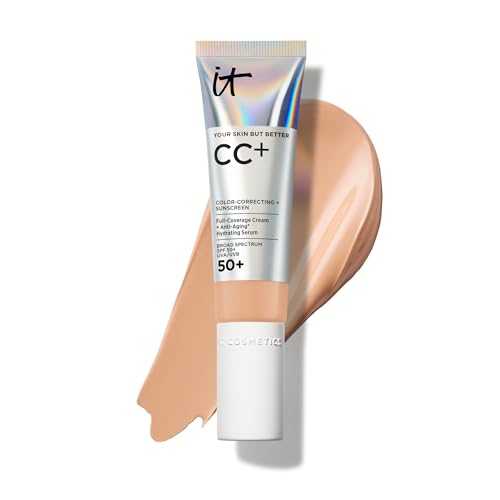
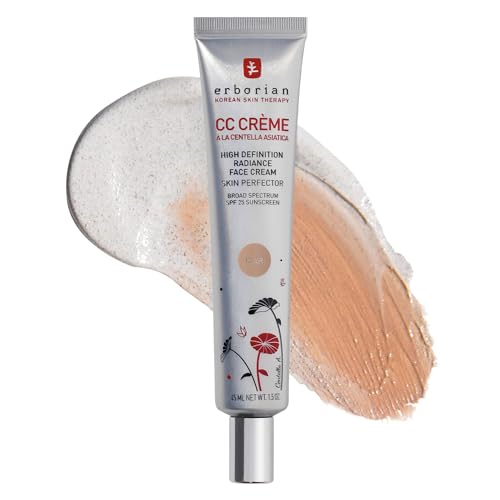
Recommended BB and CC Creams
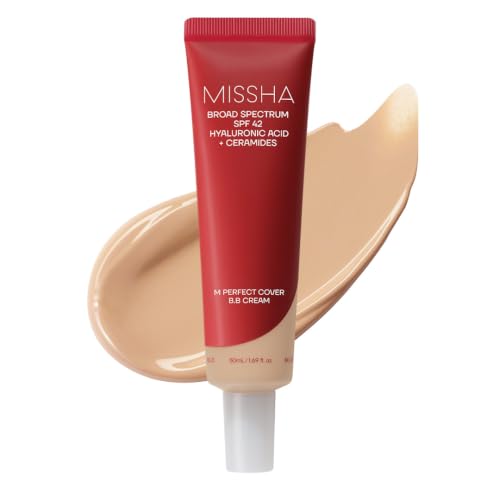
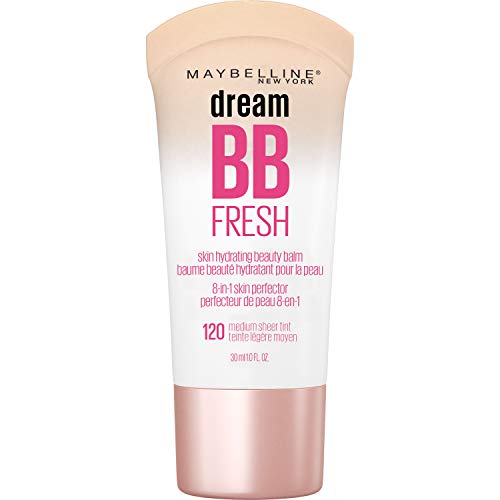


What to Know First
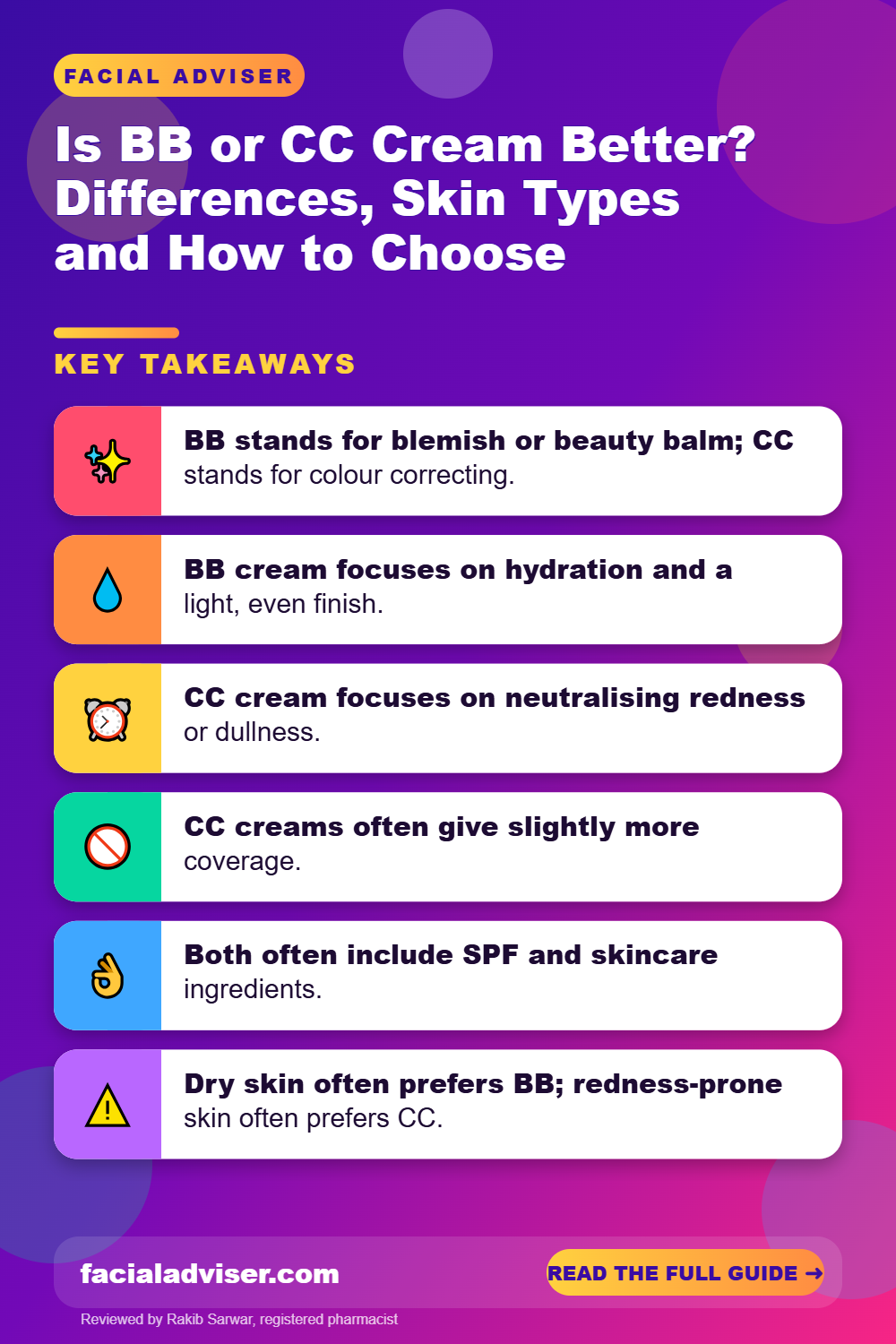
- BB stands for blemish or beauty balm; CC stands for colour correcting.
- BB cream focuses on hydration and a light, even finish.
- CC cream focuses on neutralising redness or dullness.
- CC creams often give slightly more coverage.
- Both often include SPF and skincare ingredients.
- Dry skin often prefers BB; redness-prone skin often prefers CC.
- You can use both together in different areas.
Jump to a Section
- BB Cream vs CC Cream at a Glance
- How BB and CC Creams Are Formulated
- Which Is Better for Your Skin Type?
- Can You Use BB and CC Cream Together?
- How to Choose Between BB and CC Cream
- Do BB and CC Creams Replace Sunscreen?
- Possible Downsides
- Application Tips for a Natural Finish
- What About DD Creams and Skin Tints?
- Dos and Don’ts
- Honest Limits
- When to See a Dermatologist
- Common Questions
- Summing Up
BB Cream vs CC Cream at a Glance
This table compares typical BB and CC creams. Formulas vary between brands, so check each product’s label for coverage, finish, SPF and key ingredients before you buy.
| Feature | BB cream | CC cream |
|---|---|---|
| Stands for | Blemish balm or beauty balm | Colour correcting |
| Main purpose | Hydrate and even tone | Neutralise redness or dullness |
| Coverage | Sheer to light | Light to medium |
| Finish | Often dewy or satin | Often natural or matte |
| Best for | Dry, normal or dull skin | Redness, sallowness, uneven colour |
| Texture | Creamy, moisturising | Lighter or more fluid |
| SPF | Often included | Often included |
| Oily skin | Choose oil-free versions | Often a good fit |
Because there is no official definition of either, some BB creams behave like CC creams and vice versa. Look at the finish, coverage and shade description rather than the letters alone. Reading reviews from people with a similar skin type and tone to yours is often more useful than the marketing on the tube.
How BB and CC Creams Are Formulated
The biggest differences lie in the pigments and the base. Understanding them helps you predict how a product will look and feel before you buy it.
- BB creams usually have a moisturising base with emollients and humectants and a small amount of skin-toned pigment.
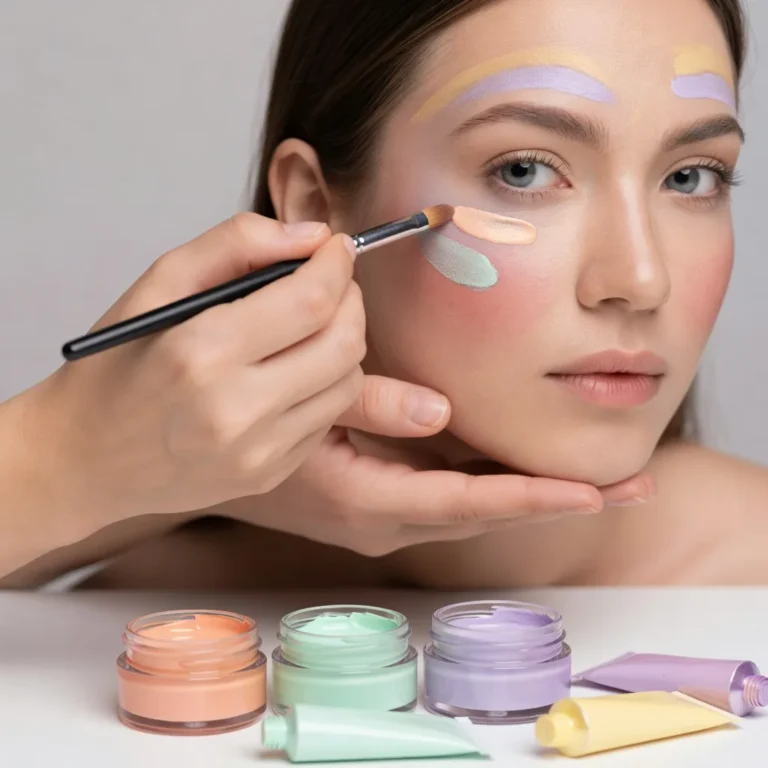
- CC creams often contain colour-correcting pigments, such as green-toned to offset redness or peach and yellow tones to brighten dullness.
- Both commonly include UV filters and skincare extras such as niacinamide, vitamin C or hyaluronic acid.
- CC creams are often lighter and less oily, which can suit combination and oily skin.
Colour correction works on basic colour theory: colours opposite each other on the colour wheel cancel each other out when layered thinly on the skin. A slightly green-toned base can make redness look less obvious, while warmer tones can lift a dull or grey-looking complexion. This is the same principle makeup artists use with green or peach colour correctors under foundation, just built into a single, easier product.
Which Is Better for Your Skin Type?
Your skin type and main concern are the best guide. If you have more than one concern, start with the one that bothers you most day to day.
| Skin type or concern | Better choice | Why |
|---|---|---|
| Dry or dehydrated | BB cream | More moisturising and dewy |
| Oily | CC cream or oil-free BB | Lighter, often more matte |
| Combination | Either, satin finish | Balanced feel |
| Redness or rosacea-prone | CC cream | Colour correction reduces the look of redness |
| Dull or sallow | CC cream | Brightening pigments |
| Mature | BB cream | Hydrating, less likely to settle into lines |
| Acne-prone | Non-comedogenic version of either | Avoids clogging pores |
If you have rosacea or very sensitive skin, look for fragrance-free formulas with mineral sunscreen filters and patch test first. For acne-prone skin, the AAD’s acne tips recommend choosing products labelled non-comedogenic.
Can You Use BB and CC Cream Together?
Yes. Using both can give you hydration and targeted correction without the weight of a full foundation, and it is a popular approach for people with dry skin and redness at the same time.
- Apply sunscreen first if your products are low in SPF or you will be outdoors.
- Use BB cream all over for hydration and a light, even base, starting with a small amount.
- Tap a little CC cream only on red or dull areas, such as around the nose, cheeks or chin.
- Blend the edges with a sponge or fingertips so there are no visible lines.
- Set lightly with powder if you are oily.
Using CC cream only where needed keeps the finish natural and avoids a heavy look. You can also mix a drop of CC cream into your BB cream for a single custom layer. If you choose this approach, make sure both products are close in shade so the finish looks even.
How to Choose Between BB and CC Cream
These steps help you choose the right product and avoid buying the wrong shade or finish. They take only a few minutes and can save you money on products that end up unused.
Name your main concern
Dryness and dullness point to BB; redness points to CC.
Consider your skin type
Dry skin often prefers BB; oily skin often prefers CC.
Check the SPF
Look for broad-spectrum SPF 30 or higher.
Check the finish
Dewy for dry skin, natural or matte for oily skin.
Test the shade
Try it on your jawline in natural daylight.
Check the label
Choose non-comedogenic and fragrance-free if acne-prone or sensitive.
Wear it for a day
See how it looks after several hours and whether it oxidises.
If redness is your main concern but your skin is dry, apply a hydrating moisturiser first, wait a minute for it to settle, and then apply a thin layer of CC cream. You get the correction without the dryness.
Do BB and CC Creams Replace Sunscreen?
Both often contain SPF, but neither is usually a reliable replacement for sunscreen on its own. This matters most if you spend time outdoors or have skin that pigments easily.
- Most people apply a thin layer, which gives much less protection than the SPF number suggests.
- Makeup SPF wears off with sweating, touching and time.
- The AAD recommends at least a teaspoon of sunscreen for the face.
- A dedicated sunscreen underneath, or a tinted sunscreen, gives more reliable protection.
If you prefer a single product, a tinted sunscreen applied generously gives more dependable protection than a thin layer of BB or CC cream. The AAD guide on how to apply sunscreen explains how much to use and when to reapply. Our guide on what BB cream does to your face covers its benefits and limits in more detail.
Possible Downsides
Both products are gentle for most people, but a few problems are common. Knowing them helps you choose a better formula or spot an issue early.
- Limited shade ranges, which can look ashy on deeper skin tones.
- Green-toned CC creams can look grey if not blended well.
- Breakouts from rich formulas on oily or acne-prone skin.
- Irritation from fragrance or some sunscreen filters.
- Oxidation, where the colour darkens during the day.
Stop using any BB or CC cream that causes stinging, itching, swelling or a rash. Patch test on the jawline for a day or two first, especially if you have sensitive skin or rosacea.
Application Tips for a Natural Finish
How you apply BB or CC cream matters as much as which one you choose. A few simple techniques give a smoother, more natural result.
- Start with a small amount, about the size of a pea, and build up.
- Dot it on the forehead, cheeks, nose and chin, then blend outward.
- Use fingertips for a sheer finish or a damp sponge for a smoother one.
- Blend down onto the jawline so there is no visible edge.
- Add concealer only where needed rather than layering more cream all over.
CC creams with visible green or lavender tints usually blend out to a skin tone. If you still see a colour cast after blending, the shade or formula may not suit your skin.
What About DD Creams and Skin Tints?
Beauty brands have added more letters and names over the years, which can make choosing even more confusing. Here is how the other common options fit in.
- DD cream: usually marketed as daily defence or dynamic do-all, often combining BB and CC features with a focus on skincare or anti-ageing claims.
- Skin tint: a very sheer, lightweight tint, often water-based, for a barely-there finish.
- Tinted moisturiser: a moisturiser with a hint of colour and usually the least coverage.
- Tinted sunscreen: a sunscreen first, with a tint to even tone and help protect against visible light.
None of these names has a legal or official definition, so two products with the same label can be very different in coverage, finish and feel. Choose by what the product actually does on your skin: how much it covers, how it feels, how well it matches your shade and whether it contains the SPF and ingredients you want. Many people end up using a tinted sunscreen on busy days and a BB or CC cream when they want a little more coverage, which is a simple, flexible approach.
Dos and Don’ts
Worth Doing
- Choose by your main concern
- Wear sunscreen underneath
- Test shades in daylight
- Choose non-comedogenic if acne-prone
- Blend well at the jawline
Skip It
- Assume CC is always stronger than BB
- Rely on a thin layer for sun protection
- Apply thick layers all over
- Keep using a product that irritates
- Sleep in your makeup
Honest Limits
BB and CC creams are makeup with skincare extras. Their benefits, such as a more even tone and softer-looking pores, are cosmetic and last only while the product is on your skin. Once you cleanse at night, your skin returns to how it was.
Skincare claims are usually based on individual ingredients rather than on independent studies of the finished products, and the amounts of those ingredients may be small. For redness from rosacea, dark spots or acne, a dermatologist can recommend treatments with stronger evidence. Think of both creams as helpful everyday makeup rather than a solution for skin conditions.
When to See a Dermatologist
- You have persistent redness, flushing or visible blood vessels.
- Your skin reacts to makeup or sunscreen with rashes or swelling.
- You have acne that worsens with cosmetics.
- You want to treat dark spots or melasma.
This article is for general information and does not replace professional medical advice. See a board-certified dermatologist for skin conditions and if you react to cosmetic products.
Common Questions
Is BB or CC cream better?
BB is better for hydration and glow; CC is better for correcting redness or dullness.
What is the difference between BB and CC cream?
BB cream hydrates and evens tone; CC cream colour-corrects.
Does CC cream give more coverage than BB cream?
Often slightly more, but it varies by brand.
Which is better for oily skin?
CC cream or an oil-free BB cream.
Which is better for dry skin?
BB cream.
Can I use BB and CC cream together?
Yes, BB all over and CC where you need correction.
Can BB or CC cream replace sunscreen?
Usually not, because most people apply too little.
Is CC cream good for rosacea?
It can hide redness; choose fragrance-free and patch test.
Which is better for mature skin?
BB cream, for its hydration.
Can I use BB or CC cream every day?
Yes, if the formula suits your skin.
Summing Up
BB cream is better if you want hydration and a light, even-toned glow, while CC cream is better if redness, dullness or uneven colour is your main concern.
Choose by your skin type and main concern, wear sunscreen underneath for reliable protection, and use both together if you want hydration and targeted correction.

Written by
Registered pharmacist and founder of Facial Adviser. Rakib's pharmacy training covers how skincare actives work and interact; a later course in cosmetology turned that into a focus on facial treatments and skincare products. He plans, researches and edits every guide on the site and checks health claims against sources such as the American Academy of Dermatology, the FDA and the NIH. He is not a dermatologist; see the Editorial Policy and Medical Disclaimer.
About · Editorial policy · How we choose products · Medical disclaimer · Contact
Keep reading: Foundation, BB cream and base
- How to Find the Right Shade of Makeup: Undertone, Depth and Testing
- How to Apply BB Cream: Step-by-Step for a Smooth, Natural Finish
- Does BB Cream Clog Pores? Oily Skin, Ingredients and Safe Removal
- Is Tinted Moisturizer the Same as BB Cream? Key Differences Explained
- Does BB Cream Expire? Shelf Life, Signs It Has Gone Bad and Storage
- What Does BB Cream Do to Your Face? Benefits, Limits and Who It Suits
- How to Choose Lipstick Shade: Undertone, Skin Tone and Testing Tips
- How to Choose the Right Eye Makeup Color for Your Eyes and Skin