The Role of Emulsifiers in Cosmetic Stability: How They Keep Creams Together
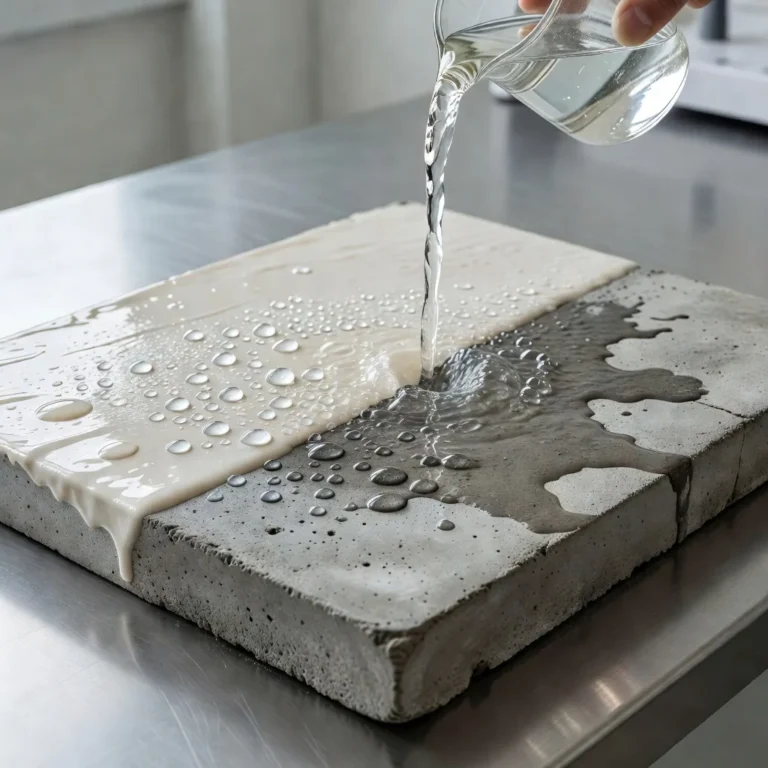
Almost every cream, lotion and liquid foundation is a mixture of oil and water. Left alone, those two separate within minutes, the way salad dressing splits in the bottle. The ingredient that stops this from happening in your moisturiser is the emulsifier.
Part of our guide to cosmetic science. Start with: How to Read a Cosmetic Ingredient List: A Beginner Guide
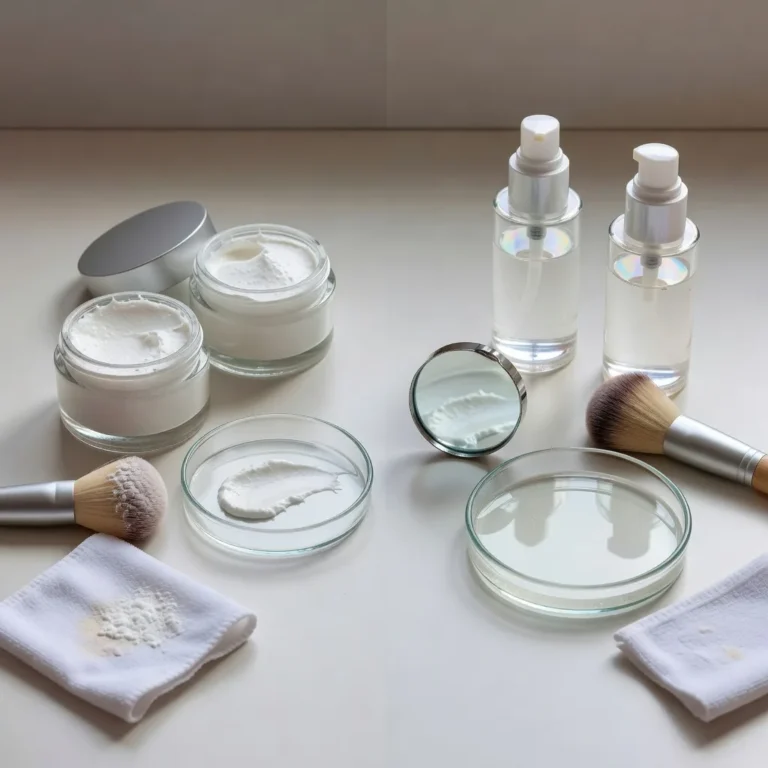
Emulsifiers are the ingredients that keep oil and water mixed in cosmetics. Each emulsifier molecule has one end that is attracted to water and one end that is attracted to oil, so it sits at the boundary between tiny droplets and holds them apart. This stops droplets from merging, rising or sinking, which is what keeps a cream smooth, even and consistent from the first use to the last. Emulsifiers work alongside thickeners, stabilisers and preservatives, and the right choice and amount decide whether a product stays stable for months or separates on the shelf.
In short, without emulsifiers most creams and lotions would not exist in the form we know them.
Emulsifiers can also interact with skin. A study in the International Journal of Pharmaceutics found that some common nonionic emulsifiers changed water loss through the skin barrier, which is one reason formulators choose them carefully for sensitive skin and why fragrance-free, minimal-ingredient creams are often suggested for people with a weakened barrier.
Understanding them also helps you spot when a product has gone off and make better choices if you like to make your own creams at home.
Shopping these picks?
Amazon Prime members get fast, free shipping on eligible items, plus Prime Video, Amazon Music and member deals. New members can start with a free trial.
Start a free Prime trialAged 18 to 24? Prime for Young Adults comes with a longer free trial and a lower price after it.
Affiliate link: we may earn a commission at no extra cost to you.
This guide explains how emulsifiers work, the main types, what HLB means, how stability is tested, what failure looks like and how to use them if you make your own products.
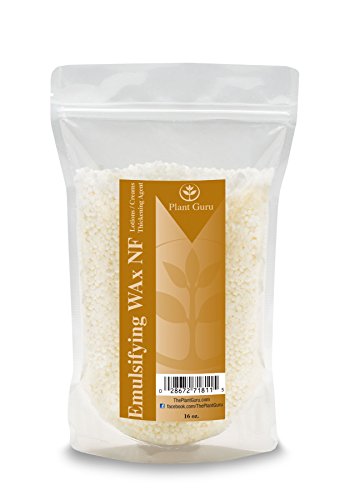
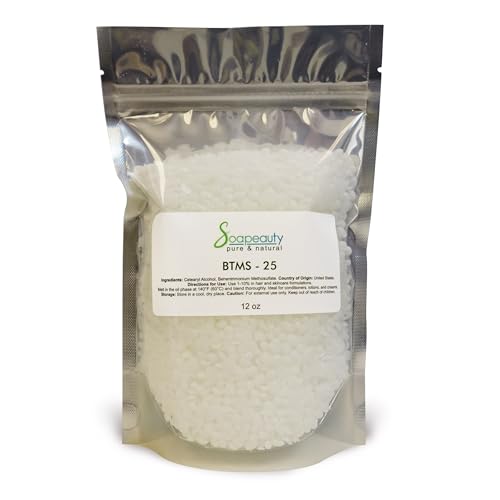
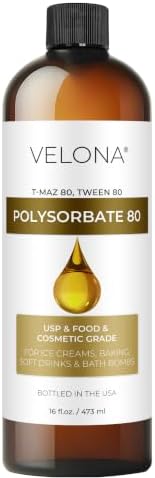
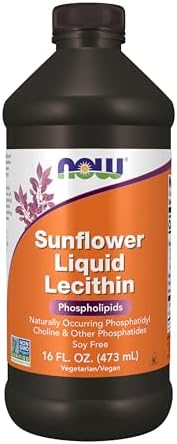
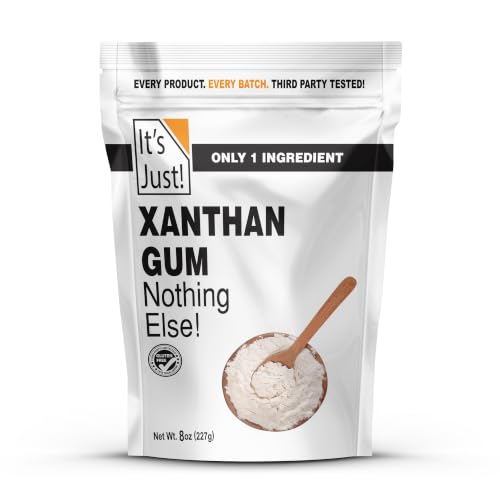
Recommended Emulsifiers and Stabilisers for DIY Cosmetics

Jump to a Section
- How Emulsifiers Work
- Types of Emulsions in Cosmetics
- Common Emulsifiers and What They Do
- What HLB Means and Why It Matters
- How Emulsifiers Fit Into Overall Stability
- Signs an Emulsion Is Breaking Down
- Are Emulsifiers Safe for Skin?
- How to Make a Stable Basic Lotion With an Emulsifier
- Emulsifiers in Makeup and Sunscreen
- Dos and Don’ts
- Honest Limits
- When to See a Dermatologist
- Frequently Asked Questions
- Final Word
What to Know First
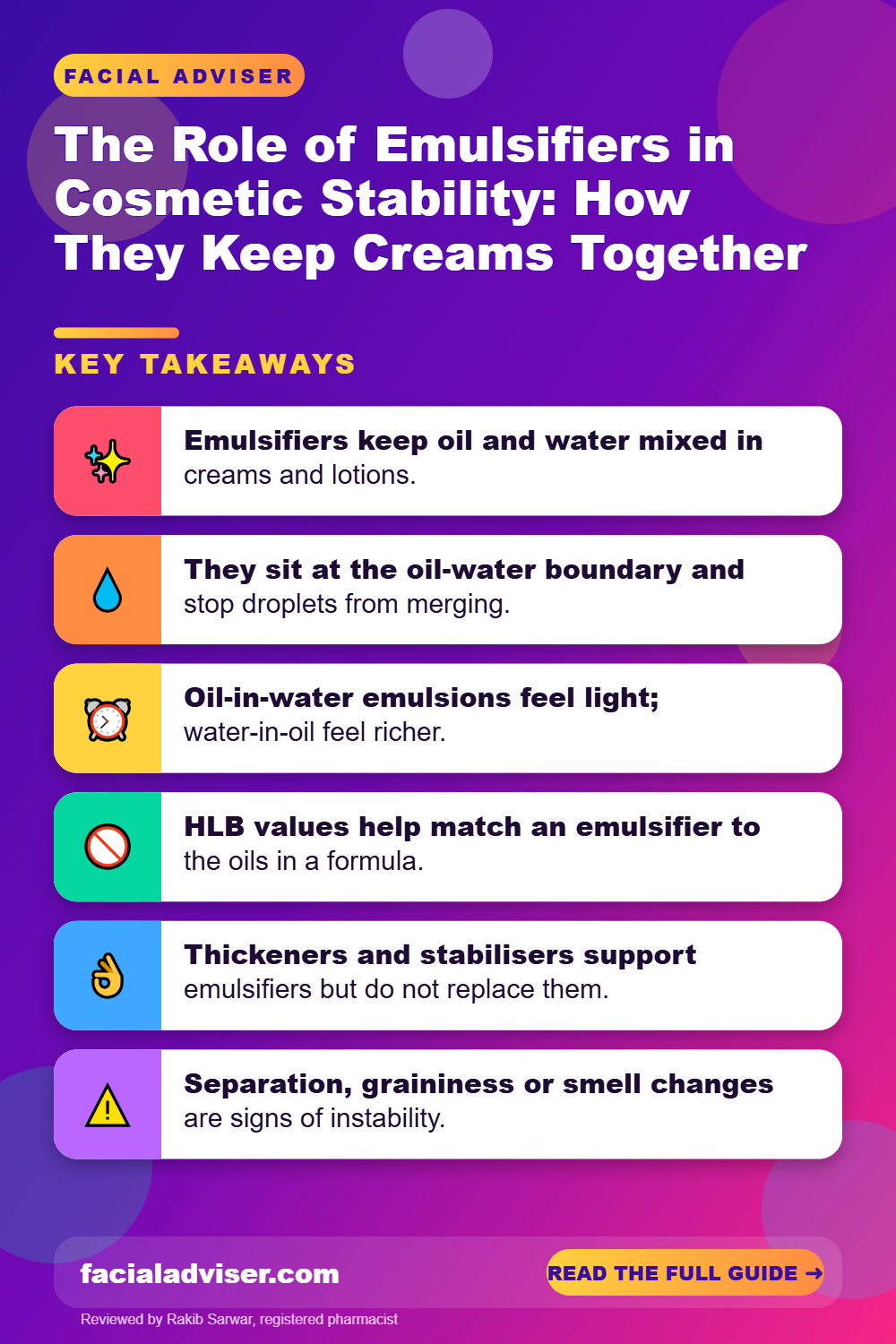
- Emulsifiers keep oil and water mixed in creams and lotions.
- They sit at the oil-water boundary and stop droplets from merging.
- Oil-in-water emulsions feel light; water-in-oil feel richer.
- HLB values help match an emulsifier to the oils in a formula.
- Thickeners and stabilisers support emulsifiers but do not replace them.
- Separation, graininess or smell changes are signs of instability.
- DIY products with water always need a preservative.
How Emulsifiers Work
Oil and water do not mix because their molecules are attracted to their own kind. When you shake them, you create droplets of one inside the other, but the droplets quickly find each other and merge back into two layers.
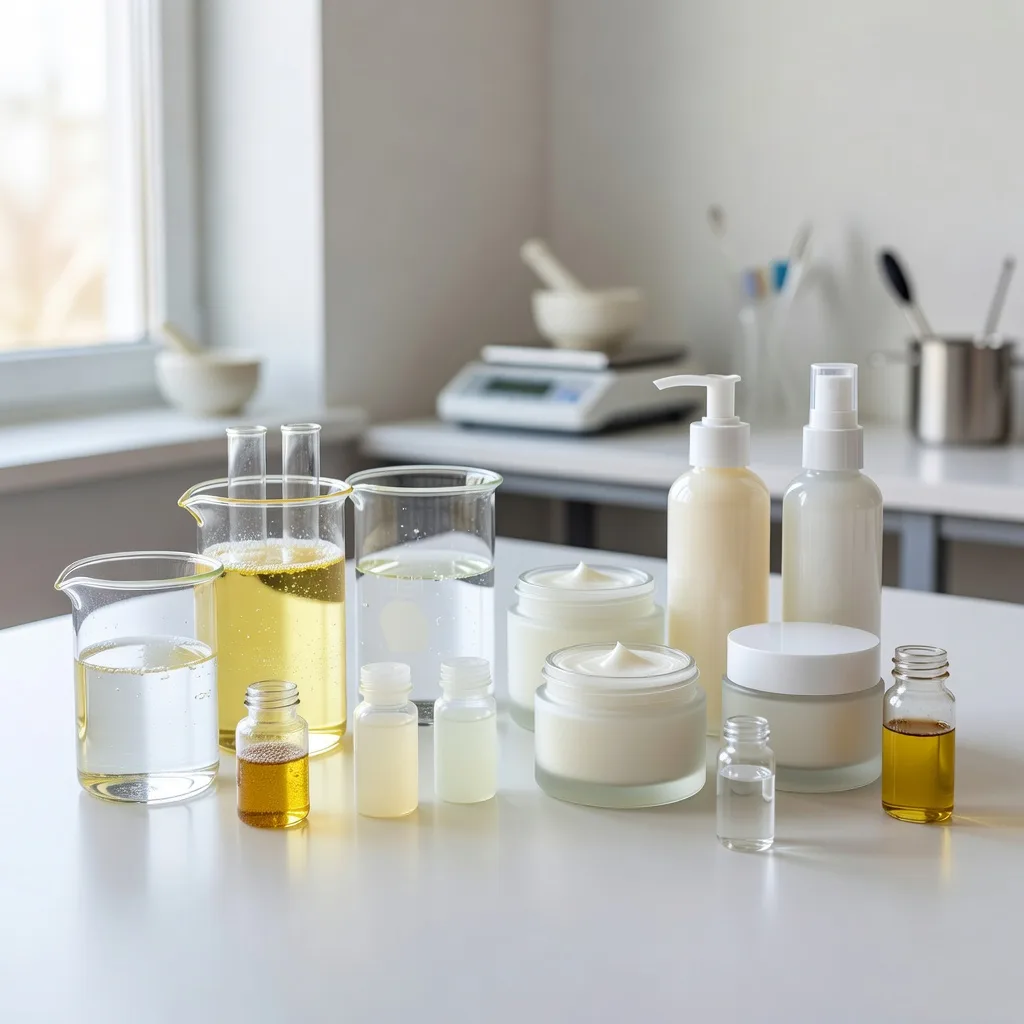
An emulsifier is a surface-active molecule. One end is hydrophilic, meaning it likes water, and the other is lipophilic, meaning it likes oil. When the mixture is stirred or blended, emulsifier molecules line up around each droplet with the matching end facing the matching liquid. This forms a thin protective layer that:
- Lowers the tension between oil and water so droplets form easily.
- Creates a barrier that stops droplets from touching and merging.
- Can add an electrical charge or bulky shell that makes droplets repel each other.
- Helps keep droplet size small, which makes the emulsion more stable.
The smaller and more evenly sized the droplets, the slower an emulsion breaks down. That is why commercial products are made with high-shear mixers that create very fine droplets. Temperature matters as well: many emulsifiers are waxy solids that only work properly once melted, so both phases are usually heated before they are combined, then cooled slowly while stirring so the structure sets evenly.
Types of Emulsions in Cosmetics
Emulsions are described by which liquid forms the droplets and which surrounds them.
| Type | Structure | How it feels | Typical products |
|---|---|---|---|
| Oil-in-water (O/W) | Oil droplets in water | Light, non-greasy, absorbs fast | Most lotions, gel-creams, liquid foundations |
| Water-in-oil (W/O) | Water droplets in oil | Richer, more occlusive, water-resistant | Night creams, barrier balms, some sunscreens |
| Water-in-silicone | Water droplets in silicone | Silky, slip, long wear | Long-wear foundations, primers |
| Multiple emulsions | Droplets within droplets | Varies | Specialist or encapsulated formulas |
Our guide on silicone versus water-based cosmetics explains how the outer phase affects layering with other products, and our explainer on multi-phase formulas covers products designed to separate on purpose.
Common Emulsifiers and What They Do
Cosmetic emulsifiers are grouped by their charge and origin. Most skincare relies on nonionic emulsifiers because they are gentle and compatible with many ingredients.
| Emulsifier or group | Type | Common use |
|---|---|---|
| Emulsifying wax NF (cetearyl alcohol and polysorbate 60) | Nonionic | All-purpose lotions and creams |
| Glyceryl stearate and PEG-100 stearate | Nonionic | Creams and body lotions |
| Cetearyl olivate and sorbitan olivate | Nonionic, plant-derived | Natural-positioned creams |
| Polysorbate 20 and 80 | Nonionic, high HLB | Solubilising oils into water, cleansing oils |
| Lecithin | Natural phospholipid | Light emulsions and liposomes |
| Behentrimonium methosulfate (BTMS) | Cationic | Hair conditioners, some creams |
| Cetyl or cetearyl alcohol | Co-emulsifier | Thickens and supports the main emulsifier |
Many products use two or more emulsifiers together. A blend of a water-loving and an oil-loving emulsifier usually forms a stronger, more stable interface than either one alone. The choice also affects how a product feels: some emulsifiers leave a soft, powdery finish, while others feel slightly waxy or soapy on the skin.
What HLB Means and Why It Matters
HLB stands for hydrophilic-lipophilic balance. It is a scale, usually from about 1 to 20, that describes whether an emulsifier leans towards water or oil.
- Low HLB (about 3 to 6): oil-loving, suits water-in-oil emulsions.
- Middle HLB (about 8 to 16): water-loving, suits oil-in-water emulsions.
- High HLB (about 15 and above): strong solubilisers, used to dissolve small amounts of oil into water.
Every oil also has a required HLB, the value an emulsifier system needs to match to hold it best. Formulators calculate a blend that matches the oils in the recipe. The HLB system is a useful starting point rather than an exact rule, and real products still need testing, because temperature, pH, salts and other ingredients all affect stability.
How Emulsifiers Fit Into Overall Stability
Emulsifiers are the main defence against physical separation, but a stable product depends on several ingredient groups working together.
- Emulsifiers: hold oil and water droplets apart.
- Thickeners and stabilisers such as xanthan gum or carbomer: slow droplet movement by thickening the water phase.
- Co-emulsifiers such as cetyl alcohol: strengthen the droplet layer and add body.
- Preservatives: stop bacteria and mould from growing in the water phase.
- Antioxidants and chelating agents: slow oil rancidity and bind metal ions that can break down ingredients.
Our guides on chelating agents and the importance of stability testing explain the other parts of the picture.
Signs an Emulsion Is Breaking Down
Emulsions do not fail all at once. They go through recognisable stages that you can often see in the jar.
| Sign | What is happening | Is it reversible? |
|---|---|---|
| Creaming | Oil droplets rise and gather near the top | Often, by gentle shaking |
| Sedimentation | Heavier droplets or particles sink | Sometimes |
| Flocculation | Droplets clump but stay separate | Sometimes |
| Coalescence | Droplets merge into larger ones | No |
| Complete separation | Visible oil and water layers | No |
A watery layer, oily streaks, a grainy texture, a sour or rancid smell or a change in colour are signs to stop using a product. Our guide on why emulsions separate over time covers the causes in more depth.
A separated cream is not just a texture problem. Separation can concentrate active ingredients in one layer, reduce how evenly preservatives protect the product and allow microbes to grow. Throw away skincare that has split and does not come back together.
Are Emulsifiers Safe for Skin?
Emulsifiers used in cosmetics are generally well tolerated at the levels found in finished products. Because they are surface-active, some can interact with the lipids in the skin barrier.
The study in the International Journal of Pharmaceutics tested several common emulsifiers, including glyceryl stearate and PEG stearates, on normal and irritated skin. Some increased water loss through normal skin, while a few unexpectedly reduced it on damaged skin. The researchers suggested emulsifiers may be absorbed into the lipid layers of the skin. You can read the study abstract on PubMed.
Emulsifiers can occasionally cause allergic contact dermatitis, although this is uncommon. If you react to several creams, a dermatologist can patch test you to find the ingredient responsible.
Our guide on how to read a cosmetic ingredient list shows where emulsifiers usually appear on labels.
How to Make a Stable Basic Lotion With an Emulsifier
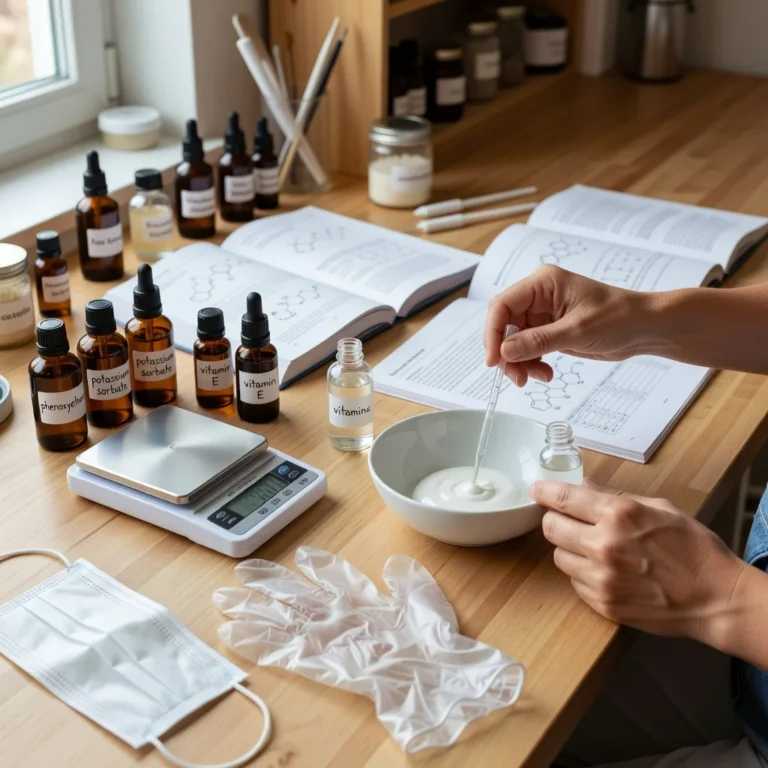
If you make your own products, these steps follow the standard hot-process method used for most emulsifying waxes. Always follow your supplier’s recommended usage level.
Sanitise everything
Clean and sanitise containers, tools and work surfaces before you start.
Weigh ingredients by weight
Use a digital scale in grams rather than cups or spoons.
Heat the water and oil phases separately
Warm each phase to about 70 to 75 C in separate heatproof containers.
Melt the emulsifier into the oil phase
Most emulsifying waxes go into the oil phase and must fully melt.
Combine and blend
Pour one phase into the other while mixing, then blend for a few minutes.
Cool while stirring
Keep stirring gently as it cools so the emulsion sets evenly.
Add preservative and heat-sensitive ingredients
Add them below the temperature the supplier recommends, then check pH.
Keep a small sample in a warm spot and another in the fridge for a few weeks. If either separates, the recipe needs more emulsifier, a thickener or a different emulsifier blend.
Any product that contains water needs a broad-spectrum preservative. Our guide on choosing preservatives for DIY cosmetics explains the options.
Emulsifiers in Makeup and Sunscreen
Emulsifiers are not only found in moisturisers. Liquid foundations, tinted moisturisers, BB creams, concealers and most lotion sunscreens are emulsions too, and their stability affects more than texture.
- Foundation: a stable emulsion keeps pigment evenly spread, so the shade stays the same from the first pump to the last.
- Sunscreen: UV filters must stay evenly distributed so each application gives consistent protection.
- Long-wear formulas: water-in-silicone emulsions help makeup resist sweat and oil.
- Cream blushes and concealers: emulsifiers keep them smooth and blendable rather than oily or chalky.
This is why you should shake products that say so on the label, and why a foundation or sunscreen that has visibly separated and does not recombine with shaking should be replaced. Our guide on how foundation shades are formulated explains how pigments are held in these systems.
Dos and Don’ts
Helps
- Weigh ingredients accurately
- Heat both phases to a similar temperature
- Use a preservative in water-based products
- Test stability in warm and cool conditions
- Store products away from heat and sunlight
Backfires
- Assume oil and water will stay mixed by shaking
- Skip the preservative
- Use a split or smelly cream
- Swap emulsifiers without adjusting the recipe
- Store creams in a hot bathroom or car
Honest Limits
Emulsion science is complex, and even experienced formulators test many versions before a product is stable. HLB values and general rules are guides, not guarantees.
Home-made products cannot be tested for stability and microbial safety in the same way as commercial products. Make small batches, use them within a short time and throw them away if anything changes. A shop-bought product has usually been through months of stability testing that a kitchen batch has not. If you want to experiment, start with a simple tested recipe from a reputable supplier and change one ingredient at a time.
When to See a Dermatologist
- You get redness, itching or a rash after using a cream.
- You react to several different moisturisers.
- You have eczema or a damaged skin barrier and struggle to find products you tolerate.
- A home-made product has caused irritation or infection.
This article is for general information and does not replace professional medical or formulation advice. See a board-certified dermatologist for skin reactions.
Frequently Asked Questions
What is the role of emulsifiers in cosmetics?
They keep oil and water mixed so creams and lotions stay smooth and stable.
What happens without an emulsifier?
Oil and water separate into layers.
What is the most common cosmetic emulsifier?
Emulsifying wax blends of cetearyl alcohol and polysorbate 60 are among the most common.
What does HLB mean?
Hydrophilic-lipophilic balance, a scale of how water- or oil-loving an emulsifier is.
Are emulsifiers bad for your skin?
Generally no, though some can affect the skin barrier or rarely cause allergy.
Is xanthan gum an emulsifier?
It is a thickener and stabiliser that supports emulsifiers.
Why did my cream separate?
Too little emulsifier, the wrong type, heat, age or contamination.
Can you fix a separated cream?
Usually not safely; discard it.
Is lecithin a natural emulsifier?
Yes, it is a phospholipid from soy or sunflower.
Do DIY lotions need a preservative?
Yes, any product containing water does.
Final Word
Emulsifiers are what hold creams and lotions together. By sitting at the boundary between oil and water droplets, they stop the two phases separating and keep texture consistent throughout a product’s life.
Stability also depends on thickeners, preservatives and careful manufacturing. If a cream splits, smells off or changes texture, throw it away rather than trying to fix it.

Written by
Registered pharmacist and founder of Facial Adviser. Rakib's pharmacy training covers how skincare actives work and interact; a later course in cosmetology turned that into a focus on facial treatments and skincare products. He plans, researches and edits every guide on the site and checks health claims against sources such as the American Academy of Dermatology, the FDA and the NIH. He is not a dermatologist; see the Editorial Policy and Medical Disclaimer.
About · Editorial policy · How we choose products · Medical disclaimer · Contact
Keep reading: How cosmetics are made
- How to Read a Cosmetic Ingredient List: A Beginner Guide
- What Makes Makeup High Coverage? Pigments Explained
- Which Cosmetic Preservatives Are Mild? A Plain-English Guide
- Physical vs Chemical SPF in Cosmetics: What the Difference Means
- What Is a Chelating Agent in a Cosmetic Formula?
- How to Tell if a Cosmetic Is Really Fragrance-Free