Is Tinted Moisturizer the Same as BB Cream? Key Differences Explained
Tinted moisturiser and BB cream sit next to each other on the shelf, often with similar claims about a light, natural finish. It is easy to assume they are the same product with different names, and sometimes they almost are, but there are real differences that matter for your skin and your routine.
Part of our guide to makeup how-to. Start with: How to Find the Right Shade of Makeup: Undertone, Depth and Testing
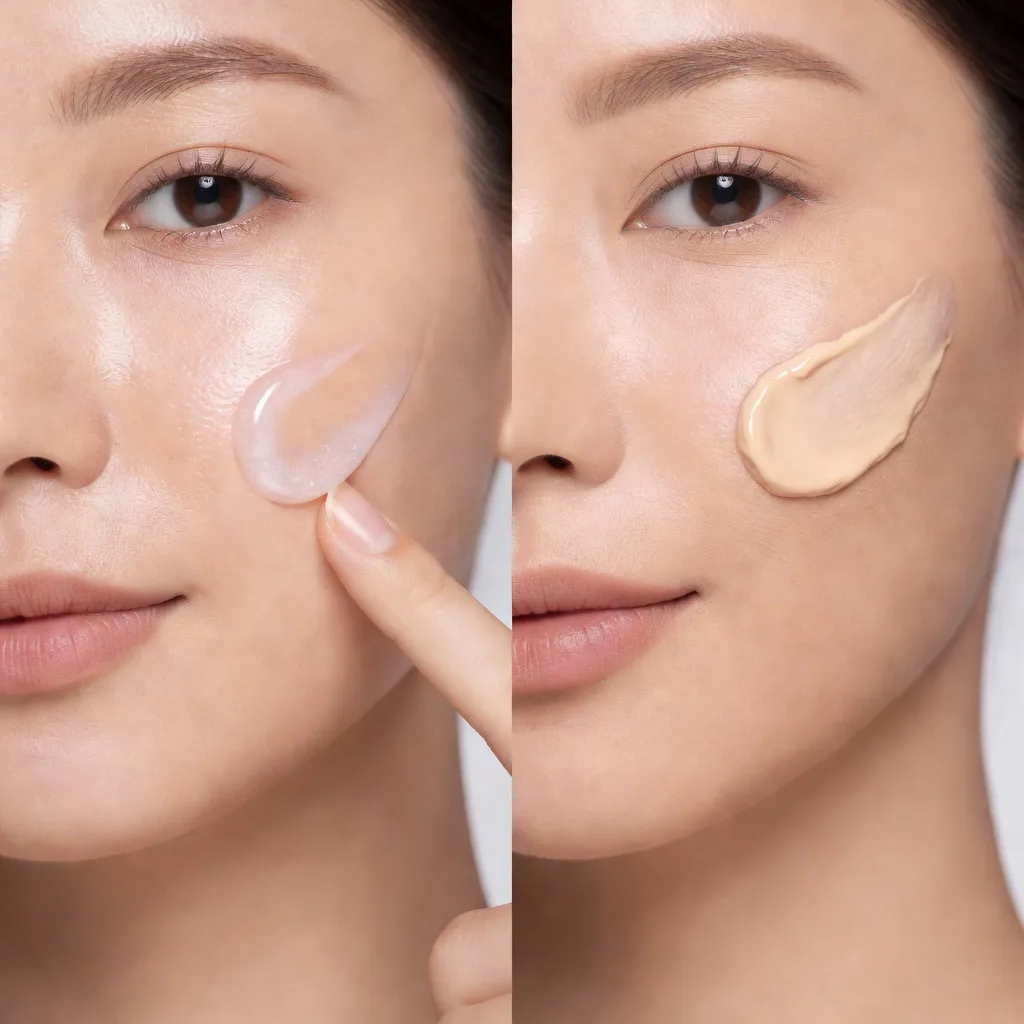
Tinted moisturiser is not exactly the same as BB cream, although they are close cousins. A tinted moisturiser is essentially a moisturiser with a small amount of pigment, giving the sheerest coverage and a mainly hydrating, dewy finish. A BB cream, short for blemish or beauty balm, usually gives a little more coverage, blurs small imperfections and more often combines tint with SPF, primer-like smoothing and skincare ingredients such as niacinamide or antioxidants. Because neither name has an official definition, some products labelled tinted moisturiser behave like BB creams and the reverse. Choose tinted moisturiser if you want the lightest possible look and extra hydration, and BB cream if you want slightly more evening and multi-purpose benefits.
In short: tinted moisturiser is sheerer and more hydrating; BB cream usually covers a little more and does more.
If either product lists SPF, the American Academy of Dermatology still recommends a broad-spectrum sunscreen of SPF 30 or higher applied generously, because a thin tinted layer rarely gives the protection on the label.
This guide compares their coverage, ingredients and finish, and helps you choose the right one for your skin.
Shopping these picks?
Amazon Prime members get fast, free shipping on eligible items, plus Prime Video, Amazon Music and member deals. New members can start with a free trial.
Start a free Prime trialAged 18 to 24? Prime for Young Adults comes with a longer free trial and a lower price after it.
Affiliate link: we may earn a commission at no extra cost to you.
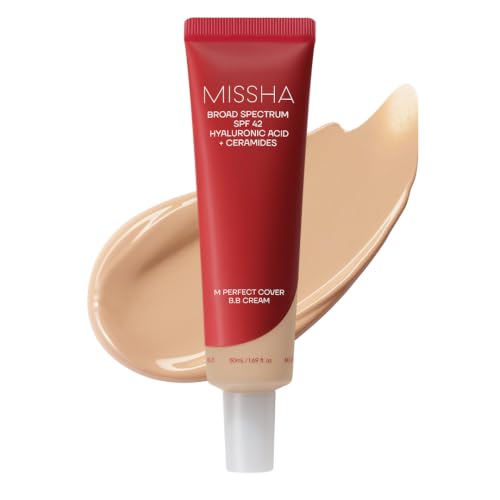
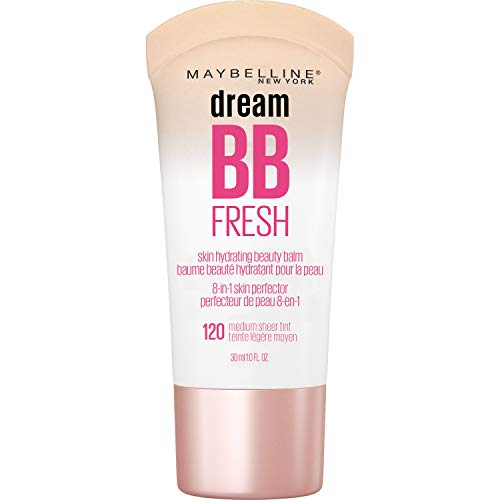
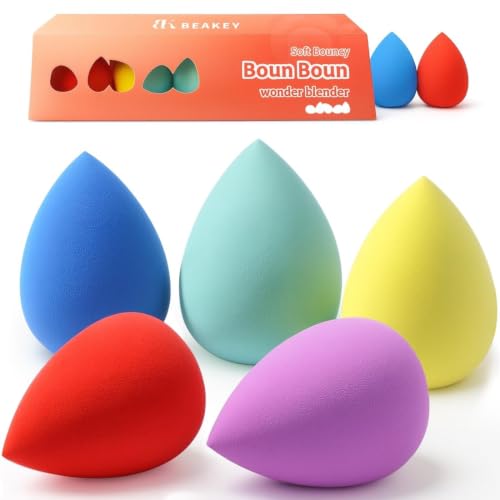
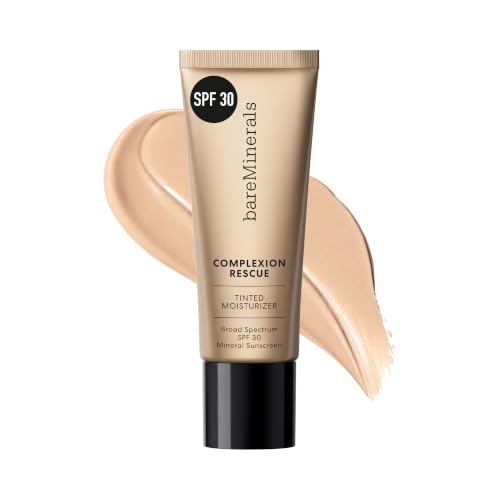
Recommended Tinted Moisturizers and BB Creams


Contents
- Tinted Moisturizer vs BB Cream at a Glance
- Where the Two Products Came From
- Coverage and Finish Compared
- Ingredients and Skincare Benefits
- Which Is Better for Your Skin Type?
- Can You Use Them as a Primer or With Other Makeup?
- How to Choose Between Tinted Moisturizer and BB Cream
- Do They Protect You From the Sun?
- Dos and Don’ts
- Possible Downsides
- Honest Limits
- When to See a Dermatologist
- Your Questions, Answered
- Summing Up
Key Takeaways
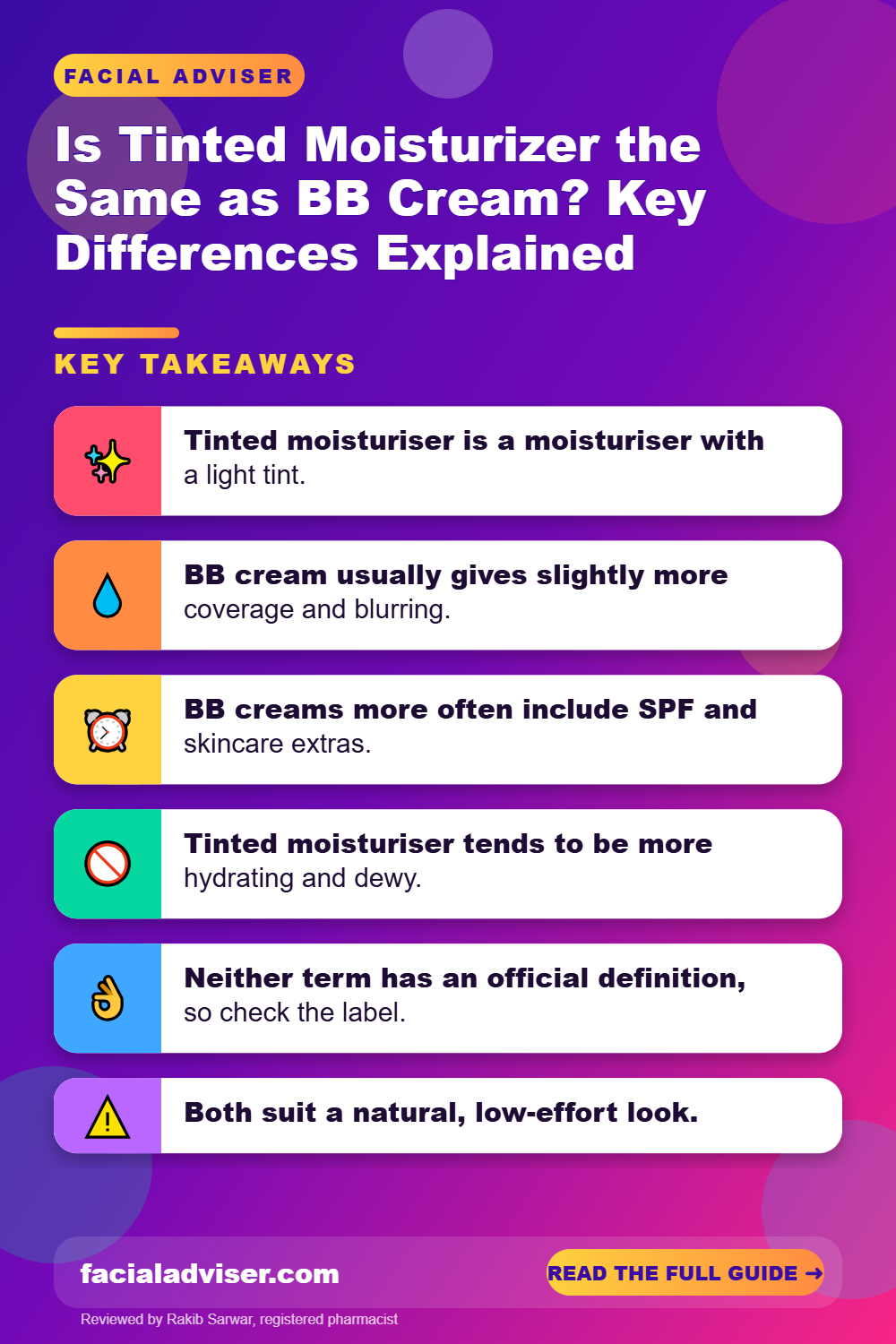
- Tinted moisturiser is a moisturiser with a light tint.
- BB cream usually gives slightly more coverage and blurring.
- BB creams more often include SPF and skincare extras.
- Tinted moisturiser tends to be more hydrating and dewy.
- Neither term has an official definition, so check the label.
- Both suit a natural, low-effort look.
- Neither replaces a properly applied sunscreen.
Tinted Moisturizer vs BB Cream at a Glance
This table compares a typical tinted moisturiser with a typical BB cream. Individual products vary, so treat it as a general guide.
| Feature | Tinted moisturiser | BB cream |
|---|---|---|
| Main purpose | Hydrate with a hint of colour | Even tone with multi-purpose benefits |
| Coverage | Sheerest | Sheer to light |
| Finish | Dewy, fresh | Dewy to satin |
| Hydration | High | Moderate to high |
| SPF | Sometimes | Often |
| Skincare extras | Usually few | Often niacinamide, antioxidants, hyaluronic acid |
| Blurring effect | Minimal | Mild, softens pores and texture |
| Shade range | Often limited | Often limited |
| Best for | Dry or already even skin | Mild redness, uneven tone, quick routines |
The overlap is large. Think of tinted moisturiser as the lightest step on the scale, with BB cream one small step above it, followed by CC cream and then foundation. Where a product sits on that scale depends on how much pigment it contains and how its base is built, so two products with the same label can look quite different on your skin. Texture is a useful clue: runny, lotion-like products usually give sheerer coverage, while thicker creams usually cover more.
Where the Two Products Came From
Understanding their history explains why they feel so similar and yet are marketed differently.
- Tinted moisturiser has been sold for decades as a simple way to add a little colour to a daily moisturiser, often favoured by people who dislike the feel of foundation.
- BB cream began as a soothing blemish balm in Germany, then became popular in South Korea as a multi-tasking makeup product.
- When BB cream reached Western markets, many brands launched versions that were close to their existing tinted moisturisers.
- Today, both names describe a family of light, tinted products rather than a precise formula.
This is why you may find a Western BB cream that feels exactly like a tinted moisturiser, and a Korean BB cream that looks closer to a light foundation. The label on the front tells you less than the texture, finish and ingredients.
Coverage and Finish Compared
Coverage is the main way you will see the difference on your skin. It decides whether freckles, mild redness and small marks show through.
- Tinted moisturiser: evens tone very slightly, lets freckles and most marks show, gives a fresh, dewy look.
- BB cream: softens redness and small blemishes more, gives a smoother, slightly more polished look.
- Both: can be layered on areas that need more help, but become shiny or heavy if overdone.
- For more coverage than either gives, use concealer on specific spots.
Many tinted moisturisers now include light-reflecting particles or silicones that blur the skin, which makes them look even more like BB creams. If you want to know how much coverage a product really gives, swatch it on your jawline rather than trusting the category name. Check it in natural daylight and again after a few hours of wear.
Finish is the other key difference. Tinted moisturisers usually leave a dewy, slightly glowing finish because of their higher oil and humectant content, which looks fresh on dry skin but can turn shiny on oily skin by midday. BB creams more often have a satin finish and include silicones or powders that soften shine and blur pores, which is why they tend to last a little longer on combination and oily skin.
If you want more coverage than both of these, our guide on whether BB cream is better than foundation compares the next step up.
Ingredients and Skincare Benefits
Both products combine moisturising ingredients with pigment, but BB creams more often add extras.
| Ingredient | Common in tinted moisturiser? | Common in BB cream? | What it does |
|---|---|---|---|
| Glycerin, hyaluronic acid | Yes | Yes | Draws water into the skin |
| Emollients and oils | Yes, often more | Yes | Softens and smooths |
| Sunscreen filters | Sometimes | Often | UV protection when used generously |
| Niacinamide | Sometimes | Often | Helps with redness and oil |
| Antioxidants | Sometimes | Often | Help defend against environmental stress |
| Silicones | Sometimes | Often | Blur pores, smooth texture |
Remember that skincare ingredients in makeup are usually present at modest levels, so their benefits are mild. For targeted results, a separate serum or treatment is more effective. For example, a niacinamide serum used under your tinted moisturiser will usually do more for redness and oil than the small amount of niacinamide in a BB cream. Fragrance is worth checking too: some tinted products add perfume for a pleasant scent, which can irritate sensitive or rosacea-prone skin.
Which Is Better for Your Skin Type?
Both can work for most skin types if you pick the right formula, but each tends to suit certain skin better.
- Dry skin: tinted moisturiser, for extra hydration and a dewy finish.
- Normal skin: either, depending on how much coverage you want.
- Oily skin: an oil-free BB cream with a satin or matte finish.
- Combination skin: a lightweight BB cream, with powder on the T-zone.
- Acne-prone skin: a non-comedogenic version of either.
- Mature skin: tinted moisturiser or a hydrating BB cream, used sparingly.
Sensitive skin needs extra care with both. Choose fragrance-free formulas, prefer mineral sunscreen filters such as zinc oxide if the product has SPF, and patch test on your jawline for a day or two before using it on your whole face.
If you are acne-prone, the AAD’s acne tips recommend choosing products labelled non-comedogenic or oil-free and removing makeup before bed.
Can You Use Them as a Primer or With Other Makeup?
Both products can play more than one role in a makeup routine, which is part of their appeal.
- Use tinted moisturiser under foundation on dry skin for extra hydration and a softer finish.
- Use a silicone-based BB cream as a smoothing base under foundation.
- Mix a drop of either into foundation to sheer it out for a lighter look.
- Use either on its own with concealer on spots for a quick, natural look.
When layering, check that the products work together. Water-based and silicone-based formulas can separate or pill, so test on your hand first. Apply thin layers and give each one a minute to settle before adding the next, which helps the products blend smoothly instead of sliding or rolling. Our guide on how to apply BB cream covers amounts, tools and how to avoid a cakey finish.
How to Choose Between Tinted Moisturizer and BB Cream
These steps help you decide which suits you, and avoid buying a product that ends up unused.
Decide on coverage
Sheerest look: tinted moisturiser. A little more evening: BB cream.
Consider your skin type
Dry skin often prefers tinted moisturiser; oily skin often prefers an oil-free BB cream.
Check the SPF
If it has SPF, look for broad spectrum, and still wear sunscreen underneath.
Check the ingredients
Look for extras you want, such as niacinamide or hyaluronic acid.
Check the label
Choose fragrance-free and non-comedogenic if you are sensitive or acne-prone.
Test the shade
Swatch on your jawline and check in daylight, since shop lighting can make a shade look warmer or lighter than it really is on your skin.
Wear it for a day
See how it looks and feels after several hours.
If your skin is dry in winter and oily in summer, you do not need to choose just one. Many people use tinted moisturiser in colder months and switch to a lighter BB cream when the weather warms up.
Do They Protect You From the Sun?
Some tinted moisturisers and many BB creams contain SPF, but a thin layer gives much less protection than the label suggests, because SPF is tested with a far thicker layer than people use for makeup.
- Look for broad spectrum and SPF 30 or higher.
- Apply a dedicated sunscreen first for reliable protection.
- Consider a tinted sunscreen if you want a single product.
- Reapply sun protection during long days outdoors.
The AAD guide on how to apply sunscreen explains how much to use and when to reapply. Our guide on whether BB cream has SPF explains why makeup SPF falls short.
Dos and Don’ts
Good Habits
- Choose by the coverage you want
- Check for broad-spectrum SPF
- Swatch on your jawline in daylight
- Choose non-comedogenic if acne-prone
- Remove makeup fully at night
Common Mistakes
- Assume the name tells you the coverage
- Rely on a thin layer for sun protection
- Layer heavy amounts to add coverage
- Keep using a product that irritates
- Skip moisturiser under a BB cream on dry skin
Possible Downsides
Both products are gentle for most people, but a few problems come up often.
- Limited shade ranges that can look ashy on deeper skin tones.
- Shine on oily skin, especially with dewy tinted moisturisers.
- Breakouts from rich formulas on acne-prone skin.
- Irritation from fragrance or some sunscreen filters.
Stop using any product that causes itching, stinging, swelling or a rash. Patch test new products on your jawline for a day or two, especially if you have sensitive skin or rosacea.
Honest Limits
Tinted moisturiser and BB cream are makeup with some skincare benefits. Their effects on tone and texture are cosmetic and last only while they are on your skin. Neither treats acne, pigmentation or redness in the long term. Any skincare claims are usually based on individual ingredients rather than independent studies of the finished product, and the amounts may be small.
Because the names are used loosely, the most useful thing you can do is judge a product by how it looks and feels on your skin, not by its category. Our guide on what BB cream does to your face explains what to expect from these products.
When to See a Dermatologist
- Makeup or sunscreen regularly causes breakouts or rashes.
- You have persistent redness, flushing or visible blood vessels.
- You have dark spots or melasma you want to treat.
- Your skin stays dry and flaky despite moisturiser.
This article is for general information and does not replace professional medical advice. See a board-certified dermatologist for skin conditions and if you react to cosmetic products.
Your Questions, Answered
Is tinted moisturizer the same as BB cream?
No, but they are similar; BB cream usually gives slightly more coverage and extras.
Which gives more coverage?
BB cream, usually.
Which is better for dry skin?
Tinted moisturiser.
Which is better for oily skin?
An oil-free BB cream.
Does tinted moisturizer have SPF?
Some do; check the label.
Can I use tinted moisturizer instead of foundation?
Yes, if you want very light coverage.
Can I wear tinted moisturizer under BB cream?
You can, but one is usually enough.
Can tinted moisturizer replace my regular moisturizer?
For many people, yes, in the morning.
Is BB cream better for acne-prone skin?
Only if it is non-comedogenic.
Do I still need sunscreen with either?
Yes, for reliable protection.
Summing Up
Tinted moisturiser and BB cream are close cousins: tinted moisturiser is sheerer and more hydrating, while BB cream usually gives a little more coverage and multi-purpose benefits.
Choose by the coverage you want and your skin type, check labels rather than names, and wear a dedicated sunscreen underneath either one.

Written by
Registered pharmacist and founder of Facial Adviser. Rakib's pharmacy training covers how skincare actives work and interact; a later course in cosmetology turned that into a focus on facial treatments and skincare products. He plans, researches and edits every guide on the site and checks health claims against sources such as the American Academy of Dermatology, the FDA and the NIH. He is not a dermatologist; see the Editorial Policy and Medical Disclaimer.
About · Editorial policy · How we choose products · Medical disclaimer · Contact
Keep reading: Foundation, BB cream and base
- How to Find the Right Shade of Makeup: Undertone, Depth and Testing
- Does BB Cream Expire? Shelf Life, Signs It Has Gone Bad and Storage
- What Does BB Cream Do to Your Face? Benefits, Limits and Who It Suits
- Is BB Cream Better Than Foundation? Coverage, Skin Types and When to Use Each
- Why Foundation Separates by Midday (and How to Stop It)
- 10 Best Primers for Humid Weather (2026): Shine Control That Lasts
- How to Choose the Right Eye Makeup Color for Your Eyes and Skin
- What Can You Use to Make Your Makeup Stay On All Day? 9 Products and Tricks