Korean vs US Sunscreen Filters: Why Formulas Feel So Different
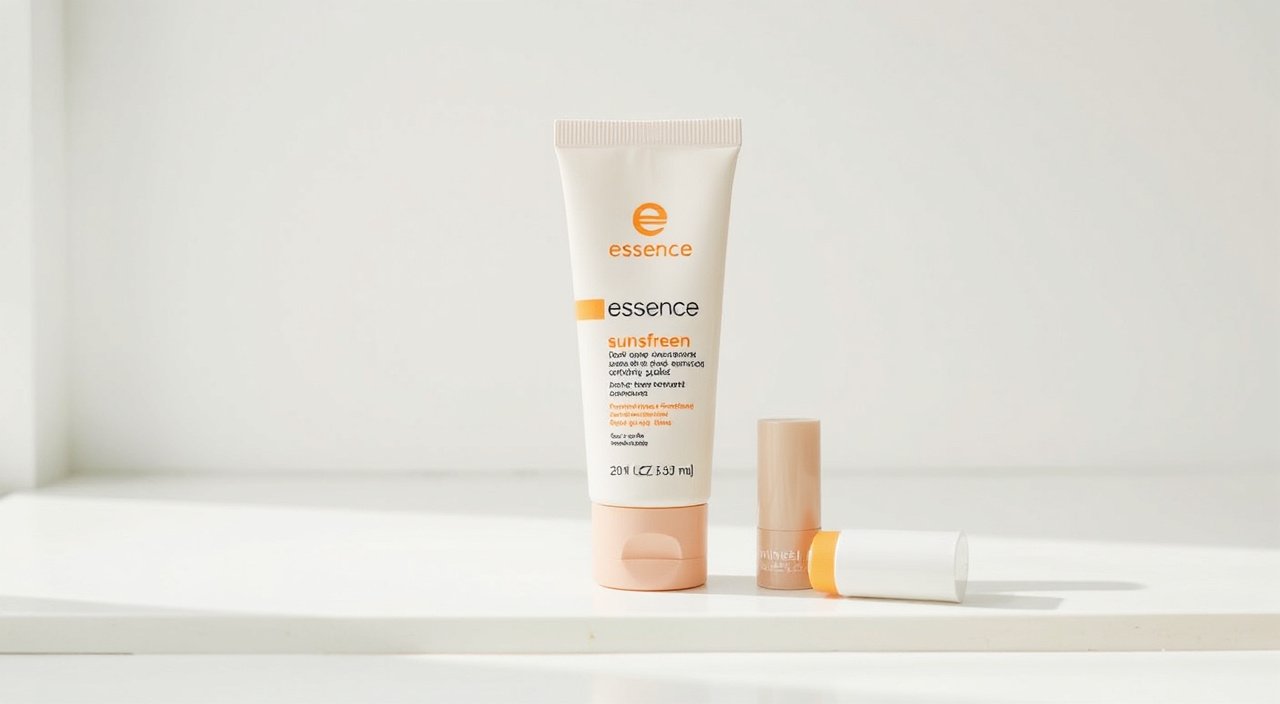
If you have tried a Korean sunscreen after years of US ones, you have probably noticed the difference right away. Many Korean formulas feel like light essences or gels, leave no white cast and sit well under makeup.
The difference comes mostly from which UV filters are allowed in each region, plus different texture preferences and testing methods.
Many people also ask whether imported sunscreens are safe. In general, products from reputable brands and trusted sellers are fine, but you should always check labels and storage.
Black Friday is coming: shop the deals with Prime
This guide explains how Korean and US sunscreens differ, why new filters are approved faster in some countries, what PA ratings mean and what to check when buying an imported sunscreen. It also includes tips on using sunscreen correctly, since the best formula is the one you actually wear.
I am Rakib Sarwar, a registered pharmacist with a cosmetology course. I am not a dermatologist, and this article is general education. Regulations change, so check current rules and product labels for your country.
Sunscreen filters are the ingredients that absorb or reflect UV light. In the US, sunscreens are regulated as over-the-counter drugs, and the list of allowed filters has barely changed for decades. In many other regions, sunscreens are regulated as cosmetics or have different approval paths, so newer filters are available.
Below you will find a clear comparison, a step-by-step way to choose, honest limits and a short list of sunscreens from different regions. For using sunscreen with makeup, see our guide to reapplying sunscreen over makeup.
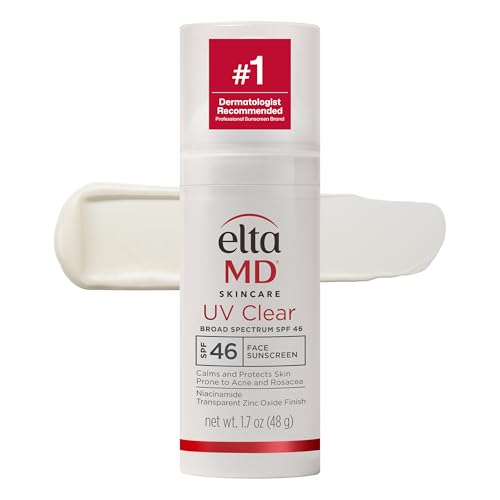
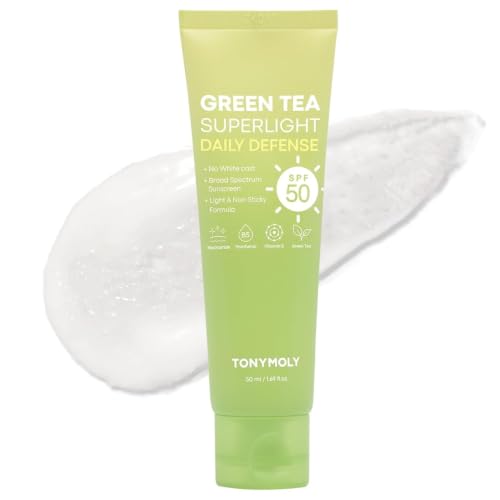
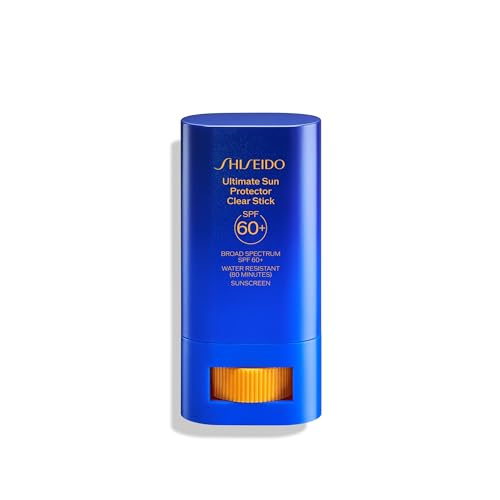
Sunscreens to Consider From Korea, the US and Japan




Quick Answer
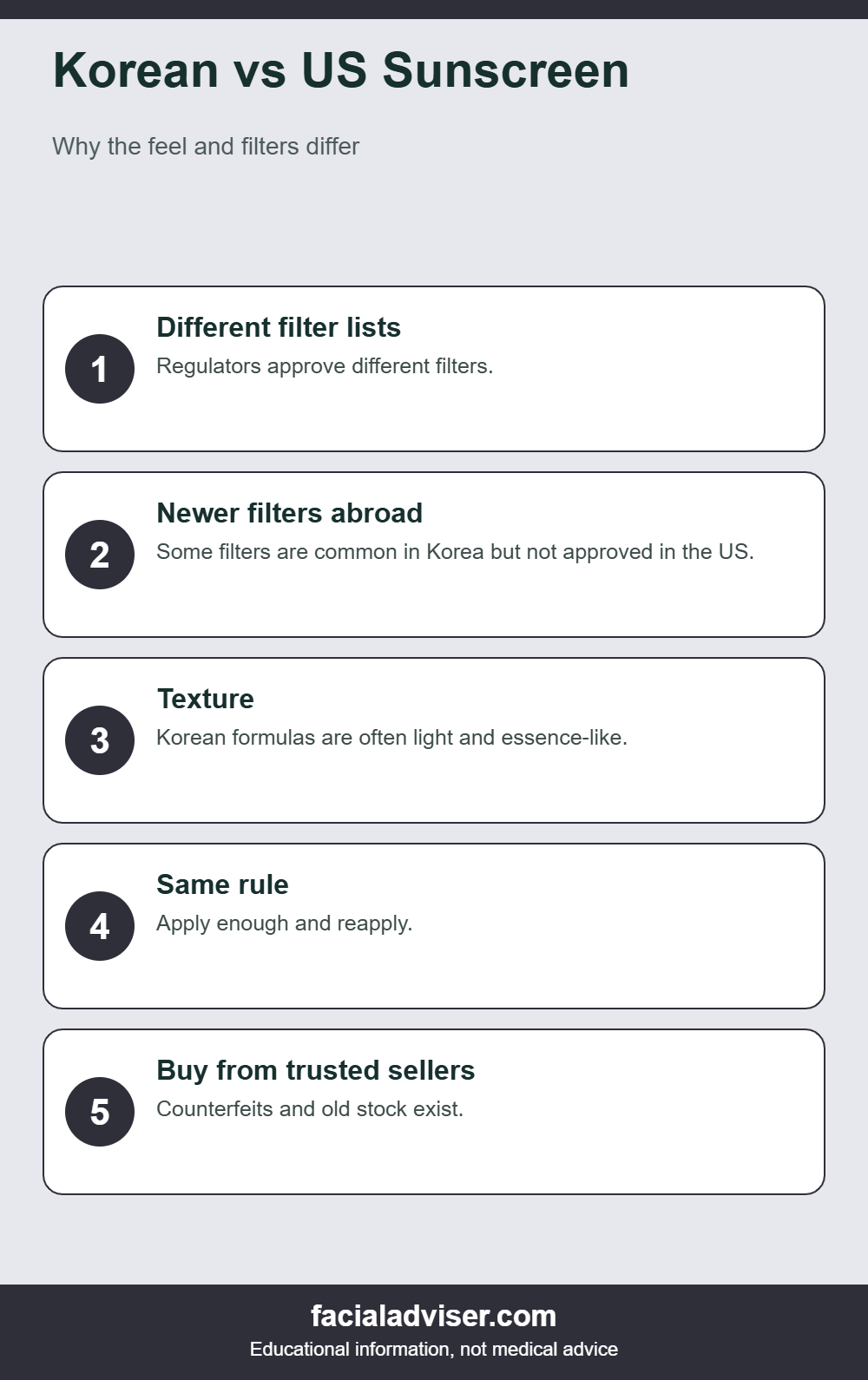
- US sunscreens use an older list of approved filters.
- Many Korean and European formulas use newer filters not approved in the US.
- Texture is a big part of the difference: Korean formulas are often light and elegant.
- PA ratings show UVA protection, while SPF shows UVB protection.
- Imported sunscreens may be counterfeit or old, so buy from trusted sellers.
- The best sunscreen is one you will use enough of and reapply.
Jump to a Section
- How Sunscreen Filters Work
- Why US Sunscreens Use an Older Filter List
- Why Korean Sunscreens Feel So Light
- SPF and PA: Reading the Ratings
- How to Choose Between Korean and US Sunscreens
- How to Get the Protection on the Label
- Safety and Counterfeits
- Honest Limits
- When to See a Professional
- Common Questions
- Where This Leaves You
How Sunscreen Filters Work
Sunscreen filters fall into two groups. Mineral filters, zinc oxide and titanium dioxide, sit on the skin and reflect and scatter UV light. Chemical or organic filters absorb UV light and convert it into a small amount of heat. Most modern sunscreens use one group or a mix.
There is also a difference between filters that absorb UVA and UVB rays. Some filters cover mostly UVB, while others cover broad ranges of UVA. A formula often combines several filters to cover the full spectrum, which is why the same SPF number can feel and perform differently.
When you compare two sunscreens, check both SPF and UVA protection. A high SPF with weak UVA protection leaves a gap, even if it prevents sunburn.
Photostability is another key point. Some older filters break down under sunlight and lose strength during the day, which is one reason that reapplication matters. Newer filters are often designed to stay more stable, but formula details and real-life use still decide results.
Filters also differ in how they interact with the rest of the formula. Oils, silicones and film formers decide how smooth and invisible a sunscreen feels on the skin.
Both can protect when used correctly. The difference lies in feel, finish, stability and how they behave on different skin types.
Filter approvals and regulations change over time. Check your local rules and product labels.
Why US Sunscreens Use an Older Filter List
In the United States, sunscreens are regulated as over-the-counter drugs, and ingredients must be on an approved list. Only a small number of filters have been approved for decades, and several newer filters used in Europe and Asia have waited a long time for review.
The US system was designed for drug safety review. That review is thorough, but it has been slow for new filters, and manufacturers have waited years for decisions. Regulators in other regions review sunscreens as cosmetics with their own safety assessments.
Regulation changes, and the situation may be different by the time you read this. If you want to know whether a specific filter is allowed in your country, check your local health authority.
Other regions, such as Korea, Japan and Europe, approve many more filters and classify sunscreens differently. This is a major reason that formulas feel different, not because one region is simply better than another.
| Region | How sunscreens are regulated | Effect on products |
|---|---|---|
| United States | Over-the-counter drug | Fewer approved filters; slower approval |
| Korea | Functional cosmetic | Many modern filters available |
| Japan | Quasi-drug or cosmetic | Strong tradition of light textures |
| Europe | Cosmetic | Wide filter list and testing rules |
Why Korean Sunscreens Feel So Light
Newer filters can be more photostable and elegant on skin, which means formulas can be thinner and less greasy. Korean skincare culture also favors lightweight, hydrating textures that work under makeup and feel like skincare.
Fragrance and alcohol can also change how a sunscreen feels. Some light formulas include alcohol to dry quickly, which can sting sensitive or dry skin. If a sunscreen stings, try a fragrance-free formula without denatured alcohol.
Check whether a sunscreen is labeled for the face. Body formulas can feel heavy and may be more likely to clog pores on the face.
Climate and habits matter too. In humid places, people prefer lighter textures that do not feel sticky. Daily sunscreen use is also widely accepted in Korea, which pushes brands to make formulas people enjoy wearing every day.
The best sunscreen is the one you will wear. If you hate a texture, you will skip it, and no filter can help if the tube stays in the drawer.
Many Korean sunscreens are labeled essences, serums or gels. They often contain soothing ingredients, such as centella, rice or green tea, and avoid heavy fragrance. That doesn’t make them gentler for everyone, but the feel is often preferred for daily wear.
If a sunscreen feels too light, check that you apply enough. Thin, fast-absorbing formulas are easy to under-apply.
SPF and PA: Reading the Ratings
SPF measures protection against UVB rays, which cause sunburn. PA ratings, used in many Asian markets, indicate UVA protection and appear as plus signs from PA+ to PA++++. More plus signs mean stronger UVA protection according to the system used.
Different regions use different test methods, so SPF numbers are not always directly comparable. Methods may involve different amounts of product, different light sources or different test panels.
For daily use, SPF 30 or higher with broad UVA protection is a sensible target. Higher numbers add less extra protection than many people expect, but application amount matters more.
In the US, broad spectrum on the label indicates tested UVA protection. A product with broad spectrum SPF 30 or higher protects against both UVA and UVB when used properly.
| Rating | What it measures | Where you see it |
|---|---|---|
| SPF | UVB (sunburn) protection | Worldwide |
| PA+ to PA++++ | UVA protection | Korea, Japan and nearby |
| Broad spectrum | Tested UVA protection | US labels |
| UVA circle | UVA protection in Europe | European labels |
How to Choose Between Korean and US Sunscreens
Start with what you want: a light feel, no white cast, compatibility with makeup or the most familiar regulatory path. Then check the filter type, SPF and PA rating. If you have sensitive skin, patch test and look for fragrance-free options.
Consider how it layers with your routine. A light essence may need a moisturizer underneath if your skin is dry, while a cream may feel heavy on oily skin. Always apply sunscreen last in your skincare routine and before makeup.
If you have oily or acne-prone skin, a gel or essence may feel better than a thick cream. If you have dry skin, a hydrating serum-style sunscreen can double as moisturizer. If you have sensitive skin, mineral formulas may be better tolerated, though reactions vary.
Look for sunscreens with specific information about testing and filters. Brands that publish details are easier to trust.
Be careful when importing. Check that the seller is reputable and the product is sealed and in date. Counterfeit sunscreens exist and can have unreliable SPF.
Helps
- Buy from trusted sellers
- Check the expiry date
- Patch test new products
Backfires
- Assume imported means better
- Buy from unknown sellers
- Apply too little
How to Get the Protection on the Label
Labels assume you apply a generous amount. Most people use far less, which lowers real protection. Apply sunscreen as the last step of skincare and before makeup, and reapply every two hours outdoors.
Apply sunscreen to the neck, ears and hairline as well. These areas are often missed. If you wear makeup, a sunscreen stick or powder can help top up during the day.
Wear a hat and sunglasses and seek shade at midday. Sunscreen is one part of sun protection, not the whole plan.
Cleanse and moisturize
Use your usual gentle routine.
Use enough sunscreen
Apply about two finger lengths for the face and neck.
Wait a couple of minutes
Let it settle before makeup.
Reapply outdoors
Reapply every two hours, or after swimming or sweating.
Wash it off at night
Cleanse properly to remove sunscreen and makeup.
Stop using any sunscreen that causes burning, swelling or a rash, and see a doctor if symptoms persist.
Safety and Counterfeits
Check the packaging for batch numbers, an expiry date and the seller’s details. Imported products may use different labeling languages and ratings. If a deal seems too good to be true, consider whether it might be fake or old.
Do not use sunscreen that is past its expiry or that has been left in a hot car. Filters can break down, and the texture may separate. Throw away products that look odd.
Wash your hands after applying sunscreen to avoid getting it in your eyes. If your eyes sting from sweat and sunscreen, choose a formula labeled for the face.
Store sunscreen away from heat, since high temperatures can degrade filters. Replace sunscreens that have changed color, smell or texture.
Honest Limits
This article simplifies a complex regulatory topic, and rules change. Sunscreen performance depends on application, the formula and your skin. SPF numbers are measured in labs under ideal conditions that may not match real life.
Skin differs too. Someone with melanin-rich skin may find that some sunscreens look chalky, while others do not. That is a practical matter of formula, not an indicator of protection.
Korean and US sunscreens are both made by companies with different quality standards, so judge each product on its own.
When to See a Professional
See a doctor or dermatologist if you have a skin condition that is sensitive to the sun, a history of skin cancer, new or changing moles, or if sunscreen causes rashes. They can recommend suitable products.
If you take medicines that increase sun sensitivity, such as some antibiotics or retinoids, ask your doctor or pharmacist for advice on sun protection. Sunscreen is one part of the plan, along with clothing and shade.
Bring your sunscreen to an appointment if you have a reaction. A professional can check the ingredient list for likely triggers.
This article is educational and not medical advice. The author is a registered pharmacist, not a dermatologist, and cannot diagnose skin conditions.
Common Questions
Why do Korean sunscreens feel lighter?
They often use newer filters and textures designed to be elegant and lightweight.
Are Korean sunscreens better than US ones?
Not automatically. They differ in filters and feel, but both can protect when used properly.
What does PA++++ mean?
It indicates a high level of UVA protection in the Asian rating system.
Are Korean sunscreens FDA approved?
Imported products may use filters not approved in the US, and they are not sold as FDA-approved drugs.
Is it safe to buy Korean sunscreen online?
Buy from trusted sellers and check expiry dates and packaging.
Do I still need to reapply?
Yes, reapply about every two hours outdoors.
Do Korean sunscreens leave a white cast?
Many are designed not to, especially chemical filter formulas.
What is broad spectrum?
It means a sunscreen protects against both UVA and UVB.
Can I wear Korean sunscreen under makeup?
Many are designed to sit well under makeup.
Should I see a doctor?
See one if you react to sunscreen or have sun-sensitive conditions.
Where This Leaves You
Korean and US sunscreens feel different mainly because of different filters, regulations and texture preferences. Both can protect when you apply enough and reapply.
Choose a formula you enjoy wearing, buy from trusted sellers and talk to a professional if you have skin concerns.

Written by
Registered pharmacist and founder of Facial Adviser. Rakib's pharmacy training covers how skincare actives work and interact; a later course in cosmetology turned that into a focus on facial treatments and skincare products. He plans, researches and edits every guide on the site and checks health claims against sources such as the American Academy of Dermatology, the FDA and the NIH. He is not a dermatologist; see the Editorial Policy and Medical Disclaimer.
About · Editorial policy · How we choose products · Medical disclaimer · Contact
Prime for Young Adults: a longer free trial and a lower price after it