How to Create a Glossy Finish Without Oil: A Dewy Look for Any Skin
A glossy, glass-like finish is one of the most requested makeup looks, but the usual advice is to pat facial oil over everything. That works for some people, yet it can feel greasy, break down foundation, slide around by lunchtime and leave oily or acne-prone skin looking shiny rather than fresh.
Part of our guide to cosmetic science. Start with: How to Read a Cosmetic Ingredient List: A Beginner Guide
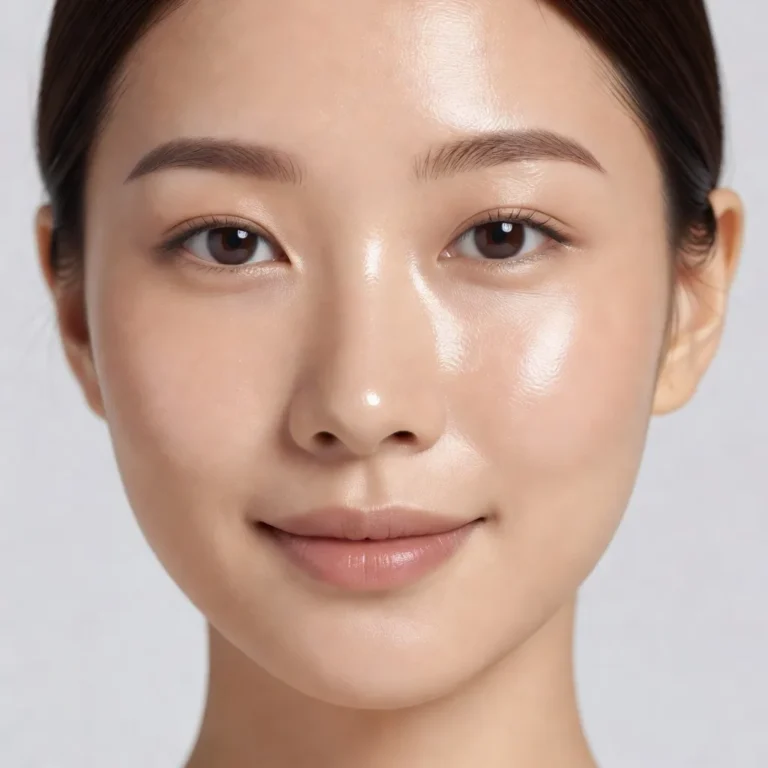
You can create a glossy finish without oil by building shine from water and light instead. Layer humectants such as glycerin and hyaluronic acid over damp skin, seal them with a lightweight gel moisturiser, use a glow or hydrating primer, choose a satin or radiant base, and place liquid highlighter or a hydrating balm only on the high points of the face. A fine hydrating mist pressed in at the end revives the glow without adding grease.
The difference between gloss and grease is where the shine sits. Healthy-looking gloss sits on the cheekbones, brow bones, nose bridge and cupid’s bow. Grease tends to appear across the forehead, sides of the nose and chin, where oil glands are most active.
The American Academy of Dermatology recommends oil-free products for oily skin, which is exactly why this approach suits people who love a dewy look but do not want extra oil on their face.
This guide explains which ingredients create gloss without oil, a step-by-step routine, how to adapt it for your skin type and how to keep the finish looking fresh all day.
Shopping these picks?
Amazon Prime members get fast, free shipping on eligible items, plus Prime Video, Amazon Music and member deals. New members can start with a free trial.
Start a free Prime trialAged 18 to 24? Prime for Young Adults comes with a longer free trial and a lower price after it.
Affiliate link: we may earn a commission at no extra cost to you.
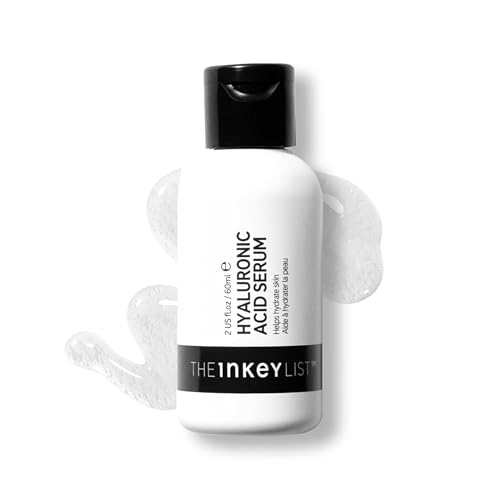
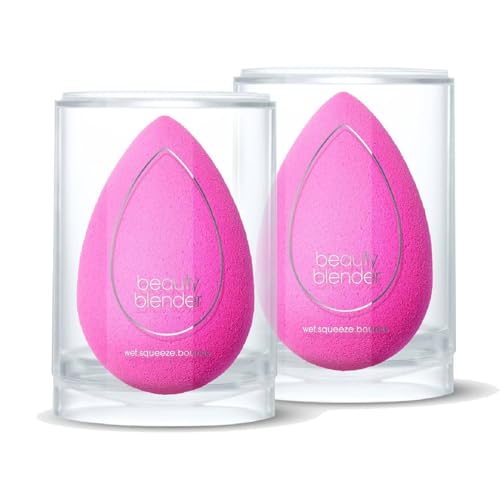
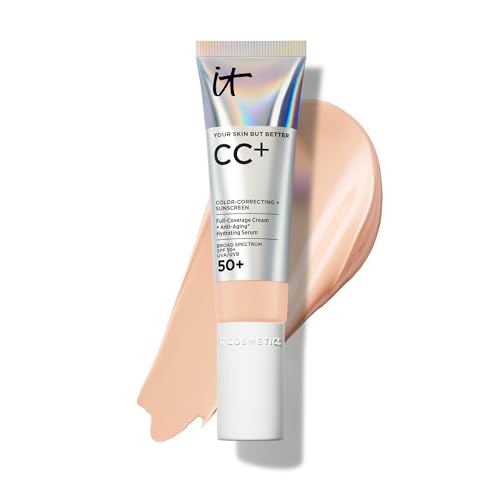
Recommended Products for an Oil-Free Glossy Finish



What This Covers
- Why Gloss Does Not Need Oil
- Ingredients That Create Gloss Without Oil
- How to Build a Glossy Finish Without Oil
- Where to Put the Shine
- Adapting the Look for Your Skin Type
- Choosing Makeup for an Oil-Free Glow
- Keeping the Glow Fresh All Day
- Common Mistakes
- Dos and Don’ts
- Honest Limits
- When to See a Dermatologist
- FAQ
- Where This Leaves You
At a Glance
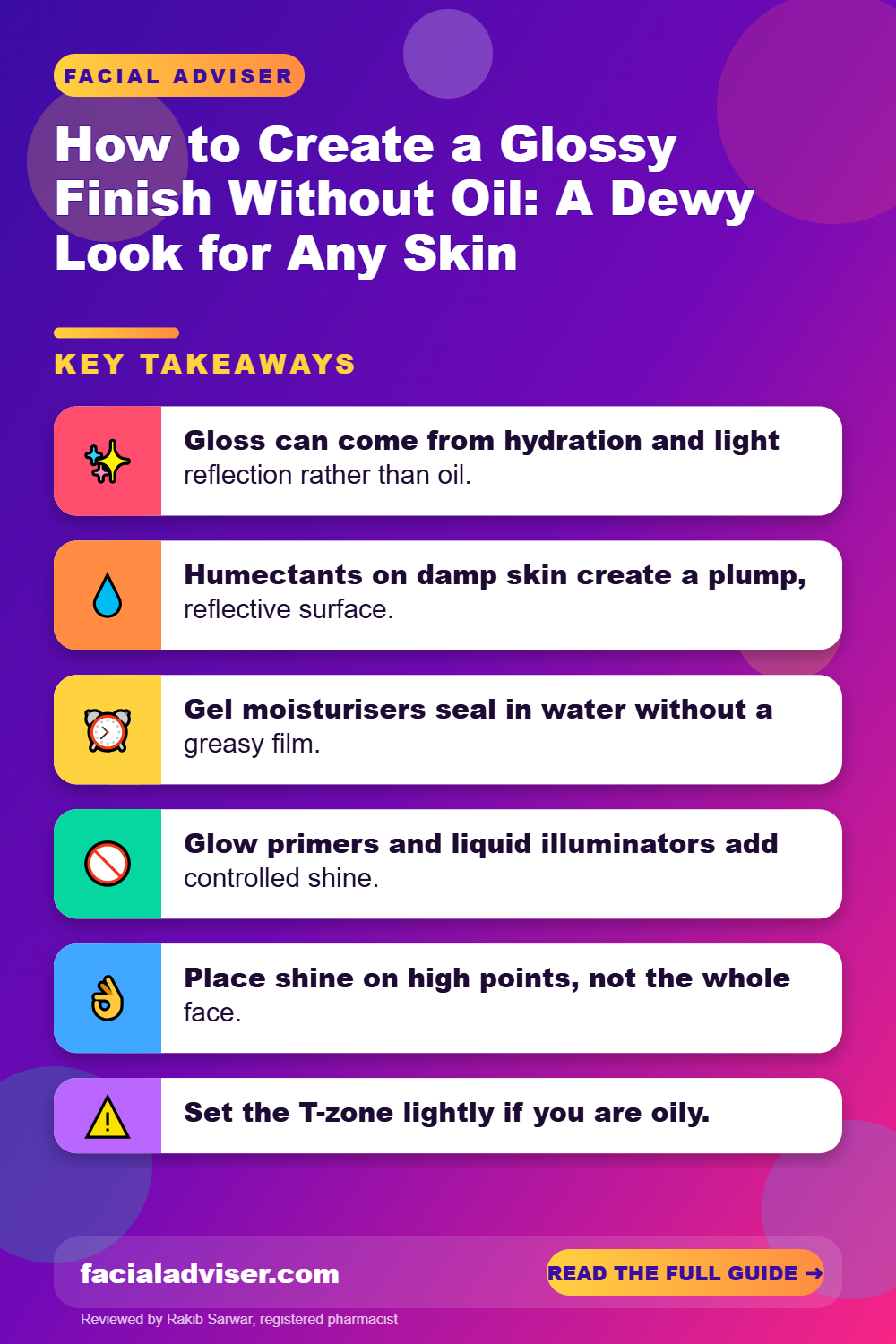
- Gloss can come from hydration and light reflection rather than oil.
- Humectants on damp skin create a plump, reflective surface.
- Gel moisturisers seal in water without a greasy film.
- Glow primers and liquid illuminators add controlled shine.
- Place shine on high points, not the whole face.
- Set the T-zone lightly if you are oily.
- A hydrating mist refreshes the glow during the day.
Why Gloss Does Not Need Oil
Skin looks glossy when its surface is smooth and reflects light evenly. Oil creates that effect by forming a shiny film, but water-plump skin, smooth silicones and light-reflecting pigments do the same job with a lighter feel.
Humectants such as glycerin, hyaluronic acid, panthenol and propanediol attract water into the outer layer of skin. When that layer is well hydrated it looks smoother and more translucent, which reads as a healthy glow. Lightweight silicones then smooth the surface further, and fine pearl pigments bounce light back towards the viewer.
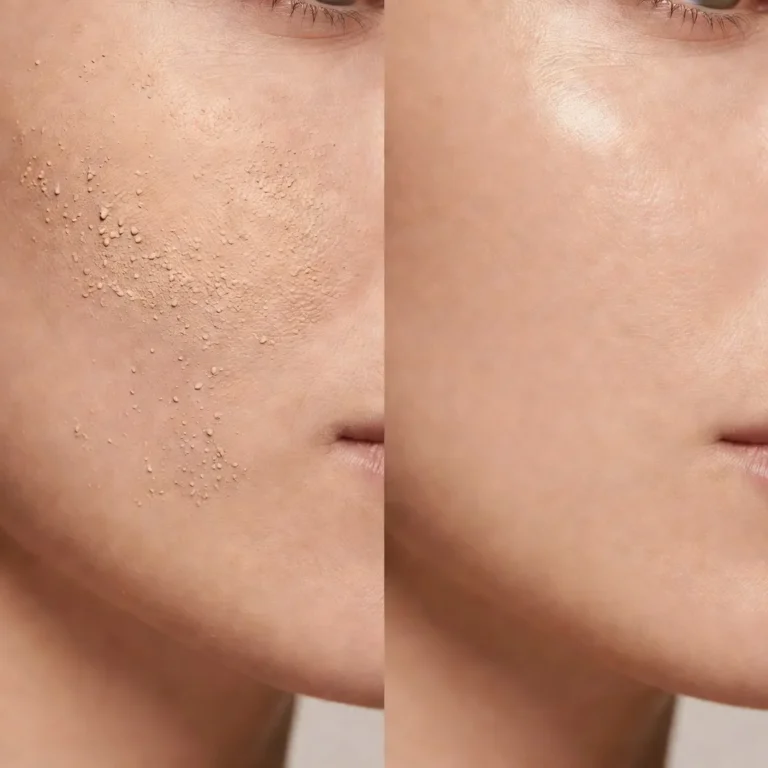
Oil is also a solvent for makeup. Rich facial oils can loosen foundation and concealer, which is one reason oily glow looks can break up or slide. Our guide on why foundation separates by midday explains that process in more detail.
Oil-free does not mean drying. Many oil-free gels and serums are very hydrating. They simply rely on water and humectants rather than plant or mineral oils.
Ingredients That Create Gloss Without Oil
| Ingredient type | Examples | What it does for gloss | Best for |
|---|---|---|---|
| Humectants | Glycerin, hyaluronic acid, panthenol | Draw water into skin for a plump, reflective surface | All skin types |
| Lightweight silicones | Dimethicone, cyclopentasiloxane | Smooth texture and add a soft sheen | Oily, combination and normal skin |
| Light-reflecting pigments | Mica, titanium dioxide coated pearls | Bounce light for a luminous finish | Dull or tired-looking skin |
| Water-based gels | Gel creams, jelly moisturisers | Seal hydration with a fresh, non-greasy feel | Oily and combination skin |
| Barrier ingredients | Ceramides, niacinamide | Support a smoother, calmer surface over time | Dry and sensitive skin |
Reading ingredient lists helps. If oils such as squalane, jojoba, argan or mineral oil appear near the top, the product will likely feel richer. Oil-free glow products usually list water, glycerin and silicones first.
Silicones are sometimes criticised, but they are widely used, generally well tolerated and very good at creating a smooth, reflective surface without greasiness. If you prefer to avoid them, humectant layers and a pearl-based illuminator still give a noticeable glow.
How to Build a Glossy Finish Without Oil
This routine takes around ten minutes. The key is to apply each layer to slightly damp skin and let it settle before the next one.
Cleanse gently
Use a mild, non-stripping cleanser so skin is not tight or flaky before you start.
Apply a hydrating toner or essence
Pat a watery toner into damp skin. Two thin layers give more bounce than one heavy one.
Add a humectant serum
Press a hyaluronic acid or glycerin serum over the still-damp toner.
Seal with a gel moisturiser
Use a water-based gel cream to lock in hydration without a greasy film.
Apply sunscreen
Choose a lightweight, oil-free sunscreen with a dewy or satin finish and let it set for a few minutes.
Use a glow primer on high points
Tap a liquid illuminator or glow primer onto cheekbones, brow bones and the nose bridge.
Apply a satin or radiant base in thin layers
Press it in with a damp sponge rather than buffing with a dry brush.
Finish with targeted gloss and mist
Add liquid highlighter to high points, then press in a fine hydrating mist.
A damp sponge is one of the easiest ways to add gloss without oil. It presses product into skin and leaves a fresh, slightly luminous finish instead of a powdery one.
Where to Put the Shine
Placement is what makes a glossy look appear intentional rather than oily. Light naturally hits the high points of the face, so adding shine there looks like healthy skin.
| Area | Add gloss? | Why |
|---|---|---|
| Cheekbones | Yes | The classic spot for a lit-from-within look |
| Brow bones | Yes, lightly | Lifts and brightens the eye area |
| Bridge of the nose | Yes, a thin line | Catches light without widening the nose |
| Cupid’s bow | Yes, a tiny amount | Makes lips look fuller |
| Centre of forehead | Only if you are dry | Oily skin gets shiny here on its own |
| Sides of the nose and chin | Usually no | These areas become oily quickly |
If you are oily, keep gloss to the cheekbones and brow bones and set the forehead, nose and chin with a light layer of translucent powder. The contrast between matte and glossy areas actually makes the glow look more deliberate.
Adapting the Look for Your Skin Type
Oily skin: use a gel moisturiser, a mattifying primer on the T-zone and gloss only on high points. The AAD’s advice for oily skin includes oil-free products and blotting papers, which pair well with this routine. Dry skin: you can layer more hydration, add a slightly richer oil-free cream over your serum and use a radiant foundation. Avoid heavy powder, which dulls the finish and highlights flaky patches. Combination skin: hydrate the whole face, use a glow primer on the cheeks and a mattifying one on the T-zone, then set only the centre. Mature skin: hydration-based glow is very flattering because it softens the look of fine lines. Use cream or liquid highlighter rather than shimmer powder, which can sit in texture. Acne-prone skin: choose non-comedogenic products and skip heavy balms. Keep glow away from active breakouts, since shine draws attention to raised spots.Choosing Makeup for an Oil-Free Glow
Foundation finish makes a big difference. Satin, natural or radiant formulas give a head start, while very matte long-wear foundations tend to flatten the glow you built with skincare. Our guide on how mixing two products changes your finish explains how to shift a foundation you already own.
Skin tints and CC creams are good options for a glossy look because they are thin and let hydrated skin show through. Liquid illuminators can be worn alone, under foundation or mixed with a drop of base for an all-over sheen.
For cheeks, cream or liquid blush blends into a glossy base more naturally than powder. Clear or tinted brow gel and a lip balm or gloss complete the look without adding oil to the face.
Powder is not banned. A finely milled translucent powder pressed only where you get shiny keeps the look polished. Use a small brush or a puff folded in half to control where it goes.
Keeping the Glow Fresh All Day
Even oil-free gloss changes through the day as your skin produces oil and makeup settles. A few habits keep it looking fresh:
- Blot the T-zone with blotting papers rather than adding more powder.
- Press a hydrating mist over the face to revive dull areas.
- Tap a little liquid highlighter back onto the cheekbones with a fingertip.
- Keep hands away from the face to avoid smudging.
- Reapply sunscreen as needed; a sunscreen mist or stick works over makeup.
Mist the face from arm’s length and let it dry rather than wiping, which can lift foundation. If a patch looks greasy, blot first and then add gloss back only where you want it.
Do not rely on makeup with SPF alone. Most people apply far too little foundation to reach the SPF on the label, so wear a separate sunscreen underneath.
Common Mistakes
Glossing the whole face. Shine everywhere looks oily. Keep it to the high points and let the rest of the face stay soft. Applying layers to dry skin. Humectants work best on damp skin. On dry skin in a dry room they can leave the surface feeling tight. Rushing between layers. Applying foundation over wet skincare causes pilling and patchiness. Wait until each layer feels settled. Using shimmer powder instead of liquid glow. Glitter-like powder shows texture and can look dusty. Liquid or cream illuminators look more like skin. Skipping exfoliation completely. A buildup of dead skin makes any finish look dull. Gentle exfoliation once or twice a week, if your skin tolerates it, helps light reflect evenly.Dos and Don’ts
Helps
- Layer humectants on damp skin
- Use a gel moisturiser to seal in water
- Place gloss on the high points
- Set only the areas that get oily
- Refresh with a hydrating mist
Backfires
- Pat facial oil over foundation if you are oily
- Apply shimmer powder over dry patches
- Gloss the sides of the nose and chin
- Rub mist into makeup
- Mix sunscreen into foundation
Honest Limits
No routine can permanently stop oily skin from producing oil. If you are very oily, your glow will turn to shine faster, so blotting and targeted powder are part of the routine rather than a failure.
Humectants depend partly on the environment. In very dry air they have less water to draw from, so a slightly richer oil-free cream and a humidifier indoors can help.
Results also depend on your skin’s texture. Glossy finishes highlight bumps and enlarged pores more than matte ones, so some people prefer to keep the glow strictly to the cheekbones. That is a sensible choice, not a compromise.
When to See a Dermatologist
- Your skin stays very oily despite a gentle routine.
- You have dry, flaky or tight skin that does not improve with moisturiser.
- You break out regularly after using new products.
- Products cause redness, stinging, itching or a rash.
This article is for general information and does not replace professional medical advice. See a dermatologist for persistent skin concerns.
FAQ
Can you get a glossy finish without facial oil?
Yes. Humectants, gel moisturisers, glow primers and liquid illuminators create gloss without oil.
What ingredients make skin look glossy?
Glycerin, hyaluronic acid, lightweight silicones and light-reflecting pigments such as mica.
Is a glossy finish good for oily skin?
It can be if you keep gloss to high points and set the T-zone lightly.
Why does my dewy makeup look greasy?
Shine is usually spread across oily areas, or oil-based products are breaking down foundation.
Should I apply serum on damp skin?
Yes. Humectant serums work best pressed into slightly damp skin.
What foundation finish works best for a glossy look?
Satin, natural or radiant finishes, applied in thin layers.
Can I use powder with a glossy finish?
Yes, lightly and only where you get shiny.
How do I refresh a glossy look during the day?
Blot oily areas, press in a hydrating mist and tap highlighter back onto the cheekbones.
Does a glossy finish work on mature skin?
Yes. Hydration-based glow often softens the look of fine lines.
Is liquid highlighter better than powder for gloss?
Usually. Liquid and cream formulas look more like skin and sit less in texture.
Where This Leaves You
A glossy finish does not need facial oil. Hydrated skin, a gel moisturiser, a glow primer, a thin satin base and carefully placed liquid highlighter create a fresh, reflective look that lasts longer and feels lighter.
Keep shine on the high points of the face, set the areas that get oily and refresh with a mist and blotting papers during the day. That balance gives you glass-like skin without the grease.

Written by
Registered pharmacist and founder of Facial Adviser. Rakib's pharmacy training covers how skincare actives work and interact; a later course in cosmetology turned that into a focus on facial treatments and skincare products. He plans, researches and edits every guide on the site and checks health claims against sources such as the American Academy of Dermatology, the FDA and the NIH. He is not a dermatologist; see the Editorial Policy and Medical Disclaimer.
About · Editorial policy · How we choose products · Medical disclaimer · Contact
Keep reading: How cosmetics are made
- How to Read a Cosmetic Ingredient List: A Beginner Guide
- Does Talc Cause Breakouts? What the Evidence Says About Talc in Makeup
- What Is Hypoallergenic Makeup? What the Label Really Means
- What Are Emollients? Examples, How They Work and How to Choose
- What Is a Clean-Label Cosmetic? What Clean Beauty Really Means
- Silicone vs Water-Based Cosmetics: How to Tell Them Apart and Pair Them