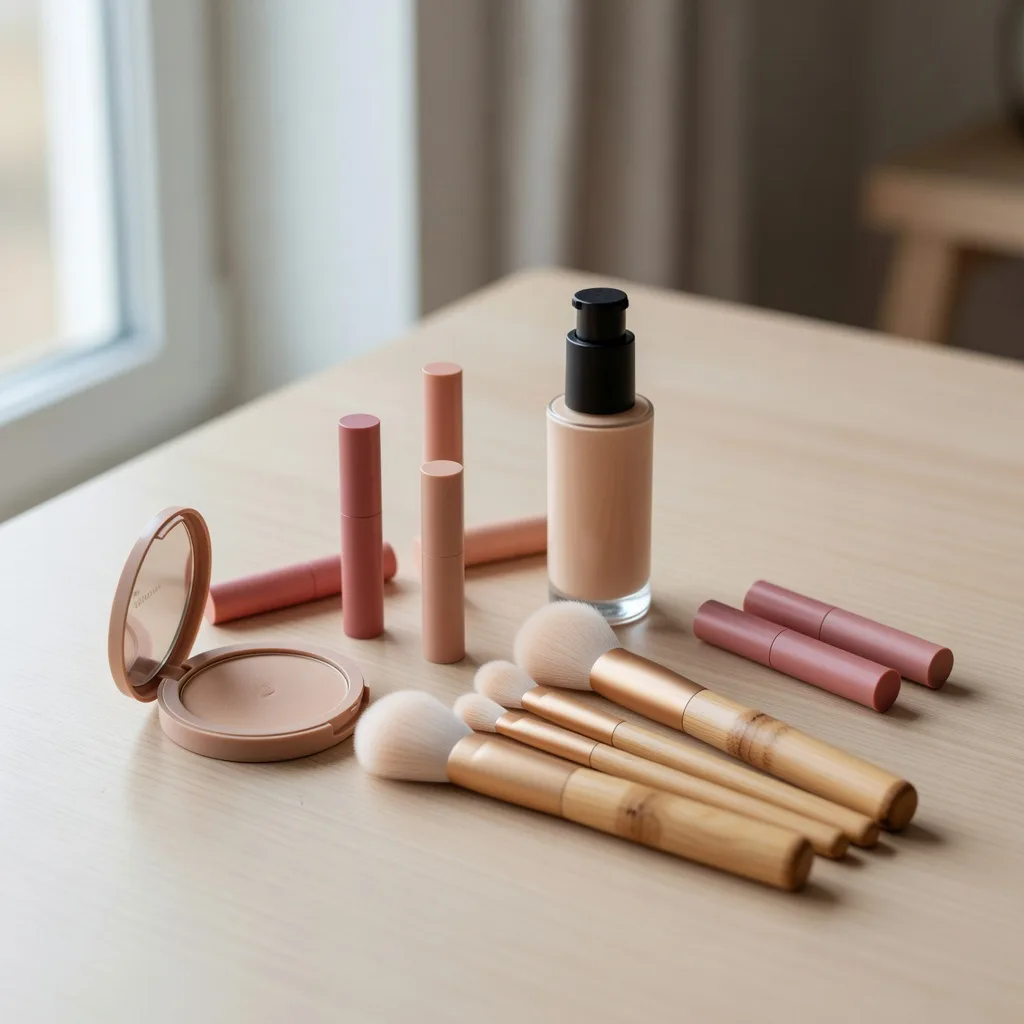
What Is Hypoallergenic Makeup? What the Label Really Means
Hypoallergenic is one of the most reassuring words on a makeup label. It suggests the product is gentle, safe for sensitive skin and unlikely to cause a reaction. For many shoppers with sensitive or allergy-prone skin, it is the first thing they look for.
Part of our guide to cosmetic science. Start with: How to Read a Cosmetic Ingredient List: A Beginner Guide
Hypoallergenic makeup is makeup that the manufacturer says is less likely to cause allergic reactions. In the United States there is no federal standard or legal definition for the term, and companies do not have to prove the claim to the FDA. Many hypoallergenic products are formulated without common triggers such as fragrance and certain preservatives, and some are tested on volunteers, but the label does not guarantee that you will not react. The ingredient list is a far more reliable guide than the word hypoallergenic, especially if you already know which ingredients bother your skin.
That does not make the label useless. It often signals that a brand has thought about sensitive skin, kept formulas simple or run patch tests. It simply means you should treat it as a starting point rather than a promise.
The FDA’s page on hypoallergenic cosmetics states plainly that there are no federal standards or definitions governing the term, and that manufacturers can use it as they choose.
This guide explains what the label means, which ingredients most commonly cause reactions, how allergy differs from irritation and how to choose and test makeup for sensitive skin.
Shopping these picks?
Amazon Prime members get fast, free shipping on eligible items, plus Prime Video, Amazon Music and member deals. New members can start with a free trial.
Start a free Prime trialAged 18 to 24? Prime for Young Adults comes with a longer free trial and a lower price after it.
Affiliate link: we may earn a commission at no extra cost to you.
Recommended Makeup and Skincare for Sensitive Skin

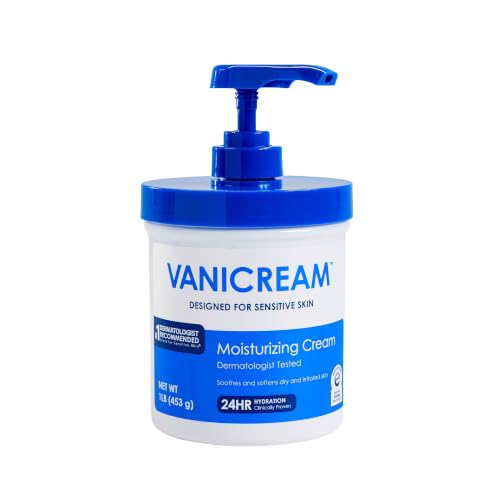


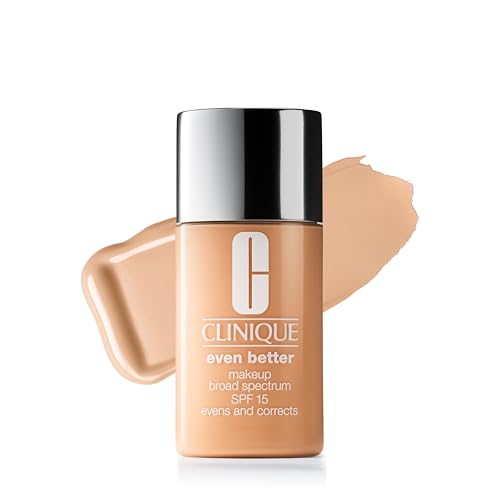

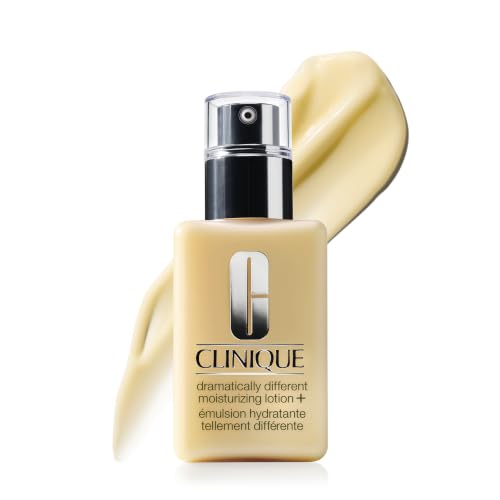
Quick Answer
- Hypoallergenic has no legal definition in the United States.
- Companies do not have to prove hypoallergenic claims.
- Fragrance and some preservatives are common causes of reactions.
- Irritation is more common than true allergy.
- The ingredient list is more useful than the label.
- Patch testing new products reduces surprises.
- A dermatologist can identify specific allergens with patch testing.
What This Covers
- What Hypoallergenic Really Means
- Hypoallergenic vs Other Sensitive-Skin Claims
- Allergy vs Irritation
- Common Ingredients That Cause Reactions
- How to Choose Makeup for Sensitive or Allergy-Prone Skin
- How to Patch Test New Makeup
- Sensitive Eyes and Eye Makeup
- Choosing Sensitive-Skin Options by Product Type
- Dos and Don’ts
- Honest Limits
- When to See a Dermatologist
- Your Questions, Answered
- The Takeaway
What Hypoallergenic Really Means
The word comes from hypo, meaning below or less, and allergenic, meaning likely to cause allergy. On a label it means the brand believes the product is less likely than others to trigger a reaction.
The FDA’s page on hypoallergenic cosmetics explains that there are no federal standards for the term and that manufacturers are not required to submit evidence to support it. Two products carrying the same claim may have been developed and tested in completely different ways.
Some brands base the claim on repeat insult patch tests, where volunteers wear the product on their skin under a patch several times over a few weeks. Others base it on avoiding a list of ingredients they consider common allergens. Some use it as a marketing term with little behind it.
Hypoallergenic is different from dermatologist tested, fragrance-free, non-comedogenic and ophthalmologist tested. Each claim means something different, and none of them guarantees you will not react.
Hypoallergenic vs Other Sensitive-Skin Claims
| Claim | What it usually means | What it does not guarantee |
|---|---|---|
| Hypoallergenic | Brand believes it is less likely to cause allergies | That you will not react |
| Fragrance-free | No added fragrance for scent | That no ingredient has a smell of its own |
| Unscented | Smell is neutral, sometimes by adding masking fragrance | That it contains no fragrance |
| Dermatologist tested | A dermatologist was involved in some testing | That testing was large or rigorous |
| Ophthalmologist tested | Tested for use around the eyes | That it suits sensitive or contact lens-wearing eyes |
| Non-comedogenic | Formulated to be less likely to clog pores | Anything about allergies |
Of these, fragrance-free is usually the most useful for sensitive skin, because fragrance is one of the most common causes of cosmetic allergy. Our guide on how to spot fragrance in an ingredient list shows what to look for, including essential oils and fragrance components that may be listed separately.
Allergy vs Irritation
Not every reaction to makeup is an allergy. There are two main types, and knowing the difference helps you choose better products.
Irritant contact dermatitis is the most common. It happens when a product damages the skin barrier directly, causing stinging, burning, redness or dryness, often within minutes to hours. Anyone can get it, especially with strong acids, alcohol-heavy products, harsh cleansers or over-exfoliated skin. Allergic contact dermatitis is an immune reaction to a specific ingredient. It usually appears a day or two after contact as an itchy, red, sometimes bumpy or blistering rash, and it can spread beyond where the product was applied. Once you are allergic to an ingredient, you usually stay allergic. The AAD’s overview of contact dermatitis explains both types.Hypoallergenic claims are aimed mainly at allergic reactions. Irritation can happen with any product, especially if your skin barrier is already compromised.
Common Ingredients That Cause Reactions
| Ingredient group | Examples | Where you find them |
|---|---|---|
| Fragrance | Parfum, linalool, limonene, essential oils | Foundations, lipsticks, skincare |
| Some preservatives | Methylisothiazolinone, formaldehyde releasers | Liquid makeup, removers, wipes |
| Some dyes and pigments | Certain red and coal-tar dyes, carmine | Lipsticks, blushes, eyeshadows |
| Metals | Nickel traces in some pigments | Eye makeup and some powders |
| Lanolin | Wool alcohol derivatives | Lip products and rich creams |
| Acrylates | Film formers in long-wear products | Some mascaras, liners and nail products |
Preservatives are essential for safety because they stop microbes growing in water-based products, so preservative-free is not automatically better. Our guide to which cosmetic preservatives are mild explains the options that are less likely to cause trouble.
Reactions can also build up over time. You may use a product happily for months or years and then develop an allergy to one of its ingredients, which is why a long-trusted product can suddenly start causing problems. Many people react to only one or two ingredients. If you know your trigger, checking for it on every label protects you far more reliably than any general claim.
How to Choose Makeup for Sensitive or Allergy-Prone Skin
Know your triggers
Note products that have caused reactions and compare their ingredient lists for common ingredients.
Choose fragrance-free
Pick products without added fragrance or essential oils.
Keep formulas simple
Shorter ingredient lists give fewer chances for a reaction.
Favour mineral powders and simple bases
Powders often contain fewer preservatives than liquids, though some contain bismuth oxychloride, which can itch.
Patch test first
Apply a small amount behind the ear or on the inner arm for several days.
Introduce one product at a time
Wait about a week between new products so you know what caused any reaction.
Keep a simple list on your phone of products that worked and products that caused problems. Over time the pattern often points straight to the ingredient responsible.
How to Patch Test New Makeup
The AAD suggests testing new products before using them on your face. Its guide on how to test skin care products recommends applying a small amount to the same spot twice a day for several days and stopping if a reaction develops.
- Choose a small area such as behind the ear or the inside of the elbow.
- Apply the product as you normally would, twice a day for about a week.
- Check for redness, itching, swelling or bumps.
- If nothing happens, try a small area of the face, such as along the jaw, before full use.
A home patch test can catch many reactions, but it is not the same as the patch testing a dermatologist does, which uses standard allergens to identify exactly what you are allergic to.
Sensitive Eyes and Eye Makeup
The eyelids have some of the thinnest skin on the body and are one of the most common places for cosmetic reactions. Eyelid dermatitis can be caused by eye makeup, but also by products applied elsewhere and transferred by the fingers, such as nail polish or hand cream.
If you have sensitive eyes or wear contact lenses, choose fragrance-free eye products, avoid loose glitter, apply liner outside the lash line and remove makeup gently every night. Replace mascara and liquid liner about every three months.
Stop using a product straight away if you develop swelling, blistering, significant itching or a spreading rash. Seek urgent medical help for swelling of the lips, tongue or throat or any difficulty breathing.
Choosing Sensitive-Skin Options by Product Type
Foundation and concealer. Liquid products contain water, so they need preservatives. Look for fragrance-free formulas with shorter ingredient lists, and test on the jaw before wearing them all over. Tinted moisturisers and skin tints can be a gentler way to even out tone because they are usually lighter. Powders. Pressed and loose powders often contain fewer preservatives because they are water-free. Mineral powders can suit many sensitive skins, but if you notice itching, check the label for bismuth oxychloride and try a formula without it. Blush and bronzer. Powder blushes usually cause fewer problems than cream ones for reactive skin. Check for carmine, a red pigment from insects that some people are allergic to, if you react to red and pink shades. Lip products. Lips react easily to fragrance, flavourings, lanolin and some dyes. If your lips peel or itch around the edges, try a plain, fragrance-free balm for a few weeks before reintroducing colour. Eye makeup. Choose fragrance-free formulas and remove them gently. Long-wear mascaras and liners sometimes contain acrylate film formers, which can irritate or sensitise some people. Removers and wipes. These are easy to overlook, but they stay on the skin and often contain preservatives and fragrance. A fragrance-free micellar water or gentle cleanser is usually a better daily choice than scented wipes.Dos and Don’ts
Try This
- Read the full ingredient list
- Choose fragrance-free products
- Patch test before using new makeup
- Introduce one product at a time
- Keep a record of reactions
Avoid This
- Rely on the hypoallergenic label alone
- Assume natural means gentle
- Try several new products at once
- Keep using a product that stings or itches
- Share eye makeup
Honest Limits
No product can be guaranteed allergy-free for everyone. Almost any ingredient, including natural ones, can cause a reaction in someone.
Home patch tests are useful but imperfect. Some reactions only appear after repeated use over weeks, and some only appear on the face or eyelids where skin is thinner.
Natural and botanical products are not automatically gentler. Plant extracts and essential oils are frequent causes of allergic contact dermatitis, so a natural label does not replace checking ingredients.
Finally, some reactions blamed on makeup are actually caused by skincare, hair products, laundry detergent or even the pillowcase, which is why a dermatologist’s patch test is often the only way to know for sure.
When to See a Dermatologist
- You react to many different products.
- Rashes keep coming back or spread beyond where you applied makeup.
- Your eyelids are repeatedly red, itchy or flaky.
- You want to know exactly which ingredients to avoid.
A dermatologist can perform patch testing, which involves placing small amounts of common allergens on the back and checking the skin over several days. The results give you a specific list of ingredients to avoid, which is far more useful than any label claim.
This article is for general information and does not replace professional medical advice. See a dermatologist or doctor for persistent or severe skin reactions.
Your Questions, Answered
What does hypoallergenic mean on makeup?
The brand believes the product is less likely to cause allergic reactions.
Is hypoallergenic a regulated term?
No. In the United States there is no federal definition or standard.
Can I still react to hypoallergenic makeup?
Yes. The label does not guarantee you will not react.
Is fragrance-free the same as hypoallergenic?
No. Fragrance-free means no added fragrance; hypoallergenic has no fixed meaning.
What ingredients most often cause makeup allergies?
Fragrance, some preservatives, certain dyes, lanolin and acrylates.
Is natural makeup better for sensitive skin?
Not necessarily. Plant extracts and essential oils can cause allergies.
How do I patch test makeup?
Apply a small amount to the same spot twice a day for several days and watch for a reaction.
What is the difference between irritation and allergy?
Irritation damages the skin barrier directly; allergy is an immune reaction to a specific ingredient.
Is mineral makeup hypoallergenic?
It is often simpler, but some contain bismuth oxychloride, which can itch.
How can I find out what I am allergic to?
A dermatologist can perform patch testing with standard allergens.
The Takeaway
Hypoallergenic makeup is makeup a brand says is less likely to cause allergies, but the term has no legal definition and does not guarantee you will not react. It is best treated as a starting point.
Choose fragrance-free, simple formulas, read the ingredient list, patch test new products and introduce one at a time. If reactions keep happening, dermatologist patch testing can tell you exactly what to avoid.

Written by
Registered pharmacist and founder of Facial Adviser. Rakib's pharmacy training covers how skincare actives work and interact; a later course in cosmetology turned that into a focus on facial treatments and skincare products. He plans, researches and edits every guide on the site and checks health claims against sources such as the American Academy of Dermatology, the FDA and the NIH. He is not a dermatologist; see the Editorial Policy and Medical Disclaimer.
About · Editorial policy · How we choose products · Medical disclaimer · Contact
Keep reading: How cosmetics are made
- How to Read a Cosmetic Ingredient List: A Beginner Guide
- What Are Emollients? Examples, How They Work and How to Choose
- What Is a Clean-Label Cosmetic? What Clean Beauty Really Means
- Silicone vs Water-Based Cosmetics: How to Tell Them Apart and Pair Them
- How Mica Creates Shimmer in Makeup: The Science of Sparkle
- Filler vs Pigment in Makeup: What Each Does and Why It Matters