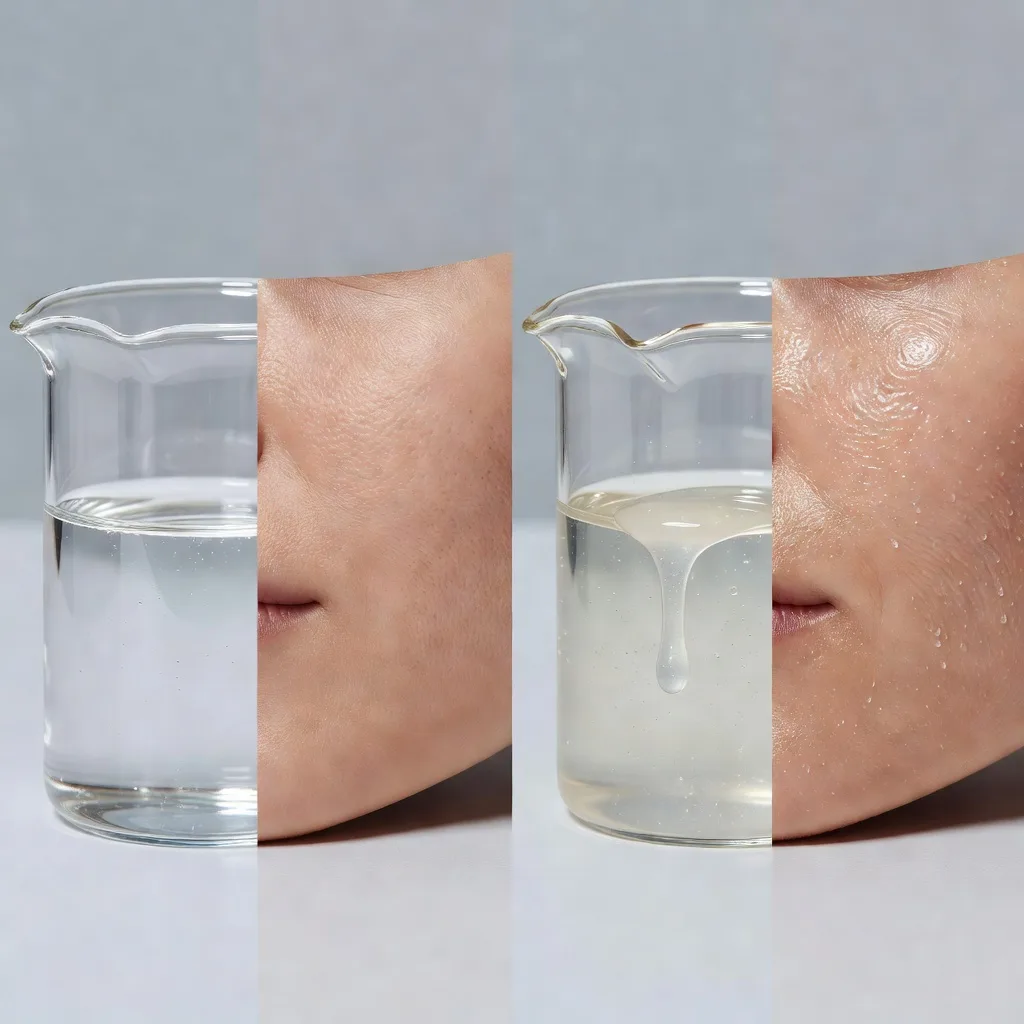
Glycolic Acid vs Hyaluronic Acid: Real Differences
Glycolic acid vs hyaluronic acid — are these two ingredients actually competing for the same job on your skin, or is that the wrong way to frame it?
Part of our guide to skincare products. Start with: 10 Best Facial Serums for Aging Skin (2026): Picks by Concern
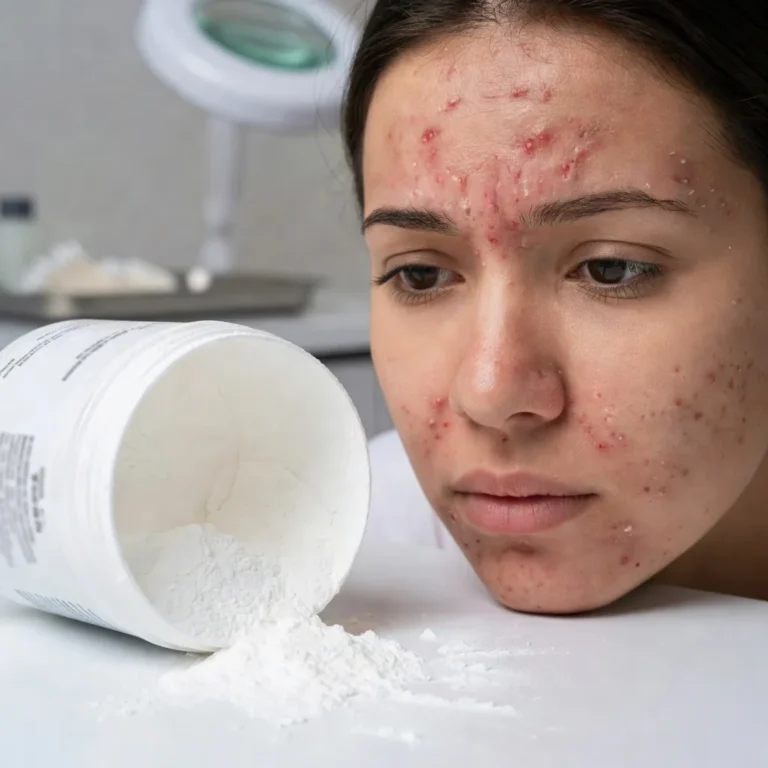
Glycolic acid is a chemical exfoliant that dissolves the bonds holding dead skin cells together; hyaluronic acid is a humectant that binds water. Over-the-counter glycolic acid typically runs 5-10% concentration, versus 20-70% in professional peels, and a 2025 network meta-analysis found it the strongest performer for skin roughness specifically.
Because glycolic acid’s exfoliating action increases water loss, dermatologists commonly recommend pairing it with a humectant like hyaluronic acid rather than choosing one over the other.
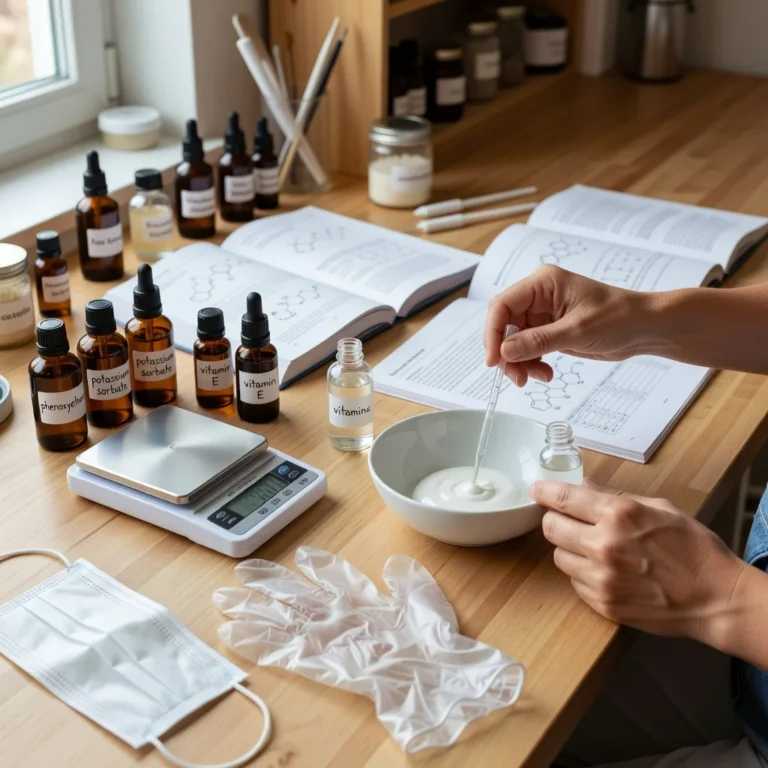
This guide covers how each ingredient actually works, the real irritation-risk differences, and the correct order to layer them for the best results.
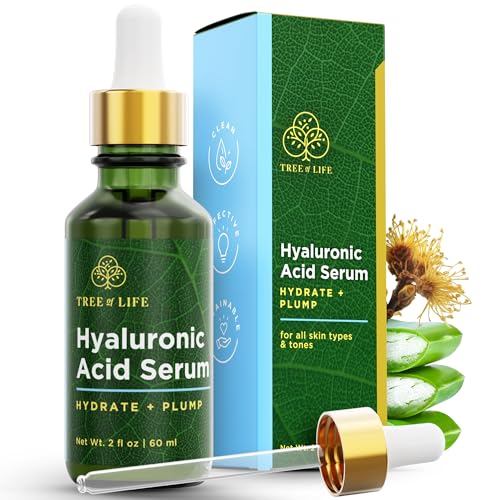
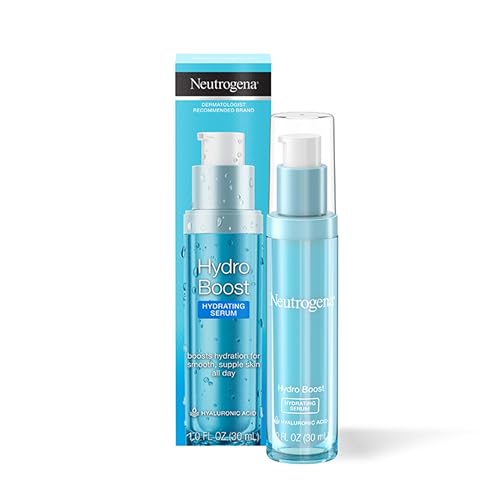
Recommended Glycolic Acid and Hyaluronic Acid Products
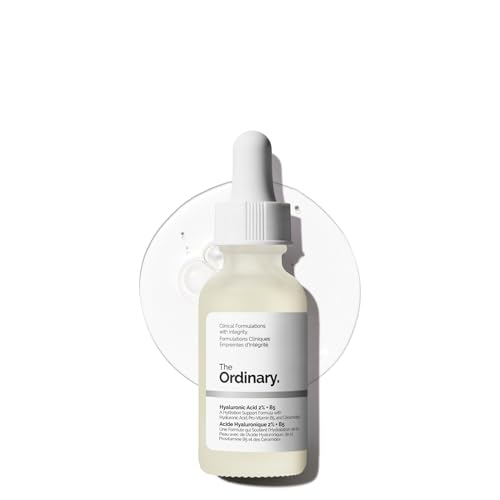
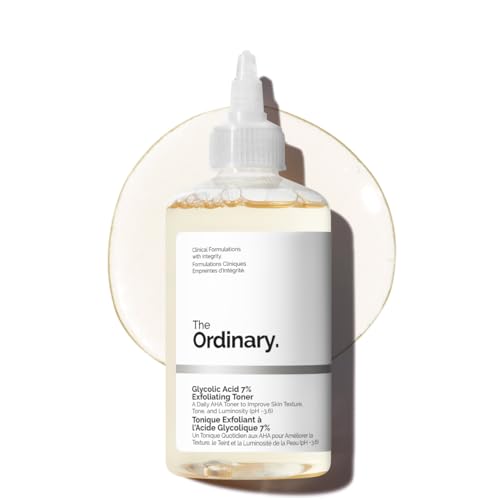
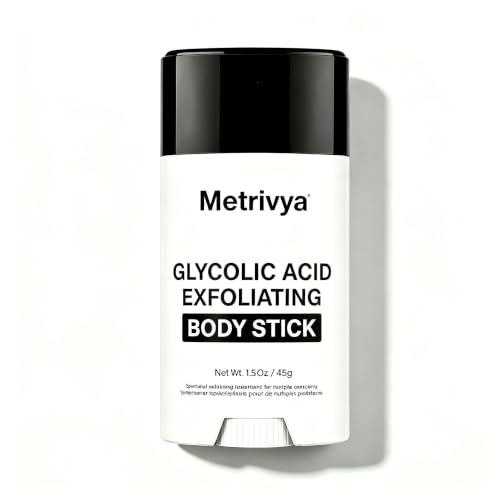


In Short
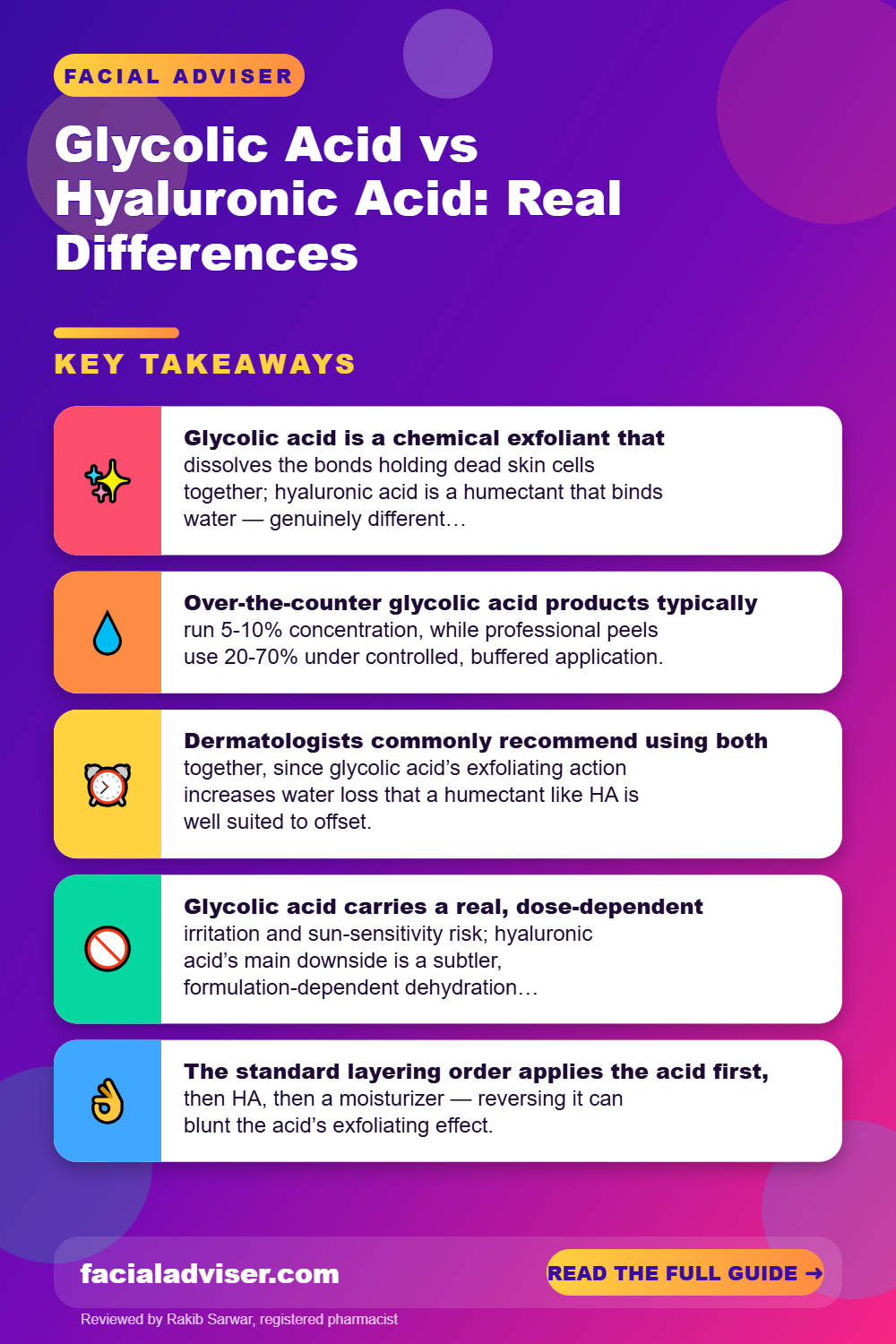
- Glycolic acid is a chemical exfoliant that dissolves the bonds holding dead skin cells together; hyaluronic acid is a humectant that binds water — genuinely different tools for different goals.
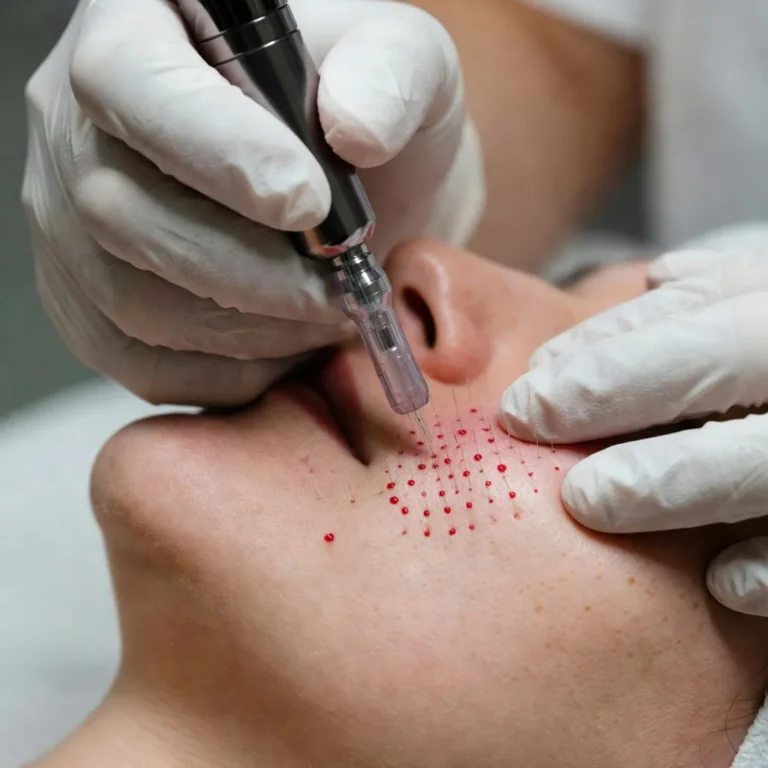
- Over-the-counter glycolic acid products typically run 5-10% concentration, while professional peels use 20-70% under controlled, buffered application.
- Dermatologists commonly recommend using both together, since glycolic acid’s exfoliating action increases water loss that a humectant like HA is well suited to offset.
- Glycolic acid carries a real, dose-dependent irritation and sun-sensitivity risk; hyaluronic acid’s main downside is a subtler, formulation-dependent dehydration effect if used without sealing moisture in.
- The standard layering order applies the acid first, then HA, then a moisturizer — reversing it can blunt the acid’s exfoliating effect.
Sections In This Guide
- What Each One Actually Does
- How Glycolic Acid Works
- How Hyaluronic Acid Works
- OTC vs. Professional Glycolic Acid Strength
- Why Dermatologists Recommend Using Both
- Matching the Tool to the Goal
- Comparing the Real Irritation Risk
- Do’s and Don’ts
- How to Layer Them Correctly
- The Sun Sensitivity Risk
- When Combining Them Goes Wrong
- When to See a Dermatologist
- The Honest Limits of What We Know
- Frequently Asked Questions
What Each One Actually Does
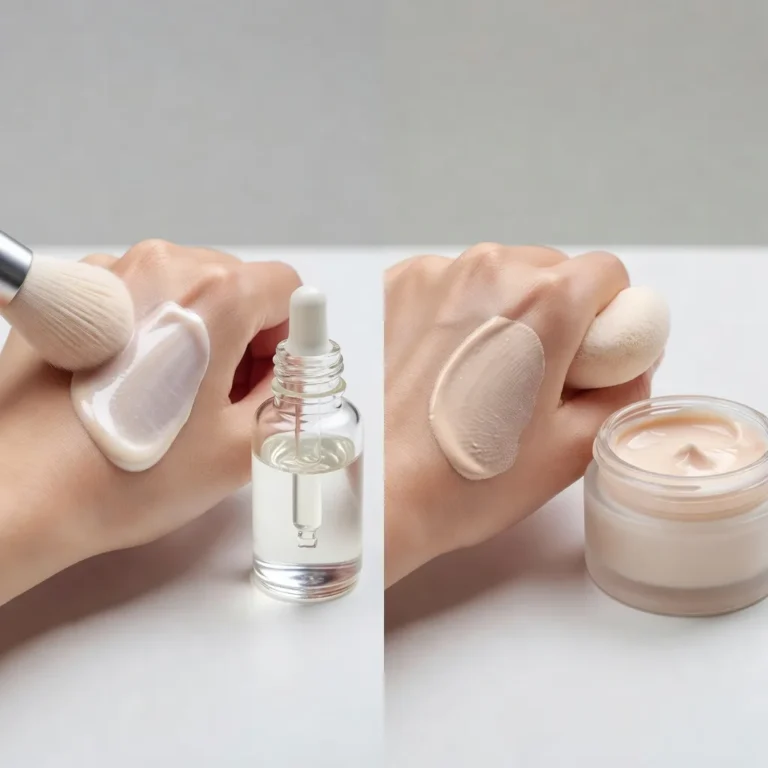
Glycolic acid and hyaluronic acid get compared constantly in skincare marketing, but they’re not competing solutions to the same problem — they’re tools for two entirely different jobs. Glycolic acid is an alpha-hydroxy acid (AHA) that chemically exfoliates the skin’s outer layer. Hyaluronic acid is a humectant that holds water in skin tissue. One resurfaces; the other hydrates. Asking “which is better” is a bit like asking whether a broom or a watering can is better for a garden — it depends entirely on what you’re trying to do.
Shopping these picks?
Amazon Prime members get fast, free shipping on eligible items, plus Prime Video, Amazon Music and member deals. New members can start with a free trial.
Start a free Prime trialAged 18 to 24? Prime for Young Adults comes with a longer free trial and a lower price after it.
Affiliate link: we may earn a commission at no extra cost to you.
Our glycolic acid facial guide goes deeper into the professional-treatment side of this ingredient specifically, including how a single in-office session compares to sustained at-home use for texture and tone.
How Glycolic Acid Works
Glycolic acid works by disrupting the ionic bonds that hold corneocytes — the outermost dead skin cells — together in the stratum corneum, accelerating desquamation (cell shedding). At higher strengths and with deeper application, it can also stimulate some dermal remodeling. That exfoliating action is what makes it genuinely effective for texture, dullness, and mild hyperpigmentation. A 2025 network meta-analysis found glycolic acid was the single strongest performer among common actives specifically for skin roughness, while retinoids dominated for fine wrinkles — a reminder that even within the category of “active ingredients,” different tools are genuinely better suited to different goals.
Glycolic acid also has the smallest molecular size among the common AHAs, which is part of why it penetrates skin readily and why it has a reputation for being more effective, but also potentially more irritating, than larger-molecule AHAs like lactic or mandelic acid at an equivalent concentration.
How Hyaluronic Acid Works
Hyaluronic acid has zero exfoliating or resurfacing action. It’s a glycosaminoglycan that binds and holds onto water molecules at the skin’s surface and upper layers, contributing to hydration and plumpness. It doesn’t change skin texture through shedding cells the way glycolic acid does — its entire contribution is moisture retention.
Because of that difference, using more hyaluronic acid is never a substitute for exfoliation, and using more glycolic acid is never a substitute for hydration — piling on extra amounts of either ingredient in the hope of getting the other one’s benefit simply doesn’t work, since the two molecules aren’t interchangeable at any dose.
OTC vs. Professional Glycolic Acid Strength
Why Dermatologists Recommend Using Both
Glycolic acid’s exfoliating action transiently compromises the skin barrier and increases transepidermal water loss — this is a well-established, expected side effect of effective exfoliation, not a flaw. That’s precisely the situation a humectant like hyaluronic acid is suited to offset. This is the same logic behind pairing hyaluronic acid with retinoids: an effective active creates some barrier stress, and a humectant helps manage the resulting dryness. It’s a real, mechanistically coherent recommendation, not a marketing pairing.
This pairing logic also explains why so many finished glycolic acid products already contain some hyaluronic acid in the formula rather than leaving hydration entirely to a separate step — manufacturers are building the same barrier-support logic directly into the exfoliating product, though a standalone HA serum layered afterward still gives you more control over how much additional hydration you’re adding.
Matching the Tool to the Goal
| Skin concern | Better-suited ingredient | Why |
|---|---|---|
| Rough texture, dullness | Glycolic acid | Strongest performer for roughness in a 2025 network meta-analysis |
| Mild hyperpigmentation | Glycolic acid | Exfoliation speeds turnover of pigmented surface cells |
| Dehydration, tightness, flaking | Hyaluronic acid | Humectant action directly addresses water content |
| Fine wrinkles | Neither alone — retinoids lead here | Retinoids outperform AHAs for this specific outcome |
Comparing the Real Irritation Risk
| Glycolic acid | Hyaluronic acid | |
|---|---|---|
| Typical irritation | Stinging, redness, dose-dependent | Minimal under normal use |
| Sun sensitivity | Measurably increased — sunscreen essential | None |
| Worst-case risk | Chemical burn or PIH at high strength/frequency | Paradoxical surface dehydration if unsealed |
| Risk driver | Concentration and application frequency | Formulation and humidity conditions |
Do’s and Don’ts
Do
- Start glycolic acid at a lower OTC concentration and build frequency gradually
- Apply hyaluronic acid after your glycolic acid, not before
- Wear sunscreen daily any time you’re using an AHA
Don’t
- Layer a thick HA serum underneath glycolic acid and expect full exfoliating strength
- Attempt professional-strength peel concentrations at home
- Skip moisturizer after glycolic acid, assuming HA alone will seal in enough moisture
How to Layer Them Correctly
Cleanse and fully dry skin
Glycolic acid works most predictably on clean, dry skin rather than damp skin, which can dilute its effective concentration at the surface.Apply glycolic acid and let it fully absorb
Give it roughly 20-30 minutes, or follow the product’s specific instructions, before applying anything else.Follow with a hyaluronic acid serum
Applying HA after the acid supports the now more permeable, more water-loss-prone skin rather than diluting the acid’s pH beforehand.Seal with a moisturizer
This locks in the HA’s hydration and adds a further buffer against the dryness glycolic acid can cause.Apply broad-spectrum sunscreen every morning
This step is non-negotiable while using any AHA, given the measurable increase in UV sensitivity.
The Sun Sensitivity Risk
When Combining Them Goes Wrong
The most common mistake isn’t using glycolic acid and HA together — it’s sequencing or timing them poorly. Applying HA before glycolic acid can dilute or buffer the acid’s effective pH, reducing exfoliation efficacy. Overusing glycolic acid while assuming HA will fully compensate for the resulting dryness can also lead to a cycle of worsening barrier irritation that neither ingredient alone will fix — at that point, backing off frequency matters more than adding more humectant.
A related mistake is stacking glycolic acid with other exfoliating actives (a separate BHA product, a physical scrub, or a retinoid) on the same night without adjusting frequency downward. Hyaluronic acid can support a barrier under reasonable exfoliation stress, but it can’t fully offset the cumulative effect of multiple exfoliating steps applied at once — that combination is one of the more common paths to genuine over-exfoliation, regardless of how much HA gets layered on afterward.
When to See a Dermatologist
Persistent burning, visible peeling beyond mild flaking, or pigmentation changes after using glycolic acid are reasons to stop and consult a dermatologist rather than adjusting concentration or frequency on your own. This is especially relevant for darker skin tones, where post-inflammatory hyperpigmentation risk from aggressive AHA use is real and can be more visible and longer-lasting.
The Honest Limits of What We Know
Individual tolerance for glycolic acid varies significantly by skin type, barrier health, and concurrent product use, and there’s no universal frequency or concentration that works identically for everyone. The sequencing guidance here reflects standard dermatologic practice rather than a dedicated head-to-head trial testing acid-then-HA against HA-then-acid application order specifically.
It’s also worth being clear that the 2025 network meta-analysis cited above evaluated glycolic acid against other actives for roughness and wrinkles specifically — it wasn’t designed to test glycolic acid alongside hyaluronic acid as a combined regimen, so the pairing recommendation in this article rests on established barrier-physiology reasoning rather than a trial that measured the combination directly.
Frequently Asked Questions
Can I use glycolic acid and hyaluronic acid together?
Yes — they’re commonly recommended together, since glycolic acid’s exfoliating action increases water loss that hyaluronic acid’s humectant action helps offset.
Should I apply glycolic acid or hyaluronic acid first?
Apply glycolic acid first on clean, dry skin, let it absorb, then follow with hyaluronic acid and a moisturizer.
What’s the difference between OTC and professional glycolic acid strength?
Over-the-counter products are typically 5-10% concentration, while professional peels use 20-70% under controlled application.
Does hyaluronic acid reduce the effectiveness of glycolic acid?
Applying it before the acid can dilute or buffer its effective pH; applying it after does not reduce the acid’s exfoliating effect.
Is glycolic acid better than hyaluronic acid for wrinkles?
Glycolic acid is well evidenced for texture and roughness, while retinoids are stronger for fine wrinkles specifically — hyaluronic acid doesn’t have an exfoliating or wrinkle-reducing mechanism at all.
Does glycolic acid make skin more sun-sensitive?
Yes — AHAs measurably increase UV sensitivity, making daily sunscreen essential during use.
Can hyaluronic acid dehydrate skin?
In very low-humidity conditions, a thin HA product used without a sealing moisturizer can occasionally pull moisture toward the surface where it evaporates — a real but minor, formulation-dependent effect.
How often should I use glycolic acid if I also use hyaluronic acid?
Frequency should still be based on your skin’s tolerance for the acid itself — hyaluronic acid can support comfort but doesn’t change the safe frequency threshold.
Is it safe to use glycolic acid every day?
For many people, lower OTC concentrations can be used several times a week, but daily use should be built up gradually and only if skin tolerates it well.
Can I use both if I have sensitive skin?
Many people with sensitive skin tolerate the combination well by starting glycolic acid at a low frequency and concentration, but a dermatologist’s input is worthwhile before combining actives on already-reactive skin.

Written by
Registered pharmacist and founder of Facial Adviser. Rakib's pharmacy training covers how skincare actives work and interact; a later course in cosmetology turned that into a focus on facial treatments and skincare products. He plans, researches and edits every guide on the site and checks health claims against sources such as the American Academy of Dermatology, the FDA and the NIH. He is not a dermatologist; see the Editorial Policy and Medical Disclaimer.
About · Editorial policy · How we choose products · Medical disclaimer · Contact
Keep reading: Serums and actives
- Do Collagen Pills Really Work?
- Does Drinking Collagen Help Your Skin?
- At What Age Should You Start Using Anti-Aging Serum? A Decade-by-Decade Guide
- 10 Best Serums for Mature Skin to Reduce Wrinkles (2026): Top Picks
- 10 Best Facial Serums for Aging Skin (2026): Picks by Concern
- 10 Best Face Masks for Every Skin Type (2026): Clay, Gel and Sheet
- What Does a Facial Toner Do? The Real Answer