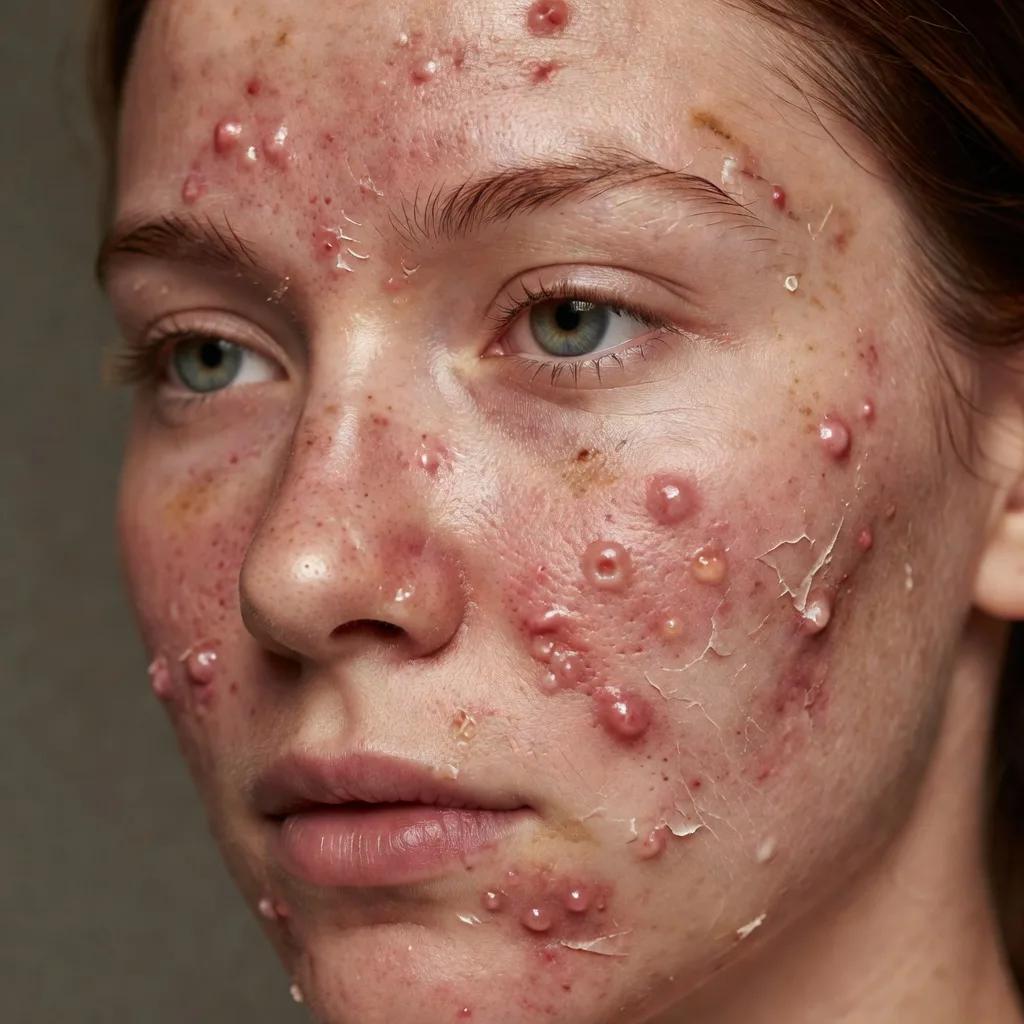
Can Over-Exfoliating Cause Acne?
Can over-exfoliating cause acne, or does it just make an existing problem look worse?
Part of our guide to skincare products. Start with: 10 Best Face Masks for Every Skin Type (2026): Clay, Gel and Sheet
A 2024 study found people with facial acne already have measurably higher transepidermal water loss than clear-skinned controls — real, quantifiable barrier damage, not just a subjective complaint. Layering more exfoliation onto that already-compromised barrier is mechanistically sound as a way to worsen things, even though no trial has proven over-exfoliation creates new acne from scratch.
The popular idea of “skin purging” doesn’t have direct research behind it either, according to a leading dermatology-reviewed health information source.
This guide covers the real barrier-damage evidence, how to tell purging from a genuine new breakout, and what dermatology guidance actually recommends.
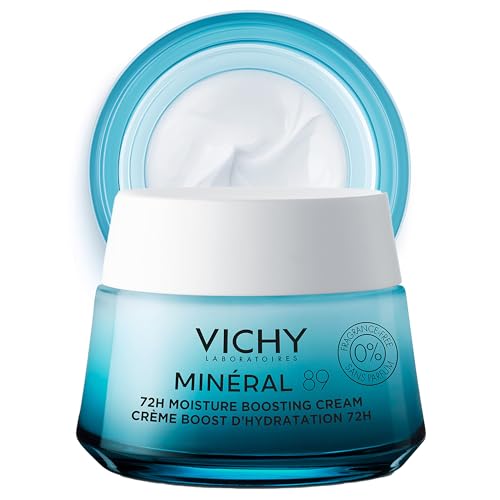
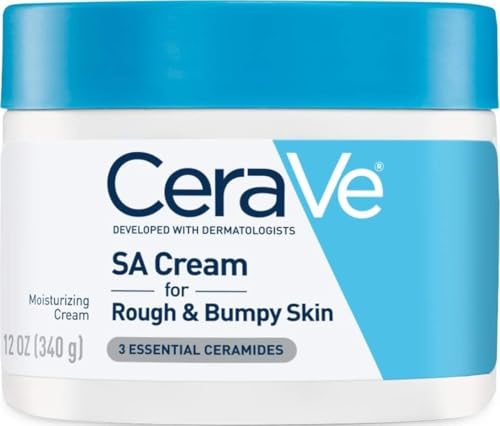
Recommended Gentle Exfoliants and Barrier-Repair Moisturizers

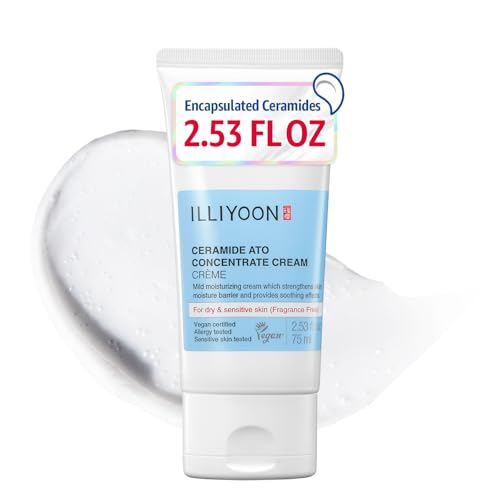
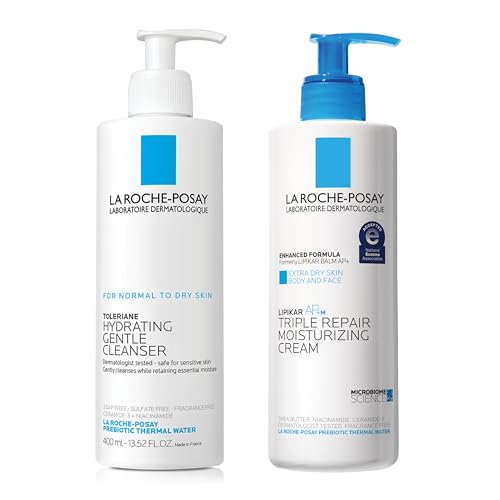
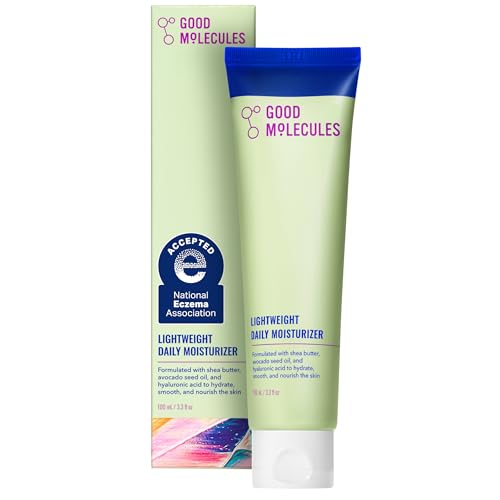

What’s Really Going On
- A 2024 study found acne patients already have measurably higher transepidermal water loss than clear-skinned controls — real, quantifiable barrier damage, not just a subjective complaint.
- Layering more exfoliation onto that already-compromised barrier is a mechanistically sound way to make things worse, even though no trial has directly proven over-exfoliation causes new acne from scratch.
- “Skin purging” has no direct research behind it — a leading health-information source states plainly that there’s no research proving either popular theory of why it happens.
- At least three separate, named clinical conditions (acne cosmetica, acne mechanica, acne excoriée) can look like acne without being classic acne vulgaris, and over-exfoliation-related irritation can be mistaken for any of them.
Guide Map
- Can Over-Exfoliating Actually Cause Acne?
- What a 2024 Study Found in Acne-Prone Skin
- The “Purging” Explanation Has No Real Research Behind It
- Three Conditions That Can Look Like Acne but Aren’t
- Purging vs. a Genuine New Breakout
- What the AAD Actually Recommends
- Do This, Not That
- The Combination That Makes This Worse
- A Practical Way to Dial Back Safely
- How to Reset an Over-Exfoliated Routine
- Is There a Real Test to Tell Purging From a Breakout?
- When to See a Dermatologist
- What This Evidence Doesn’t Tell Us
- Frequently Asked Questions
Can Over-Exfoliating Actually Cause Acne?
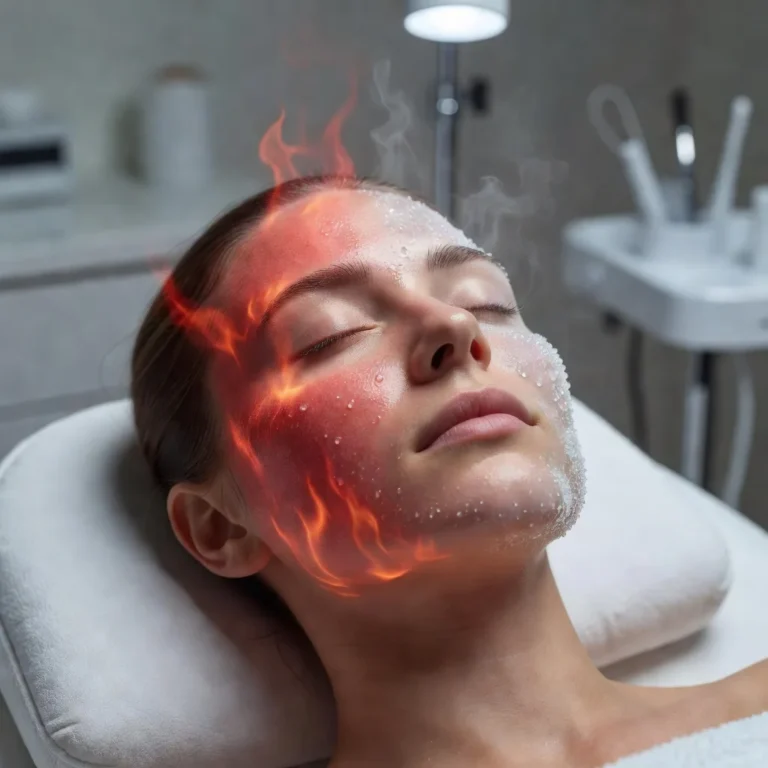
It’s a common enough experience: someone ramps up their exfoliating routine, hoping for clearer skin, and instead sees more breakouts. Whether that’s the exfoliation itself causing new acne, or an existing skin-barrier problem being exposed and worsened, is a real, answerable distinction — and the current research points more toward the second explanation than the first.
Shopping these picks?
Amazon Prime members get fast, free shipping on eligible items, plus Prime Video, Amazon Music and member deals. New members can start with a free trial.
Start a free Prime trialAged 18 to 24? Prime for Young Adults comes with a longer free trial and a lower price after it.
Affiliate link: we may earn a commission at no extra cost to you.
What a 2024 Study Found in Acne-Prone Skin
A cross-sectional study published in Clinical, Cosmetic and Investigational Dermatology in November 2024 compared 164 people with facial acne (about 90% mild, 41% already on treatment) against 152 acne-free controls. The acne group showed significantly higher transepidermal water loss — 13.16 versus 10.63 grams per square meter per hour, a statistically significant difference — along with higher sebum and hydration readings. The researchers concluded this elevated water loss reflected genuine barrier disruption, notably tied to acne medications themselves, rather than simply higher surface moisture.
The practical takeaway the study’s authors point to is straightforward: pair active acne treatment with barrier-supportive moisturizers, like ceramide-containing formulas, rather than layering additional actives or exfoliation on top of a regimen that’s already stressing the skin barrier. That’s a real, data-backed reason to be cautious about adding more exfoliation to an already-treated, already-vulnerable complexion, even though the study didn’t set out to test exfoliation as its own independent variable.
The “Purging” Explanation Has No Real Research Behind It
Anyone who’s searched “why does my skin look worse after starting a new product” has likely encountered the concept of “purging” — the idea that an active ingredient accelerates skin turnover and surfaces acne that was already forming beneath the surface, faster than it otherwise would have appeared. It’s worth being direct about this: a widely cited, dermatology-reviewed consumer health source states plainly that there is no research to prove either competing theory behind purging — not the “it’s accelerating existing acne” theory, and not the alternative “it’s actually irritation being mistaken for acne” theory.
What is well documented is that retinoids and acids cause known, measurable side effects — dryness, flaking, peeling, irritant contact dermatitis — that can visually resemble or be mistaken for an acne flare. The commonly repeated rule that “purging” should appear only where a product is applied, start shortly after beginning a new active, and resolve within about four to six weeks is clinical pattern-recognition passed down through dermatology practice, not something validated in a specific named clinical trial.
Three Conditions That Can Look Like Acne but Aren’t
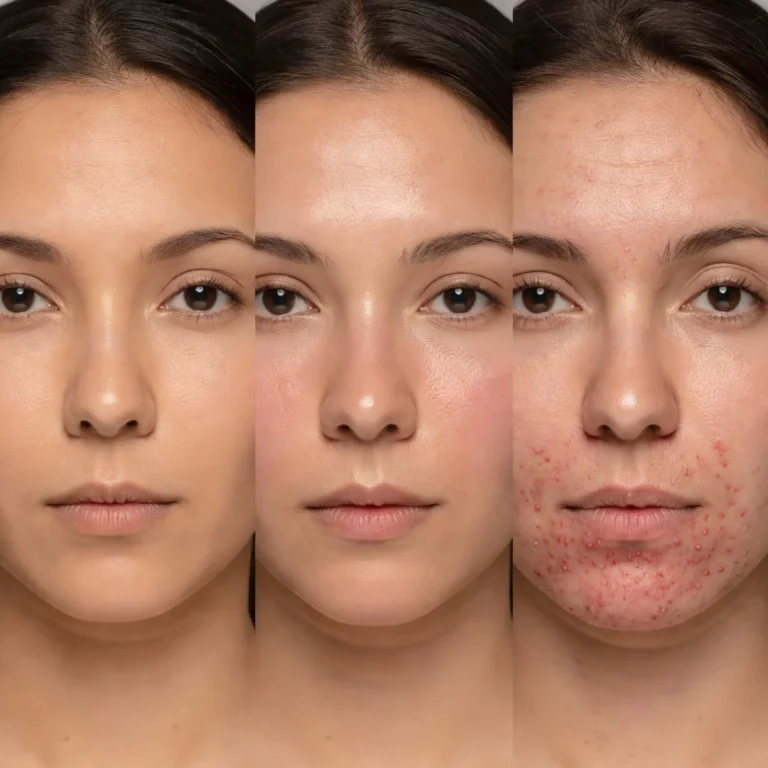
Part of why “does over-exfoliating cause acne” is a harder question than it sounds is that several distinct, real dermatological conditions can produce acne-like bumps without being true acne vulgaris:
| Condition | What it actually is | How it typically differs from acne vulgaris |
|---|---|---|
| Acne cosmetica | A cosmetic-product-induced comedonal eruption | Dense group of similarly sized closed comedones concentrated where a product was applied; no premenstrual flare pattern |
| Acne mechanica | Friction, pressure, heat, or occlusion against skin (straps, tight clothing, and plausibly vigorous scrubbing) | Tied to a specific physical contact point rather than hormonal cycling |
| Acne excoriée | Picked or manipulated lesions, often tied to compulsive picking | Excoriation marks, scratch lines, and scarring, with comedones typically absent |
Over-exfoliation-driven irritation can plausibly overlap with or be mistaken for any of these, on top of simply irritating already-present acne vulgaris.
Purging vs. a Genuine New Breakout
| Pattern | Consistent with “purging” | More likely a new problem |
|---|---|---|
| Location | Only where the new product/exfoliant is applied | Spreads to new, untreated areas |
| Timing | Starts shortly after beginning the new routine | Appears well after starting, or continues after stopping |
| Duration | Resolves within roughly 4–6 weeks | Persists or worsens beyond that window |
What the AAD Actually Recommends
The American Academy of Dermatology’s own public guidance on exfoliating at home is direct on this exact tension: don’t exfoliate while also using retinoids, retinol, or benzoyl peroxide, since combining the two can worsen dryness or trigger breakouts; acne-prone, sensitive, or dry skin should stick to mild chemical exfoliants or a plain washcloth rather than aggressive scrubs; and darker skin tones should be especially cautious with aggressive exfoliation, given a higher risk of post-inflammatory pigmentation. The AAD states the underlying principle plainly: “the more aggressive the exfoliation, the less often it needs to be done,” and names over-exfoliation directly as a cause of red, irritated skin.
Do This, Not That
Do
- Introduce one new exfoliating product at a time, and give it several weeks before judging its effect.
- Pair any active exfoliant with a ceramide-containing barrier moisturizer, especially if you’re also using acne treatment.
- Scale back frequency, not necessarily stop entirely, if you notice increased redness or breakouts.
- Track where new bumps appear — only where you’re applying the product, or spreading elsewhere.
Don’t
- Don’t combine a retinoid with a separate chemical or physical exfoliant on the same night, per AAD guidance.
- Don’t assume every new bump after starting an active is “purging” — that explanation isn’t research-validated and can mask a genuinely different problem.
- Don’t increase exfoliation frequency to try to push through a bad reaction faster.
- Don’t use aggressive physical scrubs on skin that’s already inflamed or being actively treated for acne.
The Combination That Makes This Worse
A Practical Way to Dial Back Safely
How to Reset an Over-Exfoliated Routine
Pause all actives
Stop retinoids, AHAs, BHAs, and physical scrubs for about a week, using only a gentle cleanser and plain moisturizer.Let redness and sensitivity settle
Give your skin barrier time to recover before reintroducing anything active.Reintroduce one product at a time
Add back a single active, spaced several days apart from the next, so you can track its individual effect.Reduce frequency, not necessarily stop
Once things settle, consider using your usual exfoliant less often than before rather than abandoning it entirely.Add a barrier-support moisturizer
A ceramide-containing formula alongside any active exfoliant is the specific pairing the 2024 study’s authors pointed to.
Is There a Real Test to Tell Purging From a Breakout?
No validated clinical test distinguishes “purging” from a genuine new breakout at home — the distinction relies entirely on the location, timing, and duration pattern described above, which is clinical observation passed down through dermatology practice rather than something confirmed by a specific study. If you want a more objective read, tracking transepidermal water loss with a home skin-barrier device isn’t practical for most people, so the honest, available substitute is simply watching the pattern over several weeks rather than expecting a definitive same-day answer.
When to See a Dermatologist
See a dermatologist if a breakout after starting a new exfoliating routine spreads beyond where you’re applying the product, persists past six weeks, comes with significant pain or cystic lesions, or if you’re not sure whether what you’re seeing is acne, a cosmetic reaction, or a friction-related condition. A dermatologist can also help you build a routine that avoids stacking multiple exfoliating actives at once, which is one of the more concrete, evidence-supported risk factors here.
What This Evidence Doesn’t Tell Us
To be direct: no controlled trial has taken clear-skinned people, deliberately over-exfoliated a subset of them, and measured whether new acne developed as a direct result. The 2024 barrier study is real and relevant, but it compared existing acne patients to controls rather than testing over-exfoliation as an intervention. The honest position is that over-exfoliation’s link to acne is mechanistically plausible and supported by real barrier-damage data in acne-prone skin, but it hasn’t been isolated and proven as a standalone cause the way this article’s title question implies.
Frequently Asked Questions
Can over-exfoliating cause acne?
No trial has directly proven over-exfoliation causes new acne on its own, but it can plausibly worsen an already-compromised skin barrier, which real research shows is common in acne-prone skin.
What is skin purging?
It’s a popular theory that new actives accelerate turnover and surface acne faster than it otherwise would, but no research has proven this theory over the competing explanation that it’s simply irritation.
How do I know if it’s purging or a new breakout?
Purging is commonly described as appearing only where a product is applied and resolving within about four to six weeks, while a new problem spreads or persists longer, though this pattern isn’t formally validated by a clinical trial.
Can combining a retinoid with an exfoliating acid cause breakouts?
The American Academy of Dermatology specifically advises against combining retinoids with exfoliants on the same night, since it can worsen dryness and trigger breakouts.
What does over-exfoliation actually damage?
It can strip the skin barrier faster than it can regenerate, which real research measures as elevated transepidermal water loss in acne-prone skin.
How often should I exfoliate if I have acne-prone skin?
The American Academy of Dermatology’s general principle is that more aggressive exfoliation needs to be done less often, and mild methods are preferred for acne-prone or sensitive skin.
Is acne cosmetica the same as regular acne?
No, it’s a distinct, cosmetic-product-induced condition presenting as similarly sized closed comedones where a product is applied, without the usual premenstrual flare pattern of acne vulgaris.
Can scrubbing my face too hard cause acne-like bumps?
It’s mechanistically plausible, based on the related, well-documented condition acne mechanica, which shows friction and pressure against skin can trigger acne-like eruptions.
What should I do if I think I’ve over-exfoliated?
Pause all active ingredients for about a week, then reintroduce them one at a time, spaced several days apart, while using a barrier-supportive moisturizer.
When should I see a dermatologist about a breakout after exfoliating?
See one if the breakout spreads beyond the treated area, lasts more than six weeks, or involves painful or cystic lesions.

Written by
Registered pharmacist and founder of Facial Adviser. Rakib's pharmacy training covers how skincare actives work and interact; a later course in cosmetology turned that into a focus on facial treatments and skincare products. He plans, researches and edits every guide on the site and checks health claims against sources such as the American Academy of Dermatology, the FDA and the NIH. He is not a dermatologist; see the Editorial Policy and Medical Disclaimer.
About · Editorial policy · How we choose products · Medical disclaimer · Contact
Keep reading: Face masks and exfoliation
- 10 Best Face Masks for Every Skin Type (2026): Clay, Gel and Sheet
- What Does Exfoliating Skin Mean?
- What Are the Best Homemade Face Masks?
- Do Gel Face Masks Work?
- 10 Best Facial Exfoliators for Mature Skin (2026): Lactic, AHA and PHA
- 10 Best Face Masks for Redness (2026): Cool, Calm, Fragrance-Aware
- 10 Best Facial Cleansers for Combination Skin (2026): Balanced Picks
- 10 Best Facial Moisturizers for Dry Skin (2026): Rich, Gentle Creams