Dark Upper Lip Treatment: What Actually Works
Dark upper lip treatment options range from genuinely evidence-backed to actively risky, depending on what’s actually causing the discoloration in the first place.
Part of our guide to at-home facial devices. Start with: 10 Best Products for Women's Facial Hair Removal (2026): Gentle Picks
A dark upper lip can come from melasma, a benign pigmented spot, smoker’s melanosis, or repeated irritation from hair removal, and the FDA determined in 2020 that OTC hydroquinone products are unapproved drugs — only prescription formulations are approved for melasma-related hyperpigmentation. Chemical peels and lasers, both marketed as fixes, can themselves trigger new pigmentation if used too aggressively.
Multiple or widespread pigmented spots occasionally warrant a doctor’s evaluation rather than a lightening cream.
This guide separates the real causes, the treatments with genuine evidence, and the safety issues most lightening-product marketing leaves out.
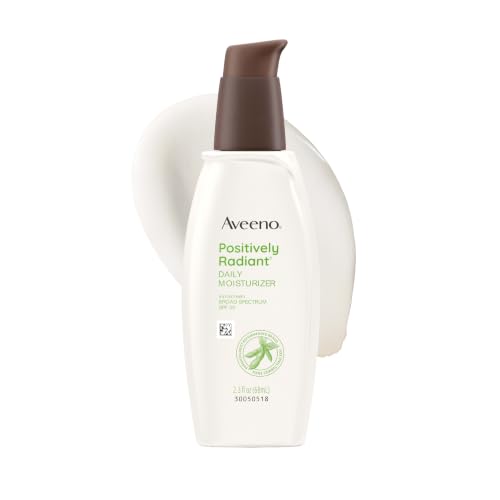
Recommended Sunscreen and Brightening Products
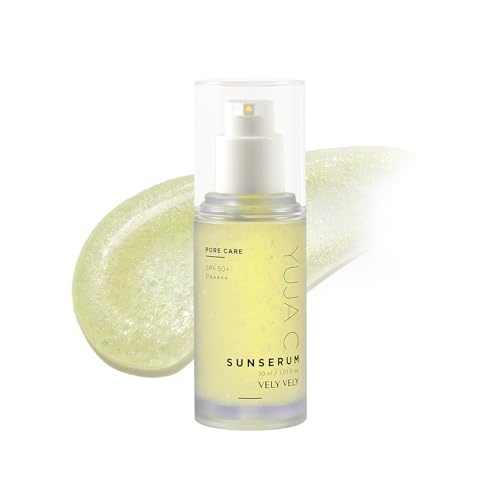

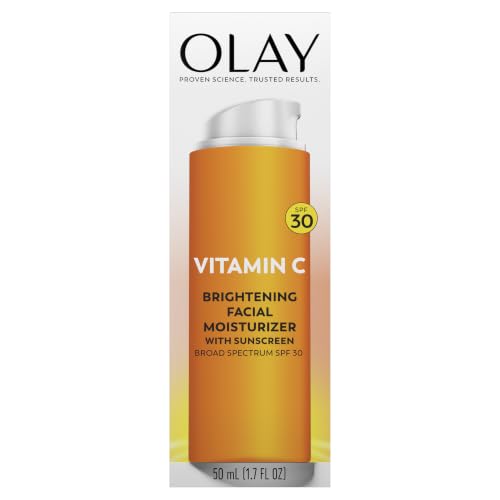
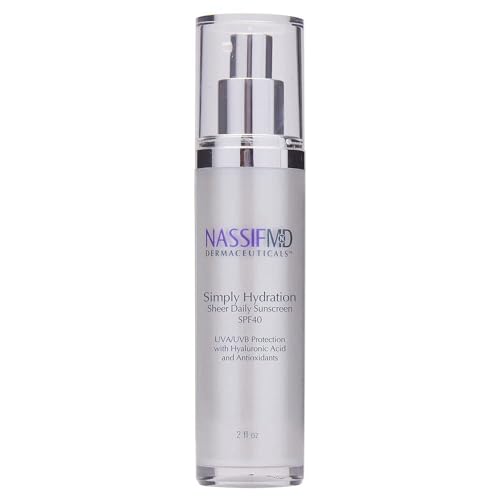
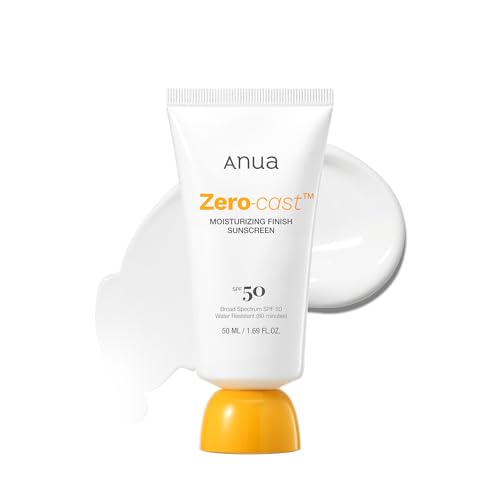
Fast Facts
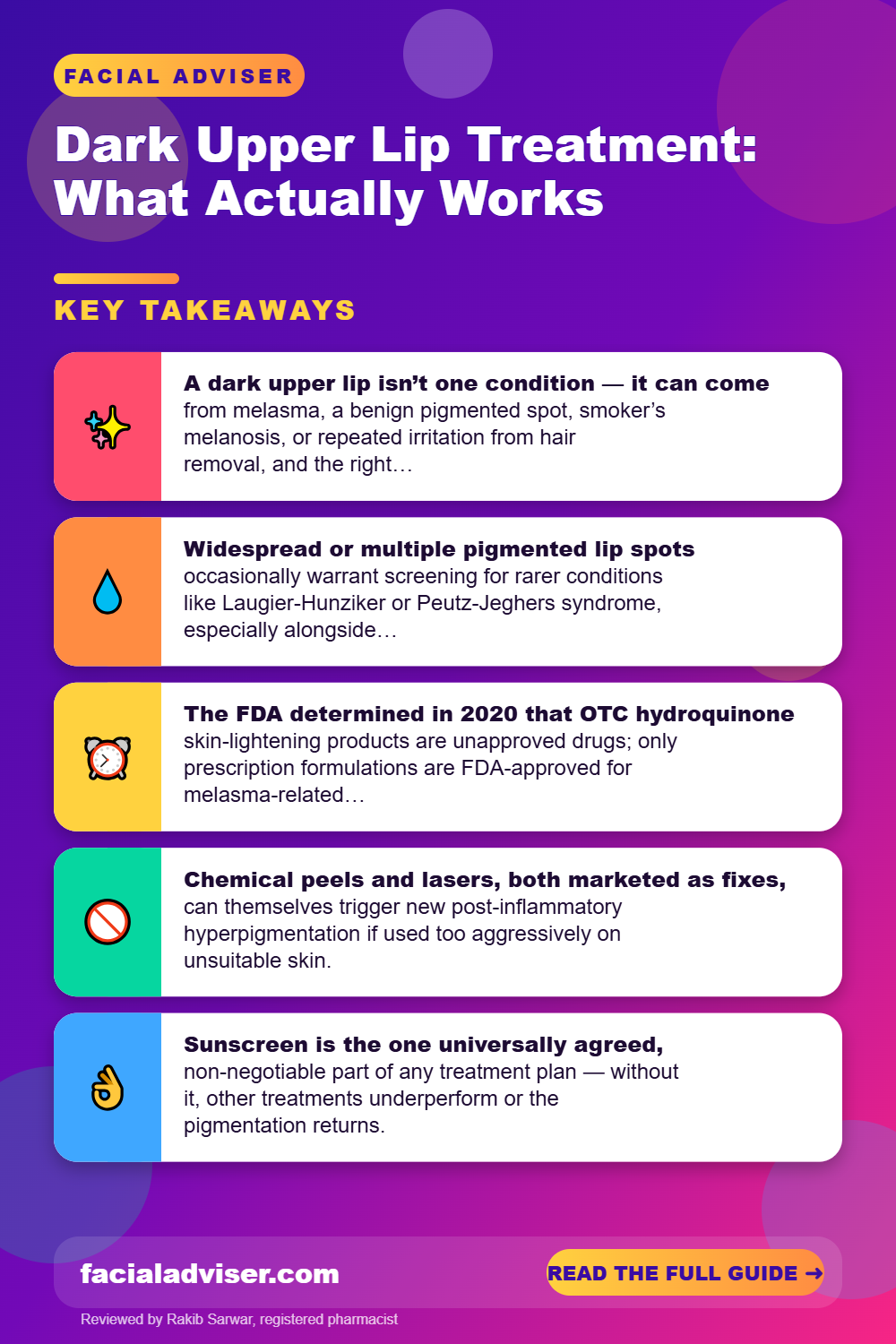
- A dark upper lip isn’t one condition — it can come from melasma, a benign pigmented spot, smoker’s melanosis, or repeated irritation from hair removal, and the right treatment depends on which one it actually is.
- Widespread or multiple pigmented lip spots occasionally warrant screening for rarer conditions like Laugier-Hunziker or Peutz-Jeghers syndrome, especially alongside other symptoms.
- The FDA determined in 2020 that OTC hydroquinone skin-lightening products are unapproved drugs; only prescription formulations are FDA-approved for melasma-related hyperpigmentation.
- Chemical peels and lasers, both marketed as fixes, can themselves trigger new post-inflammatory hyperpigmentation if used too aggressively on unsuitable skin.
- Sunscreen is the one universally agreed, non-negotiable part of any treatment plan — without it, other treatments underperform or the pigmentation returns.
Jump to a Section
- Why Upper Lip Skin Darkens: The Real Causes
- Melasma and Hormonal Pigmentation
- Benign Spots vs. Rare Syndromes
- Smoker’s Melanosis
- The Hair-Removal Connection
- What the FDA Actually Says About Lightening Creams
- Treatment Options Compared
- Realistic Timelines by Cause
- Do This, Not That
- Steps for a Sensible At-Home Routine
- Where Peels and Lasers Fit — and Where They Backfire
- When to See a Dermatologist
- What This Article Can’t Tell You
- Frequently Asked Questions
Why Upper Lip Skin Darkens: The Real Causes
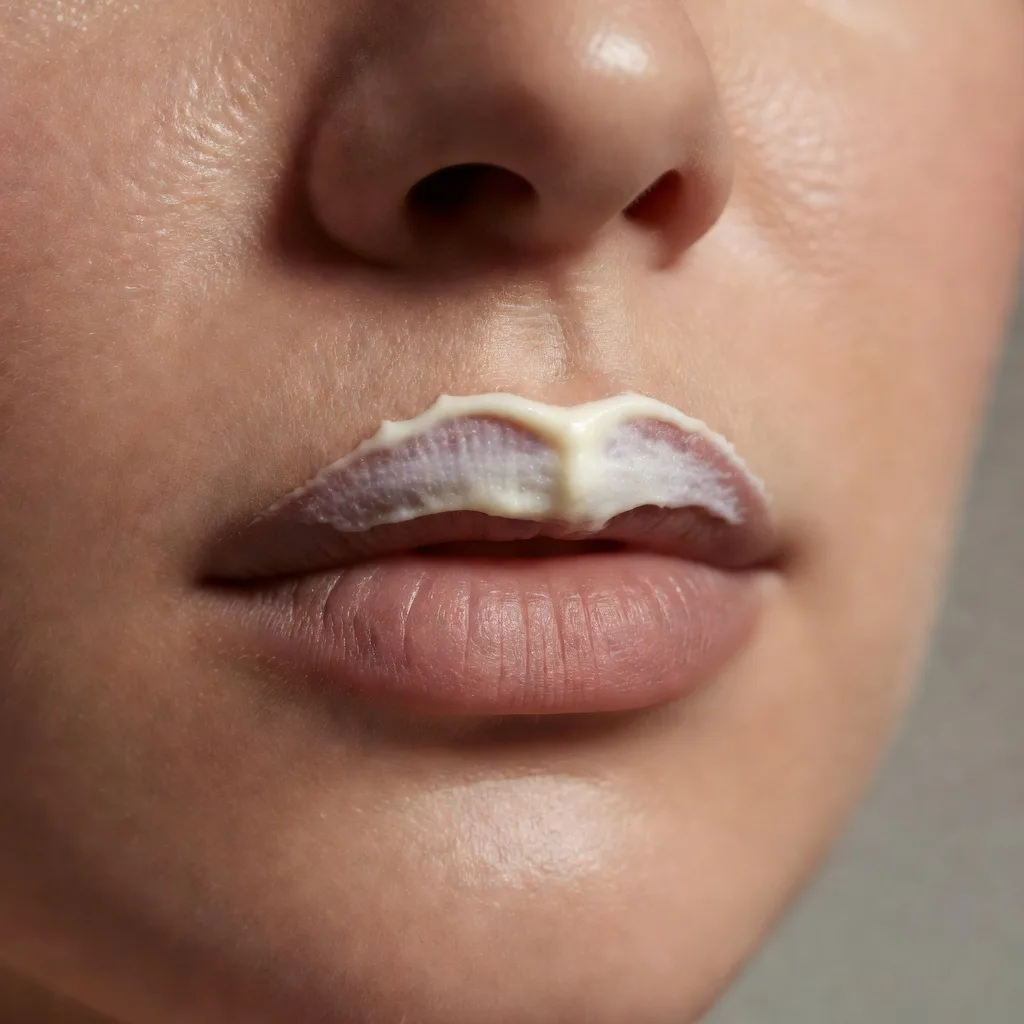
A dark upper lip is a visible symptom with several genuinely distinct underlying causes, and most generic “how to lighten your lip” content treats them as one problem with one fix. The realistic list includes hormonally and UV-driven melasma affecting the mustache area, benign melanotic macules (flat pigmented spots), tobacco-related smoker’s melanosis, and post-inflammatory hyperpigmentation triggered by repeated hair-removal trauma such as waxing, threading, or plucking. Chronic sun exposure compounds essentially all of these mechanisms. Because the treatments that work well for one cause can do little for another — or, in the case of overly aggressive procedures, actively make some causes worse — identifying which pattern actually applies matters more than jumping straight to a lightening product.
Shopping these picks?
Amazon Prime members get fast, free shipping on eligible items, plus Prime Video, Amazon Music and member deals. New members can start with a free trial.
Start a free Prime trialAged 18 to 24? Prime for Young Adults comes with a longer free trial and a lower price after it.
Affiliate link: we may earn a commission at no extra cost to you.
Melasma and Hormonal Pigmentation
Melasma affecting the upper lip and surrounding mustache area is a recognized variant of facial melasma, driven by a combination of hormonal factors (pregnancy, oral contraceptive use) and chronic UV exposure. It tends to appear as a more diffuse, often symmetrical patch of darkening rather than a single discrete spot, and it typically worsens with sun exposure and can fluctuate with hormonal changes.
Benign Spots vs. Rare Syndromes
A labial melanotic macule is a benign, well-demarcated, flat pigmented spot most often seen on the lower lip but also occurring on the upper lip and vermilion border. A single, solitary macule like this is common and not concerning on its own. Multiple or widespread pigmented macules across the lips, however, raise the possibility of two rarer conditions worth knowing about: Laugier-Hunziker syndrome, an acquired, benign, idiopathic mucocutaneous hyperpigmentation pattern, and, particularly in a younger patient who also has gastrointestinal symptoms, Peutz-Jeghers syndrome, an inherited condition associated with intestinal polyposis where lip pigmentation can look very similar but carries real systemic implications worth a physician’s attention. This distinction — one solitary spot versus multiple, widespread pigmented macules, especially with other symptoms present — is a genuinely useful screening question that most lip-darkening content skips entirely.
Smoker’s Melanosis
Smoker’s melanosis is a well-documented, dose-related pigmentation pattern caused by constituents in tobacco smoke stimulating melanocyte activity. It’s most classically described affecting the gums, but perioral and lip pigmentation is also reported in heavier, longer-term smokers. Unlike melasma, this pattern is directly tied to tobacco exposure rather than hormones or sun, and reducing or stopping smoking is a genuinely relevant, if difficult, part of addressing it.
The Hair-Removal Connection
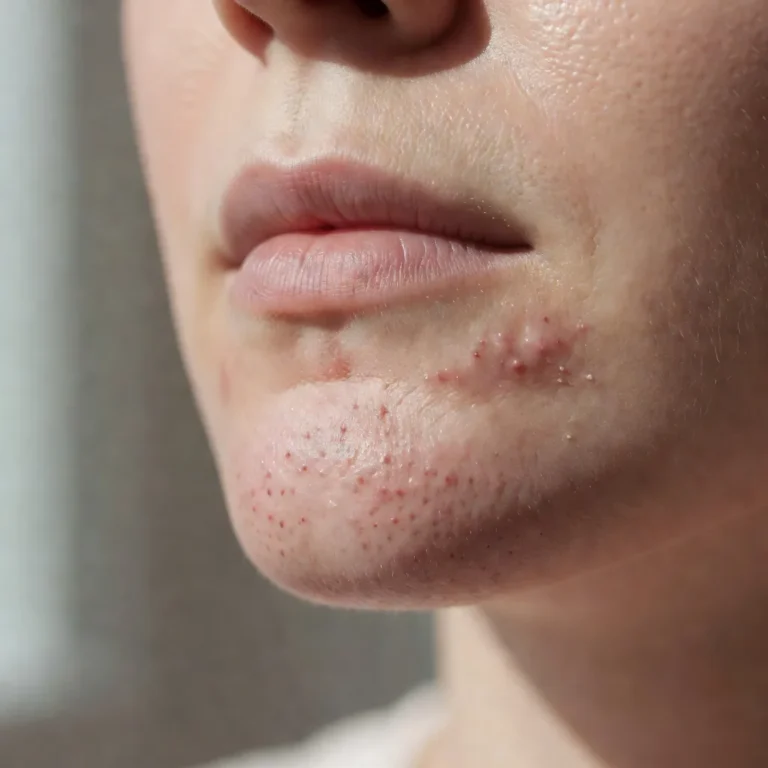
Post-inflammatory hyperpigmentation from repeated hair-removal trauma — waxing, threading, or plucking the upper lip — is a real, well-documented mechanism, not just a commonly repeated blog claim. A review of PIH epidemiology found pigmentary disorders were the third most common dermatologic diagnosis among African-American patients in the cited data (9 percent), compared with 1.7 percent among Caucasian patients, underscoring that PIH risk is disproportionately higher in darker skin types generally. Any repeated inflammatory or mechanical trauma to skin, including frequent hair removal, can trigger melanocyte activation and resulting hyperpigmentation in susceptible skin, and this mechanism specifically supports what many people already notice anecdotally: that upper-lip skin subjected to frequent waxing or threading, especially in darker or more reactive skin, tends to darken over repeated sessions.
What the FDA Actually Says About Lightening Creams
As of September 23, 2020, under the CARES Act, the FDA determined that over-the-counter skin-lightening products containing hydroquinone are unapproved new drugs and may not be legally marketed without a prescription, with enforcement actions following in 2022. Only prescription-strength products — such as triple-combination creams pairing hydroquinone with a retinoid and a topical steroid — are FDA-approved for treating melasma-associated hyperpigmentation, and only under medical supervision. The safety reason behind this is real and worth taking seriously: prolonged or high-concentration hydroquinone use carries a documented risk of exogenous ochronosis, a paradoxical and potentially permanent blue-black discoloration of the skin. This is a genuine safety fact that most “brightening cream” marketing simply doesn’t mention.
Treatment Options Compared
| Treatment | Evidence level | Real risk |
|---|---|---|
| Prescription hydroquinone (2-4%) | Mainstay treatment, strong evidence, medical supervision required | Exogenous ochronosis with prolonged/high-concentration use |
| Azelaic acid 20% (OTC-available) | Greater pigmentary-intensity decrease vs. vehicle at 24 weeks in cited trial data | Generally well-tolerated, mild irritation possible |
| Tretinoin 0.1% | Significantly more effective than vehicle in cited trial data | Irritation, sun sensitivity |
| Chemical peels | Faster improvement in darker skin types per cited data | Can trigger new PIH, keloid, or hypertrophic scarring if too aggressive |
| Laser therapy | Can be effective when matched correctly to the pigment depth | Energy meant for deeper targets can be absorbed in pigmented epidermis, causing dyschromia, blistering, or scarring |
Realistic Timelines by Cause
| Cause | Realistic resolution timeline |
|---|---|
| Epidermal post-inflammatory hyperpigmentation | Months to years without treatment, per PIH review literature |
| Dermal-level hyperpigmentation | May become permanent or resolve over a protracted period |
| Melasma (with consistent sun protection and treatment) | Gradual improvement over months; recurrence common without ongoing sun protection |
Do This, Not That
Do
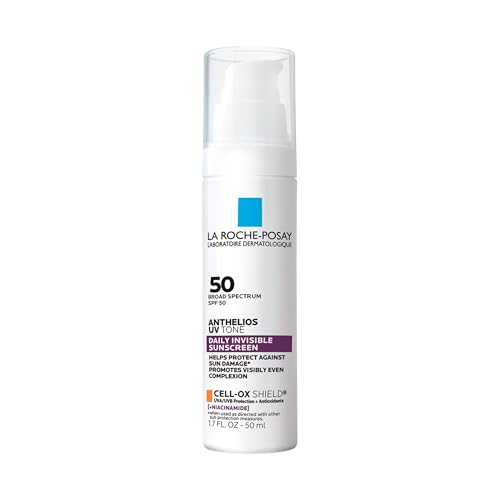
- Use broad-spectrum sunscreen daily on the lip area regardless of which treatment you choose
- Ask a dermatologist to distinguish melasma, a benign macule, or PIH before starting treatment
- Space out hair-removal sessions and consider gentler methods if you notice darkening after waxing/threading
Don’t
- Use OTC products claiming hydroquinone content — they’re not legally marketable that way in the U.S. as of 2020
- Book an aggressive chemical peel or laser session without confirming your provider’s experience with pigmented, reactive, or darker skin
- Ignore multiple or widespread pigmented lip spots, especially with other symptoms present — that pattern is worth a physician visit, not a lightening cream
Steps for a Sensible At-Home Routine
Identify the likely cause
Note whether darkening is diffuse and symmetrical (more consistent with melasma), a single flat spot (likely benign macule), or connected to recent waxing/threading sessions (possible PIH).Add daily broad-spectrum sunscreen
This is the one step relevant across every cause and every other treatment.Introduce one active at a time
Azelaic acid or tretinoin, starting at a lower frequency to gauge tolerance before daily use.Reduce mechanical trauma
If hair removal seems connected to the darkening, consider gentler methods or longer spacing between sessions.Reassess after 8-12 weeks
Most cited treatment trials measured meaningful change on this timeline, not days or a couple of weeks.
Where Peels and Lasers Fit — and Where They Backfire
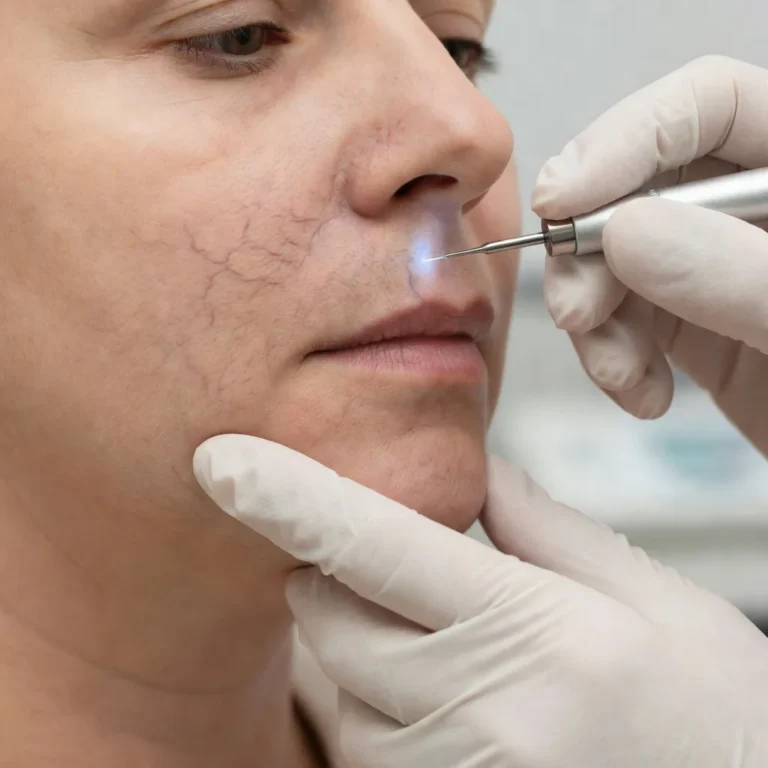
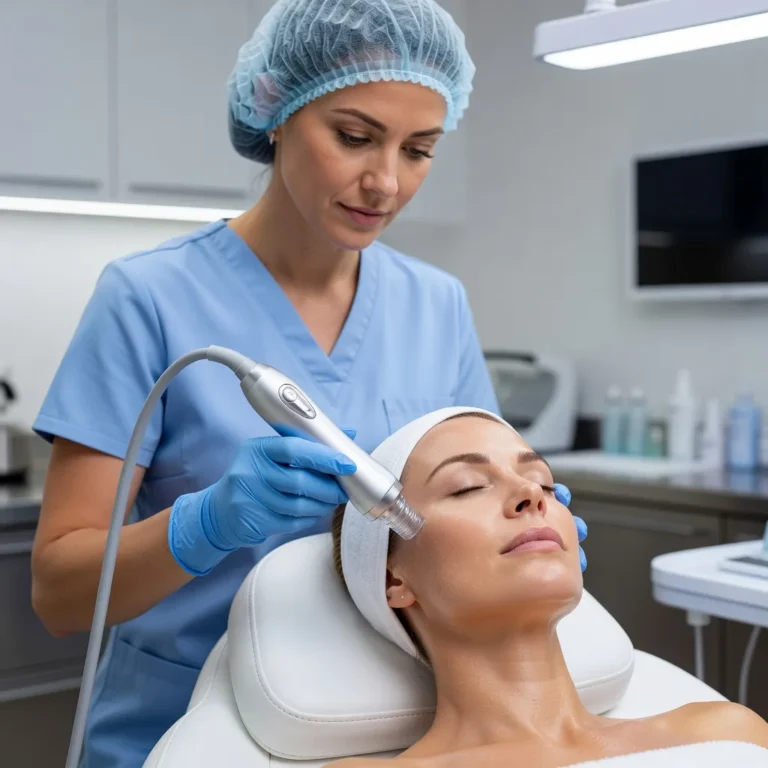
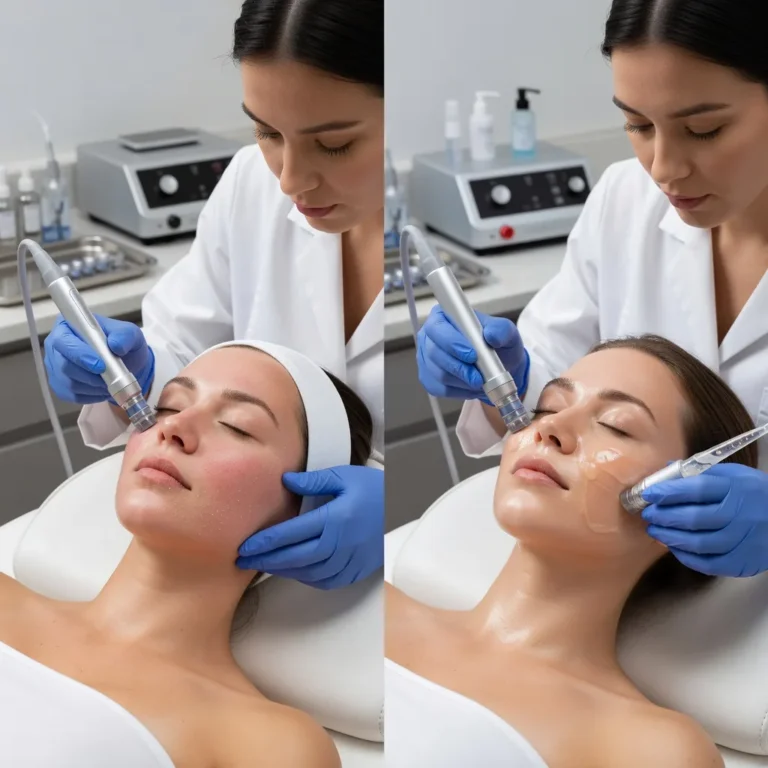
Chemical peels can produce faster improvement than topical treatment alone in darker skin types according to cited research, but the same literature is explicit that overly aggressive peeling carries a real risk of causing new post-inflammatory hyperpigmentation, or in more severe cases, keloid or hypertrophic scarring — the treatment can create the exact problem it’s meant to solve if performed incorrectly. Laser therapy has a similar double edge: energy intended for deeper pigment targets can instead be absorbed within the pigmented epidermis itself, leading to dyschromia, blistering, or scarring, a risk that rises specifically in medium-to-dark skin tones. Neither of these treatments should be treated as a low-risk shortcut; they’re genuinely more effective in trained hands but carry real, documented downside risk in the wrong hands or on unsuitable skin.
When to See a Dermatologist
A dermatologist visit is worth prioritizing if you notice multiple or widespread pigmented spots across the lips (especially alongside gastrointestinal symptoms or in a younger patient, given the Peutz-Jeghers consideration), if over-the-counter treatment hasn’t helped after a reasonable trial period, if you’re considering a chemical peel or laser and want a provider experienced with your specific skin tone, or if you’re a smoker and want guidance connecting cessation efforts to the pigmentation pattern you’re seeing. A dermatologist can also confirm whether you’re dealing with melasma, a benign macule, PIH, or something that needs a broader medical workup, rather than guessing from a mirror.
What This Article Can’t Tell You
Frequently Asked Questions
What causes a dark upper lip?
Several distinct mechanisms can cause it, including melasma, benign pigmented macules, smoker’s melanosis, and post-inflammatory hyperpigmentation from repeated hair removal, with chronic sun exposure compounding all of them.
Is a dark upper lip always melasma?
No. Melasma is one common cause, but a single benign macule, smoker’s melanosis, or PIH from waxing/threading can all look similar without being melasma.
Can waxing or threading cause a dark upper lip?
Yes, in susceptible skin. Repeated mechanical or inflammatory trauma from hair removal is a documented trigger for post-inflammatory hyperpigmentation, with the risk elevated in darker skin tones.
Are OTC lightening creams for the lips legal in the US?
Products containing hydroquinone are not legally marketable over the counter as of a 2020 FDA determination; only prescription formulations are FDA-approved for melasma-related hyperpigmentation.
What is exogenous ochronosis?
It’s a paradoxical, potentially permanent blue-black skin discoloration linked to prolonged or high-concentration hydroquinone use, one of the real safety reasons behind the FDA’s OTC restriction.
When should multiple dark spots on the lips be checked by a doctor?
Multiple or widespread pigmented macules, especially alongside gastrointestinal symptoms or in a younger patient, are worth medical evaluation to rule out rarer conditions like Peutz-Jeghers or Laugier-Hunziker syndrome.
Can chemical peels or lasers make a dark upper lip worse?
Yes, if performed too aggressively or on unsuitable skin. Both treatments can trigger new post-inflammatory hyperpigmentation, and this risk is elevated in darker or more reactive skin tones.
How long does it take to lighten a dark upper lip?
Epidermal pigmentation can take months to years to resolve without treatment, and dermal-level pigmentation may become permanent or resolve only over a protracted period, so results generally take months rather than days or weeks.
Does smoking cause dark lips?
Smoker’s melanosis is a well-documented, dose-related pigmentation pattern from tobacco smoke constituents stimulating melanocyte activity, and it can affect the lip and perioral area in heavier, longer-term smokers.
Is sunscreen really necessary for lip pigmentation?
Yes. Sun exposure compounds nearly every cause of upper lip darkening, and every treatment approach in the literature performs better, and recurs less, with consistent sun protection.

Written by
Registered pharmacist and founder of Facial Adviser. Rakib's pharmacy training covers how skincare actives work and interact; a later course in cosmetology turned that into a focus on facial treatments and skincare products. He plans, researches and edits every guide on the site and checks health claims against sources such as the American Academy of Dermatology, the FDA and the NIH. He is not a dermatologist; see the Editorial Policy and Medical Disclaimer.
About · Editorial policy · How we choose products · Medical disclaimer · Contact
Keep reading: Facial hair removal
- 10 Best Products for Women's Facial Hair Removal (2026): Gentle Picks
- How to Use a Blackhead Extractor Tweezer
- What Is Skin Dermaplaning? How It Works, Benefits and Risks
- Trimming vs Shaving Facial Hair: Which Is Better for Your Skin?
- Peach Fuzz vs Facial Hair: How to Tell the Difference and What to Do
- Facial Waxing vs Dermaplaning: Which Is Better for Facial Hair and Smooth Skin?
- How to Incorporate Microcurrent Into Your Routine: Gel, Timing and Safety
- 10 Best Gua Sha Facial Tools (2026): Stone and Steel Picks Compared