Laser Lipo vs Cavi Lipo: Real Differences
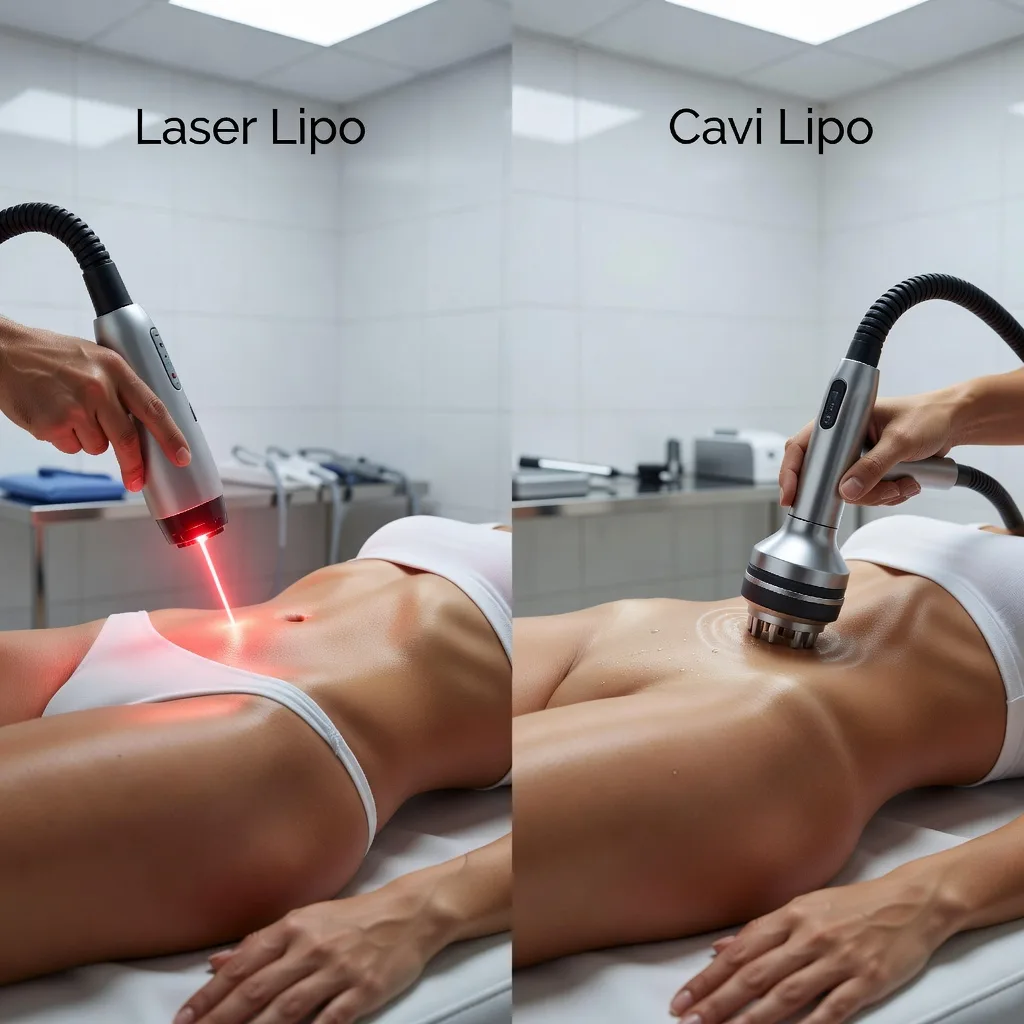
Laser lipo vs cavi lipo gets marketed as a simple either-or choice at most med spas, but the two categories work through genuinely different physical mechanisms, and each one spans both FDA-cleared devices and generic, uncleared machines.
Part of our guide to facial treatments. Start with: Microneedling Facial: Real Results, Explained
“Laser lipo” itself covers two different technologies — non-thermal low-level laser therapy and true heat-based thermal lipolysis — while cavitation uses ultrasound to mechanically rupture fat cells, an entirely different physical process. Some devices in both categories, like Zerona, SculpSure, Liposonix, and UltraShape, hold real FDA clearance for body contouring; many generic machines sold under the same category names do not.
The manufacturer-reported trial behind one popular device is real evidence, but it hasn’t been widely independently replicated, a distinction worth knowing before comparing marketing claims across brands.
This guide breaks down both mechanisms, the real FDA-cleared-vs-generic divide, and exactly what to ask before booking either treatment.
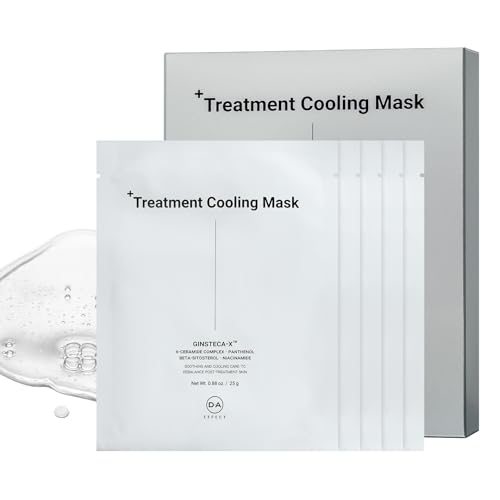
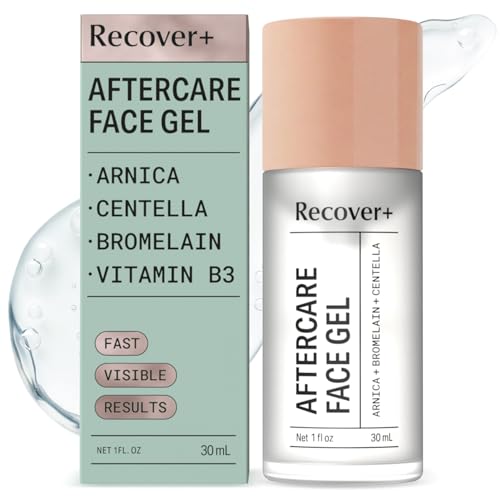
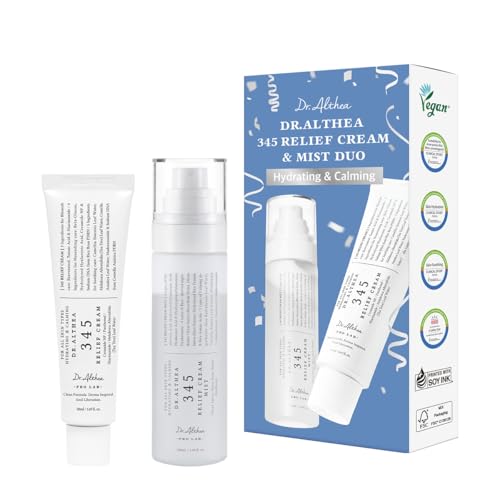
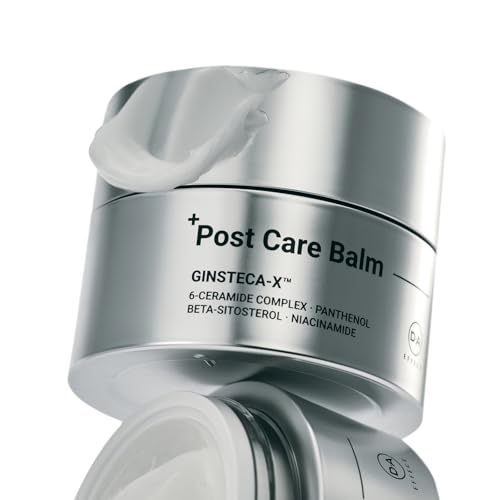
Recommended Post-Treatment Skin Support Products
Two Different Mechanisms, One Marketing Category
“Laser lipo” and “cavi lipo” both promise non-invasive fat reduction, and they’re often marketed side by side as interchangeable options at the same med spa. They’re not interchangeable — they work through genuinely different physical mechanisms, have different FDA clearance histories, and the specific device brand behind either name matters far more than the category label does.
Shopping these picks?
Amazon Prime members get fast, free shipping on eligible items, plus Prime Video, Amazon Music and member deals. New members can start with a free trial.
Start a free Prime trialAged 18 to 24? Prime for Young Adults comes with a longer free trial and a lower price after it.
Affiliate link: we may earn a commission at no extra cost to you.
TL;DR
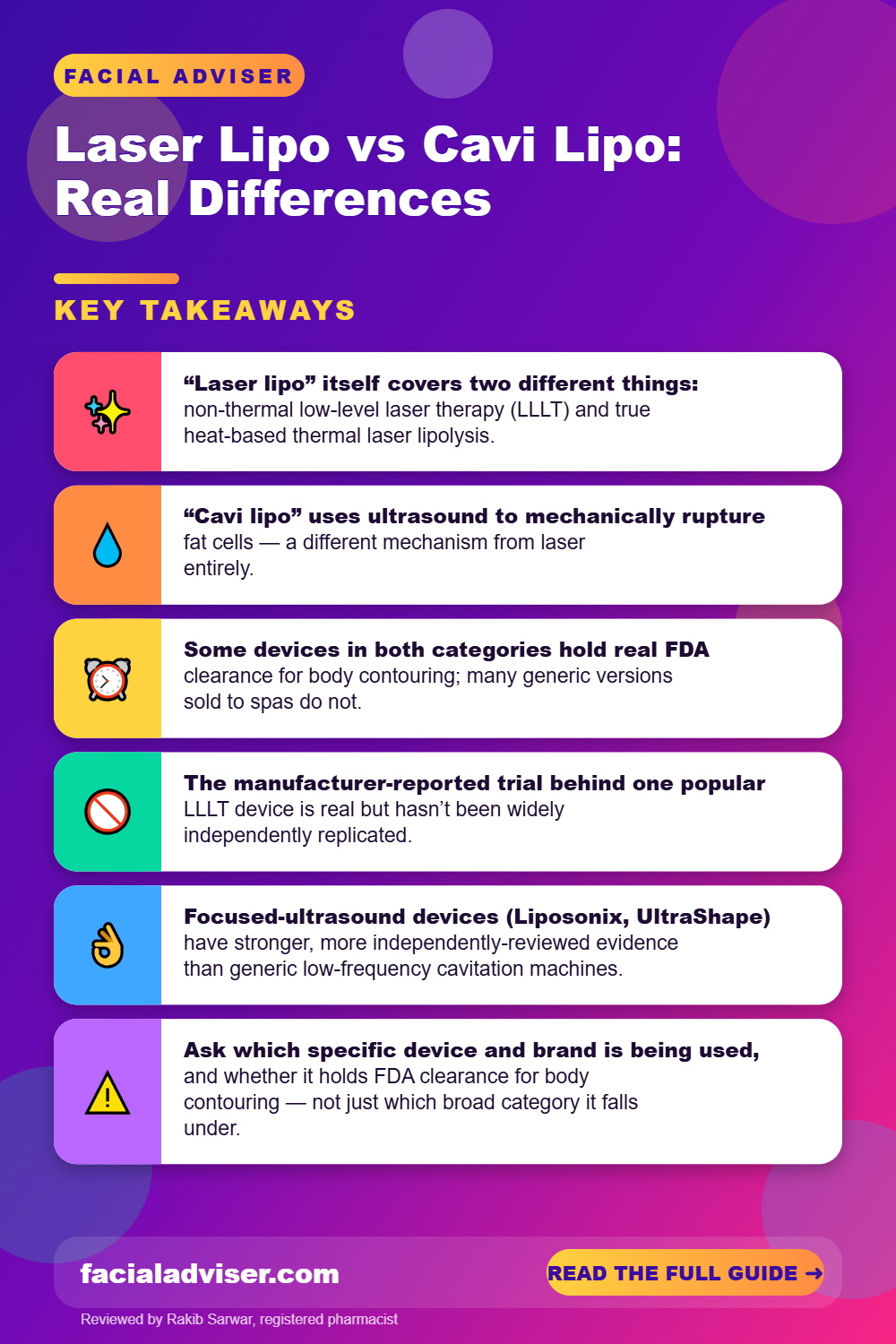
- “Laser lipo” itself covers two different things: non-thermal low-level laser therapy (LLLT) and true heat-based thermal laser lipolysis.
- “Cavi lipo” uses ultrasound to mechanically rupture fat cells — a different mechanism from laser entirely.
- Some devices in both categories hold real FDA clearance for body contouring; many generic versions sold to spas do not.
- The manufacturer-reported trial behind one popular LLLT device is real but hasn’t been widely independently replicated.
- Focused-ultrasound devices (Liposonix, UltraShape) have stronger, more independently-reviewed evidence than generic low-frequency cavitation machines.
- Ask which specific device and brand is being used, and whether it holds FDA clearance for body contouring — not just which broad category it falls under.
What’s Ahead
- Two Different Mechanisms, One Marketing Category
- Laser Lipo: Two Different Technologies Under One Name
- Cavi Lipo: How Ultrasound Cavitation Actually Works
- Side-by-Side Comparison
- The FDA-Cleared vs. Generic Divide
- What the Trial Evidence Actually Shows
- What a Session Looks Like
- Step by Step: Before Booking Either Treatment
- Who’s a Realistic Candidate
- Who Should Avoid Either Treatment
- When to See a Doctor Instead
- A One-Minute Device Check
- Where the Evidence Runs Out
- Realistic Cost and Package Structure
- Maintenance and Long-Term Results
- Frequently Asked Questions
Laser Lipo: Two Different Technologies Under One Name
“Laser lipo” actually spans two genuinely different device types. The first is low-level laser therapy (LLLT), used in devices like Zerona, which apply red light around 635nm and are claimed to create transient pores in fat-cell membranes that cause temporary fat release — without generating heat. The second is true thermal diode laser lipolysis, used in devices like SculpSure, which intentionally heat and damage fat cells — real photothermal tissue injury, not a gentle light effect. These aren’t variations on the same idea; they’re mechanistically distinct enough that the specific device matters more than the word “laser.”
Cavi Lipo: How Ultrasound Cavitation Actually Works
Cavitation uses low-frequency ultrasound to generate microscopic bubbles within fat tissue that then collapse violently — a process covered in more depth in our ultrasonic cavitation guide — mechanically rupturing fat-cell membranes. The released lipid content is then claimed to be cleared through the lymphatic system and processed by the liver. This is a mechanical/acoustic mechanism, entirely different from either laser approach.
Side-by-Side Comparison
| Feature | LLLT (e.g. Zerona) | Thermal laser (e.g. SculpSure) | Cavitation |
|---|---|---|---|
| Mechanism | Non-thermal light, transient membrane pores | Heat-based fat cell damage | Ultrasound-induced mechanical rupture |
| Heat generated? | No | Yes, intentionally | No (mechanical, not thermal) |
| FDA clearance example | Zerona (2010, de novo) | SculpSure (510(k), submental + body) | Liposonix / UltraShape (focused ultrasound) |
| Real burn risk | Very low | Real if miscalibrated | Possible with uncleared/miscalibrated devices |
The FDA-Cleared vs. Generic Divide
This is the single most important, underused point in this whole comparison: within both the laser and cavitation categories, there’s a real split between FDA-cleared devices with a defined regulatory history and generic machines sold to spas without that same clearance. Zerona received FDA market clearance in 2010 via the de novo pathway as the first non-invasive aesthetic device cleared for circumferential reduction of the waist, hips, and thighs. SculpSure holds 510(k) clearance specifically for submental (under-chin) and other body areas. On the cavitation side, Liposonix (high-intensity focused ultrasound) and UltraShape/UltraShape Power (focused, pulsed, non-thermal ultrasound, cleared in 2014 for abdominal fat reduction) are real, FDA-cleared, focused-ultrasound systems. By contrast, the cheap, generic 40kHz “cavitation machines” widely sold to spas and marketed for home use are largely not specifically FDA-cleared for fat reduction at all — many are marketed instead as general wellness or skin-tightening devices, which sidesteps the fat-reduction efficacy claim that would require clearance in the first place.
| Device category | Example | FDA-cleared for fat reduction? |
|---|---|---|
| LLLT | Zerona | Yes (2010, de novo) |
| Thermal laser | SculpSure | Yes (510(k)) |
| Focused ultrasound | Liposonix, UltraShape | Yes |
| Generic 40kHz cavitation | Various unbranded spa machines | Often not specifically cleared for fat reduction |
What the Trial Evidence Actually Shows
Zerona’s manufacturer-reported pivotal trial involved 67 participants in a placebo-controlled, randomized, double-blind, multi-site design, reporting an average combined 3.65 inches of circumference loss across the waist, hips, and thighs in as little as two weeks, with no diet or exercise requirement. That’s real trial data submitted as part of the FDA clearance process — but it’s manufacturer-reported data from the clearance submission, and an independent review of LLLT for fat-layer reduction found the overall trial base remains small, with few trials and modest sample sizes. That’s a legitimate gap between marketing enthusiasm and independently replicated evidence. Focused-ultrasound devices like UltraShape and Liposonix generally have a somewhat deeper base of reviewed literature behind their specific clearances than generic cavitation machines do.
What a Session Looks Like
A typical session, whichever technology is used, runs 30 to 60 minutes: the treatment area is marked and measured, a gel or coupling medium is applied if needed, the device is passed over the area for the designated time, and circumference is sometimes remeasured immediately after. Multiple sessions, often weekly, are typically recommended as part of a full course.
Step by Step: Before Booking Either Treatment
Ask for the exact device and brand
Get the specific model name, not just “laser lipo” or “cavi lipo” as a category.Look up its FDA clearance status
Search the device name plus “FDA clearance” to confirm it’s actually cleared for body contouring, not just general wellness.Ask how many sessions a full course requires
Get realistic numbers and total cost before committing to a package.Confirm safety features
Ask whether the device has skin-contact temperature sensors or automatic safety cutoffs, especially for any heat-based device.
Who’s a Realistic Candidate
These treatments are positioned for people close to their target weight with localized, stubborn fat pockets they want a modest circumference reduction in — not a substitute for weight loss or a treatment for significant fat volume. Realistic expectations are inches, not dramatic transformation, and results from either category are temporary maintenance treatments, not one-time permanent fixes for most devices.
Do
- Ask for the specific device/brand name and its FDA clearance status
- Get a realistic total-course cost estimate before starting
- Confirm the provider’s training on that specific device
Don’t
- Assume “cavitation” or “laser lipo” as a category guarantees FDA clearance
- Expect either treatment to substitute for diet, exercise, or significant weight loss
- Ignore skin-contact burn warnings on heat-based devices
Who Should Avoid Either Treatment
Common contraindications across both categories include pregnancy, active infection or open wounds in the treatment area, and — depending on the specific device — caution around areas with metal implants or pacemakers, since ultrasound near certain implants carries theoretical risk. There’s no robust device-specific data directly comparing complication rates between laser and cavitation systems, so treat any claim that one category is unconditionally “safer” than the other with real skepticism unless it names a specific device — and if cancer risk from cavitation ever comes up, see our separate breakdown of whether cavitation can cause cancer.
When to See a Doctor Instead
See a physician rather than pursuing body-contouring treatments if you have significant excess weight (these devices are not weight-loss treatments), a medical condition affecting wound healing or circulation, or any skin changes, persistent pain, or signs of burn injury after a session — those warrant prompt medical evaluation, not a follow-up spa visit.
A One-Minute Device Check
Before booking, ask: what’s the exact brand and model of the device? Is it FDA-cleared specifically for body contouring or fat reduction (not just “wellness”)? How many sessions does a full course typically take, and what’s the total cost? Does the provider have specific training on this device? If the answers are vague, that’s a legitimate reason to look elsewhere.
Where the Evidence Runs Out
Be realistic: neither category is a weight-loss treatment, and the strongest evidence exists for specific, named, FDA-cleared devices, not for “laser lipo” or “cavi lipo” as broad categories. Manufacturer-reported clearance-trial data is real evidence but isn’t the same as large, independently replicated peer-reviewed trials, and that gap is real for both technologies to varying degrees.
Realistic Cost and Package Structure
Both categories are typically sold as multi-session packages rather than single treatments, since a full course — often six to eight sessions spaced roughly a week apart — is what manufacturer protocols and clinic practice generally recommend for the modest circumference reductions the trial evidence describes. Per-session pricing varies substantially by geography and device, but package pricing in the thousands of dollars for a full course is common industry-wide. Because neither treatment is a one-time fix, it’s worth budgeting for the full recommended course rather than a single session when comparing the real cost of either option.
Maintenance and Long-Term Results
Fat cells disrupted by either cavitation or laser lipolysis are generally considered permanently reduced in number in the treated area, but new weight gain can still cause remaining fat cells in that area (and elsewhere) to expand, which is why most providers recommend some form of maintenance session or lifestyle consistency to preserve results. This is consistent with how body-contouring devices are generally described in clinical literature — a real, if modest and non-permanent-guarantee, effect rather than a one-time, irreversible fix.
Frequently Asked Questions
Is laser lipo the same thing as liposuction?
No — laser lipo (whether LLLT or thermal) is non-invasive with no incision or removal of fat tissue; liposuction is a surgical procedure.
Which works better, laser lipo or cavi lipo?
There’s no head-to-head trial directly comparing them, and the honest answer depends on the specific device used in each category, not the category name alone.
Are all cavitation machines FDA-cleared?
No — many generic cavitation machines sold to spas are not specifically cleared for fat reduction; only certain named devices like Liposonix and UltraShape hold that clearance.
Can laser lipo burn my skin?
Non-thermal LLLT carries very low burn risk; thermal laser devices intentionally heat tissue and carry a real burn risk if miscalibrated.
How many sessions does cavi lipo take to see results?
This varies by device and provider, but multiple weekly sessions are typically recommended as part of a full course rather than a single treatment.
Is the Zerona trial data reliable?
It’s a real, placebo-controlled trial submitted for FDA clearance, but it’s manufacturer-reported, and independent reviews describe the broader LLLT evidence base as still small.
Can these treatments replace weight loss?
No — they’re marketed for localized circumference reduction in people already near their target weight, not as weight-loss treatments.
Is cavitation safe near organs?
FDA-cleared focused-ultrasound devices are designed with safety parameters for this; generic uncleared machines may lack the same safety engineering, which is exactly why device identity matters.
How long do results last?
Results from fat-cell disruption are generally considered longer-lasting for the treated cells, but new weight gain can still affect the area, and most providers recommend maintenance sessions.
What should I ask before booking either treatment?
The exact device/brand name, its FDA clearance status for body contouring, total course cost, and the provider’s specific training on that device.

Written by
Registered pharmacist and founder of Facial Adviser. Rakib's pharmacy training covers how skincare actives work and interact; a later course in cosmetology turned that into a focus on facial treatments and skincare products. He plans, researches and edits every guide on the site and checks health claims against sources such as the American Academy of Dermatology, the FDA and the NIH. He is not a dermatologist; see the Editorial Policy and Medical Disclaimer.
About · Editorial policy · How we choose products · Medical disclaimer · Contact
Keep reading: Microneedling, PRP and lasers
- Microneedling Facial: Real Results, Explained
- Before and After Microneedling: What to Expect
- Will Microneedling Reduce Pore Size?
- Can Microneedling Damage Hair Follicles?
- Can Microneedling Cause Hair Loss? The Real Answer
- Microneedling With Minoxidil: Does It Boost Hair Regrowth and Is It Safe?
- What Is a Spa Facial?
- Fruit Facial at Home: Does It Actually Work?