Galvanic Facial Treatments: What Actually Works
Galvanic facial treatments rely on a constant, low-voltage direct current run through two distinct phases, and the electrochemistry behind each phase is genuinely real — the question is what it actually proves about results.
Part of our guide to at-home facial devices. Start with: How to Incorporate Microcurrent Into Your Routine: Gel, Timing and Safety
Desincrustation uses negative polarity to saponify trapped sebum, and iontophoresis uses positive polarity to drive product deeper into tissue, but a search of peer-reviewed literature turns up essentially no human clinical trials testing galvanic facial outcomes specifically. The mechanism is standard esthetics-school electrochemistry; the outcome claims mostly trace back to trade publications, not journal research.
Galvanic and microcurrent are frequently confused, but they’re different technologies entirely, and cosmetic galvanic devices sit in a genuine regulatory gray zone distinct from cleared medical iontophoresis devices.
This guide separates the real chemistry from the unproven claims, and covers exactly who should avoid this treatment given its very real pacemaker and metal-implant contraindications.
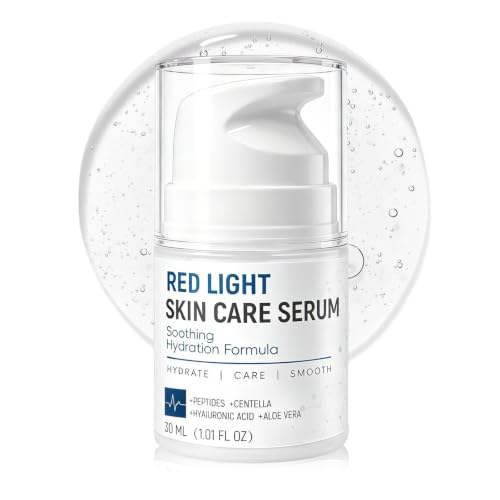
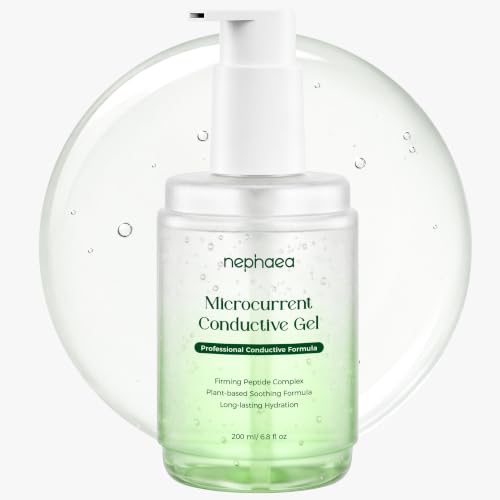
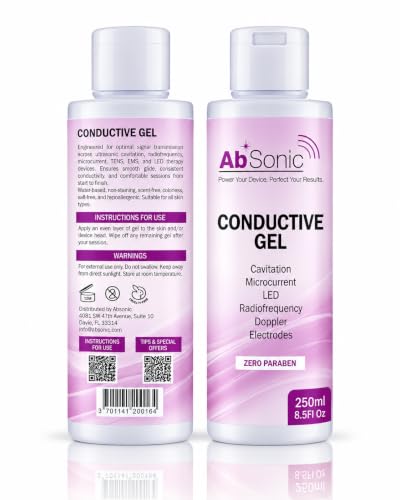
Recommended Galvanic Devices and Conductive Serums




What a Galvanic Facial Actually Does
A galvanic facial uses a low-voltage, constant direct current — not the pulsed current used in microcurrent devices, and not heat or light — to move charged product ingredients into and out of the skin. The treatment typically runs in two distinct phases using opposite electrical polarities, and understanding those two phases is the key to understanding what this treatment can and can’t plausibly do.
Shopping these picks?
Amazon Prime members get fast, free shipping on eligible items, plus Prime Video, Amazon Music and member deals. New members can start with a free trial.
Start a free Prime trialAged 18 to 24? Prime for Young Adults comes with a longer free trial and a lower price after it.
Affiliate link: we may earn a commission at no extra cost to you.
Key Takeaways
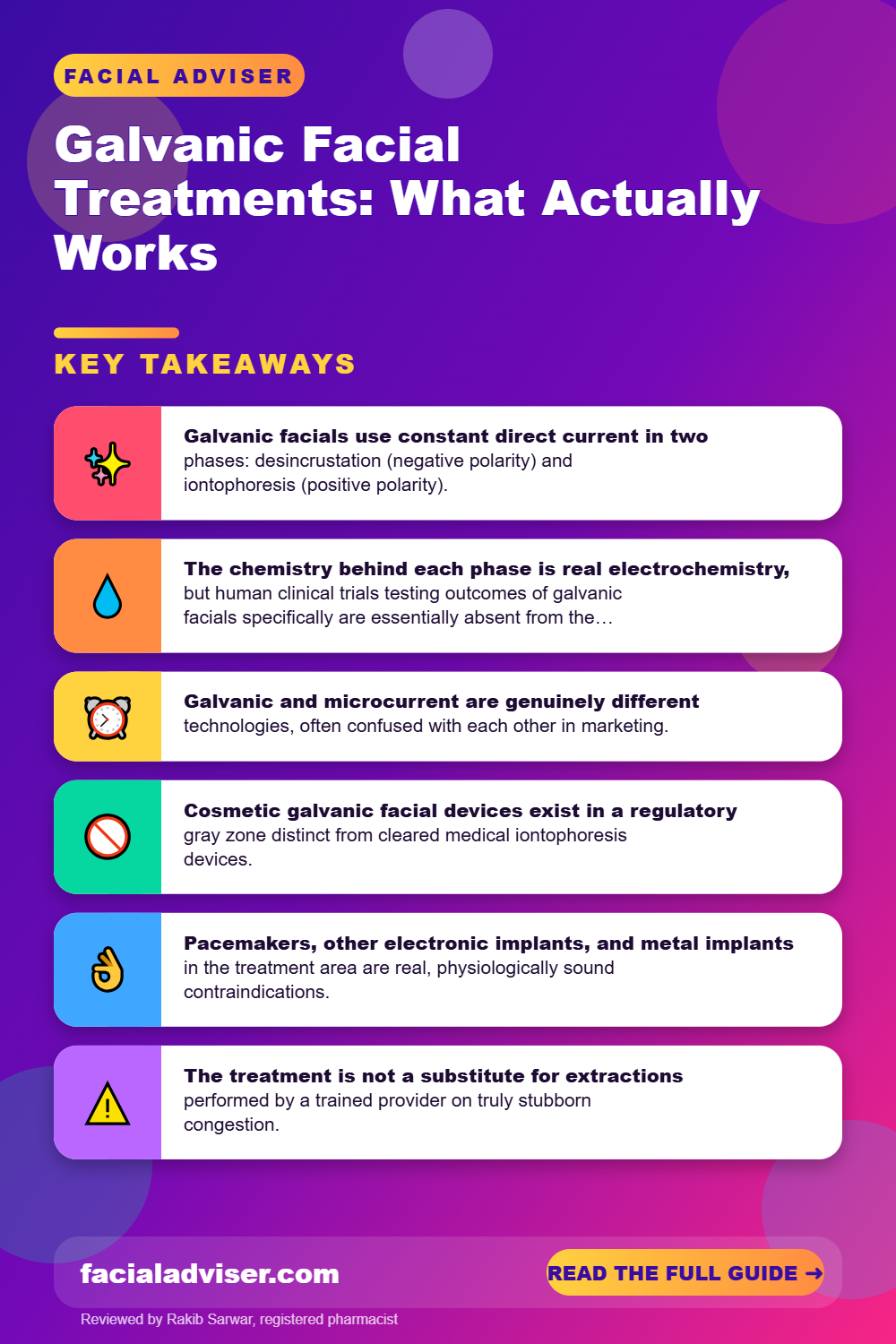
- Galvanic facials use constant direct current in two phases: desincrustation (negative polarity) and iontophoresis (positive polarity).
- The chemistry behind each phase is real electrochemistry, but human clinical trials testing outcomes of galvanic facials specifically are essentially absent from the peer-reviewed literature.
- Galvanic and microcurrent are genuinely different technologies, often confused with each other in marketing.
- Cosmetic galvanic facial devices exist in a regulatory gray zone distinct from cleared medical iontophoresis devices.
- Pacemakers, other electronic implants, and metal implants in the treatment area are real, physiologically sound contraindications.
- The treatment is not a substitute for extractions performed by a trained provider on truly stubborn congestion.
In This Article
- What a Galvanic Facial Actually Does
- Desincrustation: The Negative-Polarity Phase
- Iontophoresis: The Positive-Polarity Phase
- What the Evidence Actually Shows
- Galvanic vs. Microcurrent: Not the Same Thing
- The Regulatory Gray Zone
- What a Session Looks Like
- Step by Step: A Typical Galvanic Facial
- Who Might Consider It
- Who Should Avoid It
- When to See a Dermatologist Instead
- A One-Minute Check Before You Book
- Where the Evidence Runs Out
- Where Galvanic Facial Devices Actually Came From
- Realistic Expectations for a Single Session
- Frequently Asked Questions
Desincrustation: The Negative-Polarity Phase
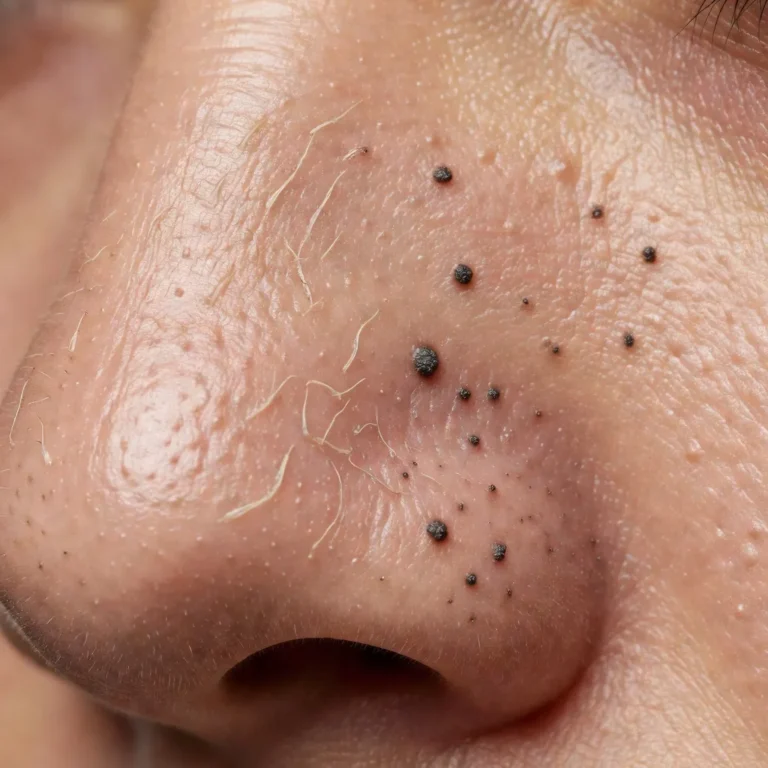
In the first phase, an alkaline solution is applied to the skin and the device is set to negative polarity. Because like electrical charges repel, the negative current pushes the alkaline solution into the pores, where it reacts chemically with sebum’s fatty acids in a process called saponification — essentially turning trapped oil into a soap-like compound. The goal is to soften compacted debris in the pores, making subsequent extractions gentler and more effective than they’d be on unprepped skin.
Iontophoresis: The Positive-Polarity Phase
The second phase reverses the polarity to positive, which is used to drive acidic, water-soluble, positively-charged active ingredients (from a serum or ampoule) deeper into the tissue than passive application alone would achieve. This phase is also marketed as having a firming, toning, and pH-rebalancing effect on the skin after the alkaline first phase.
What the Evidence Actually Shows
Here’s where honesty matters most: the electrochemistry behind both phases — saponification of sebum under negative current, enhanced ion movement under positive current — is real, standard electrochemistry, and it’s taught consistently across esthetics training programs and industry trade publications. What’s genuinely thin is human clinical trial evidence testing actual outcomes (comedone clearance rates, measured product absorption, wrinkle reduction) from galvanic facial treatments as sold in spas. A search of the peer-reviewed literature turns up essentially nothing specific to cosmetic galvanic facials — the sourcing that does exist traces almost entirely back to esthetics trade publications and training materials, not journal articles.
That doesn’t mean the treatment does nothing — the underlying chemistry is plausible — but it does mean claims of measurable anti-aging or deep-cleansing superiority over a standard facial extraction session are not something the current evidence base can support.
Galvanic vs. Microcurrent: Not the Same Thing
These two are frequently confused, including in marketing copy, but they’re genuinely different technologies — the same distinction covered in more depth in our electric current facial comparison. Galvanic current is constant and direct, and it’s used chemically — to move ions and product molecules, not to stimulate muscle. Microcurrent is pulsed and extremely low-level, designed to mimic the body’s own bioelectric signals, and it’s marketed toward muscle and fibroblast stimulation for a toning or lifting effect. Microcurrent also has somewhat more published clinical work behind it — for example, a study on a biphasic pulsed microcurrent device appeared in an abstract associated with the Journal of the American Academy of Dermatology, reporting improved cellulite appearance and skin characteristics. That’s conference-abstract-level evidence about body skin and cellulite, not facial toning specifically, but it’s still a stronger evidence trail than exists for classic galvanic desincrustation.
| Feature | Galvanic | Microcurrent |
|---|---|---|
| Current type | Constant, direct | Pulsed, very low-level |
| Primary use | Moving ions/product into and out of skin | Stimulating muscle/fibroblast activity |
| Marketed claim | Deep cleansing, product penetration | Toning, lifting |
| Clinical evidence | Essentially absent for facial outcomes | Thin but non-zero (mostly body/cellulite studies) |
| Phase | Polarity | Purpose |
|---|---|---|
| Desincrustation | Negative | Soften/saponify sebum for easier extraction |
| Iontophoresis | Positive | Drive acidic, positively-charged actives deeper into tissue |
The Regulatory Gray Zone
In 2016, the FDA reclassified prescription medical iontophoresis devices from Class III to Class II with special controls — but that reclassification applies to medical, prescription iontophoresis devices used for specific medical purposes such as treating excessive sweating, not to cosmetic spa galvanic facial machines. Cosmetic galvanic devices largely operate outside a clear FDA clearance pathway specific to their marketed cosmetic use, occupying a general-wellness regulatory gray zone rather than holding a cosmetic-efficacy clearance. Separately, powered muscle stimulators — relevant to some microcurrent devices, not galvanic ones — are regulated as Class II devices under 21 CFR 890.5850.
What a Session Looks Like
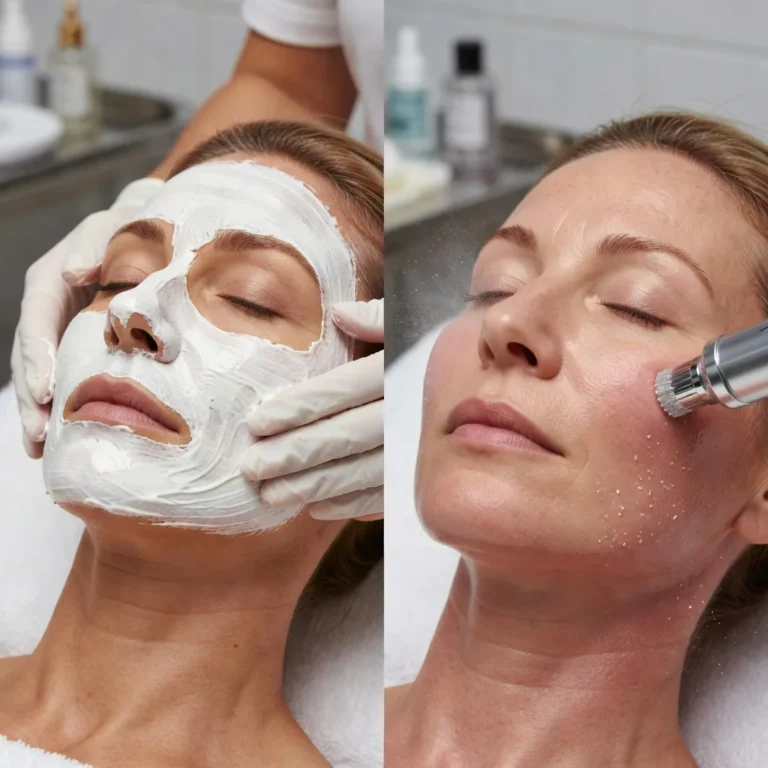
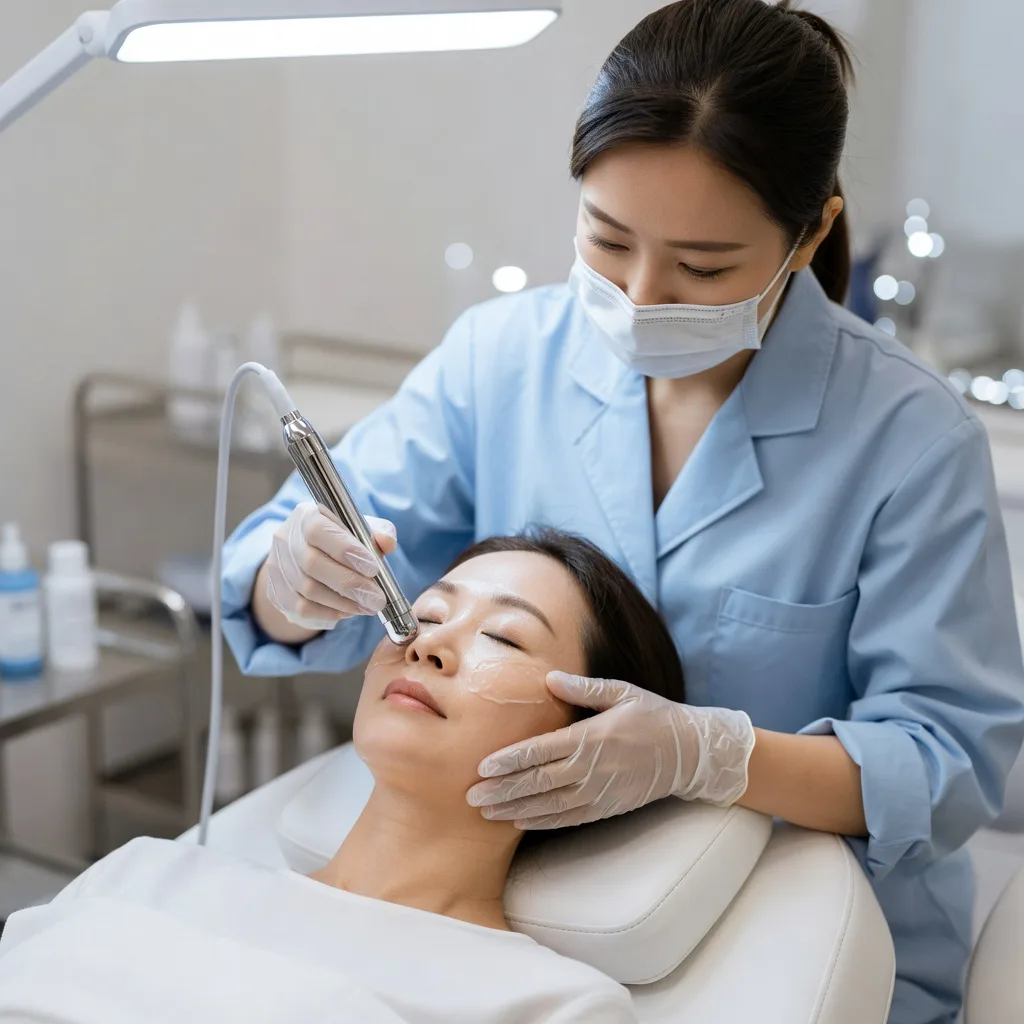
A typical galvanic facial runs alongside a standard facial: cleansing, the desincrustation phase with the alkaline solution and negative polarity, manual extractions once debris is softened, then the iontophoresis phase with a serum and positive polarity, finished with moisturizer and SPF.
Step by Step: A Typical Galvanic Facial
Cleanse
Skin is cleansed to remove makeup and surface oil before any current is applied.Desincrustation
An alkaline solution is applied and the device runs on negative polarity to soften pore debris.Extractions
Manual extractions are performed on the now-softened congestion.Iontophoresis
Polarity is reversed to positive, and an active serum is driven in using the device on a fresh pass.
Who Might Consider It
People who want a gentler, less-invasive-feeling extraction experience than manual extraction alone, or who like the ritual and immediate skin-feel of a multi-step facial, are the most realistic candidates — this is best framed as a comfort-and-experience treatment layered onto standard extractions, not a proven standalone anti-aging modality.
Do
- Disclose any pacemaker, metal implant, or pregnancy before booking
- Ask what specific serum is being used in the iontophoresis phase
- Treat this as a comfort/experience addition, not a replacement for evidence-backed actives
Don’t
- Book within 1-2 weeks of injectables, peels, waxing, or microdermabrasion in the same area
- Expect measurable wrinkle reduction from a single session
- Assume “galvanic” and “microcurrent” are interchangeable marketing terms for the same device
Who Should Avoid It
Consistently cited contraindications across esthetics training sources include cardiac pacemakers or other electronic implants, metal implants/plates/pins in the treatment area, pregnancy, epilepsy, and diabetes. These aren’t just generic caution boilerplate — passing any electrical current through tissue near an electronic implant carries a real, physiologically sound interference risk, even without a dedicated facial-galvanic safety trial to cite.
When to See a Dermatologist Instead
A galvanic facial is a cosmetic comfort treatment, not a medical procedure. If you’re dealing with persistent cystic acne, a skin condition that hasn’t responded to over-the-counter care, or anything that looks infected or is spreading, see a board-certified dermatologist rather than relying on a spa-based electrical treatment to resolve it.
A One-Minute Check Before You Book
Before scheduling, ask yourself: do I have a pacemaker or other electronic implant? Any metal plates, pins, or implants in my face or neck? Am I pregnant? Do I have epilepsy or diabetes? Have I had injectables, a peel, waxing, or microdermabrasion in the same area within the last two weeks? A “yes” to any of these is a real reason to skip or delay, not a minor detail.
Where the Evidence Runs Out
Be realistic about what a galvanic facial can prove: there is no peer-reviewed human trial establishing that a galvanic facial improves wrinkles, tightens skin, or clears pores more effectively than a standard facial with manual extraction. The chemistry is real; the outcome claims made in marketing outrun what’s actually been tested. Treat it as an add-on comfort experience rather than a clinically validated anti-aging treatment.
Where Galvanic Facial Devices Actually Came From
Galvanic current in skincare didn’t start as a cosmetic gimmick — it’s a genuinely old technology, borrowed from 19th- and early 20th-century medical electrotherapy, where direct current was used for iontophoretic drug delivery long before “facial” was part of the marketing. Estheticians adopted the same underlying principle decades later for cosmetic desincrustation and product-penetration purposes, largely unchanged in its basic electrochemistry since then. That history matters for one specific reason: the core electrochemical mechanism (moving charged particles with a directed current) has a long, well-established basis in physics and physiology generally, even though — as covered above — that general electrochemical validity hasn’t translated into peer-reviewed trials of the specific cosmetic facial application as sold today. It’s worth separating “this kind of current can move ions, a fact chemistry has known for well over a century” from “this specific spa treatment has been shown to improve skin outcomes,” since marketing for galvanic facials frequently blurs the two together.
Realistic Expectations for a Single Session
Because the strongest evidence gap here is specifically about outcomes (not mechanism), it’s worth being concrete about what a realistic single session actually delivers: temporary, visible smoothness and glow from the extraction-plus-serum combination, a relaxing sensory experience, and possibly slightly easier extractions than a manual-only approach on congested skin — not a measured reduction in fine lines, not a clinically documented tightening effect, and not a substitute for retinoids, vitamin C, or other topically-applied actives with their own separate evidence base. Setting expectations at “pleasant add-on to a standard facial” rather than “proven anti-aging technology” keeps this treatment’s real value in view without overselling it.
Frequently Asked Questions
Does a galvanic facial hurt?
No — most people describe a mild tingling sensation, not pain, from the low-voltage current.
Is galvanic the same as microcurrent?
No. Galvanic uses constant direct current for moving ions/product; microcurrent uses pulsed current aimed at muscle/fibroblast stimulation. They’re different technologies often confused in marketing.
Can I get a galvanic facial with a pacemaker?
No — this is a real contraindication. Passing electrical current near an electronic implant carries a genuine interference risk.
Is there scientific proof galvanic facials reduce wrinkles?
No controlled human trial has established this. The underlying electrochemistry is real, but outcome claims for wrinkle reduction outrun the current evidence.
How often can I get a galvanic facial?
Most providers space sessions two to four weeks apart, similar to a standard facial schedule.
Is galvanic treatment safe during pregnancy?
It’s commonly listed as a contraindication during pregnancy by estheticians and spas; check with your own provider.
What does desincrustation actually do to sebum?
It uses negative current to push an alkaline solution into pores, chemically saponifying trapped sebum so it’s easier to extract.
Are galvanic facial devices FDA-approved?
Cosmetic galvanic devices largely operate in a regulatory gray zone rather than holding a cosmetic-efficacy clearance; only prescription medical iontophoresis devices (used for different medical purposes) have a defined FDA classification pathway.
Can galvanic facials replace regular extractions?
Not exactly — they’re typically used to soften debris before manual extraction, not as a standalone replacement for the extraction step itself.
Will a galvanic facial help with active breakouts?
It’s not designed for active inflamed acne, and combining current with irritated or broken skin isn’t advisable — treat active breakouts as a reason to consult a dermatologist instead.

Written by
Registered pharmacist and founder of Facial Adviser. Rakib's pharmacy training covers how skincare actives work and interact; a later course in cosmetology turned that into a focus on facial treatments and skincare products. He plans, researches and edits every guide on the site and checks health claims against sources such as the American Academy of Dermatology, the FDA and the NIH. He is not a dermatologist; see the Editorial Policy and Medical Disclaimer.
About · Editorial policy · How we choose products · Medical disclaimer · Contact
Keep reading: Microcurrent and RF devices
- How to Incorporate Microcurrent Into Your Routine: Gel, Timing and Safety
- Is RF Microneedling Better Than Laser?
- Facial Treatment Devices Explained: Microcurrent, Galvanic, LED and More
- Microcurrent Facial vs Radiofrequency: Which Works Better for Firmer Skin?
- NuFACE Mini vs Trinity: Differences, Specs and Which to Choose
- Radio Frequency vs High Frequency Facial: What Is the Difference?
- 10 Best Products for Women's Facial Hair Removal (2026): Gentle Picks
- 10 Best Gua Sha Facial Tools (2026): Stone and Steel Picks Compared