
Is Home Laser Hair Removal Safe? Real Data
Is home laser hair removal safe is a fair question given how differently these devices are regulated and used compared with professional treatment.
Part of our guide to at-home facial devices. Start with: 10 Best Products for Women's Facial Hair Removal (2026): Gentle Picks
A 2023 head-to-head trial found a home IPL device delivered roughly half the hair reduction of a professional diode laser, and a separate systematic review found real, documented eye injuries linked mostly to missing or removed protective eyewear. The FDA does require these devices to include mandatory skin-contact sensors that block firing without full contact, a genuine engineering safeguard.
Skin tone and hair color both meaningfully affect both safety and results, since the underlying mechanism targets melanin in the hair follicle.
This guide covers the real trial numbers, the eye-safety data every user should know, and how to use a home device more safely.
Recommended Home IPL Devices and Accessories


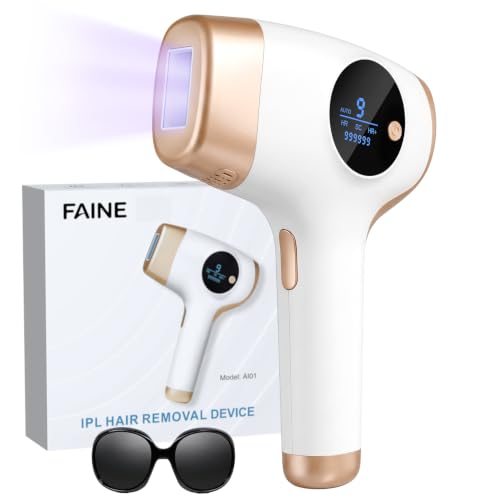
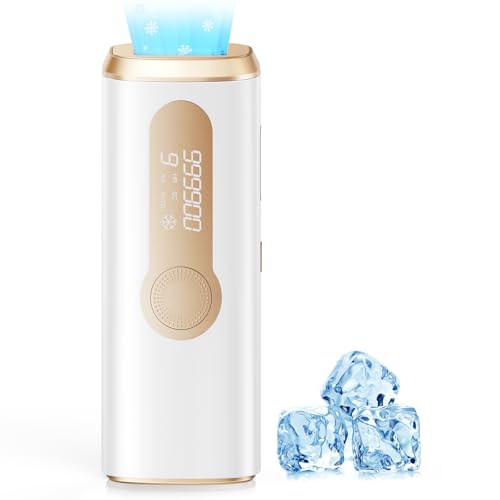
How At-Home Laser Hair Removal Devices Work
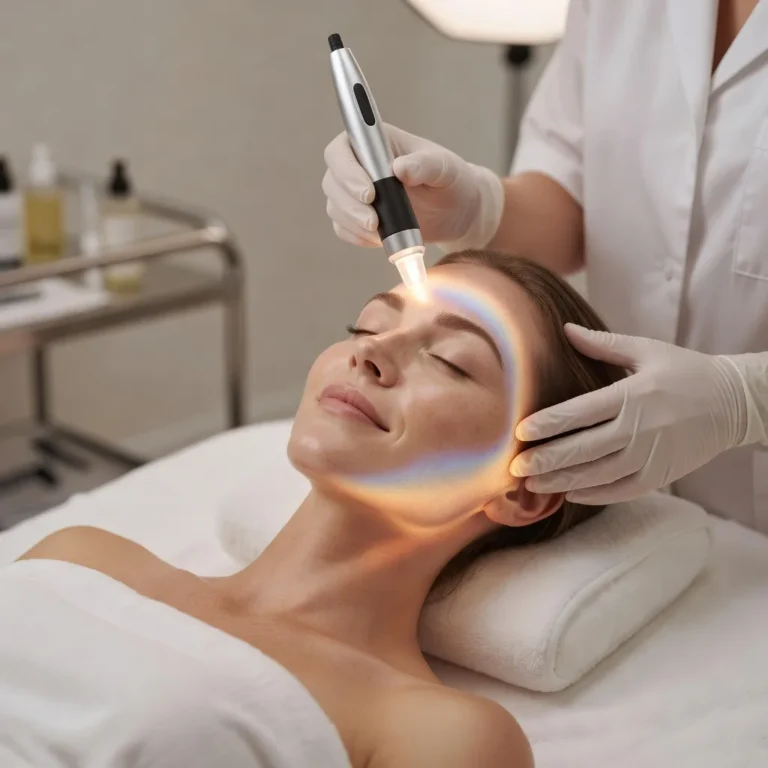
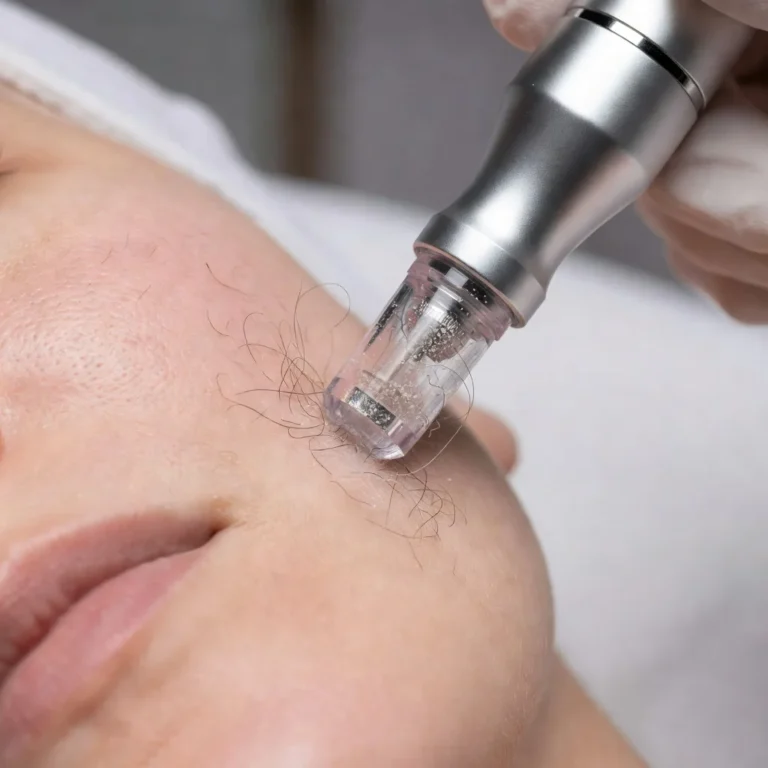
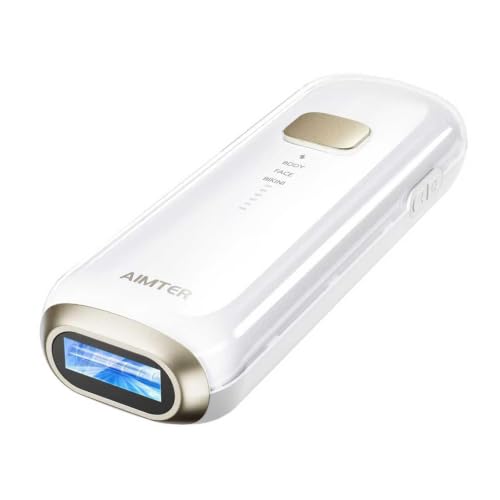
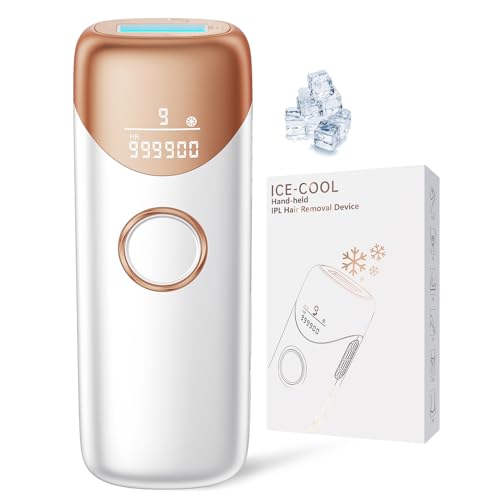
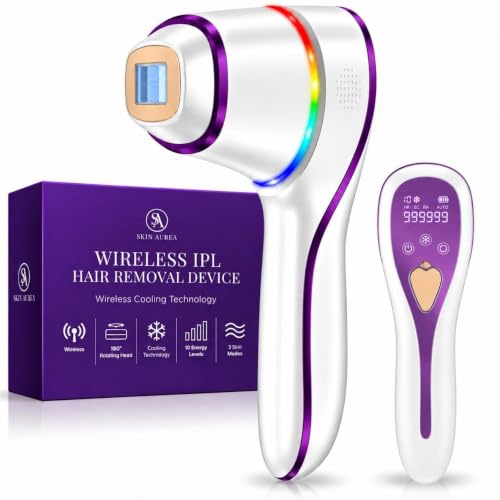
At-home devices marketed as “laser” hair removal are, in most cases, actually intense pulsed light (IPL) devices — a related but distinct technology from the diode or alexandrite lasers used professionally. Both work on the same underlying principle: light energy is absorbed by melanin in the hair follicle, converting to heat that damages the follicle and slows regrowth. The FDA regulates these home devices as Class II devices, cleared through the 510(k) pathway specifically for over-the-counter, unsupervised consumer use — a real, if often overlooked, regulatory detail.
Shopping these picks?
Amazon Prime members get fast, free shipping on eligible items, plus Prime Video, Amazon Music and member deals. New members can start with a free trial.
Start a free Prime trialAged 18 to 24? Prime for Young Adults comes with a longer free trial and a lower price after it.
Affiliate link: we may earn a commission at no extra cost to you.
Key Points
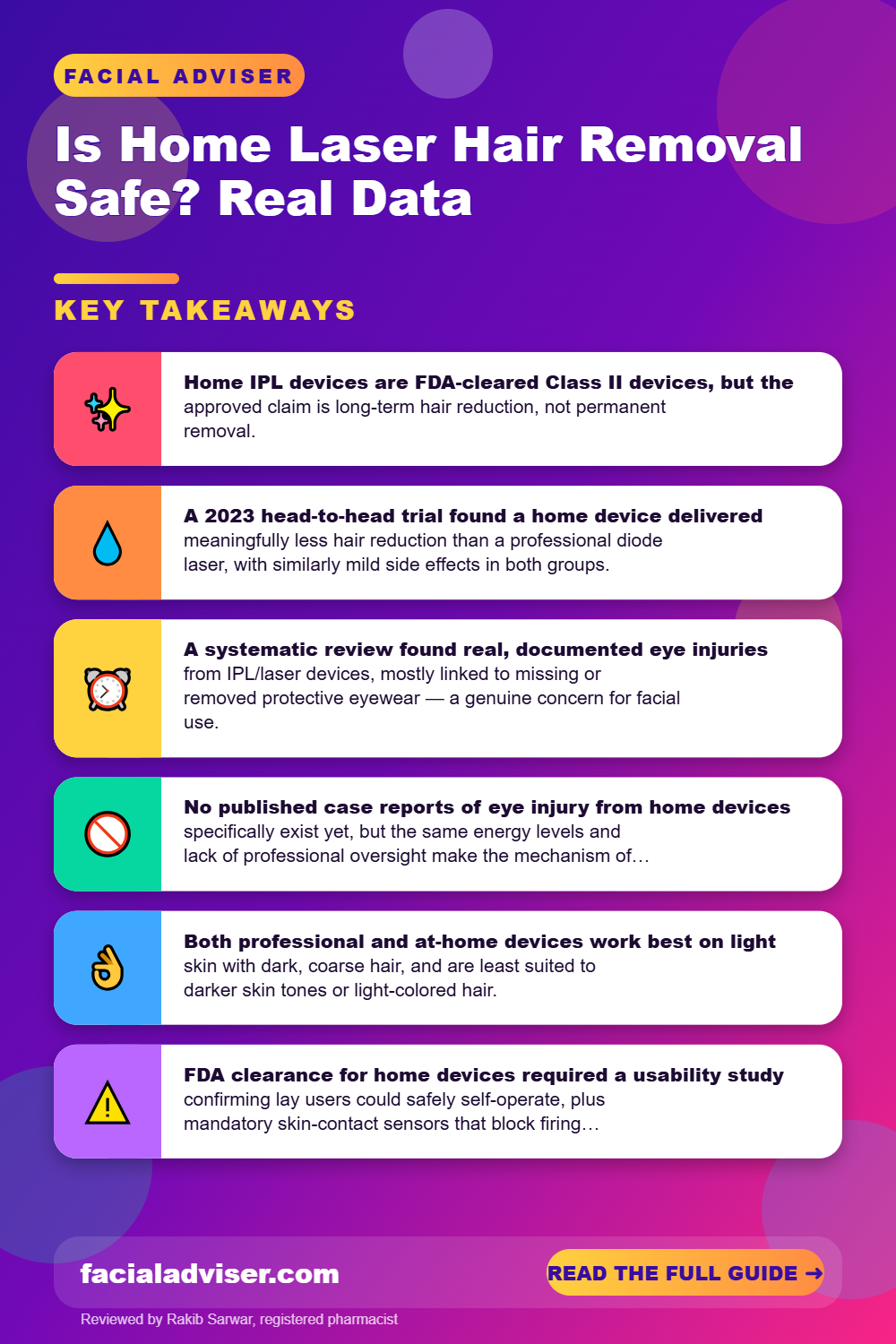
- Home IPL devices are FDA-cleared Class II devices, but the approved claim is long-term hair reduction, not permanent removal.
- A 2023 head-to-head trial found a home device delivered meaningfully less hair reduction than a professional diode laser, with similarly mild side effects in both groups.
- A systematic review found real, documented eye injuries from IPL/laser devices, mostly linked to missing or removed protective eyewear — a genuine concern for facial use.
- No published case reports of eye injury from home devices specifically exist yet, but the same energy levels and lack of professional oversight make the mechanism of risk fully present.
- Both professional and at-home devices work best on light skin with dark, coarse hair, and are least suited to darker skin tones or light-colored hair.
- FDA clearance for home devices required a usability study confirming lay users could safely self-operate, plus mandatory skin-contact sensors that block firing without full contact.
Article Roadmap
- How At-Home Laser Hair Removal Devices Work
- FDA Clearance: What It Actually Requires
- Home Devices vs. Professional Treatment, With Real Numbers
- Eye Safety: The Risk That Matters Most for Facial Use
- Skin Tone and Hair Color: The Real Mismatch
- Choosing a Device if You Have Sensitive Skin
- How to Use a Home Device More Safely
- Who Tends to Get Good Results
- Who Should Reconsider or See a Professional
- When to See a Dermatologist Instead
- A One-Minute Suitability Check
- Where the Evidence Runs Out
- Frequently Asked Questions
FDA Clearance: What It Actually Requires
Home-use IPL hair-removal devices are regulated as Class II devices, cleared for over-the-counter use through the FDA’s 510(k) pathway. A representative current clearance for this device category specifies the approved claim precisely: long-term, stable reduction in the number of hairs regrowing, measured at 6, 9, and 12 months after completing a treatment regimen — a reduction claim, not a permanent-removal claim, a distinction most marketing blurs. Getting that clearance required a real usability study with two dozen lay participants confirming they could safely self-operate the device without professional supervision, and the devices must include mandatory skin-contact or proximity sensors that physically block the device from firing unless it’s making full contact with skin — a genuine engineering safety control, not just a marketing feature.
Home Devices vs. Professional Treatment, With Real Numbers
A 2023 study published in PLOS ONE ran a direct head-to-head comparison. Thirty women enrolled, fifteen completed all six sessions, spaced two to four weeks apart. The professional diode laser delivered 85% hair reduction on one treated area and 88% on the other, both highly statistically significant. The home IPL device delivered a real but meaningfully smaller effect: 52% reduction on one area and 46% on the other, with weaker (though still significant) statistics. Side effects were mild in both groups — some pain, redness, and mild inflammation, all resolving within minutes. The study’s own authors summarized it precisely: the home device can effectively reduce hair, just at a slower rate than professional treatment — while also flagging that concerns about retinal damage from long-term home-device light exposure remain real.
| Treatment | Hair reduction achieved | Statistical significance |
|---|---|---|
| Professional diode laser | 85-88% | p<.001 |
| Home IPL device | 46-52% | p=.05 and p=.010 |
Eye Safety: The Risk That Matters Most for Facial Use
A 2023 systematic review of published case literature identified 20 patients across 18 articles with documented IPL or diode-laser-related eye injuries. The specific findings are worth knowing precisely: iris atrophy occurred in 65% of cases, inflammation inside the eye’s anterior chamber in 60%, and retinal pigment epithelium damage in 20%, with some cases progressing to glaucoma or cataracts. The damaging energy levels reported fall within the range home devices are capable of delivering. The clearest, most actionable finding: 40% of injured patients wore no protective eyewear at all, and another 30% removed it partway through the procedure — meaning eyewear compliance, not the device itself, was the dominant risk factor in nearly every documented case. No published case reports of injury from home devices specifically were found in this review, but that’s an evidence-absence finding, not a safety clearance — home devices deliver comparable energy without the professional oversight or redundant safety protocols of a clinical setting.
Skin Tone and Hair Color: The Real Mismatch
Both IPL and laser hair removal work by targeting melanin concentrated in the hair follicle. Darker skin tones have more competing melanin in the surrounding epidermis, which absorbs energy meant for the follicle — this simultaneously raises burn and pigmentation-change risk while reducing the energy differential available to actually damage the follicle, meaning less efficacy alongside more risk. The devices work best on light skin paired with dark, coarse hair, where the contrast between follicle and surrounding skin is highest. They’re least effective on light-colored hair — blonde, gray, or red — since there simply isn’t enough follicular melanin to target regardless of skin tone. Most manufacturers restrict their devices to specific Fitzpatrick skin-type ranges for exactly this reason, and that restriction reflects a real mechanistic limitation, not overcaution.
| Skin and hair combination | Typical suitability |
|---|---|
| Light skin, dark coarse hair | Best candidate — highest follicle-to-skin melanin contrast |
| Medium skin, dark hair | Generally suitable, often at a lower energy setting |
| Darker skin (Fitzpatrick V-VI) | Higher burn/pigmentation risk and reduced efficacy; most devices restrict or advise against use |
| Any skin tone, blonde/gray/red hair | Poor candidate regardless of skin tone — insufficient follicular melanin to target |
Choosing a Device if You Have Sensitive Skin
Not every home IPL device is built the same way, and the differences matter more if your skin reacts easily. Lower, more adjustable energy settings, a larger contact-sensor window, and a documented lower complaint rate for redness or irritation are all reasonable things to look for rather than buying based on speed or brand recognition alone. A dedicated roundup of devices suited to sensitive skin is a useful starting point if you fall into that category, and a broader comparison of home IPL systems generally is worth reviewing before purchase regardless of skin sensitivity, since energy output, flash count, and stated Fitzpatrick range all vary meaningfully between models.
How to Use a Home Device More Safely
Confirm your skin tone and hair color match the device’s stated range
Check the manufacturer’s Fitzpatrick range before purchasing, not after.Always wear the provided protective eyewear
Never remove it mid-session, even briefly, especially for facial treatment areas.Do a test patch first
Try a small area and wait 48 hours before treating a larger area, watching for excess redness or blistering.Follow the labeled treatment interval
Spacing sessions as directed matches the hair-growth cycle the device is designed around.
Who Tends to Get Good Results
People with light-to-medium skin and dark, coarse hair, who are realistic about achieving meaningful reduction rather than permanent removal, tend to be the best fit for a home device. Given the real efficacy gap versus professional treatment, someone wanting the fastest or most complete result should weigh that against the home device’s lower cost and convenience.
Do
- Check your skin tone and hair color against the device’s stated suitable range
- Wear the included protective eyewear for every session, especially near the face
- Set realistic expectations: reduction, not permanent removal
Don’t
- Use the device on skin tones or hair colors outside its stated range
- Remove eyewear mid-session, even briefly, near the eyes
- Assume a negative case-report search for home devices means zero risk
Who Should Reconsider or See a Professional
People with darker skin tones (Fitzpatrick V-VI), light-colored hair, or a history of keloid scarring should discuss options with a professional before using a home device, given the real efficacy-and-safety mismatch these devices carry for those groups. Anyone wanting to treat close to the eyes should weigh the documented eye-injury literature carefully, even though it currently reflects professional rather than home-device settings specifically.
When to See a Dermatologist Instead
This is a cosmetic device, not a substitute for medical evaluation. See a dermatologist rather than continuing home treatment if you notice unusual pigmentation changes, persistent redness beyond a day or two, blistering, or any change in vision following treatment near the eyes.
A One-Minute Suitability Check
Before your first session, confirm: does your skin tone and hair color match the device’s stated Fitzpatrick range? Do you have the protective eyewear on hand and ready? Have you done a test patch on a small area first? A “no” to any of these is a reason to wait rather than proceed.
Where the Evidence Runs Out
Be precise about what’s known: no large, independent trial has tested at-home devices specifically across the full range of darker skin tones, and no published case reports of eye injury exist for home devices specifically — though the mechanism of risk is fully present given comparable energy output without professional oversight. “Permanent” removal is not the FDA-recognized claim for these devices; long-term reduction is. The honest summary is a real, moderately effective, genuinely regulated technology with a meaningfully smaller effect than professional treatment and a documented, if currently professional-setting-concentrated, eye-safety risk.
Frequently Asked Questions
Is home laser hair removal actually safe?
It’s FDA-cleared with real safety engineering like skin-contact sensors, though eye safety and skin-tone/hair-color matching both require genuine caution.
Do home devices work as well as professional treatment?
No — a 2023 head-to-head trial found roughly half the hair reduction from a home device compared to a professional diode laser.
Can home hair removal devices damage my eyes?
Documented eye injuries from IPL/laser devices exist, mostly linked to missing or removed protective eyewear, making eyewear compliance the key precaution.
Does home laser hair removal work on dark skin?
It carries higher burn and pigmentation-change risk and reduced efficacy on darker skin tones, due to competing melanin absorbing the targeting energy.
Does it work on blonde or gray hair?
No — these devices target melanin in the hair follicle, and light-colored hair lacks enough of it to be effectively treated regardless of skin tone.
Is home hair removal permanent?
No — the FDA-recognized claim is long-term reduction, not permanent removal.
How many sessions does a home device typically need?
Six sessions spaced two to four weeks apart is a commonly studied protocol, matching the hair-growth cycle.
Is it safe to use a home device on my upper lip or chin?
It can be, but protective eyewear becomes especially important given the proximity to the eyes.
What side effects are most common?
Mild pain, redness, and temporary inflammation, generally resolving within minutes in the studies reviewed.
Are all home devices regulated the same way?
Most are cleared as Class II devices through the FDA’s 510(k) pathway, though specific safety features and stated skin-tone ranges vary by manufacturer.

Written by
Registered pharmacist and founder of Facial Adviser. Rakib's pharmacy training covers how skincare actives work and interact; a later course in cosmetology turned that into a focus on facial treatments and skincare products. He plans, researches and edits every guide on the site and checks health claims against sources such as the American Academy of Dermatology, the FDA and the NIH. He is not a dermatologist; see the Editorial Policy and Medical Disclaimer.
About · Editorial policy · How we choose products · Medical disclaimer · Contact
Keep reading: Facial hair removal
- 10 Best Products for Women's Facial Hair Removal (2026): Gentle Picks
- Facial Bleach: What It Actually Does to Your Skin
- Dark Upper Lip Treatment: What Actually Works
- How to Use a Blackhead Extractor Tweezer
- What Is Skin Dermaplaning? How It Works, Benefits and Risks
- Trimming vs Shaving Facial Hair: Which Is Better for Your Skin?
- 10 Best Facial Tools (2026): LED, Cleansing, Gua Sha and More
- 10 Best LED Light Therapy Masks (2026): Clearer Skin, Softer Lines