Facial Bleach: What It Actually Does to Your Skin
Facial bleach kits promise an instant, even-toned glow, but what’s actually happening on your skin is far more limited than the marketing implies.
Part of our guide to at-home facial devices. Start with: 10 Best Products for Women's Facial Hair Removal (2026): Gentle Picks
Most store-bought facial bleach kits are hydrogen-peroxide products, a genuinely different and much milder mechanism than the prescription-only hydroquinone that dermatologists actually mean when they discuss serious skin lightening. Understanding that distinction is the difference between a temporary surface effect and an actual depigmenting treatment.
There’s also a real, underdiscussed risk with prolonged hydroquinone use that ironically darkens the exact skin someone is trying to lighten.
This guide covers what’s really in a bleach cream kit, what hydroquinone and its alternatives actually do, and the safety issue most product pages never mention.
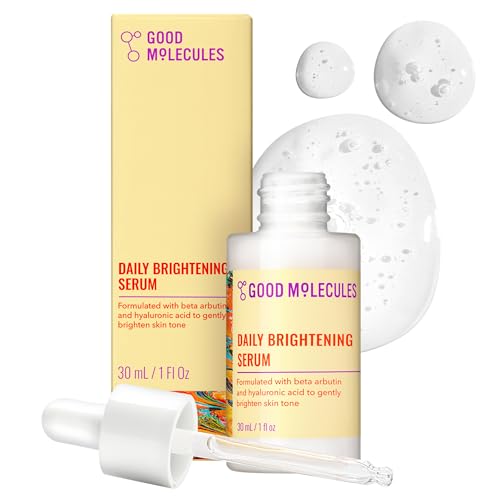
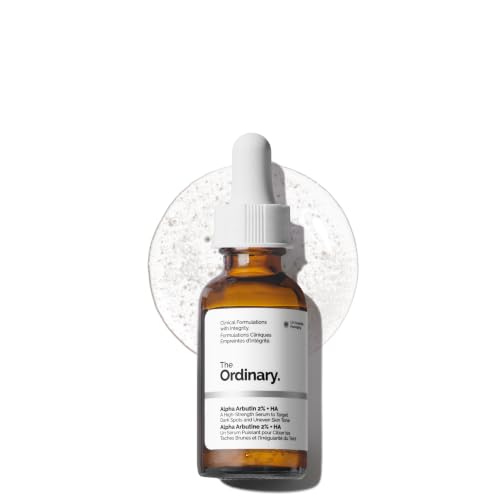
Recommended Facial Bleach Creams and Aftercare
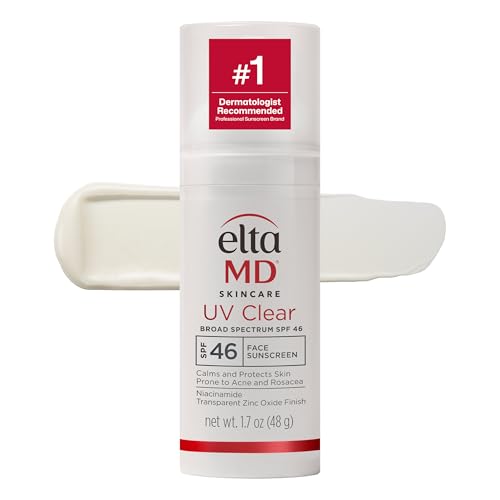
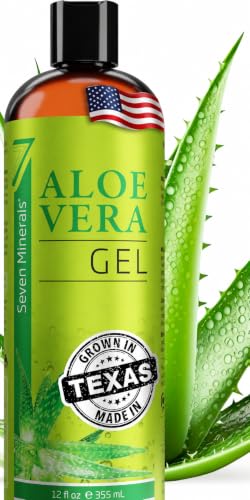
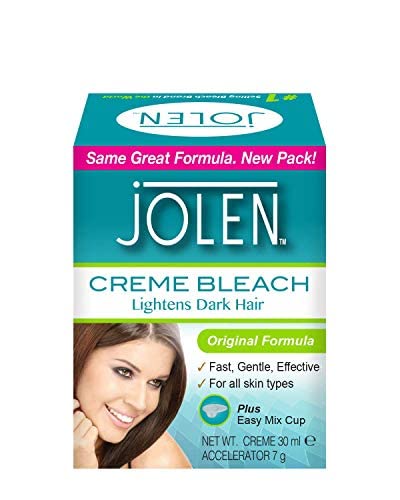
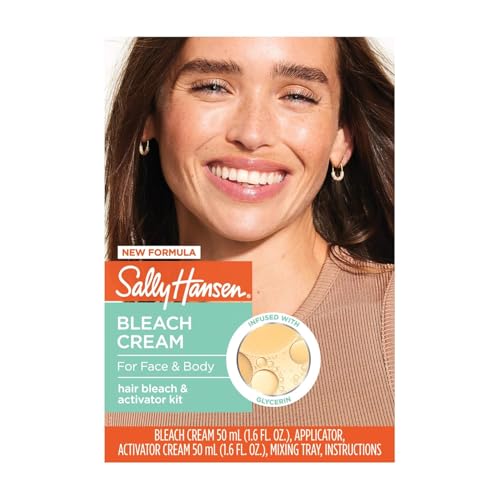

What “Facial Bleach” Actually Means
“Bleach” is doing a lot of work in that phrase, and most of what’s sold under that name isn’t chemically bleaching anything in the way the word implies. True skin bleaches chemically oxidize melanin that’s already sitting in the skin — hydrogen peroxide is the classic example. Depigmenting agents work a different way entirely: they inhibit tyrosinase, the enzyme that makes new melanin, so they slow future pigment production rather than destroying existing pigment. Hydroquinone, the ingredient most dermatologists actually mean when they discuss serious skin lightening, is a depigmenting agent, not a literal bleach.
Shopping these picks?
Amazon Prime members get fast, free shipping on eligible items, plus Prime Video, Amazon Music and member deals. New members can start with a free trial.
Start a free Prime trialAged 18 to 24? Prime for Young Adults comes with a longer free trial and a lower price after it.
Affiliate link: we may earn a commission at no extra cost to you.
Mass-market “facial bleach” kits sold under names like Fem and other South Asian brands are peroxide-based products, which makes them genuinely closer to a literal bleach than hydroquinone is — but they’re mild, temporary, surface-level oxidizers with minimal real depigmenting effect on melanin already established in the skin’s basal layer. Understanding this distinction upfront explains why a salon “bleach facial” and a prescription depigmenting cream are two almost unrelated things marketed with overlapping language. Our guide to de-tan facials covers a closely related mechanism mix-up — exfoliation-based apparent lightening versus true tyrosinase-inhibition-based depigmentation — that applies just as directly here.
The Short Version
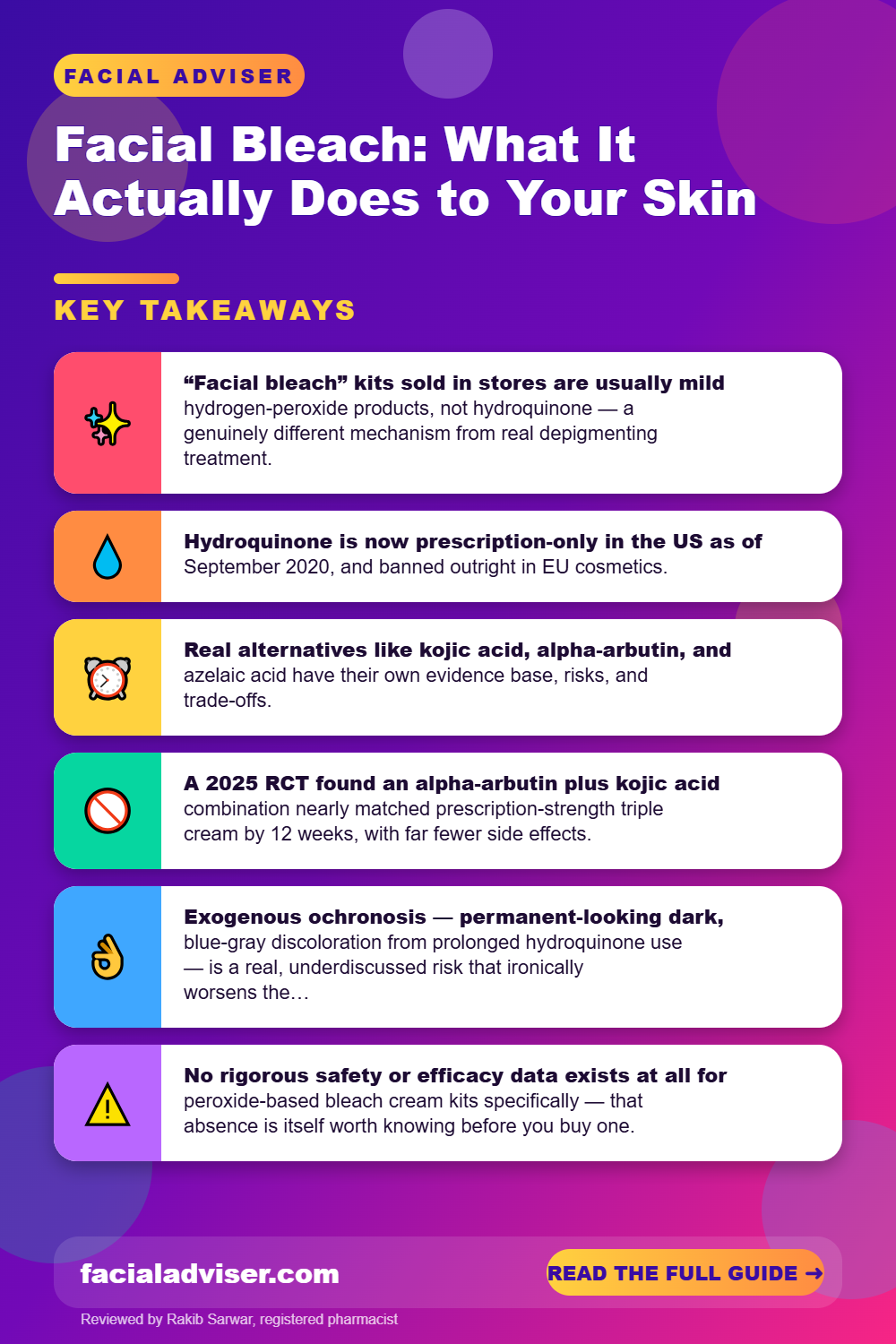
- “Facial bleach” kits sold in stores are usually mild hydrogen-peroxide products, not hydroquinone — a genuinely different mechanism from real depigmenting treatment.
- Hydroquinone is now prescription-only in the US as of September 2020, and banned outright in EU cosmetics.
- Real alternatives like kojic acid, alpha-arbutin, and azelaic acid have their own evidence base, risks, and trade-offs.
- A 2025 RCT found an alpha-arbutin plus kojic acid combination nearly matched prescription-strength triple cream by 12 weeks, with far fewer side effects.
- Exogenous ochronosis — permanent-looking dark, blue-gray discoloration from prolonged hydroquinone use — is a real, underdiscussed risk that ironically worsens the exact problem someone is trying to treat.
- No rigorous safety or efficacy data exists at all for peroxide-based bleach cream kits specifically — that absence is itself worth knowing before you buy one.
Quick Navigation
- What “Facial Bleach” Actually Means
- What’s Actually in OTC Bleach Cream Kits
- Hydroquinone: What It Does and Its Regulatory Status
- Real Alternatives: Kojic Acid, Arbutin, Azelaic Acid, Niacinamide
- The Risk Marketing Doesn’t Mention: Exogenous Ochronosis
- How to Approach Any Skin-Lightening Product Safely
- Who These Products Actually Suit
- When to Skip Bleaching Products Entirely
- When to See a Dermatologist Instead
- There’s No At-Home Test for This — Here’s What to Check Instead
- Where This Guide’s Certainty Runs Out
- Frequently Asked Questions
What’s Actually in OTC Bleach Cream Kits
Store-bought “bleach cream” kits, popular across South Asian markets under brands like Fem, are built around hydrogen peroxide, not hydroquinone. A retailer ingredient listing for Fem Fairness Cream Bleach shows hydrogen peroxide, propylene glycol, and stearic acid as the core formula, marketed to “provide instant glow” and “whiten skin.” Historical formulation records for this product category (documented on the ingredient-history archive Cosmetics and Skin) describe a typical commercial peroxide bleach cream at roughly 3.0% hydrogen peroxide combined with mineral oil, lactic acid, and citric acid — with period guidance explicitly warning that “this product is very strong and the user should be directed to use it with caution.”
Before hydroquinone became the dominant Western skin-lightening ingredient, older bleach creams used ammoniated mercury — roughly 6% ammoniated mercury combined with bismuth subnitrate, white beeswax, and mineral oil. These worked through a triple mechanism of tyrosinase inhibition, oxidative bleaching, and exfoliation, and were genuinely more effective for that reason — but they were also toxic and are now banned essentially everywhere, which is part of why hydroquinone rose to replace them.
Hydroquinone: What It Does and Its Regulatory Status
Hydroquinone works by inhibiting tyrosinase, slowing new melanin production rather than bleaching existing pigment. In the United States, the CARES Act (Section 3851, signed March 27, 2020) forced the removal of all over-the-counter hydroquinone products from the US market within 180 days, effective September 23, 2020, because hydroquinone had never been affirmed “Generally Recognized As Safe and Effective” by the FDA’s long-stalled OTC monograph review. It’s now prescription-only in the US, available as a 4% monotherapy cream or as part of a triple-combination cream with tretinoin and a corticosteroid, or through compounding pharmacies at higher concentrations.
The European Union goes further and bans hydroquinone in cosmetic products entirely under Regulation (EC) No 1223/2009 — it survives only as a prescription pharmaceutical there, never as an OTC cosmetic. The American Society for Dermatologic Surgery Association’s position statement notes the FDA’s 2006 proposed OTC ban cited carcinogenicity concerns from oral rat studies, while stating plainly that “there have been no reported incidences of cancer from topical application of hydroquinone in humans,” and that the causal link to the skin-darkening condition ochronosis (covered below) remains genuinely unclear — it isn’t settled whether hydroquinone alone, co-formulated ingredients, or higher unregulated concentrations used internationally are actually responsible.
| Ingredient | Mechanism | US regulatory status |
|---|---|---|
| Hydrogen peroxide (bleach cream kits) | Oxidizes existing melanin (true bleaching) | OTC, largely unregulated for depigmenting claims |
| Hydroquinone | Inhibits tyrosinase (blocks new melanin) | Prescription-only since Sept. 2020 |
| Ammoniated mercury (historical) | Triple mechanism, toxic | Banned |
Real Alternatives: Kojic Acid, Arbutin, Azelaic Acid, Niacinamide
Kojic acid chelates copper at the tyrosinase active site, a different mechanism from hydroquinone’s substrate-analog inhibition. It has a real, if uncommon, safety signal: Nakagawa and Kawai’s case series (Contact Dermatitis, 1995) found sensitization typically develops within one to twelve months of use, and a more recent single case report in Actas Dermo-Sifiliográficas describes a 54-year-old woman who developed facial erythema, itching, and burning after about a month of using a kojic-acid serum, confirmed by patch testing. Kojic acid has also paradoxically been reported to cause both hypopigmentation and hyperpigmentation in different patients — worth knowing before treating it as a risk-free “gentle” alternative.
Alpha-arbutin is a glycosylated hydroquinone precursor: the body metabolizes a portion of it back to hydroquinone, but at much lower effective concentrations, which is the safety rationale behind it being marketed as gentler. A genuinely strong, counterintuitive 2025 split-face RCT (Tantanasrigul et al., Journal of Cosmetic Dermatology) compared 5% alpha-arbutin plus 2% kojic acid against the prescription-strength triple combination cream (4% hydroquinone, 0.05% tretinoin, 0.01% fluocinolone acetonide) for melasma over 12 weeks in 27 completers. The triple cream produced faster, statistically superior improvement through week 12, but the gap in melanin index (p=0.069) and severity score (p=0.119) was no longer statistically significant by week 12 — and after treatment stopped, the triple cream group showed significant pigment rebound while the arbutin-kojic group showed minimal recurrence. The triple cream group also had far more side effects: erythema in 33-41% of patients versus 11% for the gentler combination.
Azelaic acid, a naturally occurring dicarboxylic acid also covered in more depth in our dedicated azelaic acid facial guide, inhibits tyrosinase while also carrying anti-inflammatory and antibacterial action, useful for anyone dealing with pigmentation alongside acne or rosacea. Multiple head-to-head trials comparing 20% azelaic acid against 4% hydroquinone for melasma generally find comparable effectiveness with a better long-term safety profile, though slower onset. Niacinamide works through an entirely different, non-destructive mechanism: Hakozaki et al. (British Journal of Dermatology, 2002) showed it reduces hyperpigmentation by suppressing melanosome transfer from melanocytes to keratinocytes, an effect that’s reversible on discontinuation rather than a lasting chemical change.
| Ingredient | Mechanism | Real safety signal |
|---|---|---|
| Kojic acid | Chelates copper at tyrosinase’s active site | Contact dermatitis, uncommon but real (Nakagawa & Kawai 1995) |
| Alpha-arbutin + kojic acid combo | Glycosylated hydroquinone precursor + copper chelation | Fewer side effects than triple cream in 2025 RCT (11% vs. 33-41% erythema) |
| Azelaic acid | Tyrosinase inhibition + anti-inflammatory | Generally well-tolerated, slower onset |
| Niacinamide | Blocks melanosome transfer, not production | Reversible on discontinuation, low irritation |
The Risk Marketing Doesn’t Mention: Exogenous Ochronosis
The most ironic real risk of hydroquinone is exogenous ochronosis: prolonged use can cause blue-black or grayish-brown darkening of the very skin someone is trying to lighten — the opposite of the intended result. A documented case report describes a 39-year-old woman who developed progressive facial and neck darkening over 18 months following just three months of continuous 4% hydroquinone use for “skin brightening.” She required microdermabrasion, a Cosmelan peel, a “yellow peel,” oral glutathione, sunscreen, and kojic acid cream, and still achieved only about 50% improvement after four months of corrective treatment. A separate case report (PMID 23112363) documents ochronosis in a 50-year-old woman after prolonged use of topical hydroquinone at just 2%. A 2022 systematic review (Ishack et al., International Journal of Dermatology) exists specifically on hydroquinone-associated exogenous ochronosis, and mechanistic understanding is still evolving — a 2026 paper in the British Journal of Dermatology proposes the condition may actually be driven by tyrosinase-catalyzed metabolism of hydroquinone itself, rather than the older theory of enzyme inhibition.
How to Approach Any Skin-Lightening Product Safely
Patch test first
Apply a small amount to an inconspicuous area for several days before using any bleaching or depigmenting product on your full face.Set a hard duration limit
Don’t use hydroquinone or peroxide bleach products continuously for months without a dermatologist checking in — documented ochronosis cases followed as little as three months of continuous use.Watch for darkening, not just lack of improvement
New blue-gray or darker discoloration is a stop signal, not a sign to use more product.Pair with daily broad-spectrum SPF
Every depigmenting ingredient in this guide loses effectiveness, or actively backfires, without consistent sun protection.
Who These Products Actually Suit
OTC peroxide bleach kits are best understood as a mild, temporary brightening product for someone who wants a same-day glow effect and isn’t targeting a diagnosed pigmentation condition. Anyone dealing with melasma, post-inflammatory hyperpigmentation, or another diagnosed pigmentation disorder is better served starting with a dermatologist-guided evidence-based ingredient — hydroquinone under supervision, or one of the gentler alternatives above — rather than an unregulated bleach cream kit with no real safety or efficacy data behind it.
Do
- Treat OTC bleach creams as a mild, temporary product, not a depigmenting treatment
- Ask a dermatologist about hydroquinone alternatives if you’re melasma-prone
- Set a firm time limit on any hydroquinone use and reassess with a professional
Don’t
- Use hydroquinone continuously for months without medical supervision
- Assume a “natural” or “gentle” alternative like kojic acid carries zero risk
- Ignore new blue-gray discoloration, assuming it will resolve on its own
When to Skip Bleaching Products Entirely
Skip any bleaching or depigmenting product if you have active dermatitis, a compromised skin barrier, or a known sensitivity to any of the ingredients involved. Pregnant or breastfeeding readers should ask a doctor before starting hydroquinone specifically, since safety data in pregnancy is limited. If you’ve previously developed any unusual discoloration from a skin-lightening product, that’s a strong signal to stop entirely and get a dermatologist’s evaluation before trying anything else in this category.
When to See a Dermatologist Instead
See a dermatologist rather than continuing to self-treat if you notice new blue-gray or darker discoloration anywhere you’ve been using a lightening product, if a diagnosed condition like melasma isn’t responding to an OTC approach after several months, or if you’re considering hydroquinone at all and want it managed safely with an actual endpoint rather than indefinite use.
There’s No At-Home Test for This — Here’s What to Check Instead
There’s no valid at-home test that tells you whether a bleaching or depigmenting product is working correctly or quietly causing ochronosis, and pretending otherwise would be dishonest. The most useful thing you can actually do at home is photograph the treated area under consistent lighting every few weeks and watch specifically for new darkening, not just for lack of the improvement you’re hoping for — that pattern is the closest thing to an early warning sign available without a dermatologist’s exam.
Where This Guide’s Certainty Runs Out
Be precise about what’s solid here versus what isn’t: hydroquinone’s mechanism, US prescription-only status, and the existence of real ochronosis case reports are all well-documented. What’s genuinely uncertain is the exact dose-response relationship for ochronosis risk, and there is essentially no rigorous safety or efficacy data at all on OTC peroxide bleach cream kits specifically — no RCTs, only historical formulary records and marketing claims. That absence is itself an honest finding worth carrying into any purchase decision.
Frequently Asked Questions
Is facial bleach the same as hydroquinone?
No — most OTC facial bleach kits use hydrogen peroxide, a different mechanism from hydroquinone’s tyrosinase inhibition.
Is hydroquinone still legal in the US?
Yes, but only by prescription since September 2020 — it’s no longer available over the counter.
What is exogenous ochronosis?
A permanent-looking blue-gray or dark discoloration that can develop from prolonged hydroquinone use, the opposite of the intended lightening effect.
Are kojic acid and arbutin safer than hydroquinone?
Generally gentler, but not risk-free — both can cause contact dermatitis or, rarely, paradoxical pigment changes.
How long can I safely use hydroquinone?
There’s no universally agreed safe duration; documented ochronosis cases followed as little as three months of continuous use, so ongoing medical supervision matters.
Do OTC bleach cream kits actually lighten skin long-term?
There’s no rigorous evidence they do — they’re mild, temporary surface oxidizers with minimal effect on established pigment.
Is hydroquinone banned in Europe?
Yes, it’s banned in cosmetic products entirely in the EU and available only as a prescription pharmaceutical.
Can niacinamide replace hydroquinone?
It works differently and more gently, by blocking pigment transfer rather than production, and can be a reasonable lower-risk option for mild concerns.
What should I do if my skin gets darker instead of lighter?
Stop the product immediately and see a dermatologist — new darkening can be an early sign of ochronosis.
Is sunscreen really necessary with these products?
Yes — every ingredient covered here loses effectiveness, or actively worsens outcomes, without consistent daily broad-spectrum sun protection.

Written by
Registered pharmacist and founder of Facial Adviser. Rakib's pharmacy training covers how skincare actives work and interact; a later course in cosmetology turned that into a focus on facial treatments and skincare products. He plans, researches and edits every guide on the site and checks health claims against sources such as the American Academy of Dermatology, the FDA and the NIH. He is not a dermatologist; see the Editorial Policy and Medical Disclaimer.
About · Editorial policy · How we choose products · Medical disclaimer · Contact
Keep reading: Facial hair removal
- 10 Best Products for Women's Facial Hair Removal (2026): Gentle Picks
- Dark Upper Lip Treatment: What Actually Works
- How to Use a Blackhead Extractor Tweezer
- What Is Skin Dermaplaning? How It Works, Benefits and Risks
- Trimming vs Shaving Facial Hair: Which Is Better for Your Skin?
- Peach Fuzz vs Facial Hair: How to Tell the Difference and What to Do
- 10 Best Facial Tools (2026): LED, Cleansing, Gua Sha and More
- 10 Best LED Light Therapy Masks (2026): Clearer Skin, Softer Lines