How Much Is a Back Facial, and Is It Worth It?
A back facial promises noticeably smoother skin and fewer breakouts, but how much does it actually cost, and does it really treat genuine back acne the way the spa menu implies it will?
Part of our guide to facial treatments. Start with: What Is a Spa Facial?
Typical pricing runs roughly $100 to $250, but the American Academy of Dermatology’s own published back-acne guidance is built entirely around benzoyl peroxide and a topical retinoid — it doesn’t mention spa extractions or masks at all.
That doesn’t make a back facial worthless. It makes it a genuine wellness and texture service, with a real and separate risk worth knowing about before booking extractions on this particular area of skin.
This guide covers real, current pricing, what dermatology actually recommends for treating bacne specifically, and the extraction risk that’s genuinely unique to the thicker skin on your back.
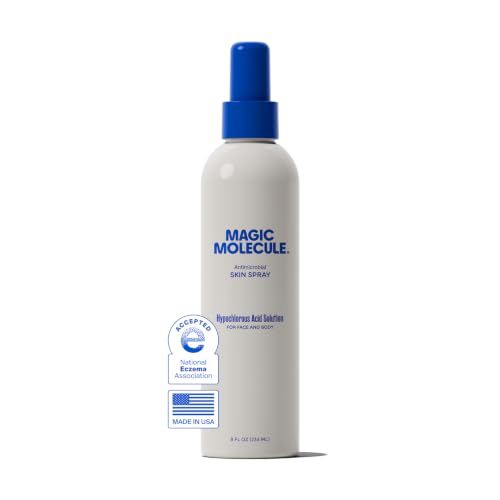
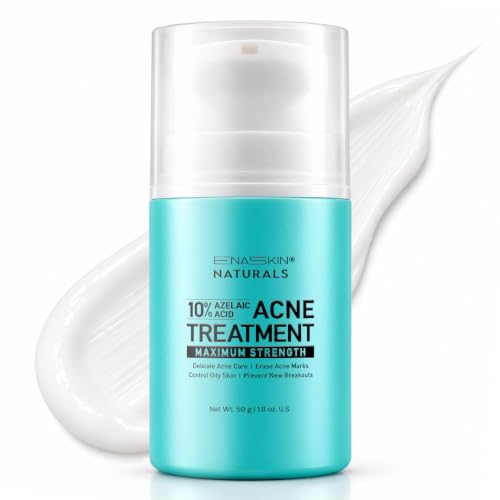
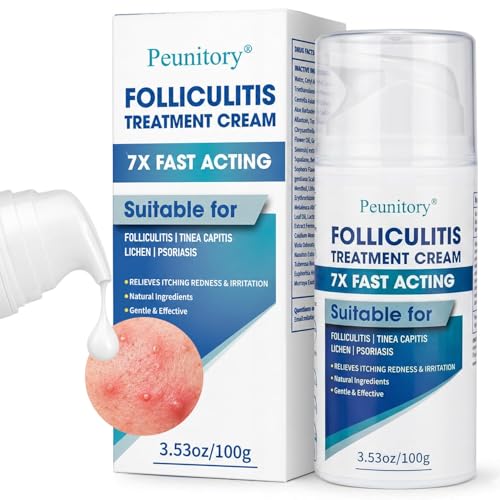
Recommended Back-Acne Treatment Products
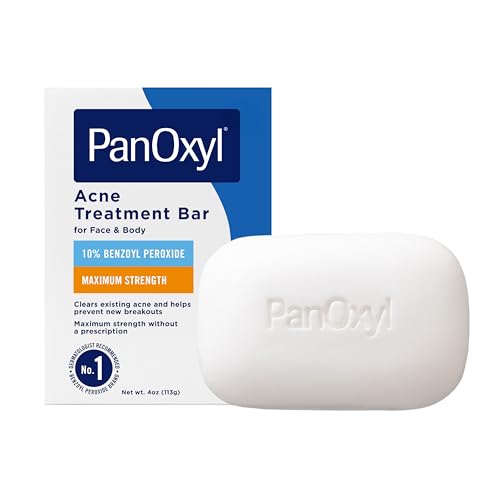

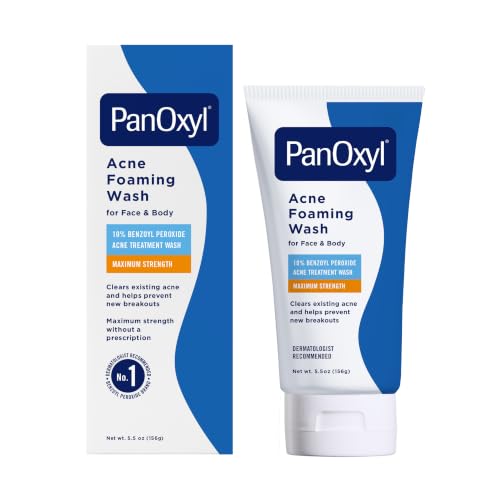
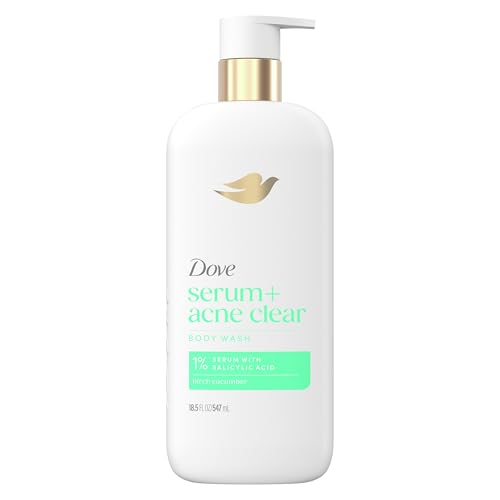
What a Back Facial Actually Is
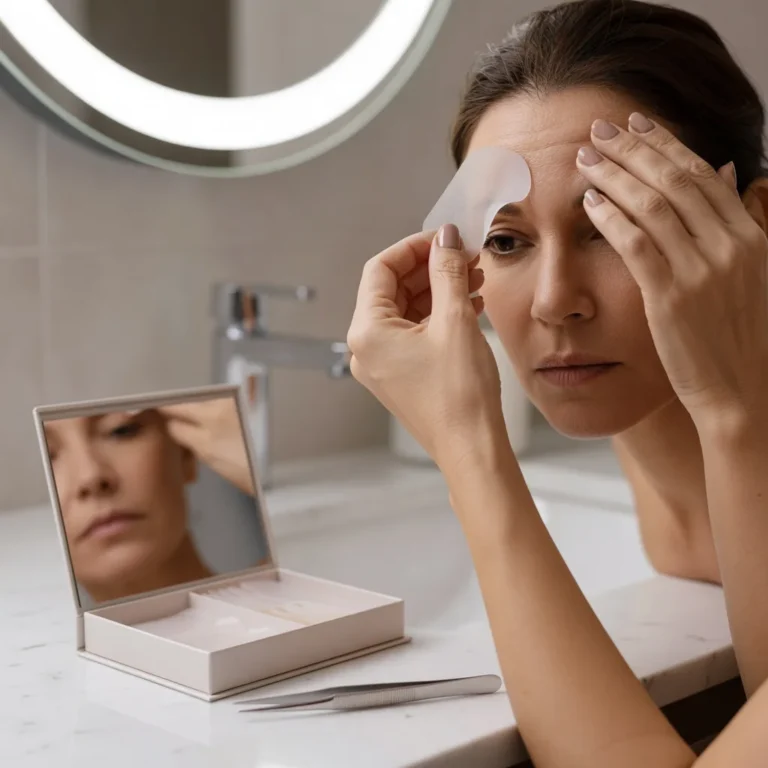
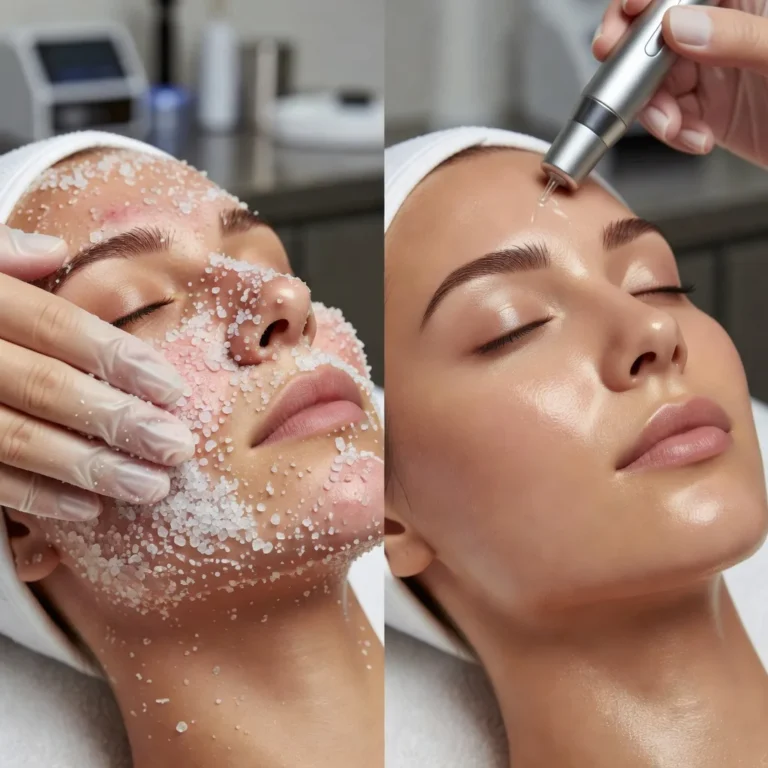
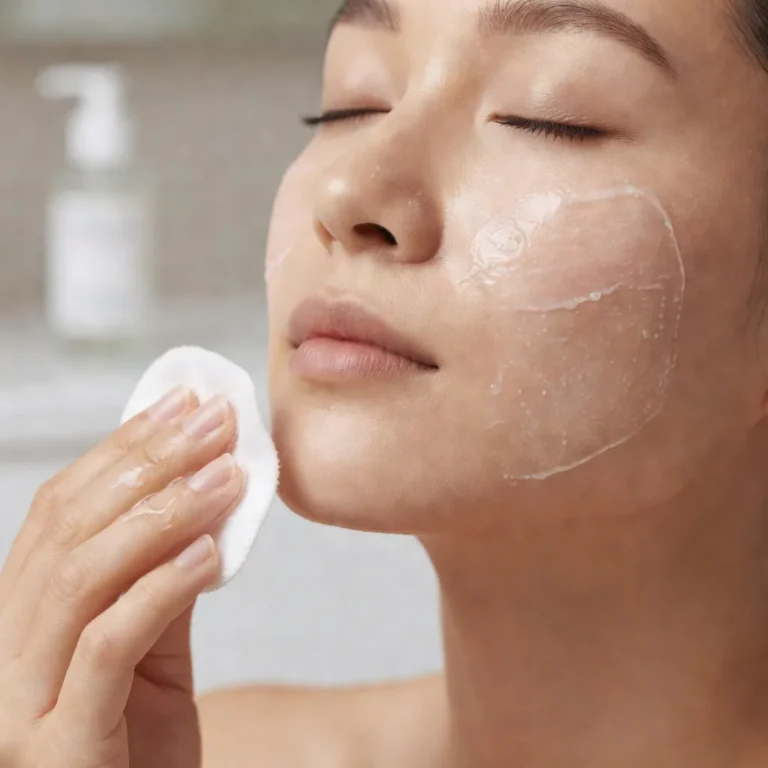
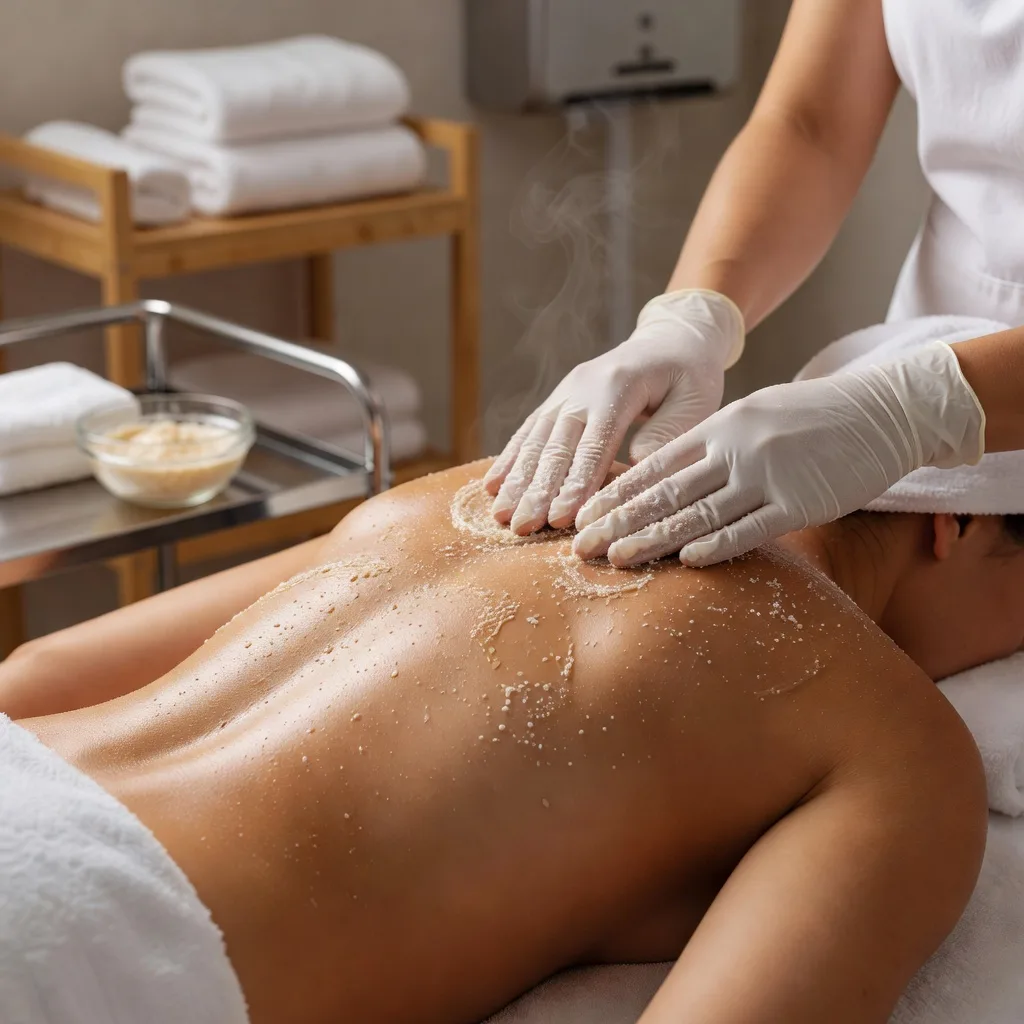
A back facial, sometimes called a “bacial,” applies the same basic steps as a standard facial — cleansing, exfoliation, extractions, a mask, targeted product — to the back instead of the face, usually marketed as a way to treat or prevent back acne and improve overall skin texture. It’s a genuine spa service with a real, defined protocol, but it’s worth being precise about what it can and can’t do for actual back acne, since that’s a different question from general texture and relaxation.
Shopping these picks?
Amazon Prime members get fast, free shipping on eligible items, plus Prime Video, Amazon Music and member deals. New members can start with a free trial.
Start a free Prime trialAged 18 to 24? Prime for Young Adults comes with a longer free trial and a lower price after it.
Affiliate link: we may earn a commission at no extra cost to you.
This guide covers what a typical session includes, real pricing, what dermatology’s own published guidance actually recommends for back acne specifically, and a real, underused risk worth knowing about before booking extractions on this particular area of skin.
What You’re Paying For
- A back facial follows a real, defined spa protocol: cleanse, exfoliate, extract, mask, protect.
- Typical pricing runs roughly $100 to $250, though no large-scale pricing survey exists for this specific niche service.
- Dermatology’s own published back-acne guidance is built entirely around benzoyl peroxide and a topical retinoid, with no mention of spa extractions.
- No clinical trial has tested back facials specifically as a treatment for back acne.
- Back skin’s thicker, deeper follicles make extractions mechanically harder to do cleanly than on the face.
- Improper extraction on inflamed or cystic back lesions carries a real risk of folliculitis and scarring.
Sections In This Guide
- What a Back Facial Actually Is
- Real Pricing: What You’re Actually Paying For
- What Dermatology Actually Recommends for Back Acne
- The Real Risk: Folliculitis and Scarring From Improper Extraction
- Back Facial vs. Dermatologist-Recommended Treatment
- What a Typical Back Facial Session Involves
- Who a Back Facial Is Actually Good For
- Who Should See a Dermatologist Instead
- When to See a Dermatologist
- Quick Self-Check: Is Your Back Acne Superficial or Deep?
- Where the Evidence Runs Out
- Frequently Asked Questions
Real Pricing: What You’re Actually Paying For
One real, quoted example price for a full back facial service is $179. Across the broader spa and med-spa market, pricing for this specific niche service generally runs somewhere between $100 and $250, depending on region and what’s included — LED light therapy, professional extractions, and premium masks all push the price toward the higher end. No large-scale, aggregated pricing survey exists specifically for back facials, so treat any single “average price” you find online as a rough estimate rather than a rigorous industry figure.
What Dermatology Actually Recommends for Back Acne
The American Academy of Dermatology’s own published guidance on clearing back acne centers on two specific over-the-counter active ingredients: benzoyl peroxide, ideally as an emollient foam wash around 5.3% to minimize irritation on the back’s thicker skin, left on for two to five minutes before rinsing, and adapalene 0.1% gel, an OTC retinoid, used alongside it for better results. The AAD’s own guidance states visible results should appear within six to eight weeks, with full clearing around three to four months, and recommends seeing a dermatologist if there’s no improvement in that window or for deep, painful, cystic lesions. Our guide to the real, dermatologist-backed cleansing routine covers the same “gentle, consistent, evidence-based over aggressive” principle that applies here too — a routine built around genuinely supported actives rather than mechanical intensity.
Nowhere in that official guidance does the AAD recommend spa extractions, masks, or a bundled back-facial protocol as a treatment for back acne. That’s the honest correction worth leading with: a back facial is a wellness and texture service, not the dermatologist-recommended approach for actually clearing bacne.
The Real Risk: Folliculitis and Scarring From Improper Extraction
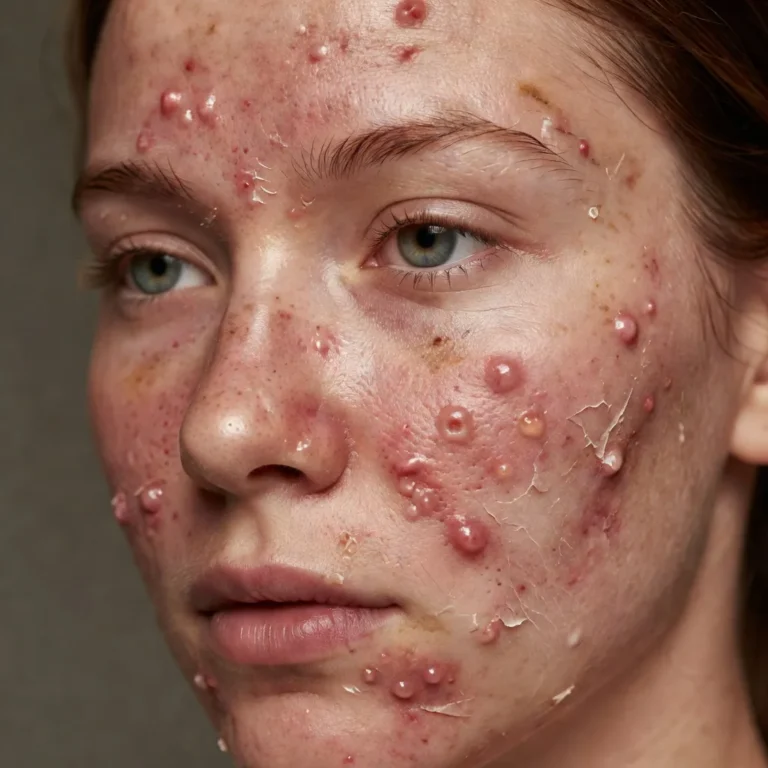
Back skin is thicker than facial skin, with deeper follicles, and back acne lesions are frequently deeper or more cystic than typical facial comedones. That combination makes clean, complete extraction mechanically harder to perform on the back than on the face, and increases the odds of incomplete extraction or of pushing bacteria deeper into the follicle during the attempt — which can trigger or worsen folliculitis rather than resolve the underlying issue.
| Lesion type | Reasonable for spa extraction? |
|---|---|
| Superficial blackheads/whiteheads | Generally yes, with proper technique |
| Inflamed papules or pustules | Higher risk of hyperpigmentation; proceed cautiously |
| Deep, painful, or cystic lesions | Better handled by a dermatologist, not spa extraction |
It’s also worth understanding why back acne tends to be harder to clear than facial acne in the first place. The back has a higher density of large sebaceous (oil-producing) glands than most of the face, and clothing friction, sweat retention during exercise, and backpack or bra-strap pressure all contribute ongoing mechanical irritation that the face doesn’t experience in the same way. Dermatology sources specifically recommend showering promptly after sweating and choosing moisture-wicking rather than tight, non-breathable fabric during workouts as practical adjuncts to the benzoyl peroxide and retinoid routine, since these mechanical factors can undermine an otherwise correct topical regimen if left unaddressed.
Back Facial vs. Dermatologist-Recommended Treatment
| Back facial (spa) | Dermatologist-recommended (AAD) | |
|---|---|---|
| Core approach | Cleanse, exfoliate, extract, mask | Benzoyl peroxide + adapalene, consistently applied |
| Evidence for treating bacne specifically | No clinical trial found | Established, published clinical guidance |
| Best suited for | Texture, surface debris, relaxation | Actually reducing and preventing breakouts |
What a Typical Back Facial Session Involves
Deep cleanse
Removing surface oil, sweat, and product buildup from the back.Exfoliation
Manual, enzyme-based, or microdermabrasion exfoliation to lift dead skin.Extractions
Manual removal of visible blackheads and surface congestion.Mask or LED treatment
A calming or detoxifying mask, sometimes paired with LED light therapy.Finishing product and SPF guidance
Targeted serum application and advice on sun protection for the treated area.
Do
- Use benzoyl peroxide and adapalene consistently if bacne is your actual goal
- Treat a back facial as a texture/relaxation service, not a bacne cure
- Ask your esthetician to skip deep or cystic lesions
Don’t
- Rely on a back facial alone to clear moderate-to-severe bacne
- Let inflamed or cystic lesions be extracted at a spa
- Expect results comparable to a dermatologist-guided regimen
Who a Back Facial Is Actually Good For
This service suits someone with mild, mostly superficial congestion or rough texture who wants a relaxing treatment and a genuine, if temporary, improvement in surface appearance. It’s a reasonable complement to, not a replacement for, an actual bacne treatment regimen. It’s also a sensible choice for someone whose back skin is generally clear but rough or prone to keratosis pilaris-style bumpiness, since gentle exfoliation genuinely can improve the look and feel of that kind of texture issue, which is a mechanistically different problem from inflammatory acne.
Who Should See a Dermatologist Instead
Anyone with painful, deep, cystic, or widespread back acne, or acne that hasn’t responded to consistent benzoyl peroxide and retinoid use over several months, should see a dermatologist rather than continuing with spa-based treatment alone.
When to See a Dermatologist
See a dermatologist if breakouts are deep, painful, or cystic, if scarring or dark marks are developing, or if six to eight weeks of consistent benzoyl peroxide and adapalene use hasn’t produced visible improvement. A dermatologist can also prescribe stronger options, including oral antibiotics or isotretinoin, for more severe cases. A dermatologist visit is also the right move if you notice breakouts clustering specifically where straps, waistbands, or backpacks sit, since that pattern points toward mechanical friction as a contributing cause that a topical routine alone won’t fully resolve without also addressing the physical irritation.
Quick Self-Check: Is Your Back Acne Superficial or Deep?
There’s no formal at-home test for this, but a practical substitute works well: gently press near a lesion. Superficial blackheads and whiteheads are usually not tender and sit close to the skin’s surface. Painful, tender bumps that feel deeper under the skin, or lesions that don’t resolve within a couple of weeks, are more likely cystic or nodular and are better addressed by a dermatologist than by spa extraction.
Where the Evidence Runs Out
No published clinical trial has tested back facials specifically as a bacne intervention, so any claimed benefit for actual acne reduction is unproven, not just weakly supported. Real pricing data for this specific service is also thin, drawn from individual spa listings rather than an aggregated industry survey. No published research has directly compared back-facial outcomes against a benzoyl-peroxide-and-retinoid routine head-to-head, so any claim that combining both approaches produces a measurably better result than the topical routine alone is a reasonable inference, not a tested finding. Pricing data specific to back-of-body spa services generally is thin across the industry, a limitation that applies to most niche spa-menu items, not just this one. Anyone comparing quotes across different spas should ask for a specific breakdown of included steps rather than assuming two similarly priced services are actually offering the same protocol, since the name alone doesn’t guarantee a standardized set of steps.
Frequently Asked Questions
How much is a back facial?
Typical pricing runs roughly $100 to $250, with one real quoted example at $179, though no large-scale pricing survey exists for this specific service.
Does a back facial help clear back acne?
No clinical trial has tested this specifically; dermatology’s own bacne guidance is built around benzoyl peroxide and adapalene, not spa extractions.
What does a back facial actually include?
Cleansing, exfoliation, extractions, a mask, and finishing product, similar to a regular facial but applied to the back.
Is it safe to get extractions on the back?
For superficial lesions, generally yes with proper technique; deep or cystic lesions carry real risk of folliculitis and scarring.
What’s the best treatment for back acne?
The AAD recommends benzoyl peroxide combined with adapalene, a topical retinoid, used consistently over 6-8 weeks.
Can a back facial cause scarring?
Improper extraction on inflamed or cystic lesions can, since back skin’s deeper follicles make clean extraction harder than on the face.
How often should you get a back facial?
There’s no trial-established interval; most spas suggest monthly for general texture maintenance rather than acne treatment.
When should I see a dermatologist instead?
If breakouts are deep, painful, or cystic, or haven’t improved after 6-8 weeks of consistent topical treatment.
Is a back facial the same as a regular facial?
The steps are similar, but applied to the back, which has thicker skin and deeper follicles than the face.
Can I combine a back facial with dermatologist treatment?
Yes, as a texture/relaxation complement, as long as any inflamed or cystic lesions are left for the dermatologist to address.

Written by
Registered pharmacist and founder of Facial Adviser. Rakib's pharmacy training covers how skincare actives work and interact; a later course in cosmetology turned that into a focus on facial treatments and skincare products. He plans, researches and edits every guide on the site and checks health claims against sources such as the American Academy of Dermatology, the FDA and the NIH. He is not a dermatologist; see the Editorial Policy and Medical Disclaimer.
About · Editorial policy · How we choose products · Medical disclaimer · Contact
Keep reading: Spa and brand-name facials