
Face Cleansing Steps: The Real Routine, Explained
Face cleansing steps sound simple enough that most people assume they’re already doing it right, and yet the AAD’s own guidance contradicts several habits that are extremely common, scrubbing, hot water, and daily double cleansing chief among them.
Part of our guide to skincare products. Start with: 10 Best Facial Cleansers for Combination Skin (2026): Balanced Picks
The dermatologist-recommended routine is genuinely simple: lukewarm water, a gentle cleanser applied with fingertips only, twice daily, and pat dry, no washcloths, no scrubbing tools, and no assumption that more frequent or more vigorous washing gets skin cleaner. Over-cleansing, not under-cleansing, is the problem dermatologists actually see most often.
Double cleansing has a real, specific use case, removing waterproof makeup or sunscreen, but isn’t a universal daily requirement, and several other steps sold as essential, toner chief among them, don’t hold up against how skin actually works.
This guide covers the real recommended routine step by step, where double cleansing genuinely helps, how to adjust cleansing for your specific skin type, and the common myths worth correcting.
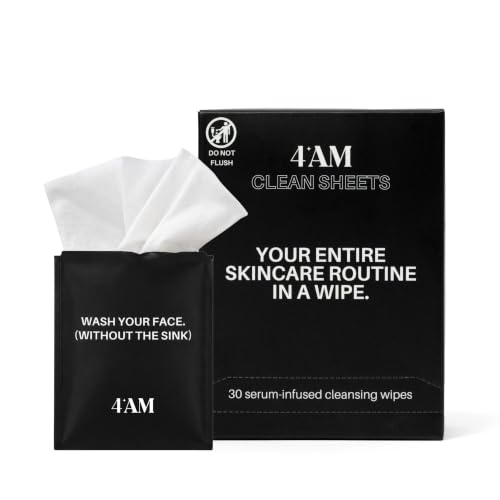
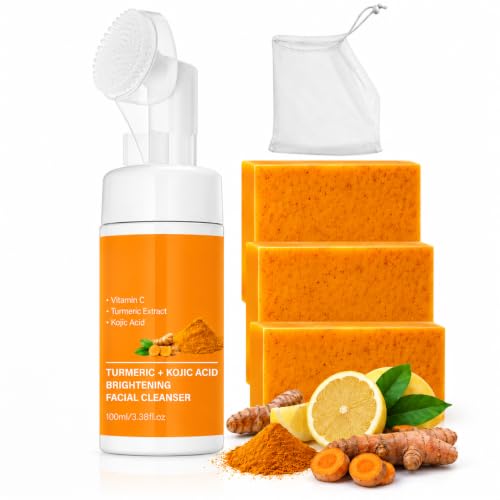
Recommended Products for Your Daily Cleansing Routine




Key Takeaways
- The American Academy of Dermatology recommends washing twice daily with lukewarm water, gentle fingertips only, and explicitly advises against washcloths or scrubbing tools.
- Double cleansing genuinely helps people wearing makeup, especially waterproof makeup or sunscreen, but a dermatologist quoted on the topic says it’s usually unnecessary for makeup-free skin.
- Dermatologists are more concerned about over-cleansing than under-cleansing; scrubbing and over-washing are the more common real-world problem.
- Toners don’t close or shrink pores, since pores have no muscles to open or close; any tightening sensation is temporary and cosmetic.
- Modern cleansers have largely made toner unnecessary for most people, though astringents retain a real, narrower use for oily or acne-prone skin as a vehicle for actives.
- Standard product order is cleanse, then treatment serums, then moisturizer, with sunscreen always last in the morning routine.
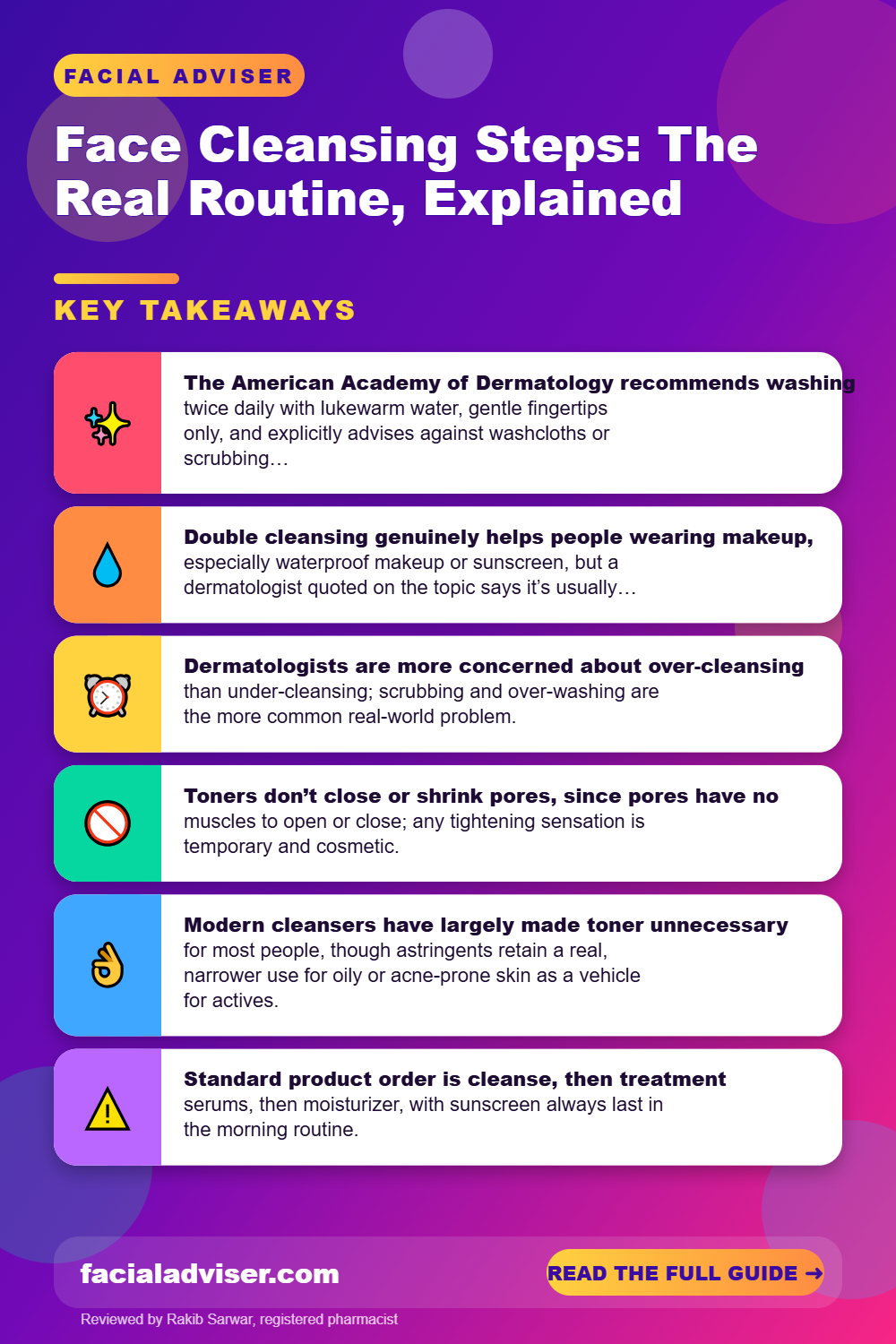
Table of Contents
- The Real, Dermatologist-Recommended Routine
- Sonic Brushes and Cleansing Tools: What’s Actually Worth Using
- Double Cleansing: Where It Helps, Where It Doesn’t
- The Real Risk Is Over-Cleansing, Not Under-Cleansing
- The Correct Product Order
- Myths That Need Correcting
- Adjusting the Routine for Your Skin Type
- Do This, Not That
- A Proper Cleansing Routine, Step by Step
- When to See a Dermatologist
- Frequently Asked Questions
- The Bottom Line
The Real, Dermatologist-Recommended Routine
The American Academy of Dermatology’s own consumer guidance is direct and simple: wash twice daily, morning and night, plus after heavy sweating, using lukewarm water and a gentle, non-abrasive, alcohol-free cleanser applied with fingertips only. The AAD explicitly advises against washcloths, mesh sponges, or any scrubbing tool, stating plainly that scrubbing irritates the skin rather than cleaning it more effectively.
Shopping these picks?
Amazon Prime members get fast, free shipping on eligible items, plus Prime Video, Amazon Music and member deals. New members can start with a free trial.
Start a free Prime trialAged 18 to 24? Prime for Young Adults comes with a longer free trial and a lower price after it.
Affiliate link: we may earn a commission at no extra cost to you.
This guide covers that real recommended routine in full, where double cleansing genuinely helps versus where it’s unnecessary, the correct product order, and the common cleansing myths, toner “closing pores” chief among them, that don’t hold up to how skin actually works.
Sonic Brushes and Cleansing Tools: What’s Actually Worth Using
Sonic cleansing brushes and silicone cleansing devices are heavily marketed as a superior way to wash your face, and it’s worth being direct about where that claim stands against the guidance above. The AAD’s advice against washcloths, mesh sponges, and scrubbing tools is about mechanical abrasion irritating skin without a cleanliness benefit, and a vibrating brush head, even a soft one, is still a mechanical scrubbing action layered on top of a cleanser that’s already doing the actual work chemically.
That doesn’t mean every tool is equally risky. A soft silicone cleansing pad used gently is a much lower-friction option than a bristled brush head or a rotating device used at full speed, and for people who specifically struggle with makeup removal or feel their fingertips alone aren’t thorough enough, a gentle silicone option is a reasonable middle ground. The line to watch for is daily use of a bristled or rotating brush at high intensity, especially on already-irritated, acne-prone, or barrier-compromised skin, where the added mechanical stress compounds the over-cleansing risk covered above rather than solving it. If a tool leaves skin feeling tight, red, or raw afterward, that’s the skin’s barrier signaling damage, not a sign the tool is working harder.
Konjac sponges, a plant-fiber option marketed as naturally gentle, fall somewhere in between: genuinely softer than a washcloth or mesh sponge, but still a textured surface being dragged across skin rather than fingertips alone, so the same moderation applies.
Double Cleansing: Where It Helps, Where It Doesn’t
Double cleansing means an oil-based cleanser first, to break down makeup, sebum, and waterproof sunscreen, followed by a water-based cleanser to remove sweat, water-soluble residue, and any leftover oil-cleanser film. Cleveland Clinic dermatology guidance frames the real benefit specifically around makeup, especially waterproof makeup or waterproof sunscreen, where a single water-based cleanse often fails to fully remove the film.
Note: A dermatologist quoted in that same guidance states plainly that double cleansing “is usually not necessary” for people who are makeup-free, and that micellar water can be a reasonable single-step alternative for anyone who doesn’t need the full double-cleanse routine. This is a useful corrective: double cleansing is a real, targeted solution for a specific problem (removing waterproof product), not a universal requirement for everyone’s skin.
The Real Risk Is Over-Cleansing, Not Under-Cleansing
Warning: Dermatologists are on record saying they worry far more about over-washing than about people skipping a step like double cleansing. Washing too frequently, using water that’s too hot, harsh surfactants, or mechanical scrubbing strips the skin’s lipid barrier, leading to water loss, dryness, and irritation, and can paradoxically worsen acne and trigger eczema flares by compromising barrier function and provoking compensatory oil production.
The corrective instruction that follows directly from this: twice daily is the ceiling for most people, applied gently with fingertips, using lukewarm water, and patting the skin dry rather than rubbing it.
The Correct Product Order
| Step | Product | Notes |
|---|---|---|
| 1 | Cleanser | Oil-based first if double cleansing, then water-based |
| 2 | Toner (optional) | Not required for most people; a narrower role for oily/acne-prone skin |
| 3 | Treatment serums | Vitamin C in the morning, a retinoid at night, as examples |
| 4 | Moisturizer | Applied after treatment serums have absorbed |
| 5 | Sunscreen (AM only) | Always the final step in the morning routine |
This sequencing follows straightforward, uncontroversial logic: thinner, water-based products go on before thicker, oil-based ones, and sunscreen always sits on top as the final layer.
Myths That Need Correcting
“The more you scrub, the cleaner your skin gets” is false and actively counterproductive. The AAD’s own guidance states scrubbing irritates skin without improving cleanliness beyond what a gentle fingertip cleanse achieves, since cleansing works by chemically dissolving and lifting oil and debris through surfactants, not by abrading it off mechanically.
“Astringent toners close pores” is also false, since pores have no muscles and cannot physically open or close. Per Dermatology Times, the tightening sensation some toners produce, often from ingredients like camphor or menthol, is described candidly as merely an impression, a sensory effect rather than an actual structural change in pore size. The same source notes toner historically served a real purpose, removing soap-scum mineral residue from hard well water, a problem modern cleansers have already solved, and states that “toners are not necessary, as all the uses of a toner could be handled by either serums or moisturizers.” Astringents do retain a legitimate, narrower use for oily or acne-prone skin as a vehicle for actives like salicylic acid or witch hazel, a real, defensible use distinct from the broader “everyone needs a toning step” marketing claim.
“Hot water opens pores to clean deeper” is another myth worth correcting directly: pores have no musculature to open or close, and hot water is more likely to aggravate dryness and irritation than to improve cleansing, which is exactly why the AAD recommends lukewarm water instead.
Adjusting the Routine for Your Skin Type
The twice-daily, lukewarm-water, fingertips-only framework is the baseline for everyone, but the cleanser itself is worth matching to your skin type rather than grabbing whatever’s on the shelf. Oily and acne-prone skin generally does better with a gel or foaming cleanser that includes a mild active like salicylic acid, which helps inside pores rather than just on the surface, while dry or sensitive skin tends to do better with a cream or lotion cleanser that skips foaming surfactants altogether. Combination skin often benefits from using a slightly stronger cleanser only on the T-zone and something gentler everywhere else, rather than treating the whole face identically.
For anyone dealing with visibly enlarged or congested pores specifically, cleansing technique matters more than product choice, since no cleanser physically shrinks a pore, only clears what’s sitting inside it. A more thorough deep pore cleansing routine done occasionally, on top of the twice-daily basics, is a reasonable addition for congestion-prone skin, but it’s a supplement to the daily routine, not a replacement for it, and still shouldn’t involve scrubbing.
Acne-prone skin deserves one more specific note: the instinct when breakouts appear is often to wash more, or scrub harder, but that’s exactly the over-cleansing pattern covered above, and it tends to make active acne worse by compromising the same barrier that’s already under strain from the breakout itself. Twice daily with a gentle, active-containing cleanser stays the right target even during a flare.
Do This, Not That
Do
- Wash twice daily with lukewarm water and a gentle, alcohol-free cleanser
- Apply cleanser with fingertips only, using gentle motion
- Double cleanse specifically if you wear waterproof makeup or sunscreen
- Pat skin dry rather than rubbing it with a towel
- Apply sunscreen as the final step of your morning routine
Don’t
- Scrub with washcloths, mesh sponges, or other abrasive tools
- Wash more than twice daily plus after heavy sweating
- Use hot water believing it cleans pores more deeply
- Assume toner is a mandatory step for healthy, non-oily skin
- Double cleanse every day if you’re not wearing makeup or waterproof sunscreen
A Proper Cleansing Routine, Step by Step
Choose lukewarm water
Hot water strips natural oils and contributes to barrier damage; lukewarm is the dermatologist-recommended temperature.
Double cleanse only if needed
Use an oil-based cleanser first if you’re wearing makeup or waterproof sunscreen, followed by a water-based cleanser.
Tip: If you’re makeup-free most days, a single gentle water-based cleanse or micellar water is a reasonable, sufficient routine.
Apply with fingertips only
Skip washcloths, mesh sponges, and any scrubbing tool, which irritate skin without improving cleanliness.
Pat dry, don’t rub
A soft towel patted gently against skin reduces unnecessary friction.
Follow with serums, moisturizer, and sunscreen in order
Treatment serums first, then moisturizer, then sunscreen as the final morning step.
When to See a Dermatologist
See a dermatologist or skin specialist if cleansing changes aren’t resolving persistent dryness, irritation, or acne, or if you’re unsure whether your current routine is contributing to a compromised skin barrier.
Frequently Asked Questions
How often should I wash my face?
Twice daily, morning and night, plus after heavy sweating, according to the American Academy of Dermatology.
Should I use hot or cold water to wash my face?
Lukewarm water is recommended; hot water strips natural oils and can damage the skin barrier.
Do I need to double cleanse every day?
Only if you wear makeup, especially waterproof makeup or sunscreen; it’s usually unnecessary for makeup-free skin.
Does scrubbing get my face cleaner?
No, scrubbing irritates skin without improving cleanliness beyond a gentle fingertip cleanse.
Do toners actually close pores?
No, pores have no muscles and can’t open or close; any tightening sensation is temporary and cosmetic.
Is toner a necessary step?
Not for most people; modern cleansers have largely replaced its original purpose, though astringents have a narrower real use for oily or acne-prone skin.
What’s the correct order for skincare products?
Cleanse, optional toner, treatment serums, moisturizer, and sunscreen last in the morning.
Can over-washing my face cause acne?
Yes, over-cleansing can compromise the skin barrier and paradoxically worsen acne through compensatory oil production.
Should I use a washcloth to clean my face?
No, the AAD recommends fingertips only and advises against washcloths, mesh sponges, and scrubbing tools.
Should I rub or pat my face dry?
Pat dry with a soft towel rather than rubbing, to reduce unnecessary friction.
The Bottom Line
The real, evidence-aligned cleansing routine is simple: twice daily, lukewarm water, a gentle cleanser applied with fingertips, and patting dry, not scrubbing. Double cleansing is a genuinely useful, targeted solution for waterproof makeup or sunscreen, not a universal daily requirement.
Dermatologists worry more about over-washing than under-washing, and toner’s “pore-closing” claim doesn’t hold up to how pores actually work. Keep the routine simple, gentle, and matched to what your skin actually needs.

Written by
Registered pharmacist and founder of Facial Adviser. Rakib's pharmacy training covers how skincare actives work and interact; a later course in cosmetology turned that into a focus on facial treatments and skincare products. He plans, researches and edits every guide on the site and checks health claims against sources such as the American Academy of Dermatology, the FDA and the NIH. He is not a dermatologist; see the Editorial Policy and Medical Disclaimer.
About · Editorial policy · How we choose products · Medical disclaimer · Contact
Keep reading: Cleansers and face wash
- 10 Best Facial Cleansers for Combination Skin (2026): Balanced Picks
- What Does a Deep Cleansing Facial Do?
- What Is the Difference Between Cleansing and a Facial?
- Facial Cleanser vs Face Wash: What Is the Difference and Which Do You Need?
- Cetaphil Gentle Skin Cleanser vs Daily Facial Cleanser: Which Should You Use?
- Facial Wash vs Facial Scrub: Which Does Your Skin Actually Need?
- What Does a Facial Toner Do? The Real Answer
- 10 Best Facial Moisturizers for Dry Skin (2026): Rich, Gentle Creams