Aqua Gold Facial: What It Really Is and Isn’t
An aqua gold facial gets marketed as a luxury, near-magical glow treatment, tiny gold-plated needles, a custom cocktail, minimal downtime, and the reality underneath that branding is worth understanding before booking one.
Part of our guide to facial treatments. Start with: Is Hydrafacial a Gimmick? What Evidence Shows
It’s a real, hollow-microneedle infusion device that genuinely delivers ingredients like hyaluronic acid into the upper dermis rather than leaving them sitting on the surface, but the FDA issued a formal warning letter to its manufacturer in 2021 specifically for marketing unapproved drug-delivery and disease-treatment claims. Using it to infuse botulinum toxin or filler, common in practice, is explicitly off-label use of both the device and the injectable.
The distinction between this and standard microneedling matters more than the marketing suggests: standard microneedling triggers a wound-healing and collagen-remodeling response at depth, while this device is built to infuse an ingredient cocktail shallowly, a genuinely different mechanism aimed at a genuinely different result.
This guide covers the real FDA regulatory history, what’s actually delivered versus the hype, how it compares to standard microneedling, and the counterfeit-device risk that’s specific to this particular treatment.
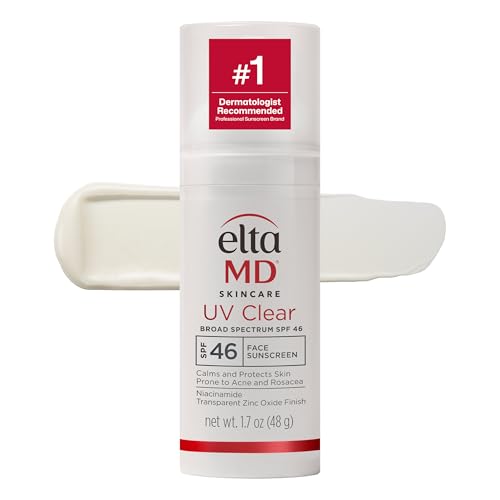
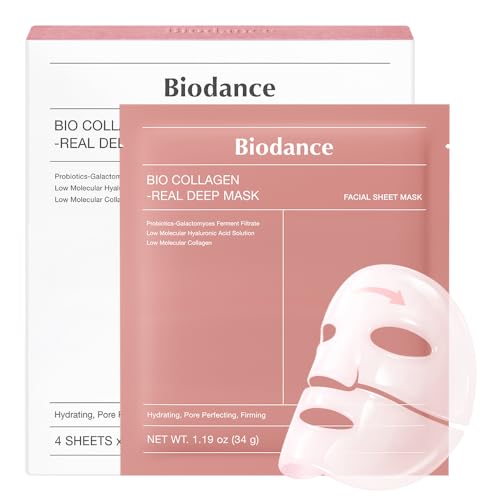
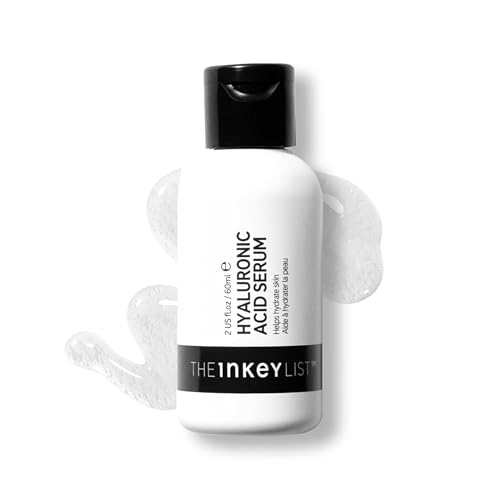
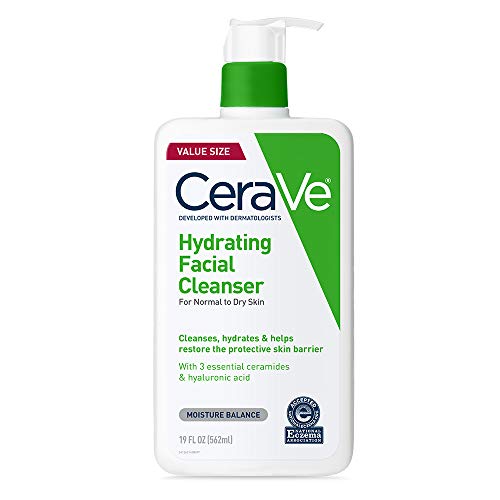
Recommended At-Home Microneedling and Glow Products

Key Takeaways
- An aqua gold facial uses a device with an array of ultra-fine, gold-plated hollow microneedles that actively infuse a custom cocktail into the upper dermis, not just create channels for a product applied afterward.
- The FDA issued a formal warning letter to the device’s manufacturer in 2021 for marketing it for drug and biologic delivery without the required clearance or approval.
- Using the device to deliver botulinum toxin or filler is genuinely off-label use of both the device and the injectable, according to physician commentary.
- Real, plausible benefits exist for hyaluronic acid and vitamin cocktails, a temporary hydration and glow effect, but results fade within roughly 3 to 6 months.
- Claims that it meaningfully treats severe scarring, major volume loss, or significant wrinkles aren’t supported; it’s positioned honestly as a subtle glow treatment, not a corrective procedure.
- Provider choice matters more than usual here, since misplaced superficial toxin or filler carries real, documented cosmetic risk.
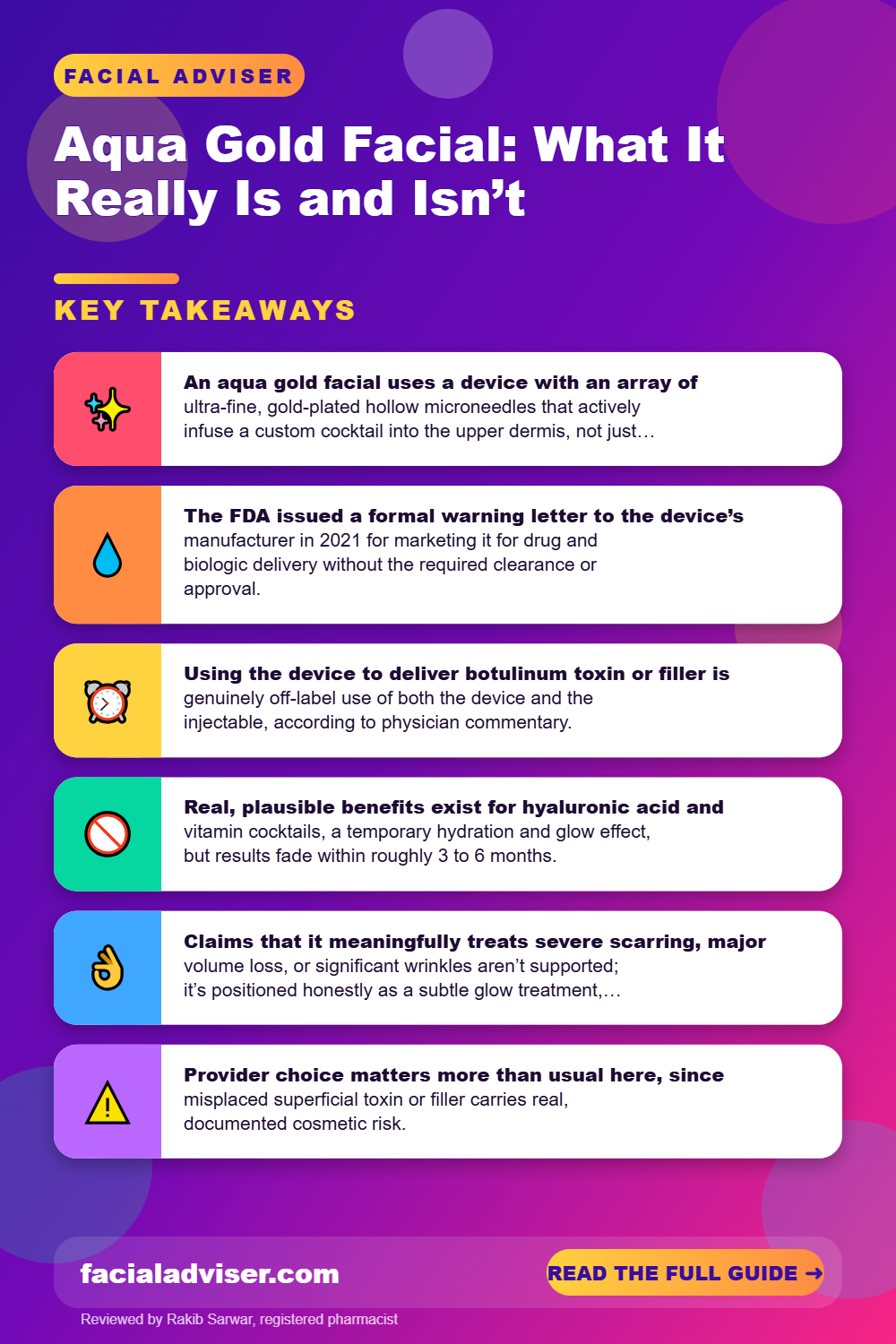
Table of Contents
- What an Aqua Gold Facial Actually Is
- The Real FDA Clearance Status
- What’s Actually Delivered vs. the Hype
- How Long Results Actually Last
- Real Risks Worth Knowing
- Cost and Positioning
- Aqua Gold vs. Standard Microneedling
- Why the Specific Device Matters
- Do This, Not That
- Choosing a Provider Safely
- When to See a Dermatologist
- Frequently Asked Questions
- The Bottom Line
What an Aqua Gold Facial Actually Is
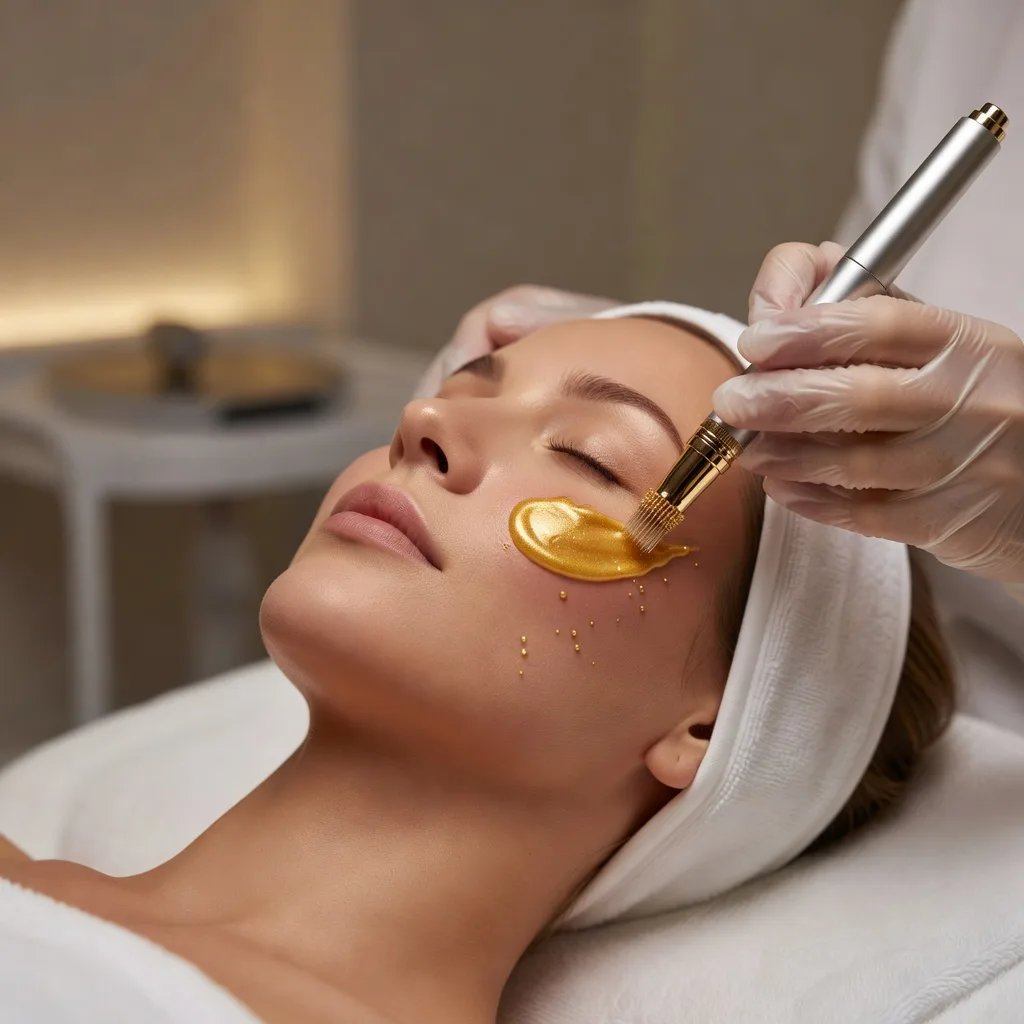
AquaGold Fine Touch is a proprietary microchanneling device with a small stamp-like head carrying roughly 20 extremely fine, 24-karat-gold-plated hollow microneedles, applied at a shallow depth of about 0.6 millimeters. Unlike standard microneedling, which just creates tiny channels for a topical product applied afterward, AquaGold’s needles are hollow and connected to a reservoir, so a custom-mixed cocktail is actively infused directly into the upper dermis as the device passes over the skin.
Shopping these picks?
Amazon Prime members get fast, free shipping on eligible items, plus Prime Video, Amazon Music and member deals. New members can start with a free trial.
Start a free Prime trialAged 18 to 24? Prime for Young Adults comes with a longer free trial and a lower price after it.
Affiliate link: we may earn a commission at no extra cost to you.
Commonly marketed cocktails include hyaluronic acid, vitamins, and peptides, and, significantly, some providers also mix in botulinum toxin or dermal filler, delivered superficially rather than through traditional deeper injection. This guide covers the real regulatory status behind that practice, what’s genuinely delivered versus what’s overstated, and the provider-related risks worth knowing before booking.
The Real FDA Clearance Status
Warning: The FDA issued a formal warning letter to Aquavit Pharmaceuticals, the device’s manufacturer, in June 2021, citing the company for marketing AquaGold Fine Touch, and a related at-home device, without the required FDA clearance or approval. The letter specifically quotes the company’s own marketing claims that the device delivers “microdoses of a drug or biologic just under the dermis” for conditions ranging from acne scars and fine lines to hyperhidrosis and alopecia, and states that marketing a device for drug or biologic delivery and disease-treatment claims requires premarket approval the company didn’t have.
The practical takeaway: whatever clearance a microneedling-type device may hold as a purely cosmetic instrument, using it to deliver injectable drugs like botulinum toxin or filler is genuinely off-label use of both the device and the injectable, a distinction confirmed by physician-sourced commentary describing AquaGold-plus-Botox or filler explicitly as off-label. Separate FDA guidance on microneedling devices classifies products intended to penetrate living skin layers, or that make therapeutic claims like treating scars or stimulating collagen, as Class II devices requiring formal premarket clearance, with the classification hinging on the manufacturer’s claims and needle design, not a single simple depth cutoff.
What’s Actually Delivered vs. the Hype
| Ingredient | What’s actually happening |
|---|---|
| Hyaluronic acid / vitamins / peptides | Genuinely reach the upper dermis via the hollow microneedles; real, temporary hydration and glow effect |
| Superficial botulinum toxin | A distinct mechanism from standard Botox, reducing sebum production and constricting blood vessels rather than paralyzing deeper expression muscles |
| Superficial filler | Provides surface hydration and plumping, a “reflective glow,” rather than structural volumizing |
The hydration and vitamin infusion claims are the most defensible part of the treatment, a real, physiologically plausible mechanism producing a genuine short-term hydration and glow effect. The superficial-toxin and superficial-filler applications work through real but different, more modest mechanisms than their standard deeper-injection counterparts, and shouldn’t be expected to produce the same results.
How Long Results Actually Last
Results are consistently described across sources as lasting roughly 3 to 6 months, with some describing effects fading within 1 to 3 months depending on the specific cocktail used. This is a repeat, maintenance-style treatment, not a lasting or permanent one, and that timeline should factor into any cost comparison against other options.
Real Risks Worth Knowing
Note: Claims that an aqua gold facial meaningfully addresses “severe” concerns, deep acne scarring, significant volume loss, or major wrinkle correction, aren’t supported. It’s suited to subtle enhancement and glow maintenance, not a substitute for standard-depth microneedling, laser resurfacing, or conventional injectable placement for real structural change.
Provider skill matters more here than for many treatments. If performed by a non-physician, risks include irritation, allergic reaction, and unnecessary bleeding, and if the toxin or filler is placed at the wrong depth, the result can be muscle distortion or visible asymmetry, described by one quoted dermatologist as producing a “stroke-like appearance” from over-deep botulinum placement, or bluish discoloration from misplaced filler.
Cost and Positioning
Reported pricing generally clusters in the few-hundred-dollar range per session, varying by provider, the specific cocktail used, and geography. It’s positioned as a glow or refresh add-on treatment rather than a corrective procedure, and is typically recommended as a repeat service every few months rather than a one-time fix.
Aqua Gold vs. Standard Microneedling
It’s easy to lump this in with regular microneedling facial treatments, since both use fine needles to create tiny channels in skin, but the mechanics are genuinely different. Standard microneedling uses a pen or roller with needles set anywhere from about 0.5mm to 2.5mm, creates controlled micro-injury deep enough to trigger a real wound-healing and collagen-remodeling cascade, and typically has topical product applied afterward rather than through the device itself. The device’s job is to injure the skin in a controlled way and let the body do the rebuilding.
The gold-plated micro-channeling device works at a shallower depth, around 0.6mm, and its hollow needles exist to actively infuse a cocktail into the upper dermis during the pass rather than to create a wound-healing response afterward. That’s a delivery mechanism, not a controlled-injury mechanism. Practically, that means it’s not a deeper or gentler version of standard microneedling, it’s a different tool built for a different job: standard microneedling for structural remodeling of scars and texture, this treatment for getting hydrating or cosmetic ingredients into the upper dermis for a temporary glow effect.
Why the Specific Device Matters
Because the branded gold-plated device carries real cachet, counterfeit versions circulate in the aesthetics supply market, and the manufacturer maintains its own patient safety page specifically warning about them. Counterfeit micro-channeling heads haven’t gone through the same manufacturing quality control, and using an uncertified device to infuse anything into skin, even a simple hydrating cocktail, changes the risk profile in ways a patient in the treatment chair has no way to independently verify.
The practical takeaway is that provider vetting for this treatment isn’t just about who’s holding the device, it’s also reasonable to ask what device is actually being used and whether the practice sources it directly rather than through a discount reseller. A provider unwilling or unable to answer that clearly is a reasonable reason to look elsewhere, the same way you’d want a straight answer about needle depth or cocktail ingredients before agreeing to treatment.
Do This, Not That
Do
- Ask directly what’s in your specific cocktail before treatment
- Confirm a physician or highly experienced injector is administering any toxin or filler component
- Treat the hydration/glow effect as real but temporary, needing repeat sessions
- Understand that toxin or filler use in this device is genuinely off-label
- Compare cost against the roughly 3 to 6 month result duration, not a one-time price alone
Don’t
- Expect it to meaningfully treat deep scarring, major volume loss, or significant wrinkles
- Assume the toxin or filler component carries the same FDA-cleared status as the base device
- Book with an inexperienced or non-physician provider for the toxin/filler cocktail version
- Treat manufacturer marketing language about drug/biologic delivery as an approved claim
- Expect results to last as long as standard-depth injectable treatments
Choosing a Provider Safely
Ask what’s in the cocktail
Hyaluronic acid and vitamins carry a more straightforward risk profile than added botulinum toxin or filler.
Confirm who’s administering any toxin or filler
A physician or highly experienced injector meaningfully reduces the risk of misplaced superficial injectable.
Tip: Ask specifically how many aqua-gold-with-toxin treatments the provider has personally performed, not just how long the spa has offered the service.
Set a realistic budget against the result duration
Factor in the roughly 3 to 6 month timeline when comparing cost to other treatments.
Disclose your full skin and allergy history
Any known sensitivity to a specific serum ingredient should be flagged before the cocktail is mixed.
Set expectations for subtle, not corrective, results
This treatment is built for glow maintenance, not treating significant scarring or volume loss.
When to See a Dermatologist
See a dermatologist or skin specialist if you’re considering the botulinum toxin or filler version of this treatment, to confirm it’s being administered by someone qualified, or if your actual goal is treating significant scarring or volume loss, which this treatment isn’t built to address.
Frequently Asked Questions
What is an aqua gold facial?
A microchanneling treatment using gold-plated hollow microneedles that infuse a custom cocktail directly into the upper dermis.
Is aqua gold FDA-approved?
The manufacturer received an FDA warning letter in 2021 for marketing it for drug/biologic delivery without required clearance.
Is using it with Botox or filler off-label?
Yes, physician commentary explicitly describes this combination as off-label use of both the device and the injectable.
How long do results last?
Roughly 3 to 6 months, sometimes fading within 1 to 3 months depending on the cocktail used.
Does it treat deep acne scarring?
No, it’s positioned for subtle glow maintenance, not corrective treatment of severe scarring.
What’s the real benefit of the hyaluronic acid cocktail?
A genuine, if temporary, hydration and glow effect from the ingredient reaching the upper dermis.
What’s the risk with superficial Botox or filler in this device?
Misplaced injection can cause muscle distortion, asymmetry, or discoloration if done by an inexperienced provider.
How much does an aqua gold facial cost?
Generally a few hundred dollars per session, varying by provider, cocktail, and location.
Who should administer the toxin or filler version?
A physician or highly experienced injector, given the real risk of misplaced superficial injectable.
Is this a substitute for standard microneedling or laser resurfacing?
No, it’s suited to subtle enhancement, not a substitute for those more corrective treatments.
The Bottom Line
An aqua gold facial genuinely delivers hyaluronic acid, vitamins, and peptides into the upper dermis for a real, temporary hydration and glow effect. The FDA’s 2021 warning letter to the manufacturer, and physician commentary describing added Botox or filler as off-label, are worth knowing before booking, not hidden details.
Treat it as a subtle, repeat glow treatment rather than a corrective procedure, and if a toxin or filler cocktail is involved, confirm a qualified physician is administering it.

Written by
Registered pharmacist and founder of Facial Adviser. Rakib's pharmacy training covers how skincare actives work and interact; a later course in cosmetology turned that into a focus on facial treatments and skincare products. He plans, researches and edits every guide on the site and checks health claims against sources such as the American Academy of Dermatology, the FDA and the NIH. He is not a dermatologist; see the Editorial Policy and Medical Disclaimer.
About · Editorial policy · How we choose products · Medical disclaimer · Contact
Keep reading: HydraFacial and hydrodermabrasion
- 10 Best HydraFacial-Style Serums (2026): At-Home Swaps for Glowing Skin
- Is Hydrafacial a Gimmick? What Evidence Shows
- Hydrodermabrasion: What It Actually Does
- Hydrodermabrasion vs Microdermabrasion Compared
- Fire and Ice Facial vs HydraFacial: Differences, Results and Which to Book
- Facial Types: A Guide to 11 Popular Facials and How to Choose One
- Microneedling Facial: Real Results, Explained