10 Best HydraFacial-Style Serums (2026): At-Home Swaps for Glowing Skin
Part of what makes a hydradermabrasion facial, often known by the HydraFacial name, feel so effective is the series of serums the machine delivers after cleansing and extraction. This list covers 10 options you can use at home, from hydrating hyaluronic serums to vitamin C and peptide picks, with notes on who each one suits.
Part of our guide to facial treatments. Start with: Is Hydrafacial a Gimmick? What Evidence Shows
The best serums used in HydraFacial-style machines fall into four main groups: gentle acids such as salicylic and glycolic acid to loosen dead skin and clear pores, hyaluronic acid to hydrate and plump, peptides to support firmness, and antioxidants such as vitamin C to brighten and protect. Clinics use proprietary solutions made for their machines, which are not sold for home use, but you can build a similar routine with widely available serums containing the same key ingredients. At home, a salicylic acid serum suits oily or congested skin, a hyaluronic acid serum suits almost everyone, a peptide serum suits mature or dry skin, and a vitamin C serum helps with dullness and uneven tone. Home serums work more slowly and cannot replace the suction and extraction of the machine.
In short: the machine serums are built around acids, hyaluronic acid, peptides and antioxidants, and you can use the same ingredient types at home, one step at a time.
The American Academy of Dermatology explains that professional microdermabrasion, a close relative of hydradermabrasion, gently exfoliates the skin and is also used by dermatologists to help skincare products penetrate better, which is part of why serums play such a central role in these treatments.
Below you will find the ten picks, how we chose them, what each serum type does in the machine, how to layer serums safely and what results to realistically expect.
Shopping these picks?
Amazon Prime members get fast, free shipping on eligible items, plus Prime Video, Amazon Music and member deals. New members can start with a free trial.
Start a free Prime trialAged 18 to 24? Prime for Young Adults comes with a longer free trial and a lower price after it.
Affiliate link: we may earn a commission at no extra cost to you.
As an Amazon Associate we earn from qualifying purchases. This does not change which products we include.


What This Covers
- The 10 Best HydraFacial-Style Serums to Use at Home
- How We Chose These Products
- How Serums Fit Into a Hydradermabrasion Treatment
- Hyaluronic Acid Serums: The Hydration Step
- Salicylic and Other Acid Serums: The Clearing Step
- Peptide Serums: The Firming Step
- Vitamin C and Antioxidant Serums: The Protecting Step
- Choosing At-Home Serums by Skin Type
- How to Build an At-Home Serum Routine Inspired by Hydradermabrasion
- Serum Aftercare Following a Professional Treatment
- Common Serum Mistakes
- Honest Limits
- When to See a Dermatologist
- Your Questions, Answered
- Summing Up
At a Glance
- PCA SKIN Hyaluronic Acid Boosting Serum is our top pick because it recreates the hydration step and suits most skin types.
- Timeless Vitamin C + E Ferulic Acid Serum is the best vitamin C pick for dullness and uneven tone.
- Sunday Riley C.E.O. is the premium pick, using an oil-soluble form of vitamin C.
- Hydradermabrasion serums fall into four groups: acids, hydrators, peptides and antioxidants.
- Professional machine solutions are proprietary and made for clinic use.
- Introduce one serum at a time and keep copper peptides apart from vitamin C and acids.
- Home serums work gradually and cannot replicate suction extraction.
The 10 Best HydraFacial-Style Serums to Use at Home
These ten serums were shortlisted from widely reviewed Amazon listings and grouped around the hydrating, brightening and firming steps of a machine facial. Each pick explains who it suits, its trade-offs and who should skip it.
| # | Product | Best For | Standout Feature | |
|---|---|---|---|---|
| 1 | PCA SKIN Hyaluronic Acid Boosting Serum | Everyday hydration for most skin types | Light, creamy hydrator that layers easily | View |
| 2 | Timeless Vitamin C + E Ferulic Acid Serum | Dullness and uneven tone | Classic vitamin C, E and ferulic trio | View |
| 3 | Sunday Riley C.E.O. Vitamin C Brightening Serum | A polished, premium brightening step | Uses oil-soluble THD ascorbate | View |
| 4 | Biossance Squalane + Copper Peptide Plumping Serum | Hydration and firmness in one step | Hydrators, copper peptides and ectoin together | View |
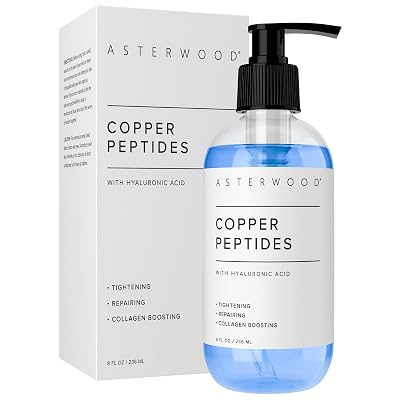
| 5 | Asterwood GHK-Cu Copper Peptide Serum | A simple copper peptide step | Straightforward GHK-Cu with hyaluronic acid | View |
| 6 | Asterwood Matrixyl 3000 and Argireline Serum | Fine lines on fragrance-sensitive skin | Fragrance-free, dye-free peptide blend | View |
| 7 | MAELOVE Peptide Squad Collagen Renewal Serum | Dry or stressed skin wanting barrier support | Several peptide types plus barrier helpers | View |
| 8 | Advanced Skin Care CE Ferulic Serum 2 oz | Daily vitamin C users who get through serum fast | Bigger bottle of the C, E, ferulic trio | View |
| 9 | Vibriance Super C Serum for Mature Skin | Mature or sensitive skin new to vitamin C | Multi-tasking vitamin C aimed at mature skin | View |
| 10 | L’Oreal Paris Revitalift Hyaluronic Acid Serum | Easy hydration under makeup | Non-tacky gel that sits well under makeup | View |
PCA SKIN Hyaluronic Acid Boosting Serum

Best for: Everyday hydration for most skin types
The PCA SKIN serum earns the top spot because it recreates the step people remember most from a machine facial: the plump, dewy finish that follows the hydrating infusion. It uses hydrolysed hyaluronic acid in a light, creamy texture that sinks in quickly, so it sits comfortably under moisturiser, sunscreen and makeup without adding weight.
It also suits the widest range of skin, from oily to dry, which makes it the safest first serum if you are building a routine from scratch. It does not brighten like the vitamin C picks or target firmness like the peptide serums at #4 to #7, so treat it as the base layer you add other steps to, rather than an all-in-one.
- Hydrolysed hyaluronic acid for surface hydration
- Light, creamy serum texture
- Absorbs quickly under other products
- Described as suitable for most skin types
Pros
- Closest match to the machine hydration step
- Easy to layer morning and night
- Comfortable texture for oily and dry skin
Cons
- Hydration only; no brightening or peptide ingredients
- Needs moisturiser on top in dry climates
Skip it if: Skip it if you already use a hyaluronic serum you like; add a vitamin C or peptide pick instead.
Check Price on AmazonTimeless Vitamin C + E Ferulic Acid Serum
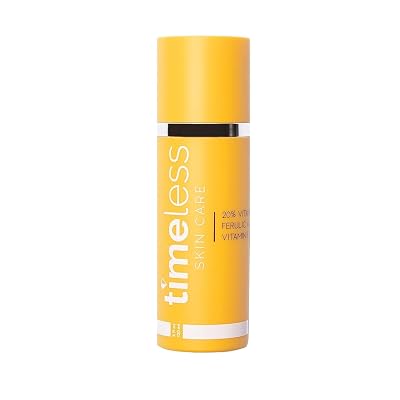
Best for: Dullness and uneven tone
Timeless follows the well-known pairing of vitamin C with vitamin E and ferulic acid, the same antioxidant logic behind the protective boosters some clinics add at the end of a machine treatment. It is a higher-strength formula by home standards, aimed at brightening a dull complexion and evening out tone and texture.
That strength is the trade-off: it may tingle on sensitive or freshly exfoliated skin, so it is best used in the morning on calm skin under sunscreen. If your skin is reactive, the Vibriance pick at #9 or a hydrating serum such as #1 is an easier starting point, and the Sunday Riley at #3 uses a different, oil-soluble form of vitamin C.
- Vitamin C with vitamin E and ferulic acid
- Aimed at brightening and evening tone and texture
- Antioxidant support against environmental stressors
- Higher-strength formula for experienced users
Pros
- Proven ingredient combination
- Good morning partner for sunscreen
- Clear, focused purpose
Cons
- Higher strength may sting sensitive skin
- Vitamin C serums degrade with light and air
Skip it if: Skip it if your skin stings easily or you are just recovering from a professional treatment.
Check Price on AmazonSunday Riley C.E.O. Vitamin C Brightening Serum

Best for: A polished, premium brightening step
Sunday Riley C.E.O. is the premium choice among the vitamin C picks. Instead of the pure L-ascorbic acid used by #2 and #8, it relies on THD ascorbate, an oil-soluble form of vitamin C, and is positioned for brightening, clarifying and antioxidant care as well as early signs of ageing.
Oil-soluble vitamin C derivatives are often chosen by people who find classic vitamin C serums too sharp, although individual reactions still vary. It suits someone who wants one elegant brightening step rather than a clinical-feeling formula. The trade-off is that you pay a premium for the brand and texture, and the ingredient approach is different from the classic C, E and ferulic trio in the Timeless serum.
- THD ascorbate, an oil-soluble vitamin C
- Brightening and clarifying focus
- Antioxidant support
- Aimed at dullness and early signs of ageing
Pros
- Alternative to pure L-ascorbic acid
- Premium, cosmetic-feeling formula
- Pairs easily with a hyaluronic serum
Cons
- Premium positioning costs more than similar picks
- Different vitamin C form from the classic ferulic trio
Skip it if: Skip it if you want the classic L-ascorbic acid formula; the Timeless or CE Ferulic picks fit better.
Check Price on AmazonBiossance Squalane + Copper Peptide Plumping Serum

Best for: Hydration and firmness in one step
Biossance combines two machine-facial steps in one bottle. Hyaluronic acid, polyglutamic acid and sugarcane squalane handle hydration, while vegan copper peptides target the look of firmness and fine lines. Ectoin is added to help protect the skin, and the listing says it suits all skin types, which is useful if you share one serum across a household.
That mix makes it the most versatile pick for someone who wants fewer products on the shelf. It is gentler in feel than the vitamin C serums and more hydrating than the Asterwood copper serum at #5. The main trade-off is that copper peptides are best kept apart from strong acids and vitamin C in the same step, so plan your routine around it, for example using it at night and vitamin C in the morning.
- Hyaluronic acid, polyglutamic acid and squalane
- Vegan copper peptides for the look of firmness
- Ectoin to help protect the skin
- Listed for all skin types
Pros
- Combines hydrating and firming steps
- Squalane adds comfort for dry skin
- Suits routines with fewer products
Cons
- Best separated from vitamin C and acids
- Peptide effects are gradual and modest
Skip it if: Skip it if your morning routine centres on vitamin C and you do not want to split steps between morning and night.
Check Price on AmazonAsterwood GHK-Cu Copper Peptide Serum
Best for: A simple copper peptide step
The Asterwood copper serum keeps things simple: copper tripeptide-1, often called GHK-Cu, paired with hyaluronic acid in a lightweight texture meant for daily use. It is a focused way to add a copper peptide step without the extra actives found in the Biossance or MAELOVE picks. That makes it easier to judge how your skin responds to the copper peptide on its own.
The listing also notes it is vegan and free of sulfates, parabens and phthalates. Compared with #4 it is lighter and less cushioning, which suits oily or combination skin better than very dry skin, where a moisturiser on top becomes essential. As with any copper peptide, use it at a different time of day from vitamin C and exfoliating acids.
- Copper tripeptide-1 (GHK-Cu)
- Added hyaluronic acid
- Lightweight, quick-absorbing texture for daily use
- Vegan; free of sulfates, parabens and phthalates
Pros
- Focused, uncomplicated formula
- Light enough for oily skin
- Easy to slot into an evening routine
Cons
- Less hydrating than the Biossance pick
- Needs separating from vitamin C and acids
Skip it if: Skip it if you have very dry skin and want a richer serum; the Biossance at #4 is more cushioning.
Check Price on AmazonAsterwood Matrixyl 3000 and Argireline Serum

Best for: Fine lines on fragrance-sensitive skin
This second Asterwood serum takes a different peptide route from #5. It pairs Matrixyl 3000 with Argireline, also listed as acetyl hexapeptide-8, and adds hyaluronic acid. The aim is the look of fine lines and firmness rather than brightening, so it sits naturally in an evening routine after a hydrating serum and before moisturiser.
Its key advantage is that the listing states it is fragrance-free and dye-free, which matters if scented products tend to irritate you. It is simpler than the MAELOVE blend at #7, which adds many more ingredients, so it is easier to patch test. Expect gradual, modest changes; peptides support the skin rather than transform it.
- Matrixyl 3000 and Argireline peptides
- Hyaluronic acid for hydration
- Fragrance-free and dye-free
- Applied before moisturiser
Pros
- Good option for fragrance-sensitive skin
- Pairs well with a hyaluronic serum
- Uncomplicated evening step
Cons
- No brightening ingredients
- Results are slow and subtle
Skip it if: Skip it if brightening dull skin is your main goal; a vitamin C pick suits you better.
Check Price on AmazonMAELOVE Peptide Squad Collagen Renewal Serum

Best for: Dry or stressed skin wanting barrier support
MAELOVE packs the most into one bottle among the peptide picks. Copper peptides, Matrixyl 3000, Argireline and rice peptides sit alongside hyaluronic acid, ceramides and jojoba oil for hydration, plus niacinamide, panthenol and soothing botanicals aimed at supporting the skin barrier. It reads more like a complete treatment serum than a single-purpose step.
That breadth suits dry or stressed skin that wants a nourishing, all-round serum after the hydrating step. The trade-off of a long ingredient list is that it is harder to pinpoint the cause if your skin reacts, so patch test first. If you prefer a shorter formula, the Asterwood serums at #5 and #6 are simpler.
- Copper, Matrixyl 3000, Argireline and rice peptides
- Hyaluronic acid, ceramides and jojoba oil
- Niacinamide and panthenol for barrier support
- Soothing botanical extracts
Pros
- Covers several peptide types at once
- Barrier-supporting extras
- Comforting for dry skin
Cons
- Long ingredient list is harder to troubleshoot
- Botanicals may not suit very reactive skin
Skip it if: Skip it if your skin reacts to many ingredients; a shorter formula such as #6 is easier to test.
Check Price on AmazonAdvanced Skin Care CE Ferulic Serum 2 oz

Best for: Daily vitamin C users who get through serum fast
This CE Ferulic serum follows the same vitamin C, vitamin E and ferulic acid formula style as the Timeless pick, using L-ascorbic acid, but comes in a larger 2 oz bottle. It suits someone who already knows they tolerate this kind of serum and applies it every morning, since a larger supply only makes sense with regular use.
The listing notes that colour can vary slightly between batches, which is worth knowing because vitamin C serums also darken as they oxidise. A larger bottle takes longer to finish, so store it somewhere cool and dark, and replace it if it turns deep orange or brown. For a first vitamin C serum, a smaller bottle such as #2 is less risky.
- L-ascorbic acid with vitamin E and ferulic acid
- Larger 2 oz bottle
- Colour may vary slightly between batches
- Morning antioxidant step under sunscreen
Pros
- More product per bottle than most picks
- Classic antioxidant combination
- Good for steady daily use
Cons
- Large bottle may oxidise before it is finished
- Batch colour variation can make freshness harder to judge
Skip it if: Skip it if you are new to vitamin C or only use it occasionally.
Check Price on AmazonVibriance Super C Serum for Mature Skin

Best for: Mature or sensitive skin new to vitamin C
Vibriance aims its multi-tasking vitamin C serum squarely at mature skin, and the listing says it is formulated to hydrate without irritation, including on sensitive skin. That makes it a softer entry point than the stronger vitamin C picks at #2 and #8, and a sensible choice if earlier vitamin C serums felt too sharp on your skin.
It absorbs quickly, so it layers easily under moisturiser and sunscreen in the morning. The listing is less specific about its vitamin C form and strength than the Timeless or Sunday Riley pages, so it suits someone who values comfort over a precisely defined formula. Patch test as with any new serum, and give it several weeks before judging.
- Vitamin C serum aimed at mature skin
- Formulated to hydrate without irritation
- Described as suitable for sensitive skin
- Quick-absorbing texture
Pros
- Gentler positioning than high-strength picks
- Hydrating feel suits drier, mature skin
- Layers quickly in the morning
Cons
- Listing gives less detail on vitamin C form and strength
- Fewer targeted actives than the premium picks
Skip it if: Skip it if you want a clearly defined, high-strength vitamin C formula.
Check Price on AmazonL’Oreal Paris Revitalift Hyaluronic Acid Serum

Best for: Easy hydration under makeup
L’Oreal Revitalift is the most widely available hydrator on the list. It combines low and high molecular weight hyaluronic acid with a touch of vitamin C in a lightweight gel that is designed not to feel tacky, so it works well under makeup. It is the easiest pick here to use as a quick morning step before foundation.
It is fragrance-free and paraben-free and described as dermatologist tested, which suits people who want a simple, no-fuss step. Compared with the PCA SKIN pick at #1 it has a lighter gel feel rather than a creamy one, so very dry skin may want a richer moisturiser on top, especially in cold or heated rooms.
- Low and high molecular weight hyaluronic acid
- Added vitamin C
- Lightweight, non-tacky gel under makeup
- Fragrance-free and paraben-free
Pros
- Easy to find and reorder
- Sits well under makeup
- Fragrance-free formula
Cons
- Gel texture may feel too light for very dry skin
- Small amount of vitamin C is not a substitute for a dedicated vitamin C serum
Skip it if: Skip it if you want a richer, creamier hydrator; the PCA SKIN pick feels more cushioning.
Check Price on AmazonHow We Chose These Products
We shortlisted serums from Amazon listings that are highly rated by a large number of shoppers, favouring established brands and fuller-featured formulas that match the hydrating, brightening and firming steps of a machine facial. We then checked each product’s listed ingredients against the safety guidance cited in this post, including the FDA’s advice on sun sensitivity with exfoliating acids.
These are research-based picks, not hands-on lab tests. Rankings reflect listing detail, ingredient focus and how well each serum fits a home routine, not personal results. We did not repeat clinical claims or percentages from listings, and none of these serums is a clinic machine solution.
- Strong ratings from a large number of shoppers
- Established brands and fuller-featured formulas preferred
- Listed ingredients checked against the cited safety guidance
- Products with thin or unclear listings excluded
- No medical claims from listings repeated as fact
How Serums Fit Into a Hydradermabrasion Treatment
A typical treatment moves through several stages, and a different type of solution is used at each one. The exact solutions vary between clinics and machines, but the pattern is similar.
| Treatment stage | What happens | Typical serum ingredients | Main goal |
|---|---|---|---|
| Cleanse and peel | A spiral tip cleans and lightly exfoliates | Mild acids, such as glycolic or lactic acid | Loosen dead skin |
| Extraction | Suction draws out debris from pores | Salicylic acid and soothing ingredients | Soften and clear pores |
| Hydrate and infuse | The tip delivers serum while buffing | Hyaluronic acid, peptides, antioxidants | Plump and nourish |
| Optional boosters | Targeted add-ons for specific concerns | Brightening, firming or calming blends | Address one concern |
| Finish | Protection step | Moisturiser and sunscreen | Protect freshly treated skin |
Because the skin has just been exfoliated and cleared, it may take up the infused serums more readily than usual. That is why the hydration step can leave skin looking so plump straight after treatment, even though the effect fades over the following days.
Hyaluronic Acid Serums: The Hydration Step
Hyaluronic acid is a humectant, meaning it draws water into the upper layers of the skin. It is the ingredient most associated with the dewy, plump look after hydradermabrasion.
- Suits almost every skin type, including sensitive and oily skin.
- Works best on slightly damp skin, followed by moisturiser to hold the water in.
- Look for simple, fragrance-free formulas; several molecule sizes can feel more hydrating.
- Can be used morning and night alongside most other ingredients.
In very dry climates, hyaluronic acid on its own can leave skin feeling tight, which is why moisturiser on top matters. Our guide on whether you need moisturiser after a hydrating serum explains how to lock the hydration in. Hyaluronic acid is also one of the easiest serums to combine with everything else, so it is a good first serum if you are new to layering.
Salicylic and Other Acid Serums: The Clearing Step
Salicylic acid is a beta hydroxy acid that dissolves in oil, so it can work inside pores. Glycolic and lactic acids are alpha hydroxy acids that loosen dead cells on the skin surface.
- Salicylic acid suits oily, congested and acne-prone skin.
- Glycolic and lactic acids suit dullness, rough texture and uneven tone.
- Start two or three times a week and increase slowly if your skin tolerates it.
- Do not use several strong acid products in the same routine.
The FDA’s page on alpha hydroxy acids notes that these ingredients can increase the skin’s sensitivity to the sun, so daily sunscreen is essential while you use them.
Stop using acid serums if your skin stings, peels heavily, turns red or feels raw. Avoid acids on broken skin, and pause them before and after professional treatments such as peels, waxing or laser unless your clinician advises otherwise.
Peptide Serums: The Firming Step
Peptides are short chains of amino acids. In skincare they are used as signalling ingredients that may support the skin’s own production of structural proteins, and as hydrating, skin-conditioning agents.
Peptide serums are gentle and suit dry, mature and sensitive skin. They pair well with hyaluronic acid and are easy to add to either a morning or evening routine. Their effects on firmness are modest and gradual, and evidence is stronger for some peptides than others, so think of them as supportive rather than dramatic. Because they are gentle, peptide serums are also a useful option on days when you are resting your skin from acids or retinoids.
Copper peptides are a popular type, but they may not pair well with strong acids or vitamin C in the same step for some people. If you use both, try applying them at different times of day.
Vitamin C and Antioxidant Serums: The Protecting Step
Antioxidant serums help neutralise some of the damage caused by UV light and pollution. Vitamin C also brightens dull skin and can gradually fade uneven tone.
- Use in the morning under sunscreen for extra environmental protection.
- Choose opaque, airtight packaging, as vitamin C breaks down with light and air.
- Start with a lower strength if your skin is sensitive.
- Replace a serum that turns dark orange or brown.
Our guide on how to store vitamin C serum properly explains how to keep it effective for longer. Other antioxidants, such as vitamin E, ferulic acid and niacinamide, are often combined with vitamin C or used on their own by people whose skin finds vitamin C too stinging. Whichever you choose, an antioxidant serum supports sunscreen but never replaces it.
Choosing At-Home Serums by Skin Type
You do not need all four serum types at once. Pick the ones that match your skin and main concern.
| Skin type or concern | Start with | Add later | Go easy on |
|---|---|---|---|
| Oily or congested | Salicylic acid serum | Hyaluronic acid | Heavy, oily serums |
| Dry or dehydrated | Hyaluronic acid serum | Peptide serum | Frequent acids |
| Dull or uneven tone | Vitamin C serum | Gentle AHA once or twice a week | Mixing several brighteners |
| Mature skin | Peptide serum | Hyaluronic acid, vitamin C | Harsh exfoliation |
| Sensitive | Fragrance-free hyaluronic acid | Low-strength peptides | Acids and high-strength vitamin C |
A simple routine of one targeted serum plus a hydrating serum, followed by moisturiser and sunscreen, gives you most of the benefit without overwhelming your skin. Give each new serum six to eight weeks before deciding whether it is worth keeping.
How to Build an At-Home Serum Routine Inspired by Hydradermabrasion
This routine borrows the logic of the machine treatment: clear, hydrate, nourish and protect.
Cleanse gently
Use a mild cleanser and pat skin almost dry.
Exfoliate a few nights a week
Apply a salicylic or gentle AHA serum on selected evenings only.
Hydrate
Press a hyaluronic acid serum onto slightly damp skin.
Nourish
Add a peptide serum in the evening if your skin is dry or mature.
Protect in the morning
Apply a vitamin C serum before moisturiser.
Seal with moisturiser
Use a moisturiser suited to your skin type to lock in hydration.
Finish with sunscreen
Apply broad-spectrum SPF 30 or higher every morning.
Apply serums from thinnest to thickest and let each one sink in for a minute. If products start to pill, use less of each layer or reduce the number of serums you use at once.
Serum Aftercare Following a Professional Treatment
Skin is often more reactive for a day or two after hydradermabrasion, because it has just been exfoliated and suctioned. What you put on it during that window matters.
- For the first day or two, use only a gentle cleanser, a hyaluronic acid serum, a plain moisturiser and sunscreen.
- Pause retinoids, acid serums and scrubs for a few days, or as long as your clinician advises.
- Reintroduce vitamin C and peptides first, then acids last, once skin feels completely calm.
- Avoid heavy makeup, saunas and intense exercise on the day of treatment.
- Keep up sunscreen, as freshly exfoliated skin burns more easily.
If you book treatments regularly, plan your home routine around them. For example, you might skip your acid serum in the days before and after each appointment, so your skin is not exfoliated twice in a short space of time. Tell your practitioner about any prescription creams you use, because some make the skin more sensitive to exfoliating treatments.
Common Serum Mistakes
Most problems with home serum routines come from doing too much, too soon, often in an attempt to recreate the instant glow of a clinic treatment overnight.
- Using a salicylic acid serum, a glycolic toner and a retinoid on the same night.
- Adding three new serums in the same week, so you cannot tell which one causes a reaction.
- Applying hyaluronic acid to bone-dry skin in a dry climate and skipping moisturiser.
- Keeping vitamin C serum in a warm, bright bathroom.
- Judging results after a week rather than after two to three months.
If your skin feels tight, stings with plain moisturiser or looks shiny but flaky, it is probably over-exfoliated. Stop actives, use only gentle hydrating products for a week or two and reintroduce one serum at a time.
Helps
- Choose serums by skin type and concern
- Introduce one new serum at a time
- Use hyaluronic acid on damp skin
- Wear sunscreen daily, especially with acids
- Patch test before full use
Backfires
- Stack several acids in one routine
- Use acids on irritated or broken skin
- Expect instant machine-like results
- Keep using a darkened vitamin C serum
- Buy unlabelled clinic solutions online
Honest Limits
At-home serums can give many of the same ingredient benefits as the infusion step, but they cannot copy the whole treatment. The suction extraction, mechanical exfoliation and professional assessment are part of why skin looks so fresh straight after a session. Home serums work more gradually and results depend on consistency.
Clinic results are also temporary; the immediate glow usually fades over days to weeks. The AAD’s microdermabrasion overview explains that professional treatments differ from home kits and are usually given as a series. For a closer comparison of the two treatments, see our guide to microdermabrasion facial vs HydraFacial.
When to See a Dermatologist
- Acne that is painful, cystic or leaving scars.
- Persistent redness, burning or stinging with serums.
- Dark patches such as melasma that do not respond to gentle care.
- Rosacea or eczema that flares with active ingredients.
- Any new or changing spot or mole.
This article is for general information and does not replace professional medical advice. See a board-certified dermatologist for persistent skin concerns, reactions to products or before combining actives with in-clinic treatments.
Your Questions, Answered
What serums are used in HydraFacial-style treatments?
Mainly mild acids, hyaluronic acid, peptides and antioxidants.
Can I buy the machine serums for home use?
They are proprietary clinic solutions; use serums with similar ingredients instead.
Which at-home serum is closest to the hydration step?
A hyaluronic serum such as the PCA SKIN Hyaluronic Acid Boosting Serum or L’Oreal Revitalift, followed by moisturiser.
Is salicylic acid serum good for oily skin?
Yes, it helps clear pores and suits oily, congested skin.
Can I use vitamin C and hyaluronic acid together?
Yes, they pair well.
Should I use serums right after a professional facial?
Stick to gentle hydrators for a day or two and avoid strong acids.
Is the most expensive serum worth it?
Not always. The Sunday Riley C.E.O. offers a premium feel, but the Timeless serum covers the classic vitamin C, E and ferulic trio.
Which serum is best for sensitive skin?
Start with a simple hydrator such as the PCA SKIN serum, or the fragrance-free Asterwood Matrixyl serum; patch test first.
Do I need sunscreen with these serums?
Yes, especially with acids and after exfoliating treatments.
Can home serums replace a hydradermabrasion facial?
Not fully; they lack the suction and extraction steps.
Summing Up
The best HydraFacial machine serums centre on four ingredient types: gentle acids to clear, hyaluronic acid to hydrate, peptides to support firmness and antioxidants such as vitamin C to brighten and protect. You can use the same ingredient types at home, choosing the ones that match your skin.
Build the routine slowly, one serum at a time, finish with moisturiser and daily sunscreen and keep expectations realistic. For stubborn acne, pigmentation or sensitivity, a dermatologist can recommend professional treatments or prescription options.
Our top pick: PCA SKIN Hyaluronic Acid Boosting Serum
The PCA SKIN Hyaluronic Acid Boosting Serum takes the top spot because hydration is the step most people notice after a machine facial, and its light, fast-absorbing texture suits most skin types and layers under everything else. Choose the Timeless Vitamin C + E Ferulic Acid Serum instead if dullness and uneven tone are your main concern, or the Sunday Riley C.E.O. if you prefer an oil-soluble form of vitamin C in a more premium formula.
Check Price on Amazon
Written by
Registered pharmacist and founder of Facial Adviser. Rakib's pharmacy training covers how skincare actives work and interact; a later course in cosmetology turned that into a focus on facial treatments and skincare products. He plans, researches and edits every guide on the site and checks health claims against sources such as the American Academy of Dermatology, the FDA and the NIH. He is not a dermatologist; see the Editorial Policy and Medical Disclaimer.
About · Editorial policy · How we choose products · Medical disclaimer · Contact
Keep reading: HydraFacial and hydrodermabrasion
- Is Hydrafacial a Gimmick? What Evidence Shows
- Hydrodermabrasion: What It Actually Does
- Hydrodermabrasion vs Microdermabrasion Compared
- Fire and Ice Facial vs HydraFacial: Differences, Results and Which to Book
- Cryo Facial vs HydraFacial: Differences, Results and Which to Choose
- Facial vs Chemical Peel: Differences, Results and Which to Choose
- What Is the Best Anti-Aging Facial Treatment? Options Compared by Goal