

Professional Ultrasonic Cavitation Machine: Salon Buying Guide
Adding body contouring to a treatment menu is a big step for a salon or esthetician. A professional ultrasonic cavitation machine can bring in new clients, but it also brings new responsibilities: choosing reliable equipment, getting trained, screening clients carefully and being honest about results.
Part of our guide to professional machines. Start with: Best Professional Oxygen Facial Machine: Features, Safety and Results
A good professional ultrasonic cavitation machine for a salon has verifiable regulatory status for body contouring, stable and adjustable output, built-in timers and automatic shut-off, a choice of head sizes for different body areas, clear contraindication and cleaning guidance, and reliable support and spare parts. Before buying, check your local rules on who may perform the treatment, confirm that your insurance covers it, and arrange hands-on training. Screen every client for contraindications, measure consistently and explain that cavitation offers modest contouring over a course of sessions. It is not a weight-loss treatment and should never be sold as one.
In short: buy for safety, documentation and support, train properly, screen every client and promise only modest changes.
The US Food and Drug Administration states that non-invasive body contouring does not treat obesity or result in weight loss, and advises people to discuss the risks, medications, implants and skin conditions with a health care provider before treatment.
This guide walks salon owners and estheticians through machine features, regulatory checks, training, contraindications, consultations and the practical side of offering cavitation safely, from the first supplier conversation to the first client.
Buying for a salon, spa or clinic?
A free Amazon Business account gives you business-only pricing on eligible items, multi-user buying and tax-exemption tools.
Create a free Business accountAffiliate link: we may earn a commission at no extra cost to you.
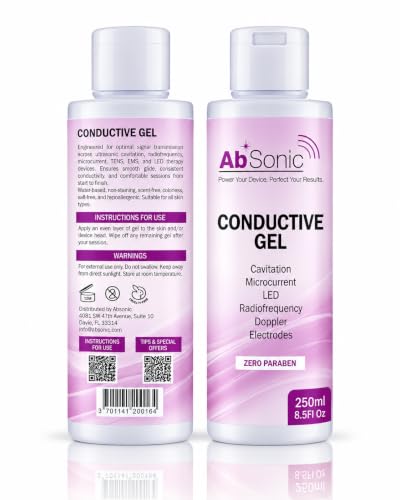
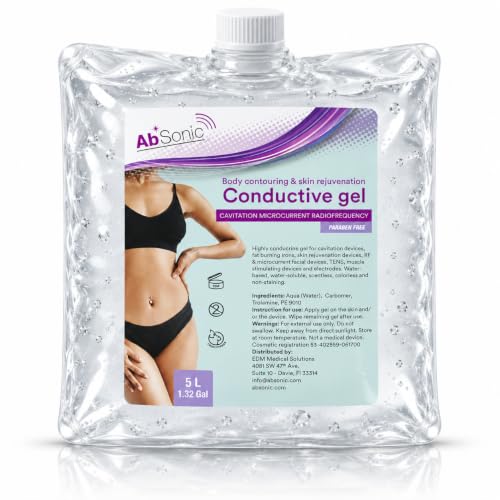
Recommended Professional Ultrasonic Cavitation Machines on Amazon



Quick Answer
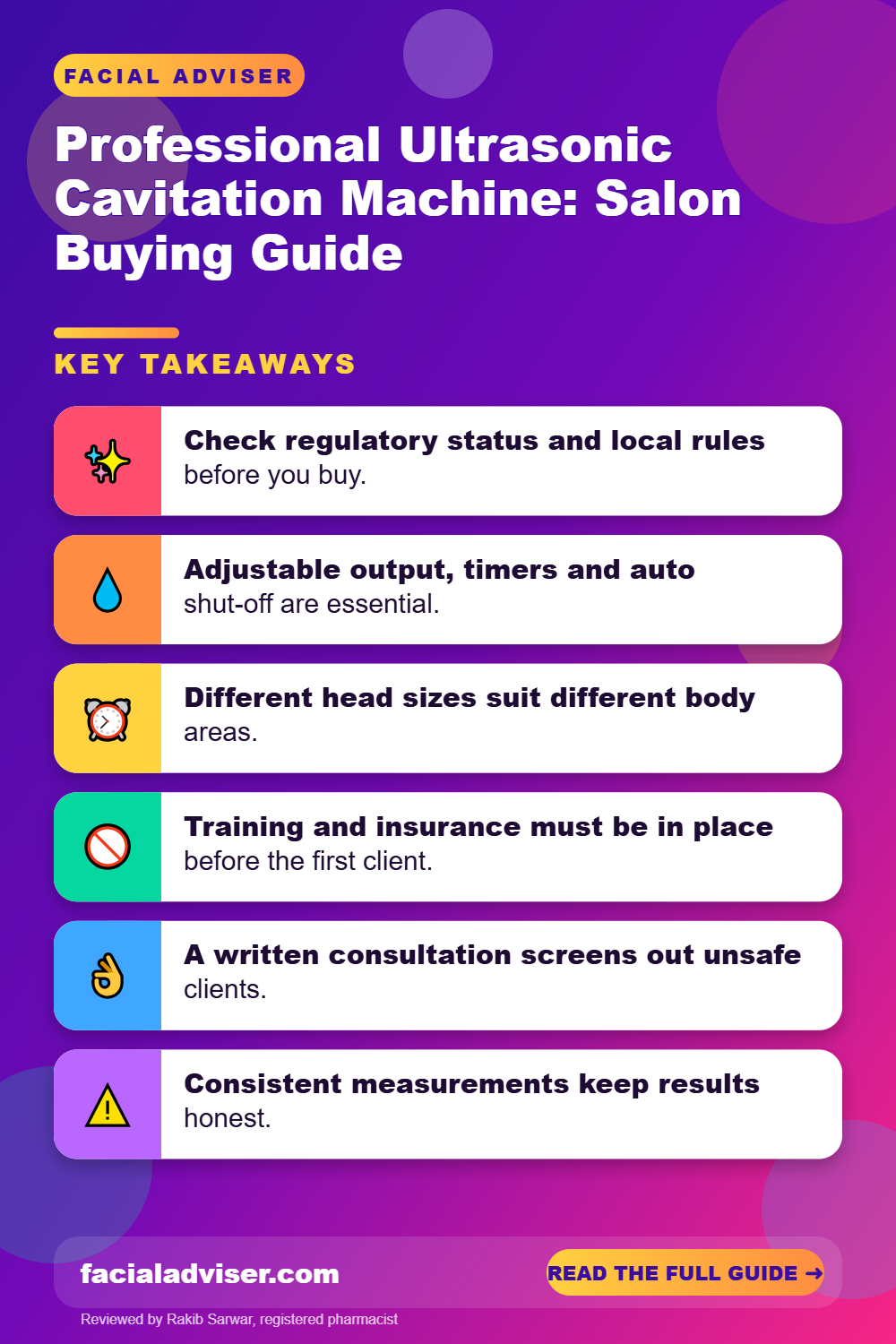
- Check regulatory status and local rules before you buy.
- Adjustable output, timers and auto shut-off are essential.
- Different head sizes suit different body areas.
- Training and insurance must be in place before the first client.
- A written consultation screens out unsafe clients.
- Consistent measurements keep results honest.
- Cavitation is contouring, not weight loss.
Contents
- Before You Buy: Is Cavitation Right for Your Business?
- Machine Features That Matter in a Salon
- Regulatory Checks and Documentation
- Training: What a Good Course Covers
- Contraindications Every Salon Should Screen For
- Consultations and Managing Expectations
- How to Buy a Cavitation Machine for Your Salon
- Day-to-Day Operation, Cleaning and Maintenance
- Marketing Cavitation Responsibly
- Dos and Don’ts for Salons
- Honest Limits
- When to Refer Clients to a Doctor or Dermatologist
- Questions People Ask
- The Takeaway
Before You Buy: Is Cavitation Right for Your Business?
Cavitation suits businesses that already offer body treatments, have private treatment rooms and can commit time to training and consultations. It is less suitable where appointments are short, staff change often or treatment rooms are shared with facial services that need a calm, quiet space.
- Check local regulations on who may perform ultrasound body treatments.
- Ask your insurer whether cavitation is covered and what training they require.
- Consider whether your clients are likely to want body treatments.
- Think about space: a treatment couch, a trolley and room to move around the client.
- Plan how you will explain results honestly in marketing and consultations.
It also helps to be clear about your role. Estheticians and salon therapists are not medical providers, so treatments must stay within your scope of practice. Our guide on facial specialists and estheticians explains how roles and training differ.
Machine Features That Matter in a Salon
A salon machine works harder than a home device, running for several clients a day. Features that support safety, consistency and reliability are worth more than a long list of extra handpieces. A machine that breaks down mid-course also leaves clients part-way through a paid plan, which damages trust.
| Feature | What to look for | Why it matters |
|---|---|---|
| Regulatory status | Device name you can verify in regulator databases | Evidence of reviewed safety and intended use |
| Output control | Adjustable intensity with clear display | Match treatment to area and client comfort |
| Timers and shut-off | Per-area timers, automatic stop | Prevents overtreatment and burns |
| Head sizes | Large head for abdomen and thighs, small for arms | Even coverage and safer treatment |
| Temperature or contact monitoring | Warnings when heads heat or lose contact | Reduces burn risk |
| Duty cycle and cooling | Rated for repeated daily use | Reliability through a full day |
| Documentation | Manual with contraindications and cleaning | Supports training and insurance |
| Service | Warranty, spare heads, repairs | Keeps the machine working safely |
Many machines combine cavitation with radiofrequency, vacuum or lipo laser pads. Each technology has its own training needs, contraindications and risks. Only offer the functions you are trained and insured to use.
Regulatory Checks and Documentation
Listings for cavitation machines often use terms such as professional grade or clinic quality, which have no legal meaning. Before you buy, ask the supplier for the exact device name, its regulatory status in your country and supporting documents.
The FDA’s page on non-invasive body contouring technologies explains that devices can be checked in its 510(k) and De Novo databases, and that complications can range from redness and swelling to burns, nerve damage and scarring. In other countries, check the equivalent regulator and look for relevant electrical safety marking.
Be cautious if a supplier cannot or will not provide these details. Keep copies of the manual, certificates, service records and your training certificates together. Insurers and local authorities may ask for them, and they protect you if a client ever makes a complaint.
Training: What a Good Course Covers
Reading the manual is not enough. A good cavitation course combines theory, supervised practice and assessment, and it should cover the specific type of machine you plan to use.
- How ultrasound cavitation works and what it can and cannot do.
- Full contraindications and when to refer a client to a doctor.
- Choosing settings, head sizes and treatment times for each area.
- Correct gel use, head movement and client positioning.
- Recognising early signs of burns, bruising or other reactions.
- Consultation, consent forms and record keeping.
- Cleaning, maintenance and safe storage of the machine.
- Honest marketing and managing client expectations.
Refresh training when you change machines or add new functions, and make sure every staff member who uses the machine is trained, not just the owner. Keep a record of who is trained on which machine and when.
Contraindications Every Salon Should Screen For
A written consultation form is your main safety tool. Go through it with every new client and update it at each visit, because health and medication can change. Ask the client to sign it, and keep it with their treatment record. If a client is unsure about a condition or medication, wait for medical advice rather than treating on the day.
| Screen for | Action |
|---|---|
| Pregnancy or breastfeeding | Do not treat |
| Pacemaker or implanted electronic device | Do not treat |
| Metal implants in or near the area | Do not treat that area |
| Cancer or current cancer treatment | Do not treat; refer to doctor |
| Liver, kidney, heart or clotting conditions | Treat only with written medical approval |
| Open wounds, infections or skin conditions in the area | Do not treat that area |
| Recent surgery in the area | Wait for medical clearance |
| Areas over bone, heart, thyroid, head or face | Never treat with body heads |
Stop the treatment immediately if the client reports heat, pain, dizziness or feels unwell, or if the skin shows blistering or unusual redness. Never treat without enough gel, never hold the head still and never exceed the manual’s treatment times. Record any reaction and advise the client to seek medical care if needed.
Consultations and Managing Expectations
Most complaints about cavitation come from mismatched expectations rather than injuries. A clear, honest consultation protects your clients and your business.
- Explain that cavitation targets small areas of stubborn fat, not overall weight.
- Set out a realistic course length and session spacing from the manual.
- Take measurements at the same points, time of day and posture before and after the course.
- Use photos only with consent and under the same lighting and position.
- Agree a point at which you will review progress and stop if there is no change.
- Give written aftercare and contact details for questions.
Clients whose main goal is weight loss, or who have loose skin after weight loss, may be better served by other options or medical advice. Our guide on skin tightening after weight loss discusses why laxity needs a different approach.
How to Buy a Cavitation Machine for Your Salon
Follow these steps to move from research to a safe first treatment.
Confirm you can offer it
Check local rules, scope of practice and insurance cover.
Shortlist machines by documentation
Keep only machines with a verifiable device name, manual and safety marking.
Compare core features
Adjustable output, timers, shut-off, suitable head sizes and monitoring.
Check support
Ask about warranty, spare heads, repairs and delivery times for parts.
Book training
Choose a course that covers your machine type and includes supervised practice.
Prepare paperwork
Create consultation, consent, treatment record and aftercare forms.
Start carefully
Treat trained colleagues first, then clients, starting at conservative settings.
Ask the supplier for contact details of other salons using the same machine. A short conversation about reliability, support and client feedback is often more useful than online reviews.
Day-to-Day Operation, Cleaning and Maintenance
Once the machine is in use, routine care keeps it safe and reliable. Build these tasks into your daily and weekly checklists, and assign a named person to check them.
- Wipe and disinfect heads and cables between clients as the manual directs.
- Use fresh, suitable conductive gel for every client, dispensed from a pump rather than a shared open tub.
- Check heads for cracks, damage or overheating before each session.
- Let the machine rest if it runs hot, following the duty cycle in the manual.
- Store heads safely so they are not dropped or knocked.
- Log faults and arrange repairs before using the machine again.
Our comparison of microcurrent and radiofrequency may help if you are deciding whether to add other energy-based treatments alongside cavitation.
Marketing Cavitation Responsibly
How you describe cavitation affects both client satisfaction and your legal position. Advertising rules in many countries restrict health and weight-loss claims, and exaggerated promises are a common source of complaints.
- Describe the treatment as non-surgical body contouring for small, targeted areas.
- Avoid words such as fat melting, guaranteed, permanent or lose inches in one session.
- Do not suggest cavitation replaces diet, exercise or medical care.
- Use real, consented client photos only, taken under the same conditions.
- State that results vary and that a course of sessions is usually needed.
Honest marketing may attract fewer bookings at first, but it brings clients whose expectations match what the treatment can do. Those clients are more likely to complete a course, feel satisfied and recommend you, which matters more over time than a burst of disappointed first-time bookings.
Dos and Don’ts for Salons
Helps
- Verify regulatory status before buying
- Train every staff member who uses it
- Use a written consultation every time
- Measure results consistently
- Keep service and training records
Backfires
- Market cavitation as weight loss
- Treat pregnant clients or those with implants
- Use functions you are not trained for
- Ignore heat or pain during treatment
- Promise permanent or guaranteed results
Honest Limits
Evidence for ultrasonic cavitation comes mainly from small, short studies, often using clinic devices that differ from machines sold online. Results, where they occur, are usually modest and vary between clients, and it is not clear how long they last if weight changes.
The most reliable way to offer cavitation is to treat it as a modest contouring service within a wider wellbeing plan. Individual machines also vary, and a device that performs well for one salon may perform poorly for another. Salons that promise dramatic or permanent results risk complaints, refunds and regulatory problems, even if the machine itself is sound.
When to Refer Clients to a Doctor or Dermatologist
- The client has a medical condition, implant or takes regular medication.
- Burns, blisters, lasting pain, numbness or lumps appear after treatment.
- The client is pregnant, breastfeeding or planning a pregnancy.
- The client’s main goal is weight loss for health reasons.
- You are unsure whether a contraindication applies.
This article is for general information and does not replace professional medical, legal or insurance advice. Check local regulations and your insurer’s requirements, and refer clients to a doctor or board-certified dermatologist whenever there is doubt.
Questions People Ask
Do I need a licence to offer cavitation?
It depends on local rules, so check with your local authority and insurer.
What features should a professional machine have?
Verifiable status, adjustable output, timers, shut-off and suitable heads.
Is FDA clearance important?
Yes, it shows the device has been reviewed for a stated use.
How much training do I need?
A course with theory, supervised practice and assessment for your machine type.
Who should not have cavitation?
Pregnant clients, those with implants and people with certain health conditions.
Can cavitation be sold as weight loss?
No, it does not cause weight loss.
How should results be measured?
Consistent tape measurements at the same points and time of day.
Can I combine cavitation with radiofrequency?
Only if you are trained and insured for both.
How often should the machine be serviced?
As the manufacturer recommends, and whenever a fault appears.
What if a client gets a burn?
Stop, record it and advise medical care.
The Takeaway
A professional ultrasonic cavitation machine can be a useful addition to a salon, but only when it has verifiable safety information, reliable support and is used by trained staff within their scope of practice.
Screen every client, measure honestly and describe cavitation as modest body contouring rather than weight loss, and it can be offered safely and sustainably.

Written by
Registered pharmacist and founder of Facial Adviser. Rakib's pharmacy training covers how skincare actives work and interact; a later course in cosmetology turned that into a focus on facial treatments and skincare products. He plans, researches and edits every guide on the site and checks health claims against sources such as the American Academy of Dermatology, the FDA and the NIH. He is not a dermatologist; see the Editorial Policy and Medical Disclaimer.
About · Editorial policy · How we choose products · Medical disclaimer · Contact
Keep reading: Professional spa machines
- Best Professional Oxygen Facial Machine: Features, Safety and Results
- FIVONA Unisex Sitz Bath Seat for Soaking: Is It Worth Using?
- Best Oxygen Facial Machine for Home: Buyer's Guide and What the Evidence Says
- Types of Body Sculpting: Full Comparison
- Best Ultrasonic Cavitation Machines: What to Look For Before You Buy
- Best Professional Spray Tan Machine: HVLP Systems, Safety and Setup


2 Comments