Best Oxygen Facial Machine for Home: Buyer’s Guide and What the Evidence Says
Oxygen facials became famous in spas and celebrity routines, where a pressurised stream of oxygen and serum is sprayed onto the skin. Home oxygen facial machines try to copy the experience with handheld sprayers, small compressors and so-called oxygen injectors that mist water or serum onto the face with a strong, cool jet.
Part of our guide to professional machines. Start with: Best Professional Oxygen Facial Machine: Features, Safety and Results
The best oxygen facial machine for home use is a simple, well-built handheld sprayer or infusion device with adjustable pressure, a tank that is easy to clean and clear instructions on which serums can go in it. Used with a hydrating serum, it can leave skin feeling fresh, cool and temporarily plumper, much like a good misting and massage. However, there is little evidence that spraying oxygen onto the skin improves wrinkles, acne or long-term skin health. Most of the visible glow comes from the serum, the moisture and the cooling effect, not from the oxygen.
In short: an oxygen facial machine can be a pleasant pampering tool, but it is not a proven anti-ageing treatment.
The American Academy of Dermatology advises choosing skin treatments that suit your skin type and treating the face gently, because overdoing exfoliation and aggressive treatments can cause redness, irritation and breakouts.
This buyer’s guide explains how home oxygen machines work, what to look for, which claims to be sceptical of, and how to use one safely as part of a sensible, evidence-based skincare routine.
Shopping these picks?
Amazon Prime members get fast, free shipping on eligible items, plus Prime Video, Amazon Music and member deals. New members can start with a free trial.
Start a free Prime trialAged 18 to 24? Prime for Young Adults comes with a longer free trial and a lower price after it.
Affiliate link: we may earn a commission at no extra cost to you.
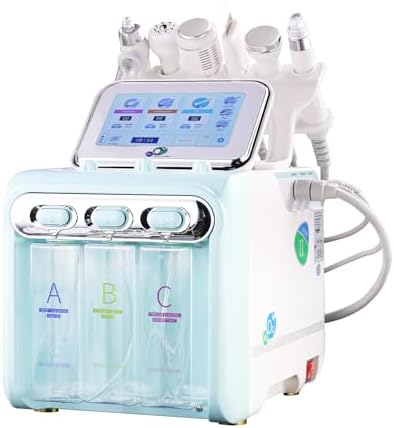
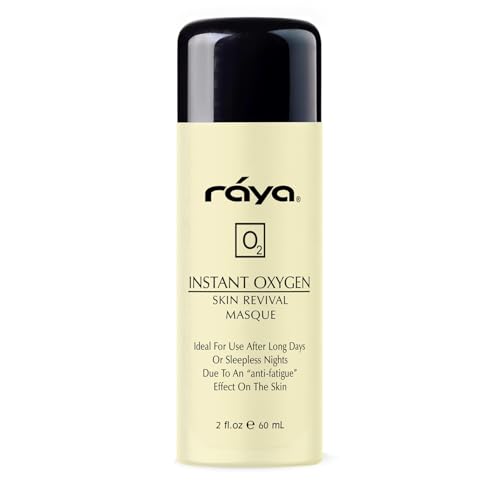
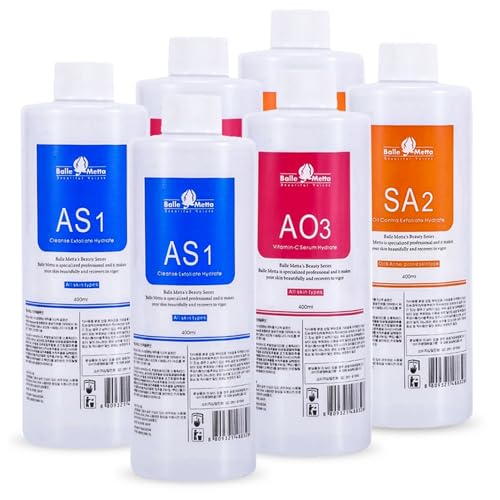
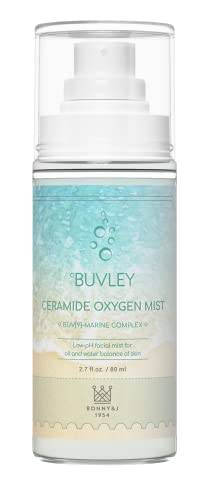
Recommended Oxygen Facial Machines on Amazon



At a Glance
- Home oxygen machines mainly spray serum or water with a cool jet.
- Evidence for lasting skin benefits from topical oxygen is limited.
- Most of the glow comes from hydration and cooling.
- Choose adjustable pressure and an easy-clean tank.
- Only use serums the maker approves for the device.
- Keep medical oxygen equipment out of beauty routines.
- Sunscreen and proven actives matter far more for ageing skin.
In This Guide
- What Is an Oxygen Facial Machine?
- Types of Home Oxygen Facial Devices
- What the Evidence Says About Oxygen Facials
- Features to Look For
- Which Serums to Use in an Oxygen Machine
- How to Use a Home Oxygen Facial Machine
- Safety and Who Should Be Careful
- Where an Oxygen Machine Fits in Your Routine
- Is an Oxygen Facial Machine Right for Your Skin Type?
- Dos and Don’ts
- Honest Limits
- When to See a Dermatologist
- Common Questions
- The Bottom Line
What Is an Oxygen Facial Machine?
In a salon oxygen facial, a therapist uses a wand connected to an oxygen concentrator to spray a fine stream of pressurised oxygen and serum onto the skin. Treatments often include cleansing, exfoliation and massage, so it is hard to know which step does what. Clients often leave with dewy, plump-looking skin, which is why the treatment became popular before big events, but that effect is largely the result of hydration, massage and the serum used.
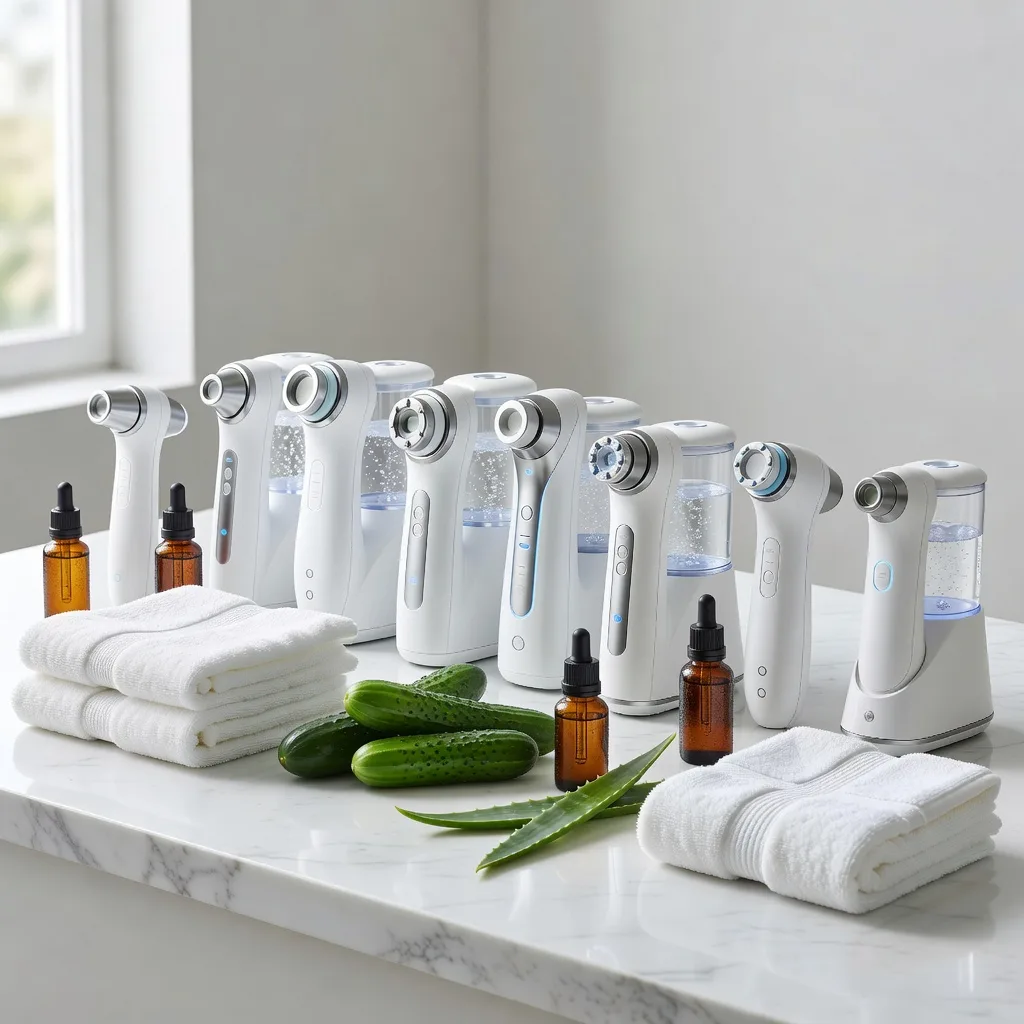
Home oxygen facial machines are simpler. Most are handheld devices with a small pump or compressor that pushes air and liquid through a fine nozzle. They are often sold as oxygen injectors, oxygen sprayers or water oxygen jets. Many do not use concentrated oxygen at all; they use ordinary air, and the word oxygen describes the misty, aerated spray rather than a medical gas.
If a home device does not connect to an oxygen source, it is essentially a high-pressure mister. That is not necessarily bad, but it helps to know you are buying a hydration and cooling tool.
Types of Home Oxygen Facial Devices
| Type | How it works | Good for | Limitations |
|---|---|---|---|
| Handheld oxygen sprayer | Battery pump mists serum under pressure | Quick hydration, cooling | Small tank, needs cleaning |
| Oxygen injector with compressor | Plug-in compressor drives a fine jet | Stronger, salon-like spray | Noisy, bulkier, costs more |
| Nano oxygen mister | Ultrasonic plate makes fine mist | Travel and refreshing | Very mild effect |
| Oxygen jet peel machine | High-pressure water and air stream | Surface cleansing feel | Can irritate if used too strongly |
| Oxygen-infused skincare | Serums or masks that foam or bubble | No device needed | Bubbles are mostly a sensation |
For most people, a handheld sprayer with a couple of pressure settings is enough, especially if you mainly want a refreshing hydration step once or twice a week. Plug-in compressor machines can feel more like a salon treatment, but they need more space, cleaning and care.
What the Evidence Says About Oxygen Facials
Oxygen is essential for skin cells, but skin gets its oxygen mainly from the blood supply. The idea that spraying oxygen onto the surface meaningfully boosts oxygen inside the skin, and that this reverses ageing, is not well supported. Research on topical oxygen for cosmetic use is limited, small and often funded by manufacturers. Medical uses of oxygen, such as specialised wound care under clinical supervision, are a different situation and do not show that a home beauty sprayer changes how your skin ages.
| Claim | What is known | Honest verdict |
|---|---|---|
| Skin looks fresher straight after | Common experience from hydration and cooling | Likely, short term |
| Serum absorbs better | Pressure spreads serum, but deep delivery is unproven | Possible, limited |
| Reduces wrinkles | No strong evidence | Not supported |
| Treats acne | No good evidence at home | Not supported |
| Boosts collagen | Not shown for home devices | Not supported |
| Detoxifies the skin | Skin does not need detoxing | Marketing claim |
If you want to compare the salon versions, our guide comparing hydradermabrasion facials and oxygen facials looks at what each treatment involves and what results to expect.
Features to Look For
- Adjustable pressure, starting at a gentle level.
- A fine, even spray without spitting or dripping.
- A removable, washable liquid cup or tank.
- Clear guidance on compatible serums and how to clean the nozzle.
- A comfortable weight and grip for a five- to ten-minute session.
- Quiet operation if it uses a compressor.
- Clear safety instructions and a reliable power supply or charger.
Be wary of listings that promise results such as instant facelifts, collagen regeneration or medical-grade oxygen from a small battery device. A clear, modest description of what the device does is usually a better sign of a trustworthy product. Check that spare nozzles or cups are available, since these small parts wear out and are the hardest to keep clean.
Which Serums to Use in an Oxygen Machine
Most home devices work best with thin, water-based liquids. Thick creams, oils and gritty products can clog the nozzle.
- Hyaluronic acid or glycerin serums, diluted if the maker advises.
- Simple hydrating toners or essences.
- Distilled water for a basic cooling mist.
- Niacinamide serums, if thin enough and well tolerated.
Avoid putting strong acids, high-strength vitamin C or retinoids through a pressurised sprayer unless the device is designed for them. Spraying actives as a fine mist spreads them over the eyes and lips and makes them harder to control, which can cause stinging or irritation.
How to Use a Home Oxygen Facial Machine
Cleanse
Wash with a gentle cleanser and pat dry.
Fill the device
Add a thin, approved serum or distilled water to the clean cup.
Test the pressure
Spray the back of your hand on the lowest setting first.
Treat the face in sections
Keep the nozzle a short distance from the skin and move steadily across the forehead, cheeks, nose and chin. Keep your eyes closed and avoid spraying into the nose or mouth.
Pat in
Gently pat the skin to help any remaining serum spread.
Moisturise
Seal with a moisturiser at night, or moisturiser and sunscreen in the morning.
Clean the device
Run clean water through it, rinse the cup and let parts dry fully.
Chill your serum in the fridge for a few minutes before a morning session. The cooler spray can feel especially refreshing and may help reduce the look of puffiness for a short time.
Safety and Who Should Be Careful
- Use the lowest effective pressure; strong jets can irritate sensitive skin.
- Avoid spraying near the eyes, into the nose or mouth, or over broken skin.
- Skip sessions during flares of rosacea, eczema or active acne.
- Wait until you have healed after peels, lasers or injections, and check with your provider.
- Clean and dry the device after every use to prevent microbial growth.
Never use medical oxygen cylinders or concentrators for beauty treatments at home. Oxygen strongly supports burning, so keep any oxygen source away from flames, heaters, cigarettes and oily products, and follow medical guidance if anyone in your home uses prescribed oxygen.
Where an Oxygen Machine Fits in Your Routine
Think of an oxygen facial machine as a weekly treat rather than a core step. The things that make the biggest difference to how your skin ages are daily sunscreen, a gentle cleanser, a moisturiser and a proven active such as a retinoid or vitamin C serum. A device can make applying a hydrating serum more enjoyable, but it does not replace those basics.
If you enjoy spa-style rituals, you might compare oxygen spraying with gentle facial steaming; our guide on whether steaming your face is good for your skin covers the pros and cons. The American Academy of Dermatology’s guide to exfoliating safely at home is useful if your device also has jet-peel or exfoliating modes, since it warns that overdoing exfoliation can leave skin red and irritated.
Is an Oxygen Facial Machine Right for Your Skin Type?
Dry and dehydrated skin tends to enjoy oxygen spraying most, because the device is essentially a way of applying a hydrating serum with a pleasant, cooling feel. Follow it with a richer moisturiser to hold that water in, since mist alone evaporates.
Oily and combination skin can use a device with a light, oil-free serum. It will not reduce oil production or clear clogged pores, but it can feel refreshing, particularly in hot weather.
Sensitive skin and rosacea need more care. A strong, cold jet and the rubbing that often follows can trigger flushing in some people. If you want to try one, use the lowest pressure, a fragrance-free serum and short sessions, and stop if redness lingers.
Acne-prone skin should avoid spraying over inflamed spots and should keep the device scrupulously clean. A contaminated tank or nozzle could spread bacteria across the face, which is the opposite of what you want.
Mature skin may notice a temporary plumping effect from hydration, which can soften the look of fine lines for a few hours. Longer-lasting change needs sunscreen, a retinoid and, if you want more, professional treatments with stronger evidence.
Dos and Don’ts
Do
- Start on the lowest pressure
- Use thin, approved serums
- Keep your eyes closed
- Clean and dry the device every time
- Follow with moisturiser and sunscreen
Don’t
- Expect wrinkle reversal
- Spray strong acids or retinoids
- Use it on broken or inflamed skin
- Use medical oxygen at home for beauty
- Leave liquid sitting in the tank
Honest Limits
Evidence that home oxygen facial machines improve skin in the long term is weak. Most devices are best described as pressurised misters that help spread a serum and give a cool, fresh feeling. The glow you see afterwards is real but short-lived, usually lasting hours rather than weeks.
There is no good evidence that these devices detoxify the skin, boost collagen, cure acne or lift sagging skin. If those are your goals, sun protection, retinoids and professional treatments with stronger evidence are better places to spend your money and time. Enjoy the device as a pampering step if you like it, but keep expectations modest.
When to See a Dermatologist
- Redness, stinging or a rash after using a device or serum.
- Acne, rosacea or eczema that does not improve with home care.
- Concerns about wrinkles, sagging or pigmentation that you want treated effectively.
- Any new, changing or bleeding spot on the skin.
A board-certified dermatologist can suggest evidence-based treatments and tell you whether a device is suitable for your skin.
This article is for general information and does not replace medical advice. Home oxygen facial machines are cosmetic devices with limited evidence behind them. See a board-certified dermatologist for skin conditions, and never use medical oxygen equipment for cosmetic purposes.
Common Questions
Do home oxygen facial machines work?
They hydrate and refresh, but long-term benefits are unproven.
Do they use real oxygen?
Many use ordinary air, not concentrated oxygen.
Can an oxygen facial reduce wrinkles?
There is no strong evidence that it does.
What serum should I use?
A thin hydrating serum approved by the maker.
How often can I use one?
Once or twice a week is plenty for most people.
Is it safe for sensitive skin?
Use low pressure and a simple serum, and stop if irritated.
Can I use it with rosacea?
Be cautious and avoid it during flares.
Is a salon oxygen facial better?
It may feel more luxurious, but evidence is similarly limited.
Can I use medical oxygen at home?
No, never use medical oxygen for beauty treatments.
What matters more for ageing skin?
Sunscreen, retinoids and a gentle routine.
The Bottom Line
The best oxygen facial machine for home is a well-made sprayer or infusion device with adjustable pressure, an easy-clean tank and clear serum guidance. It can make your skin feel fresh and hydrated for a while.
Keep expectations realistic: the evidence for lasting benefits is limited. Treat it as a relaxing ritual that makes your hydrating serum more enjoyable to apply, and judge it by how your skin feels rather than by bold promises on the box. Pair any device with sunscreen, a gentle routine and proven actives, and see a dermatologist for real skin concerns.

Written by
Registered pharmacist and founder of Facial Adviser. Rakib's pharmacy training covers how skincare actives work and interact; a later course in cosmetology turned that into a focus on facial treatments and skincare products. He plans, researches and edits every guide on the site and checks health claims against sources such as the American Academy of Dermatology, the FDA and the NIH. He is not a dermatologist; see the Editorial Policy and Medical Disclaimer.
About · Editorial policy · How we choose products · Medical disclaimer · Contact
Keep reading: Professional spa machines