Best Lip Plumping Device: Suction Plumpers, Glosses and Honest Limits
Fuller lips are one of the most searched beauty goals, and there is no shortage of gadgets and glosses promising them without a needle. Some give a visible but brief boost; others mostly tingle. Knowing how each one works makes it easier to choose, and to avoid bruising or irritation.
Part of our guide to makeup how-to. Start with: How to Choose Lipstick Shade: Undertone, Skin Tone and Testing Tips
The best lip plumping device for most people is a gentle suction plumper or a well-formulated plumping gloss, used with realistic expectations. Suction devices draw blood and fluid into the lips for a noticeable but temporary plumpness that usually lasts from a few minutes to a few hours. Plumping glosses use mild irritants such as capsaicin, peppermint or cinnamon to cause slight swelling, plus shine and hydration that make lips look fuller. Both carry risks: suction can cause bruising, broken capillaries and swelling, and plumping glosses can sting or trigger allergic reactions. Neither comes close to the lasting volume of dermal fillers given by a trained medical professional.
In short: suction plumpers and plumping glosses give short-lived fullness, not a permanent change, and gentle use matters.
The US Food and Drug Administration approves certain dermal fillers for lip augmentation and lists bruising, redness and swelling among their common side effects, and it warns that needle-free injector pens are not approved for fillers.
This guide compares suction devices, plumping glosses and fillers, explains how to use a suction plumper safely and shows which lips and situations each option suits.
Shopping these picks?
Amazon Prime members get fast, free shipping on eligible items, plus Prime Video, Amazon Music and member deals. New members can start with a free trial.
Start a free Prime trialAged 18 to 24? Prime for Young Adults comes with a longer free trial and a lower price after it.
Affiliate link: we may earn a commission at no extra cost to you.
Recommended Lip Plumper Devices and Plumping Glosses on Amazon

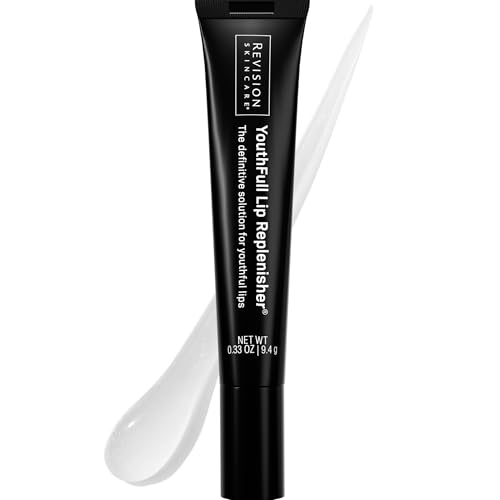
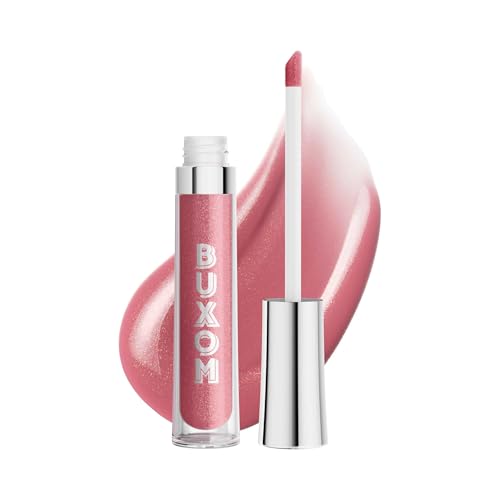

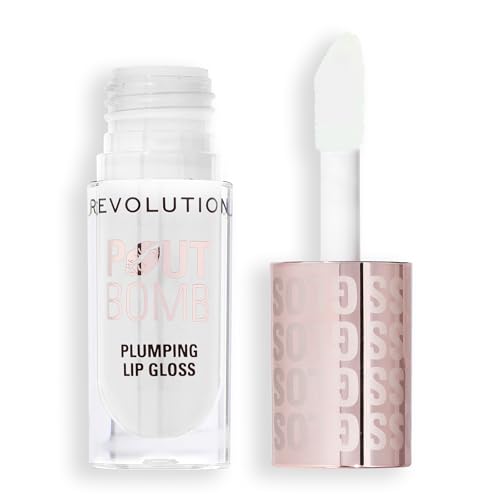
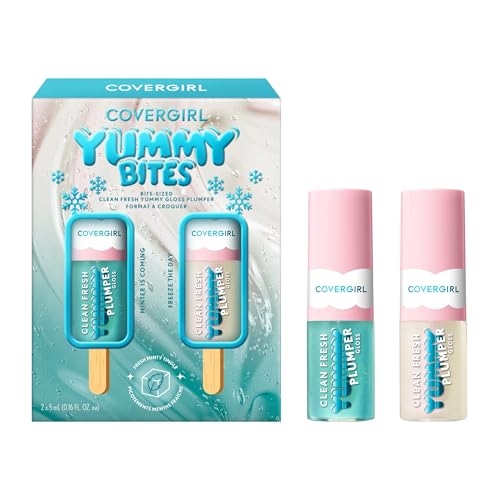
In Brief
- Suction devices and plumping glosses give temporary fullness only.
- Suction plumping can cause bruising and broken capillaries.
- Plumping glosses work by mild irritation from capsaicin, peppermint or cinnamon.
- Hydration and shine make lips look fuller with little risk.
- Needle-free filler pens are not approved by the FDA and should be avoided.
- Dermal fillers give longer-lasting volume but are a medical procedure.
- Patch test glosses and start suction sessions very short.
Jump to a Section
- Lip Plumping Options Compared
- How Suction Lip Plumpers Work
- Plumping Glosses: Capsaicin, Peppermint and Irritation
- Risks: Bruising, Broken Capillaries and Reactions
- How to Use a Suction Lip Plumper Safely
- Honest Limits: Devices and Glosses vs Fillers
- What to Expect From a Lip Plumping Device
- Other Lip Plumping Gadgets to Treat With Caution
- Which Lip Plumping Option Suits You?
- Everyday Care for Fuller-Looking Lips
- Dos and Don’ts
- When to See a Dermatologist
- FAQ
- Where This Leaves You
Lip Plumping Options Compared
There are three broad ways to make lips look fuller without surgery. This table compares them in general terms; individual products and results vary.
| Option | How it works | How long it lasts | Main risks |
|---|---|---|---|
| Suction plumper device | Vacuum draws blood and fluid into the lips | Minutes to a few hours | Bruising, broken capillaries, swelling |
| Plumping gloss or oil | Mild irritants cause slight swelling; shine reflects light | Roughly an hour or two | Stinging, dryness, allergic reaction |
| Hydrating lip treatment | Humectants and emollients smooth and plump lines | While worn, builds with use | Low; possible allergy to ingredients |
| Makeup techniques | Liner and highlight create an illusion of volume | Until removed | Very low |
| Dermal filler | Injected gel adds volume under the skin | Months | Bruising, swelling, lumps, rare serious complications |
The safest starting point is usually hydration and makeup, with devices or glosses as an occasional extra.
How Suction Lip Plumpers Work
Suction lip plumpers come as simple silicone cups or plastic tubes you squeeze, and as electric devices with adjustable pressure. Both create a vacuum around the lips that draws blood and fluid into the tissue, which temporarily swells the lips.
- Manual silicone cups are cheap and simple but harder to control.
- Electric devices let you choose suction levels and timing.
- Single-lip and double-lip shapes change where the fullness appears.
- Results appear straight away and fade as the swelling goes down.
The effect is essentially controlled, mild swelling. That is why it works quickly, why it fades, and why too much suction or too long a session causes bruising. Electric devices are usually easier to control than manual cups because you can set a low pressure and a short timer, which makes them the better choice for most beginners. Whatever you choose, look for soft, body-safe silicone, a size that fits your mouth and clear instructions on session length.
Plumping Glosses: Capsaicin, Peppermint and Irritation
Plumping glosses rely on ingredients that irritate the lips slightly, increasing blood flow so the lips look a little fuller and redder. The tingling you feel is the irritation at work.
| Ingredient | What it does | Watch out for |
|---|---|---|
| Capsaicin or chilli extract | Warming, increases blood flow | Strong burning, eye irritation if transferred |
| Peppermint oil or menthol | Cooling tingle and mild swelling | Stinging, dryness with frequent use |
| Cinnamon or cinnamaldehyde | Warming and flushing | A known cause of allergic reactions |
| Ginger or other spices | Warming, mild plumping | Irritation on cracked lips |
| Hyaluronic acid or glycerin | Hydrates and smooths lip lines | Low risk; helps lips look fuller |
| Peptides | Marketed for plumping over time | Limited independent evidence |
Plumping glosses are cosmetics, so their plumping claims are not tested like medicines. Much of the visible effect comes from shine and hydration, which is why a simple glossy balm can look surprisingly similar.
If you like the tingle, use plumping glosses on healthy lips only and wipe them off if the burning feels strong rather than mild. Keep them away from the eyes and wash your hands after applying, especially with chilli-based formulas. People with sensitive skin, eczema around the mouth or a history of reactions to flavourings are usually better off with a hydrating gloss that gives shine without irritation.
Risks: Bruising, Broken Capillaries and Reactions
Both suction and plumping glosses can cause problems, especially if overused.
- Bruising around the lips and on the skin above the upper lip from strong suction.
- Broken capillaries, which can leave small red marks that may not fully fade.
- Swelling that looks uneven or lasts longer than expected.
- Sore, cracked or peeling lips from repeated irritating glosses.
- Allergic contact reactions to cinnamon, fragrance or flavourings.
- Cold sore flares in people prone to them after irritation or suction.
Do not use a suction plumper if you bruise easily, take blood-thinning medicines, have a cold sore or broken skin on the lips, or have recently had lip fillers. Stop immediately and seek medical advice if you notice blistering, severe swelling, numbness or lasting discolouration. Never use needle-free filler pens, which the FDA warns are not approved for injecting fillers.
How to Use a Suction Lip Plumper Safely
If you choose a suction device, gentle and short is the rule. Always follow the maker’s instructions, and use these steps as a general guide.
Check your lips
Only use on healthy lips with no cold sores, cuts or cracks.
Exfoliate gently and moisturise
Smooth lips with a soft cloth and apply a thin layer of balm so the seal is comfortable.
Start with the lowest setting
Choose the gentlest suction level or squeeze a manual cup only lightly.
Keep the first session short
Hold suction for a few seconds only, then release and check for redness or marks.
Build up slowly
Increase time gradually over several sessions, and stop well before any pain or tightness.
Release gently
Break the seal slowly to avoid a sudden pull on the tissue.
Soothe and wait
Apply balm and wait at least a day between sessions to see how your lips respond.
Test the device the evening before an event, not an hour before. If it leaves a bruise or an uneven shape, you want time for it to settle.
Honest Limits: Devices and Glosses vs Fillers
Devices and glosses cannot add real volume. They work by swelling, irritation and light reflection, so the effect is always temporary and usually modest. Using them more often or more forcefully does not make results last; it only raises the risk of bruising and damaged capillaries. Plumping glosses have the same ceiling: a stronger tingle does not mean a bigger or longer-lasting result.
Dermal fillers are a different category. The FDA’s page on dermal fillers lists lip augmentation among approved uses and describes common side effects such as bruising, redness and swelling, as well as rare but serious risks if filler enters a blood vessel. That is why fillers should only be given by a trained, licensed medical professional. Our guide on facial fillers vs muscle-relaxing injections explains how the two treatments differ and what each can realistically achieve.
What to Expect From a Lip Plumping Device
Knowing what normal looks like helps you spot when something has gone wrong.
| Stage | Suction plumper | Plumping gloss |
|---|---|---|
| During use | Tight pulling feeling, lips darken slightly | Tingling, warmth or cooling within minutes |
| Straight after | Fuller, slightly redder lips; edges may look less defined | Mild fullness, shine and a pinker colour |
| After an hour | Swelling starts to settle | Tingle and plumping fade |
| Later that day | Lips usually back to normal size | Lips back to normal; may feel dry |
| Warning signs | Purple marks, spreading bruises, blisters | Burning, rash, swelling beyond the lips |
Results also depend on your lips. People with naturally fuller or more defined lips often see a more visible change from suction, while very thin lips may swell unevenly. The shape of the device matters too: a cup that is too large can pull on the skin above the lip and leave a ring-shaped mark, sometimes called a suction outline, which is one reason to choose a size that fits your mouth.
Other Lip Plumping Gadgets to Treat With Caution
Beyond suction cups and glosses, social media promotes a range of lip gadgets. Some are harmless; others are risky.
- Needle-free filler pens push filler into the lips under pressure. The FDA warns these devices are not approved for injecting dermal fillers, and they can cause serious injury.
- DIY injection kits sold online carry risks of infection, lumps and blood vessel damage.
- Heated or vibrating lip tools mostly work through mild swelling, similar to suction.
- Bottle or glass suction tricks can cause severe bruising and should be avoided.
If a product promises filler-like results at home, treat that claim with suspicion. Real volume comes only from a medical procedure carried out by a trained professional.
Which Lip Plumping Option Suits You?
Your choice depends on how much change you want, how long you want it to last and how sensitive your lips are.
- Want a quick boost for photos or an evening: a plumping gloss or a gentle suction session.
- Have sensitive or dry lips: a hydrating balm or non-irritating gloss rather than spicy formulas.
- Bruise easily or take blood thinners: avoid suction; use makeup techniques instead.
- Want a subtle everyday look: lip liner slightly over the natural edge, with a lighter shade or gloss in the centre.
- Want lasting volume: book a consultation with a dermatologist or qualified medical injector.
Makeup is often the most reliable plumping tool of all. Our guide on how to apply lipstick on thin lips shows how liner, shade and highlight can make lips look fuller with no risk.
Everyday Care for Fuller-Looking Lips
Healthy, hydrated lips look fuller than dry, cracked ones, whatever device or gloss you use.
- Apply a balm with humectants and emollients several times a day.
- Use a lip balm with broad-spectrum SPF outdoors, as lips burn easily.
- Avoid licking your lips, which dries them further.
- Drink enough water and use a humidifier in dry weather if needed.
- Remove long-wear lipstick gently at night and apply a rich balm.
If the skin around your mouth is dry or flaky, our guide on patchy dry skin around the mouth covers gentle fixes.
Dos and Don’ts
Do
- Start suction at the lowest setting
- Patch test plumping glosses
- Keep lips moisturised
- Use SPF on your lips
- See a medical professional for fillers
Don’t
- Use suction on cold sores or cracked lips
- Hold suction until it hurts
- Use spicy glosses on irritated lips
- Buy needle-free filler pens
- Expect permanent results from devices
When to See a Dermatologist
- Bruising, swelling or discolouration lasts more than a few days.
- You develop a rash, blisters or lasting soreness after a plumping gloss.
- You get frequent cold sores or cracked lips that do not heal.
- You are considering lip fillers and want safe, qualified treatment.
This article is for general information and does not replace professional medical advice. See a board-certified dermatologist or qualified medical practitioner for lip reactions, skin conditions or before any injectable treatment.
FAQ
What is the best lip plumping device?
A gentle suction plumper with adjustable settings, used briefly and carefully.
Do suction lip plumpers work?
Yes, temporarily, by drawing fluid into the lips.
How long do lip plumper results last?
Usually from a few minutes to a few hours.
Can lip plumpers cause bruising?
Yes, especially with strong or long suction.
Are plumping glosses safe?
Generally yes for most people, but they can sting or cause allergy.
Why do lip plumpers tingle?
Ingredients such as capsaicin, peppermint or cinnamon irritate the lips slightly.
Can lip plumpers make lips bigger permanently?
No, the effect always fades.
Are hyaluron pens safe?
The FDA warns needle-free devices are not approved for injecting fillers.
Are lip plumpers better than fillers?
They are lower commitment but much weaker and shorter-lived.
Can I use a lip plumper every day?
Glosses often yes if tolerated; suction is best used occasionally.
Where This Leaves You
Suction lip plumpers and plumping glosses can give a quick, temporary boost to lip fullness, but they work through swelling, irritation and shine, not by adding volume.
Start gently, keep lips healthy and hydrated, avoid needle-free filler pens and see a qualified medical professional if you want lasting volume.

Written by
Registered pharmacist and founder of Facial Adviser. Rakib's pharmacy training covers how skincare actives work and interact; a later course in cosmetology turned that into a focus on facial treatments and skincare products. He plans, researches and edits every guide on the site and checks health claims against sources such as the American Academy of Dermatology, the FDA and the NIH. He is not a dermatologist; see the Editorial Policy and Medical Disclaimer.
About · Editorial policy · How we choose products · Medical disclaimer · Contact
Keep reading: Lipstick
- How to Choose Lipstick Shade: Undertone, Skin Tone and Testing Tips
- How to Make Lipstick Last Longer Chemically: Formulas, Stains and Setting
- How to Keep Lipstick Under a Mask: Transfer-Proof Tips That Work
- Balancing a Heavy Eye and a Light Lip: How to Get It Right
- When Can You Wear Makeup After Lip Filler?
- How to Sanitize Lipstick: Alcohol Method, After Illness and Testers
- How to Properly Put On Face Makeup: The Right Order, Step by Step
- How to Find the Right Shade of Makeup: Undertone, Depth and Testing