Best Body Microcurrent Device: Evidence, Safety and How to Choose
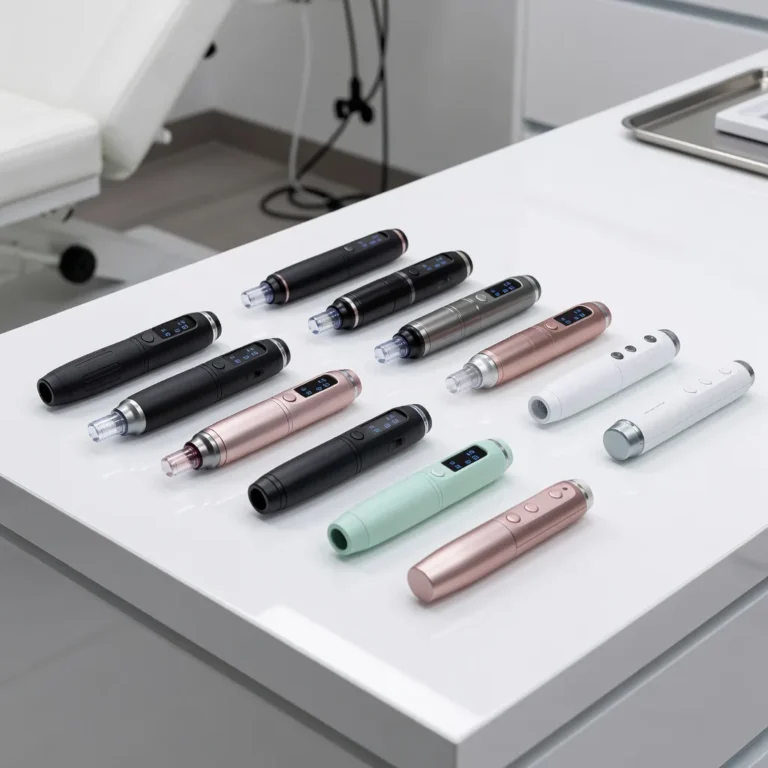
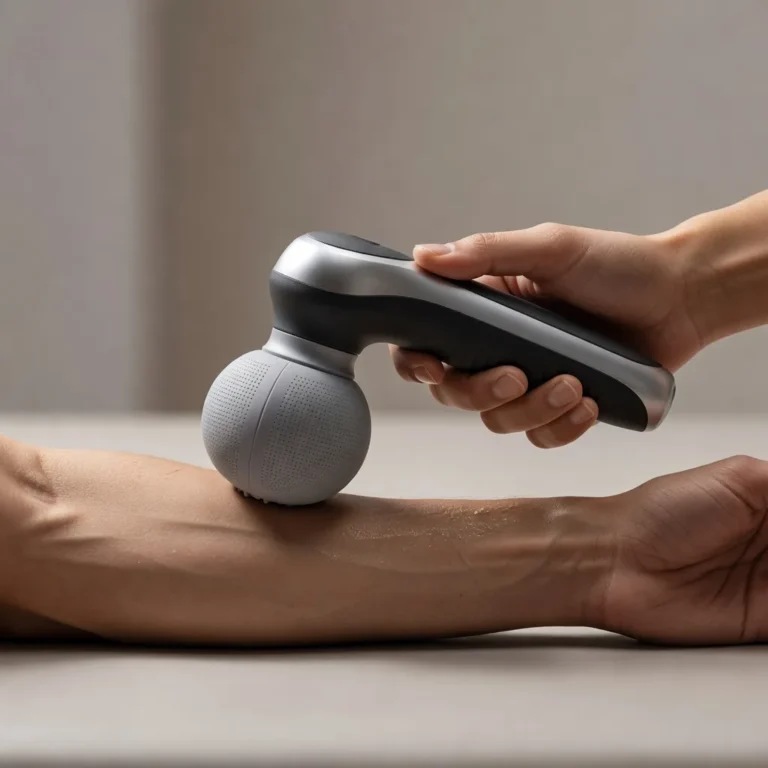
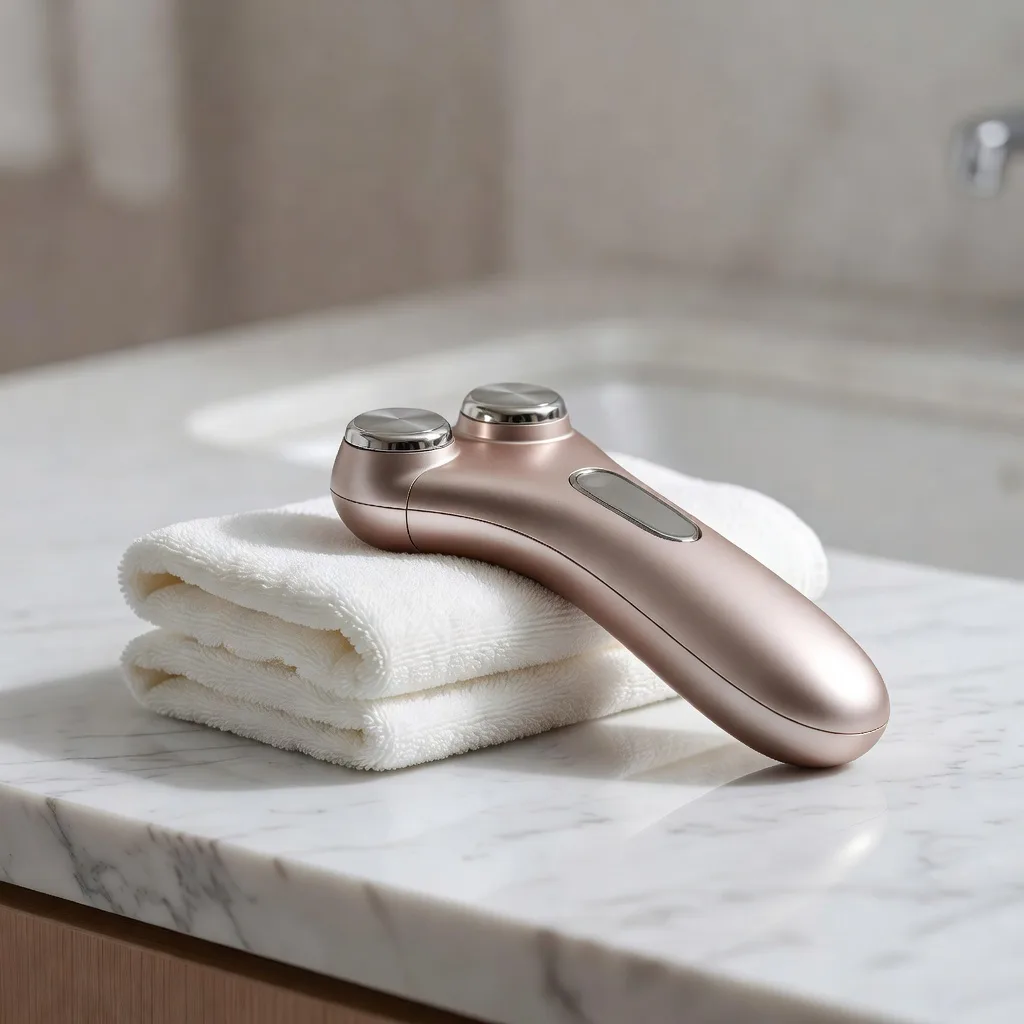
Body microcurrent devices are sold for firmer arms, smoother thighs and a more toned look to the stomach and buttocks. They send a very low electrical current through the skin, usually with a pair of metal spheres or a flat head glided over conductive gel. The idea is appealing, but body claims run well ahead of the research.
Part of our guide to at-home facial devices. Start with: How to Incorporate Microcurrent Into Your Routine: Gel, Timing and Safety
The best body microcurrent device is one with adjustable intensity, an automatic timer, a head large enough for the body, clear instructions on conductive gel and a full list of contraindications. Honestly, evidence for microcurrent on the body is thin: most studies are small, focus on the face and show subtle, temporary improvements in firmness at best. No microcurrent device burns fat, removes cellulite or replaces exercise. Never use one if you have a pacemaker or other implanted electronic device, are pregnant, have epilepsy or have cancer, and avoid the chest, throat and broken skin. Treat it as a pleasant, low-level toning extra, not a body contouring treatment.
In short: choose a safe, well-documented device, check you can use it, expect modest and temporary results, and keep exercise and skincare as the real foundations.
The US Food and Drug Administration warns that electronic muscle stimulators are not cleared for weight loss or girth reduction and have been linked to shocks, burns and interference with pacemakers.
This buyer’s guide explains how microcurrent differs from EMS, which features matter, who must avoid it, and how to use and clean a device safely.
Shopping these picks?
Amazon Prime members get fast, free shipping on eligible items, plus Prime Video, Amazon Music and member deals. New members can start with a free trial.
Start a free Prime trialAged 18 to 24? Prime for Young Adults comes with a longer free trial and a lower price after it.
Affiliate link: we may earn a commission at no extra cost to you.
Recommended Body Microcurrent Devices on Amazon



At a Glance
- Body microcurrent evidence is limited, small and mostly face-focused.
- It does not burn fat, remove cellulite or replace exercise.
- Pacemakers, implanted devices, pregnancy, epilepsy and cancer are key contraindications.
- Never use it over the chest, throat, broken skin or varicose veins.
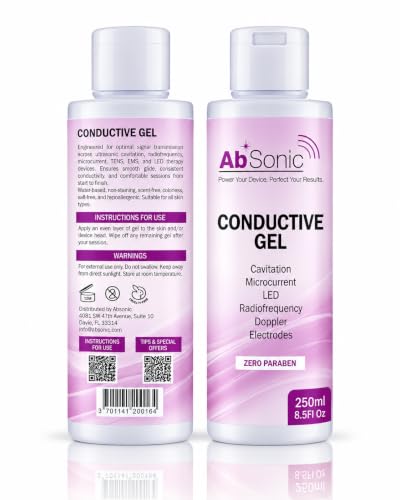
- Conductive gel is essential for comfort and safety.
- Look for adjustable intensity, an automatic timer and clear instructions.
- Any firming effect fades if you stop using it.
Contents
- What Is a Body Microcurrent Device?
- Microcurrent vs EMS vs Radiofrequency
- Does Body Microcurrent Work? The Honest Evidence
- Who Should Not Use a Body Microcurrent Device
- Features to Look For in a Body Microcurrent Device
- Red Flags When Shopping
- How to Use a Body Microcurrent Device Safely
- Fitting Microcurrent Into a Realistic Body Routine
- Cleaning and Storing Your Device
- Dos and Don’ts
- Honest Limits
- When to See a Dermatologist
- Questions People Ask
- The Bottom Line
What Is a Body Microcurrent Device?
Microcurrent devices deliver a current measured in millionths of an amp, usually too low to feel. Supporters say it boosts cell energy and gently stimulates muscles so skin looks firmer. Body versions are typically larger than facial devices, with bigger spheres or plates designed to cover thighs, arms and the abdomen more quickly.
The same technology is used for the face, where it has a little more research. Our guide on the device that mimics the body’s natural electrical energy explains the theory behind facial microcurrent, and much of it carries over to body devices.
Many listings mix up microcurrent, EMS and radiofrequency. They are different technologies with different sensations, risks and claims, so check which one you are actually buying.
Microcurrent vs EMS vs Radiofrequency
Understanding the difference helps you read product claims more critically.
| Technology | What you feel | Typical claim | Evidence for body use |
|---|---|---|---|
| Microcurrent | Usually nothing, or a faint tingle | Firmer, toned-looking skin | Limited and small |
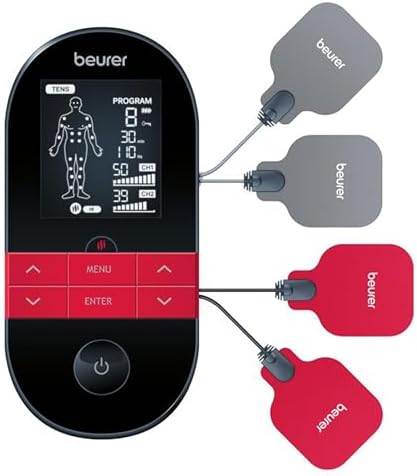
| EMS (electrical muscle stimulation) | Visible muscle twitching or contractions | Stronger, toned muscles | Can temporarily tone muscles; not cleared for fat loss |
| Radiofrequency | Warmth | Skin tightening, smoother texture | Better studied in clinic devices |
| Combined devices | Varies by mode | All of the above | Depends on each mode |
The FDA’s consumer page on electronic muscle stimulators says these devices may temporarily strengthen, tone or firm a muscle but will not produce significant changes in appearance without diet and exercise, and that none are cleared for weight loss or girth reduction. Microcurrent uses much lower currents than EMS, but the same caution about bold body claims applies. Our comparison of microcurrent vs radiofrequency covers the difference in more detail.
Does Body Microcurrent Work? The Honest Evidence
It helps to be clear about what the research can and cannot tell you. Most published research on microcurrent looks at the face, uses small groups and short follow-up, and is often funded by device makers. Studies specifically on the body are fewer still, and many combine microcurrent with massage, creams or other technologies, so it is hard to say which part made the difference. Where improvements are reported, they are usually subtle changes in how firm or smooth skin looks, measured over weeks of regular use.
- Plausible: a mild, temporary firmer look and smoother feel with consistent use.
- Unproven: lasting skin tightening, collagen building or visible muscle definition from microcurrent alone.
- Not supported: fat loss, inch loss, cellulite removal or detox effects.
- Reality check: results fade within days to weeks of stopping, so it becomes an ongoing routine.
If a listing promises that you can lose inches, melt fat or replace the gym, treat the whole product with suspicion. Honest brands talk about toning and firming appearance, not reshaping your body.
Who Should Not Use a Body Microcurrent Device
Contraindications are the most important part of choosing a device, because they decide whether you can use one at all. Read them before you buy, not after the device arrives, and keep the leaflet somewhere you can find it.
Do not use a body microcurrent device if you have a pacemaker, implanted defibrillator or any implanted electronic device, are pregnant, have epilepsy or a seizure disorder, or have active cancer. Never use it over the chest or heart, the front or sides of the neck, broken or infected skin, varicose veins, blood clots or metal implants. Ask your doctor first if you have heart disease, diabetes with reduced sensation or any condition you are unsure about.
- Pregnancy: avoid entirely, including the abdomen and lower back.
- Breastfeeding: avoid the chest area and ask your doctor.
- Recent surgery, liposuction or cosmetic injections: wait for medical clearance.
- Reduced skin sensation: you may not notice a problem such as irritation.
- Children: these devices are not designed for them.
Features to Look For in a Body Microcurrent Device
Once you know you can use one safely, compare devices on design, control and information rather than headline promises. A simple device with one well-explained mode is usually easier to use correctly than a multi-mode gadget with vague instructions.
| Feature | What to look for | Why it matters |
|---|---|---|
| Head size and shape | Larger spheres or plates for body areas | Covers the skin evenly without taking forever |
| Intensity control | Several levels, starting very low | Lets you stay comfortable and build up gradually |
| Automatic timer | Shuts off after a set time | Prevents overuse on one area |
| Gel guidance | Clear instructions on conductive gel | Gel helps current flow comfortably |
| Contraindication list | Detailed and prominent | A sign the maker takes safety seriously |
| Electrical safety | Certified charger and sealed casing | The FDA has warned of shocks and burns from poor-quality devices |
| Water resistance | Stated clearly | Most should not be used in the shower |
Red Flags When Shopping
Some warning signs are easy to spot in a product listing.
- Promises of fat loss, inch loss, cellulite removal or a six-pack.
- FDA approved or FDA certified wording, which is misleading for this kind of device.
- No list of contraindications, or a very short one.
- No information on intensity, treatment time or gel.
- Uncertified chargers, loose cables or devices with no brand contact details.
- Before-and-after photos with different lighting, posture or clothing.
A device that cannot tell you who should not use it is not one to trust on your body. Reviews can help, but read the negative ones closely: repeated mentions of stinging, sudden jolts, charging faults or a head that stops working after a few weeks tell you more than a page of five-star ratings. Also check that replacement parts, chargers and customer support are available, because a body device is only useful if it keeps working for months.
How to Use a Body Microcurrent Device Safely
Always follow the maker’s instructions. These general steps help you get a comfortable, consistent session.
Check contraindications
Confirm none apply to you and ask your doctor if unsure.
Clean and dry the skin
Remove lotions, oils and self-tan from the area first.
Apply conductive gel
Use a generous, even layer; dry skin can make the current uncomfortable.
Start on the lowest setting
Increase only if comfortable; you should not feel pain or stinging.
Glide slowly in one direction
Move upwards over the area, keeping the head in full contact with the gel.
Stop when the timer ends
Most areas need only a few minutes; do not repeat on the same day.
Clean the device and skin
Wipe off the gel, clean the head and moisturise the area.
Reapply gel as soon as the device stops gliding smoothly. Many uncomfortable sessions are simply caused by the gel drying out.
Fitting Microcurrent Into a Realistic Body Routine
Consistency matters more than intensity. A short, comfortable session several times a week is more realistic than long, strong sessions you dread. If you decide to try a body device, it works best as a small extra alongside proven habits rather than as the main plan. Strength training builds muscle tone that no gadget can match, and regular moisturising improves how skin on the arms and legs feels and looks.
- Use the device a few times a week, not several times a day.
- Pair it with strength or resistance exercise for the same area.
- Moisturise daily, especially on the thighs, arms and knees.
- Use sunscreen on exposed limbs, because sun damage loosens skin over time.
- Take photos every few weeks to judge whether it is worth continuing.
Our guide on how to incorporate microcurrent into your routine covers timing, frequency and gel for facial devices, and the same principles work for the body.
Cleaning and Storing Your Device
Dried gel collects around the spheres and seams and can harbour bacteria, especially if the device is used on several body areas or shared between people, which is best avoided. Wipe the treatment head with a damp cloth after every session, then dry it. Use alcohol wipes only if the maker permits them.
- Never submerge the device unless it is clearly labelled waterproof.
- Charge only with the supplied or certified charger.
- Store it dry, away from steamy bathrooms and children.
- Stop using it if the casing cracks, the head loosens or it gets hot.
Dos and Don’ts
Helps
- Read the full contraindication list first
- Use plenty of conductive gel
- Start on the lowest intensity
- Stick to the recommended time
- Combine it with exercise and moisturiser
Backfires
- Use it with a pacemaker or implanted device
- Use it during pregnancy
- Use it over the chest, throat or broken skin
- Believe fat loss or cellulite claims
- Use a device with a damaged casing or cable
Honest Limits
Body microcurrent is a low-risk option for most healthy adults when used correctly, but it is also a low-impact one. Any firming effect is subtle and temporary, and research on the body is too limited to promise results.
It is also worth remembering that many body concerns are normal. Cellulite affects most adult women, and softer skin on the arms and thighs is part of ageing, not a problem a device is obliged to fix. Loose skin after weight loss, cellulite and stubborn fat respond far better to exercise, time, clinic treatments or medical advice than to a handheld device. If those are your main goals, a consultation with a dermatologist or doctor will give you a clearer, more realistic plan.
When to See a Dermatologist
- Redness, burns, blisters or a rash after using the device.
- Pain, numbness or tingling that lasts after a session.
- Any heart symptoms such as palpitations during or after use.
- An implant, pregnancy or medical condition you are unsure about.
- A lump, swelling or skin change in an area you treat.
This article is for general information only and does not replace medical advice. Always check with your doctor before using an electrical stimulation device if you have a medical condition, implant, are pregnant or breastfeeding.
Questions People Ask
What is the best body microcurrent device?
One with adjustable intensity, a timer, a large head and clear contraindications.
Does body microcurrent really work?
Evidence is limited; any firming effect is subtle and temporary.
Can microcurrent burn fat?
No, no microcurrent device is shown to burn fat or reduce inches.
Can microcurrent reduce cellulite?
There is no good evidence that it does.
Is microcurrent safe with a pacemaker?
No, avoid it with any implanted electronic device.
Can I use microcurrent while pregnant?
No, avoid it during pregnancy.
Do I need conductive gel?
Yes, it helps the current flow comfortably and safely.
How often should I use it?
A few times a week, following the maker’s time limits.
Is microcurrent the same as EMS?
No, EMS makes muscles contract; microcurrent uses much lower current.
How long do results last?
Usually days to weeks; they fade if you stop.
The Bottom Line
The best body microcurrent device is a well-documented one with adjustable intensity, a timer, a body-sized head and a clear list of who should not use it, sold with honest claims about subtle, temporary firming.
Check the contraindications first, use plenty of gel and the lowest comfortable setting, and keep exercise, moisturiser and sunscreen as the real foundations of firmer-looking skin.

Written by
Registered pharmacist and founder of Facial Adviser. Rakib's pharmacy training covers how skincare actives work and interact; a later course in cosmetology turned that into a focus on facial treatments and skincare products. He plans, researches and edits every guide on the site and checks health claims against sources such as the American Academy of Dermatology, the FDA and the NIH. He is not a dermatologist; see the Editorial Policy and Medical Disclaimer.
About · Editorial policy · How we choose products · Medical disclaimer · Contact
Keep reading: Microcurrent and RF devices
- How to Incorporate Microcurrent Into Your Routine: Gel, Timing and Safety
- Thermage Treatment: What Actually Happens
- Electric Current Facial: Galvanic vs. Microcurrent
- Radiofrequency Facial: What FDA Clearance Really Means
- Microcurrent Facial: Steps, Benefits, Cost
- Galvanic Facial Treatments: What Actually Works
- 10 Best Products for Women's Facial Hair Removal (2026): Gentle Picks
- 10 Best Gua Sha Facial Tools (2026): Stone and Steel Picks Compared