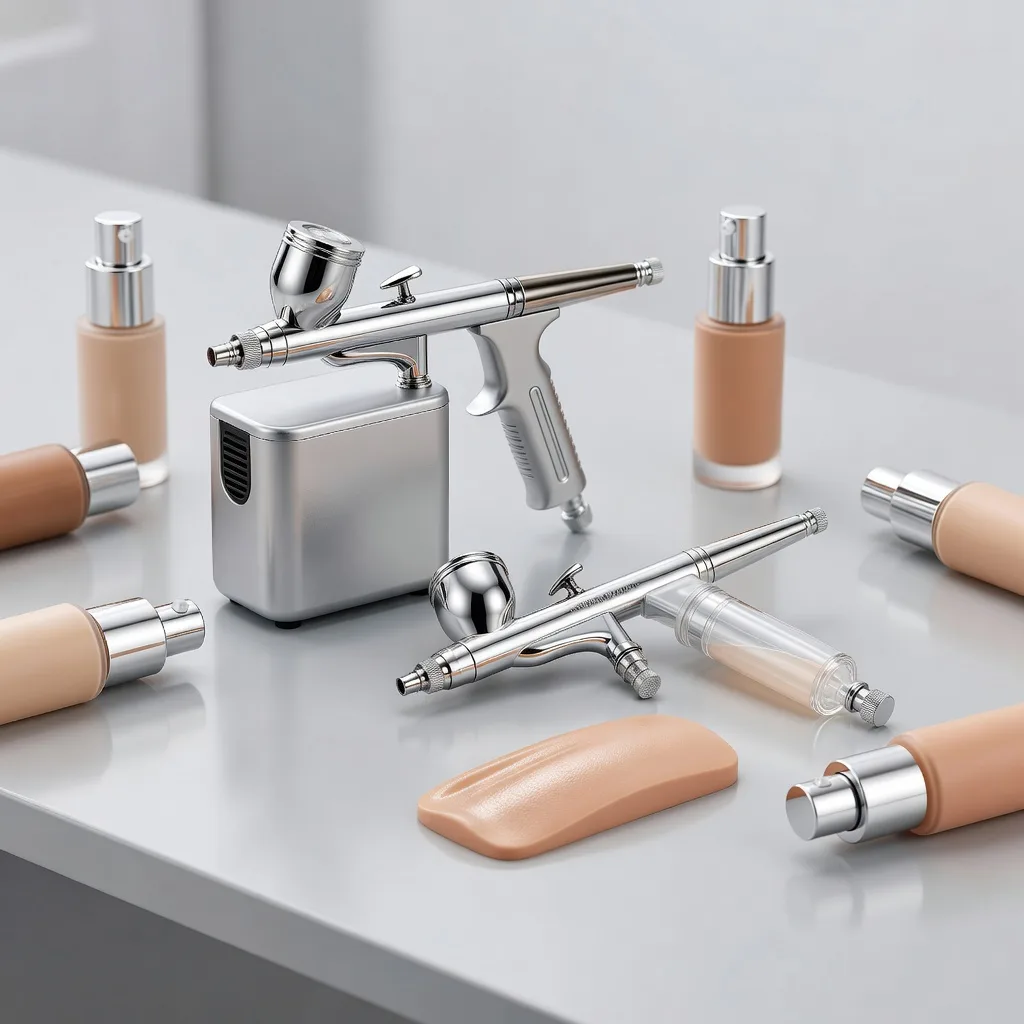
Best Airbrush Makeup Kit: How They Work, What to Look For and Avoid
Airbrush makeup sprays a fine mist of foundation onto the skin instead of spreading it with a brush, sponge or fingers. It is popular for weddings, photo shoots and stage work because it can give a thin, even layer that lasts. Home kits have made it more accessible, but they come with a learning curve and a cleaning routine that brushes do not need.
Part of our guide to makeup tools. Start with: 10 Best Makeup Brush Sets (2026): Soft, Well-Made Kits for Every Look
The best airbrush makeup kit for most home users is one with a quiet compressor that has adjustable, low pressure settings, a gravity-fed airbrush with a small cup that is easy to take apart and clean, and foundations made specifically for airbrush use in a formula that suits your skin. Water-based formulas feel light and suit dry or sensitive skin, silicone-based formulas last longer and resist sweat, and alcohol-based formulas are the most long-wearing but can be drying. Avoid hobby, nail or tattoo airbrushes, kits without clear cleaning instructions and thick regular foundation that clogs the nozzle.
In short: choose adjustable low pressure, an easy-to-clean airbrush and a foundation made for airbrushing that suits your skin type, and plan to clean it every time.
Because airbrush foundation covers a large area of skin, it is worth patch testing. The US Food and Drug Administration’s information on allergens in cosmetics explains that some people react to particular ingredients, even in products that suit most users.
This buyer’s guide explains how airbrush kits work, compares formulas and features, lists what to avoid and shows how to use and clean an airbrush safely.
Shopping these picks?
Amazon Prime members get fast, free shipping on eligible items, plus Prime Video, Amazon Music and member deals. New members can start with a free trial.
Start a free Prime trialAged 18 to 24? Prime for Young Adults comes with a longer free trial and a lower price after it.
Affiliate link: we may earn a commission at no extra cost to you.
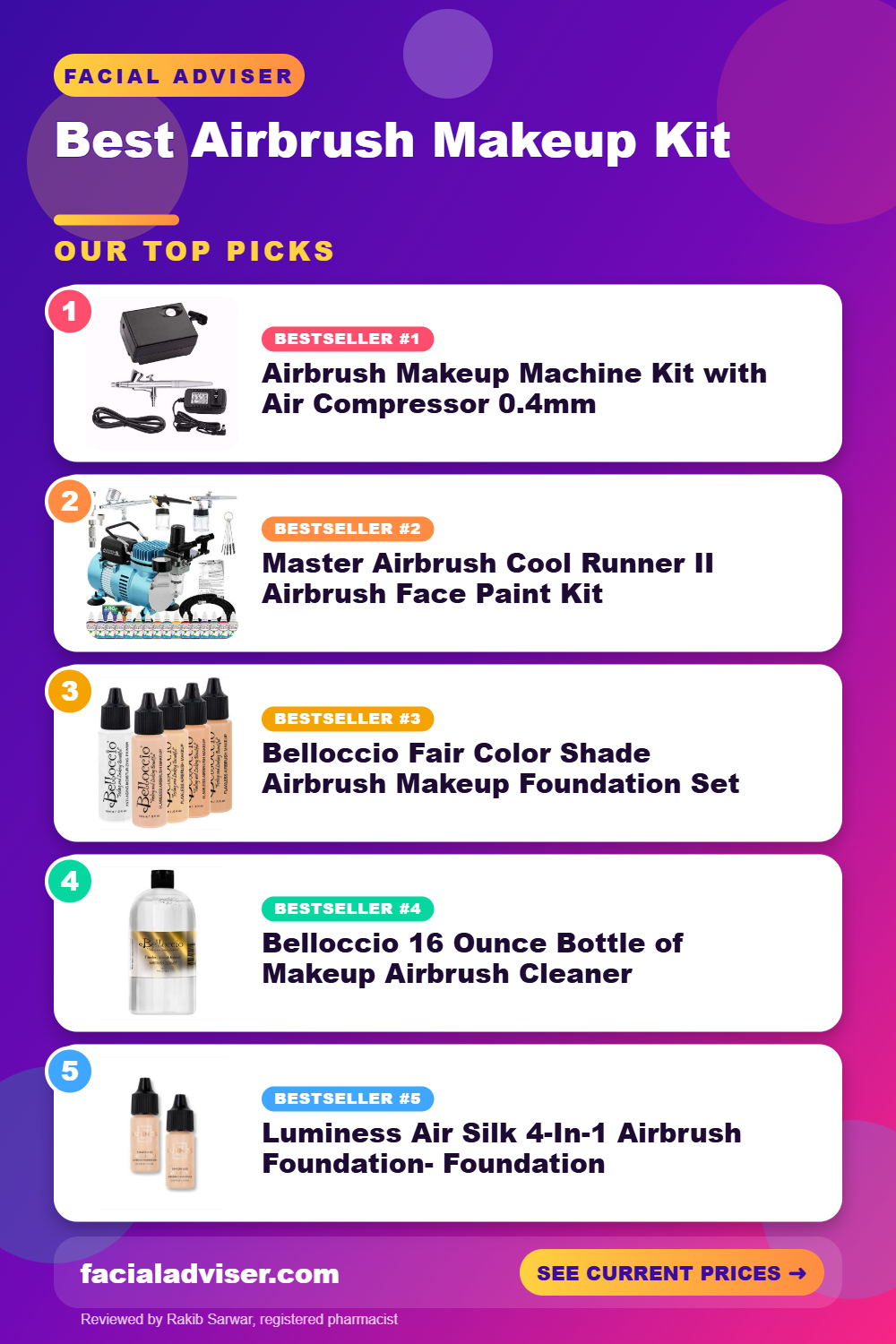
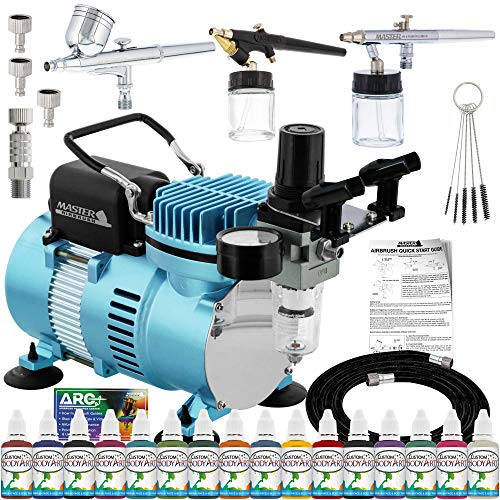
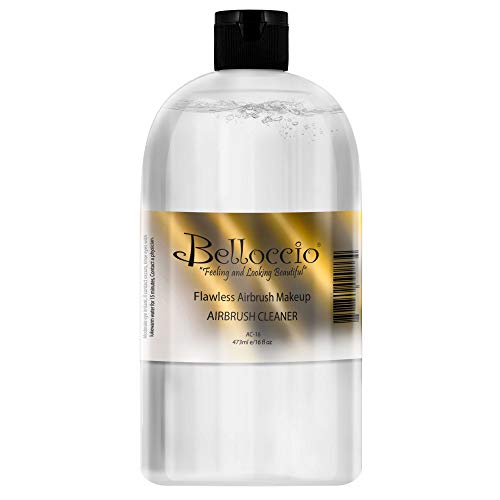
Recommended Airbrush Makeup Kits on Amazon


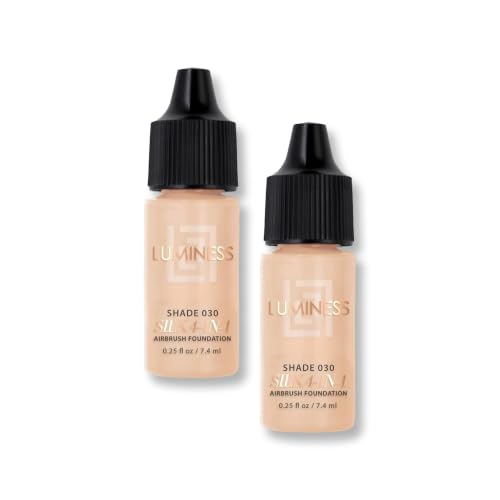
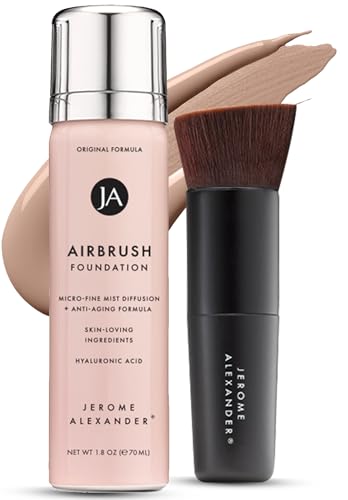
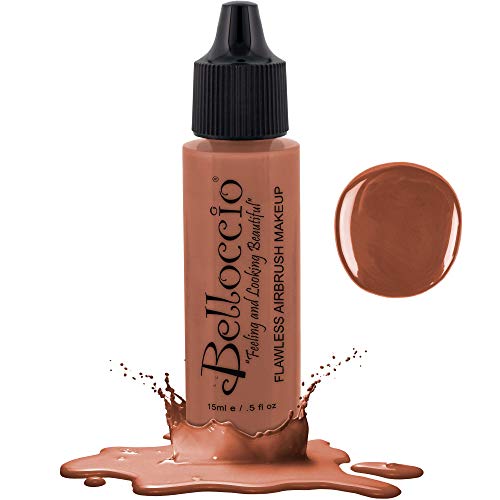
What to Know First
- An airbrush kit has a compressor, a hose, an airbrush and airbrush-specific makeup.
- Low, adjustable pressure is the most important compressor feature for the face.
- Water-based formulas are lightest; silicone lasts longer; alcohol-based lasts longest but can dry skin.
- Only use makeup made for airbrushing, or thinned as the maker directs.
- Close your eyes and mouth and work in a ventilated room.
- Clean the airbrush after every session to prevent clogs and contamination.
- Airbrushing has a learning curve and does not hide raised texture.
In This Guide
- How an Airbrush Makeup Kit Works
- Airbrush Foundation Formulas Compared
- Features to Look For in a Kit
- What to Avoid
- How to Apply Airbrush Foundation Step by Step
- Safety: Eyes, Breathing and Skin
- How to Clean an Airbrush Makeup Kit
- Who an Airbrush Kit Suits and Who It Does Not
- Using an Airbrush for Blush, Bronzer and Highlighter
- Dos and Don’ts
- Honest Limits
- When to See a Dermatologist
- Frequently Asked Questions
- Summing Up
How an Airbrush Makeup Kit Works
A home kit usually has four parts that work together.
- Compressor: a small motor that pushes a steady stream of air, ideally with adjustable pressure.
- Hose: connects the compressor to the airbrush.
- Airbrush: a pen-shaped tool with a small cup, a needle and a nozzle that turns liquid makeup into a fine mist.
- Makeup: thin, liquid foundations, blush, bronzer or highlighter formulated for spraying.
When you press the trigger, air flows through the airbrush and draws makeup from the cup, breaking it into tiny droplets. Several light passes build coverage gradually. Single-action airbrushes release air and makeup together, while dual-action ones let you control air and product separately, which offers more control but takes more practice. Cordless kits with a built-in battery compressor are more portable but may give less steady pressure.
Airbrush Foundation Formulas Compared
The formula decides how the makeup feels, how long it lasts and how easy it is to remove.
| Formula | Feel and finish | Wear | Best for | Watch out for |
|---|---|---|---|---|
| Water-based | Light, natural, often satin | Moderate | Dry, sensitive or mature skin, everyday use | Less resistant to sweat and humidity |
| Silicone-based | Smooth, blurring, slightly dewy | Long | Most skin types, events, photos | Needs a thorough cleanse to remove |
| Alcohol-based | Very thin, matte | Very long, water-resistant | Stage, body makeup, hot conditions | Can dry or irritate sensitive skin |
| Hybrid | Varies | Long | Oily and combination skin | Check the label for alcohol content |
Our guide on what makes foundation waterproof explains why silicone and alcohol-based formulas resist sweat and water better than water-based ones.
Features to Look For in a Kit
These features matter most for comfortable, even results at home.
| Feature | Why it matters |
|---|---|
| Adjustable low pressure | Soft pressure is gentler on the face and gives more control |
| Quiet compressor | Easier to use at home and less stressful to learn with |
| Gravity-fed airbrush with small cup | Uses small amounts of makeup and is easy to clean |
| Easy disassembly | You need to reach the needle and nozzle to clean properly |
| Clear instructions | Especially for cleaning and troubleshooting clogs |
| Shade range for your skin | A kit is useless if none of its foundations match you |
| Airbrush-specific cleaner or clear guidance | Reduces clogs and keeps the tool hygienic |
Choosing a shade is harder with airbrush makeup because you cannot swatch it easily. Our guide on how to find the right shade of makeup explains undertones and testing, and many airbrush users mix two shades in the cup to get a match.
What to Avoid
- Airbrushes and compressors sold for nails, cake decorating, models or tattoos, which may run at pressures and use parts not meant for the face.
- Using ordinary thick liquid foundation that has not been thinned as the maker directs, which clogs the nozzle and sprays unevenly.
- Alcohol-based formulas on dry, sensitive or eczema-prone skin without patch testing.
- Kits with no information on how to take the airbrush apart and clean it.
- Very loud compressors with fixed high pressure.
- Sharing an airbrush and makeup cup between people without thorough cleaning.
Airbrush makeup is not automatically lighter or better for skin. It lays down a thin film, but the ingredients are still makeup ingredients, and how your skin reacts depends on the formula, not the application method.
How to Apply Airbrush Foundation Step by Step
Practise on the back of your hand or a paper towel before you spray your face.
Prepare the skin
Cleanse, moisturise and apply sunscreen, then let them absorb fully so the makeup does not slide.
Test the spray
Add a few drops of makeup to the cup and spray onto a tissue to check the flow and pressure.
Close your eyes and mouth
Hold your breath briefly as you spray near the eyes and nose, and keep the room ventilated.
Hold the airbrush at a distance
Keep it several inches from the skin and move in small, continuous circles.
Build in thin layers
Mist the whole face lightly, then add another pass only where you need more coverage.
Spot conceal
Move closer and use lower flow for small areas such as redness or marks.
Let it dry
Wait a minute before adding blush, bronzer or powder, and avoid touching the face.
Keep the airbrush moving at all times. Stopping in one spot while spraying causes wet patches and drips, which are the most common beginner mistake.
Safety: Eyes, Breathing and Skin
Spraying makeup close to the face brings a few risks that brushes do not.
- Always close your eyes when spraying near them, and never spray directly into the eyes.
- Work in a well-ventilated room and avoid breathing in the mist.
- Keep the pressure low for the face, especially around the eyes and nose.
- Patch test a new foundation on a small area of skin for a day or two.
- Remove airbrush makeup thoroughly at night, using a double cleanse for silicone and alcohol-based formulas.
Stop using airbrush makeup if you notice itching, stinging, redness, eye irritation, coughing or wheezing. People with asthma or other breathing problems should take extra care with any sprayed product. Never share an airbrush or makeup that has been in contact with another person’s skin without cleaning it thoroughly.
How to Clean an Airbrush Makeup Kit
Cleaning is the part many people underestimate. Dried makeup clogs the needle and nozzle, and leftover product in a warm, damp cup is a place for microbes to grow. The FDA’s guidance on microbiological safety and cosmetics notes that some microorganisms grow faster in warm or damp conditions and that sharing cosmetics can mean sharing germs.
- After each session, empty the cup, add the recommended cleaner and spray it through until it runs clear.
- Wipe the cup with a lint-free cloth or cotton bud.
- Back-flush if the maker recommends it, following their instructions.
- Take the airbrush apart and clean the needle and nozzle regularly, handling the needle gently.
- Store the airbrush dry and covered, and keep makeup bottles tightly closed.
- Replace worn seals and damaged needles rather than forcing them.
Our guide on how to sanitise makeup tools covers general hygiene for all your makeup equipment.
Who an Airbrush Kit Suits and Who It Does Not
Airbrushing is useful for some people and more trouble than it is worth for others.
It suits people who wear full-coverage makeup for events or photos, who want a very thin, even layer, or who cover large areas such as the neck, chest or legs. It is less suited to people who wear light makeup daily, have limited time for cleaning, or have very dry, flaky patches that the mist can catch on. A good foundation brush or damp sponge gives a similar finish with far less equipment for many everyday users. If you are unsure, trying airbrush makeup once with a trained makeup artist is a useful way to see whether you like the finish and the feel before investing in a kit of your own.
Using an Airbrush for Blush, Bronzer and Highlighter
Many kits include airbrush blush, bronzer and highlighter as well as foundation. These give a soft, diffused finish that blends into the base, but they need a lighter touch than foundation because a small amount of colour shows quickly.
- Rinse the cup and spray cleaner through before changing from foundation to colour.
- Use the lowest flow and hold the airbrush a little further away for a sheer wash.
- Build colour in short bursts, checking in the mirror between passes.
- Spray highlighter only on the high points, keeping it away from the eyes.
- Keep a clean brush or sponge to soften any colour that goes on too strong.
If you are new to airbrushing, master foundation first and add colour later with your usual brushes. Mixing techniques is common and gives you more control while you learn.
Dos and Don’ts
Try This
- Choose low, adjustable pressure
- Use makeup made for airbrushing
- Practise on a tissue first
- Close eyes and mouth while spraying
- Clean the airbrush after every use
Avoid This
- Buy a nail or hobby airbrush for your face
- Pour thick regular foundation into the cup
- Stop moving while spraying
- Spray in a small, closed room
- Share airbrush makeup without cleaning
Honest Limits
Airbrush makeup gives a thin, even layer and good wear, but it does not hide raised texture such as bumps, deep acne scars or flaky patches. The mist settles over texture rather than filling it, and dry patches can look more obvious.
There is also a real learning curve. Many people need several sessions before results look as smooth as brush or sponge application, and a kit only saves time if you use it often and keep it clean. For occasional events, booking a trained artist may be more practical than buying equipment. Airbrush makeup also still needs good skin prep: moisturiser, sunscreen and time for both to settle make as much difference to the final finish as the airbrush itself, and skipping them can leave the mist patchy or short-lived. Coverage is also limited by the formula, so a sheer foundation will stay sheer however many passes you make.
When to See a Dermatologist
- Your skin becomes red, itchy or flaky after airbrush makeup.
- You develop eye irritation that lasts after removing makeup.
- Breakouts appear after starting a silicone or alcohol-based formula.
- You react to several makeup products and want patch testing.
This article is for general information and does not replace professional medical advice. Patch test new products, follow the kit maker’s instructions, stop using anything that irritates your skin, eyes or breathing, and see a doctor or board-certified dermatologist for persistent reactions.
Frequently Asked Questions
Is an airbrush makeup kit worth it?
It is worth it if you often wear full-coverage makeup and will clean it regularly.
Is airbrush makeup better than foundation with a brush?
It can look thinner and last longer, but it has a learning curve.
Can I use regular foundation in an airbrush?
Only if the maker allows it and it is thinned as directed.
Which airbrush formula is best for dry skin?
Usually water-based.
Which airbrush formula lasts longest?
Alcohol-based, followed by silicone-based.
Is airbrush makeup safe for sensitive skin?
Often, with a water-based formula and a patch test.
Does airbrush makeup cover acne?
It covers redness well but not raised bumps or deep texture.
How often should I clean my airbrush?
After every use, with a deeper clean regularly.
Can I use a nail airbrush for makeup?
It is best to use a kit designed for makeup.
How do I remove airbrush makeup?
A thorough cleanse, often a double cleanse for long-wear formulas.
Summing Up
The best airbrush makeup kit has a quiet compressor with low, adjustable pressure, an easy-to-clean airbrush and foundations made for airbrushing in a formula that suits your skin.
Practise before an event, close your eyes and work in a ventilated room, clean the airbrush after every session and remember that a good brush or sponge can do the job for everyday wear.

Written by
Registered pharmacist and founder of Facial Adviser. Rakib's pharmacy training covers how skincare actives work and interact; a later course in cosmetology turned that into a focus on facial treatments and skincare products. He plans, researches and edits every guide on the site and checks health claims against sources such as the American Academy of Dermatology, the FDA and the NIH. He is not a dermatologist; see the Editorial Policy and Medical Disclaimer.
About · Editorial policy · How we choose products · Medical disclaimer · Contact
Keep reading: Makeup brushes and tools
- 10 Best Blush Brushes (2026): A Soft Flush for Powder and Cream
- 10 Best Makeup Brush Sets (2026): Soft, Well-Made Kits for Every Look
- How to Sanitize Makeup Tools: Brushes, Sponges, Curlers and More
- 10 Best Tools for Base Application (2026): Sponges and Brushes Compared
- Makeup Storage Temperature Tips: How Heat, Cold and Humidity Affect Makeup