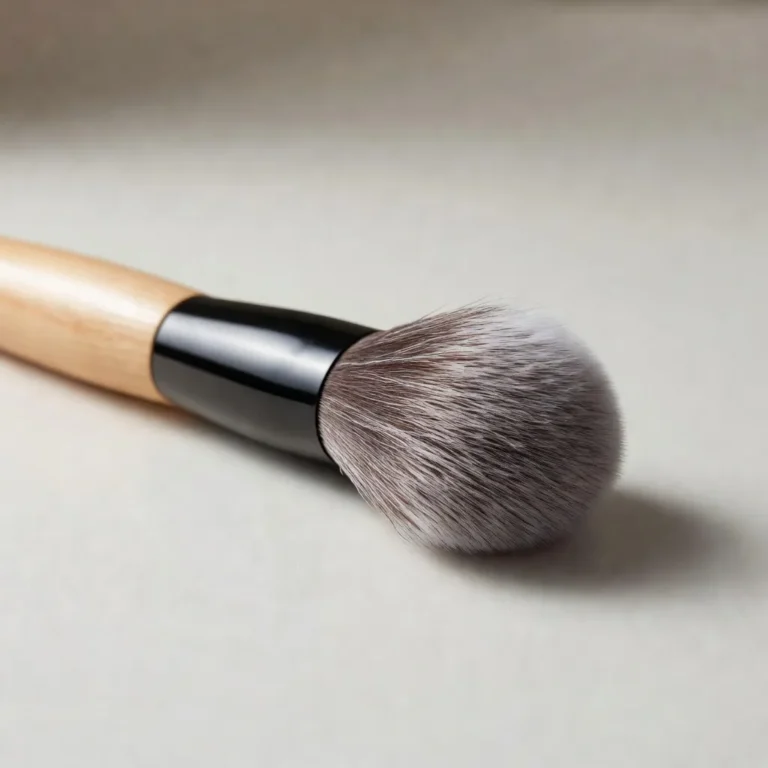
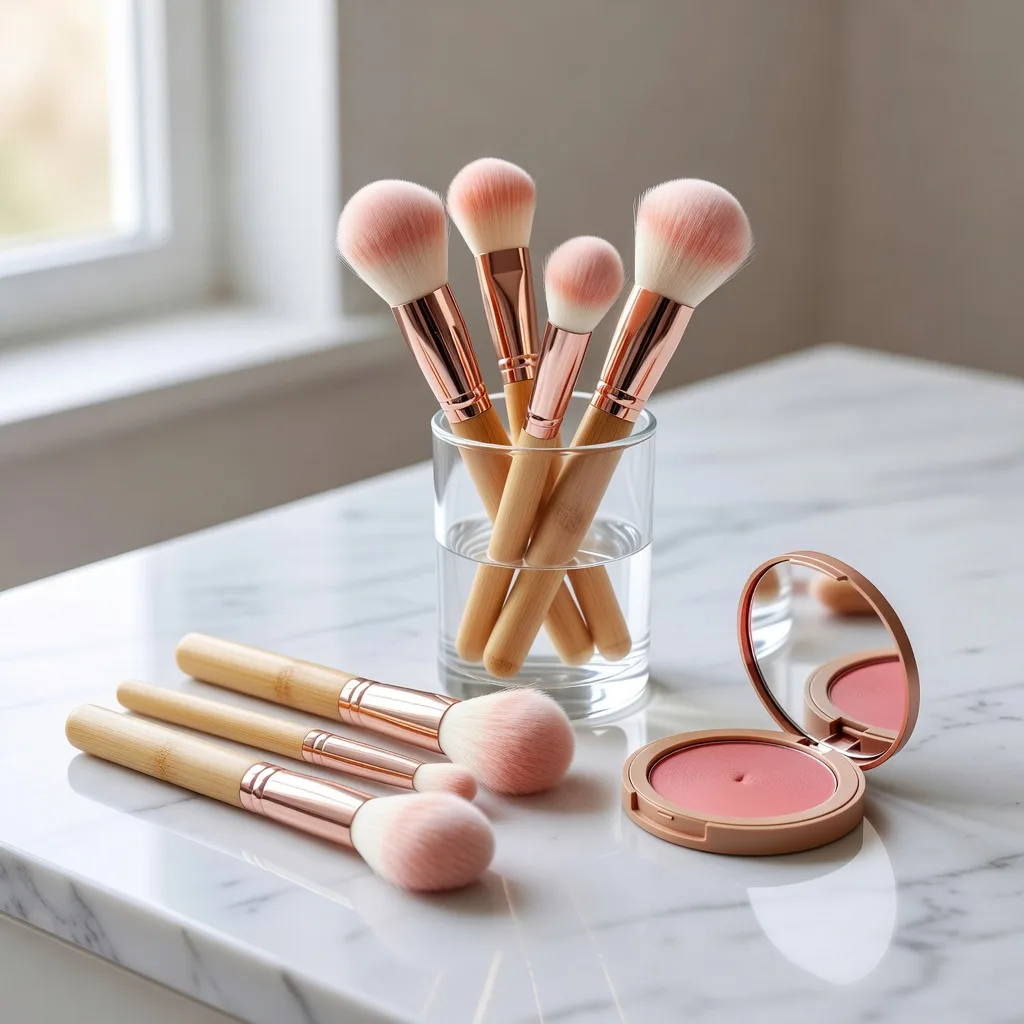
10 Best Blush Brushes (2026): A Soft Flush for Powder and Cream
A good blush brush is the difference between a soft, lifted flush and two stripes of colour on your cheeks. This list covers 10 options, from angled sculpting brushes to dual-end, fan and travel brushes, with notes on which blush formula each suits and who should skip it.
Part of our guide to makeup tools. Start with: 10 Best Makeup Brush Sets (2026): Soft, Well-Made Kits for Every Look
The best blush brush for most people is a medium-sized, soft synthetic brush with a gently domed or slightly angled head and a medium density. It picks up enough powder to show on the skin but not so much that colour goes on in a harsh patch, and it blends edges without spreading blush across the whole face. Choose an angled head if you like to sculpt along the cheekbone, a round fluffy head for a diffused flush, and a small dense synthetic or duo-fibre brush for cream and liquid blush. Avoid scratchy, shedding or very dense large brushes, and wash your blush brush regularly.
In short: pick a soft, medium-density synthetic blush brush that matches your blush formula, use light pressure, and keep it clean.
The US Food and Drug Administration advises washing your hands before applying cosmetics and not sharing them, because you may be sharing germs, in its guidance on microbiological safety and cosmetics. The same logic applies to brushes that touch your face every day.
After the picks, this buyer’s guide explains blush brush shapes and bristles, which brush suits which formula, what to avoid, how to apply blush with a brush and how to clean it.
Shopping these picks?
Amazon Prime members get fast, free shipping on eligible items, plus Prime Video, Amazon Music and member deals. New members can start with a free trial.
Start a free Prime trialAged 18 to 24? Prime for Young Adults comes with a longer free trial and a lower price after it.
Affiliate link: we may earn a commission at no extra cost to you.
As an Amazon Associate we earn from qualifying purchases. This does not change which products we include.


Contents
- The 10 Best Blush Brushes Right Now
- How We Chose These Products
- Blush Brush Shapes and What Each One Does
- Matching the Brush to Your Blush Formula
- Synthetic vs Natural Hair: What to Look For
- What to Avoid When Buying a Blush Brush
- Choosing a Brush for Your Face Shape
- How to Apply Blush With a Brush Step by Step
- How to Clean a Blush Brush
- Storing and Replacing Your Blush Brush
- Dos and Don’ts
- Honest Limits
- When to See a Dermatologist
- FAQ
- Final Word
What to Know First
- Laura Geller 04 Angled Blush Brush is our top pick for its soft, shed-free bristles and precise cheekbone shape.
- Beauty Junkees Angled Blush Brush is the best choice for cream and liquid blush.
- Keshima Dual-Ended Brush is the most versatile, with a dense cream end and a fluffy powder end.
- A soft, medium-density synthetic brush suits most people and most blushes.
- Cream and liquid blush need synthetic or duo-fibre bristles.
- Tap off excess powder and build colour in thin layers.
- Wash blush brushes regularly and never share them.
The 10 Best Blush Brushes Right Now
These ten brushes were shortlisted from widely reviewed Amazon listings and ranked by bristle quality, shape, which blush formulas they handle and how clearly each listing describes them. Each pick shows who it suits and who should look elsewhere.
| # | Product | Best For | Standout Feature | |
|---|---|---|---|---|
| 1 | Laura Geller 04 Angled Blush Brush | Sculpted, precise blush placement | Shed-free vegan bristles, powder and cream | View |
| 2 | Beauty Junkees Angled Blush Brush | Cream and liquid blush wearers | Dense synthetic head for all formulas | View |
| 3 | Keshima Dual-Ended Blush Brush | One tool for creams and powders | Dense end plus fluffy powder end | View |
| 4 | Vela.Yue Retractable Angled Blush Brush | Handbags and touch-ups on the go | Retractable brush with a protective cap | View |
| 5 | EcoTools Blush and Highlight Brush Duo | Blush plus a separate highlighter brush | Two brushes for cheeks and glow | View |
| 6 | DUcare Liquid Blush Brush | Liquid and cream blush, contour and highlight | Angled head built for liquids | View |
| 7 | docolor Fan Blush and Highlighter Brush | Sheer blush and a soft glow | Fluffy fan for very light application | View |
| 8 | Real Techniques Blush Brush | First blush brush, powder blush | Classic rounded blush brush | View |
| 9 | TEOYALL Tapered Blush Brush | Soft, airy powder blush | Ultra plush tapered head | View |
| 10 | e.l.f. Angled Blush Brush | Sculpting on a tight budget | Angled head for cream, liquid and powder | View |
Laura Geller 04 Angled Blush Brush

Best for: Sculpted, precise blush placement
The Laura Geller 04 earns the top spot because it combines the shape most people find easiest with bristles that handle more than one formula. Its angled head sits along the cheekbone for a lifted, sculpted look, while the densely packed, soft vegan bristles are described as shed-free and designed to place powder precisely with less fallout and caking.
Crucially, the listing says it works with both powder and cream blush and bronzer, so it can grow with your makeup bag. It is denser than the #9 TEOYALL tapered brush, which means more colour per dip, so tap off excess and build slowly. For a single, well-made blush brush from an established makeup brand, it is the safest choice.
- Angled head designed to hug the cheekbone
- Soft, densely packed vegan bristles
- Described as shed-free with less fallout
- Suitable for powder and cream blush and bronzer
Pros
- Precise, sculpted placement
- Works with powder and cream
- Established makeup brand
Cons
- Dense head can deposit strong colour quickly
- Angled shape less suited to a wide, diffused flush
Skip it if: Skip it if you want a very sheer, diffused flush; the TEOYALL tapered or docolor fan brush suits you better.
Check Price on AmazonBeauty Junkees Angled Blush Brush

Best for: Cream and liquid blush wearers
The Beauty Junkees brush is our pick for cream and liquid blush lovers. Its dense synthetic bristles are designed not to shed and not to soak up excess product, which is exactly what creams and liquids need, since natural hair absorbs them and wastes product. The soft angled shape follows the cheekbone for easy, natural definition.
The listing says it handles liquid, cream and powder blush as well as bronzer and contour, so it can replace several brushes. Its firm yet soft density builds colour gradually. It is broader and denser than the #10 e.l.f. angled brush, which makes blending creams quicker but needs a lighter hand with bold powders.
- Dense synthetic bristles designed not to shed
- Angled shape that follows the cheekbone
- Works with liquid, cream and powder formulas
- Cruelty-free synthetic fibres
Pros
- Excellent with creams and liquids
- One brush for several products
- Does not soak up product
Cons
- Dense head can overload pigmented powders
- Less known brand than Laura Geller or e.l.f.
Skip it if: Skip it if you only wear soft powder blush; a fluffier brush will be more forgiving.
Check Price on AmazonKeshima Dual-Ended Blush Brush

Best for: One tool for creams and powders
Keshima’s dual-ended brush solves a common problem: creams and powders need different bristles. One end is dense for tapping or stippling cream blush, contour or skin tint without streaks, while the other is soft and airy for sweeping on and buffing powder blush, bronzer and highlighter, or setting the under-eyes and T-zone.
The synthetic fibres are vegan and designed to resist shedding, and the handle is made from responsibly sourced wood. That makes it a smart choice for travel or for layering a cream blush under a matching powder to extend wear. It asks a little more technique than the single-purpose #1 Laura Geller, but covers more jobs.
- Dense end for creams, liquids and tints
- Fluffy end for powders and setting
- Vegan fibres designed to resist shedding
- FSC-certified wood handle, easy to clean
Pros
- Two brushes in one
- Ideal for layering cream and powder
- Travel friendly
Cons
- Two ends take a moment to learn
- Longer tool may not fit small bags
Skip it if: Skip it if you only use one formula; a single-ended brush is simpler.
Check Price on AmazonVela.Yue Retractable Angled Blush Brush

Best for: Handbags and touch-ups on the go
The Vela.Yue brush is built for carrying. The angled synthetic head retracts into a slim aluminium case with a cap, so it slips into a bag without the bristles getting crushed or picking up dirt, which also helps with hygiene between uses. The bristles are described as extra soft, firmly fixed and non-absorbent, which makes cleaning easier.
Its listing covers blush on the apples of the cheeks and bronzer or highlighter for contouring, so it can handle a full midday refresh. Being compact, it is smaller than the #1 or #2 picks and slower for a full application at home, but for touch-ups it is the most practical brush here.
- Retractable head in an aluminium case with cap
- Soft, dense synthetic fibres in an angled shape
- Firmly fixed bristles designed not to shed
- For blush, bronzer and highlighter
Pros
- Protects bristles in your bag
- Slim and portable
- Easy to clean
Cons
- Smaller head is slower for full application
- Case adds a step to cleaning and drying
Skip it if: Skip it if you only apply blush at home; a full-size brush is quicker.
Check Price on AmazonEcoTools Blush and Highlight Brush Duo

Best for: Blush plus a separate highlighter brush
EcoTools packages a dedicated blush brush with a matching highlighter brush, which makes sense because using one brush for both can muddy colours. Based on its title, the blush brush is sized for the cheeks, and the second brush lets you place highlighter on the tops of the cheekbones without disturbing the flush you have just built.
EcoTools is a long-established brush brand, but the listing on our shortlist gives only its title, so check the product page for bristle shape and density before buying. As a pair it is less flexible for cream formulas than the #3 Keshima, but it is a tidy starter duo for powder blush and highlighter.
- Two-piece blush and highlight set
- Blush brush sized for the cheeks
- Separate brush for highlighter
- From an established brush brand
Pros
- Keeps blush and highlighter separate
- Good starter pair
- Trusted brand
Cons
- Listing gives little detail on bristles
- Cream suitability not confirmed
Skip it if: Skip it if you never wear highlighter; a single blush brush is enough.
Check Price on AmazonDUcare Liquid Blush Brush

Best for: Liquid and cream blush, contour and highlight
The DUcare brush is designed around liquid blush, which is trickier to blend than powder. From its title, it is an angled cheek brush for liquid and cream blush that also handles cream foundation, contour, bronzer and highlighter, making it useful for anyone who has switched to liquid tints for a dewier, skin-like finish.
Its listing on our shortlist offers only a title, so we cannot confirm density or fibre type, and it ranks behind the better-documented #2 Beauty Junkees brush for that reason. Use it with a tapping motion for liquids and rinse it more often, since creams build up faster in the bristles.
- Angled shape for cheeks
- Designed for liquid and cream blush
- Also for contour, bronzer and highlighter
- Face makeup brush format
Pros
- Built around liquid formulas
- Multi-purpose for cream products
- Angled for easy placement
Cons
- Few details on bristles in the listing
- Needs frequent washing with creams
Skip it if: Skip it if you only use powder blush; the TEOYALL or Real Techniques suit you better.
Check Price on Amazondocolor Fan Blush and Highlighter Brush

Best for: Sheer blush and a soft glow
A fan brush is the most forgiving way to wear pigmented blush or shimmer. The docolor brush, according to its title, is a fluffy dual-use tool for powder blush, bronzer and highlighter, and its wide, loose shape picks up very little product at a time, so colour goes on as a sheer wash rather than a stripe.
That makes it ideal for beginners worried about overdoing it, or for sweeping away excess powder. It will not give the defined, sculpted placement of the #1 Laura Geller or #10 e.l.f. angled brushes, and it is not suited to creams. The listing gives limited detail, so check bristle type on the product page.
- Fan-shaped fluffy head
- For powder blush, bronzer and highlighter
- Dual-use face makeup tool
- Loose shape for sheer application
Pros
- Very hard to overdo colour
- Good for highlighter and shimmer
- Sweeps away excess powder
Cons
- Not for cream or liquid blush
- No precise placement
Skip it if: Skip it if you want a defined, sculpted blush; an angled brush suits you better.
Check Price on AmazonReal Techniques Blush Brush

Best for: First blush brush, powder blush
Real Techniques is one of the best-known makeup brush brands, and its standalone blush brush is a sensible first buy. From its title, it is a single face brush designed for applying blush to the cheeks, and the brand is known for synthetic bristles that are easy to wash, which matters for a brush that touches your face every day.
Our shortlist listing gives only its title, so check the product page for exact shape and density. It is likely to suit powder blush best. Compared with the #1 Laura Geller angled brush, expect a softer, more rounded placement than a sculpted line, which is often easier for beginners to blend.
- Dedicated blush brush for the cheeks
- Single face brush from an established brand
- Designed for everyday blush application
- Brand known for easy-clean synthetic fibres
Pros
- Trusted, widely available brand
- Easy starter brush
- Simple to clean
Cons
- Listing gives little detail
- Not confirmed for cream blush
Skip it if: Skip it if you want precise sculpting; an angled brush is more precise.
Check Price on AmazonTEOYALL Tapered Blush Brush
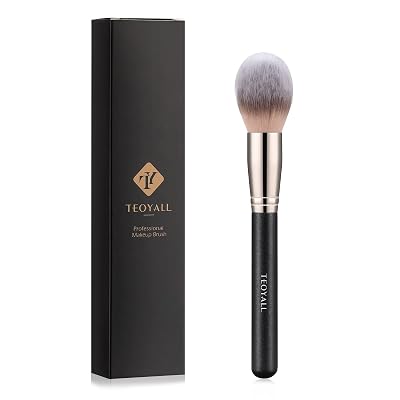
Best for: Soft, airy powder blush
The TEOYALL brush takes the soft-focus approach. Its title describes an ultra plush, fluffy tapered head for powder blush and bronzer, a shape that puts colour on with the tip and diffuses the edges as you sweep, giving a natural flush rather than a defined stripe. That makes it forgiving with bold or very pigmented powders.
It is looser than the #1 and #2 angled brushes, so it picks up less colour each time, which suits beginners and anyone with fair skin who finds blush goes on too strongly. Its listing gives few details beyond the title and it is designed for powders, so it is not the brush for creams or liquids.
- Tapered, fluffy head
- Designed for powder blush and bronzer
- Ultra plush feel described
- Sweeps and diffuses colour
Pros
- Forgiving with pigmented powders
- Soft, natural-looking flush
- Good for fair skin
Cons
- Not for cream or liquid blush
- Few listing details
Skip it if: Skip it if you wear mainly cream blush; the Beauty Junkees or Keshima suit you better.
Check Price on Amazone.l.f. Angled Blush Brush

Best for: Sculpting on a tight budget
The e.l.f. angled blush brush proves a simple brush can do a good job. According to its title, it is an angled face brush designed for a sculpted look and suitable for cream and liquid formulas as well as powder, from a brand widely known for affordable, cruelty-free makeup and tools.
The angled head places colour along the cheekbone in the same way as the #1 Laura Geller, just without that listing’s detail on bristle density and shedding. It is a sensible spare brush, a good choice for teens starting out with makeup, or a way to try an angled shape before spending more. Check the product page for full details.
- Angled head for a sculpted look
- Suitable for cream and liquid as well as powder
- Face makeup brush format
- From an established budget-friendly brand
Pros
- Easy way to try an angled brush
- Works with several formulas
- Widely available
Cons
- Few listing details on bristle quality
- Smaller head covers less area per sweep
Skip it if: Skip it if you want a premium, dense shed-free brush; the Laura Geller is better made.
Check Price on AmazonHow We Chose These Products
We shortlisted blush brushes from Amazon listings that are highly rated by a large number of shoppers, favouring established brands such as Laura Geller, Real Techniques, EcoTools and e.l.f., and fuller-featured brushes with clear shapes, synthetic bristles and stated suitability for powder, cream or liquid blush. We then checked each product’s listed features against the FDA hygiene and allergen guidance cited in this post.
These are research-based picks, not hands-on lab tests. We did not measure softness or shedding ourselves, so rankings reflect listing detail, shape and features rather than personal results. Where a listing gives little more than a title, we have said so and ranked it lower.
- Strong ratings from a large number of shoppers
- Established brands and clearly described brushes preferred
- Synthetic, easy-to-clean bristles favoured in line with the cited hygiene guidance
- Products with thin or unclear listings excluded or ranked lower
- Brush sets sold mainly on piece count left out
Blush Brush Shapes and What Each One Does
Blush brushes come in a handful of shapes. Each one moves pigment differently, so the right choice depends on the look you want and how bold your blush is.
| Brush shape | Density | Result | Best for |
|---|---|---|---|
| Angled | Medium | Defined, lifted placement along the cheekbone | Sculpting, blush with contour |
| Round and fluffy | Loose to medium | Soft, diffused flush | Everyday wear, pigmented powders |
| Tapered or pointed | Medium | Controlled colour on a small area | Placing blush high on the cheek |
| Small dense dome | Dense | Strong, precise colour | Cream blush, small faces |
| Duo-fibre or stippling | Loose top, dense base | Airy, sheer finish | Cream and liquid blush |
| Fan | Very loose | Very sheer dusting | Sweeping off excess, sheer shimmer |
If you only buy one, a medium angled or slightly domed brush is the most flexible. It can place colour precisely with the tip and blend it out with the flat side, and it works with most powder blushes. If you already wear bold or very pigmented blush, a looser, fluffier head is more forgiving, because it picks up less colour with each dip and makes mistakes easier to blend away.
Matching the Brush to Your Blush Formula
Blush formulas behave very differently on a brush. Using the wrong bristles is a common reason blush looks patchy or streaky.
| Blush formula | Best brush | Why |
|---|---|---|
| Pressed powder | Soft angled or round, medium density | Picks up an even amount and blends easily |
| Highly pigmented powder | Loose, fluffy round brush | Deposits less colour per stroke |
| Baked or shimmer powder | Soft tapered brush | Keeps shimmer where it catches the light |
| Cream | Small dense synthetic or duo-fibre | Pushes product into skin without lifting base |
| Liquid or tint | Duo-fibre stippling brush | Stipples tiny dots into a sheer wash |
| Stick | Dense synthetic dome | Blends the edges after swiping on |
Our guide on layering cream and powder products explains how to combine a cream blush with a powder one on top for longer wear without a cakey finish.
Synthetic vs Natural Hair: What to Look For
Bristle material affects softness, pickup and how the brush copes with washing.
- Synthetic bristles work with powders, creams and liquids, absorb little product and dry faster after washing.
- Natural hair can feel very soft with powder blush but soaks up cream and liquid formulas.
- Duo-fibre brushes combine two lengths of bristle for an airy, sheer application.
- Well-made synthetic fibres are now soft enough for sensitive cheeks and contain no animal products.
- A firm, tightly glued ferrule matters as much as the bristles, because a loose head sheds and wobbles.
Words such as pro, luxe or flawless on the packaging are marketing, not quality measures. Judge a brush by how soft it feels on the back of your hand, whether it springs back into shape and whether bristles come loose when you tug them gently.
What to Avoid When Buying a Blush Brush
Some features make blush harder to apply well, however good the product in the pan.
- Very dense, large brushes that dump colour and leave a hard edge.
- Scratchy or uneven bristles that drag across the skin.
- Brushes that shed after one or two uses.
- Heads so large that blush spreads onto the nose, temples and jaw.
- Loose ferrules or handles that wobble.
- Brushes that arrive with a strong chemical smell that does not fade after washing.
- Kits sold mainly for the number of pieces rather than the quality of each brush.
A cheaper brush can work very well if it is soft, holds its shape and does not shed. Price and brand are weaker guides than how the bristles feel and behave.
Choosing a Brush for Your Face Shape
Brush size and shape should suit where you want colour to sit.
- Round faces: an angled brush sweeps colour up towards the temples for a lifted look.
- Long faces: a round, fluffy brush keeps colour on the apples and across the centre of the cheeks.
- Small faces or narrow cheeks: a smaller tapered brush stops blush spreading too far.
- Mature skin: a soft, medium brush and cream or satin blush avoid emphasising texture.
- Wide cheekbones: a larger fluffy brush diffuses colour across more space evenly.
Our guide on how to apply blush for a round face shows placement in more detail.
How to Apply Blush With a Brush Step by Step
This method works for powder blush and adapts easily to creams.
Start with a finished base
Apply blush after foundation and concealer, and before setting powder if you use cream blush.
Load lightly
Swirl or tap the brush on the blush once, then tap off the excess on the edge of the pan or the back of your hand.
Find the placement
Smile slightly to locate the apples, or feel for the top of your cheekbone.
Apply in small circles or sweeps
Press colour on with the tip, then sweep up and back towards the temples.
Blend the edges
Use the clean side of the brush or a clean fluffy brush to soften any line.
Build slowly
Add a second thin layer if needed rather than one heavy one.
Check in daylight
Look in natural light and soften further with a little translucent powder if it looks too strong.
If you apply too much, do not scrub it off. Buff over the area with a clean brush dipped in a little translucent powder or a touch of foundation to knock back the colour.
How to Clean a Blush Brush
Blush brushes collect pigment, skin oil and dead skin cells, and damp or dirty bristles are a good home for microbes. The FDA notes that some microorganisms may grow faster in warm or damp storage conditions.
- Rinse only the bristles in lukewarm water, pointing them downwards.
- Lather with a gentle, fragrance-free cleanser or mild soap in your palm.
- Rinse until the water runs clear, keeping the ferrule and handle dry.
- Squeeze out water and reshape the head with your fingers.
- Dry flat or bristles down, never upright in a cup.
- Wash weekly if you use it daily, and more often for cream blush.
Stop using a brush and the blush it touched if you develop a rash, itching or a breakout on the cheeks that seems linked to your makeup. Never share blush brushes, and wash any brush used on skin with an active breakout, cold sore or infection before using it again.
Our guide on how often makeup brushes need to be cleaned gives a full schedule for every type of brush.
Storing and Replacing Your Blush Brush
Good storage keeps a blush brush soft, clean and in shape for years. How you keep it between uses matters almost as much as how often you wash it.
- Store fully dry brushes upright in a clean cup or in a case with separate slots.
- Keep brushes away from steamy bathrooms, windowsills and hot cars.
- Use a ventilated pouch or brush roll for travel rather than a sealed plastic bag.
- Wipe the handle occasionally, since it picks up oils from your hands.
- Keep a second clean brush if you wear blush daily, so one can dry while you use the other.
Replace a blush brush when the bristles shed heavily, splay after drying, feel rough or stay stained and smelly after washing, or when the ferrule comes loose. With gentle care, a well-made synthetic brush often lasts several years, which is why it is worth choosing one good brush over a large set of poor ones.
Dos and Don’ts
Good Habits
- Choose a soft, medium-density brush
- Match bristles to your blush formula
- Tap off excess before applying
- Build colour in thin layers
- Wash and dry the brush flat
Common Mistakes
- Buy the densest brush you can find
- Use a natural-hair brush for cream blush
- Scrub blush on with heavy pressure
- Share your blush brush
- Store brushes damp in a closed case
Honest Limits
A better brush makes blending easier, but it cannot fix a blush shade that does not suit your undertone or a formula that turns patchy on your skin type. It also will not stop blush fading on very oily skin without other changes to your routine.
There is also no single best brush for everyone. Face shape, blush formula and personal taste all change the answer, and many inexpensive synthetic brushes perform as well as costly ones. Technique counts for more than equipment: light pressure, a small amount of product and patient blending will improve your blush more than any upgrade in brush.
If blush disappears by lunchtime, the brush is only part of the story: oily skin and a rich moisturiser underneath also shorten wear. Our article on why blush fades quickly covers the other causes and fixes.
When to See a Dermatologist
- You get redness, itching or bumps on the cheeks after wearing blush.
- You have rosacea and most blushes or brushes sting or flush your skin.
- Breakouts appear mainly where blush is applied.
- You react to many makeup products and want to find the cause.
The FDA explains that some people react to specific ingredients in its information on allergens in cosmetics, so a patch test and a dermatologist visit can help if reactions keep happening.
This article is for general information and does not replace professional medical advice. Patch test new makeup, stop using anything that irritates your skin, and see a board-certified dermatologist for persistent reactions.
FAQ
What is the best blush brush overall?
Our top pick is the Laura Geller 04 Angled Blush Brush for its soft, shed-free bristles and precise shape.
Is an angled or round blush brush better?
Angled sculpts along the cheekbone; round gives a softer, diffused flush.
Which blush brush is best for cream or liquid blush?
The Beauty Junkees angled brush, DUcare liquid blush brush or the dense end of the Keshima dual-ended brush.
Can I use a powder brush for blush?
Yes, but its larger size spreads colour further, so use a light hand.
Is an expensive blush brush worth it?
Not always; the e.l.f. and Real Techniques brushes are soft synthetic options that cover everyday blush well.
Why does my blush look patchy?
Too dense a brush, too much product or blush over a wet base are common causes.
How often should I clean my blush brush?
About weekly with daily use, more often for creams.
Can I use fingers instead of a brush?
Yes for cream and liquid blush, with clean hands.
How do I fix blush that is too strong?
Buff over it with a clean brush and a little translucent powder.
When should I replace a blush brush?
When it sheds, loses shape or feels scratchy.
Final Word
The best blush brush is a soft, medium-density synthetic brush in a shape that suits your face and your blush formula; the Laura Geller angled brush is our top pick overall.
Load it lightly, build colour in thin layers, avoid dense, scratchy or shedding brushes, and wash it regularly so your cheeks stay clear and the colour stays true.
Our top pick: Laura Geller 04 Angled Blush Brush
The Laura Geller angled brush takes the top spot because its soft, dense, shed-free vegan bristles and cheekbone-hugging shape handle both powder and cream blush with precise placement. If you mostly wear cream or liquid blush, the Beauty Junkees angled brush is the better buy, while the Keshima dual-ended brush suits anyone who wants one tool for every formula.
Check Price on Amazon
Written by
Registered pharmacist and founder of Facial Adviser. Rakib's pharmacy training covers how skincare actives work and interact; a later course in cosmetology turned that into a focus on facial treatments and skincare products. He plans, researches and edits every guide on the site and checks health claims against sources such as the American Academy of Dermatology, the FDA and the NIH. He is not a dermatologist; see the Editorial Policy and Medical Disclaimer.
About · Editorial policy · How we choose products · Medical disclaimer · Contact
Keep reading: Makeup brushes and tools
- 10 Best Makeup Brush Sets (2026): Soft, Well-Made Kits for Every Look
- How to Sanitize Makeup Tools: Brushes, Sponges, Curlers and More
- 10 Best Tools for Base Application (2026): Sponges and Brushes Compared
- Makeup Storage Temperature Tips: How Heat, Cold and Humidity Affect Makeup
- Are You Supposed to Wash Makeup Brushes Before Using Them?