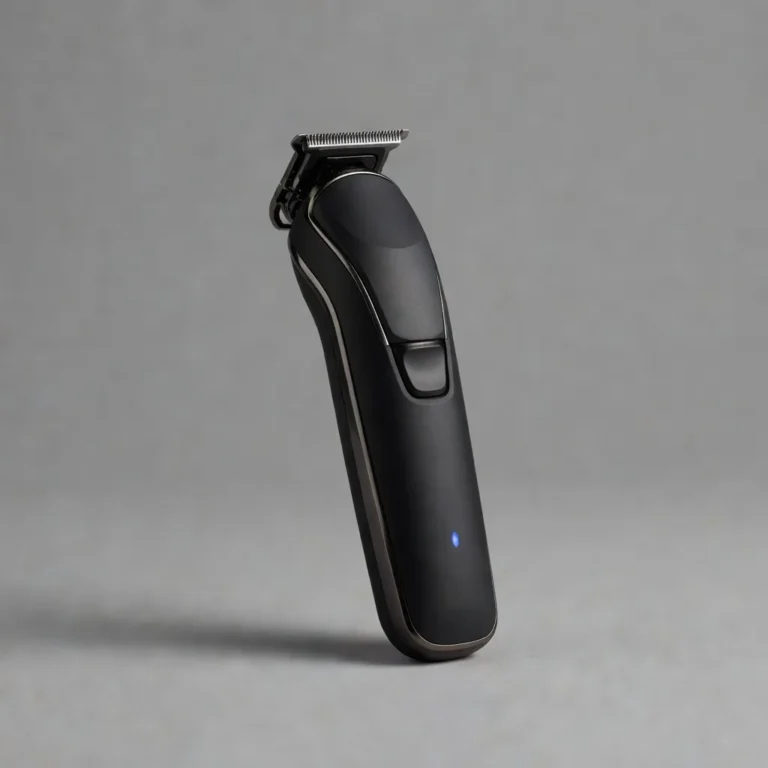
10 Best Professional Hair Clippers (2026): Clean Fades, Less Pulling
A professional hair clipper is built for cutting many heads of hair, day after day. This list covers 10 options, from classic corded barbershop clippers to cordless fade kits and quiet home models, with notes on who each one suits and who should skip it.
Part of our guide to men's grooming tools. Start with: 10 Best Beard Trimmers (2026): Even Lengths, Clean Edges
The best professional hair clipper is one whose motor type matches the work you do, with sharp, adjustable blades, sturdy guards, a comfortable weight and easy maintenance. Rotary motors suit thick, wet or heavy hair and all-round cutting; magnetic motors are fast and powerful for fades and bulk removal on dry hair; pivot motors are strong and quiet for thick hair but slower. Look for a smooth taper lever, a detachable blade you can clean and replace, a battery that lasts a full working day if cordless, and parts that are easy to buy. Features matter more than branding, and blade care matters most of all.
In short: pick the motor for your hair and workload, then choose sharp blades, solid guards and easy upkeep.
The American Academy of Dermatology advises keeping blades sharp, rinsing them as you go and storing them dry to reduce irritation. The same principles apply to clippers: clean, sharp, well-oiled blades cut more cleanly and are gentler on the scalp and neck.
After the picks, this buyer’s guide covers motor types, blades and guards, what to avoid, how to cut safely, and how to clean, disinfect and oil a clipper so it lasts.
Buying for a salon, spa or clinic?
A free Amazon Business account gives you business-only pricing on eligible items, multi-user buying and tax-exemption tools.
Create a free Business accountAffiliate link: we may earn a commission at no extra cost to you.
As an Amazon Associate we earn from qualifying purchases. This does not change which products we include.


In This Guide
- The 10 Best Professional Hair Clippers Right Now
- How We Chose These Products
- Motor Types Explained
- Blades: Material, Width and Adjustment
- Guards and Attachment Combs
- Corded vs Cordless Clippers
- What to Avoid When Buying
- How to Use a Professional Hair Clipper
- Cleaning, Disinfecting and Oiling
- Protecting the Scalp and Neck
- Dos and Don’ts
- Honest Limits
- When to See a Dermatologist
- Frequently Asked Questions
- Summing Up
What to Know First
- Oster Classic 76 is our top pick for its heavy-duty motor, detachable blades and long barbershop track record.
- SUPRENT FANGS is the most advanced cordless option, with dynamic speed control and a precision fade lever.
- TPOB Play is the best complete kit, pairing a clipper with a trimmer and foil shaver.
- Motor type decides power, speed and noise.
- Sharp, well-aligned blades matter more than extra features.
- Brush, disinfect and oil the blades after every use.
- Never share uncleaned clippers between people.
The 10 Best Professional Hair Clippers Right Now
These ten clippers were shortlisted from widely reviewed Amazon listings and ranked by motor type, blade quality, guards and adjustment, build and how clearly each listing explains its features. Each pick shows who it suits and who should look elsewhere.
| # | Product | Best For | Standout Feature | |
|---|---|---|---|---|
| 1 | Oster Classic 76 Professional Clipper | Barbers and heavy daily cutting | Heavy-duty universal motor, detachable blades | View |
| 2 | SUPRENT FANGS Barber Clipper | Cordless fades and detailed blending | Dynamic speed control with a fade lever | View |
| 3 | TPOB Play Clipper, Trimmer and Shaver Set | One kit for cutting, lining and shaving | Clipper, trimmer and foil shaver together | View |
| 4 | SUPRENT Dual-Coil Vector Clipper | Thick, coarse and textured hair | Motor ramps up power as hair thickens | View |
| 5 | Novah Barber Clipper and Trimmer Set | Fades with many guard lengths | Taper lever, turbo mode and many guards | View |
| 6 | Wahl Pro Series Platinum Clipper Kit | Family haircuts at home | Clipper, trimmer, shears and cape included | View |
| 7 | Stylecraft Rogue Cordless Clipper | Fast fades on dry hair | Magnetic motor with long run-time | View |
| 8 | Wahl Pro Ultra Quiet Torque Clipper | Children and noise-sensitive clients | Double-insulated metal housing | View |
| 9 | TPOB Slime 2 Clipper and Trimmer Set | A lighter entry into cordless kits | Clipper, trimmer and foil shaver set | View |
| 10 | Oster Fast Feed Pivot Motor Clipper | Quiet, high-torque cutting | Adjustable blade with pivot motor | View |
Oster Classic 76 Professional Clipper

Best for: Barbers and heavy daily cutting
The Oster Classic 76 earns the top spot because it has been a barbershop staple for decades, and its listing explains why. A powerful single-speed universal motor is built for heavy-duty use, and the detachable #000 and #1 blades cut wet or dry hair, which makes it one of the most versatile clippers here for thick, coarse or curly hair.
The durable, textured housing is designed for all-day cutting, and a long power cord gives room to move around the chair. Detachable blades are quick to swap and much easier to clean and disinfect properly. It is corded and heavier than the cordless #2 SUPRENT FANGS, so it suits a fixed workstation more than travel.
- Single-speed universal motor for heavy-duty use
- Detachable #000 and #1 blades
- Cuts wet or dry hair
- Textured, ergonomic housing and a long cord
Pros
- Proven barbershop workhorse
- Detachable blades are easy to clean and replace
- Handles every hair type
Cons
- Corded and heavier than cordless models
- Single speed only
Skip it if: Skip it if you want a light cordless clipper for travel or home use.
Check Price on AmazonSUPRENT FANGS Barber Clipper

Best for: Cordless fades and detailed blending
The SUPRENT FANGS packs the most technology of any clipper on this list. Its vector motor uses dynamic speed control, adjusting power as hair density changes, and the serrated DLC-coated blade is designed to grab more hair per pass. A 5-in-1 precision lever supports both click settings and free adjustment for smoother gradients in fades.
The body is light and balanced, with a non-slip grip, thumb rest and shock-absorbing spring to reduce hand fatigue, and the kit includes oil and a brush. It is a newer brand than Oster or Wahl, so long-term reliability is less proven, and some performance claims are the seller’s own figures rather than independent data.
- Vector motor with dynamic speed control
- Serrated, DLC-coated blade
- 5-in-1 precision fade lever
- Kit includes lubricating oil and brush
Pros
- Advanced fade control
- Light, balanced cordless body
- Useful accessories included
Cons
- Newer brand with shorter track record
- Performance claims are seller figures
Skip it if: Skip it if you prefer a simple, proven corded clipper; the Oster Classic 76 suits you better.
Check Price on AmazonTPOB Play Clipper, Trimmer and Shaver Set

Best for: One kit for cutting, lining and shaving
The TPOB Play set is the best choice if you want every step of a cut in one box. A clipper handles bulk and fading, a precision trimmer does lineups and edges, and a foil shaver finishes the skin smooth. All three tools are cordless with lithium-ion batteries, so you can work anywhere without trailing cables.
The rotary motor is described as handling thick, coarse, curly and fine hair, and rubber-coated grips help control when hands are damp. It suits both barbers and home users. Because it is a three-piece kit, there are more tools to clean and charge than with the single #1 Oster, and foil shavers can irritate bump-prone skin.
- Clipper, precision trimmer and foil shaver
- Rotary motor for all hair textures
- Rubber-coated non-slip grips
- All tools cordless with lithium-ion batteries
Pros
- Everything needed in one kit
- Cordless freedom
- Secure grip
Cons
- Three tools to clean, oil and charge
- Foil shaving may irritate bump-prone necks
Skip it if: Skip it if you only need a clipper; a single tool is cheaper to maintain.
Check Price on AmazonSUPRENT Dual-Coil Vector Clipper

Best for: Thick, coarse and textured hair
This SUPRENT clipper focuses on power for dense hair. Its dual-coil vector motor uses dynamic speed control that senses resistance and ramps up as hair gets thicker, which should reduce pulling on coarse or textured hair. Ceramic moving blades and a DLC fixed trimmer blade are designed to stay sharp and run cooler.
A hidden digital display shows battery level and speed, and at under ten ounces it is light for a full-power clipper, with a low-noise design. It is simpler than the #2 FANGS, without the multi-mode fade lever, but for bulk removal on thick hair it is a strong cordless option. Some claims are the seller’s own figures.
- Dual-coil vector motor with dynamic speed control
- Ceramic moving blade for cooler running
- Hidden digital battery and speed display
- Light, ergonomic, low-noise body
Pros
- Strong on dense hair
- Battery display avoids surprises
- Light for its power
Cons
- Fewer fade controls than the FANGS
- Newer brand with shorter track record
Skip it if: Skip it if you mainly do precise fades; the FANGS or Stylecraft Rogue suit you better.
Check Price on AmazonNovah Barber Clipper and Trimmer Set

Best for: Fades with many guard lengths
Novah’s set is built around blending. It comes with a generous range of guards for the clipper plus trimmer guards, a click taper lever and a two-speed turbo mode, which together make smooth transitions easier than on clippers with fewer lengths. A foil shaver is included for a clean finish.
The all-metal body has a cross-etched handle for grip and an LED display, and a fast-charge lithium battery supports long sessions. Its listing leans on bold marketing about testing in barbershops, which we cannot verify, so judge it on its guard range and taper control. It is similar in scope to the #3 TPOB kit but with more guards.
- Six clipper guards and four trimmer guards
- Click taper lever and two-speed turbo mode
- Foil shaver included
- All-metal body with LED display and fast charge
Pros
- Wide guard range for smooth fades
- Grippy metal handle
- Complete kit
Cons
- Marketing claims are hard to verify
- Metal body may feel heavier than plastic rivals
Skip it if: Skip it if you want a proven barbershop brand; the Oster or Wahl picks are safer.
Check Price on AmazonWahl Pro Series Platinum Clipper Kit

Best for: Family haircuts at home
Wahl’s Platinum kit is designed for home haircutting rather than a busy shop, and it is the most complete setup here for families. A corded clipper with a no-snag motor and self-sharpening blades handles bulk, a corded trimmer tidies necklines and ears, and colour-coded guide combs make it easy to remember everyone’s usual length.
The kit also includes barber shears, a cape, a styling comb, a cleaning brush and a storage caddy, so there is little else to buy. Corded power means no fading battery halfway through a cut. It lacks the fade-focused features of the #2 or #7 picks, but for straightforward home cuts it is hard to beat.
- Corded clipper with no-snag motor and self-sharpening blades
- Corded trimmer with guide combs
- Colour-coded guide combs
- Shears, cape, comb, brush and storage caddy
Pros
- Everything for home haircuts
- Colour-coded guards are easy to use
- Constant corded power
Cons
- Corded tools limit movement
- Not aimed at professional fades
Skip it if: Skip it if you cut hair professionally all day; the Oster Classic 76 is sturdier.
Check Price on AmazonStylecraft Rogue Cordless Clipper

Best for: Fast fades on dry hair
The Stylecraft Rogue is a fade-focused cordless clipper from a professional barbering brand. Its magnetic motor runs fast and quietly, which suits fades and bulk removal on dry hair, and a DLC fade blade is designed to stay cooler and sharper. The listing states a long cordless run-time with a rapid charge, enough for several cuts.
A fully adjustable zero-gap blade gives very close finishes, but as our blade section explains, zero gapping raises the risk of nicks and is best left to trained hands. A click lever or freestyle taper with detent positions helps consistent blending. Magnetic motors have less torque on very thick hair than the #1 Oster or #10 pivot model.
- Magnetic motor with quiet operation
- DLC fade blade designed to run cooler
- Long cordless run-time with rapid charge
- Adjustable zero gap and click taper lever
Pros
- Fast, clean fades
- Long battery life
- Professional barbering brand
Cons
- Less torque on very thick hair
- Zero gap setting needs skill to use safely
Skip it if: Skip it if you are a beginner cutting at home; a clipper with more guards is more forgiving.
Check Price on AmazonWahl Pro Ultra Quiet Torque Clipper

Best for: Children and noise-sensitive clients
Wahl’s Ultra Quiet Torque is designed for calm cuts. Its double-insulated metal housing keeps noise down and helps the clipper run cooler, which makes a real difference when cutting children’s hair or for anyone who tenses at a loud buzz. It is made in the USA and backed by a limited lifetime warranty.
A full set of twelve guards with stainless steel clips covers short to long lengths, and the kit adds a hard case, caddy, comb, scissors and oil. The braided, extra-long cable adds durability. It is corded and less fade-focused than the #7 Stylecraft, but for quiet, comfortable everyday cutting it is an excellent choice.
- Double-insulated metal housing for quiet, cool running
- Twelve guards with stainless steel clips
- Braided, extra-long power cable
- Case, caddy, comb, scissors and oil included
Pros
- Very quiet for anxious clients
- Sturdy metal build and long warranty
- Large guard set
Cons
- Corded only
- Metal body adds weight
Skip it if: Skip it if you need cordless movement; the Stylecraft Rogue or SUPRENT picks suit you better.
Check Price on AmazonTPOB Slime 2 Clipper and Trimmer Set

Best for: A lighter entry into cordless kits
The TPOB Slime 2 is a second, simpler route into the brand’s kits. From its title, it is a set with a professional clipper, a trimmer and a foil shaver, covering bulk cutting, edges and a smooth finish, which makes it a sensible choice for home users who want a full cordless kit without the extra features of the #3 TPOB Play.
Its listing on our shortlist gives only its title, so we cannot confirm motor type, guard range or battery life, and it ranks lower for that reason. Check those details on the product page before buying, and remember that foil shavers can irritate skin prone to bumps, so use the shaver sparingly on the neck.
- Professional clipper for bulk cutting
- Trimmer for edges and lines
- Foil shaver for a smooth finish
- Set format for home or barber use
Pros
- Full kit in one purchase
- Covers cutting, lining and shaving
- Good step into cordless tools
Cons
- Few listing details
- Foil shaver may irritate bump-prone skin
Skip it if: Skip it if you want documented specs; the TPOB Play or Novah sets are better described.
Check Price on AmazonOster Fast Feed Pivot Motor Clipper

Best for: Quiet, high-torque cutting
The Oster Fast Feed rounds out the list as the pivot-motor option. From its title, it is a professional clipper with an adjustable blade and a pivot motor, the type our motor guide describes as strong and quiet with high torque but a slower blade speed, which suits thick hair and clients who dislike noisy tools.
Its listing on our shortlist gives only the title, so check the product page for guards and accessories. The adjustable blade lets you change length without swapping blades, a simpler setup than the detachable-blade #1 Classic 76. It is a good second clipper for barbers who want a quiet option alongside a faster magnetic model.
- Pivot motor for torque and quiet running
- Adjustable blade for different lengths
- Professional clipper from an established brand
- Corded design for constant power
Pros
- Quiet, high-torque motor
- Adjustable blade simplifies length changes
- Trusted barbering brand
Cons
- Slower blade speed than magnetic clippers
- Few details in the listing
Skip it if: Skip it if you want fast, crisp fades; the Stylecraft Rogue is better suited.
Check Price on AmazonHow We Chose These Products
We shortlisted hair clippers from Amazon listings that are highly rated by a large number of shoppers, favouring established barbering brands such as Oster, Wahl and Stylecraft and fuller-featured models with clear motor types, adjustable or detachable blades, solid guards and good build quality. We then checked each product’s listed features against the AAD blade-hygiene and shaving guidance cited in this post. We removed a listing that turned out to be an animal clipper.
These are research-based picks, not hands-on lab tests. We did not measure motor speed, noise or battery life ourselves, so rankings reflect listing detail, design and features rather than personal results. Speed figures come from sellers and are measured differently between brands.
- Strong ratings from a large number of shoppers
- Established barbering brands and fuller-featured models preferred
- Blade, guard and cleaning features checked against the cited guidance
- Products with thin or unclear listings excluded or ranked lower
- Pet and livestock clippers left out
Motor Types Explained
The motor is the heart of a clipper. It decides how the blade moves, how the clipper copes with thick hair and how loud and warm it gets.
| Motor type | Strengths | Weaknesses | Best for |
|---|---|---|---|
| Rotary | Powerful, versatile, cuts wet and thick hair | Heavier, can run warm | All-round cutting, thick or coarse hair |
| Magnetic | Very fast blade speed, light, durable | Louder, less power on very thick hair | Fades, bulk removal on dry hair |
| Pivot | High torque, quiet | Slower blade speed | Thick hair, bulk cutting, noise-sensitive clients |
| Brushless rotary | Strong, efficient, long motor life | Usually costs more | Heavy daily professional use |
For most home users and new barbers, a good rotary or brushless model is the most forgiving. Experienced barbers often keep more than one clipper: a fast magnetic model for fades and a torque-heavy model for thick hair. Noise and vibration are worth considering too, especially if you cut children’s hair or work in a small space, because a loud, buzzing clipper can make clients tense and move.
Blades: Material, Width and Adjustment
The blade does the cutting, so its quality shows in every line. A clipper with a strong motor and a poor blade will still pull.
| Blade feature | What it means | What to look for |
|---|---|---|
| Stainless steel | Durable, resists rust | Good all-round choice |
| Carbon steel | Holds a sharp edge, can rust if left wet | Dry and oil carefully |
| Ceramic cutter | Stays cooler, very sharp | Handle carefully; can chip if dropped |
| Taper lever | Adjusts cutting length slightly | Smooth, firm movement |
| Detachable blade | Quick swap and deep cleaning | Easy to remove and realign |
| Blade width | Wider cuts faster; narrower gives control | Standard width for general cutting |
Some users adjust blades so the cutting edge sits almost level with the fixed blade, often called zero gapping. It gives a very close cut but greatly raises the risk of nicks, and it is best left to trained professionals.
Guards and Attachment Combs
Guards set the length of the cut. They look simple, but poor guards cause uneven cuts and snag hair.
- A full range of lengths so you can blend smoothly from short to long.
- Guards that clip on firmly and do not flex or pop off in thick hair.
- Clear length markings that do not rub off.
- Metal-clip or reinforced guards for heavy professional use.
- Half-sizes for smoother fades.
- Guards that fit your specific clipper model properly.
Loose guards are one of the most common reasons for an accidental short patch. Check the fit before every cut, especially after dropping the clipper. Wash guards in warm, soapy water regularly and let them dry fully before disinfecting, because hair and skin flakes collect between the teeth. Replace any guard with cracked or bent teeth, as it can scratch the scalp and leave uneven lengths.
Corded vs Cordless Clippers
Cordless clippers are now common in professional shops, but corded models still have a place.
- Cordless: freedom of movement, easier around ears and the back of the head.
- Cordless: battery life should cover a full working session; quick charge helps.
- Cordless: power can drop as the battery runs low on some models.
- Corded: constant power and no charging to remember.
- Corded: usually lighter for the same power and often lasts longer.
- Many models work both ways, which gives the best of both.
Weight and grip matter more than they seem. A clipper that feels fine for one haircut can strain your wrist after several, so check the weight and how well it sits in your hand. A textured or rubberised grip also helps when your hands are damp or covered in loose hair.
What to Avoid When Buying
Professional labels are not regulated, and some clippers sold as professional are basic home models in a different shell.
- Clippers with no replacement blades or parts available.
- Plastic guards that bend easily or fit loosely.
- Blades that arrive misaligned or already dull.
- Motors that get uncomfortably hot within a few minutes.
- Batteries that cannot be replaced once they wear out.
- Kits padded with many low-quality accessories instead of a better clipper.
A short list of well-made parts beats a large kit. Spend your budget on the clipper body, motor and blade, then add guards or a separate trimmer later if you need them.
If you want crisp lines around the ears and neck, or you also groom a beard, add a separate trimmer: clippers remove bulk with guards, while trimmers have narrow, fine-toothed blades for edges. Several kits below include both.
How to Use a Professional Hair Clipper
Whether you are cutting your own hair or a client’s, a consistent routine keeps results even and the skin comfortable.
Start with clean, dry hair
Wash and dry hair first; product and oil clog blades. Only use wet hair with clippers made for it.
Check blade and guard
Make sure the blade is clean, oiled and aligned, and that the guard clips on firmly.
Start longer than you think
Begin with a longer guard; you can always go shorter.
Cut against the growth
Move the clipper slowly against the direction of hair growth, keeping the guard flat to the head.
Blend with the taper lever
Open or close the lever and flick outwards to soften lines between lengths.
Detail the neck and ears
Remove the guard or switch to a trimmer for edges, using light pressure.
Brush off and inspect
Remove loose hair and check for uneven patches in good light and with a mirror.
Hold the skin taut around the ears and neck with your free hand. Loose skin can fold into the blade and cause nicks, especially with a close blade setting.
Cleaning, Disinfecting and Oiling
Clipper care is where most home users fall short. Hair, skin cells and oils build up quickly, and dirty blades drag, heat up and can spread skin infections.
- Brush hair out of the blade after every cut, with the clipper switched off.
- Disinfect the blade with a clipper disinfectant spray or solution and let it dry fully.
- Put two or three drops of clipper oil across the teeth and run it for a few seconds.
- Wipe off excess oil so it does not transfer to the next head.
- Remove and deep clean the blade weekly, or more often with heavy use.
- Store it dry, as the AAD advises for razors, to limit rust and bacteria.
Our guide on how to sanitise makeup tools explains the difference between cleaning and disinfecting, which applies to grooming tools too.
Never use clippers on broken, infected or inflamed skin, and never share them without cleaning and disinfecting first. Cuts from clippers can spread bacterial and fungal infections and blood-borne viruses.
Protecting the Scalp and Neck
Close clipper cuts, especially on the neck, can leave bumps and redness in people with curly or coarse hair. A few habits reduce the problem.
- Avoid the very closest blade setting if you get bumps on the neck.
- Keep blades sharp; dull blades pull hair and irritate follicles.
- Do not go over the same area many times.
- Rinse with cool water and use a fragrance-free, non-alcohol soother afterwards.
- Leave a little length if bumps keep appearing.
The AAD’s dermatologist shaving tips recommend cutting in the direction of growth and keeping blades sharp to reduce bumps. Our guide on trimming vs shaving facial hair explains why leaving short length can help irritation-prone skin.
Dos and Don’ts
Good Habits
- Match the motor type to your hair and workload
- Check guard fit before every cut
- Brush, disinfect and oil after each use
- Keep blades sharp and aligned
- Replace worn blades and batteries
Common Mistakes
- Zero-gap blades without training
- Cut over broken or infected skin
- Share clippers without disinfecting
- Leave blades wet or unoiled
- Buy a kit for its accessory count alone
Honest Limits
A professional clipper does not make someone a professional barber. Clean fades and even blends depend on practice, lighting and patience far more than on the tool. Terms like professional, pro-grade or barber-quality are marketing labels with no formal standard behind them, so check the actual motor, blade and build quality instead.
Power figures and motor speeds are also hard to compare between brands, since they are measured in different ways. A clipper that one barber loves may feel wrong in another’s hand. If possible, handle a clipper before you buy it, and judge it by the cut it gives on your hair type.
When to See a Dermatologist
- Bumps on the neck or scalp keep coming back after haircuts.
- Spots become painful, pus-filled or leave scars or dark marks.
- You notice patches of hair loss, scaling or itching on the scalp.
- A cut or nick looks infected, with spreading redness or warmth.
A dermatologist can diagnose problems such as folliculitis, razor bumps or acne keloidalis on the neck and suggest treatment or grooming changes. Our guide on facial hair vs no facial hair covers skin considerations for beard wearers too.
This article is for general information and does not replace professional medical advice. See a board-certified dermatologist for persistent bumps, scalp problems or infections after haircuts.
Frequently Asked Questions
What is the best professional hair clipper?
Our top pick is the Oster Classic 76; for cordless fades, the SUPRENT FANGS or Stylecraft Rogue are strong choices.
Which motor is best for fades?
Magnetic motors are popular for fast fading on dry hair.
Which motor is best for thick hair?
Rotary or pivot motors usually handle thick hair best.
Which clipper is the quietest?
The Wahl Pro Ultra Quiet Torque has double-insulated metal housing designed for quieter, cooler running.
How often should I oil my clippers?
Before or after every use, with a few drops.
How often should clipper blades be replaced?
When they pull, heat up quickly or stay dull after cleaning.
Which clipper is best for cutting hair at home?
The Wahl Pro Series Platinum kit includes guards, a trimmer and shears, making it the easiest home setup here.
What is zero gapping?
Adjusting the blades for an extra close cut; it raises the risk of nicks.
Why do my clippers pull hair?
Usually dull, dirty, unoiled or misaligned blades.
Can clippers cause bumps on the neck?
Yes, very close cuts can cause bumps in people with curly hair.
Summing Up
The best professional hair clipper matches its motor to your hair and workload, with sharp, adjustable blades, secure guards and a comfortable, reliable build; the Oster Classic 76 is our top pick overall.
Keep the blade clean, disinfected, oiled and sharp, never share tools without cleaning, and remember that practice and good technique do more for a great cut than any label.
Our top pick: Oster Classic 76 Professional Clipper
The Oster Classic 76 takes the top spot because its heavy-duty universal motor, detachable blades and durable housing have made it a long-standing barbershop workhorse that cuts wet or dry hair of every type. If you want cordless freedom and modern fade features, the SUPRENT FANGS is the better buy, while the TPOB Play set suits anyone who wants a clipper, trimmer and shaver in one kit.
Check Price on Amazon
Written by
Registered pharmacist and founder of Facial Adviser. Rakib's pharmacy training covers how skincare actives work and interact; a later course in cosmetology turned that into a focus on facial treatments and skincare products. He plans, researches and edits every guide on the site and checks health claims against sources such as the American Academy of Dermatology, the FDA and the NIH. He is not a dermatologist; see the Editorial Policy and Medical Disclaimer.
About · Editorial policy · How we choose products · Medical disclaimer · Contact
Keep reading: Clippers, trimmers and beard care
- 10 Best Beard Trimmers (2026): Even Lengths, Clean Edges
- How to Give a Facial to a Man With a Beard
- BaBylissPRO High Performance Compact Lo-ProFX Hair Trimmer: Features and Fit
- BaBylissPRO x Tomb45 Wireless Charging Hair Clipper: Is It Worth It?
- BaBylissPRO GoldFX Professional Barber Cord/Cordless Hair Clipper: Is It Worth It?
- StyleCraft Saber Full Metal Digital Brushless Hair Clipper: Features and Fit
- 10 Best Safety Razors (2026): Closer, Calmer Shaves for Every Level
- 10 Best Hair Dryers (2026): Faster Drying With Less Heat Damage