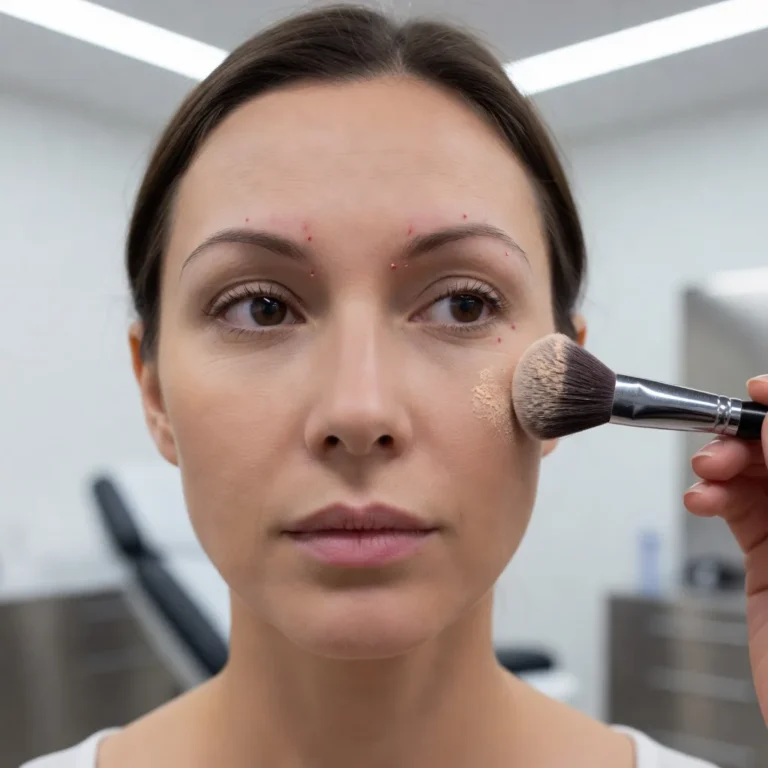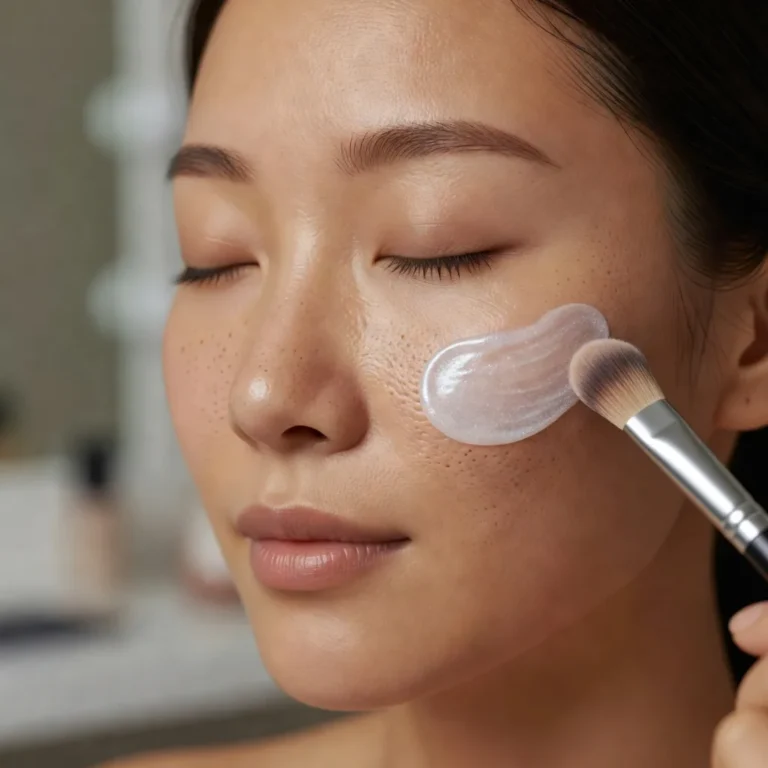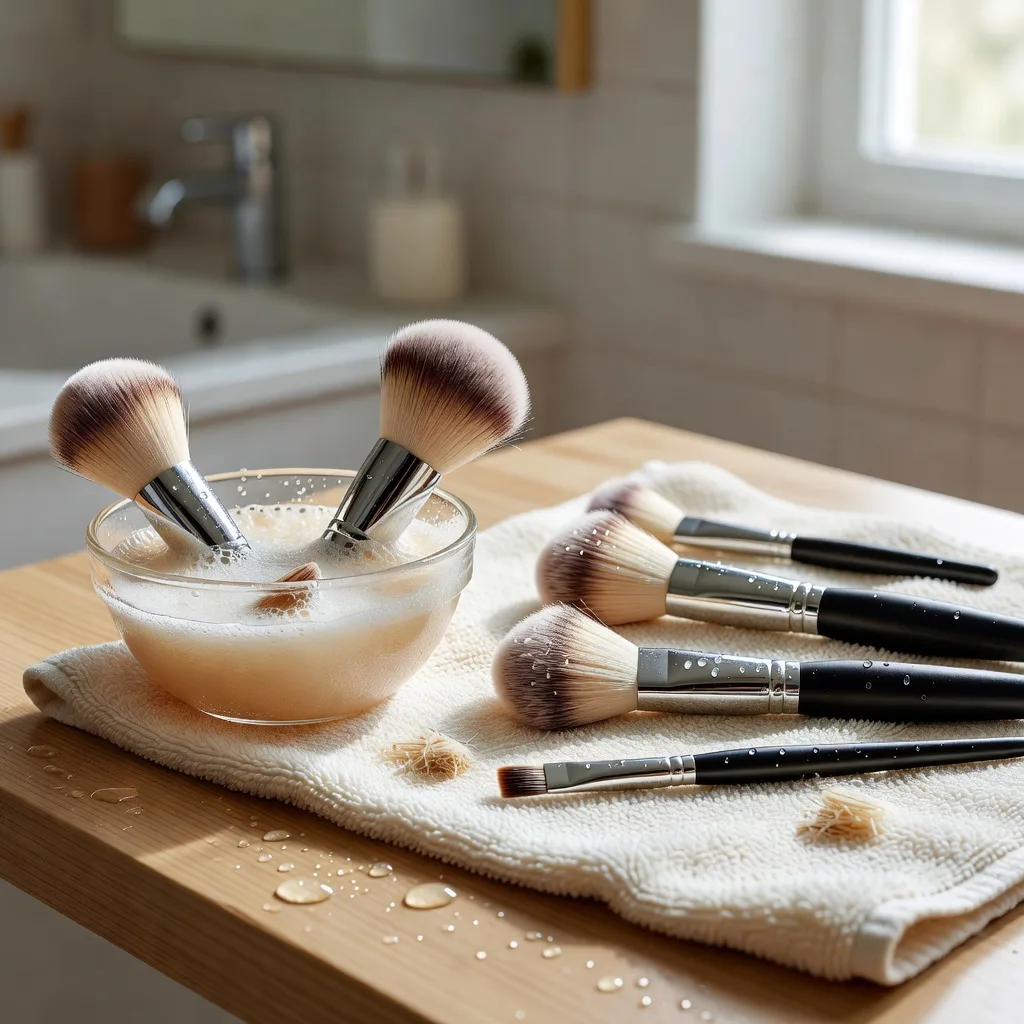
How Often Do Makeup Brushes Need to Be Cleaned?
Makeup brushes are easy to forget. They sit in a cup on the counter, look fine from a distance, and get used day after day. But every time you apply foundation or powder, the bristles also pick up oil, dead skin, and bacteria from your face. Most people clean them far less often than they should.
Part of our guide to makeup tools. Start with: 10 Best Makeup Brush Sets (2026): Soft, Well-Made Kits for Every Look
Most dermatologists recommend washing brushes used for liquid or cream products, such as foundation and concealer, about once a week. Brushes used only for powder can usually go one to two weeks, and makeup sponges are best washed after every use. Eye brushes deserve extra care because the eye area is especially prone to infection.
Research shows why this matters. A 2019 Aston University study published in the Journal of Applied Microbiology found potentially harmful bacteria, including E. coli and Staphylococcus, on about nine in ten used makeup products tested. Beauty sponges were the most contaminated, and most had never been cleaned.
Clean brushes also simply work better. Product buildup makes bristles stiff and clumpy, which leads to streaky foundation and patchy powder. A quick weekly wash keeps application smooth and helps brushes last for years.
This guide explains how often to clean each type of brush, a step-by-step deep clean, quick daily spot cleaning, how to dry brushes properly, and signs that it is time to replace them. It also covers storage and travel tips.
Shopping these picks?
Amazon Prime members get fast, free shipping on eligible items, plus Prime Video, Amazon Music and member deals. New members can start with a free trial.
Start a free Prime trialAged 18 to 24? Prime for Young Adults comes with a longer free trial and a lower price after it.
Affiliate link: we may earn a commission at no extra cost to you.
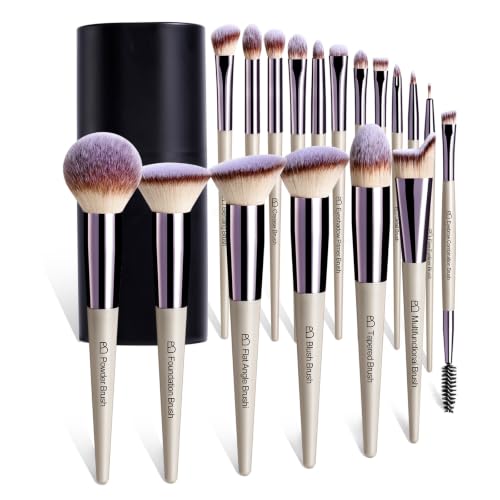
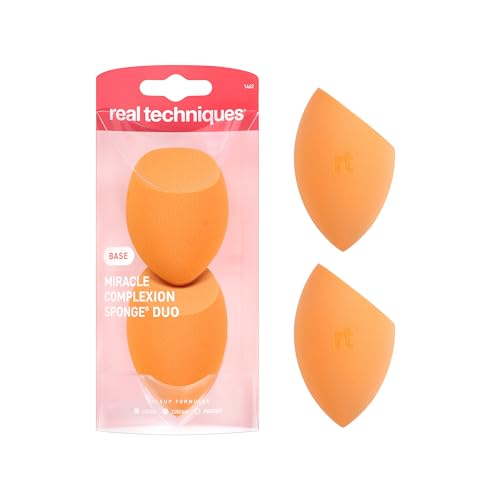
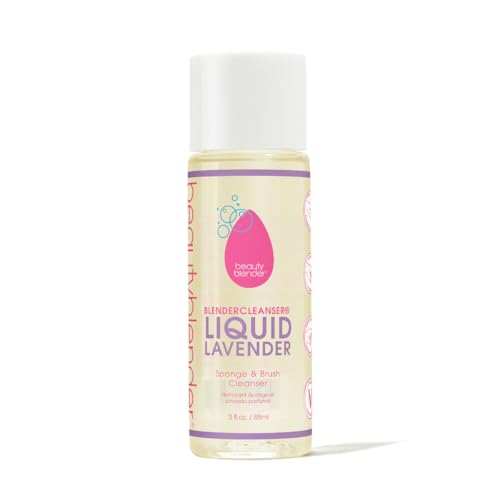
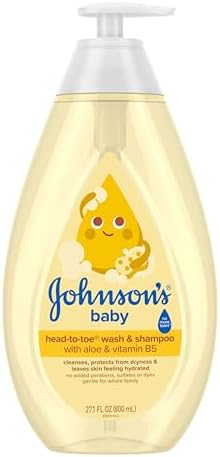
Recommended Brush Cleaning Tools and Brushes



In Brief
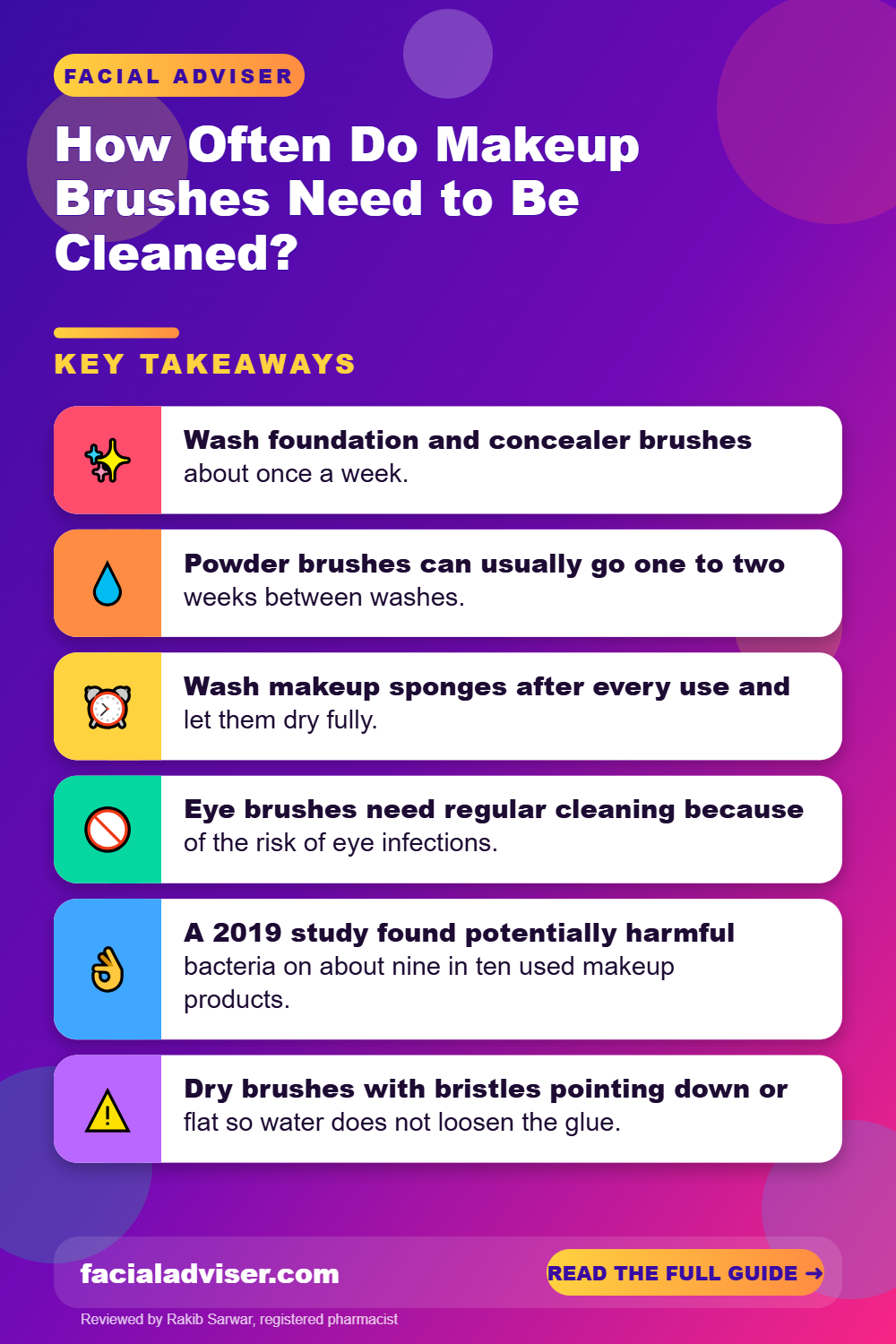
- Wash foundation and concealer brushes about once a week.
- Powder brushes can usually go one to two weeks between washes.
- Wash makeup sponges after every use and let them dry fully.
- Eye brushes need regular cleaning because of the risk of eye infections.
- A 2019 study found potentially harmful bacteria on about nine in ten used makeup products.
- Dry brushes with bristles pointing down or flat so water does not loosen the glue.
- Replace brushes that shed, lose shape, or stay smelly after cleaning.
Contents
- A Simple Cleaning Schedule
- Why Dirty Brushes Are a Problem
- How to Deep Clean Your Brushes
- Quick Spot Cleaning Between Washes
- Drying Brushes the Right Way
- What to Clean Brushes With
- Extra Care for Eye Brushes
- Storing Brushes Between Uses
- When to Replace Your Brushes
- Other Tools That Need Regular Cleaning
- What Cleaning Cannot Fix
- When Skin or Eye Problems Need a Doctor
- Common Questions
- Summing Up
A Simple Cleaning Schedule
| Tool | How often to deep clean | Why |
|---|---|---|
| Foundation and concealer brushes | About once a week | Liquid and cream products trap oil and bacteria |
| Powder, blush, and bronzer brushes | Every 1 to 2 weeks | Dry products hold less moisture |
| Eyeshadow and eyeliner brushes | About once a week | Eye area is prone to infection |
| Lip brushes | After each use or weekly | Close contact with mouth |
| Makeup sponges | After every use | Stay damp and grow bacteria quickly |
| Powder puffs | Weekly | Absorb oil and skin cells |
This schedule is a starting point. If you have acne-prone skin, use cream products daily, or share a vanity with others, clean more often. If you only wear makeup occasionally, clean brushes after each time you use them.
A quick spot clean between deep cleans helps too, especially if you use the same brush for different colors.
Setting a phone reminder for the same day each week is an easy way to stay on track, since it is easy to lose count of how long it has been.
Why Dirty Brushes Are a Problem
Every use deposits a small amount of oil, dead skin cells, sweat, and makeup into the bristles. Over time, that mix becomes an ideal place for bacteria and fungi to grow, especially in dense brushes used with liquids.
Using dirty brushes can contribute to breakouts, irritation, and, near the eyes, infections. People with acne-prone, sensitive, or eczema-prone skin tend to notice the effects most.
Performance suffers too. Built-up product makes bristles stiff and less flexible, so foundation goes on streaky and powder applies unevenly. Clean brushes give a smoother, more natural finish with less product.
Sponges need the most attention. Because they stay damp, they are the tool most likely to harbor high levels of bacteria. Our guide on wetting and cleaning sponges explains how to care for them.
Shared vanities, such as in dorms, salons, or households, increase the risk further, since tools may be used by more than one person or touched by different hands.
How to Deep Clean Your Brushes
This method works for most synthetic and natural-hair brushes.
Wet the bristles only
Run lukewarm water over the bristles, keeping the brush pointed down. Avoid soaking the handle or ferrule, the metal part that holds the bristles.
Apply a gentle cleanser
Put a small amount of brush cleanser, gentle shampoo, or mild soap on a cleaning mat or in your palm.
Swirl and lather
Swirl the brush gently in the cleanser until the lather runs clear of makeup color. Use the textured side of a mat for dense brushes.
Rinse thoroughly
Rinse under lukewarm water, still pointing downward, until the water runs completely clear.
Squeeze and reshape
Gently squeeze out water with a clean towel, reshape the bristles with your fingers, and lay flat or hang upside down to dry.
Clean several brushes at once on the same day each week, such as Sunday evening, so it becomes a habit and they are dry by morning.
Quick Spot Cleaning Between Washes
Spot cleaning does not replace a deep wash, but it keeps brushes fresher between cleans and helps when switching colors.
Spray a brush cleaner onto the bristles or onto a paper towel, then wipe the brush back and forth until no color comes off. Most spot cleaners contain alcohol and dry within a few minutes.
This is especially useful for eyeshadow brushes, so colors do not muddy each other, and for brushes you travel with.
Keep a small bottle of spray cleaner with your travel makeup for quick refreshes when you cannot do a full wash.
Drying Brushes the Right Way
Good Habits
- Lay brushes flat on a clean towel or hang them bristles down.
- Reshape bristles before drying.
- Let brushes dry completely, often overnight.
- Dry in a well-ventilated area.
- Store brushes upright only once fully dry.
Common Mistakes
- Dry brushes standing upright while wet.
- Use a hair dryer on high heat.
- Leave brushes to dry in a closed drawer or bag.
- Soak brushes in water.
- Use brushes while still damp.
Water that runs down into the ferrule can loosen the glue that holds the bristles, causing shedding. It can also create a damp spot where bacteria and mold can grow. That is why drying bristles-down or flat matters.
If you need a brush sooner, use a quick-drying spray cleaner rather than a full wash.
What to Clean Brushes With
You do not need expensive products. Options include dedicated brush cleansers, gentle shampoo, baby shampoo, or a mild, fragrance-free liquid soap.
Oil-based cleansers or a drop of cleansing oil can help break down long-wear foundation or waterproof products before washing with soap. Rinse thoroughly afterward so no oil stays in the bristles.
Avoid harsh detergents, very hot water, and long soaking, which can damage bristles and loosen glue. Natural-hair brushes may benefit from a gentle shampoo and occasional conditioner on the bristles only.
If you have sensitive skin, rinse brushes very thoroughly, since leftover soap residue in the bristles can irritate skin the next time you use them.
Extra Care for Eye Brushes
Eye brushes come into close contact with the lash line and eyelids, where bacteria can cause infections such as conjunctivitis or styes. Clean them at least weekly, and immediately if you have had an eye infection.
If you have had pink eye or a stye, wash all eye brushes thoroughly and consider replacing any that are old. Our guide on what to do if makeup gets in your eye covers eye-related warning signs.
Never share eye brushes or eye makeup, even with close friends or family, to avoid spreading infections.
Storing Brushes Between Uses
How you store brushes affects how clean they stay. Brushes left in an open cup next to the sink collect dust, hairspray, and moisture from the shower, and bristles can pick up bacteria from the damp air.
Store clean, dry brushes upright in a cup or holder away from the sink, or in a closed case with some ventilation. A cover or brush guard helps keep dense brushes in shape and protects them from dust.
When traveling, use a brush roll or case that keeps brushes separate, and make sure they are fully dry before packing them. Damp brushes packed in a closed bag are an easy place for mold to grow.
Keep brushes you use for different purposes separate, especially eye and face brushes, so you are not carrying bacteria from one area to another.
When to Replace Your Brushes
Well-cared-for brushes can last for years, but it is time to replace them if:
- Bristles shed noticeably every time you use them.
- The brush has lost its shape and will not spring back after washing.
- The bristles feel rough, scratchy, or brittle.
- A smell remains even after washing.
- The handle or ferrule is cracked or loose.
Makeup sponges wear out much faster. Replace them about every three months, or sooner if they tear, stay stained, or smell musty.
Other Tools That Need Regular Cleaning
Brushes and sponges are not the only tools that collect bacteria. Eyelash curlers, tweezers, pencil sharpeners, and makeup bags need attention too.
Wipe eyelash curlers and tweezers with rubbing alcohol weekly, and replace curler pads regularly. Clean pencil sharpeners by brushing out shavings and wiping the blade with alcohol.
Empty and wipe out makeup bags every few weeks, since spilled powder and broken product collect in the corners. Many bags can be washed or wiped with a mild soap solution.
Compacts and palettes can also be refreshed by lightly spraying the surface with rubbing alcohol and letting it dry, which helps if they have been used with dirty brushes.
What Cleaning Cannot Fix
| Belief | Reality |
|---|---|
| Brushes only need cleaning when they look dirty | Bacteria can build up before brushes look dirty |
| Spot cleaning is enough | It helps, but regular deep cleaning is still needed |
| Hot water cleans better | It can damage bristles and loosen glue |
| Clean brushes stop all breakouts | They help, but breakouts have many causes |
| Brushes last forever | Worn brushes should be replaced |
For more on how makeup habits affect your skin, see our guide on whether makeup messes up your skin.
Think of brush cleaning as part of skincare, not just makeup care.
When Skin or Eye Problems Need a Doctor
See a doctor or dermatologist if you notice:
- Breakouts that continue despite clean tools and a good routine.
- Red, itchy, or swollen skin where you apply makeup.
- A painful bump on the eyelid that does not improve.
- Eye redness with discharge or pain.
- Signs of skin infection, such as pus, warmth, or spreading redness.
- Rashes that return with specific products.
Medical disclaimer: This article is for general information and is not a substitute for professional medical advice. See a healthcare provider about skin or eye infections.
Common Questions
How often should I clean my makeup brushes?
About once a week for foundation, concealer, and eye brushes; every one to two weeks for powder brushes.
How often should I clean makeup sponges?
After every use, and let them dry completely.
What happens if you never clean makeup brushes?
They can harbor bacteria, contribute to breakouts and irritation, and apply makeup unevenly.
What is the best way to clean makeup brushes?
Wash bristles with lukewarm water and a gentle cleanser, rinse well, reshape, and dry flat or bristles down.
Can I use shampoo to clean makeup brushes?
Yes. Gentle shampoo or baby shampoo works well.
How long do brushes take to dry?
Usually several hours to overnight, depending on density.
Can I use a hair dryer on brushes?
It is better to air dry, since heat can damage bristles and glue.
Is spot cleaning enough?
It helps between washes but does not replace a regular deep clean.
When should I replace makeup brushes?
When they shed, lose shape, feel rough, or smell after cleaning.
Do dirty brushes cause acne?
They can contribute, especially for acne-prone skin, but acne has many causes.
Summing Up
Most makeup brushes should be deep cleaned about once a week, with powder brushes every one to two weeks and sponges after every use. Brushes pick up oil, dead skin, and bacteria, and research shows most used makeup tools and products carry potentially harmful bacteria.
Wash bristles gently with a mild cleanser and lukewarm water, rinse well, reshape, and dry flat or bristles down. Clean eye brushes especially carefully, never share tools, and replace brushes that shed or lose their shape.

Written by
Registered pharmacist and founder of Facial Adviser. Rakib's pharmacy training covers how skincare actives work and interact; a later course in cosmetology turned that into a focus on facial treatments and skincare products. He plans, researches and edits every guide on the site and checks health claims against sources such as the American Academy of Dermatology, the FDA and the NIH. He is not a dermatologist; see the Editorial Policy and Medical Disclaimer.
About · Editorial policy · How we choose products · Medical disclaimer · Contact
Keep reading: Makeup brushes and tools
- 10 Best Makeup Brush Sets (2026): Soft, Well-Made Kits for Every Look
- IT Cosmetics Heavenly Luxe Complexion Perfection Brush #7: Is It Worth It?
- Hourglass Veil Powder Brush: Double-Ended Brush for a Smooth Finish
- 10 Best Foundation Brushes (2026): Flat, Buffing, Stippling or Angled
- 10 Best Makeup Organizers (2026): Drawers, Rotating Stands and Cases
- 10 Best Eyeliner Brushes (2026): Sharp Wings and Clean Gel Lines