IT Cosmetics Heavenly Luxe Complexion Perfection Brush #7: Is It Worth It?
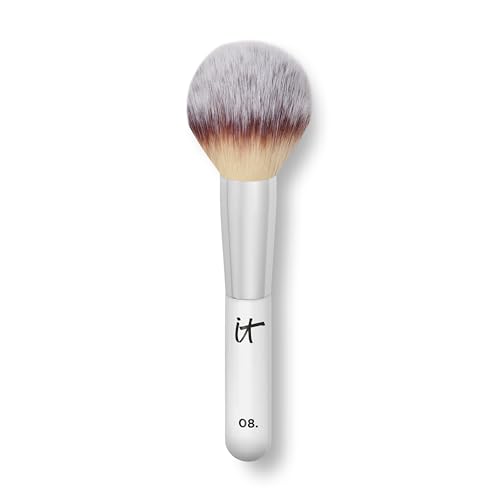
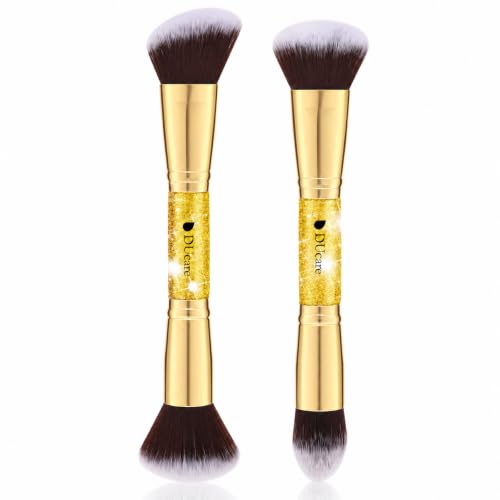
The IT Cosmetics Heavenly Luxe Complexion Perfection Brush #7 is a two-in-one base brush designed to handle both foundation and concealer. It belongs to the brand’s Heavenly Luxe range of synthetic brushes and is often bought by people who want fewer tools in their makeup bag.
Part of our guide to makeup tools. Start with: 10 Best Makeup Brush Sets (2026): Soft, Well-Made Kits for Every Look
The Complexion Perfection Brush #7 is a good pick if you want one brush that applies foundation and concealer and gets into tricky spots around the nose and eyes. According to the brand and its retailers, it is double-ended, with a larger end for foundation and a smaller end for concealer, an angled head for hard-to-reach contours, soft synthetic vegan bristles and a lightweight handle, and it is meant for liquid and powder foundation. Its drawbacks are that two ends make cleaning take longer, it does not suit people who prefer a sponge finish, and a dedicated single-purpose brush may give more control for full-coverage looks.
In short: a practical, travel-friendly base brush for everyday foundation and concealer.
Because brushes touch the skin every day, hygiene matters. The US Food and Drug Administration notes that people can react to ingredients in cosmetics, and dirty tools add bacteria to the mix, so regular washing is part of using any brush well.
This guide explains the brush’s design, who it suits, pros and cons, how to use it and which alternatives to consider. It is based on published product information and general makeup guidance, not our own hands-on testing.
Shopping these picks?
Amazon Prime members get fast, free shipping on eligible items, plus Prime Video, Amazon Music and member deals. New members can start with a free trial.
Start a free Prime trialAged 18 to 24? Prime for Young Adults comes with a longer free trial and a lower price after it.
Affiliate link: we may earn a commission at no extra cost to you.
Where to Buy the IT Cosmetics Complexion Perfection Brush and Similar Options on Amazon


In Brief
- Brush #7 is double-ended: a larger end for foundation, a smaller end for concealer.
- The angled head is designed to reach around the nose and eyes.
- Bristles are synthetic and vegan.
- It is described as suitable for liquid and powder foundation.
- It suits minimal routines and travel bags.
- Two ends mean a little more effort to wash and dry.
- Clean it at least weekly to limit bacteria and breakouts.
Jump to a Section
- What the Complexion Perfection Brush #7 Is
- Design and Features
- Who This Brush Suits
- Pros and Cons
- Using It With Liquid, Cream and Powder Foundation
- How to Use the Complexion Perfection Brush Step by Step
- How to Clean and Care for It
- Alternatives to Consider
- Dos and Don’ts
- Honest Limits
- When to See a Dermatologist
- Your Questions, Answered
- The Takeaway
What the Complexion Perfection Brush #7 Is
Most people use at least two tools for their base: something for foundation across the face and something smaller for concealer under the eyes or on spots. The Complexion Perfection Brush #7 combines those jobs in one handle, with a head at each end.
The larger end is designed to apply and blend foundation over wide areas such as the cheeks and forehead. The smaller end is intended for concealer and for precise work around the nose, inner corners of the eyes and blemishes. The brand describes it as a multi-purpose face brush for covering hard-to-reach areas, which is its main selling point.
Brush names and numbers can vary between regions and retailers. Check that a listing shows a double-ended brush named Complexion Perfection Brush #7 from the Heavenly Luxe range, because the brand sells several similar-looking face brushes.
Design and Features
The table below lists the features we could confirm from the brand and its authorised retailers. We have left out anything we could not verify, such as exact bristle length or density figures.
| Feature | What is published |
|---|---|
| Design | Double-ended face brush |
| Large end | For applying foundation over broad areas |
| Small end | For concealer and precise areas |
| Head shape | Angled to reach contours around the nose and eyes |
| Bristles | Synthetic, vegan, described as ultra-soft |
| Handle | Lightweight |
| Formulas | Liquid and powder foundation, plus concealer |
| Range | Heavenly Luxe brush collection |
Synthetic bristles are generally a good match for liquid and cream products, because they absorb less product than natural hair and are easier to wash. They also work with powders, although a looser, fluffier brush usually gives a softer powder finish. The angled cut is what helps the brush fit around the sides of the nose, where flat brushes can leave streaks. It also helps along the jaw and hairline, where foundation often ends in a visible line if it is not blended outwards carefully.
Who This Brush Suits
The best brush depends on your routine, your preferred finish and how much coverage you want. This table compares common situations.
| You want | Good fit? | Why |
|---|---|---|
| One brush for foundation and concealer | Yes | Two ends cover both jobs |
| A travel-friendly base kit | Yes | Replaces two separate brushes |
| Light to medium coverage with liquids | Yes | Soft synthetic bristles blend smoothly |
| A very sheer, dewy sponge finish | Maybe | A damp sponge may look more natural |
| Heavy, full-coverage stage makeup | Maybe | A dense buffing brush can build coverage faster |
| Detailed concealing on small spots | Yes | Small end is designed for precision |
If you want to compare brush shapes more widely, our guide to the best foundation brushes explains the differences between flat, angled, buffing and stippling brushes.
Pros and Cons
Here is a balanced summary of the brush’s strengths and weaknesses, based on its design and the themes that commonly come up in buyer feedback. We have not included quotes or ratings.
- Pro: two tools in one, which saves space and time.
- Pro: angled head suits the sides of the nose and around the eyes.
- Pro: synthetic, vegan bristles that work well with liquid formulas.
- Pro: lightweight handle that is comfortable to hold.
- Con: two heads to wash and dry, which takes longer than a single brush.
- Con: the smaller end may feel too large for very tiny blemishes.
- Con: some people still prefer a sponge for the most skin-like finish.
- Con: a premium brush may not suit a tight budget when basic synthetic brushes do a similar job.
Buyer owner feedback for this brush commonly mention its softness and how quickly it blends foundation, while less positive comments often focus on the time needed to dry the dense heads after washing. These are general patterns, and your results will depend on your products and technique.
Using It With Liquid, Cream and Powder Foundation
The brand describes this brush as suitable for both liquid and powder foundation, and in principle a synthetic brush can also handle creams and sticks. Each formula behaves a little differently, so technique matters.
- Liquid foundation: apply in dots and blend with small circles or short strokes; the synthetic bristles help keep the product on the face rather than soaking it up.
- Cream or stick foundation: warm the product on the back of your hand first, then press and buff it in, working in small sections.
- Powder foundation: swirl the large end lightly in the pan, tap off the excess and press it onto the skin before buffing, to avoid a heavy, dusty look.
- Concealer: use the small end to tap and press rather than sweep, so the coverage stays where you put it.
- Tinted moisturiser or BB cream: a brush works, but fingers or a sponge often give a more natural, sheer finish.
If a formula looks streaky with the brush, try a light stippling motion instead of sweeping, or use less product. Streaks usually come from too much foundation or from dragging the brush over skin that is still wet with moisturiser, rather than from the brush itself. Waiting a few minutes after skincare and working in thin layers solves most problems.
How to Use the Complexion Perfection Brush Step by Step
These steps work for most liquid foundations and concealers. Adjust the amount of product to the coverage you want.
Start with prepped skin
Apply moisturiser and sunscreen and let them settle for a few minutes.
Dot on foundation
Place small dots on the forehead, cheeks, nose and chin.
Blend with the large end
Use small circles or short sweeping strokes, working outwards from the centre.
Use the angle on edges
Turn the brush to blend around the nose, hairline and jaw.
Switch to the small end
Tap concealer under the eyes and on spots, then blend the edges.
Build only where needed
Add thin extra layers to areas that need more coverage.
Set if desired
Use powder with a separate fluffy brush for the lightest finish.
Use a clean end for concealer. If the small end is already coated in foundation, wipe it on a tissue first, or the concealer may blend into a patchy mix of two shades.
If you mainly want a precise tool for under the eyes and blemishes, our guide to the best concealer brushes covers dedicated options.
How to Clean and Care for It
A brush used with liquid foundation collects oil, product and bacteria quickly. Cleaning it regularly helps it blend better and may reduce breakouts.
- Wash both ends at least once a week if you use it daily.
- Use a gentle brush cleanser or mild soap and lukewarm water.
- Point the bristles downwards when rinsing so water does not loosen the glue.
- Squeeze out water gently and reshape the head.
- Dry the brush flat or bristles down, never upright in a cup.
- Spot clean between washes with a brush cleaning spray.
Our guide on how often makeup brushes need to be cleaned explains a simple routine for daily-use brushes.
Do not share base brushes with others, and stop using a brush if you notice a breakout or skin irritation in the areas where you use it. Wash or replace it and patch test any new foundation or concealer.
Alternatives to Consider
If this brush does not suit your routine, several other tool types do a similar job.
- Separate foundation and concealer brushes: more control over each step, but two tools to carry and clean.
- Flat-top buffing brushes: build coverage quickly and suit medium to full coverage.
- Angled foundation brushes: similar shape without the second end.
- Makeup sponges: give a sheer, skin-like finish and work well with liquids and creams.
- Fingers: warm the product and work well for sheer tints and BB creams.
Price is also worth thinking about. Premium brushes can last for years if they are washed gently and stored dry, while cheaper synthetic brushes often perform surprisingly well for liquid products. The most important thing is soft, dense, well-glued bristles that do not shed or scratch.
Many people end up using a mix, such as a brush for foundation and a sponge or finger for concealer. There is no single right tool; the best one is the one that gives you an even finish with your products.
Dos and Don’ts
Worth Doing
- Use the large end for foundation and the small end for concealer
- Apply product in thin layers
- Wash both ends every week
- Dry the brush flat or bristles down
- Patch test new base products
Skip It
- Press hard and drag the skin
- Use one end for both products without wiping
- Soak the handle in water
- Share your brush
- Store it wet in a closed bag
Honest Limits
A brush cannot change how a foundation performs. If a formula oxidises, looks cakey or separates, the brush will not fix it, and switching products is usually the answer. Likewise, no brush can hide texture completely; heavy layering often makes texture more visible.
This guide is based on published product details and general patterns in buyer feedback, not hands-on testing. Softness, shedding and durability can vary between batches and with how the brush is washed and stored, so check the retailer’s return policy before buying. Finally, whether a two-ended design feels convenient or fiddly is personal: some people love having both tools in one handle, while others find they only ever use one end and would rather carry a single, simpler brush.
When to See a Dermatologist
- You break out or itch whenever you wear base makeup.
- You get redness, swelling or a rash after using a product or tool.
- You have acne, rosacea or eczema and struggle to find products that suit you.
- Spots in the areas you apply makeup do not improve with cleaner tools.
This article is for general information only. Product details can change, so check the brand’s current information. If you have sensitive skin or allergies, patch test new products, and see a board-certified dermatologist if you react. The FDA’s page on allergens in cosmetics explains how to spot and report reactions.
Your Questions, Answered
What is the Complexion Perfection Brush #7?
A double-ended synthetic face brush for foundation and concealer.
Can I use it with powder foundation?
Yes, the brand says it works with liquid and powder foundation.
Are the bristles synthetic?
Yes, they are synthetic and vegan.
Which end is for concealer?
The smaller end.
Is it good for beginners?
Yes, the soft, angled head is forgiving.
Is it good for full coverage?
It can build coverage, but a dense buffing brush may be faster.
How often should I wash it?
At least weekly if used daily.
Does it shed?
Buyer feedback varies; gentle washing helps.
Is it better than a sponge?
Not always; sponges give a sheerer finish.
Is it good for travel?
Yes, it replaces two separate brushes.
The Takeaway
The IT Cosmetics Heavenly Luxe Complexion Perfection Brush #7 is a practical, double-ended synthetic brush that handles foundation and concealer in one tool and reaches tricky areas well.
Use thin layers, keep the concealer end clean, wash both heads weekly and choose a sponge or dedicated brush if you prefer a sheerer or heavier finish.

Written by
Registered pharmacist and founder of Facial Adviser. Rakib's pharmacy training covers how skincare actives work and interact; a later course in cosmetology turned that into a focus on facial treatments and skincare products. He plans, researches and edits every guide on the site and checks health claims against sources such as the American Academy of Dermatology, the FDA and the NIH. He is not a dermatologist; see the Editorial Policy and Medical Disclaimer.
About · Editorial policy · How we choose products · Medical disclaimer · Contact
Keep reading: Makeup brushes and tools
- 10 Best Makeup Brush Sets (2026): Soft, Well-Made Kits for Every Look
- Hourglass Veil Powder Brush: Double-Ended Brush for a Smooth Finish
- 10 Best Foundation Brushes (2026): Flat, Buffing, Stippling or Angled
- 10 Best Makeup Organizers (2026): Drawers, Rotating Stands and Cases
- 10 Best Eyeliner Brushes (2026): Sharp Wings and Clean Gel Lines
- 10 Best Makeup Mirrors (2026): True-Colour Light and Clear Detail