10 Best Electric Hair Clippers (2026): Cleaner Fades at Home
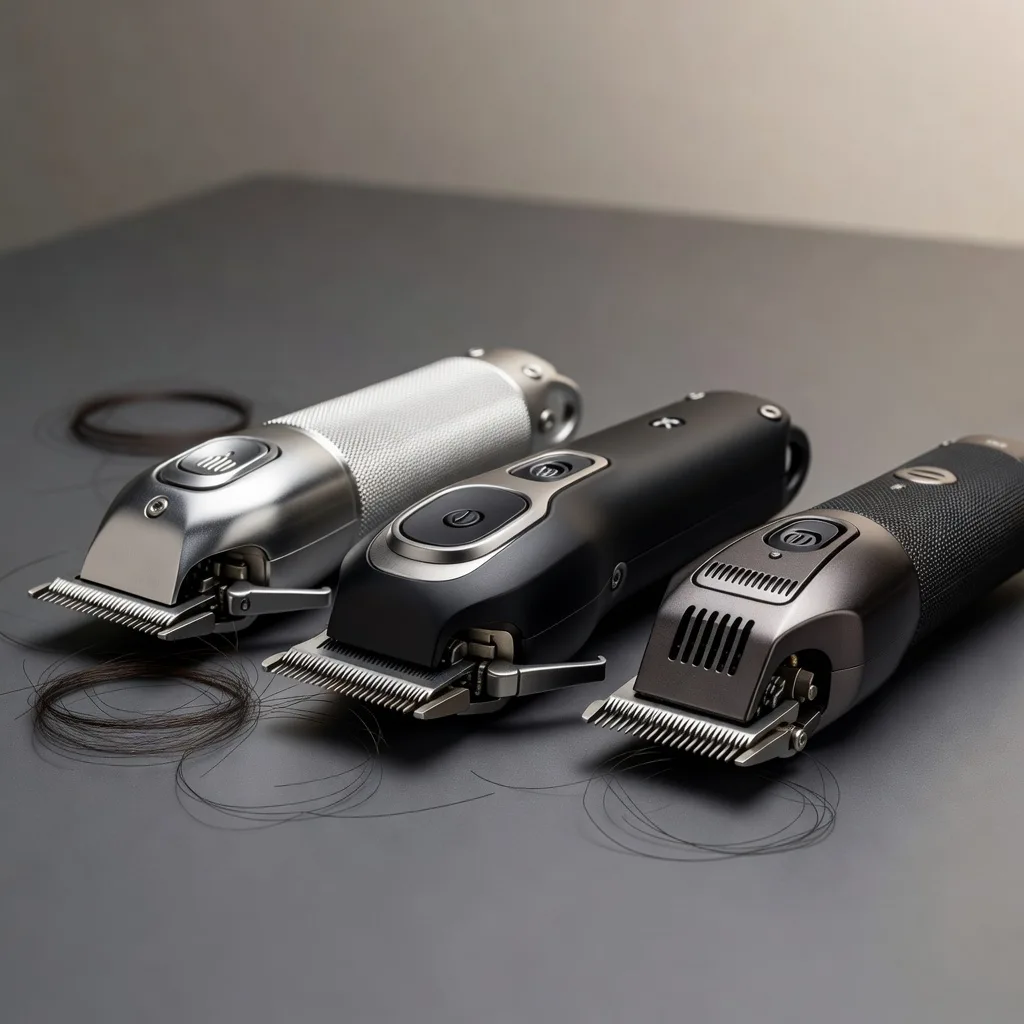
Electric hair clippers look much the same on a shelf, but the motor, blade and guard design inside decide whether a clipper glides through thick hair or snags and leaves an uneven cut. This list covers 10 options, from cordless barber kits to quiet corded clippers, with notes on who each suits.
Part of our guide to men's grooming tools. Start with: 10 Best Beard Trimmers (2026): Even Lengths, Clean Edges
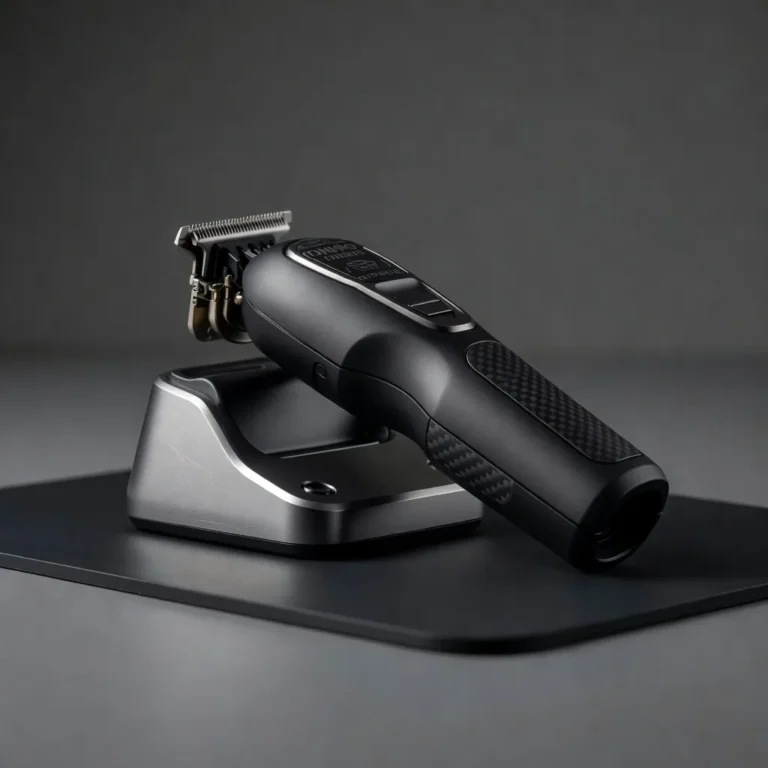
For most people cutting hair at home, the best electric hair clipper is a cordless model with a strong rotary or magnetic motor, sharp stainless steel or ceramic blades, an adjustable taper lever and a full set of sturdy, clearly numbered guards. Rotary motors handle thick, coarse or wet hair best, magnetic motors are fast and light for everyday cuts, and pivot motors are quiet and gentle for fine hair. Look for battery life long enough for a full cut, blades that come off easily for cleaning, and a comfortable weight. Avoid thin plastic guards, blades that cannot be removed or oiled, and vague claims about power without a stated motor type.
In short: pick the motor for your hair type, check the guards and blades, and keep the clipper clean and oiled.
The American Academy of Dermatology advises storing razors in a dry place and letting them dry completely between uses to stop bacteria growing, a habit that applies just as well to clipper blades.
Below you will find the ten picks, how we chose them, how clipper types and guards compare, what to avoid, and how to cut, clean and oil a clipper so it lasts and stays gentle on your scalp.
Shopping these picks?
Amazon Prime members get fast, free shipping on eligible items, plus Prime Video, Amazon Music and member deals. New members can start with a free trial.
Start a free Prime trialAged 18 to 24? Prime for Young Adults comes with a longer free trial and a lower price after it.
Affiliate link: we may earn a commission at no extra cost to you.
As an Amazon Associate we earn from qualifying purchases. This does not change which products we include.


In This Guide
- The 10 Best Electric Hair Clippers Right Now
- How We Chose These Products
- Types of Electric Hair Clippers Compared
- Features That Matter Most When Choosing
- Corded vs Cordless Clippers
- Guard Sizes and What They Mean
- What to Avoid When Buying a Hair Clipper
- How to Cut Your Own Hair With Electric Clippers
- Cleaning, Oiling and Blade Care
- Clippers and Your Skin: Bumps, Nicks and Irritation
- Dos and Don’ts
- Honest Limits
- When to See a Dermatologist
- Frequently Asked Questions
- The Takeaway
In Brief
- TPOB Play Clipper Set is our top pick for its quiet dual-speed motor, oil-reservoir blade, trimmer and foil shaver.
- SUPRENT Vector Motor Clipper is the power pick, with a high-speed motor that adjusts to resistance in thick hair.
- Novah Clipper and Trimmer Set is the best all-in-one alternative, with a taper lever and turbo mode.
- Motor type matters more than the number of accessories: rotary for thick hair, pivot for fine or wet hair.
- Sturdy guards that clip on firmly give even, predictable lengths.
- Oil blades regularly and brush out hair after every cut.
- Zero-gap blades and no-guard cuts raise the risk of nicks and bumps on sensitive skin.
The 10 Best Electric Hair Clippers Right Now
These ten clippers were shortlisted from widely reviewed Amazon listings and ranked by motor type, blade design, guards, power source and how clearly each listing explains what is included. Each pick notes who it suits, its trade-offs and who should skip it.
| # | Product | Best For | Standout Feature | |
|---|---|---|---|---|
| 1 | TPOB Play Clipper, Trimmer and Shaver Set | Full home cuts and tidy-ups | Clipper, trimmer and foil shaver together | View |
| 2 | SUPRENT Vector Motor Barber Clipper | Thick, coarse or dense hair | High-speed motor that adjusts to resistance | View |
| 3 | Novah Clipper, Trimmer and Foil Shaver Set | Family barbers who fade | Taper lever plus two-speed turbo mode | View |
| 4 | Wahl Pro Series Platinum Clipper and Trimmer Kit | First-time home haircutters | Colour-coded guards for easy repeat cuts | View |
| 5 | Stylecraft Rogue Cordless Magnetic Clipper | Experienced home barbers | Adjustable zero-gap blade and long runtime | View |
| 6 | SUPRENT StormGray Clipper and T-Blade Trimmer | Long cordless sessions | Large battery with a T-blade trimmer | View |
| 7 | Wahl Pro Ultra Quiet Torque Corded Clipper | Children and noise-sensitive users | Metal body designed for ultra-quiet running | View |
| 8 | Oster Fast Feed Pivot Motor Clipper | Fine, wet or children’s hair | Quiet pivot motor with adjustable blade | View |
| 9 | VGRPRO Cordless Clipper and Trimmer Set | Occasional home cuts | Cordless clipper and trimmer pair | View |
| 10 | Fagaci Cordless Fine-Cut Clipper | Quick trims and touch-ups | Designed for fine, close cutting | View |
TPOB Play Clipper, Trimmer and Shaver Set

Best for: Full home cuts and tidy-ups
The TPOB Play set earns the top spot because it covers the whole job in one box. The cordless clipper has two speeds and a blade with small oil reservoirs designed to keep it lubricated for longer, which helps it cut smoothly between oilings. A clicking taper lever makes blending easier than on clippers that rely only on guards.
You also get a detail trimmer, a foil shaver and six guide combs, so necklines and outlines do not need a second purchase. The seller highlights quiet running, which suits anyone who finds buzzing unpleasant. Compared with the #2 SUPRENT, it trades some top speed for a gentler, more complete kit, and the shaver is best used carefully on sensitive necks.
- Dual-speed cordless clipper with a quiet design
- Blade with oil reservoirs to stay lubricated longer
- Clicking taper lever for fades and blending
- Includes trimmer, foil shaver and six guide combs
Pros
- Complete kit for cuts, outlines and shaving
- Taper lever helps with blending
- Quiet running for self-cutting
Cons
- Lower top speed than the #2 pick
- Foil shaver can irritate bump-prone skin
Skip it if: Skip it if you only need a basic clipper; the Oster Fast Feed or Fagaci are simpler.
Check Price on AmazonSUPRENT Vector Motor Barber Clipper

Best for: Thick, coarse or dense hair
The SUPRENT vector-motor clipper is the pick for people whose hair makes weaker clippers tug. Its dual-coil motor is rated at a higher speed than anything else on this list, and the listing says it senses resistance and adjusts, which is designed to keep the blade moving steadily through dense patches rather than stalling.
Deep-tooth grooved blades with a dark coating are aimed at fading, and a matching trimmer handles outlines. A hidden display shows battery and speed, which helps you avoid running flat mid-cut. It is more barber-focused than the #1 TPOB set, with no foil shaver, and the extra power is wasted if your hair is fine.
- Dual-coil vector motor with dynamic speed control
- Deep-tooth coated blades aimed at fading
- Trimmer with adjustable precision blade
- Hidden display for battery level and speed
Pros
- Highest rated motor speed here
- Battery and speed display
- Clipper and trimmer pairing
Cons
- More power than fine hair needs
- No shaver in the kit
Skip it if: Skip it if your hair is fine or thin; the Oster pivot clipper is gentler.
Check Price on AmazonNovah Clipper, Trimmer and Foil Shaver Set

Best for: Family barbers who fade
The Novah set is a close rival to the #1 TPOB kit, with a clipper, trimmer and foil shaver in one box. It adds a two-speed turbo mode and a click taper lever designed for smooth fades and blending, plus six premium guards, so it suits anyone who cuts several people at home.
The seller says it was developed with working barbers, and the cross-etched grip is meant to stay secure when your hands are covered in hair. Compared with the #1 pick it puts more focus on fading than quiet running. As with any foil shaver, go gently on the neck if you get razor bumps.
- Clipper, trimmer and foil shaver in one set
- Click taper lever for fades
- Two-speed turbo mode
- Six guards and a textured grip
Pros
- Covers cutting, detailing and shaving
- Good blending control
- Secure grip
Cons
- Guard count lower than the Wahl Ultra Quiet
- Shaver not ideal for bump-prone skin
Skip it if: Skip it if you never shave or outline; a single clipper such as the Stylecraft Rogue is more focused.
Check Price on AmazonWahl Pro Series Platinum Clipper and Trimmer Kit

Best for: First-time home haircutters
The Wahl Pro Series Platinum kit is the easiest pick for households that are new to cutting hair. Both the clipper and the touch-up trimmer are corded, so power never fades during a slow first attempt, and the motor is designed to push through thicker hair without snagging, which helps if the family has a mix of fine and thick hair.
Its colour-coded guide combs are a small but useful touch: you can remember each person’s favourite length without squinting at numbers. The trimmer tidies necklines and around the ears with its own three combs. Compared with the cordless #1 and #2 picks, the cables limit movement, which makes the back of your own head harder to reach.
- Corded clipper with a no-snag motor
- Corded touch-up trimmer with three combs
- Colour-coded guide combs
- Designed for at-home haircutting and beards
Pros
- Constant power for slow cuts
- Easy-to-remember guard colours
- Separate trimmer included
Cons
- Cables limit movement
- Less suited to barber-style fades
Skip it if: Skip it if you cut your own hair often; a cordless pick such as the TPOB is easier to handle.
Check Price on AmazonStylecraft Rogue Cordless Magnetic Clipper

Best for: Experienced home barbers
The Stylecraft Rogue is a barber-style clipper built around a fast magnetic motor and a coated shallow-tooth fade blade that the seller says stays cooler and resists rust. It is designed for quiet running and a long motor life, and the battery is rated for around two hours of cordless use.
Its fully adjustable zero-gap blade can give an extremely close finish, which is why it sits here rather than higher. Zero-gap settings raise the risk of nicks and irritation, so this suits confident users more than beginners. It is a clipper only, unlike the #1 and #3 kits, so you may need a separate trimmer.
- Fast magnetic motor designed for quiet running
- Coated shallow-tooth fade blade
- Lithium-ion battery with long cordless runtime
- Fully adjustable zero-gap blade
Pros
- Long cordless runtime
- Close, crisp fades
- Cooler-running coated blade
Cons
- Zero-gap can nick inexperienced users
- No trimmer or shaver included
Skip it if: Skip it if you are new to clippers or prone to razor bumps; the Wahl Platinum kit is safer to learn on.
Check Price on AmazonSUPRENT StormGray Clipper and T-Blade Trimmer

Best for: Long cordless sessions
The SUPRENT StormGray pairs a magnetic-motor clipper with a T-blade trimmer for crisp lines, making it a slightly simpler, cordless alternative to the #2 SUPRENT vector clipper. The listing focuses on steady, precise cutting rather than headline speed, which suits most home cuts and makes it easy to use for beginners and regulars alike.
A large battery is designed for long sessions, useful when you cut several people in one go. The T-blade trimmer is aimed at outlines and necklines, so take care close to the skin. It has fewer extras than the #1 TPOB set and no shaver, but it covers the essentials in a sleek cordless pair.
- Cordless clipper with a magnetic motor
- T-blade trimmer for lines and outlines
- Large rechargeable battery
- Aimed at both barbers and family use
Pros
- Long cordless sessions
- Clipper and trimmer pair
- Simpler than the vector model
Cons
- No foil shaver
- Listing gives few guard details
Skip it if: Skip it if you mainly need power for very thick hair; the #2 SUPRENT vector clipper suits that better.
Check Price on AmazonWahl Pro Ultra Quiet Torque Corded Clipper

Best for: Children and noise-sensitive users
The Wahl Pro Ultra Quiet is the pick for anyone who dreads the buzz of a clipper, including young children. Its double-insulated metal housing is designed to keep noise down, and a braided power cable adds durability. It is made in the USA and comes with a hard case and storage caddy.
The set of twelve guards with stainless steel clips is the most generous on this list, which makes gradual length changes easy. Because it is corded, power stays constant, but you lose the freedom of the cordless #1 and #6 picks. It is a clipper only, so outlines need care or a separate trimmer.
- Double-insulated metal housing for quiet running
- Twelve guards with stainless steel clips
- Braided power cable
- Hard storage case and accessory caddy
Pros
- Quiet enough for nervous children
- Largest listed guard set here
- Durable metal build
Cons
- Corded only
- No trimmer included
Skip it if: Skip it if you want to cut your own hair cordless; the TPOB or Stylecraft picks move more freely.
Check Price on AmazonOster Fast Feed Pivot Motor Clipper

Best for: Fine, wet or children’s hair
The Oster Fast Feed uses a pivot motor, which gives slower but forceful strokes and quiet running. The listing says it cuts wet or dry hair of all types, and the steel blade adjusts between very short settings, so you can fine-tune length without swapping guards, which is handy for quick tidy-ups between cuts.
It is a simple, long-established corded clipper with a textured grip designed for all-day use, plus blade oil, a cleaning brush and a blade guard in the box. With only four guide combs it offers fewer lengths than the #7 Wahl Ultra Quiet, and it lacks the extras of the cordless kits higher up.
- Quiet pivot motor
- Adjustable steel blade for fine length control
- Cuts wet or dry hair
- Four guide combs, oil, brush and blade guard
Pros
- Gentle and quiet
- Works on wet hair
- Easy blade adjustment
Cons
- Only four guide combs
- Corded, with no trimmer
Skip it if: Skip it if your hair is very thick and coarse; the SUPRENT vector or Wahl Platinum picks have more power.
Check Price on AmazonVGRPRO Cordless Clipper and Trimmer Set

Best for: Occasional home cuts
The VGRPRO set is a more affordable way to get a cordless clipper and a matching trimmer. The listing gives a motor speed rating and positions it as a men’s grooming kit, so it suits simple buzz cuts, short back and sides, and neckline tidy-ups between barber visits, without the cost of a full barber-grade kit.
Its listing is less detailed than those higher up, so we have ranked it below the better-documented kits. Check the included guards before a first cut. Compared with the #1 TPOB set it has no taper-lever or shaver details listed, but it is a sensible starter pair for occasional use.
- Cordless clipper and trimmer set
- Stated motor speed rating
- Designed for men’s haircuts and grooming
- Suits short cuts and neckline tidy-ups
Pros
- Cordless convenience
- Clipper and trimmer together
- Good starter kit
Cons
- Thin listing detail
- Fewer documented features than higher picks
Skip it if: Skip it if you cut often or fade; the Novah or TPOB sets are better equipped.
Check Price on AmazonFagaci Cordless Fine-Cut Clipper

Best for: Quick trims and touch-ups
The Fagaci clipper is the simplest option here: a cordless clipper that the seller says is designed for fine, close cutting and can double as a trimmer. That makes it handy for quick tidy-ups, beard lines and short cuts when you do not want to unpack a full kit or plug in a corded clipper.
Its listing is brief, so we cannot confirm guard counts or motor type in detail, which is why it sits last. Close-cutting blades call for a light touch on sensitive necks. For regular full haircuts, the #4 Wahl Platinum or #8 Oster give more length control, and both come with fuller guard sets.
- Cordless professional-style clipper
- Designed for fine, close cutting
- Can double as a trimmer
- Compact for quick touch-ups
Pros
- Simple to use
- Cordless and portable
- Useful for outlines
Cons
- Brief listing with few specs
- Close blade needs care on sensitive skin
Skip it if: Skip it if you want a complete haircutting kit; the Wahl Platinum is more complete.
Check Price on AmazonHow We Chose These Products
We shortlisted clippers from Amazon listings that are highly rated by a large number of shoppers, favouring established brands and fuller-featured models with a clearly stated motor type, removable blades and a good set of guards. We then checked each product’s listed features against the grooming and hygiene guidance cited in this post, including the AAD’s advice on keeping blades clean and dry.
These are research-based picks, not hands-on lab tests. We did not time battery life or measure blade speed ourselves, so the rankings reflect listing detail, design and included accessories rather than personal results. Speed and battery figures come from the sellers and are measured in different ways by different brands.
- Strong ratings from a large number of shoppers
- Established brands and fuller-featured models preferred
- Listed features checked against the cited hygiene and skin guidance
- Products with thin or unclear listings excluded or ranked lower
- No more than two models from any one brand
Types of Electric Hair Clippers Compared
Every hair clipper works by moving a cutting blade side to side over a fixed comb blade. What differs is the motor that drives it, and that affects speed, power, noise and how well the clipper copes with thick hair.
| Motor type | How it works | Strengths | Weaknesses | Best for |
|---|---|---|---|---|
| Magnetic | An electromagnet vibrates a spring-mounted arm | Fast blade speed, light, simple and durable | Can struggle with very thick or wet hair; buzzes loudly | Everyday cuts on short to medium hair |
| Pivot | A pivoting arm moves the blade with less speed but more force | Quiet, powerful strokes, good in wet hair | Slower blade speed, often corded | Fine or wet hair, trimming children |
| Rotary | A small spinning motor drives the blade through gears | Strong and versatile, handles thick, coarse and curly hair | Heavier and usually more expensive | Thick, dense or coarse hair and frequent use |
| Brushless rotary | A rotary motor without brushes that wear out | Cooler running, efficient and long-lasting | Most expensive type | Very frequent cutters who want durability |
If your hair is fine and you cut it every few weeks, almost any well-made magnetic or pivot clipper will do. If your hair is thick, curly or coarse, a rotary motor is worth prioritising, because a weaker motor tends to pull hair rather than cut it cleanly, which is uncomfortable and makes the cut look patchy.
Features That Matter Most When Choosing
Once you know the motor type you want, these practical features separate a clipper you will enjoy using from one that ends up in a drawer.
- Blade material: stainless steel is durable and easy to sharpen; ceramic cutting blades stay cooler and sharp for longer but can chip if dropped; coated steel resists corrosion.
- Detachable blades: blades that click off without tools make cleaning, oiling and replacement easy.
- Adjustable taper lever: lets you change the cutting length slightly without swapping guards, which is useful for blending.
- Guard quality: thick, firm guards with metal clips or strong plastic hold their length and do not bend against the scalp.
- Battery life and charging: enough runtime for a full haircut plus spare, and the option to run while plugged in.
- Weight and grip: a balanced, textured body reduces hand fatigue during longer cuts.
- Noise and vibration: quieter models are better for children and for anyone who finds buzzing unpleasant.
Extras such as colour displays, turbo modes and large accessory bundles rarely improve the cut itself. A simple clipper with a strong motor, sharp blades and good guards will outperform a flashy one with flimsy parts. If you also maintain a beard, remember that a clipper is a bulk-removal tool; our guide on trimming vs shaving facial hair explains when a dedicated trimmer or razor works better on the face.
Corded vs Cordless Clippers
The power source affects convenience more than cutting quality on modern clippers, but each has trade-offs worth knowing before you buy.
| Factor | Corded | Cordless | Hybrid (corded or cordless) |
|---|---|---|---|
| Power | Constant, never fades | Can slow as the battery drains | Constant when plugged in |
| Freedom of movement | Limited by cable | Full freedom around the head | Full when charged |
| Runtime | Unlimited | Varies widely between models | Unlimited when plugged in |
| Weight | Often lighter in the hand | Battery adds weight | Similar to cordless |
| Best for | Very thick hair, long sessions | Self-cutting, travel, quick tidy-ups | Most home users |
Battery claims are usually measured with the clipper running freely, not cutting thick hair. Real runtime is often shorter, so a model that can run while plugged in removes the worry of the battery dying halfway through a cut.
Guard Sizes and What They Mean
Guards, also called attachment combs, set how much hair is left after cutting. Numbers are fairly standard across clippers, but lengths can vary slightly between sets, so always check your own guide.
| Guard number | Approximate length left | Typical use |
|---|---|---|
| No guard | Very short stubble | Outlining, necklines, very close fades |
| 1 | About 3 mm | Short fades and buzz cuts |
| 2 | About 6 mm | Short back and sides |
| 3 | About 10 mm | Classic short cut |
| 4 | About 13 mm | Longer short cut, top of head |
| 6 to 8 | About 19 to 25 mm | Longer lengths and blending |
Start longer than you think you need. You can always go shorter with the next guard, but you cannot add length back. Half-size guards, such as 0.5 and 1.5, are useful for smooth fades and are worth having if you like graduated cuts.
What to Avoid When Buying a Hair Clipper
Some features and designs cause frustration, uneven cuts or irritated skin. These are the most common problems to watch for.
- Thin, flexible guards that bend or pop off mid-cut and cause accidental short patches.
- Blades that cannot be removed, cleaned or oiled, because trapped hair and debris dull them quickly.
- No stated motor type, only vague claims about power or speed.
- Very sharp, wide-tooth blades marketed as zero-gap for beginners, which can nick the skin if used without care.
- Batteries that cannot run while charging, if you have thick hair or long cutting sessions.
- Pet grooming clippers used on people, since they are designed for fur and often have different blade spacing and guards.
Zero-gap blades, where the cutting blade is aligned right up to the comb blade, give an extremely close finish for outlines. They are popular with barbers, but they increase the chance of nicks and irritation, especially around the neck and ears. If you are new to cutting hair, leave the factory alignment as it is.
How to Cut Your Own Hair With Electric Clippers
These steps suit a simple short cut at home. Take your time the first few times and use two mirrors so you can see the back of your head.
Wash and dry your hair
Clean, dry hair cuts most evenly; oil and product slow the blade and clog it.
Check and oil the blade
Make sure the blade is clean, add a few drops of clipper oil and run it briefly.
Start with a long guard
Fit a longer guard than you want and cut against the direction of growth.
Work in sections
Cut the sides, then the back, then the top, overlapping each stroke slightly.
Step down gradually
Swap to shorter guards only where you want less length, blending with the taper lever.
Finish the outline
Remove the guard to tidy the neckline and around the ears with light, careful strokes.
Clean up
Brush hair off the blade, rinse your neck with lukewarm water and moisturise any irritated skin.
Use a hand mirror together with a wall mirror, and cut the back with short, upward flicks rather than long strokes. It is easier to keep the length even and you are less likely to press the blade into the skin.
Cleaning, Oiling and Blade Care
Clean blades cut better, run cooler and are kinder to your skin. Hair, skin flakes and oil build up between the teeth after every use, and a dirty blade tugs hair and can spread bacteria.
- Brush loose hair from the blade and housing after every cut.
- Remove the blade regularly and clean between the teeth with the small brush supplied.
- Apply two or three drops of clipper oil across the teeth and run the clipper for a few seconds, then wipe off the excess.
- Use a clipper disinfectant spray or wipe if the clipper is shared, following the maker’s instructions.
- Only rinse under water if the model is labelled washable, and dry it fully before storing.
- Replace or professionally sharpen blades when they start pulling or leave uneven patches.
The American Academy of Dermatology guide on how to shave recommends storing razors in a dry place and letting them dry completely between uses so bacteria cannot grow. The same principle applies to clipper blades: keep them dry, clean and in a case rather than in a humid bathroom drawer.
Clippers and Your Skin: Bumps, Nicks and Irritation
Clippers are generally gentle, because the guard keeps the blade away from the skin. Problems usually appear when cutting with no guard, using a dull or dirty blade, or pressing hard on sensitive areas such as the neck.
Small itchy bumps after a close clipper cut are often irritated hair follicles or ingrown hairs, particularly in people with curly or coarse hair. Leaving a little length, cutting with the direction of growth on the neck and keeping blades sharp all reduce the risk. If you notice spots along your jaw or neck after grooming, our guide to tiny pimples on the jawline covers the most likely causes and how to calm them.
Never use a clipper over cuts, open spots, cold sores or inflamed skin, and never share an uncleaned clipper. Stop and see a doctor if bumps become painful, filled with pus or spread, as this can be a sign of infection.
Dos and Don’ts
Helps
- Choose the motor type that suits your hair thickness
- Start with a longer guard and work down
- Oil the blade regularly
- Clean hair out after every cut
- Store the clipper dry and in a case
Backfires
- Buy on accessory count alone
- Cut with no guard on sensitive skin
- Use pet clippers on people
- Rinse a clipper that is not labelled washable
- Keep using a blade that pulls or snags
Most bad home haircuts come from rushing and going too short too soon. A clipper that feels comfortable in your hand, used slowly with the right guard, gives better results than an expensive model used carelessly.
Honest Limits
A good clipper makes home haircuts easier, but it will not replace the skill of a barber for detailed fades, textured styles or long hair. Clippers are designed for short cuts and bulk removal; scissors remain better for longer lengths and layering.
Motor wattage, strokes per minute and battery figures are measured in different ways by different makers, so comparing them across brands is unreliable. Comfort in your hand, guard quality and how easily you can clean the blade tell you more. It is also worth remembering that no clipper prevents ingrown hairs or razor bumps on its own; hair type, technique and skin care matter as much as the tool.
When to See a Dermatologist
- You get painful bumps or ingrown hairs after every cut.
- Bumps become infected, crusted or leave dark marks or scars.
- You notice patchy hair loss, scaling or an itchy scalp rash.
- Your skin stays red and sore for days after using clippers.
Keeping longer hair on problem areas and grooming less often can help while you wait for advice. Our comparison of facial hair vs no facial hair discusses how grooming choices affect skin comfort.
This article is for general information and does not replace professional medical advice. See a board-certified dermatologist for persistent bumps, scalp conditions or skin infections.
Frequently Asked Questions
What type of hair clipper is best for thick hair?
A rotary motor clipper usually copes best with thick, coarse hair.
Are cordless clippers as powerful as corded ones?
Good cordless models are, but power can drop as the battery runs low.
Are ceramic blades better than steel?
Ceramic stays cooler and sharp longer but can chip if dropped.
How often should I oil clipper blades?
Before or after each use, with a few drops of clipper oil.
What does the taper lever do?
It adjusts the cutting length slightly for blending between guards.
Is the most expensive hair clipper worth it?
Only if you cut often. The TPOB Play set and SUPRENT vector clipper add power and extras, but the Oster Fast Feed or Wahl Ultra Quiet handle simple home cuts well.
Why do my clippers pull hair?
Usually a dull, dirty or dry blade, or a weak motor for your hair.
Which clipper on this list is best for beginners?
The Wahl Pro Series Platinum kit, thanks to colour-coded guards and constant corded power, or the quiet Oster Fast Feed.
Which clipper is quietest for children?
The Wahl Pro Ultra Quiet and the Oster Fast Feed pivot motor are designed for quieter running than most cordless barber clippers.
Do clippers cause razor bumps?
Close cuts with no guard can trigger bumps in curly or coarse hair.
The Takeaway
The best electric hair clipper for you has a motor suited to your hair, sharp removable blades and firm, clearly marked guards.
Cut slowly, start long, keep the blade clean and oiled, and leave a little length on sensitive skin to avoid bumps and irritation.
Our top pick: TPOB Play Clipper, Trimmer and Shaver Set
The TPOB Play set takes the top spot because it pairs a quiet dual-speed cordless clipper and oil-reservoir blade with a trimmer and foil shaver, which covers a full home cut and tidy-up in one box. Choose the SUPRENT vector-motor clipper instead if thick hair and raw power matter most, or the Novah set if you want a similar all-in-one kit with a click taper lever and turbo mode.
Check Price on Amazon
Written by
Registered pharmacist and founder of Facial Adviser. Rakib's pharmacy training covers how skincare actives work and interact; a later course in cosmetology turned that into a focus on facial treatments and skincare products. He plans, researches and edits every guide on the site and checks health claims against sources such as the American Academy of Dermatology, the FDA and the NIH. He is not a dermatologist; see the Editorial Policy and Medical Disclaimer.
About · Editorial policy · How we choose products · Medical disclaimer · Contact
Keep reading: Clippers, trimmers and beard care
- 10 Best Barber Storage Cases (2026): Organised, Protected, Hygienic
- 10 Best Cordless Hair Trimmers (2026): Crisp Lines, Even Beards
- 10 Best Beard Trimmers (2026): Even Lengths, Clean Edges
- 10 Best Professional Hair Clippers (2026): Clean Fades, Less Pulling
- How to Give a Facial to a Man With a Beard
- 10 Best Hair Dryers (2026): Faster Drying With Less Heat Damage
- 10 Best Safety Razors (2026): Closer, Calmer Shaves for Every Level