10 Best Cordless Hair Trimmers (2026): Crisp Lines, Even Beards
A cordless hair trimmer is a small, battery-powered tool for keeping beards, stubble, necklines and short hairstyles tidy. It is lighter and more precise than a clipper, and being free of a cable makes it easier to reach around the jaw and ears. This list covers 10 options, from pro outliners to smart beard trimmers and kits.
Part of our guide to men's grooming tools. Start with: 10 Best Beard Trimmers (2026): Even Lengths, Clean Edges
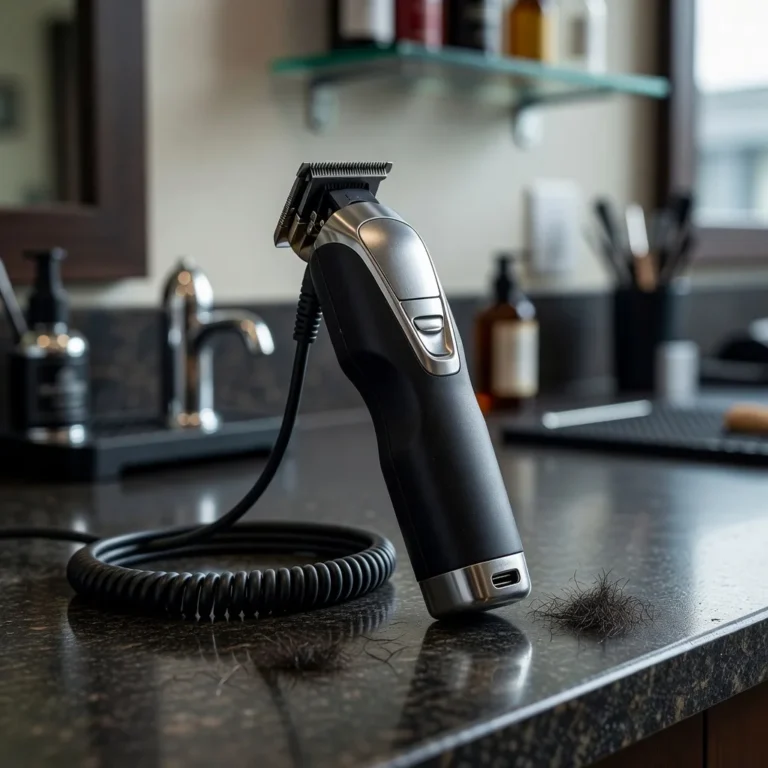
The best cordless hair trimmer has a sharp, rust-resistant blade, a clear range of length settings or guards that lock firmly, a battery that lasts several sessions with a quick-charge option, and a head that is easy to rinse or brush clean. For beards and stubble, a precision length dial is most useful; for outlines and edges, a narrow T-shaped blade gives crisp lines. A waterproof body helps with cleaning and shower use. Choose by what you trim most often, and favour build quality, blade sharpness and available replacement parts over the number of attachments in the box.
In short: a sharp blade, secure guards, a dependable battery and easy cleaning make the best trimmer.
The American Academy of Dermatology notes that for people with acne or irritation-prone skin, gentle hair removal with sharp, clean tools matters. Because trimmers leave a little length above the skin, many people find them gentler than a close shave.
Below you will find the ten picks, how we chose them, trimmer types, features worth paying for, what to avoid, and how to trim, clean and care for a cordless trimmer.
Shopping these picks?
Amazon Prime members get fast, free shipping on eligible items, plus Prime Video, Amazon Music and member deals. New members can start with a free trial.
Start a free Prime trialAged 18 to 24? Prime for Young Adults comes with a longer free trial and a lower price after it.
Affiliate link: we may earn a commission at no extra cost to you.
As an Amazon Associate we earn from qualifying purchases. This does not change which products we include.


Contents
- The 10 Best Cordless Hair Trimmers Right Now
- How We Chose These Products
- Types of Cordless Trimmers
- Trimmer vs Clipper vs Shaver
- Features That Matter Most
- What to Avoid
- How to Choose a Trimmer for Your Hair and Skin
- How to Use a Cordless Hair Trimmer
- Cleaning, Oiling and Storage
- Battery Care for Cordless Trimmers
- Dos and Don’ts
- Honest Limits
- When to See a Dermatologist
- Common Questions
- Summing Up
At a Glance
- BaBylissPRO LithiumFX: best overall, with a long-running battery and cord or cordless use.
- Andis 74055: a close-cutting T-outliner blade for the crispest edges.
- Remington MB4700: a motorised comb with fine length steps and memory settings.
- A sharp, rust-resistant blade matters more than the number of attachments.
- Guards or a length dial should lock firmly and show clear settings.
- Trimming leaves a little length and can be gentler than shaving.
- Brush, rinse, dry and oil the blade regularly, and never share a trimmer.
The 10 Best Cordless Hair Trimmers Right Now
These ten trimmers were shortlisted from widely reviewed Amazon listings and ranked by blade design, length control, battery, cleaning and build. Each pick explains who it suits, its trade-offs and who should skip it.
| # | Product | Best For | Standout Feature | |
|---|---|---|---|---|
| 1 | BaBylissPRO LithiumFX Hair Trimmer | Edges, necklines and detail work | Long runtime with cord or cordless use | View |
| 2 | Andis 74055 Corded/Cordless T-Outliner | Crisp hairlines, necklines and beard edges | Zero-gapped carbon steel T-blade | View |
| 3 | Remington MB4700 Smart Beard Trimmer | Keeping a beard at an exact length | Motorised comb with memory settings | View |
| 4 | VGRPRO 3-in-1 Clipper, Trimmer and Shaver Set | Home haircuts plus beard tidying | Clipper, trimmer and foil shaver together | View |
| 5 | Braun Series 5 5490 9-in-1 Kit | Beard, detail, nose, ear and body grooming | Fully waterproof with a precision length wheel | View |
| 6 | Novah Professional Clipper and Trimmer Set | Home barbers who want pro-style tools | All-metal clipper and trimmer pair | View |
| 7 | Wahl Aqua Blade Wet/Dry Beard Trimmer | Trimming in the shower and easy rinsing | Showerproof with worldwide voltage | View |
| 8 | The Beard Club Cordless Beard Trimmer | Travel and longer beard styles | Travel lock and several hours of runtime | View |
| 9 | Philips Norelco Series 5500 Beard Trimmer | Stubble and short, even beards | 40 lengths with a lift-and-trim comb | View |
| 10 | Philips Norelco All-in-One 5000 18-in-1 | Face, hair and body grooming on a budget | 18-in-1 face, hair and body kit | View |
BaBylissPRO LithiumFX Hair Trimmer

Best for: Edges, necklines and detail work
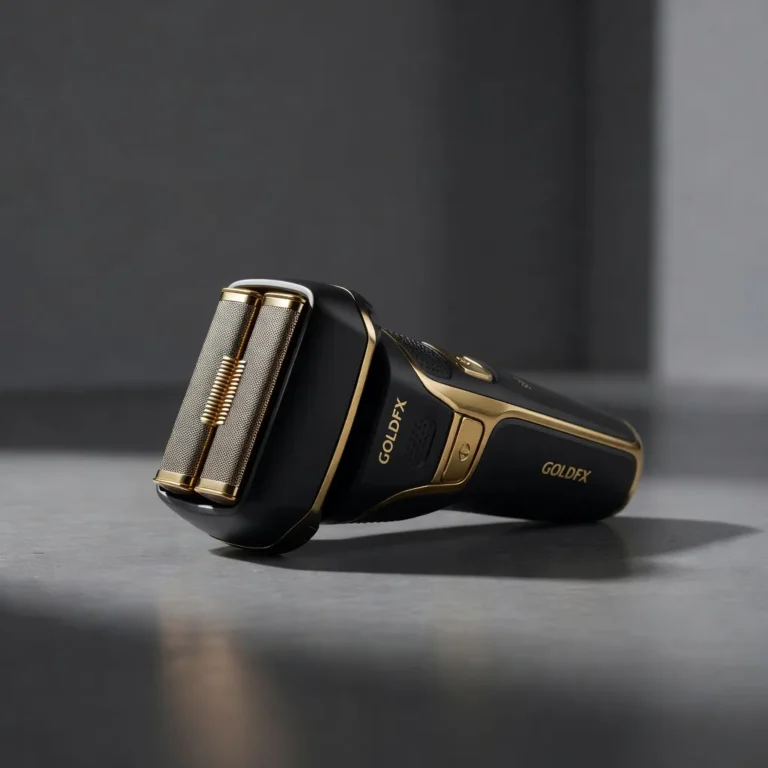
The BaBylissPRO LithiumFX earns the top spot because it does the core trimmer jobs, edge ups, hard lines and detail work, without the battery anxiety of many cordless tools. Its lithium battery is listed with a runtime of several hours, and you can plug it in if it does run low, which few beard-focused trimmers allow.
The ergonomic grip is designed to stay comfortable through longer sessions, which helps when you are working carefully around the ears and neckline. It is a detailing tool rather than a length-setting beard trimmer, so if you mainly keep a beard at one length, the Remington or Philips Norelco picks with length dials are easier. Treat its blade with care near the skin.
- Cord or cordless lithium-ion power
- Long listed battery runtime
- Designed for edge ups, hard lines and detail work
- Lightweight ergonomic grip
Pros
- Rarely runs out mid-trim
- Comfortable for longer sessions
- Professional-grade detailing
Cons
- Not a length-setting beard trimmer
- Sharp detailing blade needs a careful hand near skin
Skip it if: Skip it if you want to keep a beard at a precise length; the Remington MB4700 is built for that.
Check Price on AmazonAndis 74055 Corded/Cordless T-Outliner

Best for: Crisp hairlines, necklines and beard edges
The Andis 74055 is the outliner of the group. Its wide T-shaped carbon steel blade comes zero-gapped for a very close cut, which gives the cleanest hairlines and beard edges of any pick here. A high-torque rotary motor and deep-tooth blade help it feed coarser hair without stalling, and it runs corded or cordless.
That closeness is also the main caution. A zero-gapped blade sits very near the skin, so it can nick or irritate sensitive or acne-prone skin if you press or move too fast. Its listed cordless runtime is shorter than the #1 BaBylissPRO, and it is heavier than slim beard trimmers like the Philips Norelco picks.
- Zero-gapped carbon steel T-outliner blade
- High-torque rotary motor
- Corded or cordless, around 100 minutes per charge
- Includes attachment combs
Pros
- Very crisp, clean lines
- Handles coarse hair well
- Works corded when the battery is low
Cons
- Close blade can irritate sensitive skin
- Heavier than typical beard trimmers
Skip it if: Skip it if you have sensitive or bump-prone skin and only need a tidy beard length.
Check Price on AmazonRemington MB4700 Smart Beard Trimmer

Best for: Keeping a beard at an exact length
The Remington MB4700 is the pick for anyone who wants the same beard length every time. Instead of swapping guards, a motorised comb moves in very fine steps across a wide range, and a touch screen shows the setting. It also remembers your four most recent lengths, so a two-length style for cheeks and chin is quick to repeat.
The listing says it adjusts cutting speed to hair thickness, which should help reduce tugging on denser patches. The trade-offs are a shorter cordless runtime than the Braun or Philips Norelco picks and a long first charge. It is not an outliner, so pair it with a careful hand or a T-blade for sharp edges.
- Motorised comb with 0.1mm steps from 0.4 to 18mm
- Digital touch screen
- Memory for four recent lengths
- Around 50 minutes cordless runtime
Pros
- Precise, repeatable lengths
- No loose guards to lose
- Handy for two-length beard styles
Cons
- Shorter runtime than several picks
- Not designed for crisp outlines
Skip it if: Skip it if you mainly want sharp edges; the Andis 74055 is the better outliner.
Check Price on AmazonVGRPRO 3-in-1 Clipper, Trimmer and Shaver Set

Best for: Home haircuts plus beard tidying
The VGRPRO set is for people who want to cut their head hair as well as tidy a beard. It pairs a clipper with many guide combs and an adjustable fade lever with a separate trimmer for lines and a foil shaver for a closer finish, which covers more ground than a single trimmer.
An LED display shows battery and speed, the blade head detaches for cleaning, and the foil shaver is listed as waterproof. Kits like this take more storage space and more cleaning than one tool, and the brand has less history than Braun or Philips Norelco. If you only trim a beard, a dedicated trimmer such as the Remington is simpler.
- Hair clipper, trimmer and foil shaver
- Many guide combs and an adjustable fade lever
- LED display for battery and speed
- Detachable blade head; waterproof foil shaver
Pros
- Covers haircuts, lines and shaving
- Fade lever helps with blended cuts
- Battery level always visible
Cons
- More parts to clean and store
- Newer brand with less track record
Skip it if: Skip it if you only need a beard trimmer; the Philips Norelco Series 5500 is simpler.
Check Price on AmazonBraun Series 5 5490 9-in-1 Kit

Best for: Beard, detail, nose, ear and body grooming
The Braun Series 5 5490 is the most rounded grooming kit here. One handle takes attachments for beard trimming, detailing, body grooming, a precision shave, and nose and ear hair, and a precision wheel offers many length settings. It is listed as fully waterproof, which makes rinsing easy and allows use in the shower.
A long listed runtime and a charging stand make it easy to live with, and a zip pouch keeps attachments together. Compared with the VGRPRO set, it is lighter on head-hair cutting and has no separate clipper. Compared with the Andis, its edging is less sharp, but it is more forgiving for everyday use on sensitive skin.
- 9-in-1 attachments incl. nose, ear and body
- Precision wheel with 40 length settings
- Fully waterproof, around 100 minutes runtime
- Charging stand and zip pouch
Pros
- Covers face and body in one kit
- Easy to rinse clean
- Long cordless runtime
Cons
- Not a true hair clipper
- Edges are less crisp than an outliner
Skip it if: Skip it if you want to cut your whole head at home; the VGRPRO set includes a proper clipper.
Check Price on AmazonNovah Professional Clipper and Trimmer Set
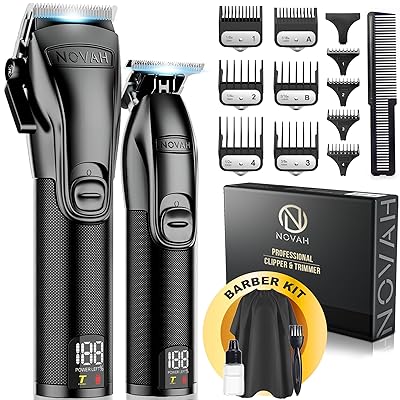
Best for: Home barbers who want pro-style tools
The Novah set is a barber-style pairing of a cordless clipper and a separate trimmer, aimed at people who cut hair at home, for themselves or for their whole family. Six guards cover the most common lengths, and the trimmer handles shaping, outlining and detail work around the ears and neckline.
An all-metal body gives a solid, weighty grip. As with the VGRPRO kit, you are buying two tools to charge, clean and oil, and there is no foil shaver or nose trimmer. Beard-only users will find a lighter trimmer like the Philips Norelco Series 5500 easier to handle, and it is heavier than the Braun kit.
- Cordless clipper and trimmer set
- Six guards
- Designed to shape, outline and detail
- All-metal unibody
Pros
- Proper clipper plus a detail trimmer
- Solid, premium-feeling build
- Suits family haircuts
Cons
- Two tools to charge and maintain
- Heavier than beard-only trimmers
Skip it if: Skip it if you only trim a beard; a single trimmer is lighter and simpler.
Check Price on AmazonWahl Aqua Blade Wet/Dry Beard Trimmer

Best for: Trimming in the shower and easy rinsing
The Wahl Aqua Blade is the pick if you like to trim in the shower or simply want the easiest possible cleaning. It is washable and showerproof, and comes with a precision T-blade, a rotary detailer and other attachments for different facial hair styles, so one handle covers edging and detail.
The lithium-ion battery offers a quick-charge option and worldwide voltage for travel. Trimming wet hair can make lengths look different once dry, so start longer and check again later. It does not have the fine length control of the Remington, and its close precision blade needs a light touch on sensitive skin.
- Washable, showerproof wet/dry use
- Precision T-blade and rotary detailer
- Lithium-ion battery with quick charge
- Worldwide voltage
Pros
- Easy to rinse clean
- Works in the shower
- Good for travel abroad
Cons
- Wet trimming makes lengths harder to judge
- Less precise length control than the Remington
Skip it if: Skip it if you want set-and-forget beard lengths; the Remington or Philips Norelco picks are easier.
Check Price on AmazonThe Beard Club Cordless Beard Trimmer

Best for: Travel and longer beard styles
The Beard Club trimmer is the travel pick. It has a built-in travel lock so it will not switch on in a bag, and the listing gives a runtime of several hours, so a charger can often stay at home on short trips. Eight colour-coded guide combs cover a wide range of lengths for beards and short hair.
The listing says the blades are designed to resist build-up and wipe clean easily. Guide combs are easier to lose than the Remington’s motorised comb or the Philips Norelco’s dial, and it lacks the waterproofing of the Braun or Wahl. For a simple, long-lasting beard trimmer to pack, it is a practical choice.
- 8 colour-coded guide combs, many lengths
- Lithium-ion battery with several hours of power
- Blades designed to resist build-up
- Built-in travel lock, one-year warranty
Pros
- Long listed runtime
- Travel lock prevents accidental switch-on
- Wide range of lengths
Cons
- Separate guides are easy to misplace
- Not listed as waterproof
Skip it if: Skip it if you want to rinse under the tap; the Braun or Wahl picks are washable.
Check Price on AmazonPhilips Norelco Series 5500 Beard Trimmer

Best for: Stubble and short, even beards
The Philips Norelco Series 5500 is the easiest pick for keeping stubble or a short beard even. Its length system offers 40 settings from very short stubble upwards, plus extra guards, and the Lift and Trim PRO comb is designed to lift low-lying hairs towards the blade for a more even pass.
The listing gives a solid cordless runtime, it can be used while charging, and the unit is fully washable. It is simpler and lighter than the kits in this list, which suits beard-only users. It will not give the razor-sharp lines of the Andis, and its length steps are less fine than the Remington’s motorised comb.
- 40 length settings plus three guards
- Lift and Trim PRO comb
- Around 90 minutes cordless, usable while charging
- Fully washable
Pros
- Easy, even stubble
- Can be used while charging
- Simple to clean
Cons
- Edges less crisp than an outliner
- Coarser length steps than the Remington
Skip it if: Skip it if sharp outlines are your priority; the Andis 74055 is built for that.
Check Price on AmazonPhilips Norelco All-in-One 5000 18-in-1

Best for: Face, hair and body grooming on a budget
The Philips Norelco All-in-One 5000 is the broadest multigroomer on the list, with an 18-in-1 set of attachments covering face, head hair and body in one kit. It suits people who want a single cordless tool for beard tidying, hair touch-ups and body grooming rather than several separate devices cluttering the bathroom.
Its listing is less detailed than most picks here, so check the battery, washability and attachment list on the product page before buying. Compared with the Braun Series 5, it spreads across more attachments; compared with the Series 5500 above it, it is less focused on beards. Keep body attachments separate from facial ones for hygiene.
- 18-in-1 multigroom kit
- Designed for face, hair and body
- Cordless trimmer handle
- Check the listing for battery and washability details
Pros
- Many jobs covered by one handle
- From an established brand
- Useful for whole-body grooming
Cons
- Listing gives limited detail
- Many attachments to store and clean
Skip it if: Skip it if you only trim a beard; the Series 5500 is simpler and more focused.
Check Price on AmazonHow We Chose These Products
We shortlisted cordless trimmers from Amazon listings that are highly rated by a large number of shoppers, favouring established brands and fuller-featured models with clear length systems, reliable batteries and washable or easy-clean heads. We then checked each product’s listed features against the skin-care guidance cited in this post, including the AAD’s advice on gentle hair removal with clean, sharp tools.
These are research-based picks, not hands-on lab tests. We did not time batteries or measure blade sharpness ourselves, so rankings reflect listing detail, blade design, length control and build rather than personal results. We removed near-duplicate kits and non-trimmer accessories so each pick is a genuinely different tool.
- Strong ratings from a large number of shoppers
- Established brands and fuller-featured models preferred
- Listed features checked against the cited skin-care guidance
- Products with thin or unclear listings excluded or flagged
- Near-duplicate models and accessories removed
Types of Cordless Trimmers
Trimmers come in several shapes, each suited to a slightly different job. Knowing which you need prevents buying a tool that fights you.
| Type | Blade | Best for | Limits |
|---|---|---|---|
| Beard trimmer | Standard straight blade with guards or dial | Beards and stubble at set lengths | Less crisp on hard edges |
| T-blade or outliner | Wide, thin T-shaped blade | Hairlines, necklines, beard edges, designs | Not for bulk length |
| Stubble trimmer | Short guard settings in small steps | Designer stubble and short beards | Limited long lengths |
| Multi-groom kit | Several interchangeable heads | Beard, nose, ears and body | Attachments can be lower quality |
| Detail or mini trimmer | Narrow head | Nose, ears, eyebrows, small areas | Too slow for a full beard |
If you keep a beard at a set length, a dedicated beard trimmer with a precise dial is the easiest to use. If you want sharp outlines, a T-blade gives the cleanest lines. A multi-groom kit is convenient, but check that the main blade is good quality rather than counting the attachments. Many people end up owning two tools: a beard trimmer with guards for length and a small outliner for the edges, which together cover almost every grooming job.
Head shape and hair density matter as well. A slim head reaches under the nose and around the ears more easily, while a wider blade covers a full cheek in fewer passes.
Trimmer vs Clipper vs Shaver
People often use these words interchangeably, but they do different jobs.
- Trimmer: fine teeth and small blade for beards, stubble, edges and short hair.
- Clipper: wider blade and stronger motor for cutting head hair and removing bulk.
- Electric shaver: cuts hair level with the skin through a foil or rotary guard.
- Blade razor: the closest cut, but the most contact with the skin.
If you are deciding between keeping stubble and shaving clean, our guide on trimming vs shaving facial hair compares the skin effects, and our look at facial hair vs no facial hair covers the wider pros and cons.
Features That Matter Most
These features decide how pleasant a trimmer is to live with day to day.
| Feature | Why it matters | What to look for |
|---|---|---|
| Blade material | Sharpness and rust resistance | Stainless steel, titanium-coated or ceramic cutter |
| Length system | Consistent, even trims | A dial or guards that click firmly with clear markings |
| Battery | Fewer interruptions | Several sessions per charge, quick charge, battery indicator |
| Charging | Convenience and travel | USB charging, travel lock |
| Water resistance | Easier cleaning, shower use | Fully washable or waterproof rating |
| Grip and weight | Control around the jaw and neck | Slim, non-slip body |
| Replacement parts | Longer tool life | Blades and guards sold separately |
Self-sharpening blade claims usually mean the blades are designed to wear evenly against each other. They still dull over time, so check that replacement blades are available.
What to Avoid
Cheap trimmers can look almost identical to well-made ones in photos. These are the warning signs.
- Guards that wobble, flex or slip down during a pass.
- Blades that pull or snag hair from the first use.
- Batteries that cannot be charged without a special adaptor.
- No information about water resistance, or heads that cannot be removed.
- Kits with many attachments but no replacement blades.
- Using the same head for body hair and face without cleaning it in between.
Pulling is the most common complaint, and it usually comes from a dull or dirty blade or a weak motor on a thick beard. A trimmer that pulls on day one will only get worse. Be wary, too, of very low-cost trimmers sold with vague safety information about their batteries and chargers, and buy from a seller that makes it easy to return a faulty unit.
How to Choose a Trimmer for Your Hair and Skin
Your beard style, hair texture and skin all change which trimmer suits you.
- Short stubble: a trimmer with small steps between lengths, ideally a precise dial.
- Longer beards: a range of long guards and a strong enough motor to avoid tugging.
- Sharp lines: a T-blade or trimmer with an edging side.
- Coarse or curly hair: a powerful motor and sharp blade; leave a little length to reduce bumps.
- Sensitive or acne-prone skin: a washable head you can clean daily and light pressure.
- Travel: long battery life, USB charging and a lock.
If you are acne-prone, the AAD’s acne skin care tips suggest shaving or trimming gently and only when needed. Our guide on whether men should use toner covers simple skincare after grooming.
How to Use a Cordless Hair Trimmer
A steady routine gives an even trim and keeps skin calm.
Start with clean, dry hair
Wash your face or hair and dry it; trimmers work best on dry hair.
Comb the hair
Comb beard hair in the direction it grows so lengths are even.
Choose a longer setting first
Start longer and go shorter; you cannot put hair back.
Trim against the growth
Move slowly against the direction of growth, keeping the guard flat on the skin.
Shape the edges
Remove the guard or use the edging blade for the neckline and cheek lines, using light pressure.
Check symmetry
Look in a mirror from both sides and in good light, and even out any patches.
Clean up and moisturise
Rinse your skin, pat dry and apply a fragrance-free moisturiser or light beard oil.
For a natural neckline, imagine a curve from just behind each earlobe dipping to about a finger or two above the Adam’s apple. Trim below that line and leave the hair above it.
Cleaning, Oiling and Storage
Beard hair, skin flakes and oil build up between the blade teeth quickly. Regular cleaning keeps the trimmer sharp and reduces the chance of irritation.
- Brush out hair after every use with the trimmer switched off.
- Rinse the head under running water if it is washable.
- Let the head air dry before refitting it.
- Add a drop of light oil to the blade every few uses, or as the manual says.
- Store it dry and capped; the AAD recommends keeping blades in a dry place.
- Wash guards separately in warm soapy water from time to time.
The AAD’s shaving tips also stress rinsing blades as you go and replacing them when they dull, which applies to trimmer blades as well.
Do not share trimmers, even within a household, and never use one over broken, infected or inflamed skin. Small nicks can spread bacterial and fungal infections and blood-borne viruses.
Battery Care for Cordless Trimmers
The battery is usually the first part to wear out on a cordless trimmer. Looking after it extends the life of the whole tool.
- Charge it fully before the first use if the manual advises it.
- Avoid leaving it on the charger for days at a time if the maker advises against it.
- Keep it away from very hot places such as a sunny windowsill or a hot car.
- Use the supplied or a suitable USB charger.
- Recharge before it is completely flat if power drops noticeably.
A drop in power often shows as tugging before the battery fully dies. If a fresh charge does not fix pulling, clean and oil the blade, then check whether it needs replacing.
Dos and Don’ts
Helps
- Start with a longer setting
- Comb hair before trimming
- Keep the guard flat on the skin
- Clean and oil the blade regularly
- Replace blades when they start to pull
Backfires
- Trim wet hair unless the model allows it
- Press hard into the skin
- Share your trimmer
- Use a trimmer with a cracked guard
- Store it wet in a closed pouch
Honest Limits
A trimmer is not a razor. It leaves a little length above the skin, so it will not give a completely smooth finish. Numbers on guards are also not standardised, so a setting of five on one trimmer may not match five on another, and you may need a few trims to find your preferred length.
Trimming reduces the skin contact that causes many shaving problems, but it does not guarantee freedom from bumps or irritation. Very short settings on curly hair can still lead to ingrown hairs, and dull or dirty blades can irritate any skin type. Marketing claims about precision or self-sharpening blades are hard to compare, so focus on how the trimmer feels and cuts in practice.
When to See a Dermatologist
- Bumps, spots or ingrown hairs keep appearing after trimming.
- Your beard area itches, flakes or has red, scaly patches.
- Spots become painful, pus-filled or leave dark marks or scars.
- You have patches of hair loss in the beard.
A dermatologist can check for folliculitis, seborrhoeic dermatitis or other causes of beard-area problems and suggest treatment.
This article is for general information and does not replace professional medical advice. See a board-certified dermatologist if trimming or shaving leads to persistent skin problems.
Common Questions
What is the best cordless hair trimmer?
The BaBylissPRO LithiumFX for edges and detail work; the Remington MB4700 if you want an exact beard length.
Is a trimmer the same as a clipper?
No, trimmers are for detail and short lengths; clippers remove bulk.
Can I use a beard trimmer on my head?
Yes, for short styles, but it is slower than a clipper.
Should I trim my beard wet or dry?
Dry, unless the trimmer is designed for wet use.
How long do trimmer blades last?
It varies; replace them when they pull or stay dull after cleaning.
Is the most expensive trimmer worth it?
Only if you use its strengths. The BaBylissPRO and Andis suit detailing; for a simple stubble trim, the Philips Norelco Series 5500 is enough.
Which trimmer is best for sensitive skin?
A trimmer with guards or a dial, such as the Braun Series 5 or Philips Norelco Series 5500, used without pressing; avoid very close blades.
Is trimming better than shaving for sensitive skin?
Often yes, because it leaves a little length and touches the skin less.
Why does my trimmer pull?
Usually a dirty or dull blade, a low battery or trimming wet hair.
Is a waterproof trimmer worth it?
Yes, it makes rinsing and cleaning much easier.
Summing Up
The best cordless hair trimmer has a sharp, rust-resistant blade, secure length settings, a dependable battery and a head that is easy to clean.
Choose the type that matches what you trim, start longer and go shorter, keep the blade clean and oiled, never share it, and replace blades when they start to pull.
Our top pick: BaBylissPRO LithiumFX Hair Trimmer
The BaBylissPRO LithiumFX takes the top spot because it combines a long-running battery, cord or cordless use and a comfortable grip for the edging and detail work trimmers do best. Choose the Andis 74055 instead if razor-sharp outlines matter most, or the Remington MB4700 if you want to set and repeat an exact beard length.
Check Price on Amazon
Written by
Registered pharmacist and founder of Facial Adviser. Rakib's pharmacy training covers how skincare actives work and interact; a later course in cosmetology turned that into a focus on facial treatments and skincare products. He plans, researches and edits every guide on the site and checks health claims against sources such as the American Academy of Dermatology, the FDA and the NIH. He is not a dermatologist; see the Editorial Policy and Medical Disclaimer.
About · Editorial policy · How we choose products · Medical disclaimer · Contact
Keep reading: Clippers, trimmers and beard care
- 10 Best Beard Trimmers (2026): Even Lengths, Clean Edges
- 10 Best Professional Hair Clippers (2026): Clean Fades, Less Pulling
- How to Give a Facial to a Man With a Beard
- BaBylissPRO High Performance Compact Lo-ProFX Hair Trimmer: Features and Fit
- BaBylissPRO x Tomb45 Wireless Charging Hair Clipper: Is It Worth It?
- 10 Best Safety Razors (2026): Closer, Calmer Shaves for Every Level
- 10 Best Hair Dryers (2026): Faster Drying With Less Heat Damage