How Do You Know If Makeup Is Oil-Free? Reading Labels and Ingredients
If you have oily or acne-prone skin, oil-free is often the first thing you look for on a foundation or moisturizer. It sounds like a simple promise: no oil, less shine, fewer breakouts. But the term is not as straightforward as it seems, and it does not always mean what people expect. Understanding the label helps you shop more confidently.
Part of our guide to makeup how-to. Start with: How to Properly Put On Face Makeup: The Right Order, Step by Step
A product labeled oil-free generally contains no traditional oils, such as plant oils or mineral oil. You can check by reading the ingredient list for words like oil, butter, and certain oil-like esters. However, oil-free does not mean the product cannot feel greasy, cannot clog pores, or will not add shine.
In the United States, the term oil-free is not defined by the Food and Drug Administration, so brands decide how to use it. Some avoid only plant and mineral oils but include silicones, waxes, or emollient esters that can feel rich. Others avoid a wider range of ingredients.
For oily and acne-prone skin, oil-free is a helpful starting point, but not a guarantee. Looking for non-comedogenic claims, reading the first few ingredients, and testing how the product behaves on your own skin gives a more reliable answer.
This guide explains how to spot oils on a label, which ingredients act like oils without being called oils, what oil-free and non-comedogenic mean, and how to test whether a product suits your skin.
Shopping these picks?
Amazon Prime members get fast, free shipping on eligible items, plus Prime Video, Amazon Music and member deals. New members can start with a free trial.
Start a free Prime trialAged 18 to 24? Prime for Young Adults comes with a longer free trial and a lower price after it.
Affiliate link: we may earn a commission at no extra cost to you.
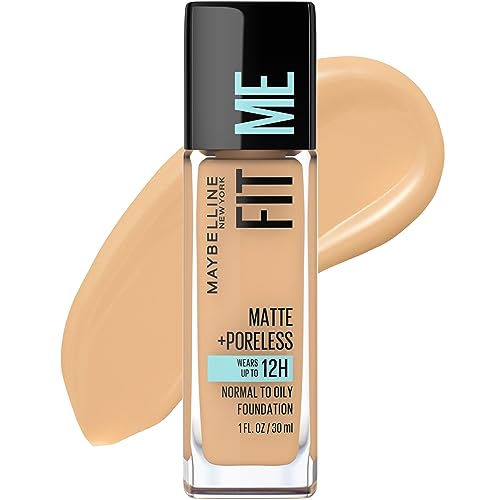
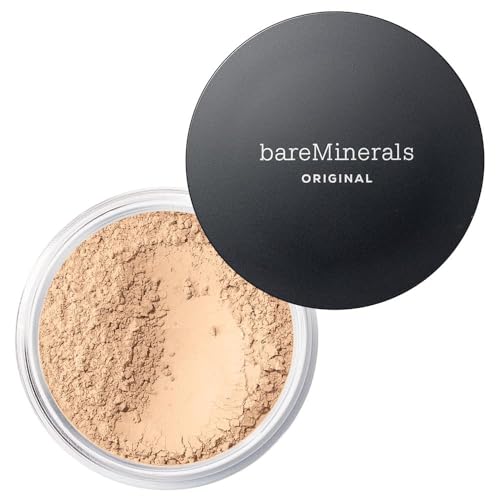
Recommended Oil-Free Makeup and Skincare



At a Glance
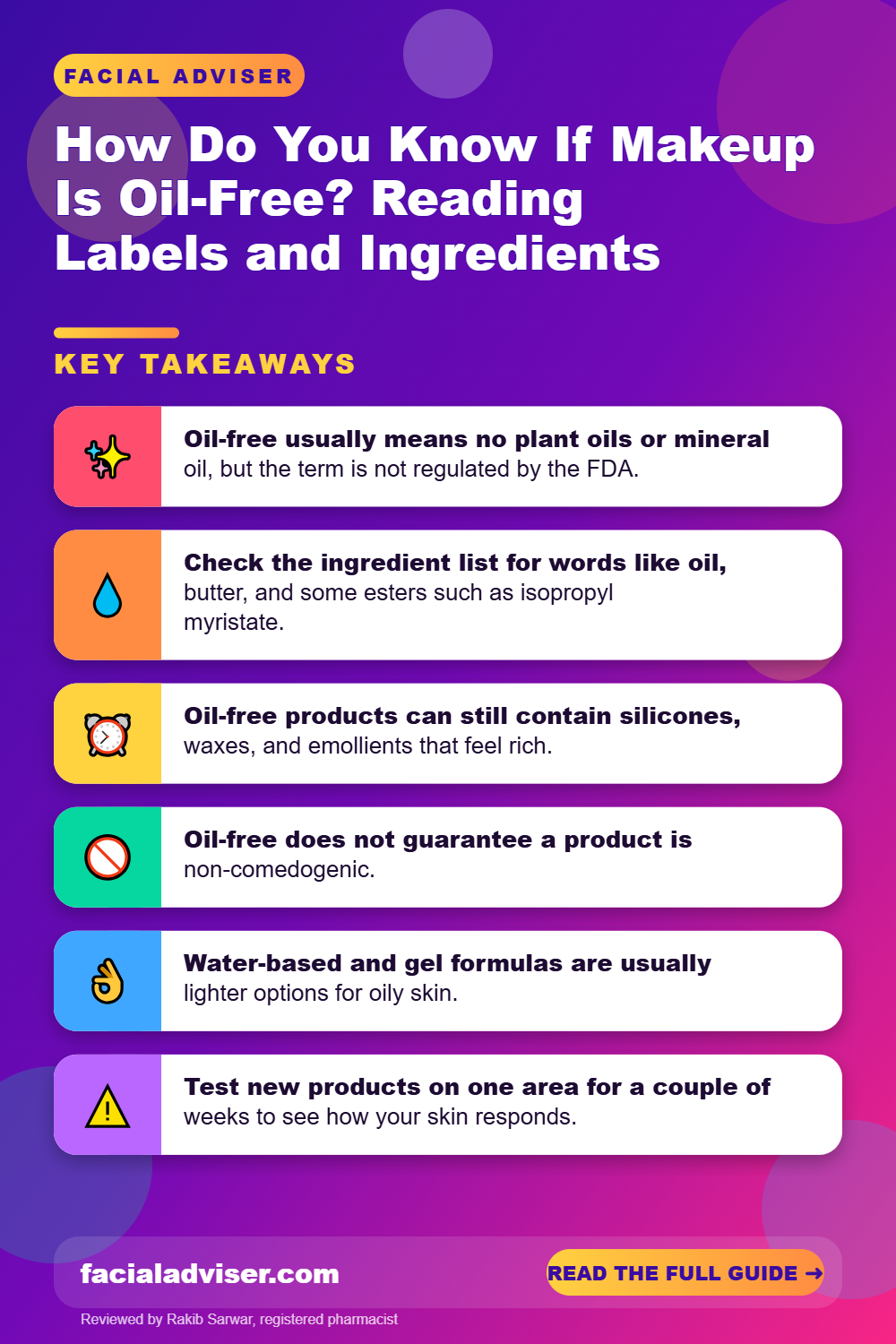
- Oil-free usually means no plant oils or mineral oil, but the term is not regulated by the FDA.
- Check the ingredient list for words like oil, butter, and some esters such as isopropyl myristate.
- Oil-free products can still contain silicones, waxes, and emollients that feel rich.
- Oil-free does not guarantee a product is non-comedogenic.
- Water-based and gel formulas are usually lighter options for oily skin.
- Test new products on one area for a couple of weeks to see how your skin responds.
- Blotting and gentle cleansing help manage shine more than any single product.
Contents
- What Oil-Free Usually Means
- How to Check a Label in Two Minutes
- Ingredients That Act Like Oils
- Oil-Free vs Non-Comedogenic
- Textures That Suit Oily Skin
- Oily Skin Still Needs Moisturizer
- Oil-Free Sunscreen and Primer
- Why Your Skin Oiliness Can Change
- Managing Shine Through the Day
- What Oil-Free Cannot Promise
- When Oily Skin Needs a Dermatologist
- Frequently Asked Questions
- Final Word
What Oil-Free Usually Means
Most brands use oil-free to mean the formula does not include traditional oils. These typically include plant oils, such as coconut, jojoba, or sunflower oil, and mineral oil, which comes from petroleum.
Instead, oil-free products usually rely on water, glycerin, silicones, and other ingredients to create slip and texture. That is why many oil-free foundations and moisturizers feel light and dry down quickly.
Because the term is not regulated, there is no standard list of what must be excluded. Two oil-free products can behave very differently on the skin, and one may feel much richer than another.
It is also worth remembering that your skin makes its own oil. No product can change how much sebum your glands produce, so oil-free products help by not adding more, rather than by stopping oil entirely.
Some brands use related phrases like non-greasy, shine-free, or matte. These describe how a product feels or looks rather than what it contains, so always check the ingredient list if oil content matters to you.
How to Check a Label in Two Minutes
Use these steps to judge any makeup or skincare product.
Look for the claim
Check the front and back of the packaging for oil-free, and ideally non-comedogenic as well.
Scan for the word oil
Read the ingredient list for any ingredient that includes the word oil, such as mineral oil, coconut oil, or argan oil.
Look for butters and heavy waxes
Shea butter, cocoa butter, and heavy waxes are rich and can feel oily even without the word oil.
Check for oil-like esters
Ingredients such as isopropyl myristate, isopropyl palmitate, and ethylhexyl palmitate act like oils and are sometimes linked to clogged pores.
Test on your skin
Try the product on one area for one to two weeks. Watch for shine within a few hours and new bumps or blackheads over time.
Ingredients are listed from highest to lowest concentration. An oil or butter near the top of the list matters more than one near the end.
If you are comparing two products, put them side by side and compare their first five ingredients. The one with more water, glycerin, and silicones near the top is usually lighter than one with oils and butters.
Ingredients That Act Like Oils
| Ingredient type | Examples | How it behaves |
|---|---|---|
| Plant oils | Coconut, argan, jojoba, sunflower oil | Nourishing but can feel heavy on oily skin |
| Mineral oil and petrolatum | Paraffinum liquidum, petrolatum | Occlusive; refined forms are usually non-comedogenic |
| Butters | Shea butter, cocoa butter | Rich and occlusive |
| Esters | Isopropyl myristate, isopropyl palmitate | Oil-like slip; some are linked to clogged pores |
| Silicones | Dimethicone, cyclopentasiloxane | Silky, not oils; usually well tolerated |
| Fatty alcohols | Cetyl, stearyl alcohol | Emollient, not drying alcohols |
Not every oil or oil-like ingredient is bad for oily skin. Some lightweight oils and squalane are well tolerated by many people. The key is how the whole formula works on your skin.
Keep in mind that ingredient names can be written in Latin or chemical form. For example, argan oil may appear as Argania Spinosa Kernel Oil, and shea butter as Butyrospermum Parkii Butter.
Oil-Free vs Non-Comedogenic
Oil-free and non-comedogenic are often used together, but they mean different things. Oil-free describes what is not in the formula. Non-comedogenic means the product was formulated or tested to be less likely to clog pores.
A product can be oil-free but still contain pore-clogging ingredients, and a product with a small amount of oil can be non-comedogenic. For acne-prone skin, non-comedogenic is often the more useful claim.
Our guide on how to know if makeup is non-comedogenic explains how those claims are tested and why they are not guarantees.
Neither term is regulated by the FDA, so testing methods vary between brands. Your own experience is the best final check.
Ideally, look for both claims together if you have acne-prone skin, and pay attention to how your skin responds over several weeks.
Textures That Suit Oily Skin
Texture is often a better guide than the oil-free label alone.
- Gel moisturizers feel light and absorb quickly.
- Fluid or water-based foundations give coverage without heaviness.
- Mineral powder foundations can absorb some oil and suit many oily skin types.
- Matte or satin finishes reduce the look of shine compared with dewy finishes.
- Mattifying primers on the T-zone can help makeup last.
If your makeup tends to break down on the nose and forehead, our guide on why makeup separates on the nose has specific tips.
Cream foundations, stick foundations, and heavy balms are more likely to include oils, butters, and waxes, so check their labels carefully if you have oily skin.
Oily Skin Still Needs Moisturizer
A common mistake is skipping moisturizer because the skin already feels oily. Oily skin can still be dehydrated, meaning it lacks water rather than oil, and harsh cleansers or acne treatments can make this worse.
A light, oil-free gel or lotion moisturizer with humectants such as glycerin or hyaluronic acid keeps skin comfortable without adding shine. Our guide on day cream vs day lotion explains how to choose a texture.
Well-hydrated skin also gives makeup a smoother base, which can reduce patchiness and separation.
At night, oily skin can still benefit from a slightly richer moisturizer if you use drying acne treatments such as retinoids or benzoyl peroxide.
Oil-Free Sunscreen and Primer
Sunscreen and primer sit under your makeup all day, so choosing oil-free versions matters as much as choosing the right foundation.
Many sunscreens for the face are labeled oil-free or matte, and gel or fluid textures tend to feel lightest. Mineral sunscreens with zinc oxide can also have a slightly mattifying effect. Apply sunscreen, let it set for a few minutes, then apply makeup.
Primers vary widely. Mattifying and pore-filling primers are often silicone-based and oil-free, which helps makeup grip on oily skin. Apply only to the areas that need it, such as the nose and forehead, to avoid a heavy feel.
Do not skip sunscreen because you worry about oiliness. Choose a lightweight, oil-free formula instead, since sun protection is essential every day.
Why Your Skin Oiliness Can Change
Oiliness is not fixed. Hormonal changes during puberty, the menstrual cycle, pregnancy, and menopause all affect oil production. Hot, humid weather usually increases shine, while cold, dry weather can make skin feel drier.
Stress, some medications, and even over-cleansing can influence how oily your skin feels. That means a product that suited you last year may not suit you now.
If your skin becomes much oilier suddenly, especially along with acne, irregular periods, or unwanted hair growth, it is worth talking to a doctor, since hormones may be involved.
Adjusting your products with the seasons is normal.
Managing Shine Through the Day
Worth Doing
- Use a gentle cleanser morning and night.
- Choose oil-free, non-comedogenic moisturizer and sunscreen.
- Apply thin layers of foundation.
- Blot oil with blotting sheets during the day.
- Use a light dusting of powder only where needed.
Skip It
- Scrub your face several times a day.
- Skip moisturizer to avoid oiliness.
- Layer heavy powder repeatedly.
- Use harsh, alcohol-heavy toners daily.
- Assume oil-free means you can sleep in makeup.
Over-cleansing and harsh products can leave skin irritated and may make it feel oilier, so gentle care is usually more effective.
Keeping hair products away from the hairline and washing pillowcases regularly also helps reduce shine and breakouts.
What Oil-Free Cannot Promise
| Belief | Reality |
|---|---|
| Oil-free means no shine | Your skin still produces oil; products only avoid adding more |
| Oil-free means it will not clog pores | Other ingredients can still clog pores |
| All oils are bad for oily skin | Some light oils and squalane are well tolerated |
| The term is regulated | The FDA does not define oil-free |
| Oil-free products feel light | Some contain silicones or waxes that feel rich |
Use the label as a starting point and let your skin’s response guide your final choice.
A product that feels comfortable, keeps shine manageable, and does not trigger breakouts is the right choice, whatever its label says. It may take a little trial and error to find it.
When Oily Skin Needs a Dermatologist
See a dermatologist if you notice:
- Acne that is painful, cystic, or leaves scars.
- Breakouts that do not improve after a few months of over-the-counter care.
- Sudden changes in oiliness along with other symptoms, such as irregular periods or unwanted hair growth.
- Red, flaky patches around the nose and brows despite oily skin.
- Persistent redness and bumps that may be rosacea.
- Rashes or irritation from skincare or makeup.
Medical disclaimer: This article is for general information and is not a substitute for professional medical advice. See a healthcare provider about persistent acne or skin changes.
Frequently Asked Questions
How do I know if makeup is oil-free?
Look for an oil-free claim and check the ingredient list for oils, butters, and oil-like esters.
Is oil-free the same as non-comedogenic?
No. Oil-free means no traditional oils; non-comedogenic means formulated or tested to be less likely to clog pores.
Is oil-free regulated?
No. The FDA does not define the term, so brands use it differently.
Can oil-free makeup still clog pores?
Yes. Other ingredients can still clog pores in some people.
Are silicones oils?
No. Silicones such as dimethicone are not oils and are usually well tolerated.
Is mineral oil bad for oily skin?
Highly refined cosmetic mineral oil is generally considered non-comedogenic, but some people prefer to avoid it.
What foundation is best for oily skin?
Oil-free, non-comedogenic liquids with a matte or satin finish, or mineral powder foundations.
Should oily skin use moisturizer?
Yes. A light, oil-free gel or lotion helps keep skin balanced.
Why does my skin still look shiny with oil-free makeup?
Your skin still produces oil. Blotting and light powder help.
What ingredients should oily skin avoid?
Heavy butters, rich plant oils, and some esters like isopropyl myristate, especially near the top of the list.
Final Word
Makeup labeled oil-free usually contains no plant oils or mineral oil, and you can check by reading the ingredient list for oils, butters, and oil-like esters. But the term is not regulated, and oil-free does not guarantee a product is lightweight or will not clog pores.
For oily or acne-prone skin, look for both oil-free and non-comedogenic, choose light textures, test products on one area first, and manage shine with blotting and gentle care. See a dermatologist if acne or oiliness is persistent or comes with other symptoms.

Written by
Registered pharmacist and founder of Facial Adviser. Rakib's pharmacy training covers how skincare actives work and interact; a later course in cosmetology turned that into a focus on facial treatments and skincare products. He plans, researches and edits every guide on the site and checks health claims against sources such as the American Academy of Dermatology, the FDA and the NIH. He is not a dermatologist; see the Editorial Policy and Medical Disclaimer.
About · Editorial policy · How we choose products · Medical disclaimer · Contact
Keep reading: Makeup basics and skin
- How to Properly Put On Face Makeup: The Right Order, Step by Step
- Is It Safe to Wear Makeup While Pregnant? What to Use and Avoid
- What to Do If Makeup Is Causing Acne: Find the Culprit and Fix It
- Makeup for Asymmetrical Features: How to Balance Eyes, Brows and Lips
- Makeup Mistakes That Age You and What to Do Instead
- How to Adjust Your Makeup to Match a Tan Without Buying New Foundation
- How to Get Started as a Freelance Makeup Artist: Training, Kit and Clients
- Best Way to Use Makeup Remover: Micellar Water, Balms, Oils and Eye Removers