What to Do If Makeup Is Causing Acne: Find the Culprit and Fix It
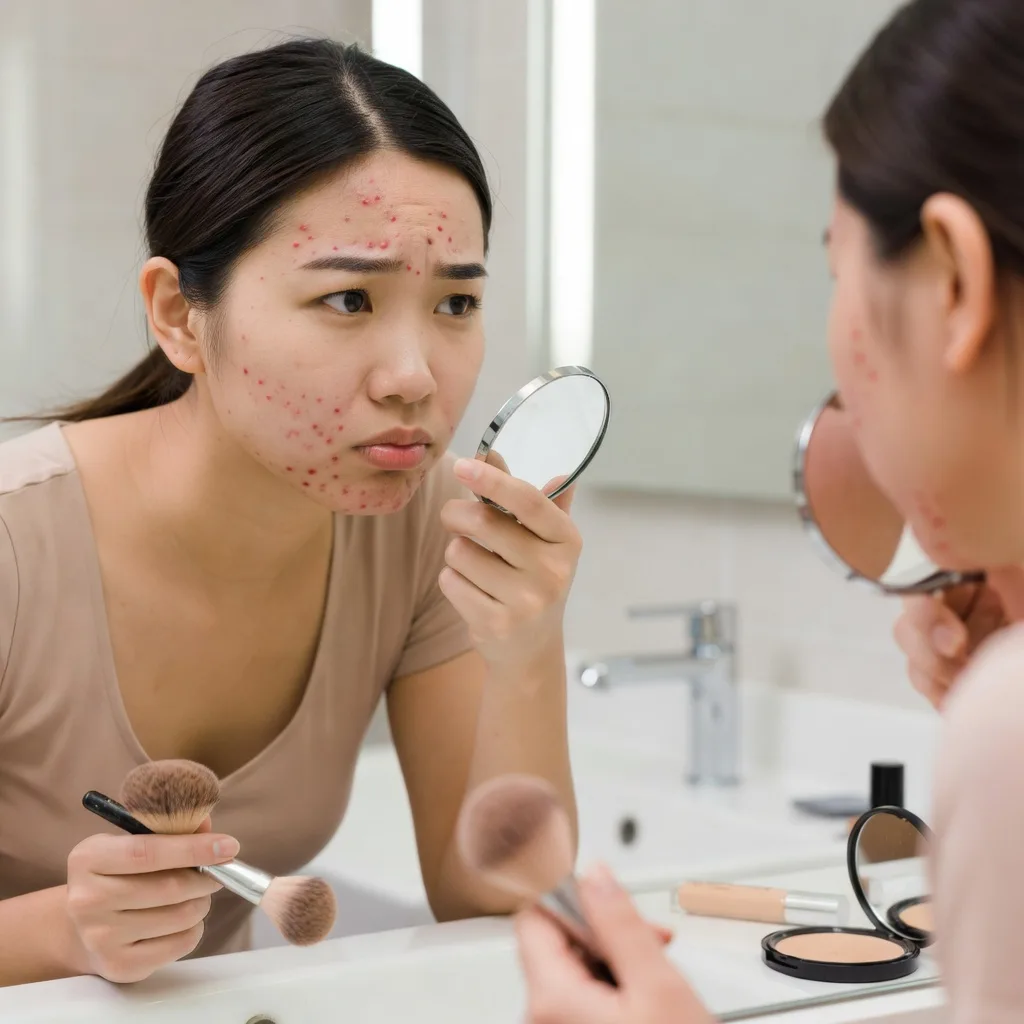
You start wearing a new foundation, and a few weeks later small bumps appear across your cheeks, forehead or jawline. Or you have always worn makeup and your skin has never been clear, and you wonder whether the products are part of the problem. Makeup can contribute to breakouts, but it is rarely the only cause, and working out what is really happening is the key to fixing it.
Part of our guide to makeup how-to. Start with: How to Properly Put On Face Makeup: The Right Order, Step by Step
If makeup seems to be causing acne, first look at the pattern: breakouts of small, similar-looking bumps where you apply a particular product are a sign of acne cosmetica. Stop or swap the most likely product, choosing non-comedogenic and oil-free formulas, and remove makeup completely every night with a gentle double cleanse. Clean brushes and sponges weekly, replace old products and avoid sleeping in makeup. Add a salicylic acid or benzoyl peroxide product for existing spots, and see a dermatologist if breakouts are painful, widespread or do not improve within two to three months.
Most people with acne can still wear makeup, and many find it helps them feel more comfortable while their skin heals. The right products and a thorough removal routine matter far more than whether you wear makeup at all. The goal is to find products and habits that sit comfortably on your skin rather than giving it up altogether, which can hurt confidence without always helping the acne.
The American Academy of Dermatology advises people with acne to use makeup labelled non-comedogenic or oil-free, to remove it before bed and to keep brushes and applicators clean. Those three steps solve many makeup-related breakouts.
This guide explains how makeup can cause acne, how to identify the culprit, which ingredients and habits to watch, a step-by-step plan to clear your skin and when to get professional help.
Shopping these picks?
Amazon Prime members get fast, free shipping on eligible items, plus Prime Video, Amazon Music and member deals. New members can start with a free trial.
Start a free Prime trialAged 18 to 24? Prime for Young Adults comes with a longer free trial and a lower price after it.
Affiliate link: we may earn a commission at no extra cost to you.
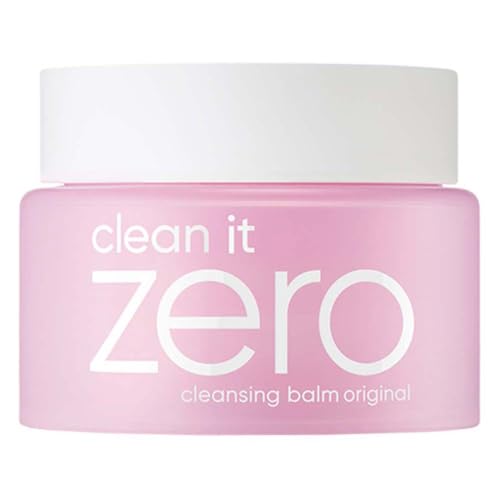
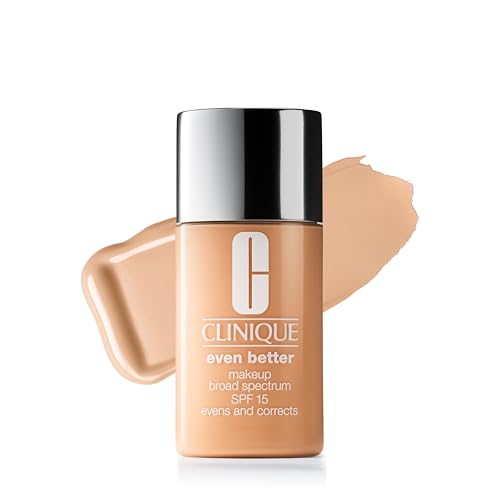
Recommended Products for Acne-Prone Skin That Wears Makeup



Quick Answer
- Acne cosmetica is acne triggered by cosmetics.
- It usually looks like small, uniform bumps where a product is used.
- Swap one product at a time to find the culprit.
- Choose non-comedogenic, oil-free makeup.
- Remove makeup completely every night.
- Clean tools weekly and replace old products.
- See a dermatologist if acne is painful or persistent.
Contents
- How Makeup Can Cause Acne
- Is Makeup Really the Cause?
- Ingredients That Are More Likely to Clog Pores
- How to Stop Makeup From Causing Breakouts
- Clean Tools and Fresh Products
- Choosing Makeup for Acne-Prone Skin
- Skincare That Supports Clearer Skin
- Daily Habits That Make a Difference
- Reintroducing Products Safely
- Dos and Don’ts
- Honest Limits
- When to See a Dermatologist
- Questions People Ask
- Summing Up
How Makeup Can Cause Acne
Makeup can contribute to acne in several ways. Heavy or oily formulas can add to the plugs of oil and dead skin that clog pores. Dirty brushes and sponges can transfer bacteria and old product to your skin. Leaving makeup on overnight gives it hours to sit in pores, and some ingredients irritate the skin, making breakouts more likely.
| Cause | What happens | What helps |
|---|---|---|
| Comedogenic ingredients | Heavy oils and waxes add to pore plugs | Non-comedogenic, oil-free formulas |
| Heavy layers | Thick coverage traps oil and sweat | Lighter formulas, spot concealing |
| Sleeping in makeup | Product sits in pores overnight | Thorough nightly removal |
| Dirty tools | Bacteria and old product transferred | Weekly cleaning of brushes and sponges |
| Old or expired products | Contamination and changed formulas | Replace products regularly |
| Irritating ingredients | Fragrance and some dyes inflame skin | Fragrance-free, simple formulas |
The American Academy of Dermatology calls breakouts triggered by cosmetics acne cosmetica. It often appears as many small, similar-looking bumps rather than a mix of large and small spots. Our guide on whether makeup messes up your skin covers other effects makeup can have.
Is Makeup Really the Cause?
Makeup is not always to blame. Hormones, stress, genetics, diet and skincare can all trigger acne, and breakouts often have more than one cause. Some clues suggest makeup is involved.
- Breakouts started or worsened soon after a new product.
- Spots appear mainly where you apply a specific product.
- The bumps are small, similar and close together.
- Skin improves on days or weeks without makeup.
- You often sleep in makeup or rarely clean your tools.
If breakouts follow a monthly pattern, cluster on the chin and jaw or come with other symptoms, hormones may be playing a bigger role. Hair products, sunscreen and even laundry detergent on pillowcases can also cause breakouts that look as if they come from makeup. A dermatologist can help separate the causes. Our guide on whether talc causes breakouts looks at one ingredient that often gets the blame.
A reaction that itches, burns or looks like a rash is more likely to be contact dermatitis than acne. That needs a different approach: stop the product and let the skin calm down.
Ingredients That Are More Likely to Clog Pores
Whether an ingredient clogs pores depends on the whole formula, how much is used and your skin, so no list is perfect. Some ingredients are more often linked to breakouts in acne-prone people.
- Heavy oils such as coconut oil and some plant butters.
- Rich waxes used in some long-wear and stick products.
- Isopropyl myristate and similar thick emollients in high amounts.
- Some pigments and dyes in blush and bronzer, for sensitive skin.
- Fragrance and essential oils, which can irritate.
Rather than memorising ingredient lists, look for products labelled non-comedogenic or oil-free and patch test them. Non-comedogenic is not a guarantee, but it means the formula was designed not to clog pores. Mineral powders and lightweight, water-based foundations are often well tolerated by acne-prone skin. Products with fewer ingredients also make it easier to work out what your skin reacts to, which is helpful when you are trying to find a trigger.
How to Stop Makeup From Causing Breakouts
Pause the suspect
Stop the product you started most recently or apply most heavily.
Simplify
Use only the makeup you really need for two to four weeks.
Switch formulas
Choose non-comedogenic, oil-free and fragrance-free products.
Remove thoroughly
Double cleanse every night with a balm or oil, then a gentle cleanser.
Clean your tools
Wash brushes and sponges weekly and let them dry fully.
Treat existing spots
Use salicylic acid or benzoyl peroxide as directed.
Reintroduce slowly
Add one product back at a time, a week or two apart.
Keep a simple log of the products you use and how your skin looks each week. It makes it much easier to spot which product triggers breakouts when you reintroduce them.
This process takes patience, and it can be tempting to add products back too quickly. Acne can take several weeks to settle after removing a trigger, so give each change time before deciding whether it worked. Our guide on when double cleansing is necessary explains how to remove long-wear makeup thoroughly.
Clean Tools and Fresh Products
Dirty brushes and sponges collect oil, dead skin, bacteria and old makeup. Every time you use them, that mixture goes back onto your face. Damp sponges left in a closed bag are especially prone to bacterial growth, so let them air-dry in an open space.
- Wash foundation and concealer brushes at least weekly.
- Wash or replace makeup sponges weekly; replace them every one to three months.
- Let tools dry completely before using them again.
- Replace liquid foundation and concealer if they change smell, colour or texture.
- Do not share makeup or applicators.
Our guides on how often to clean makeup brushes and how to sanitise makeup tools explain the steps in detail. The FDA also discusses how bacteria can grow in cosmetics in its guidance on microbiological safety and cosmetics.
Choosing Makeup for Acne-Prone Skin
The best makeup for acne-prone skin is light, breathable and easy to remove.
| Product | Better choices | Use with caution |
|---|---|---|
| Foundation | Oil-free liquid, mineral powder, light skin tint | Heavy cream or stick foundations |
| Concealer | Oil-free liquid applied only on spots | Thick, waxy concealers all over |
| Primer | Oil-free, mattifying or silicone-based | Rich, oily primers |
| Powder | Mineral or finely milled, talc-free if preferred | Heavy layers of powder |
| Blush and bronzer | Powder or light liquid formulas | Rich cream sticks on breakout areas |
| Setting spray | Alcohol-light formulas | Heavily fragranced sprays |
Spot concealing, where you use a small amount of concealer only on blemishes and keep the rest of the base light, usually looks more natural and puts less product on the skin than a full-coverage foundation everywhere. A green-tinted corrector can reduce redness on inflamed spots so you need less concealer on top.
Skincare That Supports Clearer Skin
Makeup sits on top of your skincare, so the routine underneath matters too. A gentle cleanser, a light non-comedogenic moisturiser and daily sunscreen form a good base.
The American Academy of Dermatology explains in its skin care tips for acne-prone skin that gentle cleansing, avoiding scrubs and not picking at spots all help acne heal. Salicylic acid, benzoyl peroxide and adapalene are over-the-counter options that can treat and prevent breakouts, though they can make skin drier, so a light moisturiser is important.
Do not pick or squeeze spots before applying makeup. It can push bacteria deeper, cause scarring and make spots harder to cover.
Daily Habits That Make a Difference
Small habits add up when it comes to makeup and acne.
- Never sleep in makeup, even after late nights.
- Keep hands away from your face during the day.
- Clean your phone screen, which touches makeup-covered skin.
- Change pillowcases once or twice a week.
- Blot oil instead of adding more powder.
- Remove makeup soon after workouts.
If you exercise, try to go makeup-free or wear only a light tinted sunscreen, and cleanse soon afterwards. Sweat mixed with heavy makeup is a common trigger for breakouts along the hairline and jaw. Makeup bags also collect spills, dust and crumbs, so wipe them out regularly and keep lids tightly closed.
Reintroducing Products Safely
Once your skin has calmed down, you can start adding products back. Doing it slowly is the only reliable way to find out which ones your skin tolerates.
- Start with the product you use most, such as foundation or concealer.
- Use it for one to two weeks before adding anything else.
- Watch the areas where you apply it for new small bumps.
- If breakouts return, stop that product and note it down.
- Move on to the next product only when your skin stays clear.
Patch testing can speed things up. Apply a small amount of a new product to the same small area, such as along the jawline, for several days before using it all over. It does not catch every problem, but it can reveal obvious reactions early.
When you find a product that suits you, it is worth sticking with it rather than frequently switching. Constantly trying new makeup makes it harder to keep skin stable and to trace the cause if breakouts return.
Dos and Don’ts
Helps
- Choose non-comedogenic, oil-free makeup
- Remove makeup every night
- Clean brushes and sponges weekly
- Change one product at a time
- Treat spots with proven ingredients
Backfires
- Sleep in makeup
- Pile on heavy coverage
- Share makeup or applicators
- Pick at spots before covering them
- Keep using old or changed products
Honest Limits
Non-comedogenic labels are not regulated in the same way as medicines, and testing methods vary. A product labelled non-comedogenic can still cause breakouts for some people, while others tolerate richer products without problems. Your own skin’s response over several weeks is a more reliable guide than any label.
Stopping makeup alone does not cure acne that is driven by hormones or genetics, and some people notice little change even after switching every product. In those cases, makeup changes help but medical treatment is usually needed for lasting improvement.
When to See a Dermatologist
- Acne is painful, deep or cystic.
- Breakouts leave dark marks or scars.
- Acne does not improve after two to three months of changes.
- You notice itching, burning or a rash after using makeup.
This article is for general information and does not replace professional medical advice. See a dermatologist for persistent, painful or scarring acne, or for reactions to cosmetics.
Questions People Ask
Can makeup cause acne?
Yes, some products and habits can contribute to breakouts, called acne cosmetica.
How do I know if my makeup is breaking me out?
Look for small, similar bumps where you use a product, starting after a new product.
What makeup is best for acne-prone skin?
Non-comedogenic, oil-free formulas such as mineral powder or light liquid foundation.
Should I stop wearing makeup if I have acne?
Not necessarily; switching products and habits is often enough.
How long does acne cosmetica take to clear?
Usually several weeks after removing the trigger.
Does non-comedogenic mean it will not cause acne?
No, it lowers the risk but is not a guarantee.
How often should I clean makeup brushes?
At least weekly for foundation and concealer brushes.
Can sleeping in makeup cause acne?
Yes, it lets product sit in pores for hours.
Is mineral makeup better for acne?
Many acne-prone people tolerate it well.
When should I see a dermatologist?
If acne is painful, scarring or not improving after a few months.
Summing Up
If makeup seems to be causing acne, look for patterns, pause the most likely product and switch to non-comedogenic, oil-free formulas. Remove makeup every night, clean your tools weekly and replace old products.
Treat existing spots with proven ingredients, reintroduce products one at a time and give changes several weeks to work. See a dermatologist if acne is painful, persistent or leaving marks.

Written by
Registered pharmacist and founder of Facial Adviser. Rakib's pharmacy training covers how skincare actives work and interact; a later course in cosmetology turned that into a focus on facial treatments and skincare products. He plans, researches and edits every guide on the site and checks health claims against sources such as the American Academy of Dermatology, the FDA and the NIH. He is not a dermatologist; see the Editorial Policy and Medical Disclaimer.
About · Editorial policy · How we choose products · Medical disclaimer · Contact
Keep reading: Makeup basics and skin
- How to Properly Put On Face Makeup: The Right Order, Step by Step
- Makeup for Asymmetrical Features: How to Balance Eyes, Brows and Lips
- Makeup Mistakes That Age You and What to Do Instead
- How to Adjust Your Makeup to Match a Tan Without Buying New Foundation
- Makeup Tips for Uneven Skin Tone: Even Out Redness, Spots and Dullness
- Makeup or Hair First? The Real Chemistry Behind It
- How to Choose Lipstick Shade: Undertone, Skin Tone and Testing Tips
- How to Find the Right Shade of Makeup: Undertone, Depth and Testing